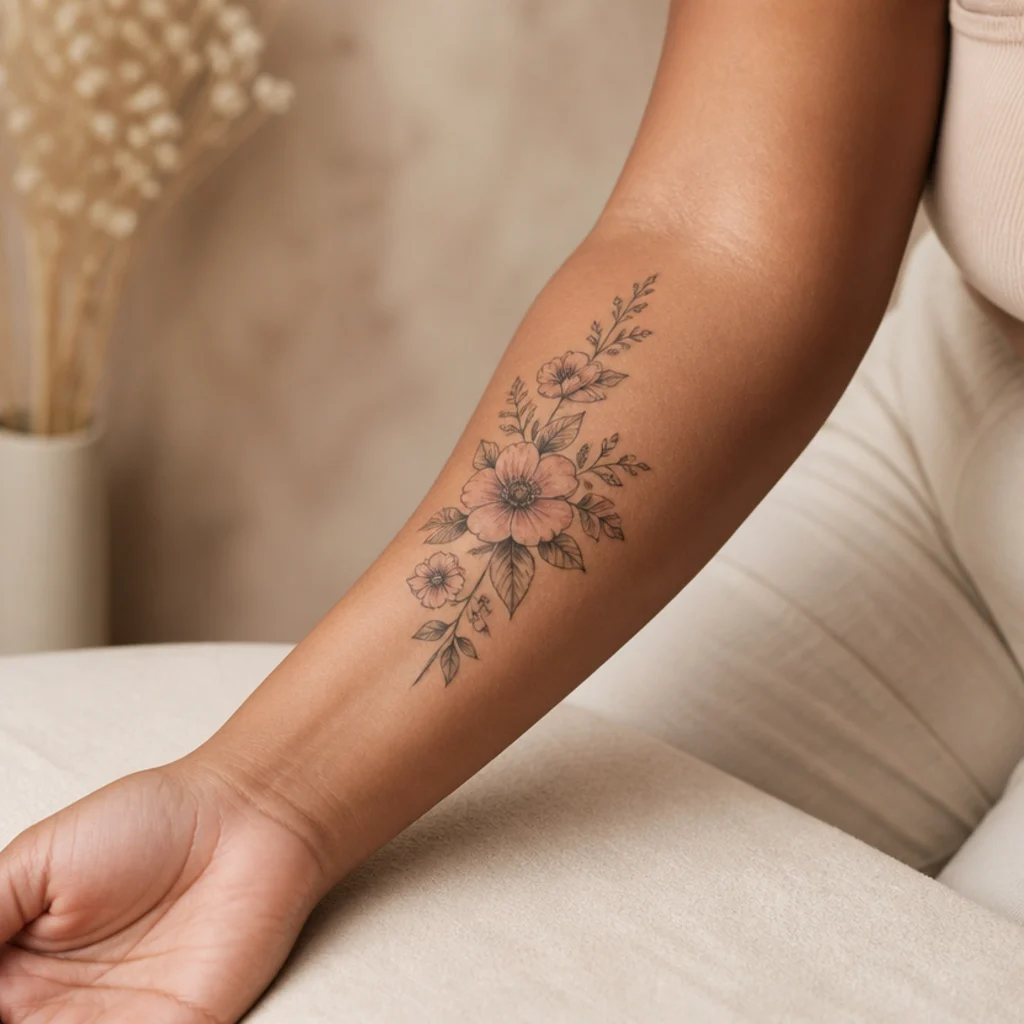
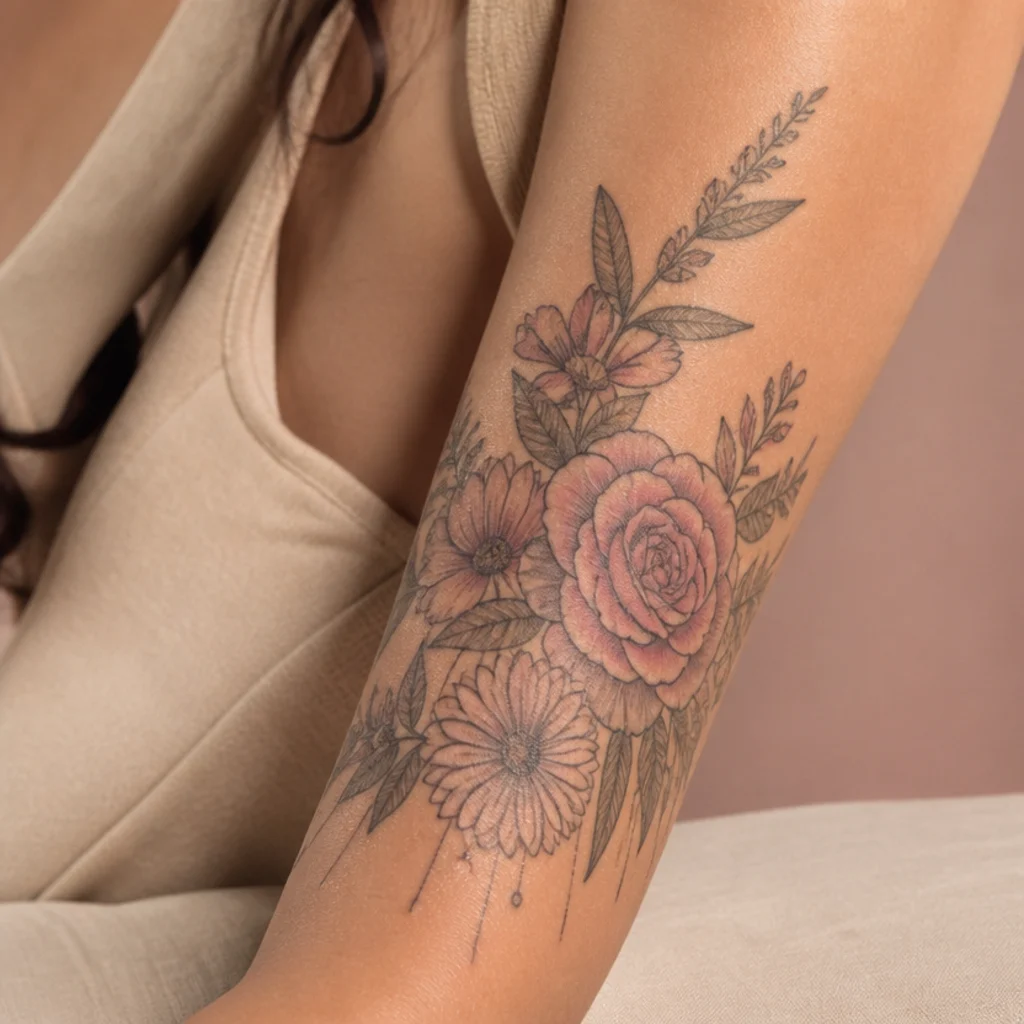
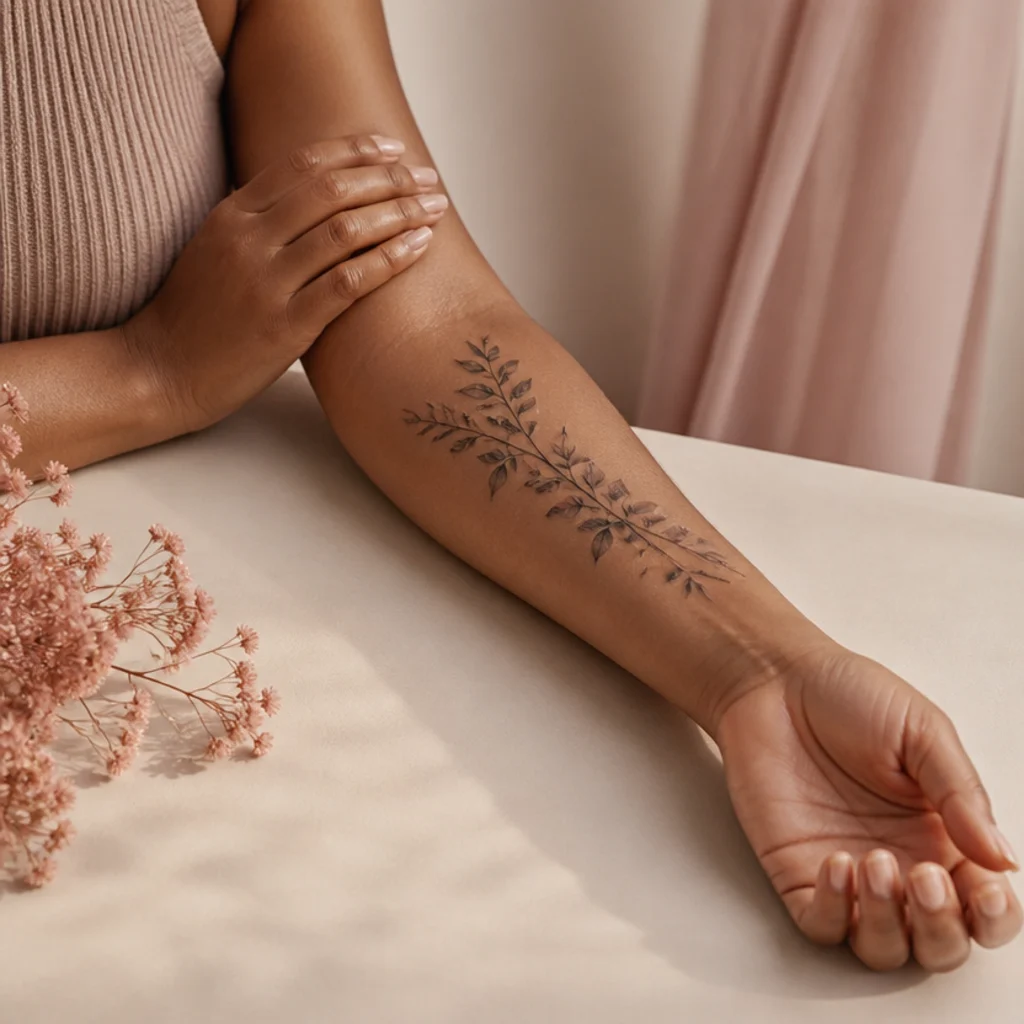
5 Cover Up Tattoo Mistakes to Avoid
A cover-up is a negotiation between the ink you already have and the design you want, and old ink always gets a vote. Misjudge the size, saturation, or shape and the original keeps ghosting through every heal cycle. Here are the five mistakes that quietly ruin cover-ups, plus the exact fix to raise at your consult.
 Edited by Lena Rose · Published July 11, 2026 · 15 min read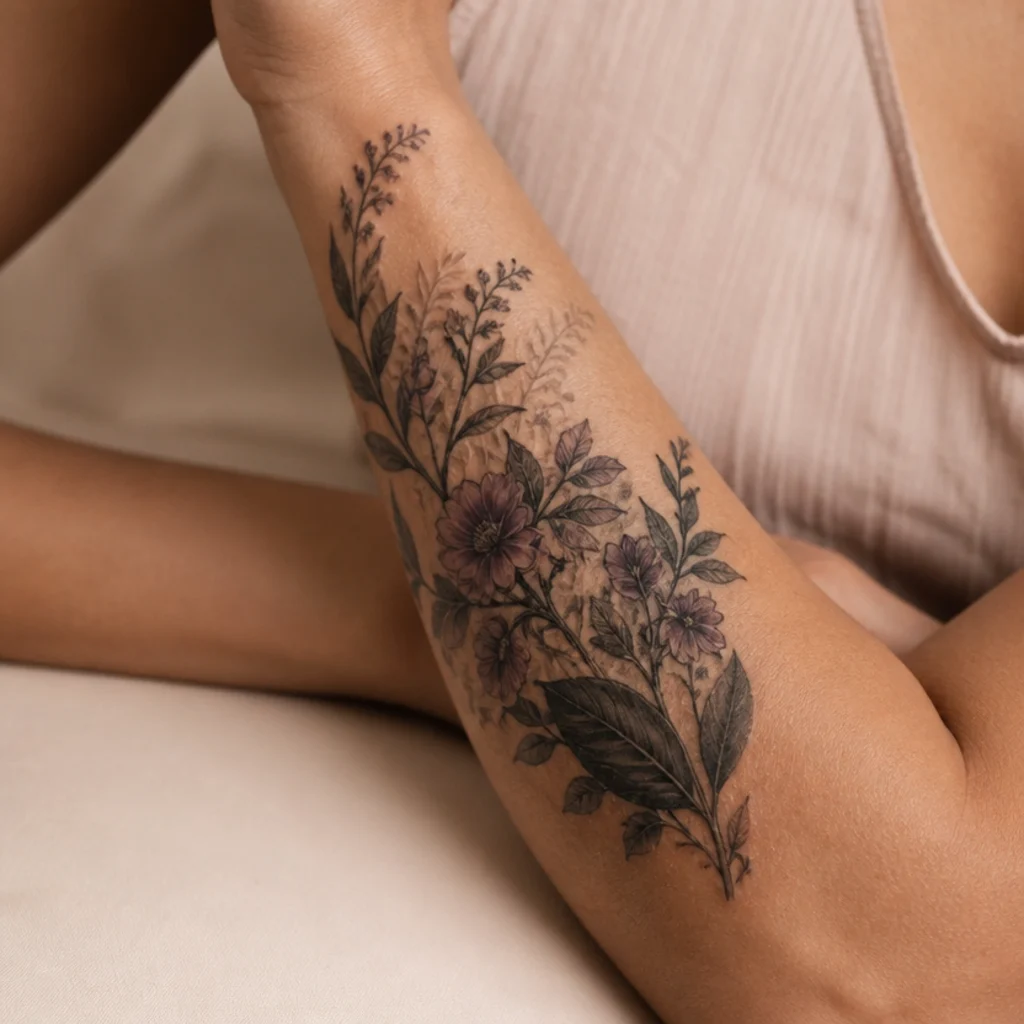
Quick Answer
- Best for: Anyone reworking an old, dark, blown-out, or regretted tattoo, from small cover up tattoos over a faint symbol to large sleeve-scale rescues.
- Who might skip it: People whose original is still fresh (let it fully heal first), or whose ink is so dense that laser removal, not a cover-up, is the honest answer.
- Maintenance: Darker, more saturated designs than a fresh tattoo; a touch-up to reinforce the darkest camouflage zones is common 6-18 months in.
- Difficulty: High. Cover-ups rank among the most technical work a tattooer does, since they have to solve a puzzle before they can make art.
- Cost: Variable and usually above a same-size fresh piece; expect a premium for the extra planning, plus separate laser-fading fees if lightening is needed. Ask for a session-by-session estimate, not a single flat number.
- Wear time / longevity: Permanent, but the illusion depends on saturation holding; dense blacks and deep shadow age most reliably.
- Standout variation: Botanical, feather, and shadow-heavy designs whose organic edges dissolve straight old lines instead of framing them.
- How to ask your tattoo artist: "Can I see healed cover-ups over ink as dark as mine, and how much larger would the new piece need to run to fully bury these lines?"
In This Guide
Cover-ups look effortless when they work, which is exactly why the planning gets underestimated. Almost every disappointing result traces back to a handful of predictable decisions made before the needle touches skin, not a shaky hand on the day. The physics are simple and unforgiving: tattoo ink is additive, so a new design can only darken, redistribute, and disguise what's already there. It can't lift the old ink out. That single fact governs how big the new piece has to run, how saturated it needs to be, and which motifs can actually swallow an old outline. Whether you're exploring small cover up tattoos to rework a tiny initial or reimagining a full forearm, the same four levers, size, saturation, shape, and patience, decide the outcome far more than the reference photo saved on your phone. This guide walks through the five mistakes that surface again and again in cover-up work, with the practical fix for each, so you arrive at your consult asking sharper questions. None of it replaces professional assessment: design, sizing, placement, coverage feasibility, and healing must always be confirmed with a licensed tattoo artist, and no cover-up can be promised to fully hide an existing tattoo or scar.
01Going Too Small for the Old Tattoo
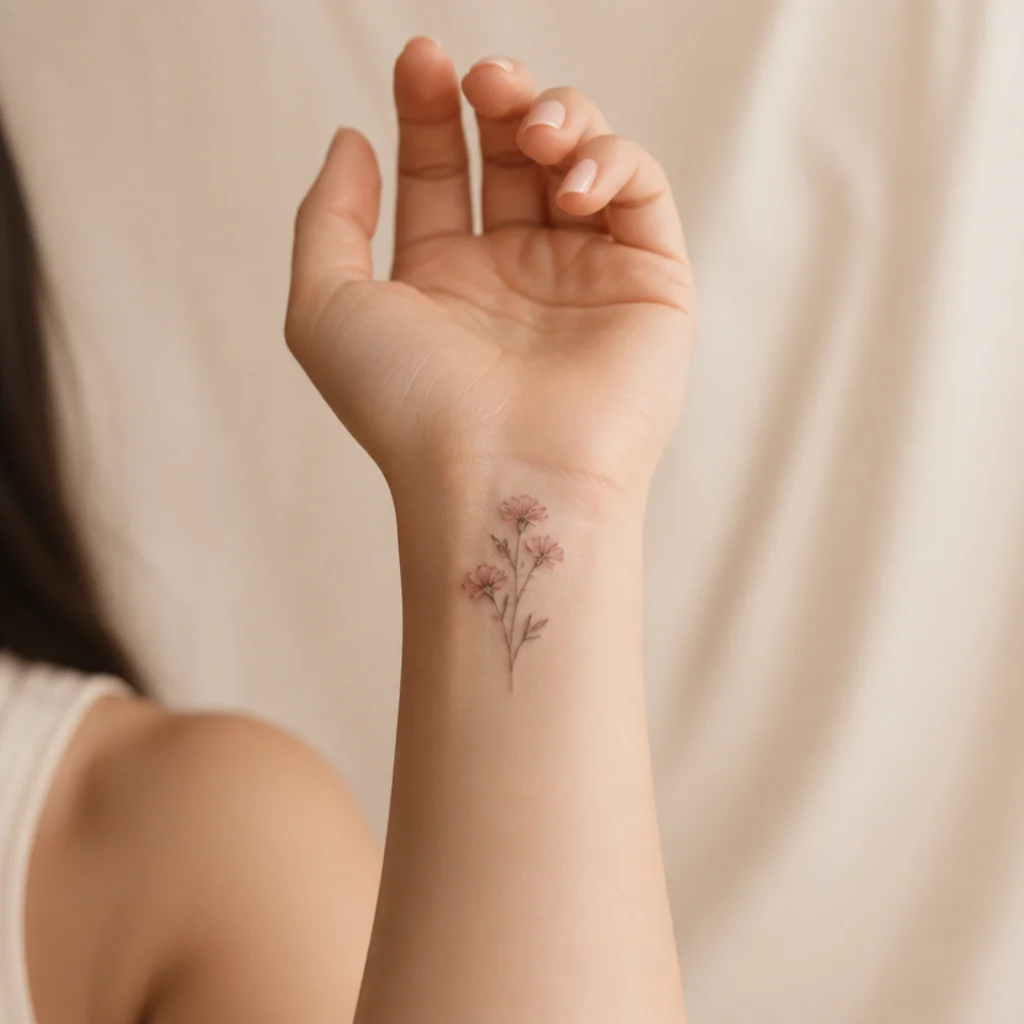
The most common misjudgment is expecting a compact new piece to erase a bigger, darker one. Small cover up tattoos shine over faint, small originals, sun-faded grey linework, a single thin initial, a pale symbol, but they can't absorb ink that spreads past their own edges. As a working rule, artists want the cover-up to run roughly 20 to 40 percent larger than the piece underneath so there's room to build gradient shading that dissolves old lines instead of tracing a hard border around them. Undersize it and the original's outermost strokes sit just outside the new design, catching light for years. If you're set on a petite scale, the fix is usually one or two laser-lightening sessions first, spaced six to eight weeks apart, to shrink the coverage footprint you actually need. Placement matters too: a wrist or ankle gives you less real estate to expand into than a forearm or shoulder. Before you commit to size, ask your artist for a traced overlay showing the minimum outline that reliably buries the old edges.
02Ignoring How Dark the Original Ink Is
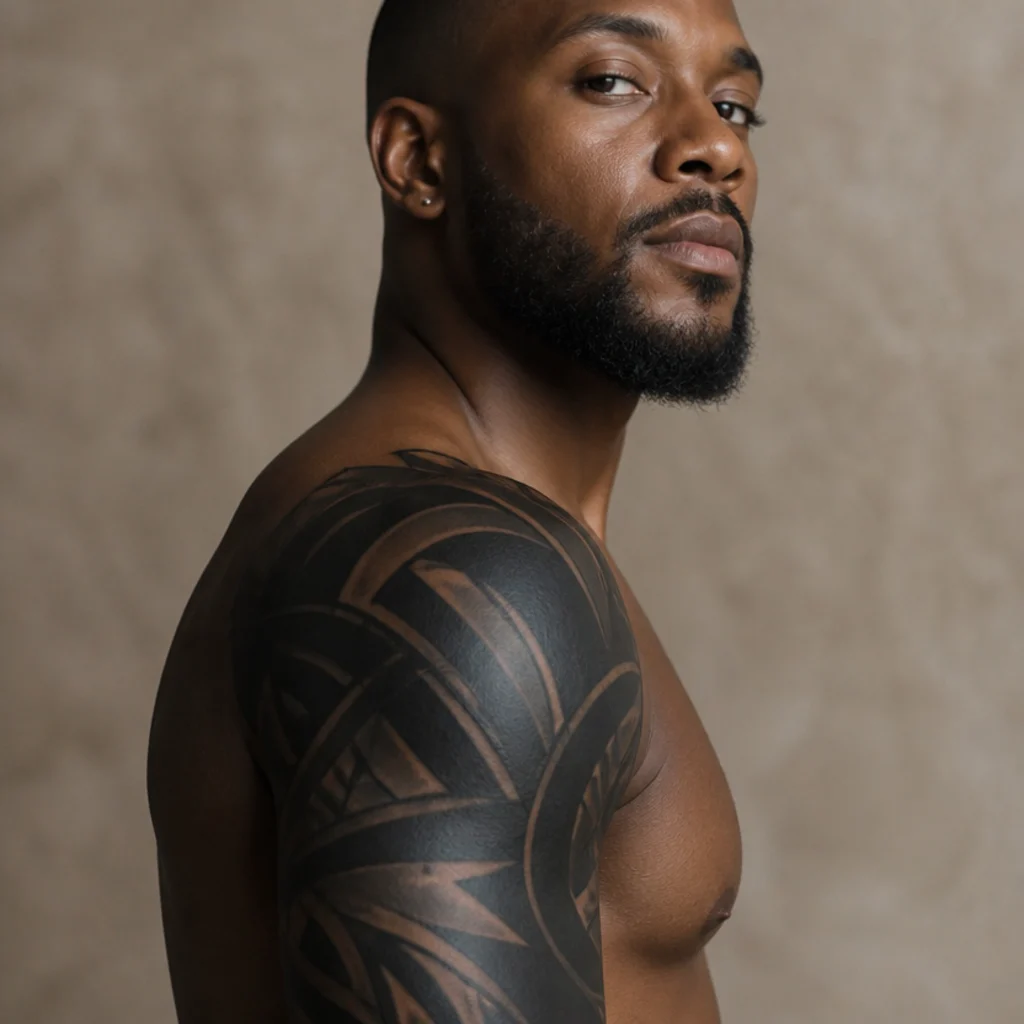
Dense black cover up tattoos and old solid-black or tribal work are the hardest originals to disguise, and people routinely underestimate them. Because ink only adds, the new design has to be at least as dark and as saturated as the old ink everywhere it overlaps, which is why the most reliable cover-ups lean on deep blacks, charcoal shadow, high-contrast botanicals, and realism rather than soft pastels or fine-line delicacy. A light watercolor concept can't out-darken heavy tribal, so it just reads as a haze sitting over the original. Skin tone shapes the palette further: on deep skin, black-and-grey shadow and jewel-toned florals camouflage far more convincingly than pale washes. The honest fix for very dark source ink is often three to six laser sessions to fade it toward a medium grey first, which then reopens gentler colours and finer detail. Budget for that timeline rather than forcing a single-pass miracle. Bring your reference to the consult and ask your artist to hold it beside a healed cover-up of comparably dark ink, so you see the saturation the job actually demands instead of just hearing it described.
03Choosing a Design That Fights the Old Shape
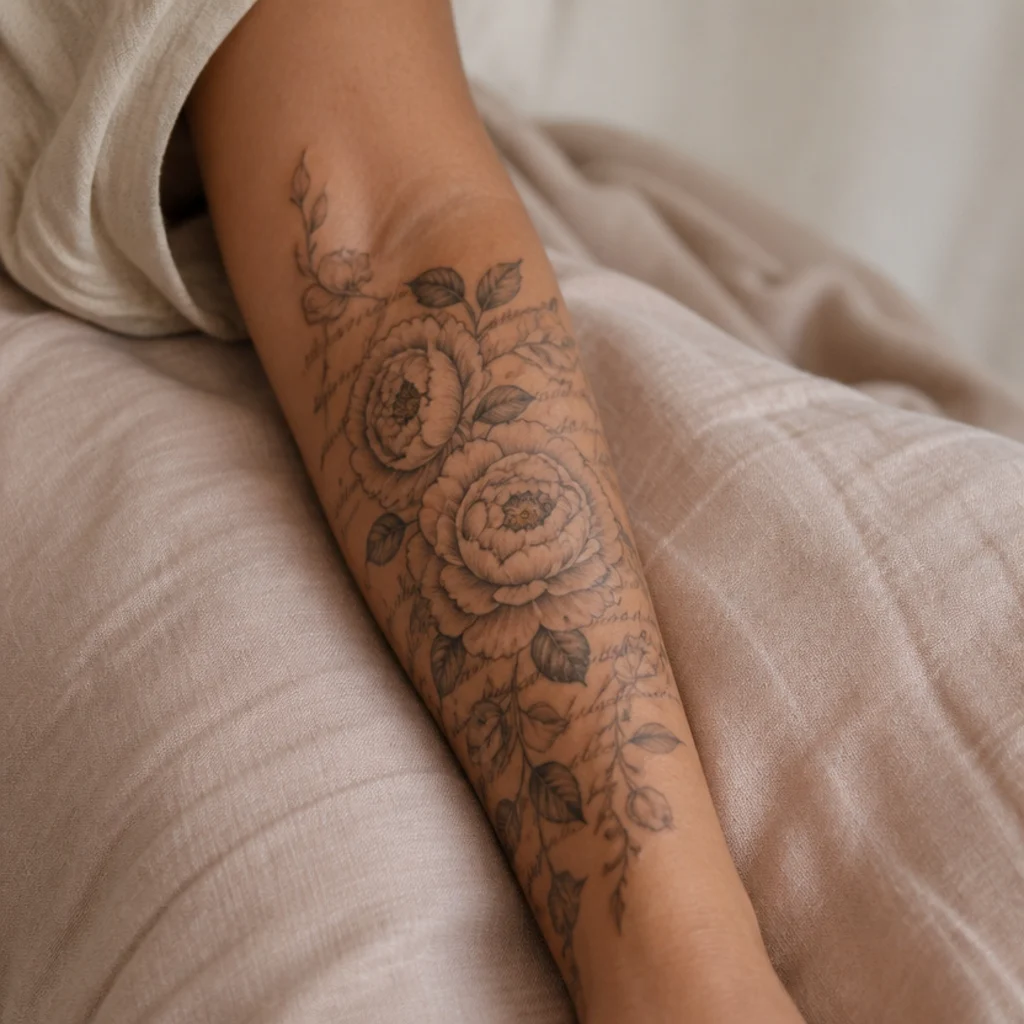
A cover-up succeeds when the new design works with the old geometry instead of ignoring it. Name cover up tattoos are the textbook trap: rows of lettering leave hard horizontal baselines and repeating vertical stems that a small, airy, evenly spaced motif can never fully hide, because the eye still reads the rhythm underneath. The fix is choosing organic, directional shapes, peonies, roses, foliage, feathers, koi, or abstract smoke, whose densest elements can land exactly on the darkest strokes of the original. A strong artist maps the composition to the old ink first, so a flower's shadowed core or a leaf's spine falls on a letter's heaviest stem rather than in negative space. That's why flexibility on orientation matters more than any single reference image: rotating a design 30 degrees or flipping its flow can be the difference between buried and half-visible. Bring a mood direction to the consult rather than a locked drawing, and ask your artist to sketch the new motif directly over a photo of the original so you can see the darkest areas line up before stencil day.
04Treating a Scar Like Plain Skin
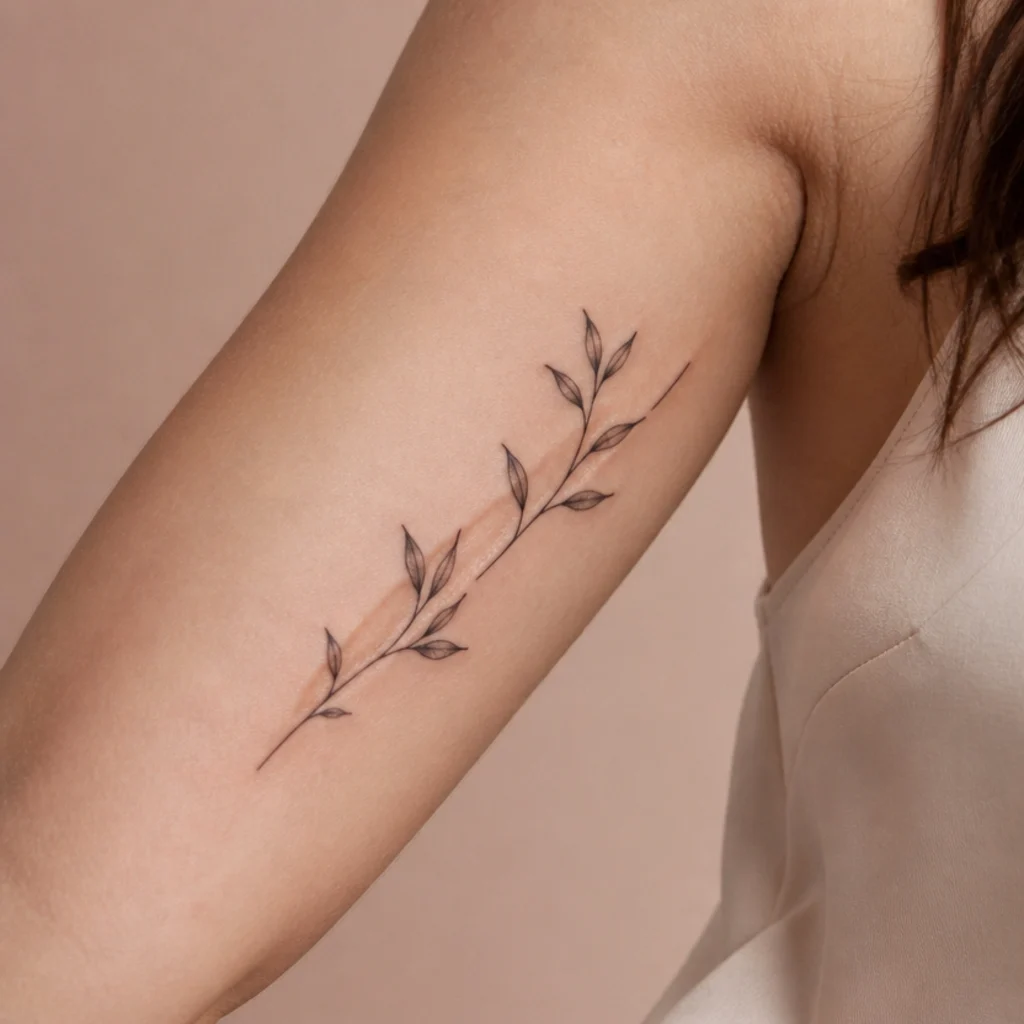
Scar cover up tattoos follow different rules than covering old ink, and skipping that distinction is where disappointment starts. Scar tissue is structurally different from surrounding skin: it can be raised, indented, shiny, or fibrous, and it takes and holds pigment unevenly, so colour can blotch, spread, or drop out in patches, and the scar's own contour may still catch light after tattooing. The smartest designs work with the scar's direction, using a raised line as a stem, branch, or shadow edge, and favour stippling and soft botanical shading over crisp fine lines, which tend to feather on textured tissue. Timing isn't negotiable: a scar generally needs to be fully mature, flat, pale, and stable, which often means waiting a year or more, before it can be tattooed at all, and only a licensed artist (with medical clearance where relevant) can judge readiness. Go in expecting softening and camouflage, never complete erasure, and settle any medical questions first. Before you book, ask your artist how they'd route the design along the scar's natural line rather than across it.
Save this to Pinterest to reference the scar and shape tips at your consult.
05Rushing the Artist and the Timeline
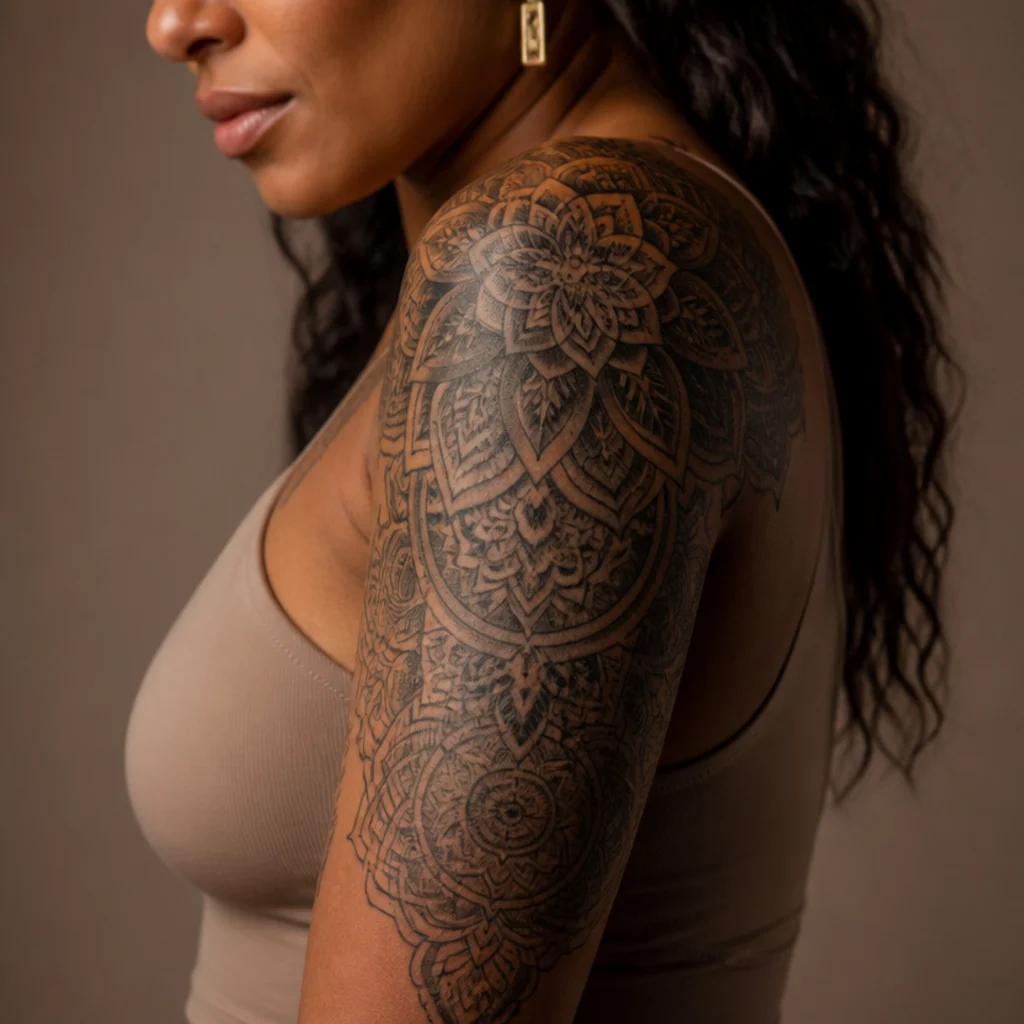
Impatience quietly sinks more cover-ups than any single design choice. Large cover up tattoos in particular are rarely one-and-done: they often need multiple sessions, full heal gaps of four to six weeks between passes, and sometimes a months-long laser-fading phase beforehand, and compressing that arc always shows in the result. Booking the cheapest or soonest available artist instead of a proven cover-up specialist is the same mistake wearing a different mask, because cover work is a distinct skill set and plenty of gifted tattooers just don't do it well. Vet portfolios for healed cover-ups specifically, ideally photographed months after the final session, since fresh work can look flawless on day one and reveal ghosting as it settles and the top blacks soften. Expect a longer, more diagnostic consult, and treat a staged plan as a good sign, not a red flag. The old tattoo has waited this long; giving the cover a proper timeline is what turns "you can kind of still see it" into a piece that reads as original. Before you book, ask your artist to walk you through their session-by-session plan and expected healing windows.
Pro Tips from the Editor
- Photograph the original in flat, indirect daylight and under a phone flashlight; the flashlight reveals faint outer lines that dictate the real coverage footprint, and shade shifts are behind most cover-up regrets.
- Treat laser as an ally, not a failure. Even two or three fading sessions can shrink the required size, widen your colour options, and let a finer design hold, especially for black cover up tattoos.
- Judge portfolios by the worst healed cover-up shown, not the best; consistency at the six-month mark predicts your outcome far better than one hero photo.
- Bring a direction, not a locked drawing. Say "dark botanical, vertical flow, room to place shadow on the heavy strokes" and let the artist compose to the old ink.
- For name cover up tattoos, ask specifically how the artist will break up the baseline rhythm; the horizontal line, not the letters, is what usually stays visible.
- Build a touch-up into your budget and calendar from the start. Cover-ups lean on maximum saturation, and reinforcing the darkest zones once, a year in, keeps the illusion crisp.
- Never let anyone promise total erasure of ink or a scar. "Significant camouflage" is the honest ceiling, and an artist who says otherwise is selling, not planning.
Cover-Up Difficulty at a Glance
| Original piece | Typical fix | Realistic outcome | Laser first? |
|---|---|---|---|
| Faint / small grey linework | Small cover up tattoos, 20-40% larger | Often full camouflage in one session | Rarely needed |
| Bold coloured design | Darker, larger, high-contrast motif | Strong camouflage, size increase likely | Sometimes |
| Solid black / tribal | Deep black-and-grey, realism, heavy shadow | Camouflage, usually multi-session | Often helpful |
| Name / lettering | Organic flowing shapes over the baseline | Good camouflage with flexible orientation | Case by case |
| Over a mature scar | Soft botanical/stipple along scar direction | Softening and camouflage, not erasure | N/A |
Guidance only; every case must be assessed in person by a licensed tattoo artist.
How to Choose / Get the Look
Start with an honest audit of your original: its size, age, colour, saturation, and whether any part sits over a scar. That audit drives every later decision, so do it before you fall for a specific design. Then work the decision framework in order. First, feasibility: bring flat-daylight and flashlight photos and let a specialist tell you what's realistic, cover-up, cover-up-plus-laser, or removal, before you commit emotionally. Second, saturation: match the new design's darkness to the old ink; heavy originals demand deep blacks and shadow, not pastels. Third, size and shape: accept that the piece usually needs to run larger, and stay flexible on orientation so heavy elements can land on the darkest strokes. Fourth, timeline: budget for multiple sessions and heal gaps, and any laser phase, rather than the soonest single appointment. Fifth, artist: prioritise a portfolio full of healed cover-ups over dark ink like yours, weighted more than glossy day-one shots. Small cover up tattoos over faint originals may finish in one sitting; large cover up tattoos and dense black cover up tattoos almost always need a staged plan. Above all, confirm design, sizing, placement, coverage feasibility, and healing with a licensed tattoo artist, and remember that no cover-up can be promised to fully hide existing ink or a scar.
Frequently Asked Questions
Can any tattoo be covered up?
Most tattoos can be meaningfully improved, but not all can be fully hidden. Because ink is additive, very dark, dense, blown-out, or large originals may need laser fading first, a bolder design, or in some cases removal rather than a cover-up. A licensed artist assessing your specific piece in person is the only reliable way to know what's realistic for you.
Do cover up tattoos need to be bigger than the original?
Usually, yes. A cover-up needs room to build gradient shading that dissolves the old outline, so it commonly runs around 20 to 40 percent larger than the piece underneath. Small cover up tattoos work best over faint, small originals; if you want to keep the scale petite, ask whether laser lightening first would shrink the coverage you actually need.
Are name cover up tattoos harder to hide?
Often, yes, because lettering creates hard horizontal baselines and repeating vertical stems that the eye keeps reading. Flowing, organic designs that place their darkest elements directly on those heavy strokes cover names far more convincingly than small, evenly spaced, or airy motifs. Flexibility on orientation is what lets the artist break up the old rhythm.
Can you tattoo over a scar?
Sometimes, once the scar is fully mature, flat, and stable, which often means waiting a year or more, but scar tissue takes pigment unevenly. Scar cover up tattoos aim to soften and camouflage rather than erase, and only a licensed artist, with medical clearance where relevant, can assess whether your scar is ready and how it may hold ink.
How long do cover up tattoos take?
It varies widely. A small, light original might be covered in a single session, while large cover up tattoos or heavily saturated black cover up tattoos often need several sittings with four-to-six-week heal gaps between them, plus any laser-fading phase beforehand. Ask your artist for a session-by-session plan so the full timeline is clear up front.
Are black or coloured cover-ups easier?
Neither is automatically easier; it depends on the original. Deep blacks and black-and-grey shadow reliably out-saturate dark old ink, which is why they anchor so many cover-ups, while colour gives more options over lighter originals. The covering design just has to be as dark as, or darker than, whatever it overlaps.
Does laser removal before a cover-up really help?
Frequently, yes. Even a few laser sessions can fade the original enough to shrink the required size, widen your colour and detail options, and reduce ghosting over time, particularly for dense black cover up tattoos. Your artist and a laser technician can advise how many sessions, if any, would meaningfully improve your result.
Will the old tattoo ever show through later?
It can, if the cover-up was undersized or under-saturated, because top blacks soften as they age and old lines beneath can re-emerge subtly over years. This is exactly why healed portfolio photos and a properly sized, well-saturated design matter, and why a reinforcing touch-up is sometimes planned. No artist can honestly promise permanent, complete concealment.
How do I choose a cover-up specialist?
Look for a portfolio rich in healed cover-ups over ink as dark as yours, photographed months after the final session rather than fresh off the chair. Ask how they'd size and orient your design, whether they recommend laser first, and how many sessions to expect. A thorough, diagnostic consult and a willingness to stage the work are strong signals you're in the right chair.