15 Steps to Plan a Cover Up Tattoo
Reworking old ink is a design problem, not an impulse buy. These fifteen steps move you from an honest look at what's on your skin to a fading plan, a vetted specialist, a stencil you trust, and a healed piece you're glad you waited for.
 Edited by Lena Rose · Published July 11, 2026 · 28 min read
Quick Answer
- Best for: Anyone reworking outdated, faded, or unwanted ink, from small cover up tattoos and single names to full-panel blackwork and scar-adjacent skin.
- Who might skip it: If your original is very dark and you want a light, airy design, you may prefer laser removal first (or instead) rather than forcing a heavy cover-up.
- Maintenance: Moderate to high. Dense pieces layered over saturated ink often need a touch-up within the first year and periodic shading refreshes over the years.
- Difficulty: High. Cover-ups demand an experienced specialist, flexible expectations, and usually a larger, bolder design than the original.
- Cost: Variable. Commonly runs higher than comparable fresh work of the same size because of layering, longer chair time, and skill; multi-session reworks add up. Get a written estimate.
- Wear time / longevity: Permanent, but coverage settles over the first 4 to 8 weeks and can lighten slightly as it heals; well-anchored dark passages hold longest.
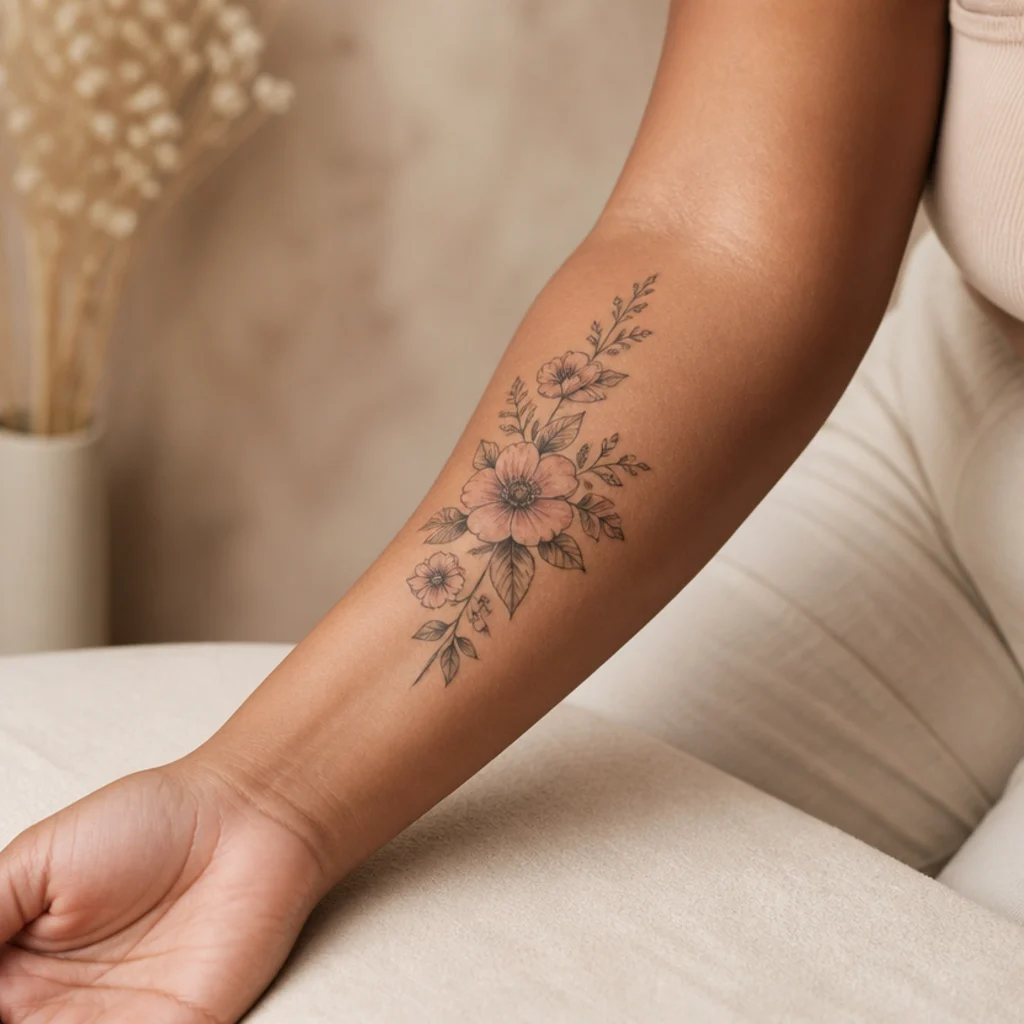
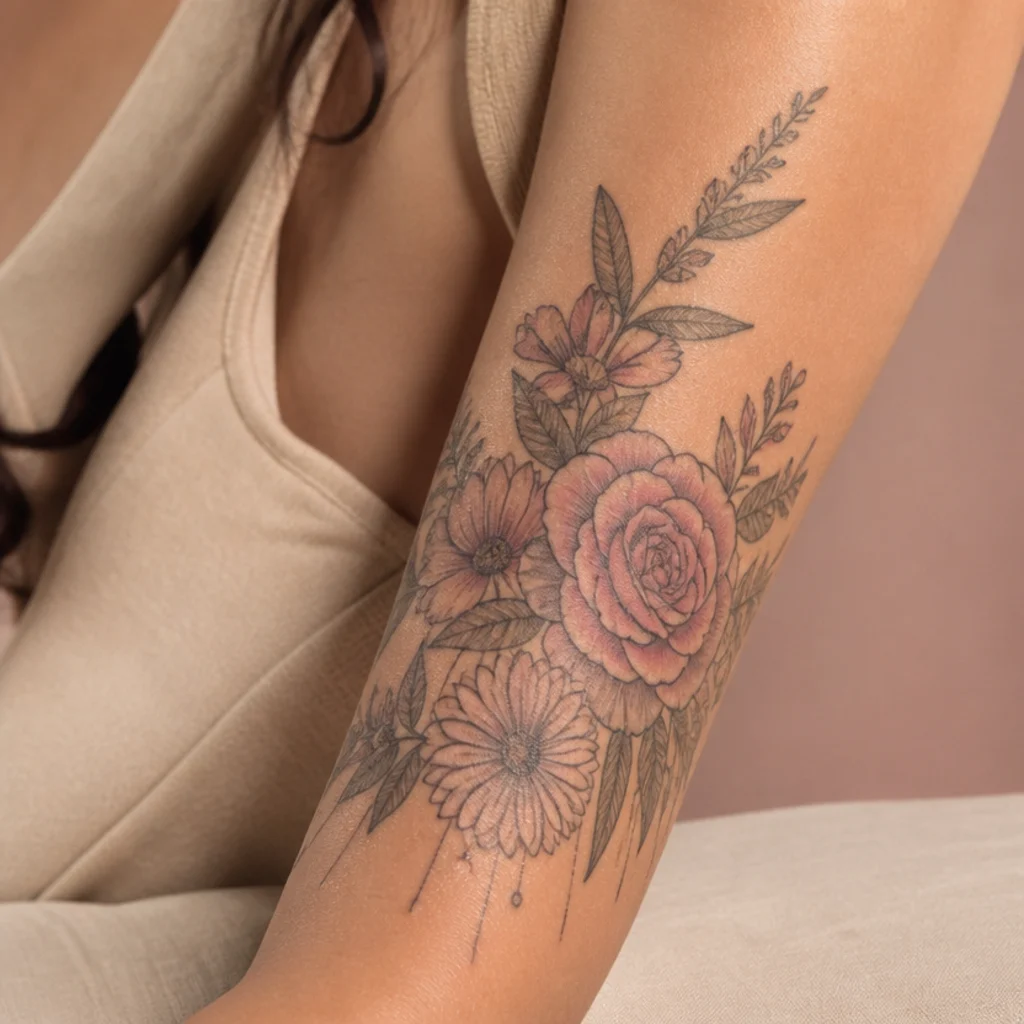
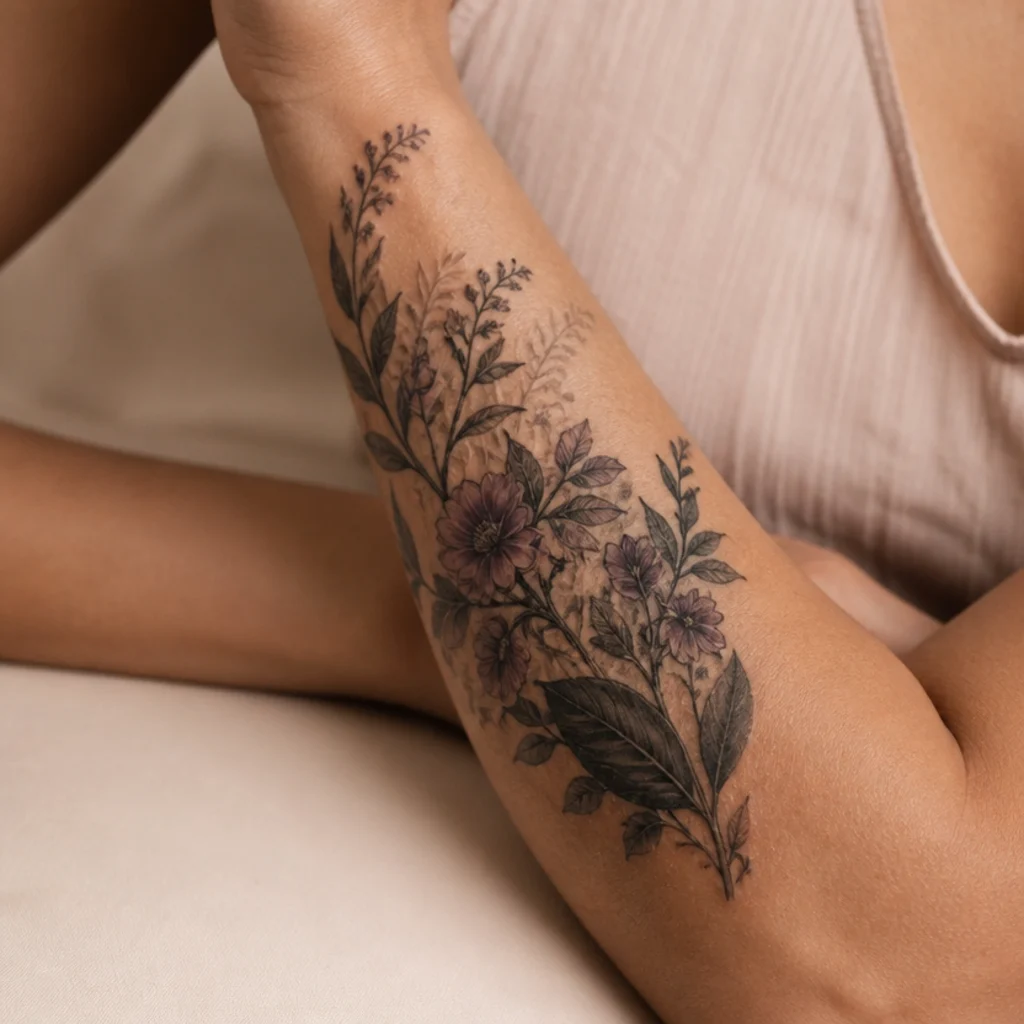
- Standout variation: Botanical and neo-traditional florals that use petals, leaves, and dark negative space to fracture old linework.
- How to ask your tattoo artist: "Can you show me healed cover-up work over ink as dark as mine, and would a few fading sessions first widen my options?"
In This Guide
- Assess the Tattoo You Have Now
- Set a Realistic Goal
- Decide Cover-Up vs. Removal First
- Gather Visual Inspiration
- Choose a Style Direction
- Think About Size and Placement
- Plan Your Color Strategy
- Research the Right Artist
- Book a Consultation
- Talk Budget and Sessions
- Review the Sketch Honestly
- Prep Your Skin Beforehand
- Plan the Day of Your Session
- Follow the Aftercare Plan
- Schedule Touch-Ups and Reassess
A cover-up is a different kind of project than booking fresh ink, and it rewards patience over speed. The new design has to negotiate with whatever's already on your skin, so the darker, denser, or larger the original, the more strategy the rework needs. That's the core rule cover-up specialists work by: you're not painting on a blank canvas, you're painting over one whose value never quite drops to zero. Even small cover up tattoos often size up into something bolder and darker so the replacement has room to break old lines and pull the eye elsewhere. The steps below trace the full arc, from a clear-eyed look at your current piece through fading decisions, style and color strategy, artist vetting, session logistics, and long-term touch-ups, with notes on how to talk to a professional at each stage. Treat this as a preparation checklist, not a guarantee. Design, sizing, placement, coverage feasibility, and healing must always be confirmed with a licensed tattoo artist who can assess your existing tattoo or scar in person, and no cover-up can be promised to fully hide old ink or a scar.
01Assess the Tattoo You Have Now
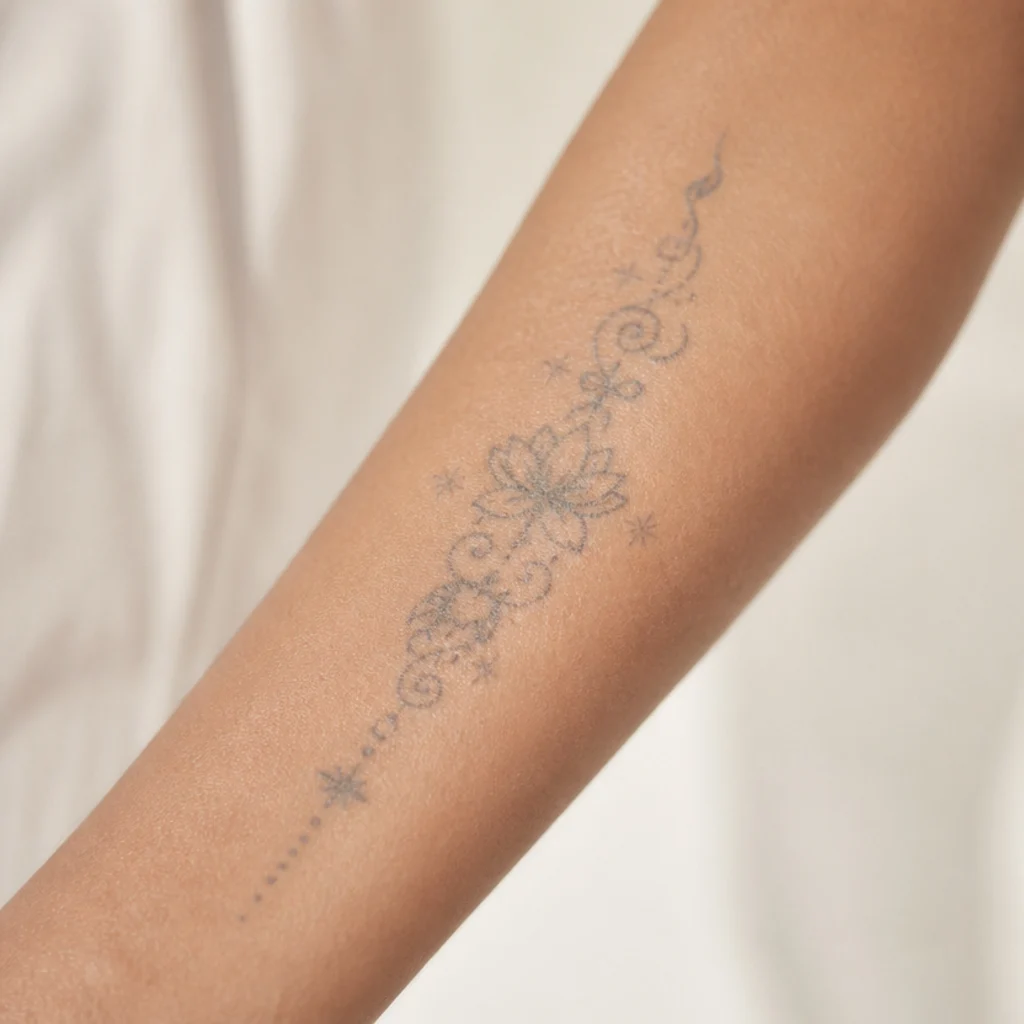
Start with an unsentimental inventory of exactly what you're working with, because every later decision anchors to it. Grade three things: darkness (has the ink stayed jet-black and saturated, or faded toward blue-gray, green, or a washed dove tone?), line weight (hairline fine-line versus thick traditional outlines or solid fill), and texture (raised keloid, blowout haze, or flat, evenly healed skin). Dense, freshly saturated black cover up tattoos are the hardest to disguise; a light, patchy, sun-faded piece hands an artist far more freedom. Note the age of the tattoo, since older ink usually sits shallower and lighter. Photograph it in three conditions: bright daylight, indoor warm light, and with a phone flash, all from straight-on plus a raking side angle so texture reads. Run a fingertip over the area to feel for scarring you can't see. Pro tip: shoot against a plain neutral background and include a coin for scale so the artist can gauge true size remotely. Ask your tattoo artist to grade the original's coverage difficulty before you fall in love with any design.
02Set a Realistic Goal
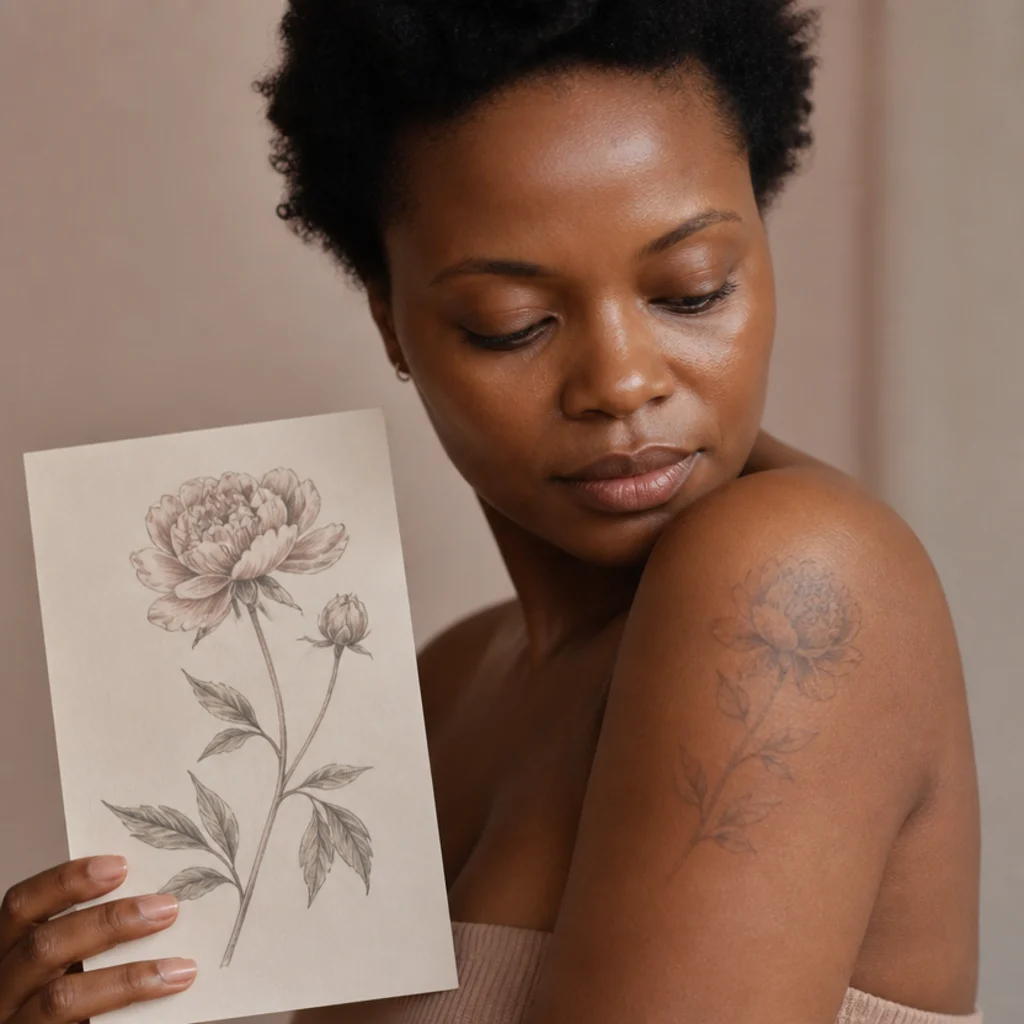
Define what "success" actually means for you in one measurable sentence, because "make it look better" is too vague to design against. There's a real spectrum here: a full transformation that reads as brand-new standalone artwork sits at one end, while at the other you might only want to mute an ex's name or a faded symbol so it stops jumping out in photos. Those two goals lead to completely different sizes, densities, and budgets. Naming the target early keeps expectations grounded, because a cover-up disguises and redirects rather than erasing what lives underneath. Scar cover up tattoos and dense old pieces especially reward modest, well-defined aims; overreaching is how people end up disappointed. Write your one sentence down, something like "I want a botanical half-sleeve that fully absorbs the old tribal band," and rank what matters most: total concealment, a specific new subject, keeping it small, or minimizing cost. Pro tip: decide your single non-negotiable in advance so trade-offs are easy in the chair. Ask your tattoo artist how close to that sentence your existing ink realistically allows them to get.
03Decide Cover-Up vs. Removal First
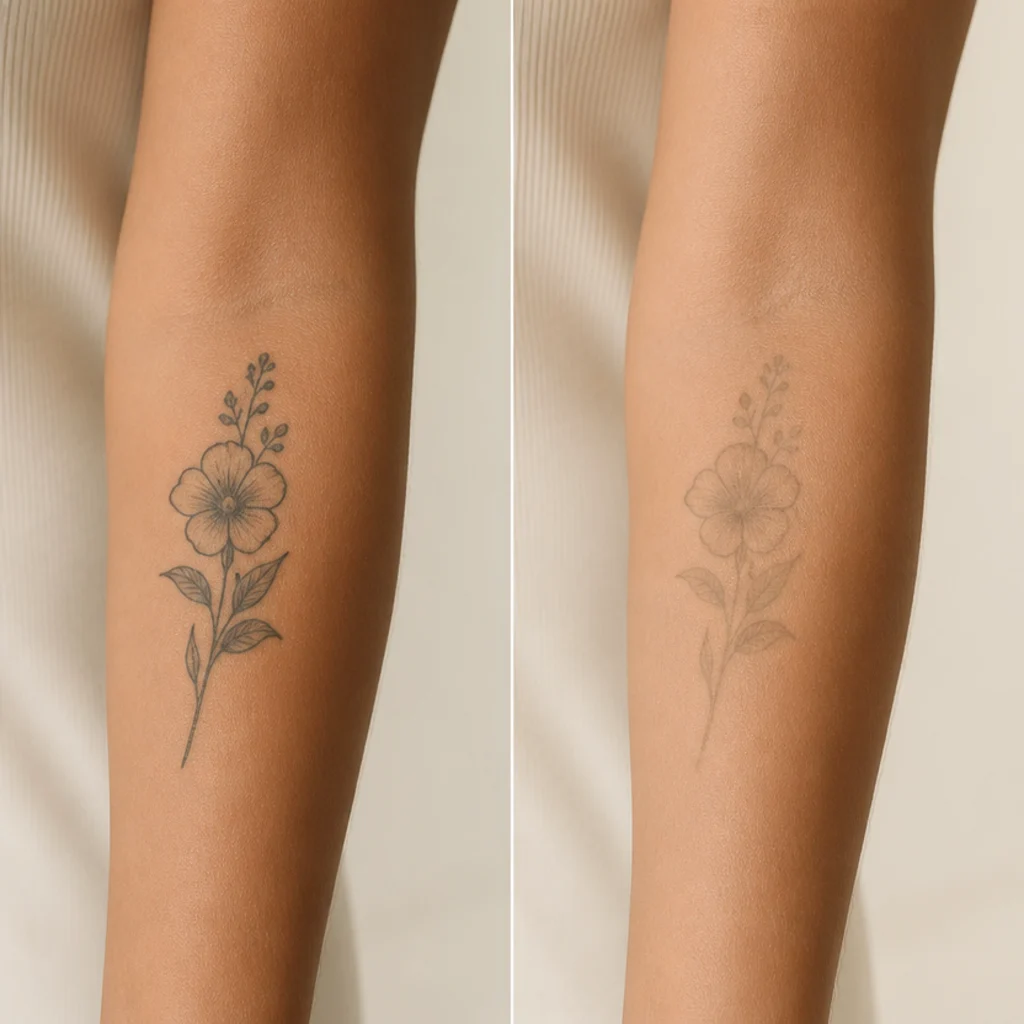
Often the smartest move is a few laser fading sessions before any new ink goes on, and skipping this question is the most common cover-up regret. Lightening a dark or saturated original by even one or two shades dramatically widens your design options, letting you use lighter colors and less bulk. You rarely need full removal; partial "fade for a cover-up" is a recognized goal that clinics and artists coordinate on. This is a decision to make with professionals, not alone, so consult a licensed tattoo artist and, when fading is on the table, a reputable removal clinic before committing to either path. Ask three questions: would partial fading meaningfully improve my result, how many sessions would it take, and how long must skin settle between treatments and before new ink (commonly several weeks per laser session, with a longer wait before covering). For heavy black cover up tattoos, this extra step is often the difference between a compromise and a piece you actually love. Pro tip: budget fading time in months, not weeks, and start it early so it never bottlenecks your design. Ask your tattoo artist whether they prefer to work over faded ink or fresh.
04Gather Visual Inspiration

Build a focused reference collection that communicates a brief, not a wish list of pretty pictures. The most useful references solve the same problem you have: covering a name, a dark band, a filled shape, or scar-adjacent skin, rather than clean designs floating on blank skin. As you save, look past the subject and note the mechanics that make a cover-up work: dark negative space, dense shading, high contrast, flowing organic shapes that can bend around old lines. Aim for roughly twelve to twenty images; fewer leaves your taste ambiguous, many more dilutes the signal. Sort them into two small buckets, "love the style" and "love how it hides old ink," so the artist sees both your aesthetic and your coverage constraint. Never ask anyone to copy another artist's piece line for line; use references to convey mood, density, palette, and subject so your artist can design something original for your body. Pro tip: add one or two "anti-references" showing looks you dislike, which narrows the brief faster than praise alone. Ask your tattoo artist which of your saved pieces would actually cover ink like yours.
05Choose a Style Direction
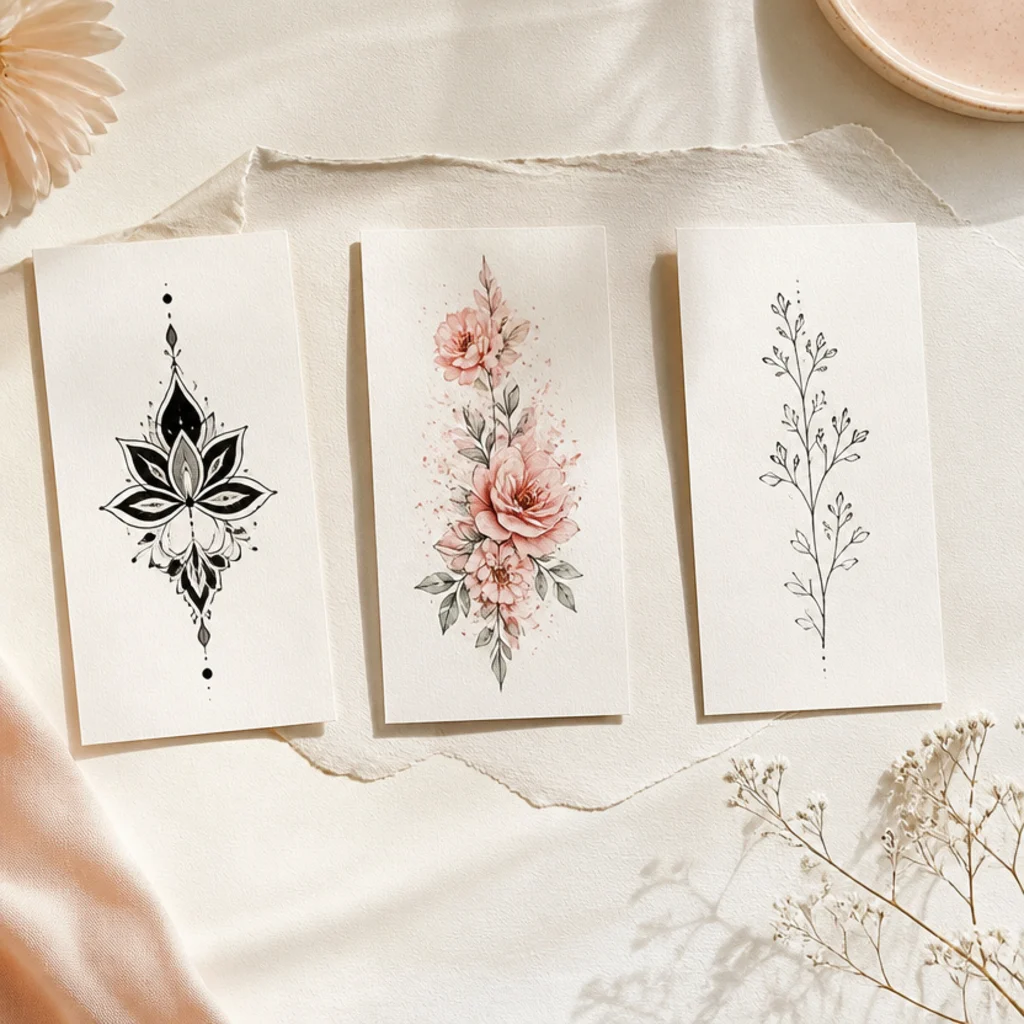
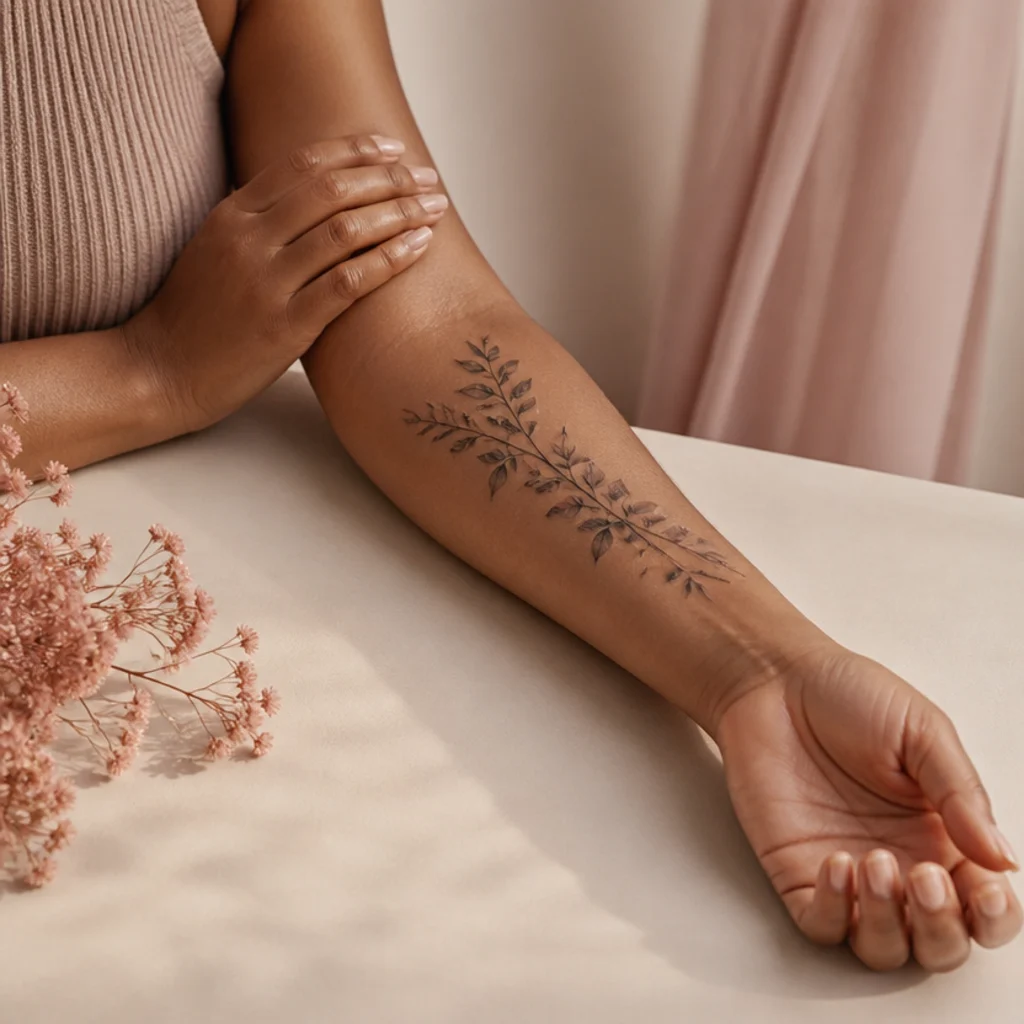
Cover-ups live and die on a style's ability to carry depth, contrast, and shadow. The reliable workhorses are botanical and floral work, neo-traditional, blackwork and dark ornamental, and mandala or filigree designs, because their natural density and bold linework swallow old marks. Realism and dark watercolor can also cover well when built on a strong dark foundation. What usually cannot do the job is delicate fine-line, single-needle, or minimalist work; it looks beautiful on fresh skin but lacks the pigment load to hide anything, which is exactly why even small cover up tattoos so often size up into something bolder. Match the direction to two things at once, your taste and the coverage the original demands, rather than picking on looks alone. If you love an airy aesthetic, don't abandon it. Ask how to keep that feeling while building in enough dark anchors to do the disguising. Pro tip: organic, asymmetric subjects like leaves and petals hide straight old lines far better than geometric grids, which fight them. Ask your tattoo artist which style they cover with most successfully, since specialists have a home turf.
Save this to Pinterest so your style notes are handy at your consultation.
06Think About Size and Placement
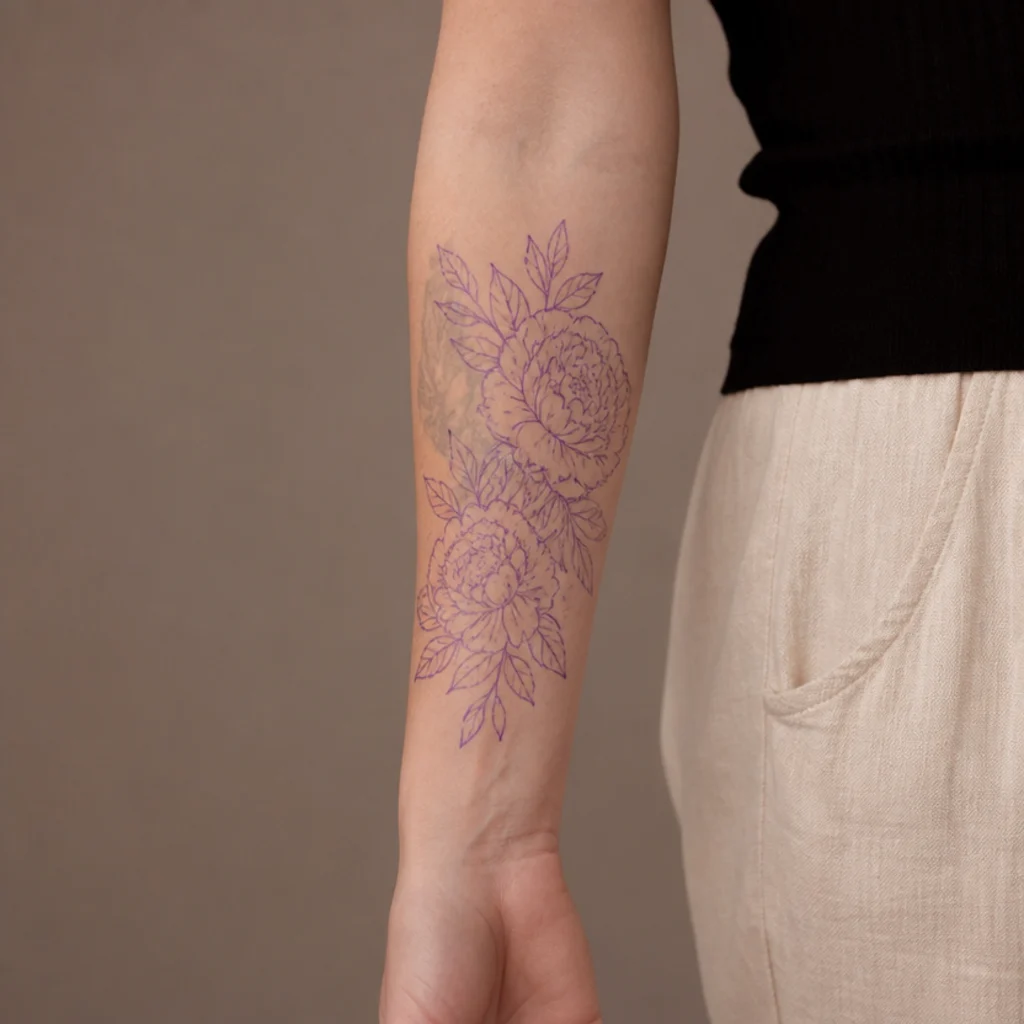
A cover-up almost always needs to be meaningfully larger than the original, because the new design needs surrounding real estate to break up, distract from, and redirect old linework rather than sitting trapped inside the same borders. Expect the piece to extend past the current edges, sometimes by a wide margin. Placement then shapes both feasibility and longevity: high-flex, high-friction zones like the inner wrist, hands, fingers, feet, and elbow crease heal harder and fade faster, so detail there is riskier over time, while flatter, more stable canvases such as the outer forearm, shoulder, thigh, and back hold intricate work best. Larger cover up tattoos give an artist the most room to maneuver, but bigger isn't automatically better if it spills into an area that creases or rubs. Talk through whether the design should wrap a limb, taper toward a natural line, or anchor to existing body flow. Pro tip: stand in front of a mirror and picture the new outer border, not the old one, so the true footprint stops surprising you. Sizing and placement must be confirmed with your licensed tattoo artist, who can map the design to your specific anatomy.
07Plan Your Color Strategy
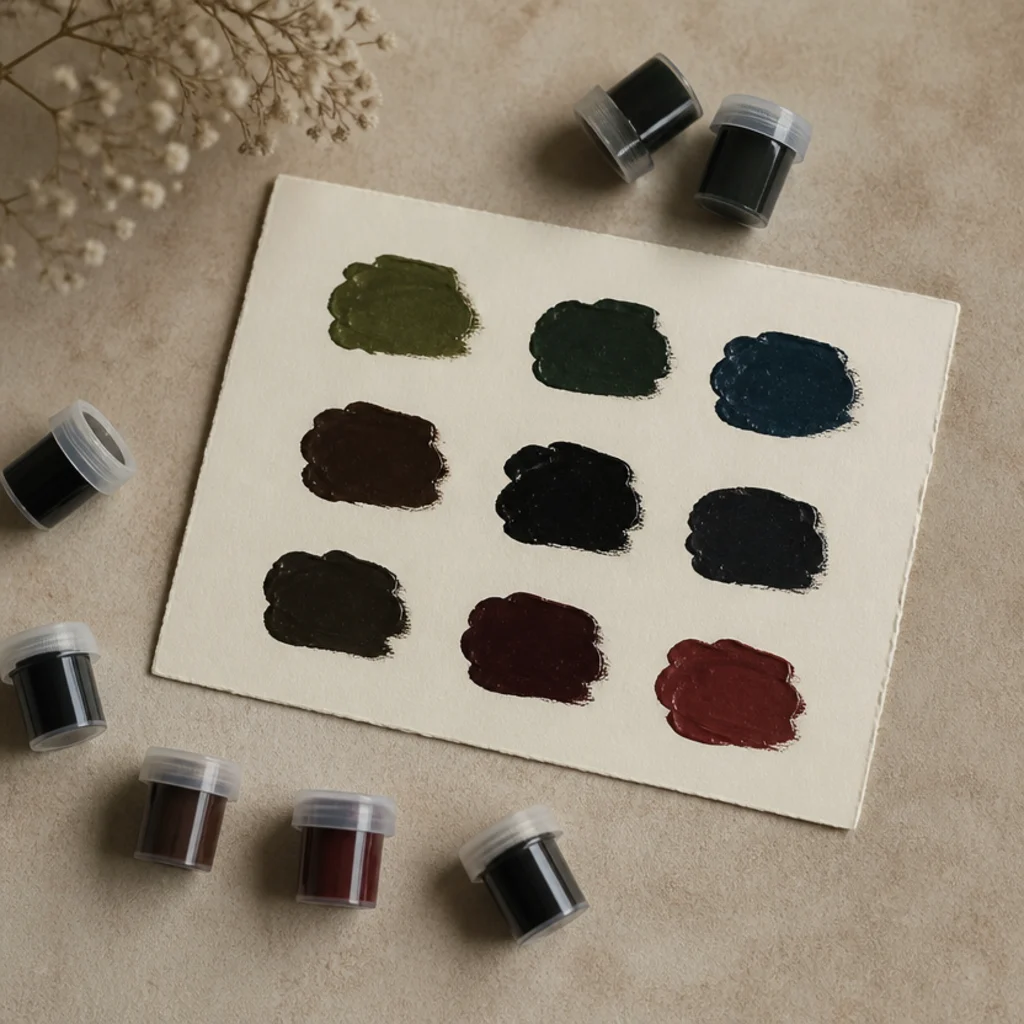
Color is one of an artist's sharpest tools for a cover-up, and it follows physics you should understand going in: new ink sits behind, not on top of, old ink, so darker and richer pigments cover more reliably than pale or pastel ones. Deep greens, midnight and navy blues, burgundy, aubergine, and black are the dependable coverage palette, while soft pinks, pastels, whites, and yellows read weakly over anything dark. Your existing colors also bend the result, an old red can push warm through new greens, and unfaded black limits how light you can go anywhere directly above it. Ask your artist where they plan to place the darkest passages, how the underlying pigment might telegraph through, and whether any old color needs a fading session before a lighter scheme becomes possible. If you dream of a soft palette, accept that it will likely need deeper anchors woven through to hold up. Pro tip: complementary colors can neutralize an underlying tone, but only a professional should attempt that layering, since it's easy to muddy. Color choices for black cover up tattoos in particular should be mapped out carefully with your tattoo artist before you commit.
08Research the Right Artist
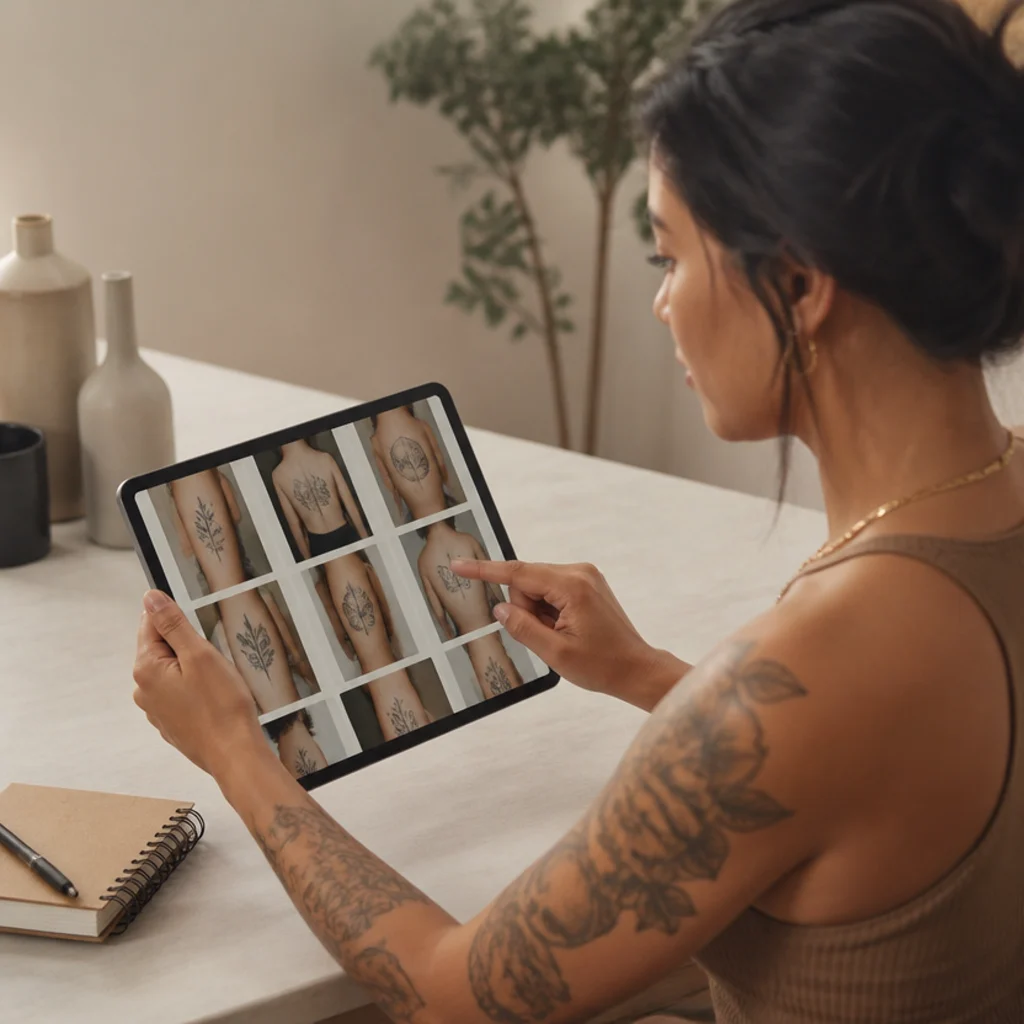
Cover-up work is a specialty, and plenty of gifted tattooers rarely do it, so vet for the specific skill rather than general talent. The single most important filter is healed cover-up photos, not just crisp fresh shots; fresh ink always looks flawless, while healed images reveal whether coverage actually holds and whether old lines stayed hidden months later. Hunt for before-and-afters that resemble your situation: a name, a dark solid blob, an old tribal band, or scar-adjacent skin, since covering a name is a very different job from covering a light watercolor wash. Beyond the portfolio, confirm the essentials, current bloodborne-pathogen and licensing credentials where your region requires them, single-use needles, an autoclave or sterile disposables, and a visibly clean station. Read reviews with an eye for how the artist handled expectations, not just praise. A true specialist will tell you candidly what your ink can and cannot support instead of promising the impossible. Pro tip: ask directly, "Can I see a healed cover-up over ink as dark as mine?" and treat a vague answer as a red flag. Ask your tattoo artist how many cover-ups like yours they complete in a typical month.
09Book a Consultation

The in-person consultation is where an abstract plan becomes a real, feasible design, and it's worth traveling for even if you booked remotely. Bring your full kit: assessment photos, your one-sentence goal, your ranked priorities, and your sorted inspiration buckets. The artist will examine the existing tattoo in daylight, press and feel for raised or scarred texture that photos hide, and tell you which directions the underlying ink will actually support. This is equally your read on the relationship, whether they listen, explain trade-offs plainly, and respect your non-negotiable. Ask the blunt questions and write down the answers: What can this realistically cover? Where are the hard limits? Would fading first change the outcome? How many sessions, and what happens between them? A strong artist welcomes that directness rather than bristling at it. Remember that only a licensed professional assessing your skin in person can confirm what coverage is achievable, so treat this conversation, not your Pinterest board, as the true starting point of the design. Pro tip: ask them to mark the likely outer border on your skin so the real size registers before you commit emotionally.
10Talk Budget and Sessions

Cover-ups routinely cost more and run longer than comparable fresh tattoos, because you're paying for extra skill, denser layering, and more time under the needle, and complex reworks often need multiple sittings with weeks of healing between them. Get the money and time mapped before you emotionally commit. Ask for an honest total-cost range rather than a single figure, how many sessions to plan for, whether the studio charges by the hour or by the piece, and how deposits, rescheduling, and touch-ups are billed. Confirm whether a later touch-up is included or extra, since that line item surprises people. If budget is tight, discuss phasing, starting with the highest-priority zone and completing the rest later, or slightly simplifying the design instead of cutting corners on coverage. Building the real number and timeline into your plan prevents the two worst outcomes: a rushed decision and an abandoned half-finished piece. Pro tip: never let cost pressure shrink a cover-up below the size it needs to hide the original, because an under-sized rework fails at its one job. Ask your tattoo artist to break the estimate down by session so the commitment is legible.
Save this to Pinterest so your planning notes stay together.
11Review the Sketch Honestly
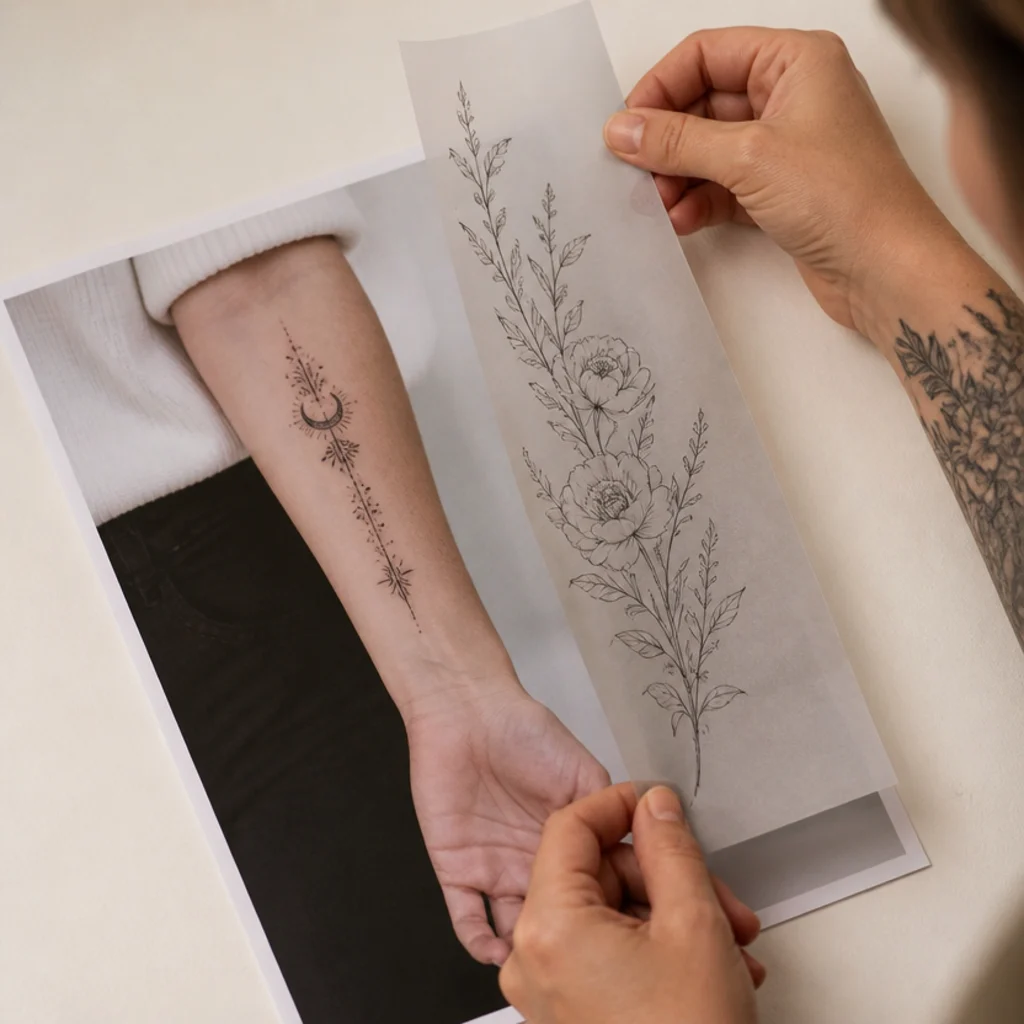
When your artist shares the design, review it with a critical eye, because this is your last easy chance to change anything. Check the three things that actually matter for a cover-up: Does the darkest linework fall over the darkest parts of the old tattoo, where concealment is hardest? Does the composition flow naturally with your body rather than fighting a crease or joint? And does the overall footprint fully clear the original's borders? Requesting revisions is normal and expected; a professional plans for a round or two of feedback and would rather adjust paper than skin. Always ask to see the stencil applied to your actual skin and judge scale, placement, and coverage in a mirror, in good light, before anything permanent happens. A name cover up tattoos project deserves extra scrutiny here, since success hinges on the old lettering dissolving into the new shapes rather than peeking through gaps. Pro tip: photograph the stencil on your skin and step away for ten minutes; second-guessing that survives a short break is worth voicing. Ask your tattoo artist to point out exactly where the old ink will be hardest to hide.
12Prep Your Skin Beforehand
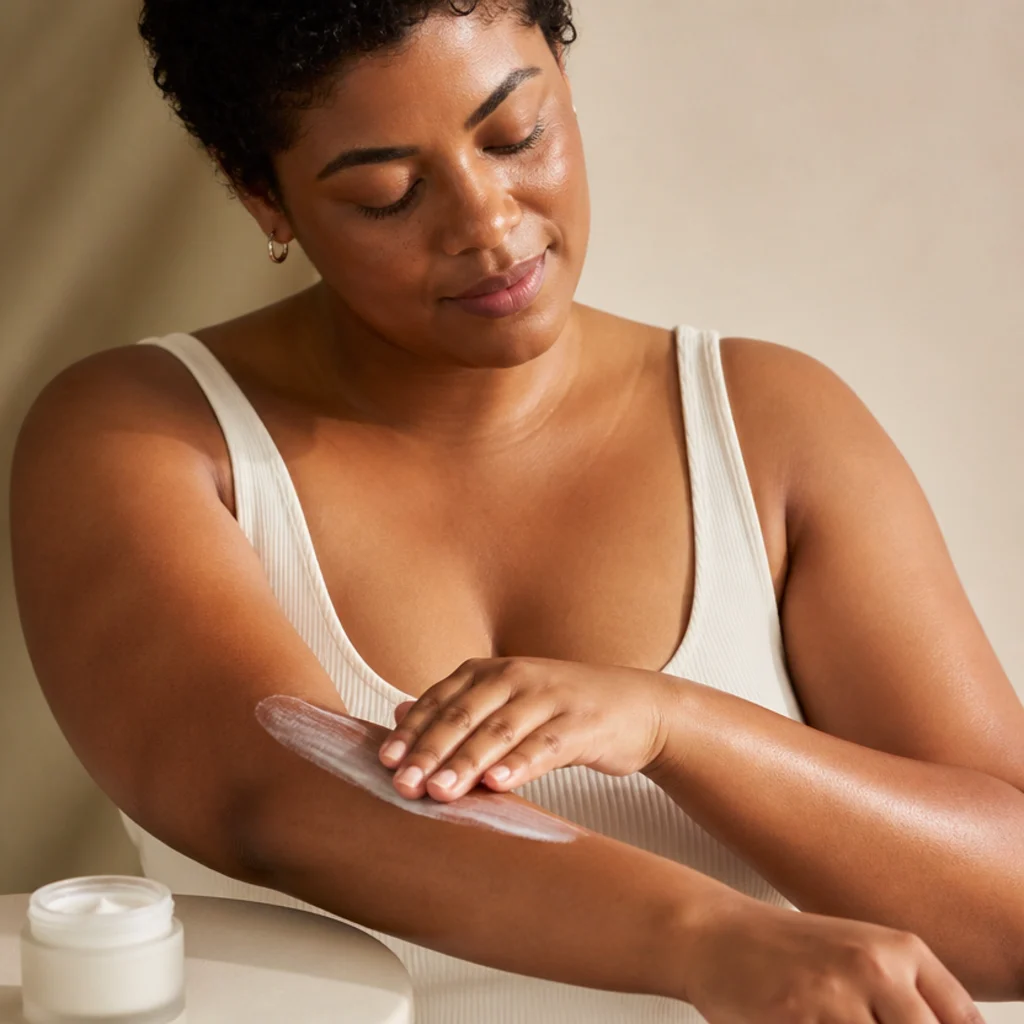
Healthy, well-hydrated skin accepts ink better and heals more evenly, which matters even more for cover-ups because they pack in more pigment over longer sessions. In the week before, keep the area consistently moisturized and, critically, protect it from sunburn, since burned or peeling skin can force a reschedule and compromises coverage. Don't shave or exfoliate aggressively right before; leave the surface calm and intact. In the final day, hydrate well, eat a real meal within a couple of hours of your appointment to keep blood sugar stable through a long sit, and get proper sleep so you can hold still. Avoid alcohol the night before and skip blood-thinning substances only as your own physician advises, this is planning guidance, not medical advice. Follow any specific pre-session instructions your artist provides, since they know the demands of your particular design. Pro tip: starting a light daily moisturizing routine two to three weeks out leaves skin in noticeably better shape than a last-minute effort. Ask your tattoo artist whether there's anything specific to prep for your placement.
13Plan the Day of Your Session

Cover-ups often mean a long stretch in the chair, sometimes several hours, so treat the day as an endurance event and plan for comfort. Wear loose, dark clothing that gives easy access to the area and won't rub the fresh work on your way home; dark fabric also hides any ink or plasma smudges. Pack more than you think you need: water, an electrolyte drink, a substantial snack plus something sugary for a mid-session dip, a phone charger, headphones, and something to occupy long quiet passages. Arrive early enough to settle your nerves, review the final stencil placement unrushed, and ask any last questions before the machine starts. Clear the rest of your day so you're not clock-watching, because tension and fidgeting directly degrade fine detail. Eat beforehand and keep snacking, since sitting through pain on an empty stomach is how people get lightheaded. Pro tip: schedule the session for a morning when you're rested rather than after a full workday, and arrange an easy trip home. Ask your tattoo artist how long they expect the sitting to run so you can plan around it.
14Follow the Aftercare Plan
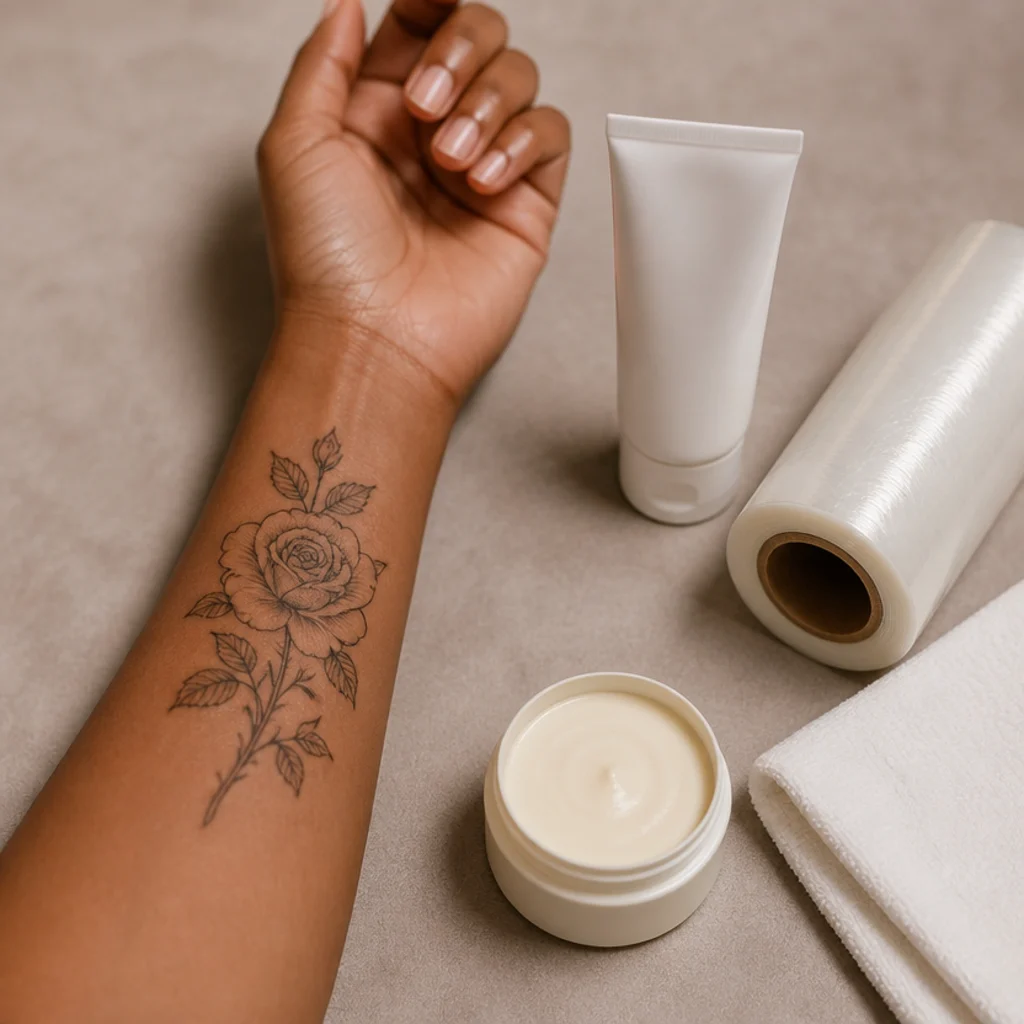
Your artist will give you specific aftercare instructions, and following them precisely is what protects the coverage you planned so carefully, because a cover-up crams more ink over more sessions and has more to lose during healing. The universal principles: keep the area clean with gentle washing, apply only the thin layer of recommended product, never pick or scratch peeling skin (pulling scabs early lifts pigment and can reopen gaps in the coverage), and keep it out of direct sun and away from soaking water, pools, baths, and open water while it settles. Watch for warning signs, spreading redness, heat, swelling, pus, or fever, and contact your artist or a doctor promptly rather than guessing, since those can signal infection. Your specific aftercare guidance must come from your licensed tattoo artist, who knows your design, ink load, and skin; this article doesn't replace their instructions and makes no medical claims. Diligent, patient healing is what lets the fresh work stay crisp and lets the coverage do its long-term job. Pro tip: protecting a healed cover-up with daily sunscreen is the single best habit for keeping dark passages from fading and letting old ink whisper back through.
15Schedule Touch-Ups and Reassess
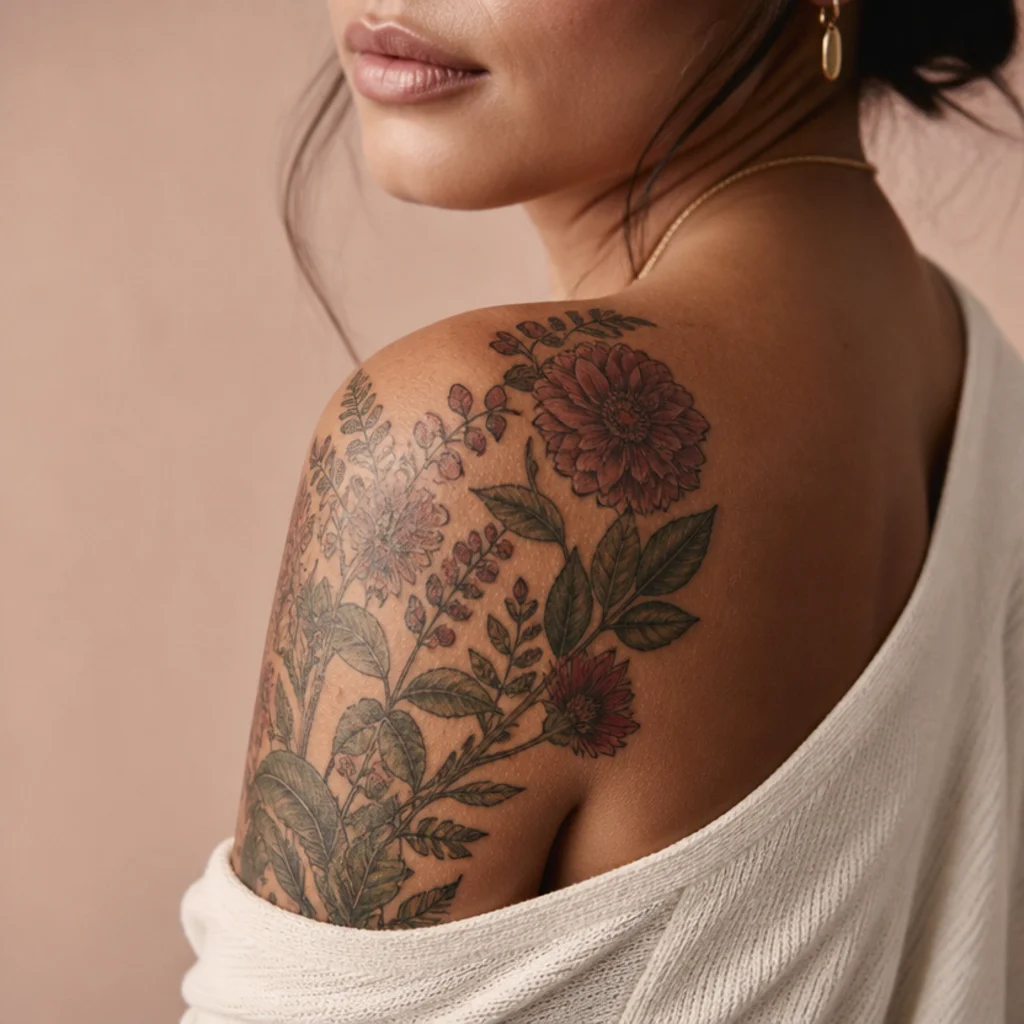
Once everything has fully healed, usually around four to eight weeks, assess the result in strong natural light and be honest about how the coverage settled, since healing can lighten ink and occasionally let a faint old line resurface. Cover-ups, especially dense ones over dark originals, more often need a touch-up than fresh tattoos do, to deepen shading, reinforce contrast, or close any spot where the underlying ink still ghosts through. Book that follow-up on your artist's recommended timeline rather than waiting until faint lines become obvious; many studios include one corrective session, so ask. This is also the moment for a bigger-picture reassessment: if a stubborn section still shows, a professional can lay out options, from adding detail and darkening that zone to sending you for further fading before a second pass. Planning for a possible touch-up from the very start keeps your expectations realistic and your finished piece looking its best for years. Pro tip: photograph the healed result and note any weak spots so your touch-up conversation is specific instead of vague. Ask your tattoo artist when they want to see it healed and whether a follow-up is already built into your price.
Pro Tips from the Editor
- Fade before you cover when the original is dark. One or two laser sessions to lighten heavy black or saturated ink can turn a compromised, oversized cover-up into a design you actually wanted; the added months usually buy a far better result.
- Judge artists by healed photos, not fresh ones. Fresh work flatters everyone. Ask specifically for a healed cover-up over ink as dark as yours, and treat evasiveness as your answer.
- Let the cover-up be bigger and darker than feels comfortable. Undersizing to save money or keep it subtle is the number-one reason reworks fail; the new piece needs room and pigment to hide the old one.
- Match the style to the coverage job, not just your taste. Botanical, neo-traditional, blackwork, and ornamental designs hide old lines; fine-line and pastel work generally cannot, no matter how much you love the aesthetic.
- Put the darkest new passages over the darkest old ink. Coverage is about placing shadow where concealment is hardest, so review the stencil with that single question in mind.
- Protect the finished piece with daily SPF. Sun is the fastest way to fade new coverage and let old ink creep back; sunscreen is cheap insurance for the work you paid for.
- Never let a cover-up promise "complete erasure." An honest artist manages expectations. Some originals will faintly show, and planning for a touch-up from day one keeps you satisfied instead of disappointed.
Cover-Up Coverage Cheat Sheet
| Factor | Easier to cover | Harder to cover |
|---|---|---|
| Original darkness | Faded, patchy, gray-green | Fresh, saturated black cover up tattoos |
| Line weight | Fine, sparse lines | Thick outlines, solid fill |
| Content | Small symbol or short name | Large tribal band, name cover up tattoos with heavy lettering |
| Skin condition | Flat, evenly healed | Raised scar cover up tattoos, blowouts |
| Best styles | Botanical, neo-traditional, blackwork, ornamental | Fine-line, single-needle, pastel |
| Palette | Deep green, navy, burgundy, black | Pastels, white, yellow over dark ink |
| Placement | Outer forearm, shoulder, thigh, back | Wrist, hand, finger, elbow crease |
Coverage feasibility is always case-by-case; confirm yours with a licensed tattoo artist in person.
How to Choose / Get the Look
Every good cover-up plan runs on the same through-line: realism paired with preparation. Work it as a short decision framework. First, grade your original for darkness, line weight, and texture, because a light faded piece and a dense black one call for opposite strategies. Second, answer the fading question honestly, if the ink is heavy and you want anything light or airy, a few laser sessions first will widen your options more than any clever design can. Third, match ambition to mechanics, choose botanical, neo-traditional, blackwork, or ornamental over fine-line, and accept that even small cover up tattoos usually grow bolder and darker. Fourth, vet for the specialty, prioritize artists who show healed rework similar to yours, and treat the in-person consultation as the real decision point, since only a licensed professional assessing your skin can confirm what coverage is achievable. Fifth, budget honestly for extra time, possible multiple sessions, and a touch-up, then prep your skin and follow professional aftercare to the letter. Above all, hold your expectations steady: a cover-up redirects the eye and disguises old work, but no artist can promise to fully erase an existing tattoo or scar. Plan for a second pass from the start, and you set yourself up for a result you can live with happily.
Frequently Asked Questions
Can a cover-up completely hide my old tattoo?
Not guaranteed. A skilled artist can disguise old ink and redirect the eye, but full concealment depends on the original's darkness, size, saturation, and age. Dense, freshly saturated pieces are the hardest, and some old ink may still faintly show through, especially as the new work heals and lightens. Only a licensed tattoo artist assessing your skin in person can tell you what's realistic for your specific piece, and an honest one will never promise total erasure.
Do cover-up tattoos have to be big and dark?
Usually, yes. A cover-up typically needs to be larger than the original so it has room to break up old linework, and darker because new ink sits behind old ink and pale shades cannot hide anything beneath them. Even small cover up tattoos frequently size up into bolder designs. If you want a lighter, airier look, ask your artist whether laser fading first would let you use a softer palette, or how to balance light areas with the dark anchors that do the covering.
Should I get laser removal before a cover-up?
Often it helps, and you rarely need full removal, just partial fading. One or two sessions can lighten a dark original enough to widen your color and design options considerably. This is a professional decision, so ask both a tattoo artist and a reputable removal clinic whether partial fading would meaningfully improve your result, how many sessions it would take, and how long to wait afterward. It adds months to your timeline, so start early if you go this route.
How much does a cover-up tattoo cost?
It varies widely by size, complexity, placement, and your artist's rates, and cover-ups commonly cost more than comparable fresh work because of the added skill, denser layering, and longer chair time. Multi-session reworks add up further. Rather than chasing a single number, ask your studio for an honest range, whether they bill hourly or by the piece, how deposits work, and whether a touch-up is included. Avoid shrinking the design just to cut cost, since an undersized cover-up often fails.
Can tattoos cover scars?
Scar cover up tattoos are possible in some cases, but scarred skin behaves differently from unmarked skin, holds ink unevenly, and results vary a great deal. This isn't a medical claim. Suitability, timing, and healing must be confirmed with a licensed tattoo artist, and sometimes a doctor, who can evaluate the scar in person first. Raised, keloid-prone, or still-healing scars in particular need professional assessment before anyone plans a design over them.
How long do I have to wait before covering a tattoo?
If you're covering existing older ink that's fully healed, you can usually plan a cover-up whenever you're ready. If you're fading first with laser, expect to wait several weeks between laser sessions and often longer before the final cover-up, so the skin can settle. If you recently got a fresh tattoo you dislike, it must heal completely, generally a couple of months, before it can be reworked. Your tattoo artist will confirm the right timeline for your situation.
Can you cover a name tattoo so it disappears?
Often, yes, though it depends on how dark and thick the lettering is. Name cover up tattoos succeed when the new design uses dense, dark, organic shapes, like flowers, leaves, or ornamental work, that break up the straight lines and consistent spacing our eyes use to read letters. Thin, faded names are easiest; heavy bold lettering may need fading first or a larger design. Ask your artist to place the darkest passages directly over the strongest letterforms, and review the stencil closely to confirm nothing reads through.
What styles work best for cover-ups?
The strongest cover-up styles carry natural density and contrast: botanical and floral pieces, neo-traditional, blackwork and dark ornamental designs, mandalas, and realism built on a dark foundation. Their shading and bold linework absorb old marks. Fine-line, single-needle, minimalist, and pastel work generally lack the pigment load to hide anything and are best saved for fresh skin. This is why even small cover up tattoos tend to grow bolder. Ask your artist which style they cover with most successfully, since specialists have particular strengths.
Will my cover-up fade and let the old tattoo show through again?
It can over many years, especially if the coverage was thin or the placement gets heavy sun and friction. Old ink sits underneath, so as new ink naturally lightens with age, faint original lines can occasionally re-emerge, which is one reason dense, dark cover-ups hold up best. Daily sunscreen on the healed piece is the single most effective habit for preventing this, and a periodic touch-up can reinforce shading. Ask your tattoo artist how to maintain your specific design so the coverage lasts.