3 Blooming Gel Techniques Worth Comparing
Blooming gel is the clear activator layer that lets pigment spread and diffuse across the nail for that soft, watercolor bleed. Three approaches dominate salon menus right now, and each one cures, wears, and reads on the hand differently. Here's how they compare, so you can match the technique to your nail shape, your lifestyle, and your patience.
 Edited by Lena Rose · Published July 11, 2026 · 11 min read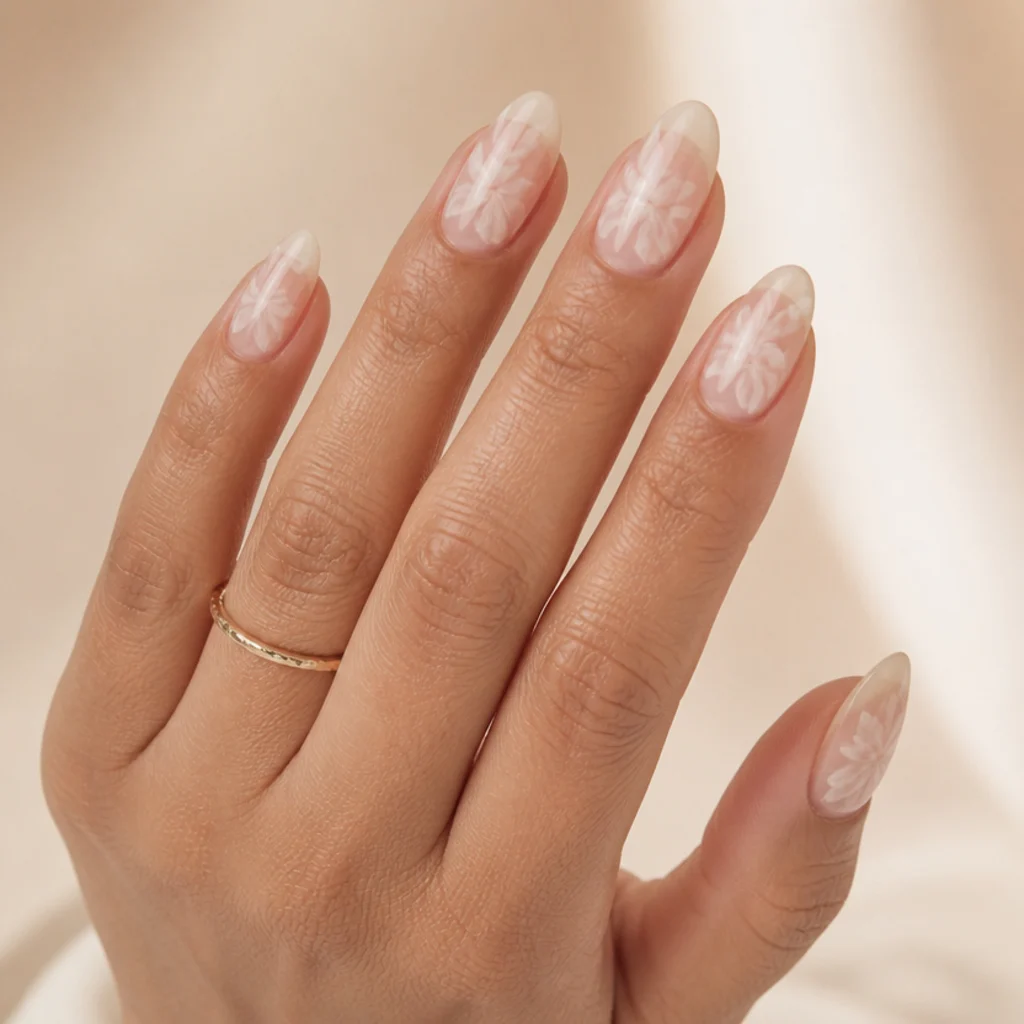
Quick Answer
- Best for: Anyone drawn to soft, diffused, hand-painted finishes rather than crisp graphic lines or dense glitter.
- Who might skip it: People who want sharp, high-contrast art with defined edges, or anyone who can't sit for the extra flash-cure steps blooming gel needs.
- Maintenance: Standard soft-gel upkeep, with fills every two to three weeks and a fresh top coat if the finish dulls.
- Difficulty: Ranges from beginner-friendly diffusion to advanced sculpted florals that take real brush control.
- Cost: Roughly a mid-tier gel-art add-on for the diffused wash, climbing to a premium art rate for 3D florals; regional and salon pricing vary widely.
- Wear time / longevity: Two to three weeks of clean wear on soft styles; sculpted 3D petals often show wear sooner because raised edges catch.
- Standout variation: White blooming gel nail art, for its airy contrast that flatters almost every skin tone.
- How to ask your nail tech: Bring a saved photo, name the finish (sheer, diffused french, or sculpted), and ask how they plan to seal any texture.
In This Guide
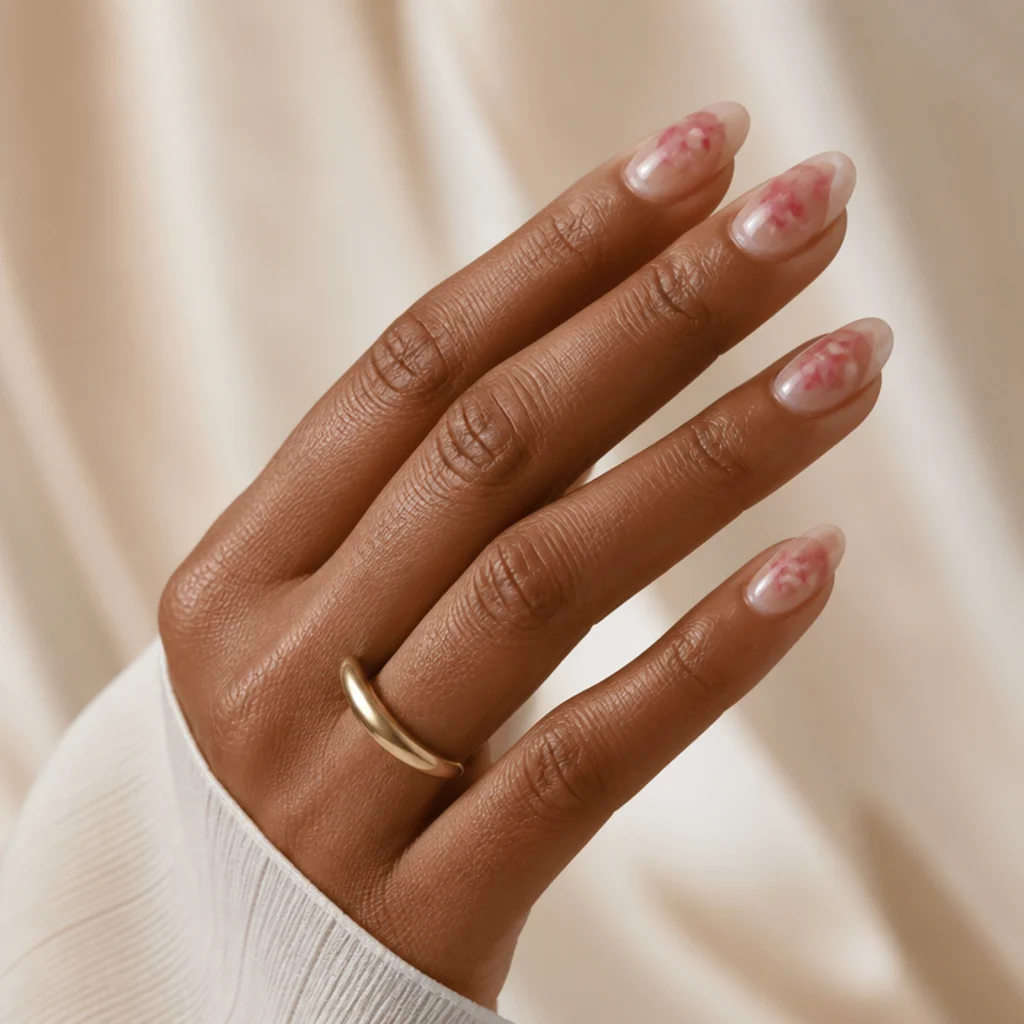
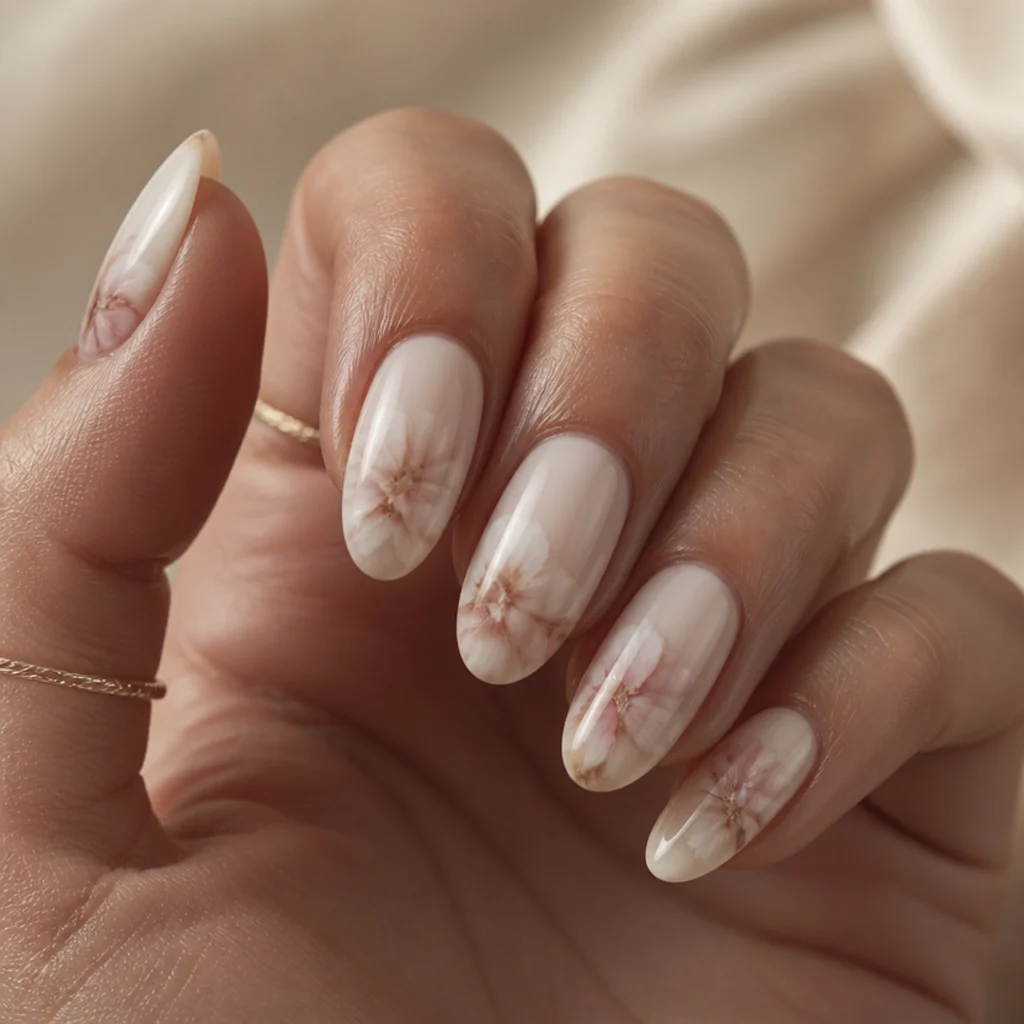
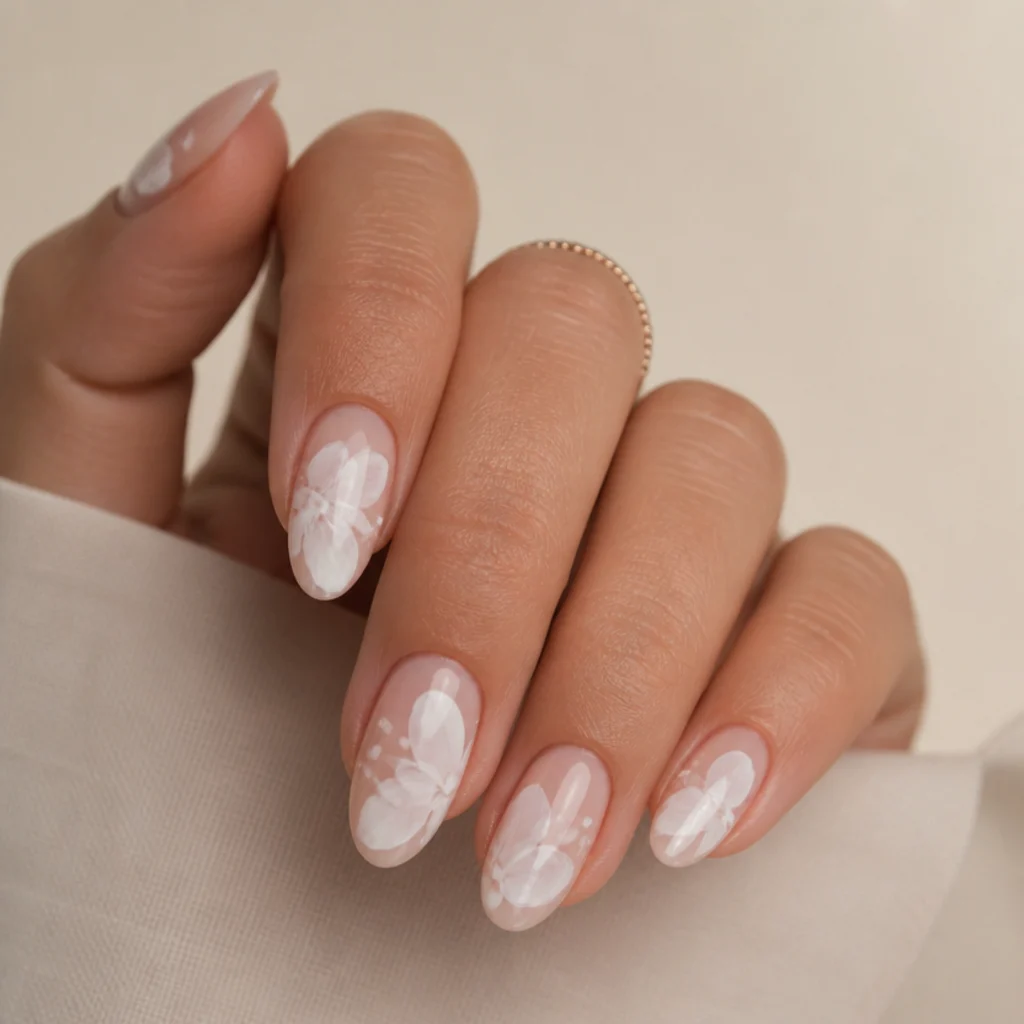
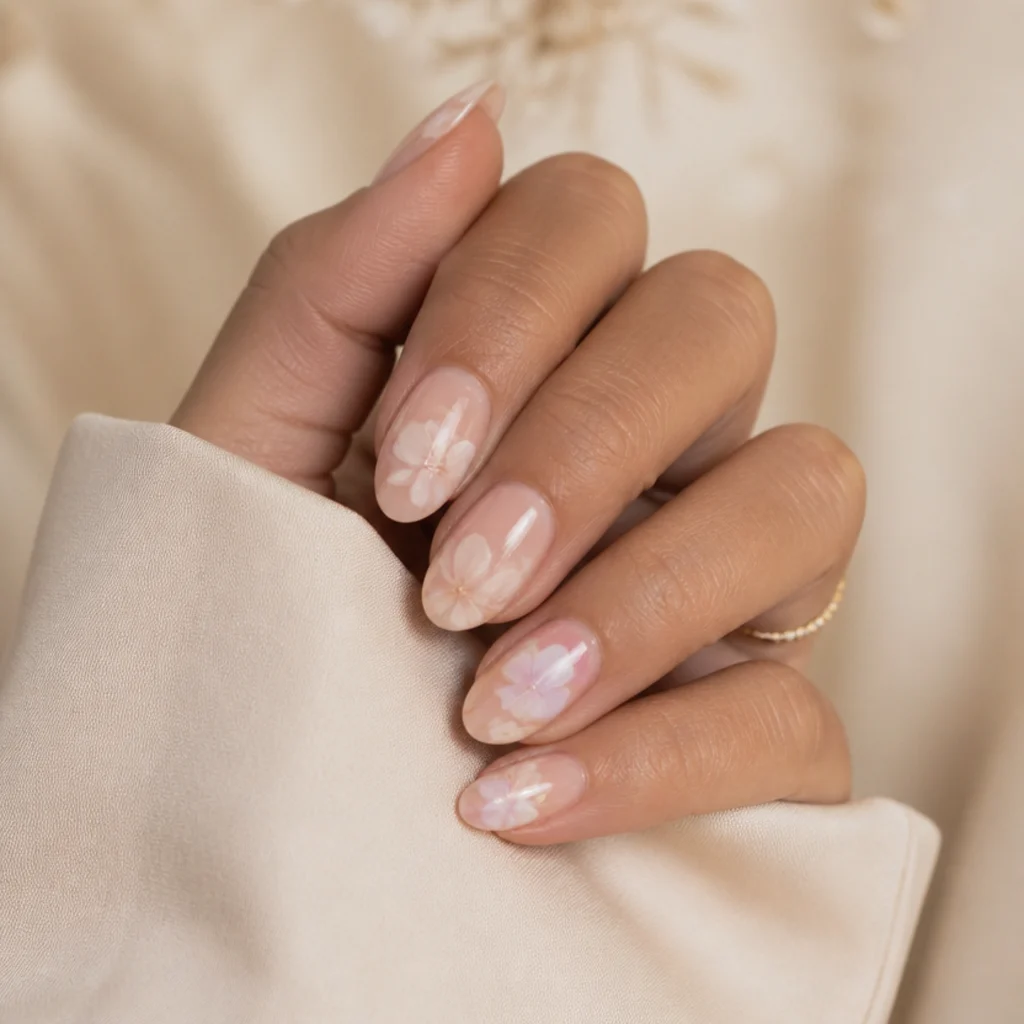
Blooming gel confuses people because the name suggests flowers, but the gel itself does one narrow job: it thins pigment on contact so color spreads and softens instead of sitting where the brush left it. What you build on top of that activator is where the three techniques split apart. White blooming gel nail art keeps things airy and diffused, the french variation adds structure at the tip, and the 3D version turns that same diffusion into sculpted petals with dimension you can feel. The trade-off is straightforward: the more structure and height you add, the more skill, cure time, and daily care the look demands. This comparison walks through all three so you can weigh finish, wear time, and effort before you commit at the desk. For each, you'll find who it flatters by nail shape and skin undertone, how demanding it is to maintain, the skill level involved, and the exact words to bring to your nail tech. White blooming gel nail art shows up as the foundation across all three, which makes it a good starting point no matter which direction you lean.
01White Blooming Gel Diffusion
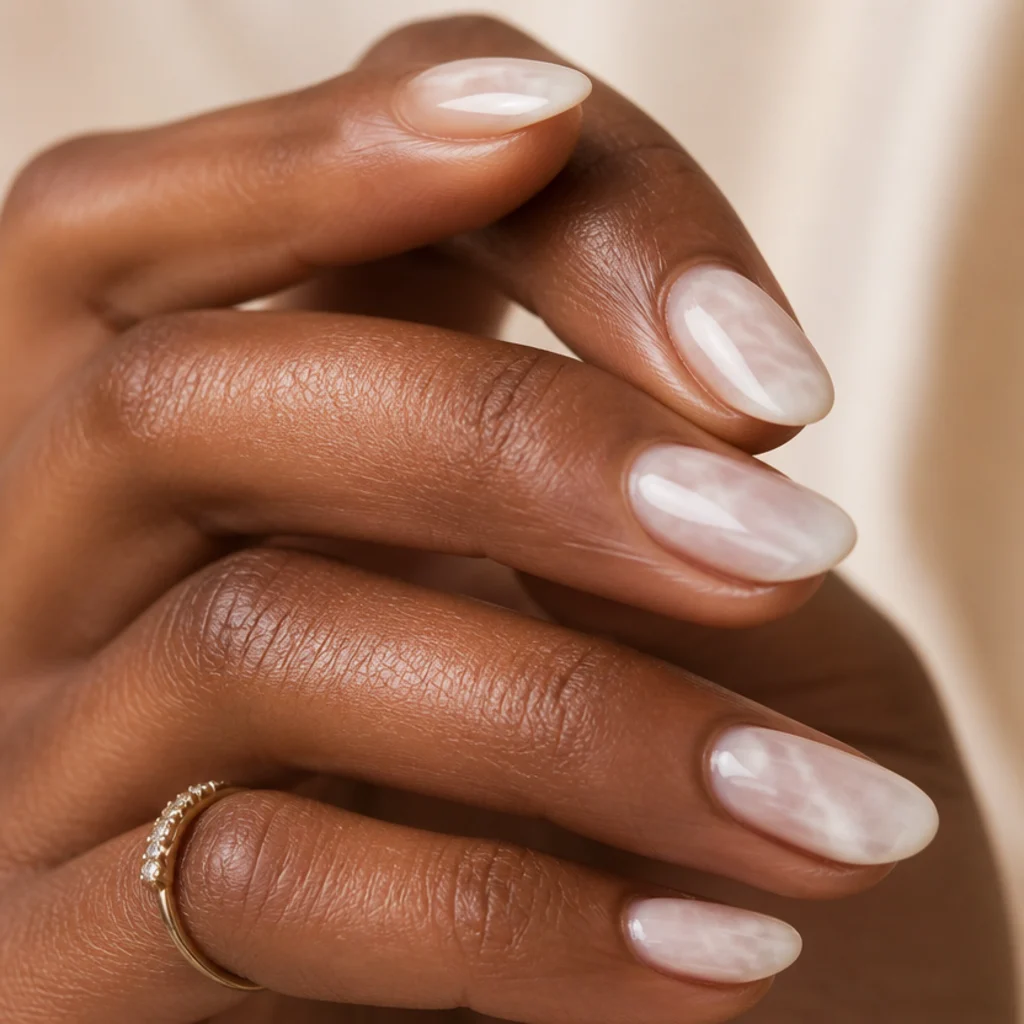
This is the purest form of the technique, and the easiest entry point. A thin coat of blooming gel goes down uncured, then a titanium-heavy white pigment is dotted or feathered on top so it creeps outward into a cloud-like haze before a flash cure locks the diffusion in place. The finish reads sheer and milky, more modern than a flat opaque white. It suits every skin tone but shows off most on medium and deep tones, where the pale wash gives cool, luminous contrast; on very fair hands, keep the pigment barely-there so it doesn't read chalky. Almond and oval shapes carry the diffusion best because the lengthened curve gives the bloom room to travel and fade. Upkeep is standard soft-gel: two to three weeks between fills, and the feathered edges hide regrowth kindly. Difficulty is beginner to intermediate, which makes this the friendliest easy blooming gel nail art option around. Pro tip: cap the free edge and let the wash sit a full 20 to 40 seconds before curing, or it locks too crisp. Ask your nail tech for a "sheer diffused white wash, not a solid white, softest possible edges."
02Blooming Gel French Tip
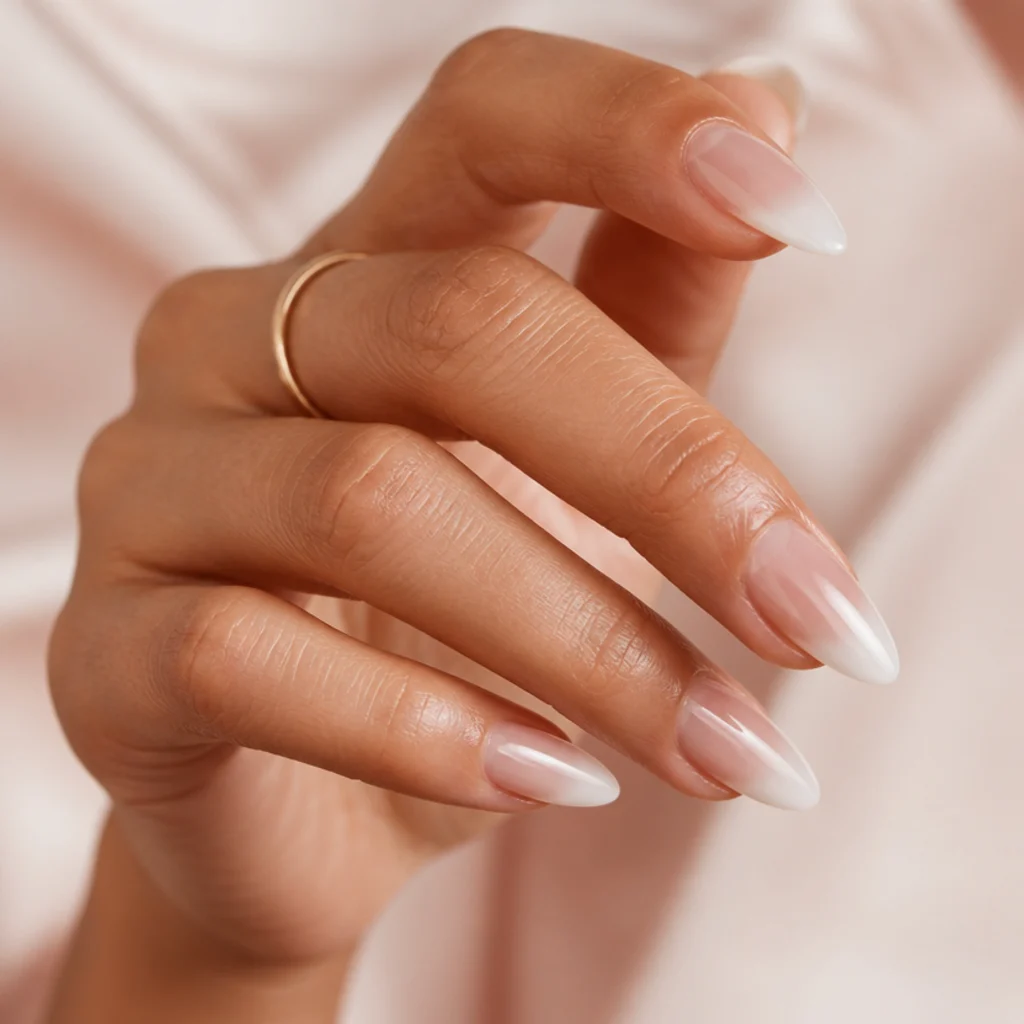
The blooming gel french tip keeps the recognizable french silhouette but trades the sharp smile line for a soft, feathered edge that melts down the nail. Pigment is drawn across the tip over uncured blooming gel so the color diffuses inward before curing, leaving a gradient instead of a hard line. It reads polished yet dreamy, which makes it a strong pick for work-appropriate hands and for anyone who finds a crisp french too severe. It flatters longer almond and oval nails, where the gradient has room to fade convincingly; shorter squoval nails still work if the tech keeps the tip narrow so the blur doesn't swallow the whole nail. A white blooming gel french stays classic, but soft blush, cocoa, or chrome-tinted tips update it instantly. Maintenance matches a classic french at two to three weeks, and the blurred line makes grow-out far more forgiving than a defined smile line. Difficulty sits at intermediate, mostly in judging cure timing. Pro tip: pull the pigment down from the tip in one light pass rather than painting the full tip solid, or the gradient turns muddy. Ask your nail tech for a "diffused blooming french, soft feathered edge, no crisp smile line."
03Blooming Gel 3D Floral Accent
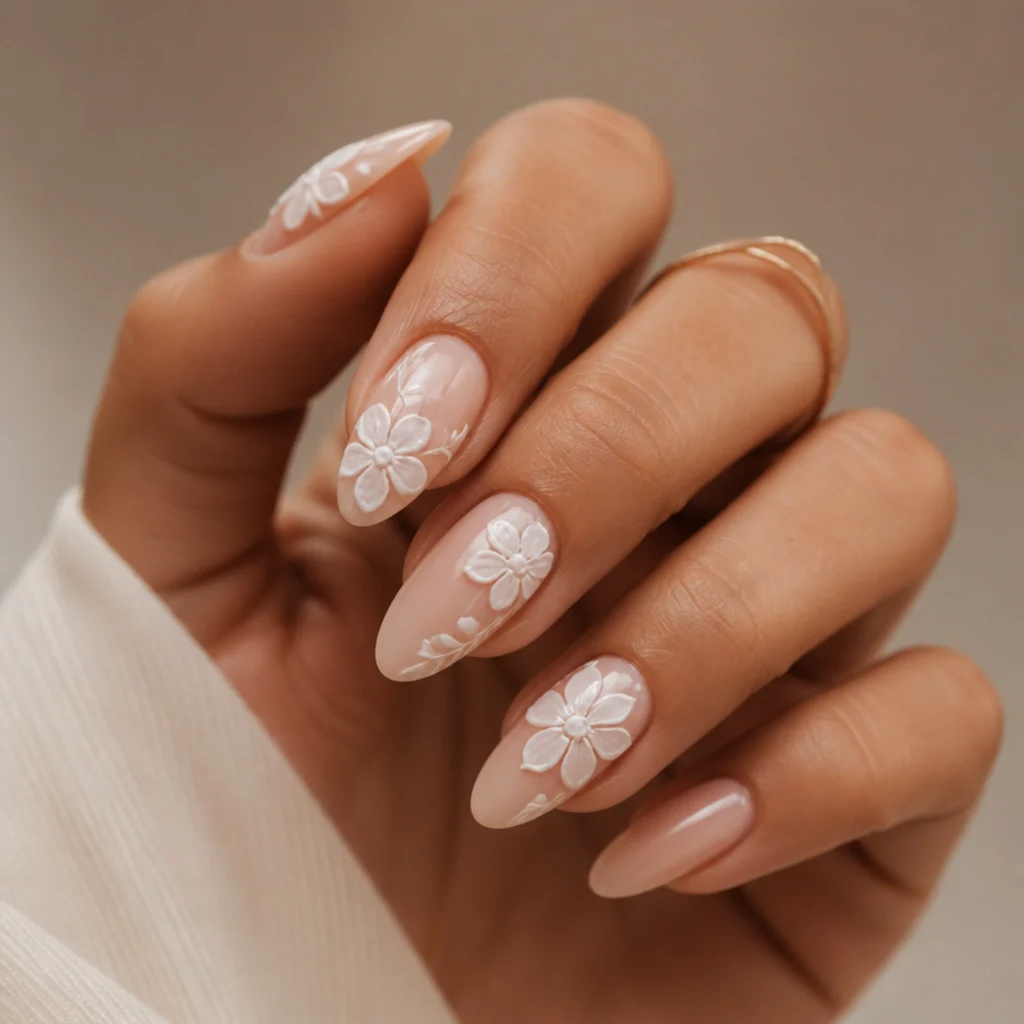
The 3D floral accent is the showpiece of the group, and the most demanding to pull off. Blooming gel 3d nail art builds actual raised petals, layering a thicker sculpting gel for height while the blooming gel softens each stroke so the flower edges look painted into the nail rather than stamped on. Techs typically reserve it for one or two accent nails to keep the hand wearable and the timeline reasonable, since every petal is built and cured in sequence. It suits weddings, photoshoots, and anyone chasing texture that has real dimension. Almond and stiletto shapes give petals the most canvas; short or rounded nails crowd the sculpt and flatten the effect. Maintenance runs higher: raised elements can snag, so this favors people who are gentle with their hands and comfortable with careful, more frequent check-ins rather than stretched three-week fills. Difficulty is advanced. It takes real brush control and cure discipline. Pro tip: ask for petals kept low and clustered near the cuticle rather than floating mid-nail, where they take the most impact. Ask your nail tech for a "3D blooming gel floral on one accent nail, kept low-profile and well sealed for daily wear."
Pro Tips from the Editor
- Blooming gel is a timing game, not a product upgrade: the diffusion happens in the seconds between application and cure, so rushing the flash cure is the single most common reason a wash locks up crisp.
- Match pigment strength to the technique. Sheer, watery pigment reads elegant in a diffused wash but disappears in a 3D petal, where you want denser, opaque color for definition.
- Always cap the free edge on soft styles; blooming finishes chip from the tip first because the diffused layer is thin there.
- On deeper skin tones, cool-white pigment gives the cleanest contrast, while warm ivory can look faded; on fair tones, dial the opacity down so white doesn't read chalky.
- A no-wipe glossy top coat makes diffusion look intentional and hand-painted; a matte top can make a soft wash look patchy, so save matte for graphic work.
- If you're booking 3D florals, ask about wear expectations upfront: raised art on a working hand may need a repair visit before the standard fill.
- Photograph diffused and french styles in soft daylight; harsh overhead salon light exaggerates every edge and can make a smooth gradient look streaky when it isn't.
Blooming Gel Techniques at a Glance
| Technique | Finish | Best nail shape | Skill level | Upkeep | Wear time |
|---|---|---|---|---|---|
| White diffusion | Sheer, cloudy wash | Almond, oval | Beginner–intermediate | Every 2–3 weeks | 2–3 weeks, forgiving grow-out |
| Blooming french | Soft feathered tip | Long almond, oval, squoval | Intermediate | Every 2–3 weeks | 2–3 weeks, hides regrowth |
| 3D floral accent | Sculpted raised petals | Almond, stiletto | Advanced | Frequent, careful fills | Often under 3 weeks on working hands |
How to Choose / Get the Look
Start with how you actually use your hands, because that decides more than aesthetics. If you type, cook, and want something that grows out gracefully with minimal fuss, the diffused white wash is the low-drama, most beginner-friendly choice and the one least likely to snag. If you like structure but find a hard french line severe, the blooming gel french tip gives you tip definition with a softer landing, and it photographs beautifully in daylight. Save the 3D floral accent for events, or for a single statement nail rather than a full set, since raised petals need a lighter touch and often a mid-cycle repair.
Then layer in nail shape and undertone. Almond and oval flatter all three because the curve lets the bloom travel naturally; shorter squoval works for the french and diffused versions but crowds sculpted florals. Cool undertones carry crisp white beautifully, while warm undertones may prefer an ivory or blush-tinted diffusion. When you book, name the finish out loud (sheer, diffused french, or sculpted), bring a saved reference photo, and ask specifically how the tech will seal any texture so it wears cleanly. If you have sensitive skin or a history of gel reactions, request a patch test and confirm the brand system before your appointment.
Frequently Asked Questions
What does blooming gel actually do?
It's a clear activator gel that thins pigment on contact so color spreads and softens outward. It adds no color itself; it just lets whatever pigment you place on top diffuse into that watercolor bleed before you cure it.
Which blooming gel technique is best for beginners?
The diffused white wash. It's the most forgiving easy blooming gel nail art approach because soft, feathered edges hide small mistakes, uneven pigment, and slightly wobbly application that a crisp line would expose.
How long does blooming gel nail art last?
With standard soft-gel upkeep, expect two to three weeks before a fill. Diffused and french styles grow out most gracefully, while sculpted 3D florals often show wear sooner because raised petals catch on things.
Can I do a blooming gel french tip on short nails?
Yes. Keep the tip narrow so the gradient has room to fade without overwhelming the nail. Shorter squoval nails suit it well; very small nails leave less canvas for the blur, so ask for a compact feathered edge.
Is 3D blooming gel art durable for everyday wear?
Raised petals can catch on hair, fabric, and bags, so the style favors gentle hands. Many people keep 3D work to one accent nail and choose diffused styles for the rest to balance impact with wearability.
Why did my blooming gel look crisp instead of diffused?
Almost always cure timing. If you flash-cure too soon or your uncured base was too thin, the pigment locks before it can spread. Ask your nail tech to let the pigment bloom a full 20 to 40 seconds first.
Can blooming gel be done in colors other than white?
Yes. White reads cleanest and most editorial, but blush, cocoa, sage, and chrome-tinted pigments all bloom beautifully. Darker pigments diffuse faster, so they need an even quicker eye on cure timing.
Does blooming gel work over a natural nail or does it need extensions?
Both. It applies over your natural nail, a gel overlay, or extensions. Longer surfaces give diffusion and gradients more room to travel, but a well-shaped short natural nail takes a soft wash nicely.
How do I keep blooming gel nails from dulling?
Reapply a thin no-wipe glossy top coat if the shine fades, wear gloves for cleaning, and use cuticle oil daily. A refreshed top coat revives the hand-painted, glassy look that makes diffusion read intentional.