20 70s Eye Makeup Ideas That Wow
The 1970s ran two beauty moods side by side: sun-warmed earth tones and mirror-ball shine. These 20 eye looks turn both into something you can actually wear now, each one mapped to your lid space, eye shape, and undertone, with exact shade families, finishes, base chemistry, and the words to hand your artist.
 Edited by Lena Rose · Published July 11, 2026 · 35 min read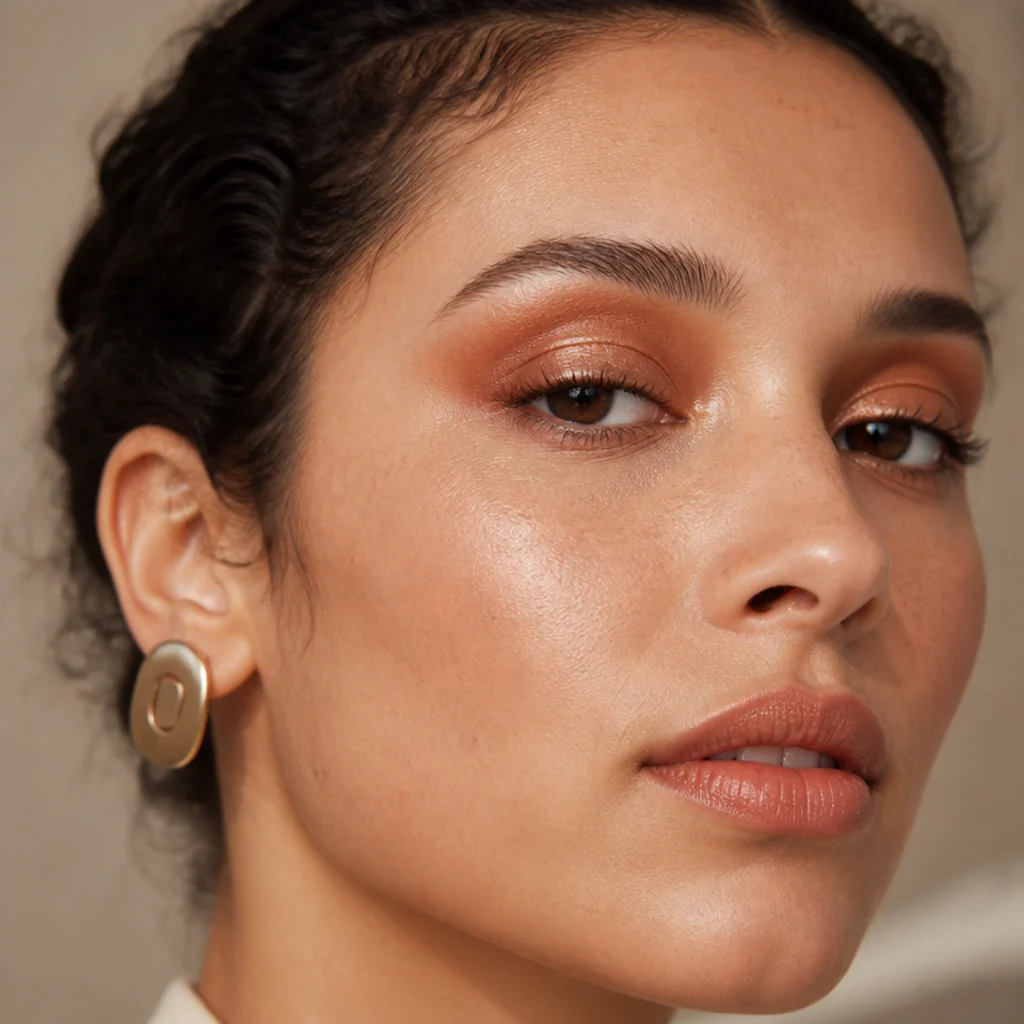
Quick Answer
- Best for: Anyone drawn to warm, retro color, from a soft daytime earth-tone wash to a full disco frost or foil; it's especially flattering when you match finish to your lid texture.
- Who might skip it: Fans of cool-matte, precision-graphic modern makeup, or anyone who wants a totally low-shine finish, since glow is the whole point here. Very oily lids should stay on the earthy, powder-set end.
- Maintenance: Low to medium. Washes and blends are a one-sit application; glitter, foil, and floating liner need a tacky base, a fallout shield, and careful balm removal.
- Difficulty: Beginner-friendly for washes and halos, up to advanced for cut crease and graphic mod liner, which demand side-to-side symmetry.
- Cost: Low if you already own warm neutrals and one metallic. Budget for a dedicated glitter glue, a couple of jewel-tone shimmers, and a cream base for the disco looks, drugstore to mid-range, roughly $8 to $28 per item, and no single hero product required.
- Wear time / longevity: 6 to 10 hours over primer; foils and glitter last longest on a tacky cream base, frosts fade fastest without setting spray.
- Standout variation: The disco silver halo lid (idea 6) for instant Studio 54 impact.
- How to ask your makeup artist: Name the finish (matte, satin, frost, foil, or glitter), the hero color, and the technique (wash, halo, cut crease, or reverse smoke), then say whether you want it daytime-soft or full evening drama.
In This Guide
- Terracotta Wash Wearable Every Day
- Golden Bronze Halo Lid
- Rust and Copper Smoke
- Frosted Baby Blue Lid
- Warm Peach Socket Blend
- Disco Silver Halo
- Blue Frost Cut Crease
- Earthy Olive and Moss
- Bronze Glitter Wash
- Sun-Ray Lower Lash Liner
- Hippie Sunflower Inner Corner
- Plum and Burgundy Smoke
- Iridescent Pink Frost
- Graphic Twiggy-Meets-Disco Liner
- Coral and Gold Duochrome
- Deep Teal Reverse Smoke
- Bronze Foil Glam Lid
- Soft Brown Doe-Eye Blend
- Emerald Disco Shimmer
- Champagne and Chocolate Glam
The 70s eye is a spectrum, not one single trend. On one end sit warm, hazy earth tones borrowed from denim-and-suede fashion and the back-to-the-land hippie mood: terracotta, olive, rust, and toasted gold, blended soft and low-shine. On the other end lives disco: silver, foil, glitter, and light-catching frost built for a night under a mirror ball. What ties them together is warmth and glow rather than the cool, matte precision that later decades favored. Authentic 70s eye makeup relies on diffuse blending, a warm-toned crease, and a lid that reflects light back at the room, so texture and finish carry as much weight as color choice. Base control matters more than anything else here, since the era's signature shine only shows up when powder meets a slightly tacky cream underneath. Both directions appear throughout these 20 ideas, plus a handful of hybrids that borrow from each, so you can dial the intensity up or down for brunch, a festival, or a full going-out look. Every entry names the exact shade family and finish, who it flatters by eye shape and undertone, a realistic maintenance timeline, a concrete pro tip, and a short line on how to ask a makeup artist, so you leave the chair with the look you actually pictured.
01Terracotta Wash Wearable Every Day
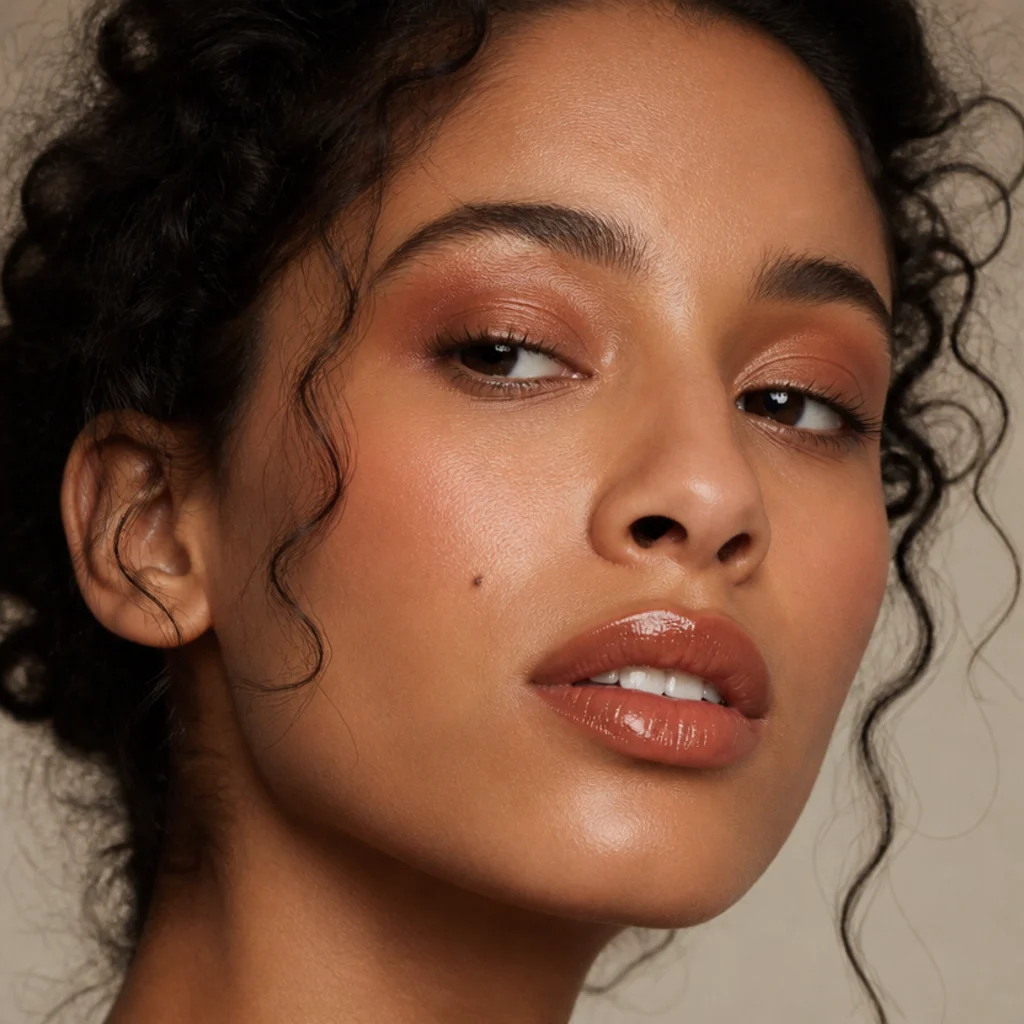
Terracotta is the gateway to 70s eye makeup because it reads retro without tipping into costume. Reach for a warm brick with a red-brown base, think burnt sienna or clay, rather than a pure pumpkin orange, which can look raw and unfinished against skin. Wash it across the whole mobile lid, then diffuse it up past the crease in a soft rounded halo using a fluffy blending brush in small windshield-wiper arcs, keeping the outer edge feathered so nothing stops abruptly. Skip liner entirely for the most authentic daytime version. Nearly every undertone can wear it, though deep and rich complexions gain the most dimension when the shade leans red-brown rather than pale rust, and cool skin should choose a terracotta with a touch of pink to avoid muddiness. There are no hard edges to keep symmetrical, which makes it forgiving on hooded and round eyes. Upkeep is minimal; expect six to eight hours before the color softens, with a fingertip refresh midday. Pro tip: lay a matching warm cream shadow first so the powder grabs and the wash reads richer in one pass. Ask your artist for a "monochrome terracotta wash, diffused, no liner," and finish with brown mascara to keep the eye sunlit rather than sharp.
02Golden Bronze Halo Lid
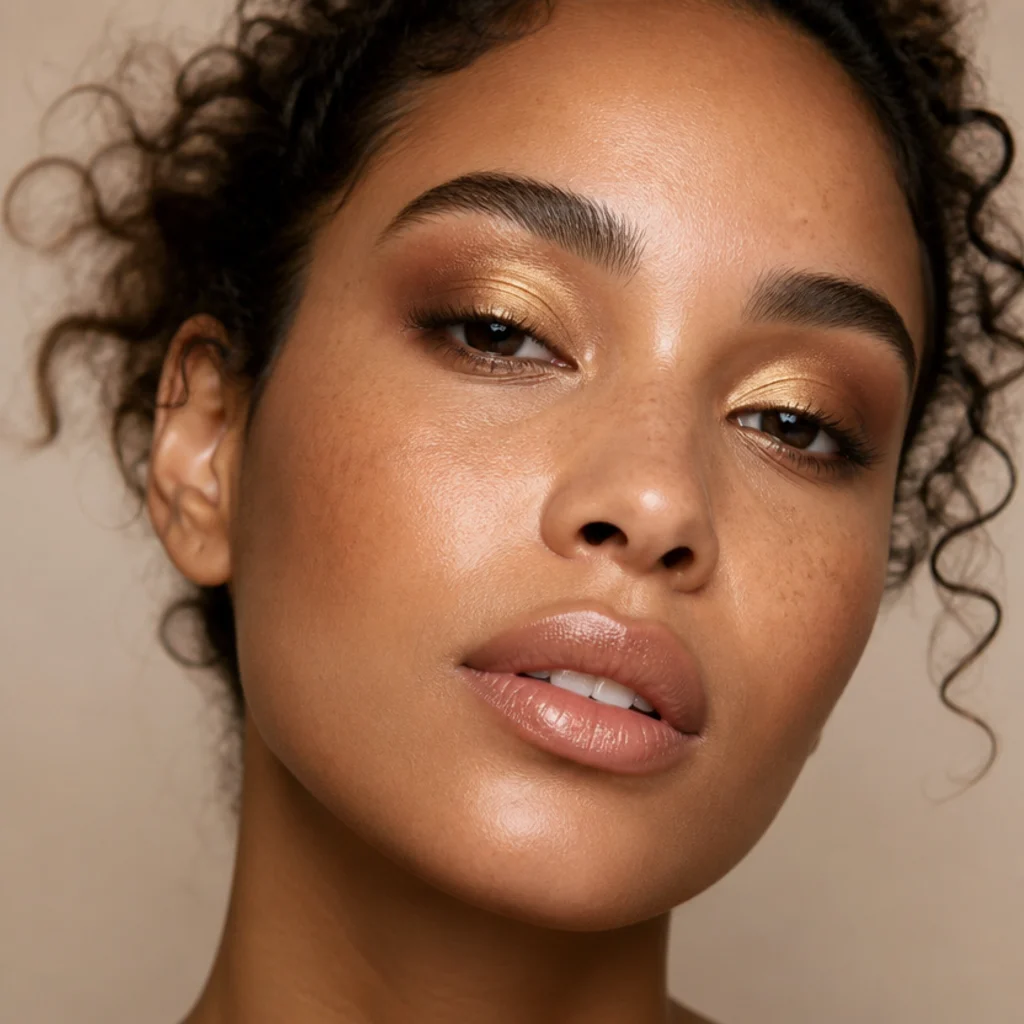
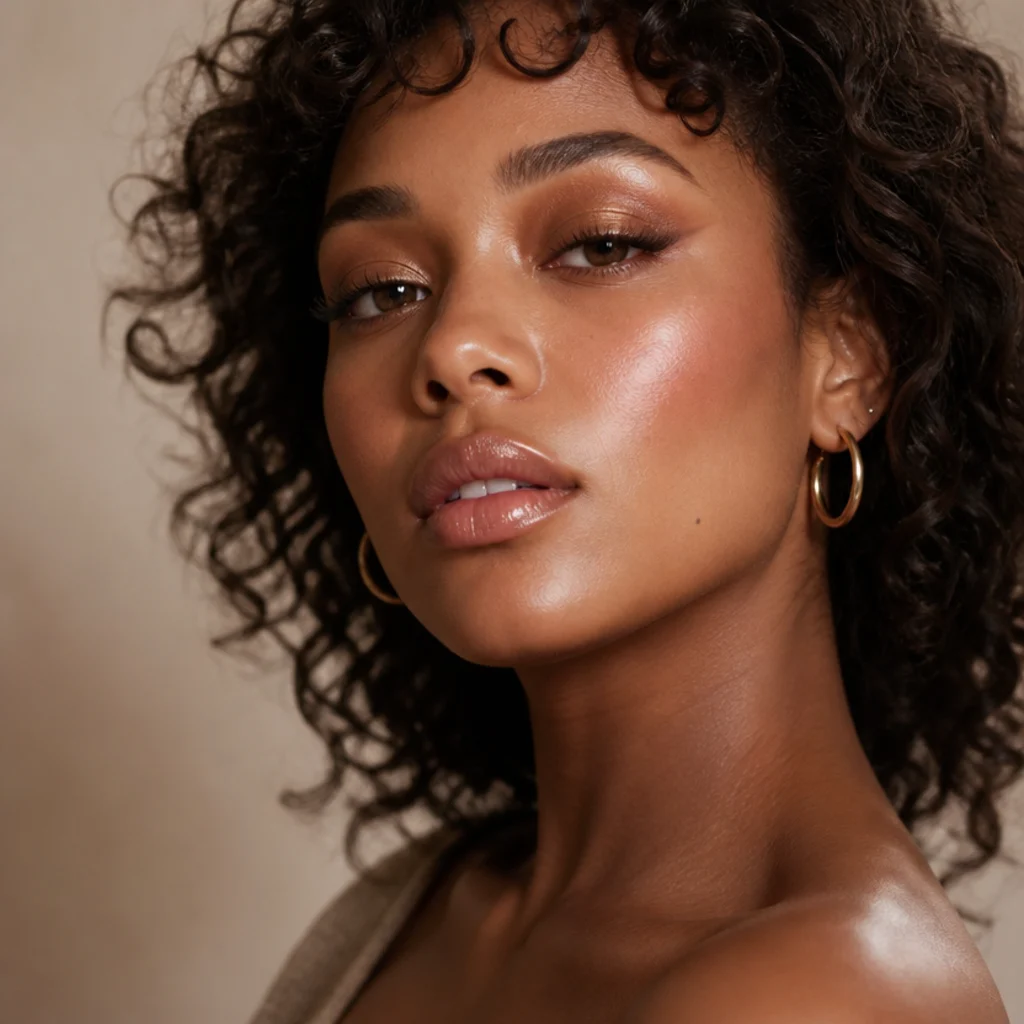
The halo technique places the lightest, most reflective shade dead-center on the lid and wraps a deeper tone around the inner and outer corners. Eyes end up looking rounder, more open, and more awake. Here a golden-bronze metallic sits center stage while a soft matte cocoa brown hugs the edges, giving the shine something to sit against. It works especially well on hooded and monolid eyes, because the central light optically pulls the lid forward and counters the shadow that hooding casts; deep-set eyes benefit for the same reason. Application is easy but fallout-prone: press the shimmer on with a flat fingertip or a firm packing brush rather than sweeping, and tap off excess before you touch the lid. Maintenance is low over a cream base, roughly eight hours before the metallic dulls. Pro tip: dampen the brush with a single spritz of setting spray before you pack on the bronze, which doubles the foil effect and deepens the payoff instantly. Warm gold suits olive and tan skin; fair skin can lean champagne-gold, and deeper skin can push the center toward antique or rose-gold for more warmth. Ask for a "bronze halo lid with a warm brown wrap."
03Rust and Copper Smoke
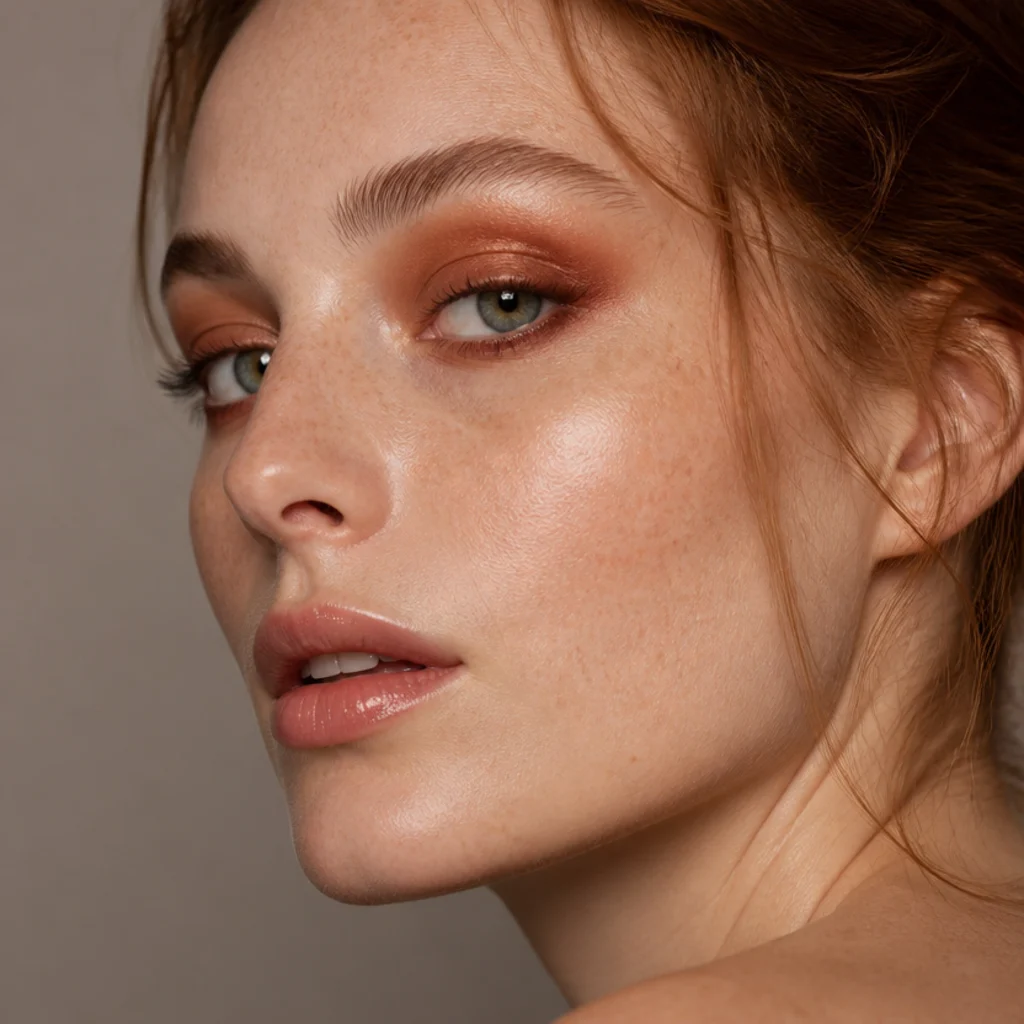
Not every smoky eye needs black. This warm version smokes matte rust into the crease and satin copper across the lid, then softens the same two tones along the lower lash line so the eye reads hazy and lived-in rather than heavy. It sits right in the transitional space between hippie earthiness and early evening glam, one of the most versatile looks here, and an easy day-to-night pivot: just intensify the crease. Green and hazel eyes light up against rust because the warm red-brown is their complementary contrast, and fair or freckled skin looks especially at home in these tones. Difficulty is intermediate. The whole effect depends on keeping the blend diffuse rather than muddy, so build in thin layers and use a clean fluffy brush to feather the edges last. Maintenance is low, around eight hours. Pro tip: stop the lower-lash smoke two-thirds of the way in toward the nose so the inner corner stays bright and the eye doesn't visually close down. Ask for a "warm rust smoky eye, copper on the lid, softly smoked underneath," and keep the rest of the face bare and glowy so the eyes lead.
04Frosted Baby Blue Lid
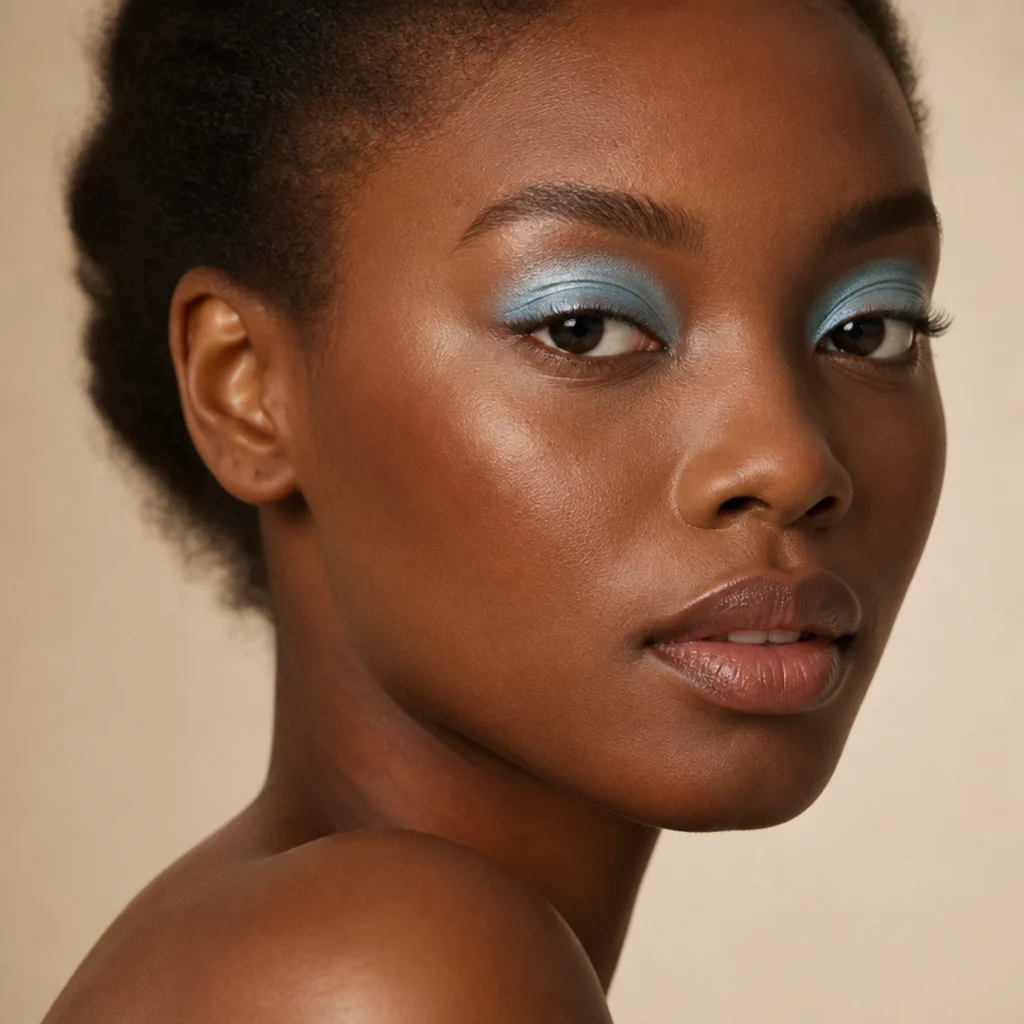
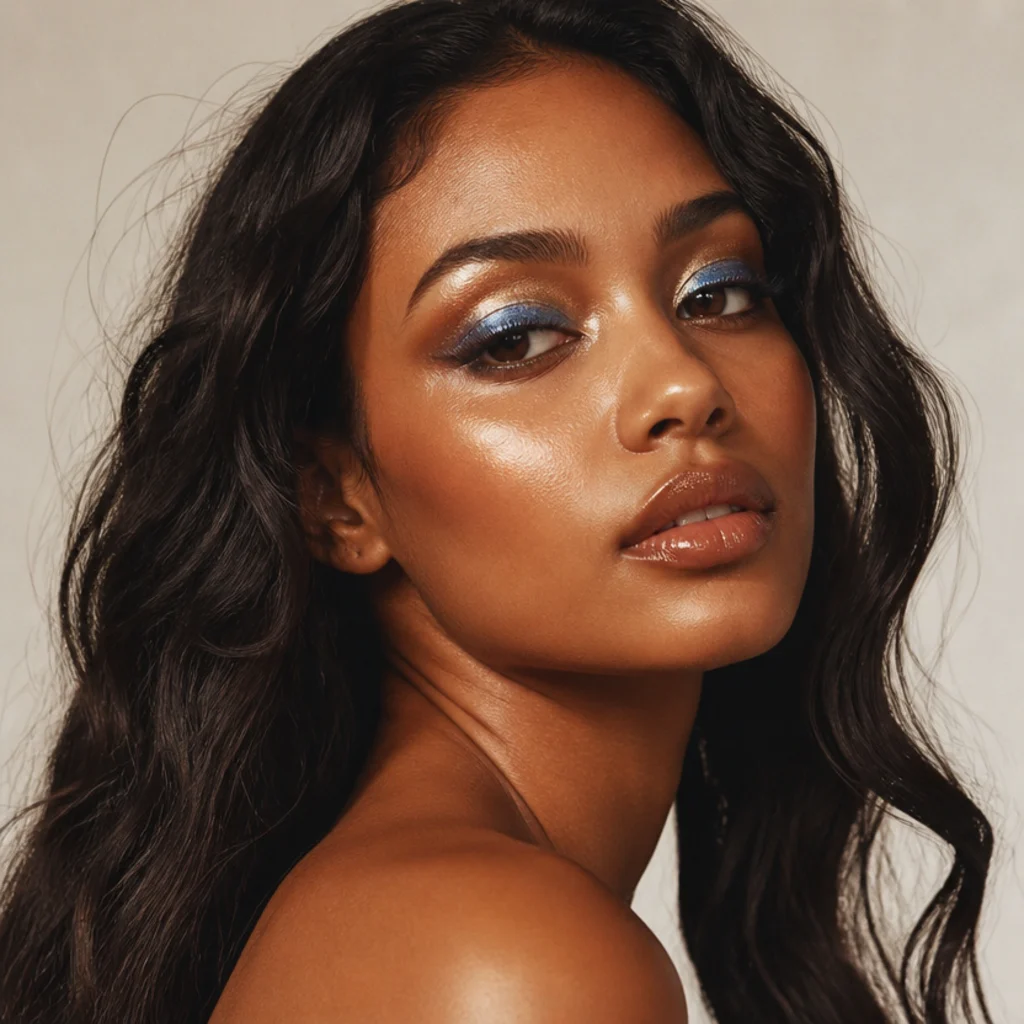
Pastel frost is pure 70s, and powder-blue is the most iconic shade in the family. Sweep a pearly baby-blue with a soft sky tone across the entire mobile lid, keep it clean and sharp at the lash line, and let the frost do all the talking with no crease work at all. It's playful and unexpectedly flattering on deep skin, where the cool blue pops against warm undertones, and it gives light and medium skin a real vintage-poster quality. This is a beginner look with low upkeep, though frost is the one finish that will settle into fine lines and lid texture, so a smoothing, silicone-based primer and a light hand matter more here than anywhere else. Expect six to eight hours before it needs a touch-up. Pro tip: apply the blue with a flat synthetic brush pressed flat against the lid, not swept, so the pearl stays dense and even instead of patchy, and tightline with a soft brown rather than black to keep the whole eye retro. Ask for a "full-lid frosted blue, pearl finish, no crease definition." Pair with a soft nude or peach lip so the color stays the focal point instead of competing for attention.
05Warm Peach Socket Blend
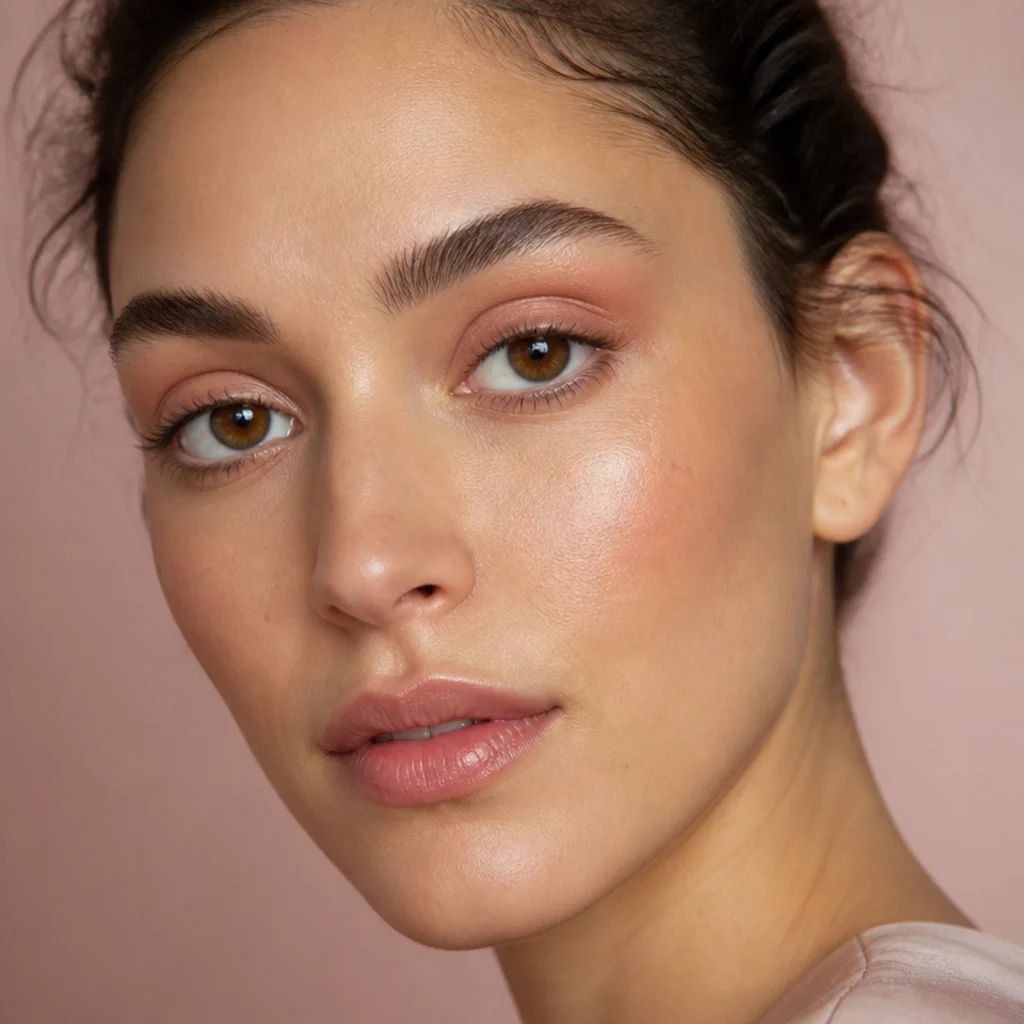
If bold color feels like too much, the peach socket blend delivers the warm 70s mood in a barely-there register. Concentrate a soft matte peach in the crease, buff it through the socket in small circles, and leave the lid mostly bare with just a whisper of sheen from a satin champagne or your own skin. It works on every eye shape and is the most office-appropriate look in this guide, reading as a soft wash of warmth rather than obvious makeup. That's also what makes it flattering at any age. Upkeep is minimal, six to eight hours, and it's ideal for beginners still learning to control a blending brush, since peach forgives an uneven landing. Pro tip: use a shade only one or two steps warmer than your skin so the crease adds depth without looking like a bruise, and tap the color on the outer socket first where you want the most density, working inward with what's left on the brush. Ask for a "warm peach wash through the crease, glowy bare lid." It also doubles as a base you can deepen later with a soft brown for an easy day-to-night shift.
06Disco Silver Halo
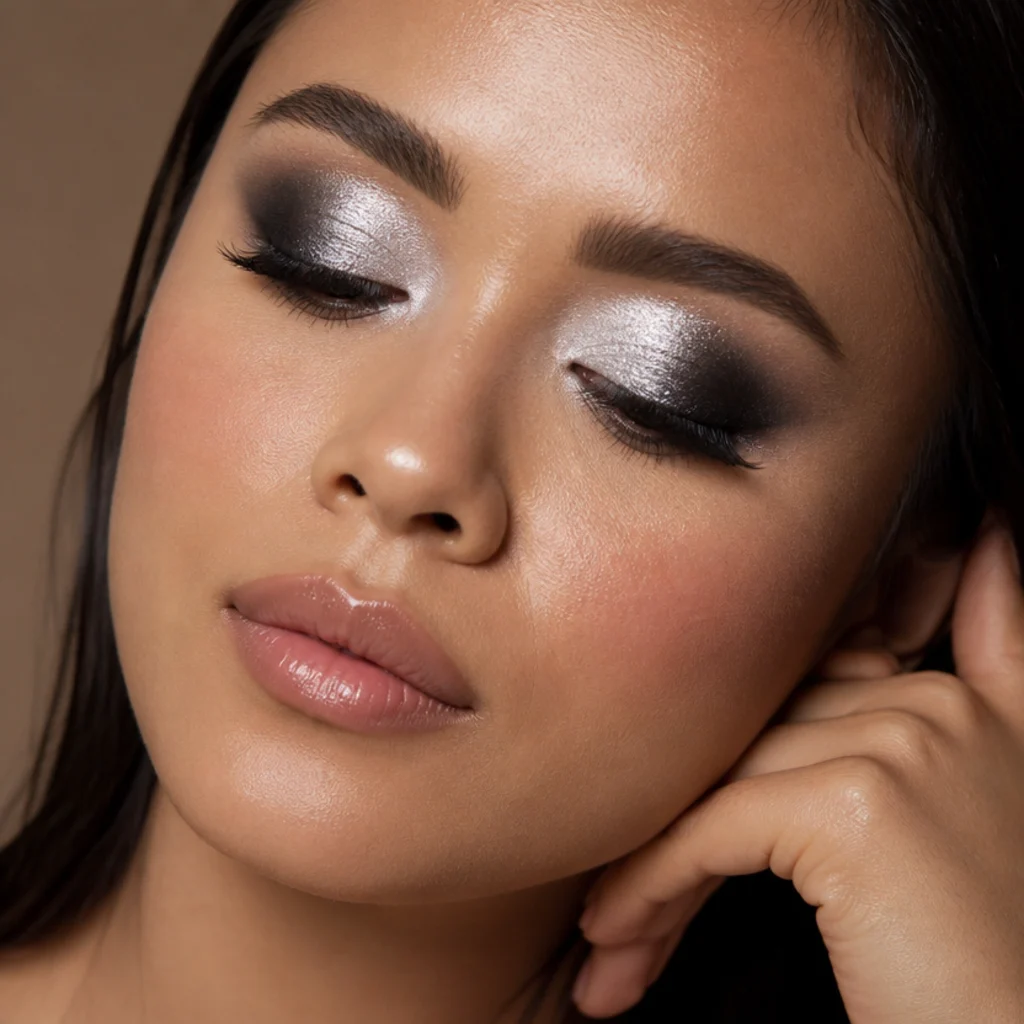
This is the look that says Studio 54 the instant you see it. Pack a bright metallic silver onto the center of the lid, wrap a smoked charcoal-grey around the outer corner into a soft V, and add a dab of silver to the inner corner to bounce light. It's the boldest entry in this 70s disco makeup lineup and wants a night-out setting; in daylight the shine reads costume. Silver suits cool and neutral undertones most naturally, but anyone can wear it if the grey wrap is warmed slightly toward taupe to bridge the metal and the skin. Difficulty is intermediate and upkeep runs higher, because metallics only hold their mirror finish over a sticky base and will migrate into the crease without one. Pro tip: lay a silver or grey cream shadow, or even a dab of eye primer, down first, let it get tacky for ten seconds, then press the powder on top with a fingertip for a foil-grade shine; a whisper of setting spray on the fingertip pushes it further. Ask for a "silver disco halo with a smoked grey outer V," and skip shimmer elsewhere so the eyes stay the star.
07Blue Frost Cut Crease
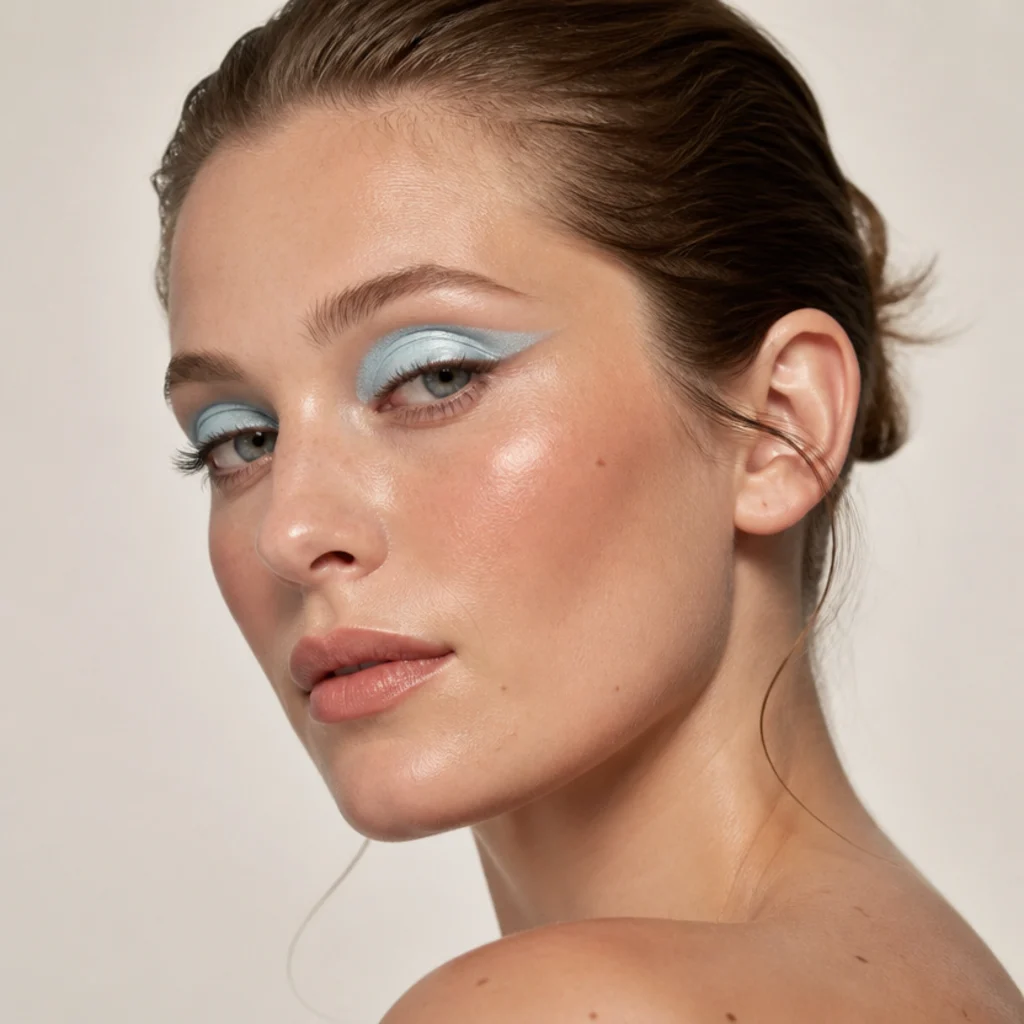
A cut crease adds architecture to soft 70s frost, carving a clean line where the lid meets the socket so the icy blue on the lid looks even crisper and brighter. Think of it as the editorial, high-polish cousin of the frosted lid a few ideas back. It suits eyes with visible lid space best; on hooded eyes the carved line can disappear when the eye is open, so map the cut slightly above the natural crease with the eye open and check symmetry looking straight ahead. Difficulty is advanced: the line is carved with a full-coverage concealer on a small flat synthetic brush, then the frost is packed below it, and both steps need a steady hand and patience. Upkeep is medium, and the crisp edge is easy to tidy with a cotton swab wrapped tight over a touch of concealer. Pro tip: set the carving concealer with a translucent powder before you press on the blue, or the frost will drag and smear the freshly cut line. Ask for an "icy blue cut crease with a clean beige transition." Keep brows soft and lips neutral so the graphic eye stays the one focal point.
08Earthy Olive and Moss
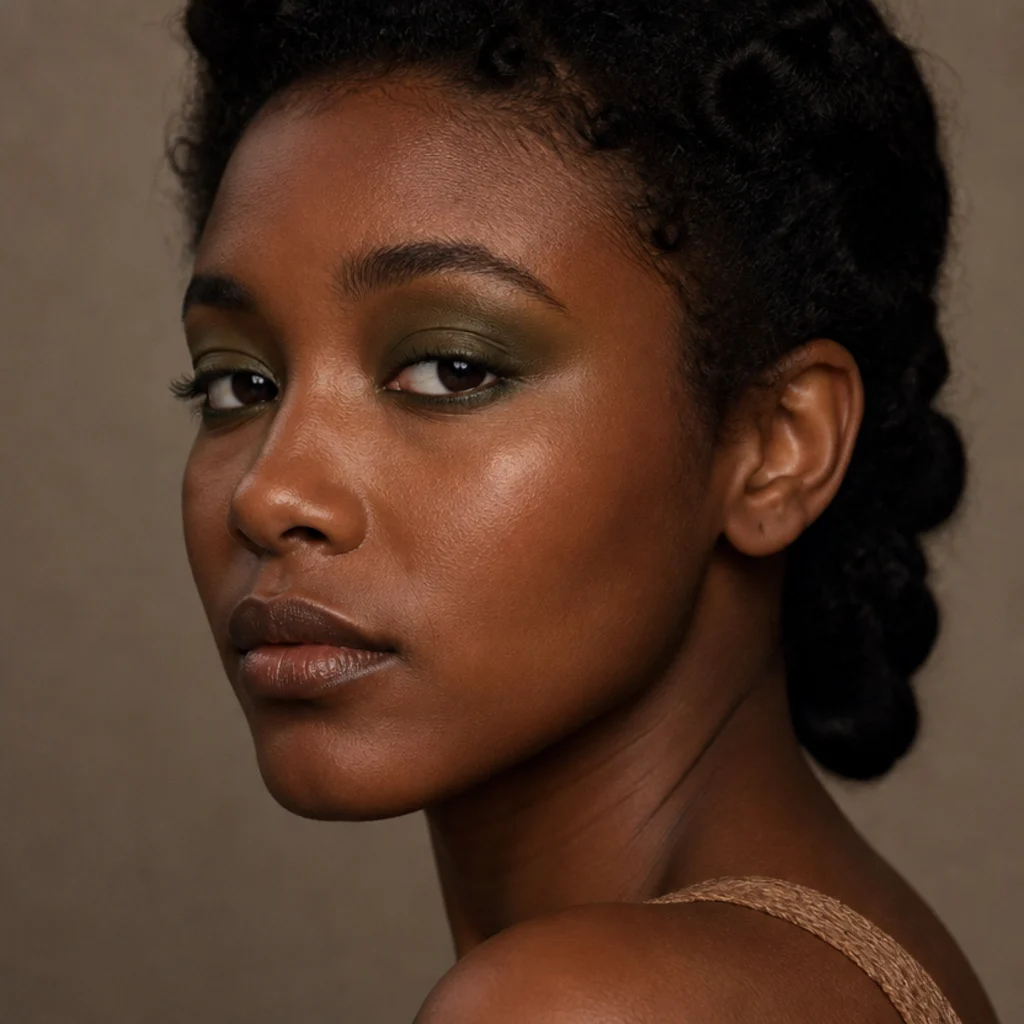
This is the heart of 70s hippie makeup: muted, earthy greens that feel plucked from a suede jacket or a houseplant-filled sunroom. Blend a soft olive across the lid and press a deeper moss into the crease, then echo a little green along the lower lash line to wrap and ground the eye. Muted green earth tones look rich on brown and deep skin and make hazel, amber, and light-brown eyes glow, since green shadow throws warmth back into the iris through gentle contrast. It's a beginner-to-intermediate blend with low upkeep, roughly eight hours. Keep the finish matte or barely satin to honor the natural, unfussy spirit of the era; a high shimmer here tips it toward disco and loses the earthiness. Pro tip: if a true olive pulls too grey or ashy on your skin, warm the crease with a thin layer of bronze or rust underneath first, which pushes the green toward moss instead of dull and cold. Ask for "muted olive on the lid, moss in the crease, softly smoked underneath," and pair it with a warm terracotta or brick lip to complete the seventies wardrobe feeling.
09Bronze Glitter Wash
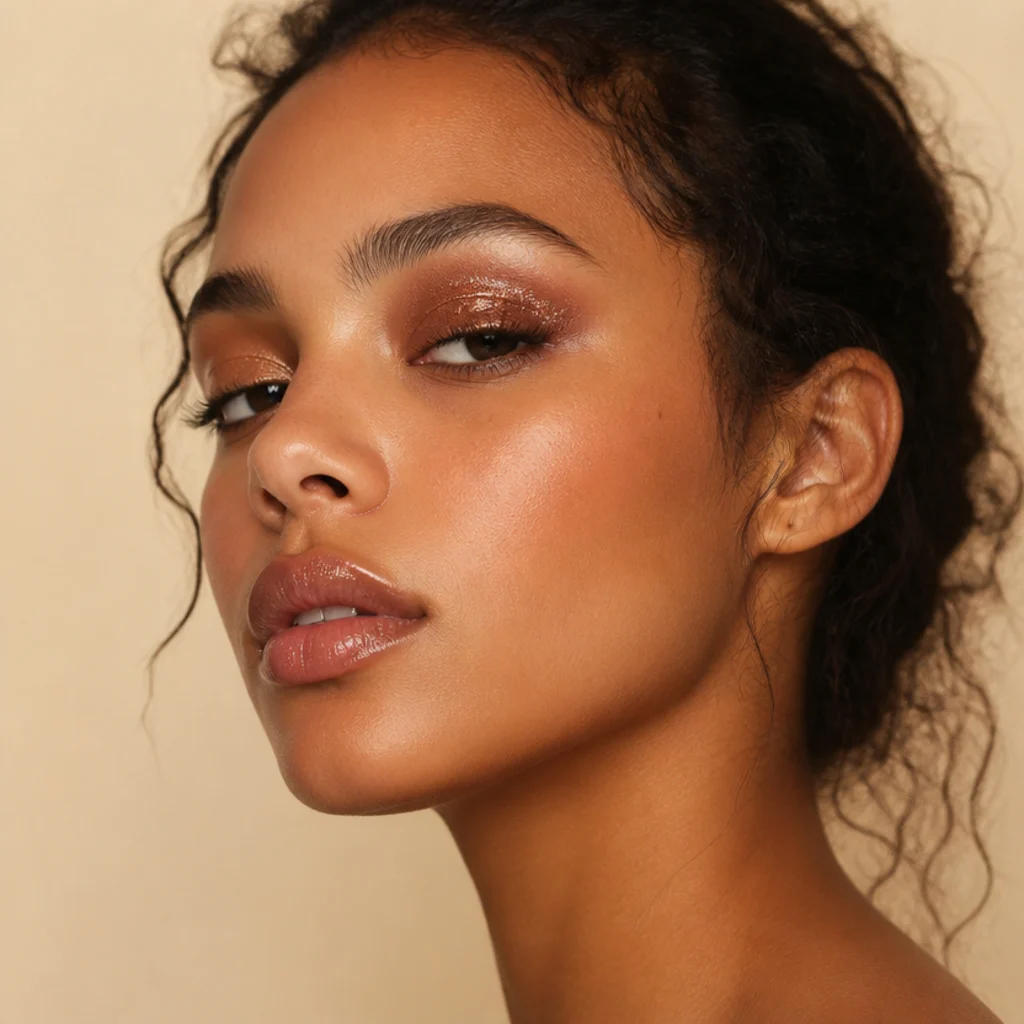
When earth tones meet disco you get the bronze glitter wash: a warm brown base with fine bronze glitter pressed on top so the lid catches light from every angle. It bridges the day and night sides of 70s eye makeup, earthy enough for suede and denim, shiny enough for the dance floor. Fine-milled bronze glitter suits every skin tone and looks especially molten on tan and deep complexions, where the warmth reads like polished metal. Difficulty is intermediate, almost entirely because of the glitter: use a dedicated glitter glue rather than plain shadow, tap the glitter on with a flat fingertip once the glue turns clear and tacky, and work over a folded tissue laid on the cheek to catch fallout. Upkeep is medium; the finish easily lasts a full evening but wants gentle removal so you don't tug the lash line. Pro tip: choose a chunkier flat glitter for reflection but keep the particles small enough to lie flat, since large flakes lift at the edges and scratch. Press them along the lash line first, where the light hits most. Ask for a "warm brown base with a pressed bronze glitter topper," and remove it with a balm cleanser to protect your lashes.
10Sun-Ray Lower Lash Liner
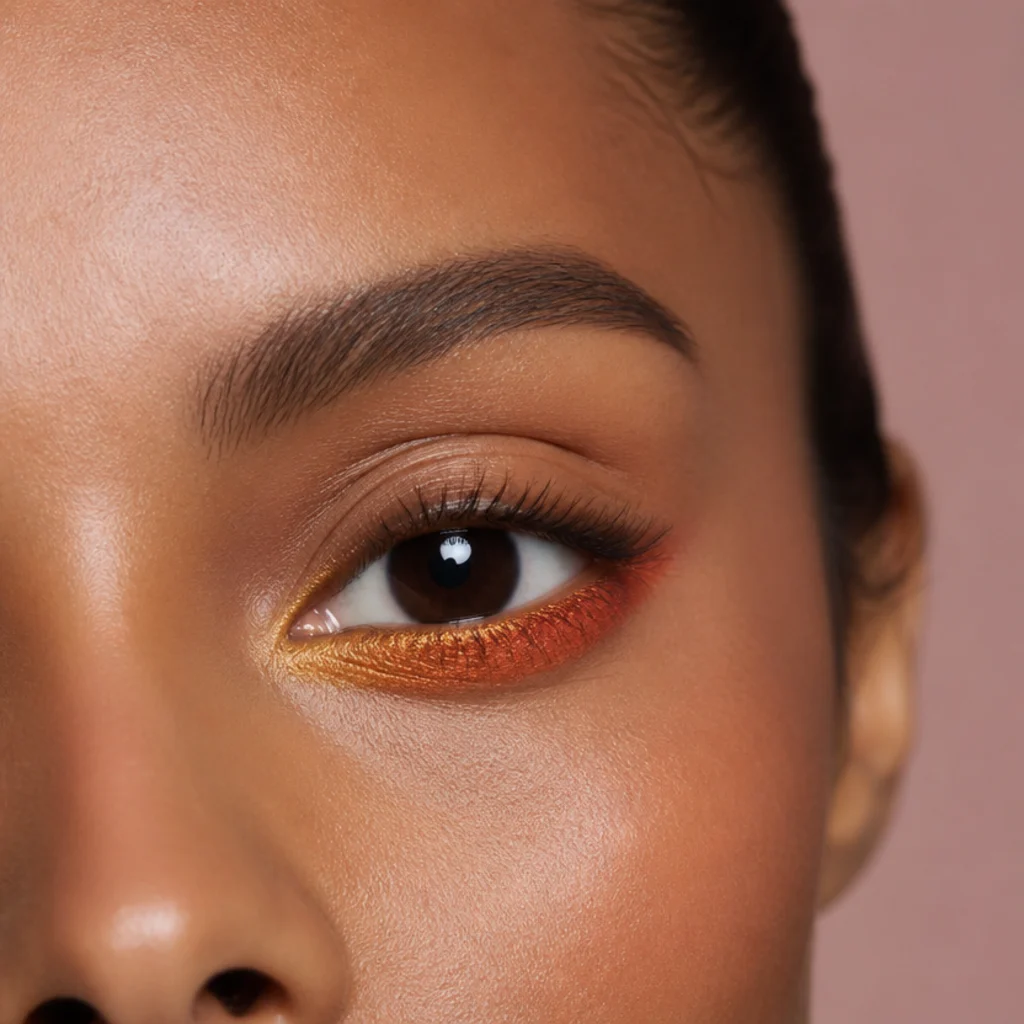
The 70s loved drama on the lower lash line, and this look leans all the way in with a warm sun-ray gradient: gold at the inner corner melting into orange and then rust toward the outer edge, drawn just beneath the lower lashes. Keep the upper lid soft and neutral so the lower liner leads without the eye feeling closed-in. It brightens the whole eye, photographs beautifully in daylight, and has become a festival and costume favorite for exactly that reason. Every eye shape can wear it, though wide-set eyes gain the most lift from keeping the brightest gold tight to the inner corner, and close-set eyes should start the gold slightly outward from the tear duct. Difficulty is intermediate, since the three-tone gradient takes patience and a light hand. Pro tip: draw the gradient with a stiff pencil or a wet flat brush first to place the color, then buff the joins with a tiny pencil brush so gold, orange, and rust melt together with no visible bands. Ask for a "warm gradient lower liner, gold to rust." Upkeep is low once set, but a waterproof or long-wear formula helps it survive a long day outdoors.
11Hippie Sunflower Inner Corner
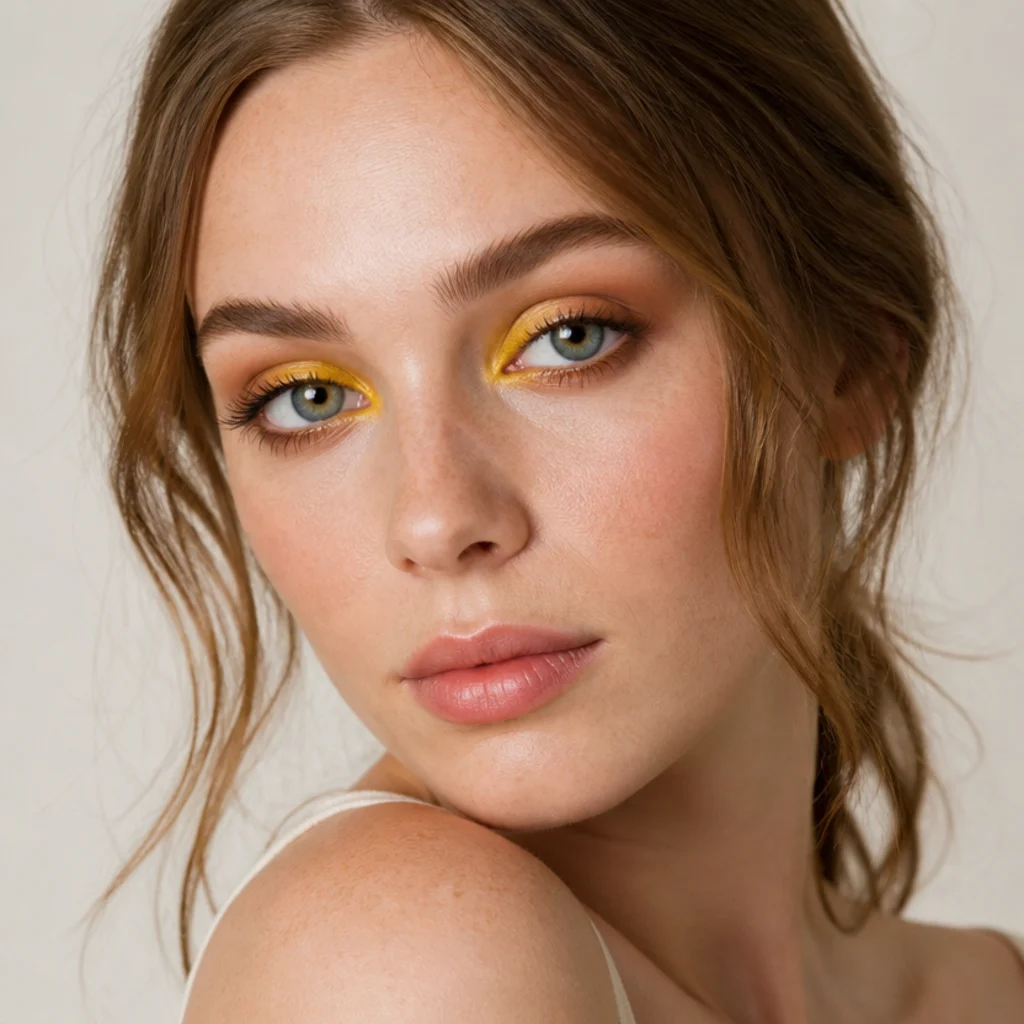
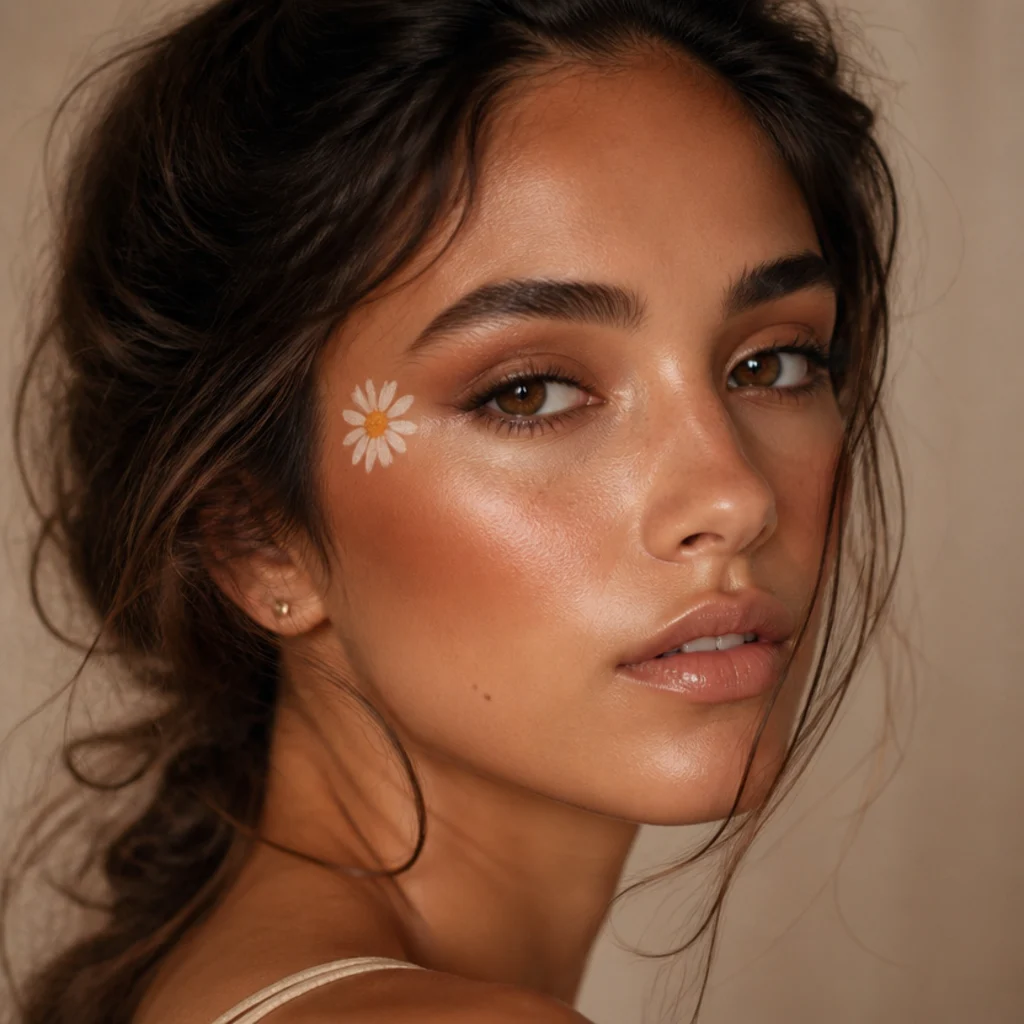
Yellow is the most joyful 70s hippie makeup color, and used with restraint it's wearable rather than theatrical. Brighten only the inner corner and the inner third of the lid with a sunflower gold-yellow, then blend a warm brown through the outer half so the eye keeps its depth and structure. That placement opens the eye and throws light toward the nose, and it looks fresh on every skin tone, with an especially sunny effect on fair and medium skin, while deeper skin can push toward marigold or amber for more payoff. It's a beginner-friendly, low-maintenance accent, roughly eight hours of wear. Pro tip: yellow is one of the sheerest, most patchy pigments in any palette, so tap it over a white or cream base first to make it opaque, and press rather than sweep so it doesn't muddy into the brown beside it. If pure yellow feels bold for your day, a golden-chartreuse gives the same lift with a softer, more grown-up edge, and a satin gold reads even quieter. Ask for a "yellow inner-corner brightener with a warm brown outer blend," and tell your artist how bright you actually want the pop so it lands where you expect.
12Plum and Burgundy Smoke
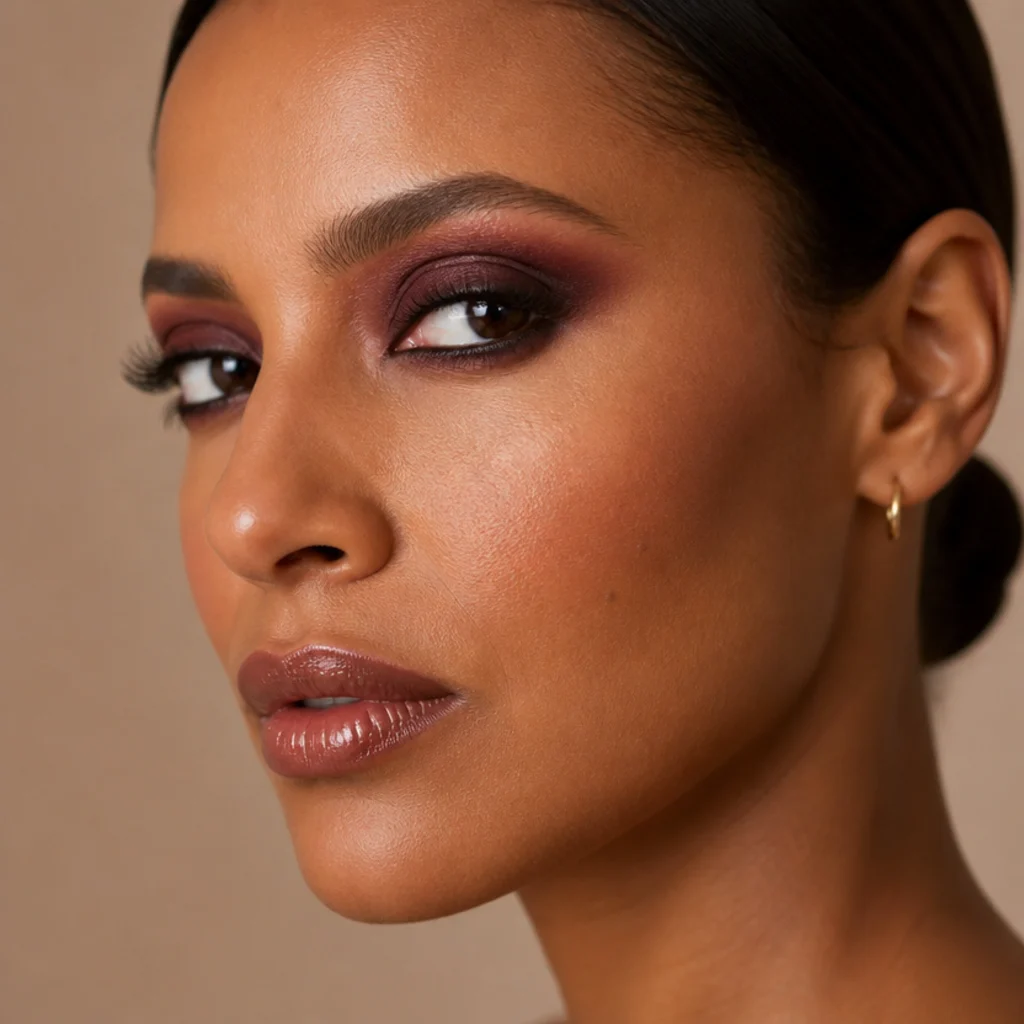
For a cooler take on a warm decade, plum and burgundy bring a wine-toned richness that still reads era-appropriate because it stays soft and blended rather than sharp. Smoke a matte burgundy into the crease, wash a satin plum across the lid, and pull the same two tones under the lower lashes for a fully wrapped, sultry effect. Wine shades flatter nearly everyone and make green and light-brown eyes especially vivid through complementary contrast. Difficulty is intermediate; the real trick is keeping plum from reading like irritation or fatigue, so blend the edges cleanly, keep the inner corner and lower waterline bright, and consider a white or nude waterline to counter any redness. Upkeep is low, around eight hours. Pro tip: place a thin layer of a warm brown transition shade in the crease before the burgundy. It stops the wine tones from looking cool and sore and grounds them in the 70s warmth. Ask for a "soft plum and burgundy smoke, wrapped top and bottom," and choose a satin over a matte finish to keep it luxe rather than flat. A slick of clear gloss over the center lid tips it fully into disco territory for photos.
13Iridescent Pink Frost
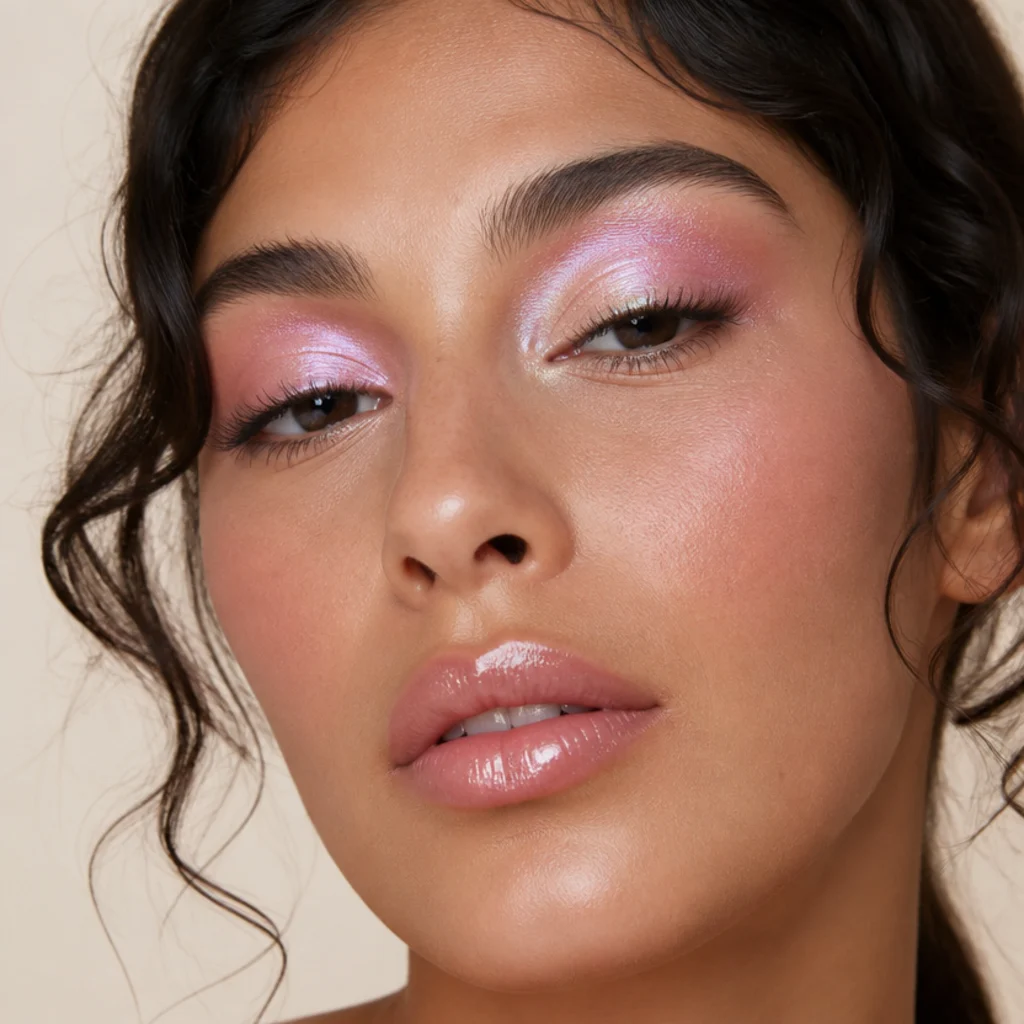
Frosted pink was everywhere in the 70s, and the modern iridescent version adds a duochrome shift that flickers between lilac and gold as the light moves across the lid. Sweep it across the full mobile lid, keep the crease completely undefined, and let the pearl finish be the entire point. It's flirty and soft, flatters cool undertones beautifully, and gives brown eyes a pretty warm-cool contrast. This is a beginner look with medium upkeep, since frost is the finish most likely to crease over the day, so a grippy primer is worth the extra step; expect to refresh around the six-hour mark. Pro tip: apply the frost with a flat brush or fingertip over a thin coat of white or pink cream shadow to make the duochrome shift far more visible, since these pigments read strongest on a light, slightly tacky base. Ask for a "full-lid iridescent pink frost, no crease work." Pair it with flushed cheeks and a glossy lip for a look that feels like sunset light landing on skin, and keep everything else soft so the color shift stays the story rather than one detail among many.
14Graphic Twiggy-Meets-Disco Liner
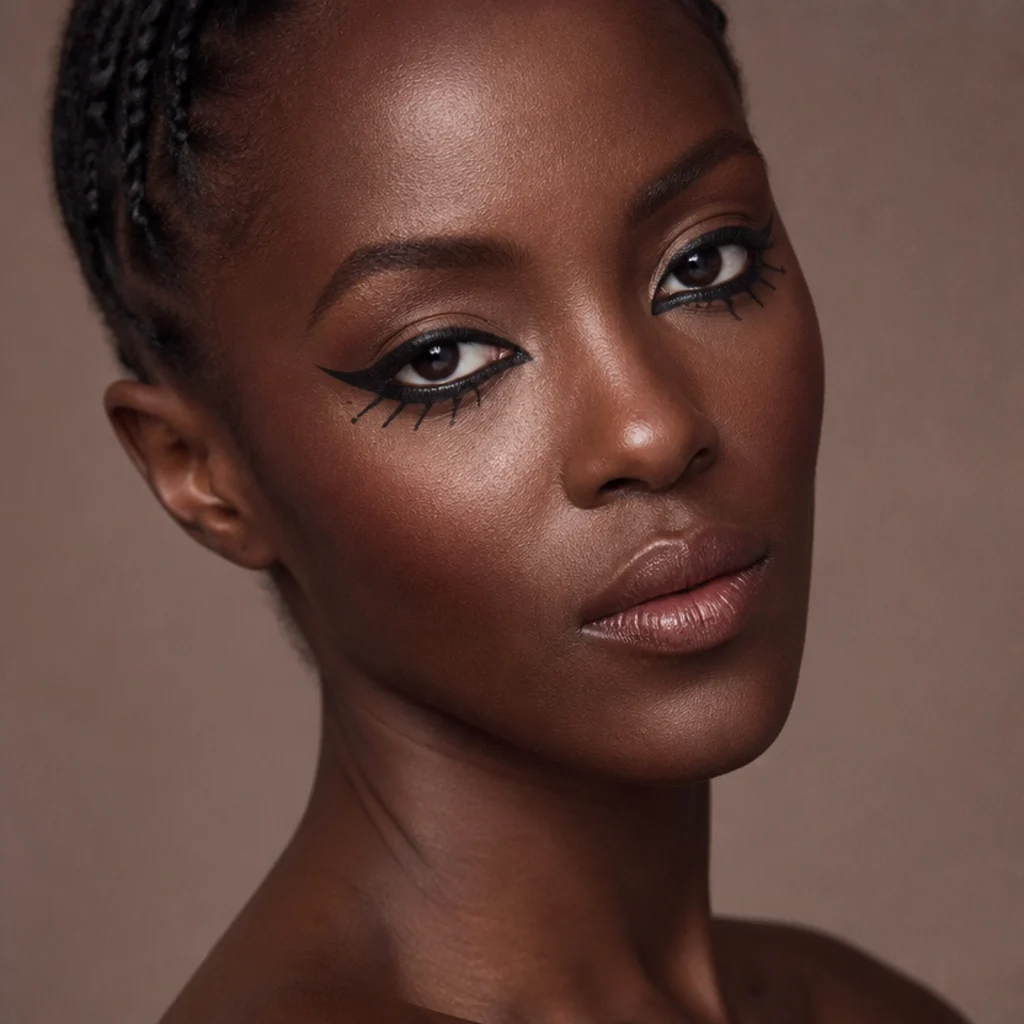
The early 70s still carried strong mod influence, and this look marries Twiggy's graphic lashes with disco warmth so it lands in the decade rather than the one before it. Draw a bold, defined upper line, add a few painted lower-lash spikes beneath the eye, and back the whole thing with a warm bronze shadow that pulls it firmly into the 70s. It suits eyes with lid space and rewards a confident hand and good symmetry; monolids can carry it beautifully by drawing the line thick enough to show with the eye open. Difficulty is advanced, because the graphic lines have to match side to side and the painted lower lashes need even spacing. Pro tip: map both wings and the lower spikes with light dots of a pale pencil first, check them with your eyes open and level in the mirror, then connect the dots with a gel or liquid liner. That saves you from carving the shape twice. Ask for "graphic mod liner with painted lower lashes over a warm bronze base." Upkeep is low once it sets, though a gel formula holds the crisp edges longest, and a muted lip keeps the attention on the eyes.
15Coral and Gold Duochrome
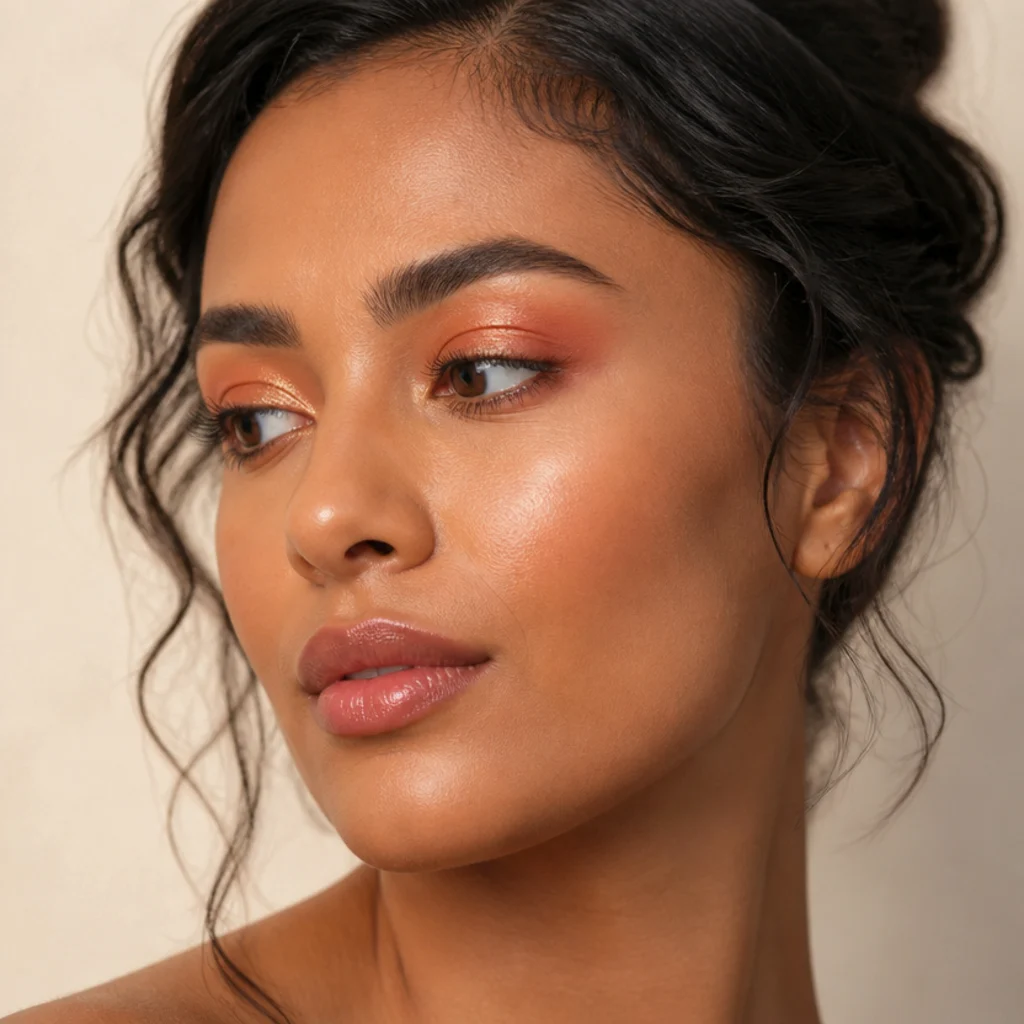
Coral is an underrated 70s shade, and pairing it with a gold duochrome topper gives the lid a warm, glowing quality that shifts between citrus and gold as you move. Wash a satin coral across the lid, layer a gold duochrome shimmer over the center, and warm the crease with a soft rust to anchor the brightness so it doesn't float unsupported. This look glows on tan and deep skin and makes blue and grey eyes striking through complementary contrast. Difficulty is intermediate, mostly for the layering and for keeping the coral from going chalky, which a satin formula over a peach cream base solves. Pro tip: press the gold topper only on the front two-thirds of the lid, not the outer corner, so the eye keeps dimension and the duochrome catches light exactly where the eye is roundest. Upkeep is medium since the shimmer holds best over a tacky cream base, roughly eight hours. Ask for a "coral lid with a gold duochrome topper and rust crease." It's a summery option that bridges the glam and earthy moods and pairs well with a warm peach or coral blush to tie the whole face together.
Save this to Pinterest to remember your favorite color combinations.
16Deep Teal Reverse Smoke
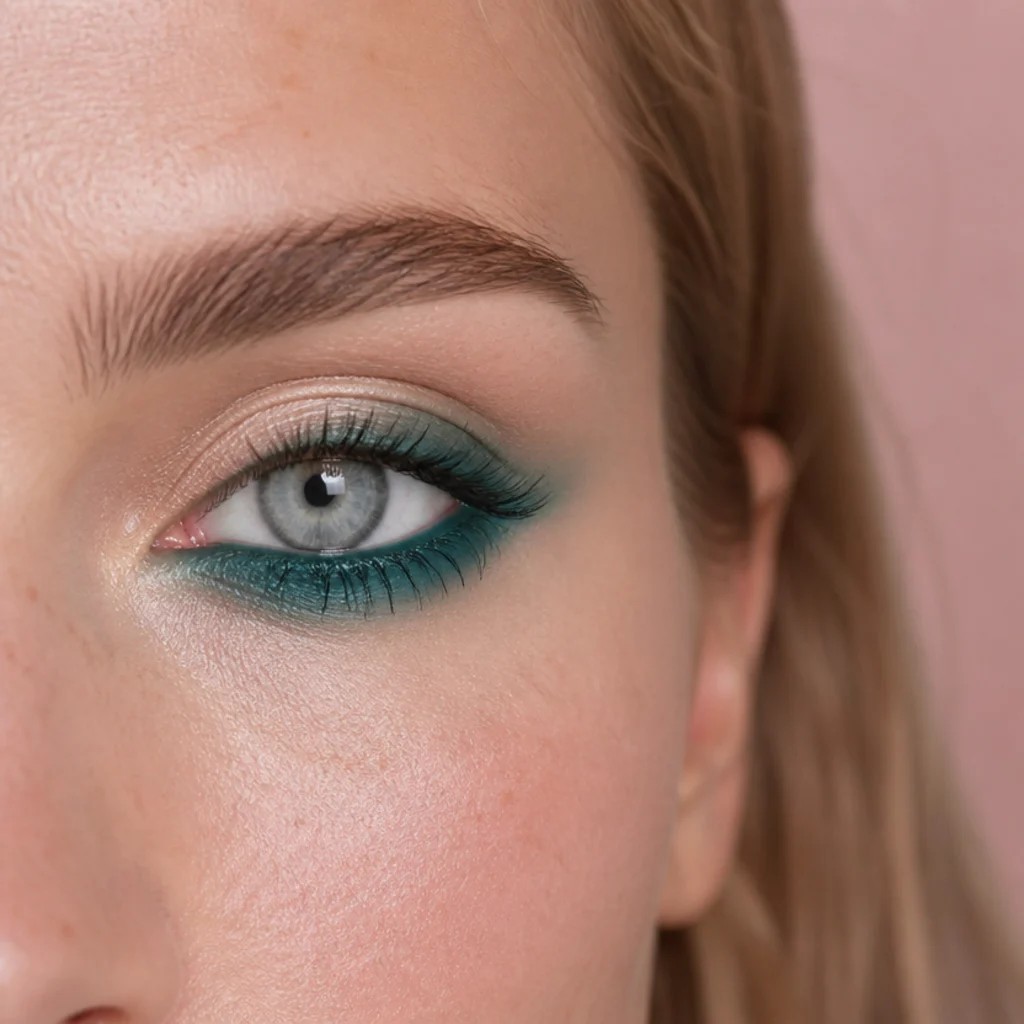
The reverse smoky eye flips the usual formula, loading the boldest color along the lower lash line while keeping the lid soft and light. In deep teal it becomes a moody, unexpected nod to the decade's love of jewel tones. Pack a satin teal under the lower lashes, blend it downward and outward into a soft haze, and keep the upper lid to a light warm neutral so the balance never tips too heavy. It flatters warm undertones and makes brown and amber eyes glow through contrast; blue eyes get a striking tonal match. Difficulty is intermediate, and the finish lives or dies on control under the eye, so build the color in thin passes. Upkeep is medium because lower-lash color transfers more than lid color, so set it with a matching pressed powder and a light mist of setting spray. Pro tip: tightline the upper lash line with a matching teal or a deep brown instead of adding upper-lid shadow. That frames the eye and keeps the reverse balance intact without weighing the lid down. Ask for a "deep teal reverse smoke, soft neutral lid," and keep a cotton swab handy to sharpen the lower edge before it sets.
17Bronze Foil Glam Lid
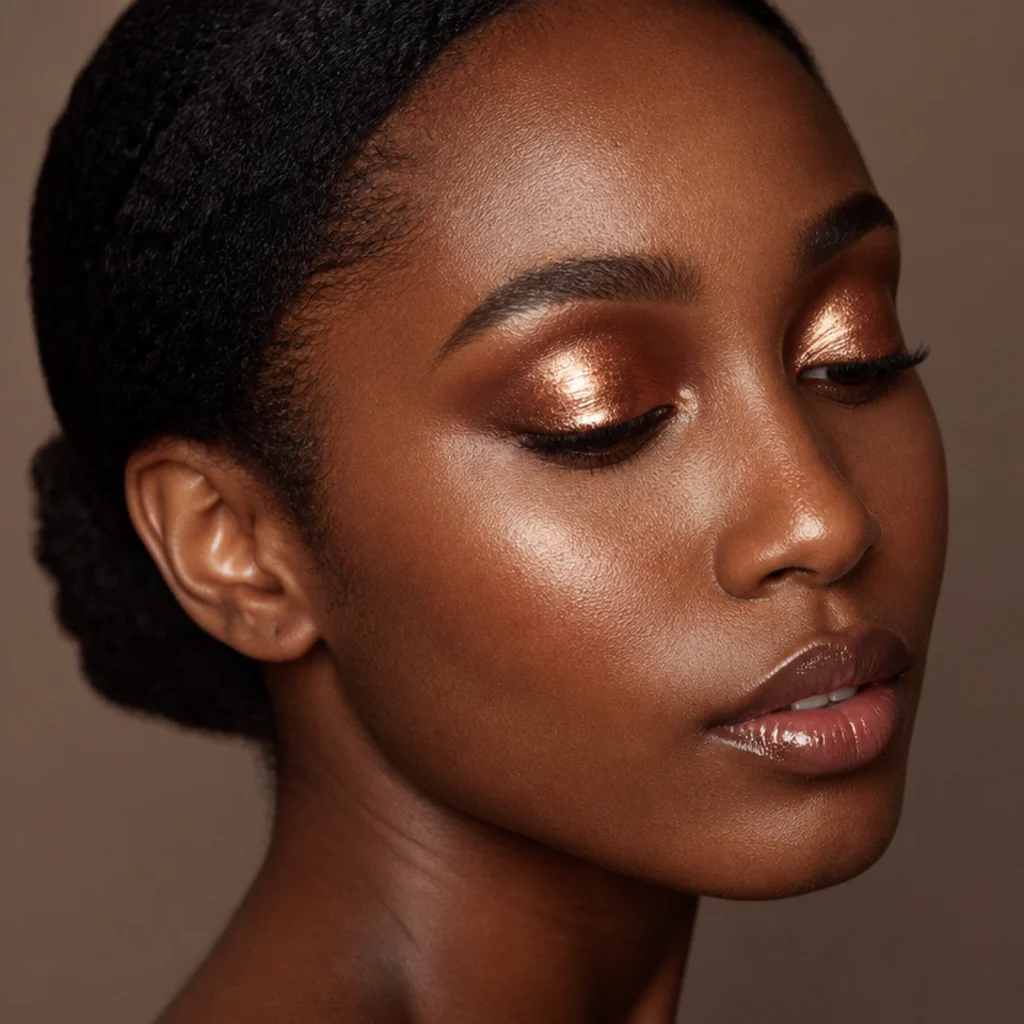
Foil finishes deliver the wet, high-shine metallic effect that defined 70s glam makeup for evening. Press a bronze foil shadow across the lid with a flat fingertip or a dense flat brush over a matching cream base, then smoke a warm matte brown into the crease so the shine gains depth instead of looking flat. The mirror-like finish suits every skin tone and turns molten on deep skin, where the warm metal glows against rich undertones. Difficulty is intermediate, because foils magnify any texture underneath, so a smooth, primed, crease-free base is non-negotiable; blot excess lid oil before you start. Upkeep is medium and a setting spray locks the shine for the night. Pro tip: apply the foil with a fingertip in a single pressing motion rather than several sweeps, since body heat melts the pigment slightly and gives you that liquid-metal look a brush alone can't manage. Ask for a "bronze foil lid over a cream base with a smoked warm crease." This is the look for photos, low light, and any occasion that calls for real drama, and it reads especially rich under warm bulbs where the metal picks up the gold in the room.
18Soft Brown Doe-Eye Blend
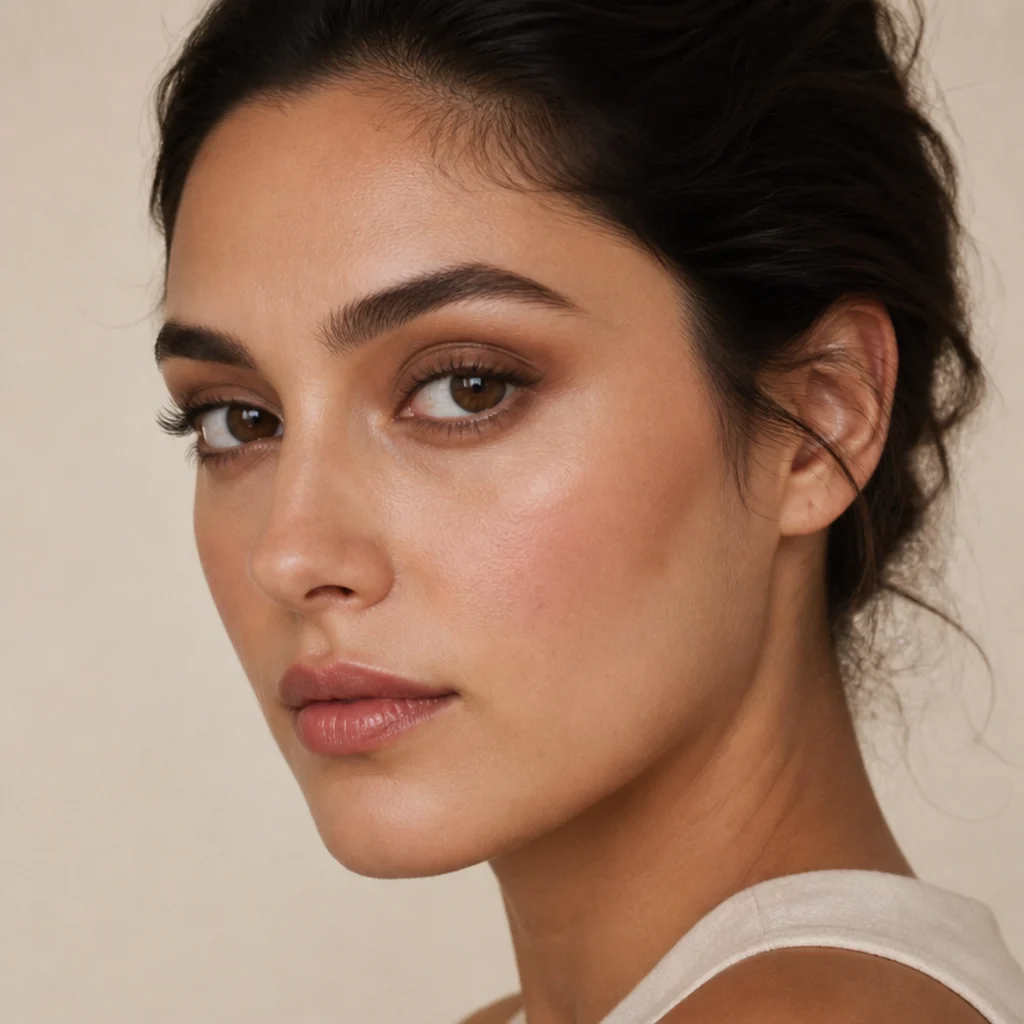
Not all 70s eye makeup is bold; the soft brown doe-eye captures the era's natural, feathered mood and is the quiet workhorse of this guide. Blend a warm matte brown into a rounded shape that follows your natural socket, curl the lashes up rather than out to open the eye, and keep everything hazy and diffuse with no hard edges anywhere. It suits every eye shape, undertone, and age, which is exactly why it never looks dated. Difficulty is beginner and upkeep is minimal, around eight hours, so it's a reliable everyday choice with a gentle retro tilt. Pro tip: choose a brown one to two shades deeper than your skin with a warm, slightly red undertone rather than a cool taupe, since warmth is what gives it the 70s glow instead of a flat modern smoke. Add a touch of the same brown under the lower lashes to complete the wrap, extend it a hair past the outer corner to lift a downturned eye, and finish with brown rather than black mascara to keep the whole effect soft. Ask for a "soft rounded brown doe-eye, feathered and matte."
19Emerald Disco Shimmer
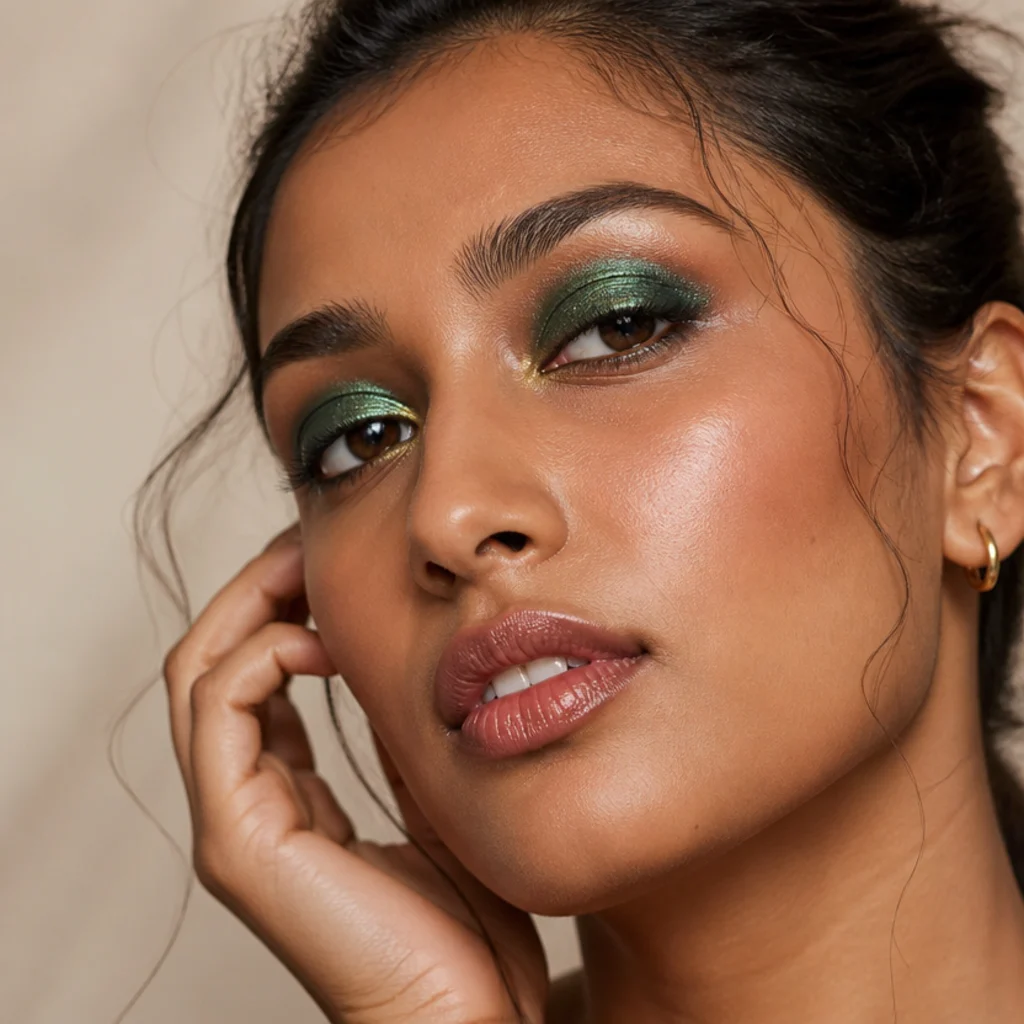
Jewel-toned disco shimmer brings the dance floor to life, and emerald is the richest shade in the family. Pack a shimmering emerald across the lid, deepen the outer corner with a forest or pine green, and add a fleck of gold to the inner corner so the whole eye catches light as it moves. It's a genuine showstopper, flattering warm undertones and making brown and hazel eyes look electric; even blue eyes gain drama from the unexpected pairing. Difficulty is intermediate, mostly for even shimmer application, and upkeep runs medium because deep greens can stain the lid, so a primer both improves the payoff and makes removal far easier. Pro tip: pack the emerald on with a flat brush using a press-and-roll motion instead of sweeping, and hold a folded tissue under the eye while you work, since jewel shimmers are the worst offenders for fallout onto the cheek and freshly laid foundation. Keep the complexion glowy and the lip soft so the color reads jewel-like rather than heavy. Ask for an "emerald disco shimmer lid with a deep green outer corner," and pair it with warm gold jewelry to echo the inner-corner gold and pull the whole look together.
20Champagne and Chocolate Glam
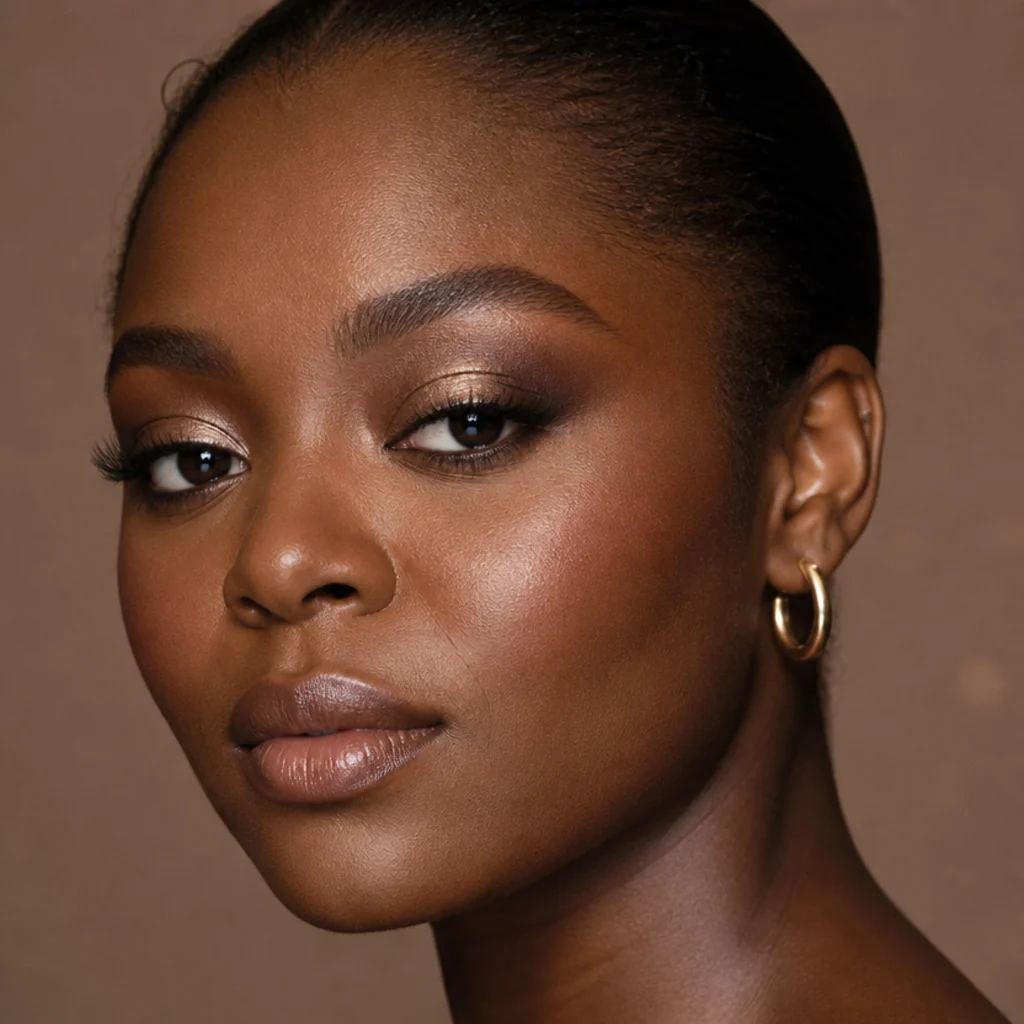
The most enduring 70s glam pairing closes the list: a champagne shimmer lid set against a rich chocolate-brown crease. It's the warm, glowing eye that works for weddings, dinners, and any night you want polish without full sparkle. Sweep champagne across the lid, blend chocolate through the crease and outer V into a soft rounded shape, and add a soft brown liner to define the lash line without harshness. It flatters every skin tone and every age, so it never really dates, and it's the safest bet for an event where you can't test the look twice. Difficulty is beginner-to-intermediate and upkeep is low, around eight to ten hours over primer. Pro tip: build the chocolate crease in two or three thin layers rather than one heavy pass, so you control exactly how smoky it gets and can stop the moment it looks polished instead of muddy. On hooded eyes, keep the chocolate lifted toward the outer brow rather than deep in the socket so it stays visible. Ask for a "champagne lid with a warm chocolate crease and soft liner." Finish with a warm nude for restraint or a soft berry lip when you want a little more drama.
Pro Tips from the Editor
- Warmth is the whole assignment. Whatever color you choose, keep undertones warm and finishes glowing, not cool and matte. A satin or frost lid over a warm crease reads instantly 70s, while the same shades gone flat and cool read modern.
- Every metallic wants a tacky base. Foils, glitters, and jewel shimmers only reach their full shine and stay put over a cream shadow or glitter glue. Let the base go tacky for ten seconds, then press, never sweep, the shine on top with a fingertip.
- Press pigment, sweep transitions. Pack shimmer and glitter straight onto the lid with a flat brush or finger for density; save the fluffy blending brush for diffusing crease and edge colors only. Sweeping a metallic just wipes it off the base you built.
- Bright colors need a corrector base. Yellow, coral, teal, and pastel blue all read patchy on bare skin. A thin white or cream base underneath makes them opaque and true, and makes duochromes shift more dramatically.
- Match your finish to your lid, not just the trend. Oily or textured lids should favor the matte-to-satin earth tones and always set them; smooth lids can carry high frost and foil. This one call decides whether a look lasts two hours or eight.
- Set frost and lower-lash color, or lose it. Frost creases and lower-lash shades transfer faster than anything. A grippy primer plus a light setting-spray mist buys you hours.
- Keep the rest of the face quiet. These eyes are the story. Glowy skin, soft brows, and a nude, peach, or berry lip let the color lead; a bold lip and a bold eye together fight, and both lose.
- Remove shine gently. Balm or oil cleanser dissolves glitter and foil in one pass so you're not tugging at your lash line. Never scrub metallics off dry.
How to Choose / Get the Look
Start by deciding which side of the 70s pulls you in: earthy and soft, or shiny and disco. That single choice narrows everything else. Then layer three more decisions on top: finish, eye shape, and undertone.
| Decision | Earthy / hippie | Disco / glam |
|---|---|---|
| Hero colors | Terracotta, olive, rust, soft brown, peach | Silver, bronze foil, emerald, teal, iridescent pink |
| Finish | Matte to soft satin | Frost, foil, glitter, metallic |
| Best for | Daytime, beginners, office, festivals | Night out, events, photos, low light |
| Base needed | Cream shadow or none | Glitter glue or tacky cream base, always |
| Upkeep | Low, 6 to 8 hours | Medium, needs setting spray |
Once you know the mood, match the technique to your lid. This second table maps eye shape and lid space to the looks that flatter them, so you spend effort where it pays off.
| Eye shape / lid | Best techniques | Ideas to try | What to avoid |
|---|---|---|---|
| Hooded / monolid | Central shine, halo, floated liner mapped open-eye | 2, 6, 15 | Deep-set cut crease that vanishes when open |
| Visible lid space | Cut crease, graphic mod liner, foil lid | 7, 14, 17 | Over-blending that erases the crisp edge |
| Round | Elongating outer-corner smoke | 3, 12 | All-over central shine that widens further |
| Downturned | Outer-corner lift, extended lower liner | 18, 10 | Heavy lower-lash smoke pulled straight down |
For undertone, warm metallics and earth tones flatter deep and tan complexions, while cool frosts and jewel tones pop hardest against warm undertones through contrast; cool skin should choose earth tones with a pink or plum bias so they don't go sallow. When you visit a makeup artist, name three things in order: the finish (matte, satin, frost, foil, or glitter), the hero color, and the technique (wash, halo, cut crease, or reverse smoke), then add whether it's daytime-soft or full evening drama. That short, specific vocabulary gets you a far more accurate result than "something 70s." Above all, keep the rest of the face soft so the eye stays the story.
Frequently Asked Questions
What colors define 70s eye makeup?
Warm earth tones lead the decade: terracotta, rust, copper, olive, gold, and warm brown, mostly in matte to satin finishes. Running alongside them are the disco brights and frosts: silver, baby blue, iridescent pink, and jewel-toned shimmers like emerald and teal. The through-line is warmth and glow rather than the cool, precise matte that later decades favored, so even the brights lean warm and reflective instead of flat.
Is 70s eye makeup hard for beginners?
Most of it isn't. Washes, halo lids, peach socket blends, and soft brown doe-eyes are genuinely beginner-friendly because they rely on diffuse blending rather than sharp lines, so unevenness disappears when you buff the edges. The only advanced looks here are the cut crease and the graphic mod liner, both of which need a steady hand and side-to-side symmetry. Start with idea 1 or 5 and build from there.
What is the difference between 70s disco and hippie makeup?
Disco makeup is shiny and bold, built on metallics, foil, glitter, and jewel tones and designed for night and low light. Hippie makeup is soft and natural, leaning on muted earth tones and matte finishes that echo the decade's back-to-nature mood. Some looks, like the bronze glitter wash and the coral duochrome, deliberately sit between the two so you can slide the intensity up or down.
How do I make 70s frost and glitter last all night?
Use a smoothing, grippy primer under frost so it doesn't sink into fine lines, and a tacky glitter glue or cream shadow under all metallics and glitter to cut fallout and hold the shine. Press the shine on with a fingertip rather than sweeping, then lock everything with a fine setting spray held a full arm's length away. Balm cleanser removes it gently at the end of the night.
Can I wear 70s eye makeup for everyday?
Yes. Stick to the softer end of the spectrum: a terracotta wash, a peach socket blend, a soft brown doe-eye, or a subtle sunflower inner corner. These deliver a retro warmth that's polished enough for work or brunch, and they wear for six to eight hours without touch-ups. Swap brown mascara for black and skip liner to keep them fully daytime-appropriate.
What 70s eye look suits hooded or monolid eyes best?
Reach for the halo lids and central-shine looks: the golden bronze halo, the disco silver halo, and the coral-and-gold duochrome. Placing the lightest, most reflective shade in the center of the lid optically pulls it forward and counters the shadow hooding casts. Avoid a defined cut crease unless you map it above the natural crease with your eye open, and keep any outer-corner depth lifted rather than sunk into the socket.
Which 70s eye colors flatter my eye color most?
Warm rust and copper make green and hazel eyes vivid; teal and emerald bring out brown and amber eyes; plum and burgundy flatter green and light-brown eyes; and coral or gold set off blue and grey eyes through complementary contrast. When in doubt, a warm brown or bronze flatters every eye color and reads unmistakably 70s, which is why the doe-eye and bronze looks are the safest starting points.
How do I keep bright 70s shades like yellow, coral, or teal from looking patchy?
Bright and pastel pigments are sheer by nature, so they streak on bare skin. Lay a thin white or cream base underneath first, then press the color on with a flat brush rather than sweeping so you build even density without dragging. Two thin pressed layers beat one heavy pass every time, and a matching cream base under a powder of the same family gives the truest, most opaque color.
Do I need special products, or can I use what I already own?
Most earth-tone looks need only a warm neutral palette and a good blending brush. The disco looks are where you'll want to add a couple of items: a glitter glue or cream base, one or two jewel-tone shimmers, and a setting spray. You don't need a single expensive hero product, just the right finishes and a tacky base to hold them.