20 Eye Shapes Explained for Perfect Makeup
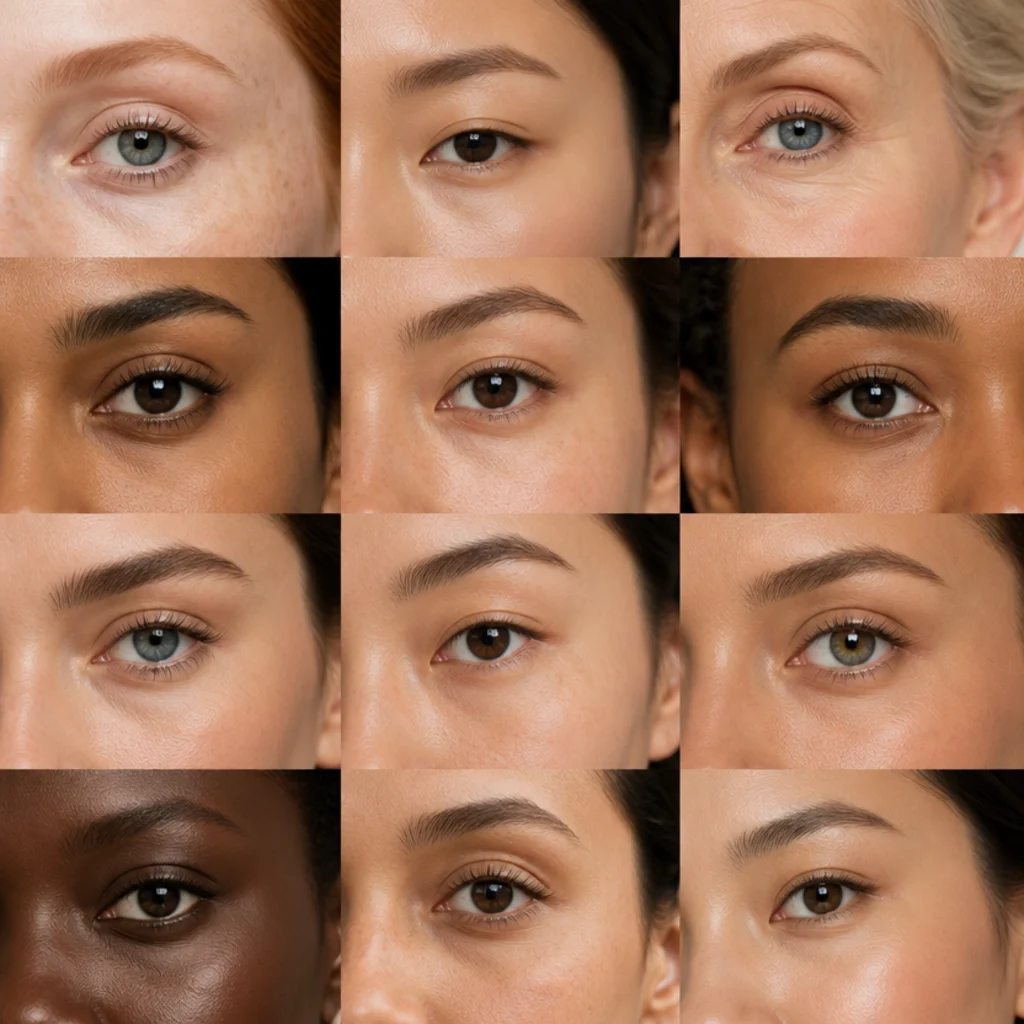
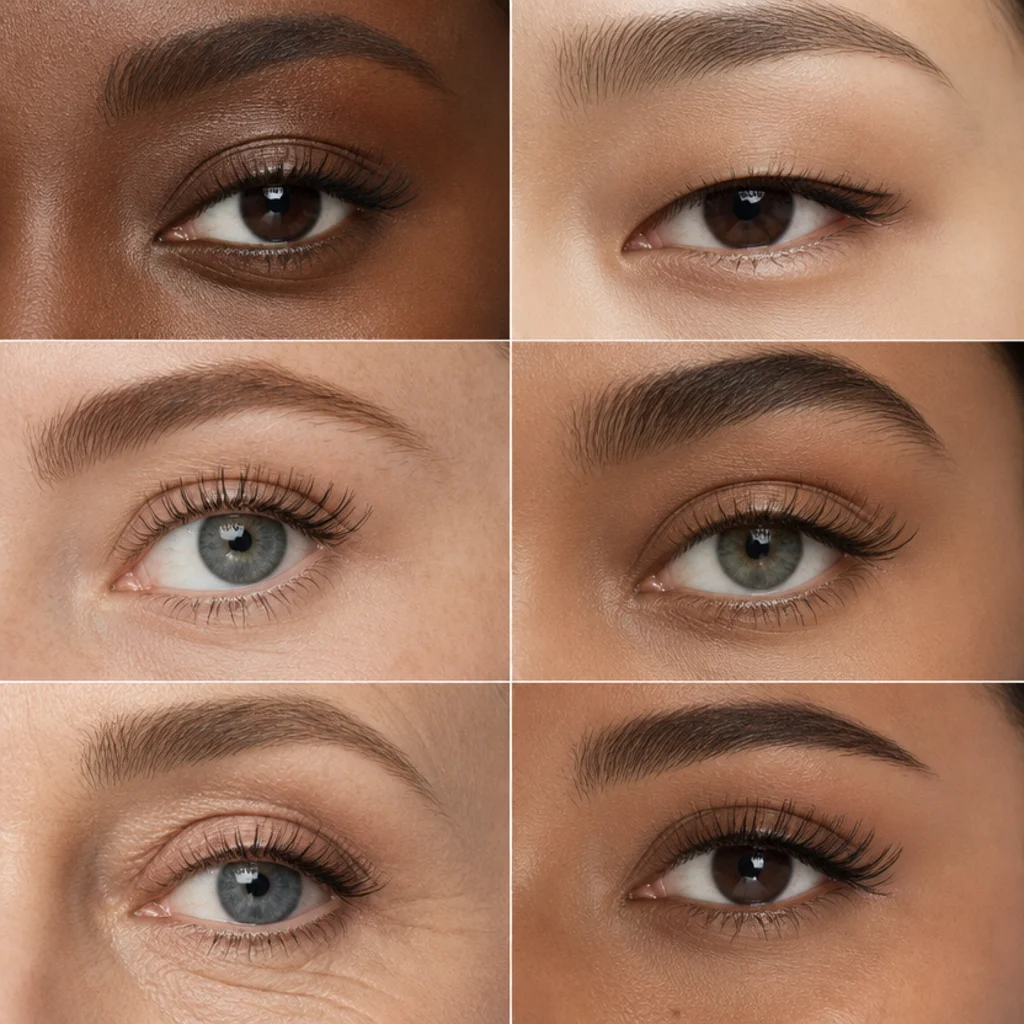
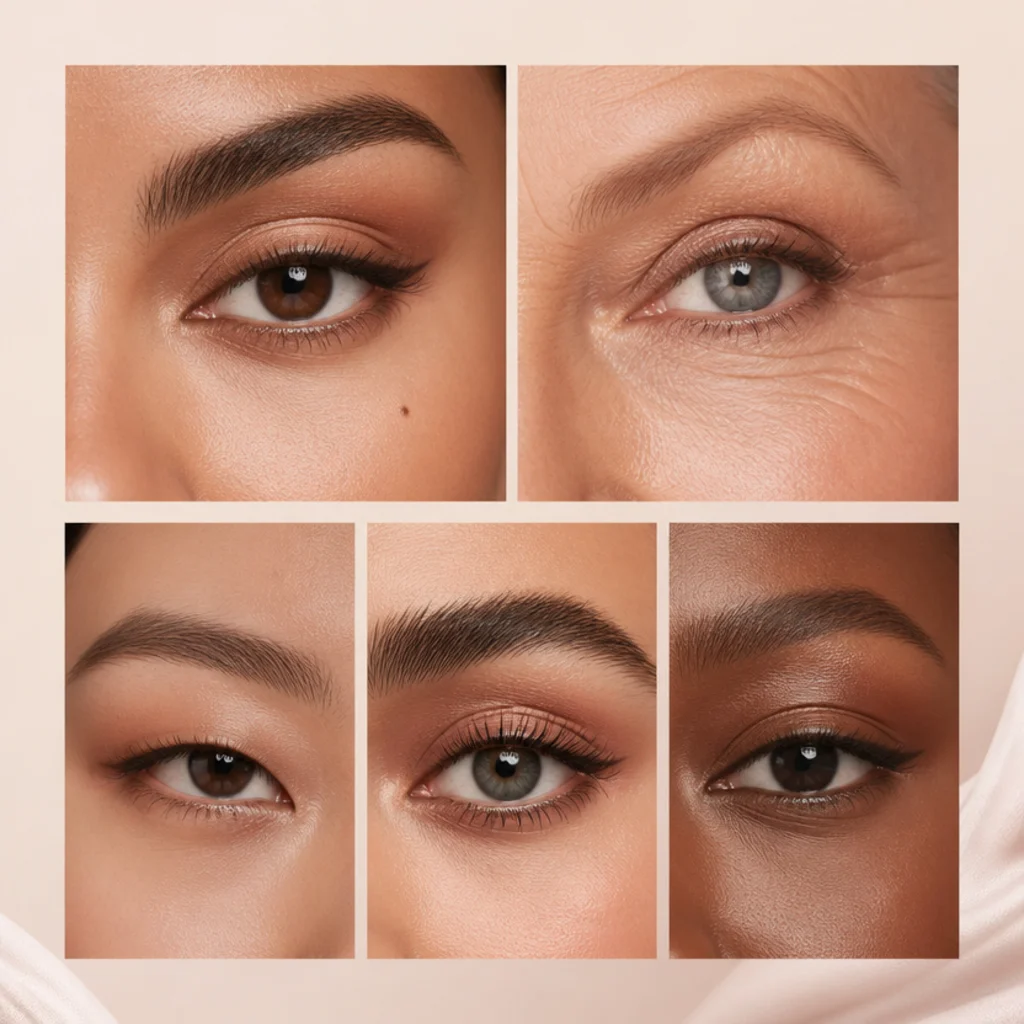
Your eyes have a shape, a lid, a crease, and a tilt all their own, and once you can name them, liner and shadow stop feeling like a gamble. Think of this as a working eye shapes chart you read in the mirror, then translate straight into wing angle, shadow placement, and lash map. Categories overlap on purpose, so treat every cue as a guideline, not a verdict.
 Edited by Lena Rose · Published July 11, 2026 · 35 min read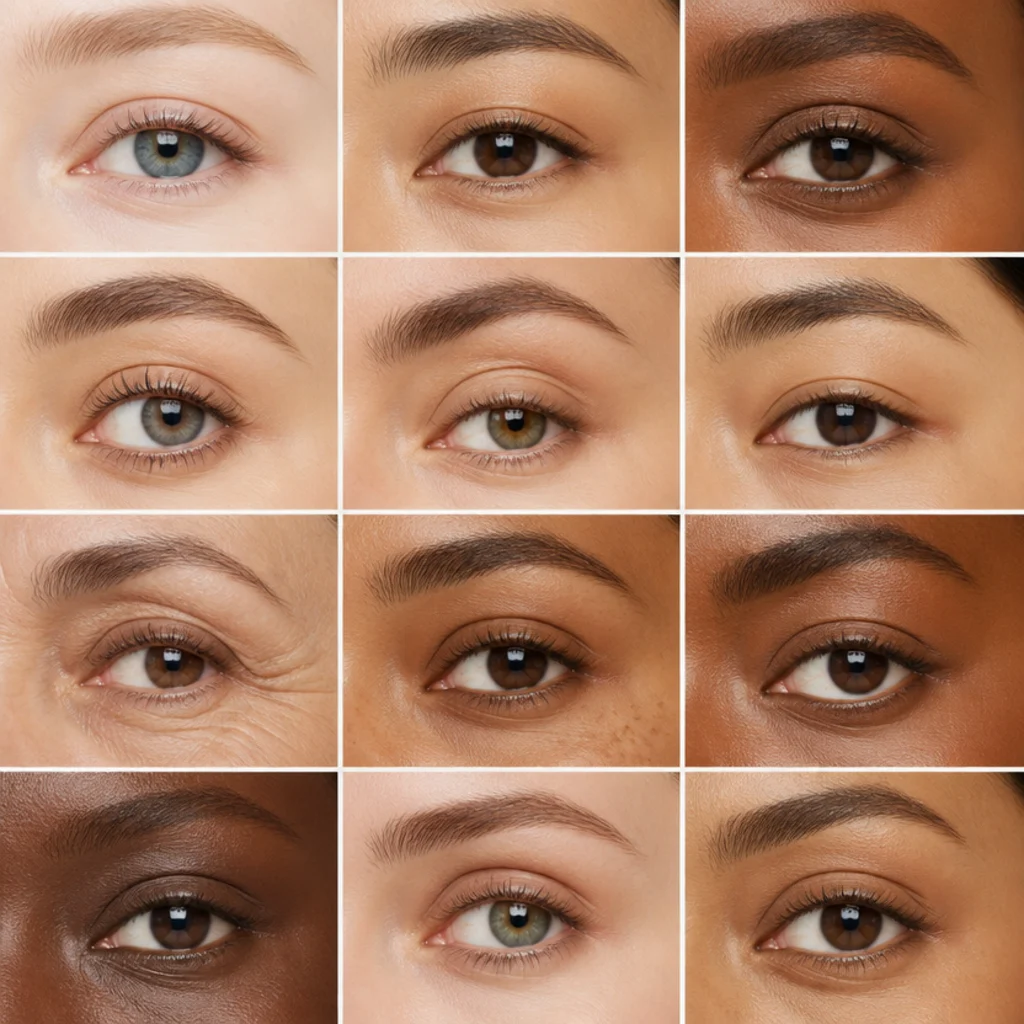
Quick Answer
- Best for: Anyone who wants makeup by eye shape that actually respects their lid space, crease, and tilt, across every skin tone and eye color.
- Who might skip it: Nobody, really. Even a bare-face, curl-and-mascara routine gets better once you know which corner to weight. Skip only the individual shape you clearly are not.
- Maintenance: Low. Once you know your shape, most looks run 5 to 15 minutes; a full smoke-and-wing sits closer to 20.
- Difficulty: Beginner to intermediate. A single wash of shadow is beginner; a cut crease or fox-eye lift on a hooded lid earns the intermediate label.
- Cost: Variable. A pencil, one neutral quad, and a lash curler cover most looks in the drugstore range; add a long-wear gel liner and lash clusters and you climb into the mid range.
- Longevity: A primed, cream-based look holds roughly 8 to 12 hours; powder-only on an oily or hooded lid can start transferring by mid-afternoon without a base.
- Standout variation: Almond eyes carry nearly any technique, which is why tutorials quietly default to them, but every shape below has a signature move that flatters it best.
- How to ask your makeup artist: Name your shape and your goal in one line, for example "hooded and downturned, I want a lifted daytime look that won't crease," so the artist plans placement instead of guessing.
In This Guide
- Almond Eyes
- Round Eyes
- Hooded Eyes
- Monolid Eyes
- Upturned Eyes
- Downturned Eyes
- Deep-Set Eyes
- Protruding Eyes
- Wide-Set Eyes
- Close-Set Eyes
- Prominent Brow Eyes
- Asian Eyes with Partial Crease
- Small Eyes
- Large Eyes
- Almond-Hooded Combination Eyes
- Turned-Down Outer Corner Eyes
- Heavy-Lidded Mature Eyes
- Wide-Awake Doe Eyes
- Narrow Cat Eyes
- Asymmetrical Eyes
Intro
Most tutorials assume one universal lid, one crease, one tilt, then act surprised when the same liner reads crisp on one face and smeared on another. The variable is almost always eye shape, and it governs three things at once: where your crease sits (or hides), which direction your outer corner points, and how much flat lid you actually have to work on. This eye shapes chart walks through 20 common shapes, from almond, round, and hooded to monolid, deep-set, protruding, and beyond, with plain-language cues you can check in a mirror in under a minute. For each shape you get who it tends to flatter, the placement that works with the anatomy instead of against it, the shade family and finish that suit it, a realistic maintenance timeline, and how the lash and liner direction should shift. These categories overlap constantly. You might be almond and downturned, or hooded with a prominent brow bone, and that's not a contradiction, it's the norm. Read this as a starting map for makeup by eye shape and lash mapping eye shapes, not a diagnosis, and adjust every tip to your coloring, your lid texture, and the mood you are actually going for.
01Almond Eyes
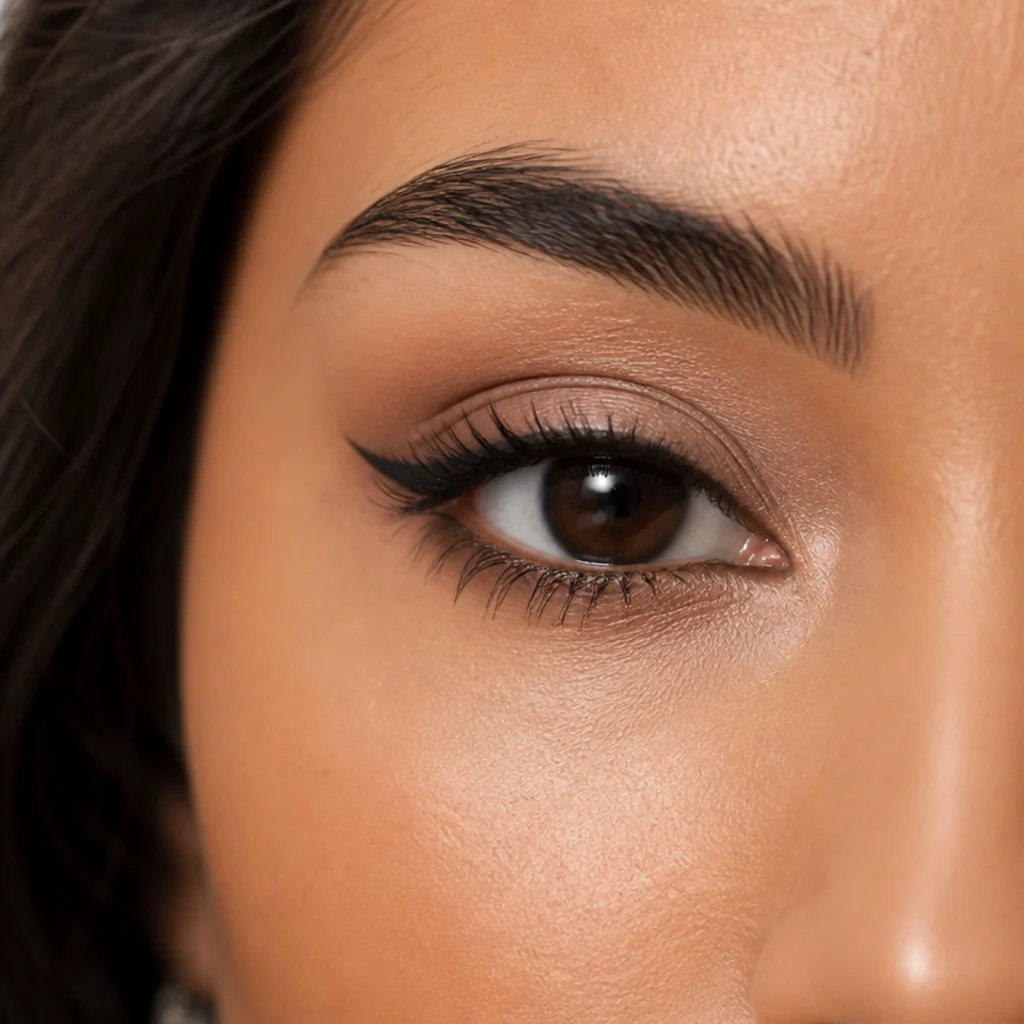
Almond eyes have a visible crease, an oval opening, and outer corners that lift gently toward the temple, with the iris grazing both the upper and lower lid. They are the reference shape most techniques are secretly built around, which is why almost anything reads cleanly: a soft lid wash, a defined crease, a cut crease, or a sharp wing all sit where they should. Undertone-wise, warm taupes and soft bronzes flatter brown and hazel eyes, while cool mauves and slate make blue and green pop. The one caution is over-lining the lower waterline in dark pencil, which visually shrinks the open oval; keep the lower line soft or reserve it for the outer third. Upkeep is minimal: a five-minute wash plus liner holds all day once it's primed. On lash mapping, both a rounded map and a mild cat map work here; a mid-length center with longer outer lashes echoes the natural lift. Pro tip: to add drama without heaviness, deepen only the outer V and drag it a few millimeters up toward the brow tail. Ask your makeup artist for a "soft-glam almond wing" if you want the lift built in.
02Round Eyes
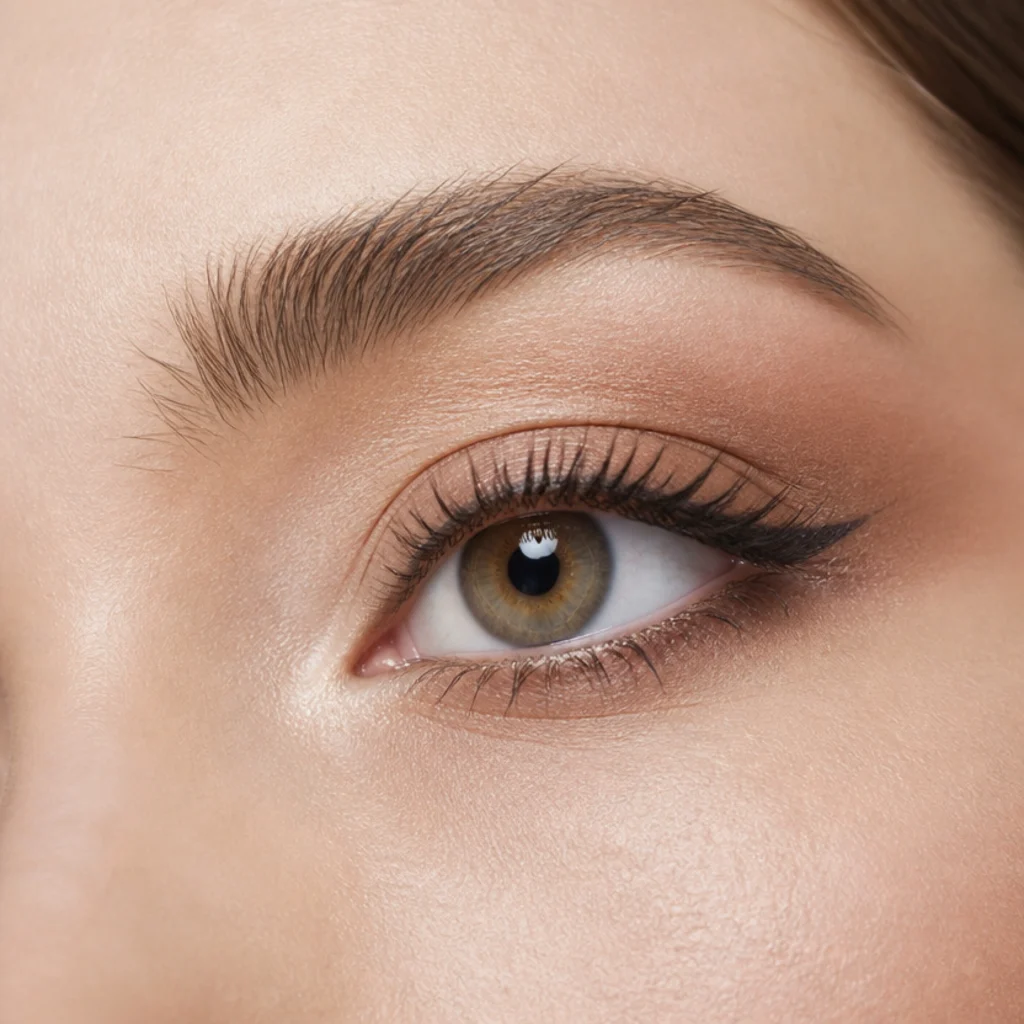
Round eyes show white above or below the iris and read open, youthful, and expressive, often with a taller-than-wide opening. If your goal is to elongate rather than emphasize the circle, work sideways: extend liner outward past the corner in a soft, nearly horizontal wing instead of curling it up and around. Concentrate your deepest shadow on the outer third and smoke it toward the temple so the eye stretches laterally. Skip a continuous ring of dark liner around the whole opening, which frames and exaggerates the roundness; leave the inner lower line bare or nude. Matte transition shades create more elongation than shimmer, which rounds. It's easy to maintain, though the outer smoke wants a primer underneath so it doesn't collapse by afternoon. A cat map with the longest lashes at the outer corner does the elongating work for you. That said, plenty of people love round eyes as-is and lean into a full, doll-like center lash instead. Pro tip: a tightlined upper waterline in dark brown adds density without the ring effect. Ask your makeup artist for an "elongated outer wing," not a rounded liner.
03Hooded Eyes
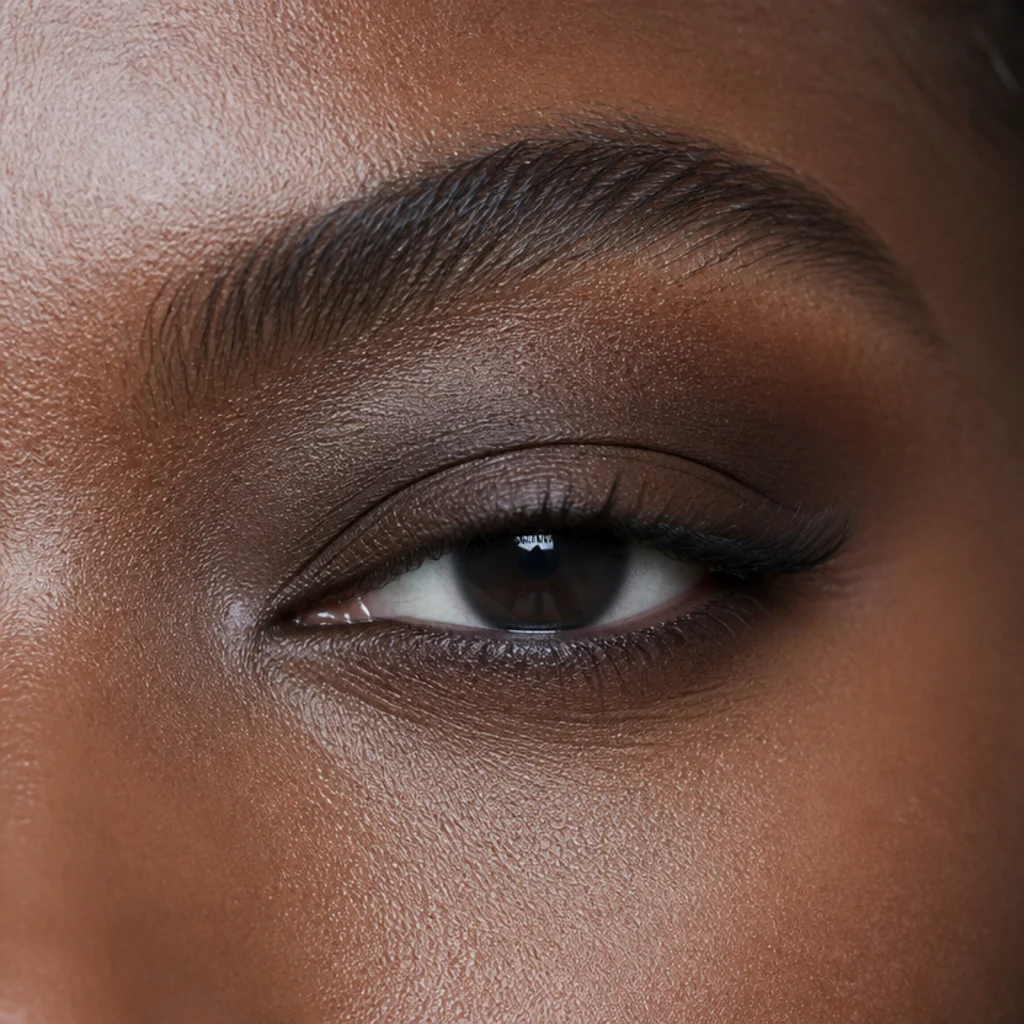
Hooded eyes carry a fold of skin that partly covers the mobile lid when the eyes are open, so the natural crease sits tucked out of sight. This is the crux of the almond vs hooded eyes question: almond shows its crease, hooded hides it. Everything hinges on placing product where it stays visible, so map your look with eyes open and forward. Set your transition color and outer depth slightly above the natural crease, into the visible "shelf," so it reads when you look straight ahead. Formula matters more here than anywhere: waterproof gel or long-wear cream liner and crease-resistant shadow stop the fold from stamping color onto the upper lid by lunch. Keep liner a whisper thin at the inner half and build thickness only toward the outer corner, since a thick line disappears under the hood. Expect to blot or reset the crease once over a long day. Lash-wise, longer outer lashes and a lifted map open up a lid that can read heavy. Pro tip: tightline the upper waterline instead of drawing a visible line, so you gain definition without sacrificing precious lid space. Ask your makeup artist for a "cut crease adapted for hooded lids."
04Monolid Eyes
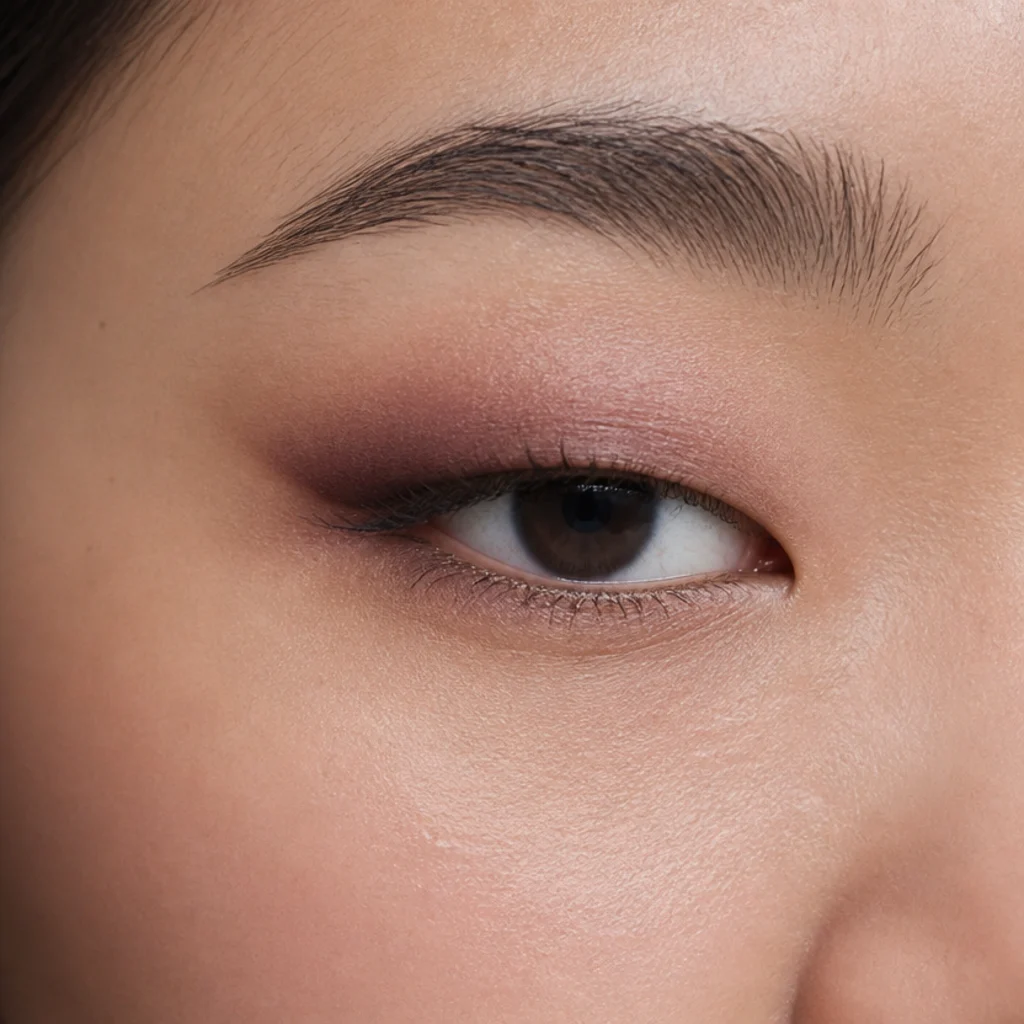
Monolids have little to no visible crease fold, giving a smooth, uninterrupted lid, and that flat expanse is a genuine advantage. Gradient and halo looks read strongly because every bit of color sits in full view rather than folding away. Build shadow from the lash line upward, keeping the most saturated tone hugging the lashes and diffusing softly toward the brow bone in a vertical gradient. Draw liner slightly thicker than feels natural, because a portion tucks out of sight when the eye is open; always check the line with your eyes forward, not down. A short outer wing lengthens without weighing the lid. Cream and long-wear formulas earn their place here, since a flat lid presses against itself and can transfer sheer powder within a few hours. Upkeep stays low once you've set a cream base. An open-eye or natural lash map with a touch of extra outer length adds dimension without crowding the lid. Pro tip: stack two liner passes, one tight to the lashes and one a hair above, then blend the gap for a fuller lash line illusion. Ask your makeup artist for a "gradient lash-line smoke" rather than a defined crease.
Save this to Pinterest to keep the monolid and hooded tips handy at your vanity.
05Upturned Eyes
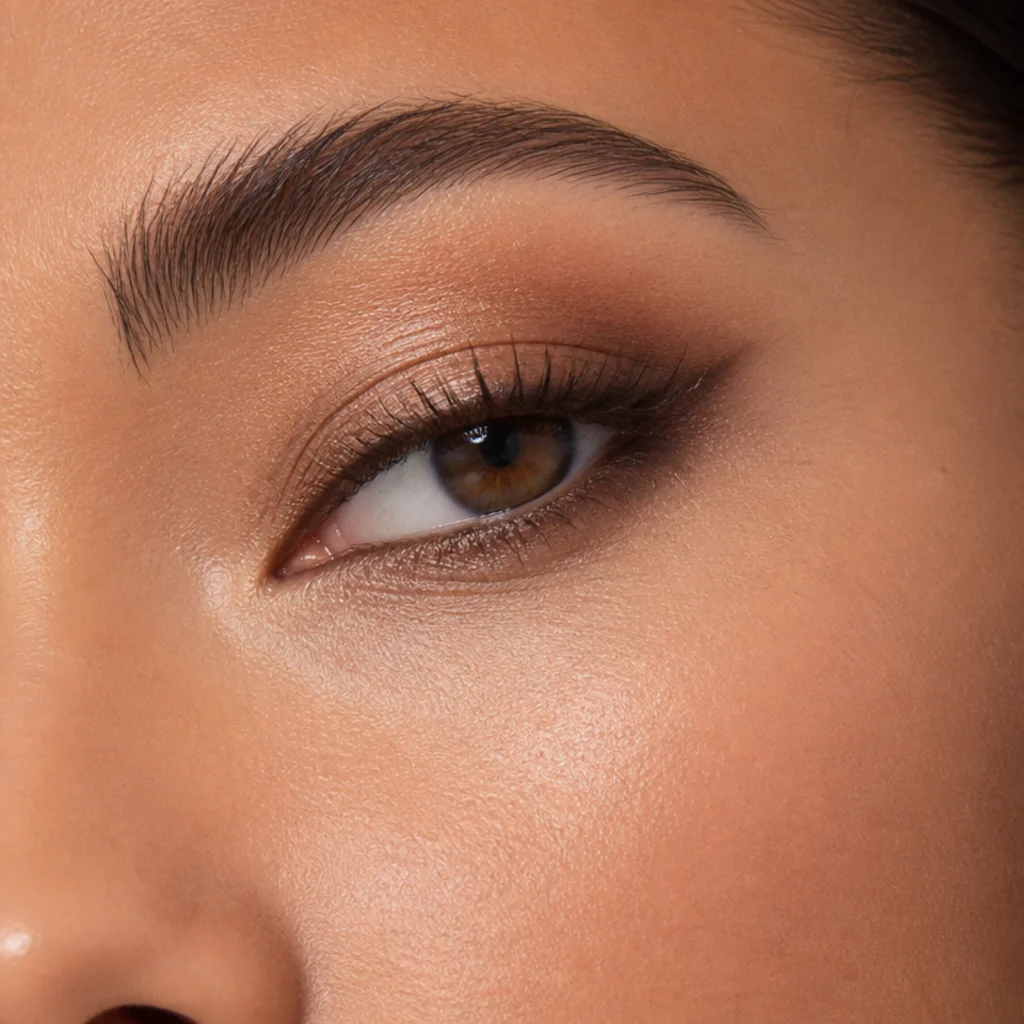
Upturned eyes tilt so the outer corner sits higher than the inner corner, a built-in cat-eye tilt that gives you a head start on lift. Because the flick is already there in the anatomy, you can either amplify it or gently even it out. To emphasize the rise, follow the upward angle with your liner tail and pull outer shadow along the same diagonal toward the brow tail. To soften it toward a rounder look, add a little smoked shadow or liner along the outer lower lash line, which drops visual weight and balances the tilt. Warm bronzes, coppers, and soft browns settle beautifully on the lid and read especially rich on olive and deep skin. There's not much upkeep here, since the shape does the structural work for you. On the lash front, a cat map amplifies the natural lift, while a more even rounded map balances it if you'd rather keep things soft. Pro tip: keep the inner corner clean and bright so the eye still reads open and the lift doesn't tip into severe. Ask your makeup artist to "work with the natural tilt," not overpower it with a heavy graphic wing.
06Downturned Eyes
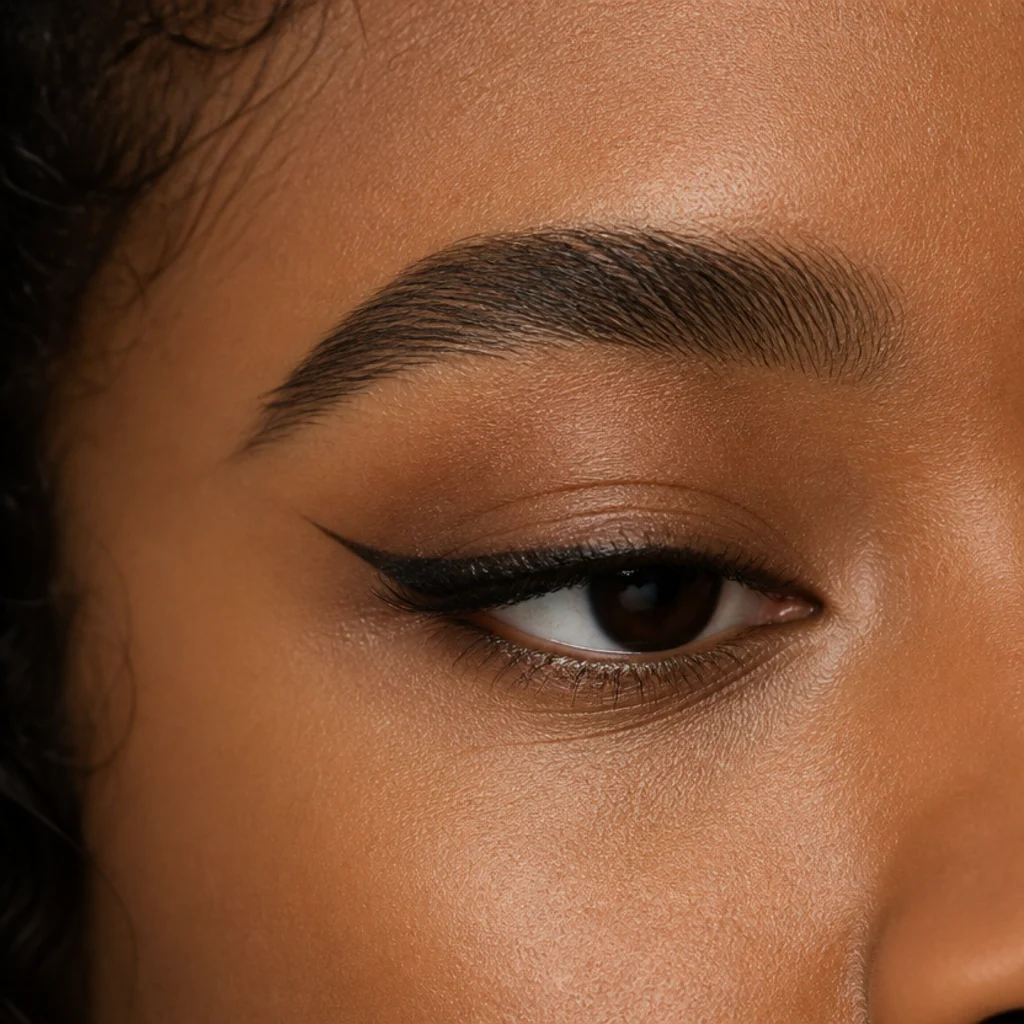
Downturned eyes tilt so the outer corner drops slightly below the inner corner, which reads soft, romantic, and often a touch wistful. If you want a lifted effect, the single most important move is a liner wing that angles up and out, aiming at the tail of the brow rather than tracing the natural downward slope. Anchor lash length and your deepest outer shadow on the upper outer corner to pull the eye upward, and consciously avoid dark liner or heavy shadow on the outer lower corner, which drags the shape down further. A pale inner-corner highlight and a lifted brow tail reinforce the effect. It's straightforward to maintain, though the wing wants a gel or liquid formula to hold its crisp upward edge all day. A cat or open-eye map with the longest lashes set just inside the very outer edge creates a clean lift without exaggerating the drop. Pro tip: stop the lower liner two-thirds of the way out, so nothing tugs the corner down. Many people find their downturned eyes soft and expressive as-is, so lifting is an option, not a rule. Ask your makeup artist for a "lifted wing that counters the downturn."
07Deep-Set Eyes
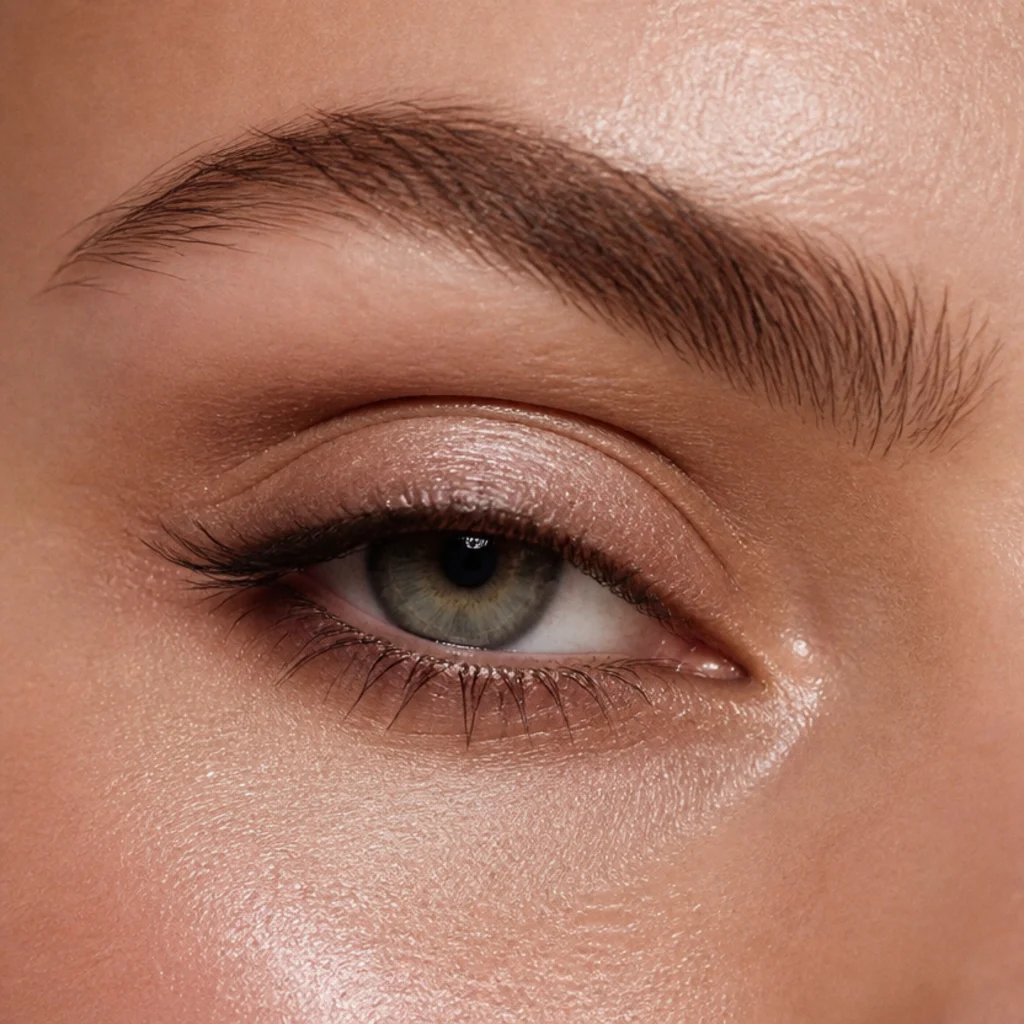
Deep-set eyes sit farther back in the socket, under a prominent brow bone, so the lid naturally falls into shadow. Light is your ally: a light-to-medium shimmer or satin on the mobile lid brings it forward and catches the light, undoing some of the recess. Keep any crease color soft, mid-tone, and diffused, because a heavy dark crease pushes the eye back further and can read hollow rather than defined. Resist piling dark or matte-brown shadow on the brow bone, which deepens the shadow above and exaggerates the set. Liner kept close and thin to the upper lash line defines without crowding the limited visible lid. Upkeep is low; the shimmer just wants a tacky cream base underneath so it doesn't scatter into the crease. Stick to a natural or open-eye lash map, since very long lashes can brush and smudge against the brow bone through the day. Pro tip: a champagne or pearl shade on the center lid acts like a spotlight and visually pulls the whole eye outward. Ask your makeup artist to "bring the lid forward with light, not depth."
08Protruding Eyes
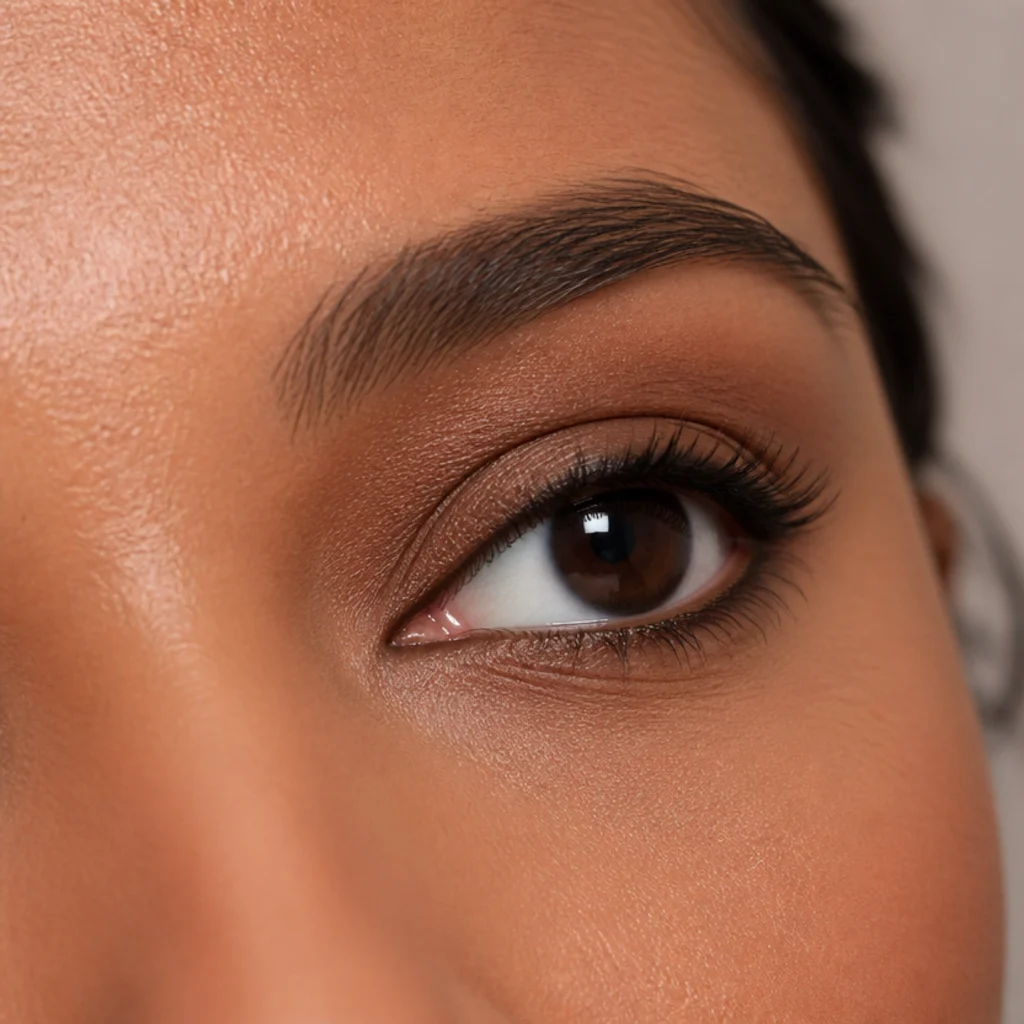
Protruding eyes have fuller lids that sit forward, giving a rounded, prominent look with plenty of visible lid. To gently recede and calm that fullness, reach for matte and mid-to-deep shades rather than high shimmer, which reflects light and pushes a full lid even further forward. Sweep a matte medium-to-deep tone over the whole mobile lid and softly into the crease, blending until there are no hard edges anywhere. Moderate liner all the way around, kept thin and soft on the lower line, helps contain the shape and adds a frame. Cool-toned browns and taupes recede more convincingly than warm reds or coppers on this shape. This is easy to maintain, though a fuller lid presses against itself, so prime it to prevent creasing. A natural or slightly rounded lash map suits the fullness without over-emphasizing it. The theme is balance: enough depth to settle the roundness, soft enough to stay flattering. Pro tip: keep brow-bone highlight matte or skip it, since shimmer up top competes with the already-forward lid. Ask your makeup artist for a "matte smoke that softens the lid."
09Wide-Set Eyes
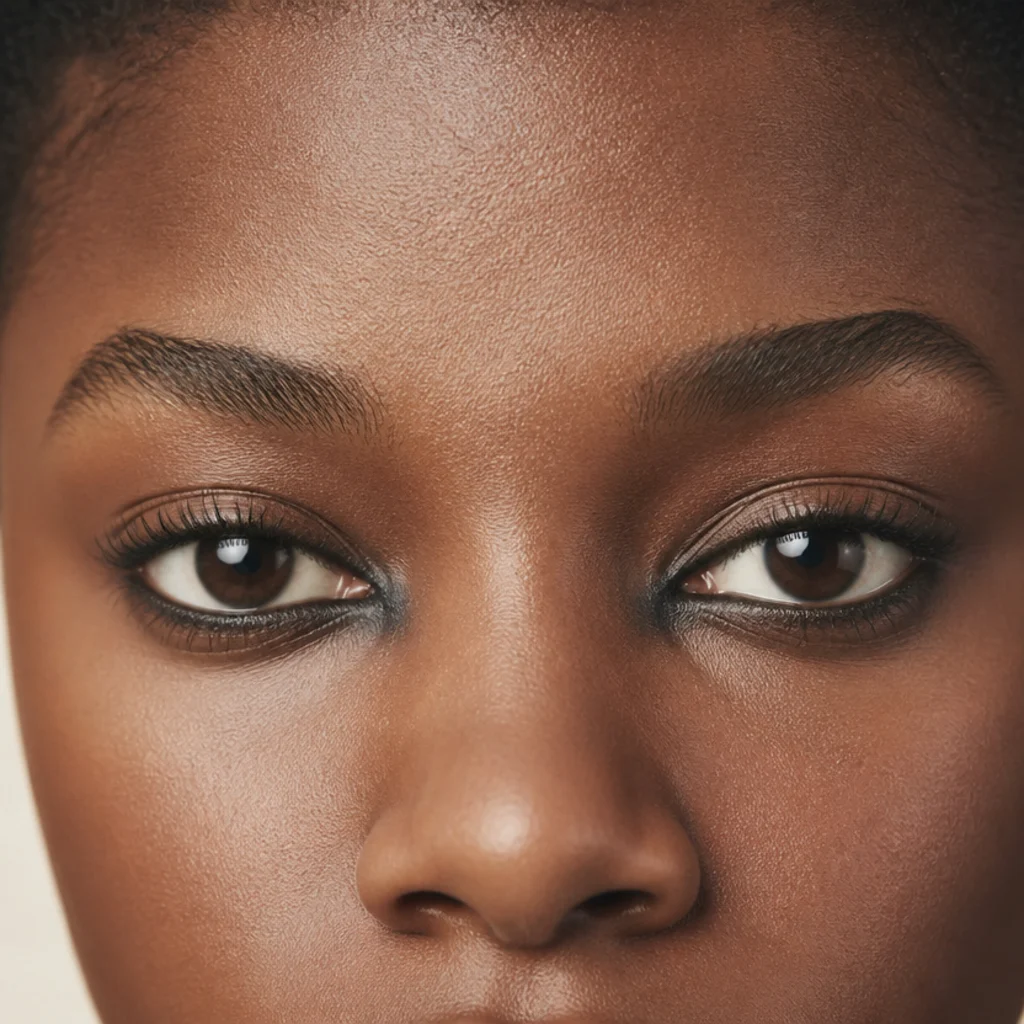
Wide-set eyes have more than one eye-width of space between them, which reads open and doe-like on its own. To visually draw them closer, shift every point of emphasis inward. Deepen shadow and liner toward the inner corners rather than the outer, and skip a long outer wing, which stretches the eyes further apart. Extending liner slightly past the inner corner along the lower lash line pulls the visual center inward and closes the gap. Brows that start a touch closer to the nose bridge, filled fully at the head, reinforce the effect. Keep the outer corners soft and unweighted; upkeep is low. An even or slightly inner-weighted lash map keeps attention centered rather than pulling it out to the temples. This is the mirror image of the close-set strategy, so whatever you would do for close-set eyes, do the opposite here. Pro tip: a subtle inner-corner smoke, not just a bright highlight, is the fastest way to shorten the perceived distance. And of course, wide-set eyes look striking left exactly as they are. Ask your makeup artist to "weight the color inward."
10Close-Set Eyes
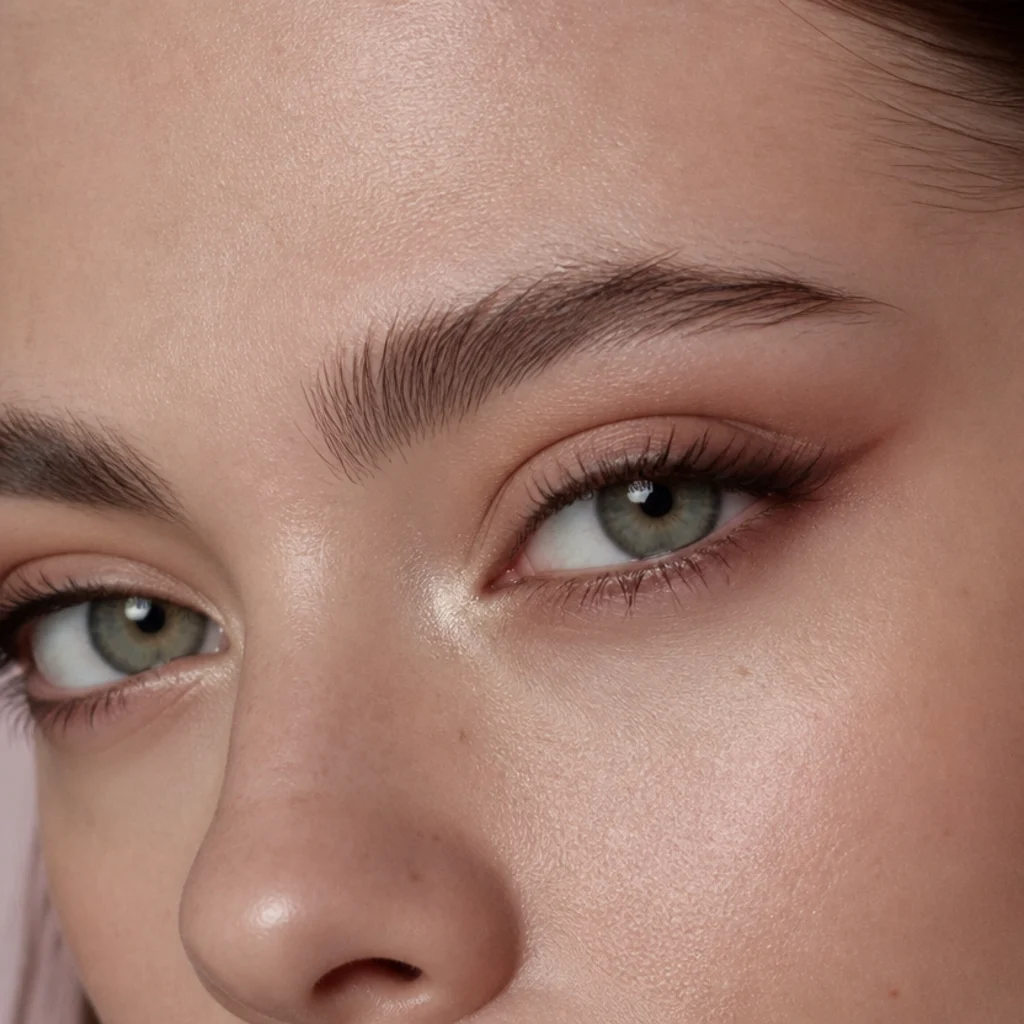
Close-set eyes sit less than one eye-width apart. If you want more apparent space, pull all attention outward. Brighten the inner corners with a pale, light-reflecting shade, a satin or soft shimmer, to fake distance, and keep the inner third of the lid clean and free of depth. Build your shadow depth and any wing on the outer third, stretching liner and shadow toward the temple in a horizontal diagonal. Longer lashes at the outer corner reinforce the outward pull. Avoid dark liner or shadow crowding the inner corners, which shrinks the perceived gap and makes the eyes look even closer. It's low-maintenance, though the outer wing wants a long-wear formula to hold its edge. A cat map with length concentrated outward works best here. This is the exact opposite of the wide-set approach, a good reminder that makeup by eye shape comes down to where you place light versus shadow. Pro tip: start your brows a hair further from the nose bridge to add visual width between the eyes. Ask your makeup artist for an "outward-drawing wing with a bright inner corner."
Save this to Pinterest so the wide-set and close-set placement tricks are easy to find later.
11Prominent Brow Eyes
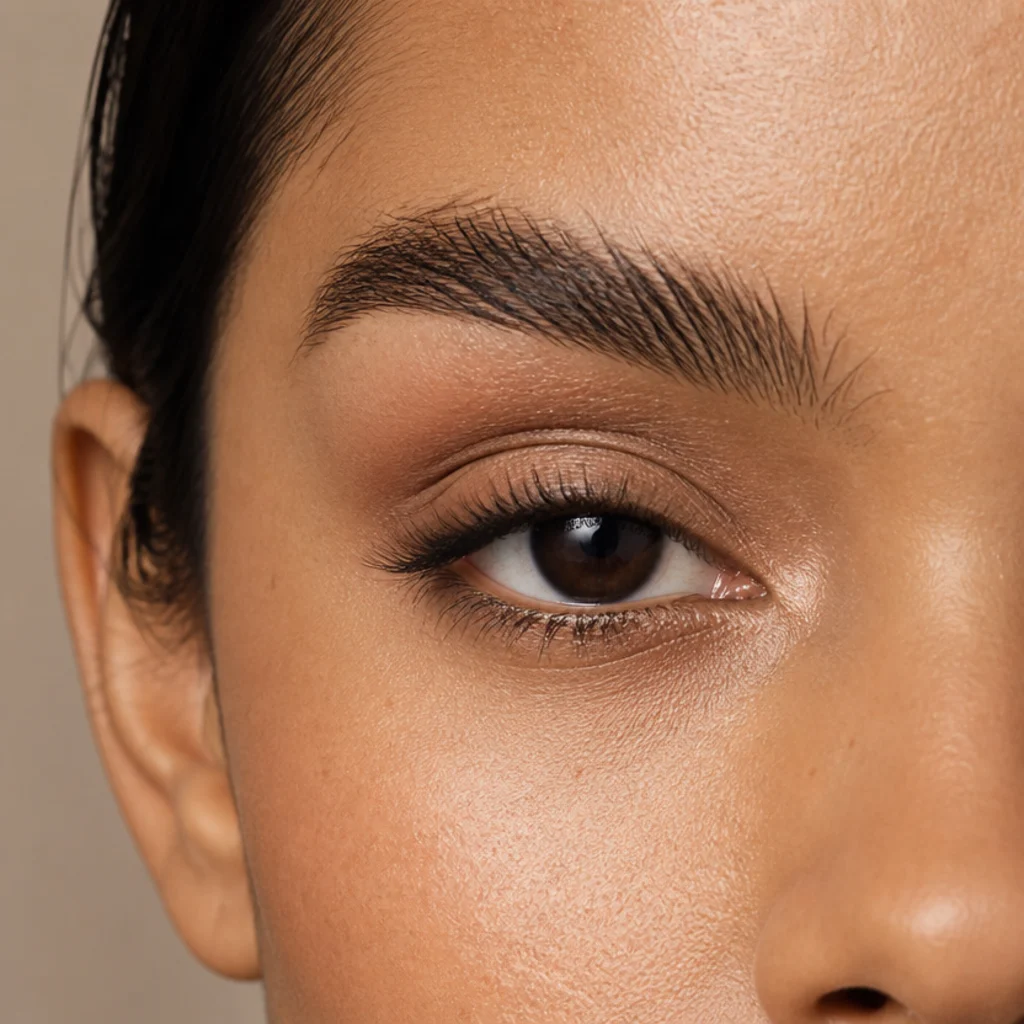
A prominent brow bone casts a natural shadow over the lid and lends real structure to the face, but left unmanaged it can overpower the eye beneath it. The key is to stop drawing light up to the bone: go easy on brow-bone highlight, which projects the bone forward even more and shrinks the lid by comparison. Instead, place your brightness on the mobile lid and inner corner so the eye itself becomes the main draw. Soft, blended crease color adds dimension without competing with the bone above, while a matte or barely-satin brow bone keeps it quiet. Liner near the lash line defines the eye and anchors the look low, where you want the attention, and upkeep stays low. A natural or open-eye lash map balances the strong structure. The goal is to let the brow bone frame the eye rather than steal focus, so the two feel proportionate and the lid stays the point of interest. Pro tip: a slightly bolder mascara or a lifted lash draws the eye down to the lash line and away from the bone. Ask your makeup artist to "keep the brow bone matte and bring focus to the lid."
12Asian Eyes with Partial Crease
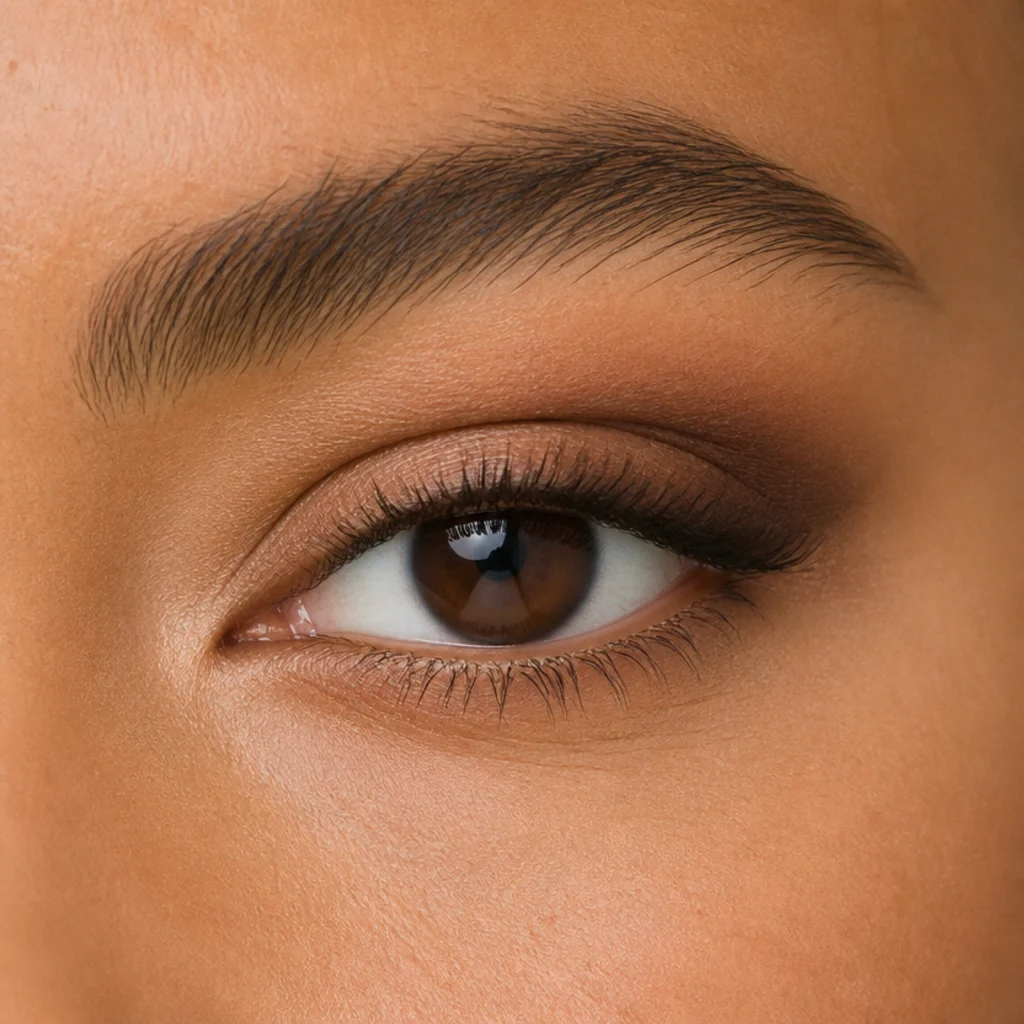
Many people have a partial or low crease, sometimes called a hidden or half crease, where a small fold appears across part of the lid but not the whole thing. It sits between a full crease and a true monolid, and lid anatomy varies enormously, so treat this as one common variation among many rather than a fixed category. Build color from the lash line upward in a gradient so it shows with the eye open, and place your depth slightly above the partial fold so it reads forward instead of vanishing where the crease begins. Long-wear cream shadow and gel liner resist the transfer that tends to collect right where the partial fold sits. Keep the inner half of any liner thin and let it build outward. An open-eye lash map with a little extra outer length adds lift without hiding the lid. As with hooded eyes, always check placement with your eyes looking straight ahead, not down into the mirror. Pro tip: a soft halo, brightest at the center lid, flatters a partial crease because it keeps color in the visible zone. Ask your makeup artist for a "gradient that respects the partial crease."
13Small Eyes
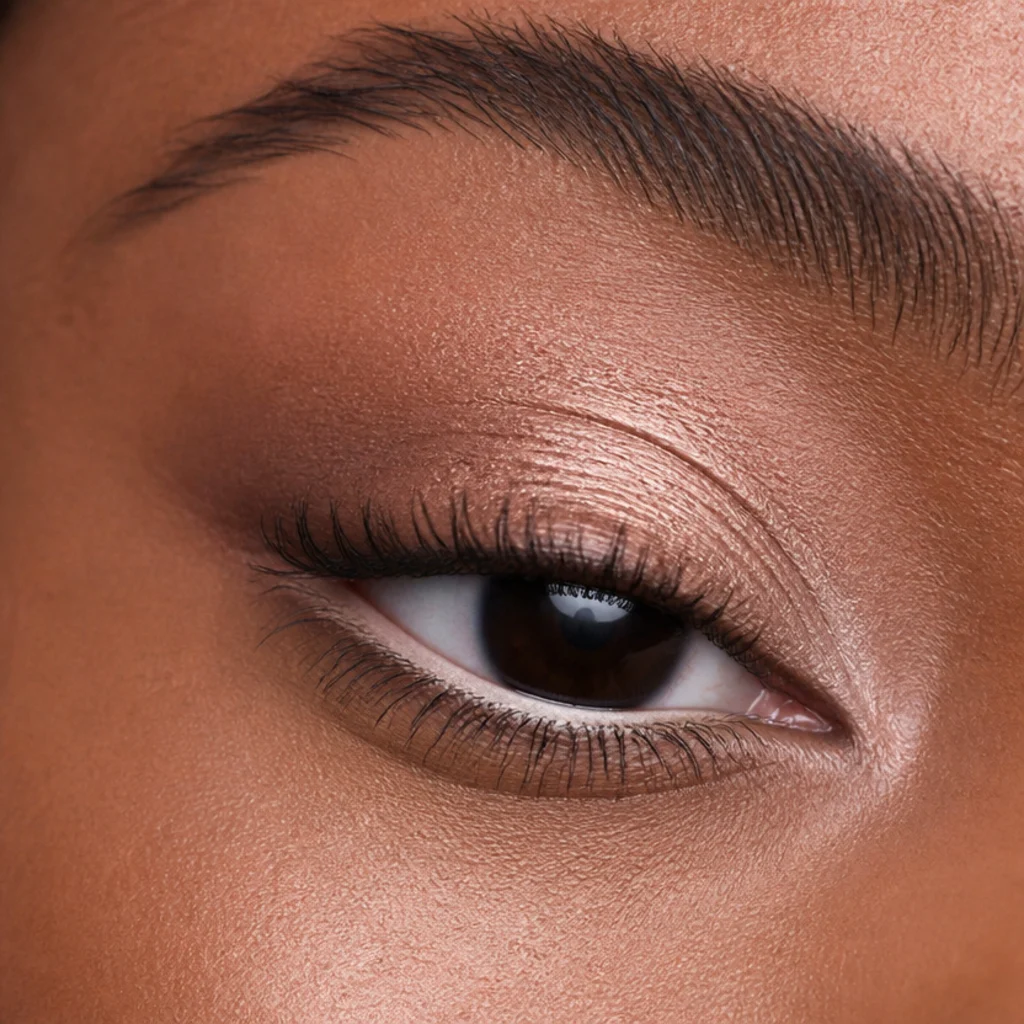
Small eyes reward every technique that maximizes open space, so the guiding principle is light over heavy at each step. A nude or soft pale pencil on the lower waterline makes the whites look larger and the eyes more awake, while harsh dark waterline liner closes them down fast. Keep the lid light and lightly shimmery to reflect light and expand the lid, and reserve your depth for a soft, diffused outer corner and crease rather than an all-over dark wash. Tightlining the upper lash line adds definition without stealing visible lid, unlike a thick top line that eats the space you are trying to open. Curled, separated lashes open the eye far more than a dense, heavy strip that can weigh it shut. An open-eye or doll lash map with length through the center brightens and rounds the eye. Upkeep is low, though the pale waterline may need a mid-day refresh. Pro tip: a thin line of shimmer along the center lash line acts as an inner spotlight that widens the whole eye. Ask your makeup artist to "open and brighten, not smoke it down."
14Large Eyes
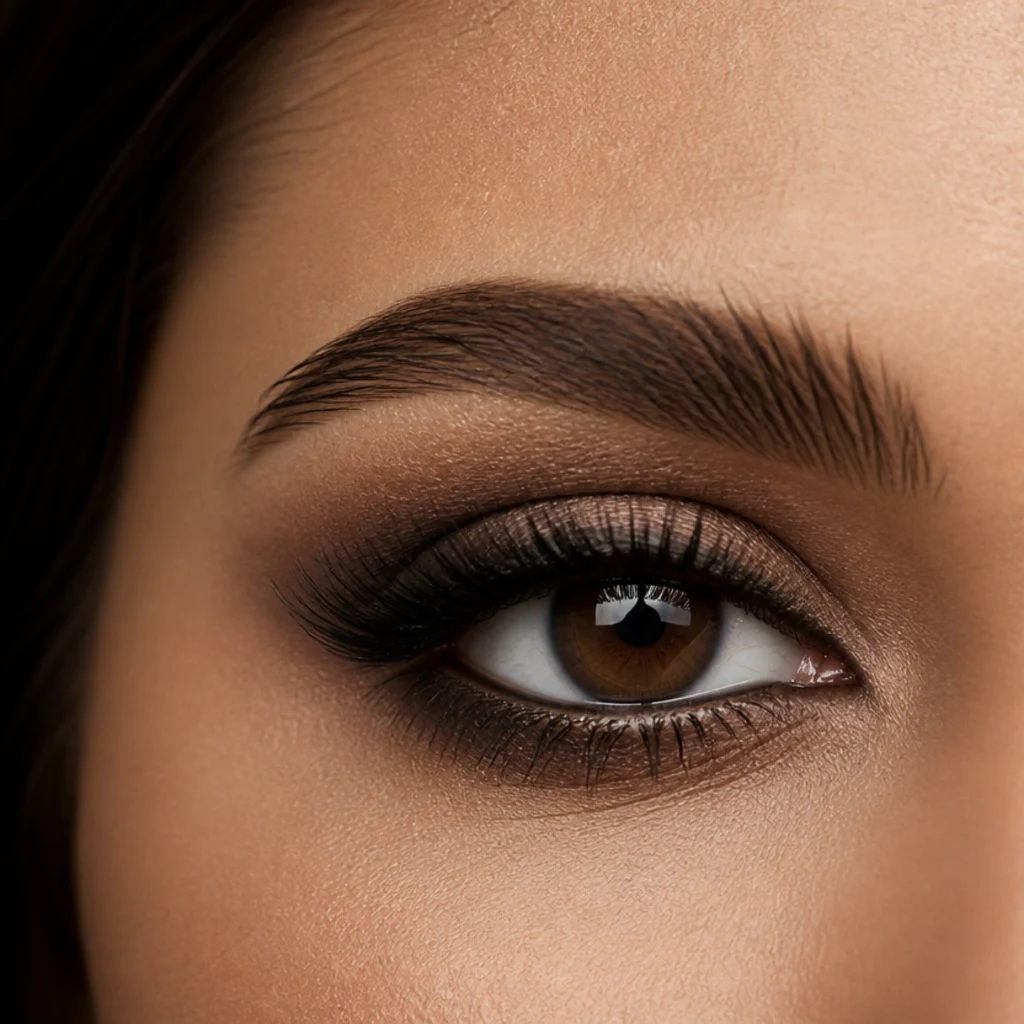
Large eyes are a generous canvas that can carry bold color, deep smoke, and graphic liner that would swallow a smaller shape whole. Because there is plenty of lid to fill, you can play with saturated jewel tones, a full cut crease, and dramatic lashes without crowding the eye, so this is the shape to experiment on. If large eyes ever feel too prominent for a particular look, a deeper, well-blended crease plus liner all the way around gently contains and grounds them. Almost any shade family works, so let the occasion and your coloring choose; cool smokes read editorial, warm bronzes read soft. Upkeep depends entirely on how much you build, anywhere from a quick wash to a full 20-minute smoke. Nearly any lash map works here, and a rounded or dramatic one suits the space well. The one thing to watch is proportion with the rest of the face, so balance a strong, saturated eye with a softer lip if the look starts to compete. Pro tip: even large eyes benefit from an inner-corner highlight to keep a dark smoke from looking closed-in. Ask your makeup artist for a "full smoke, since the lid can take it."
15Almond-Hooded Combination Eyes
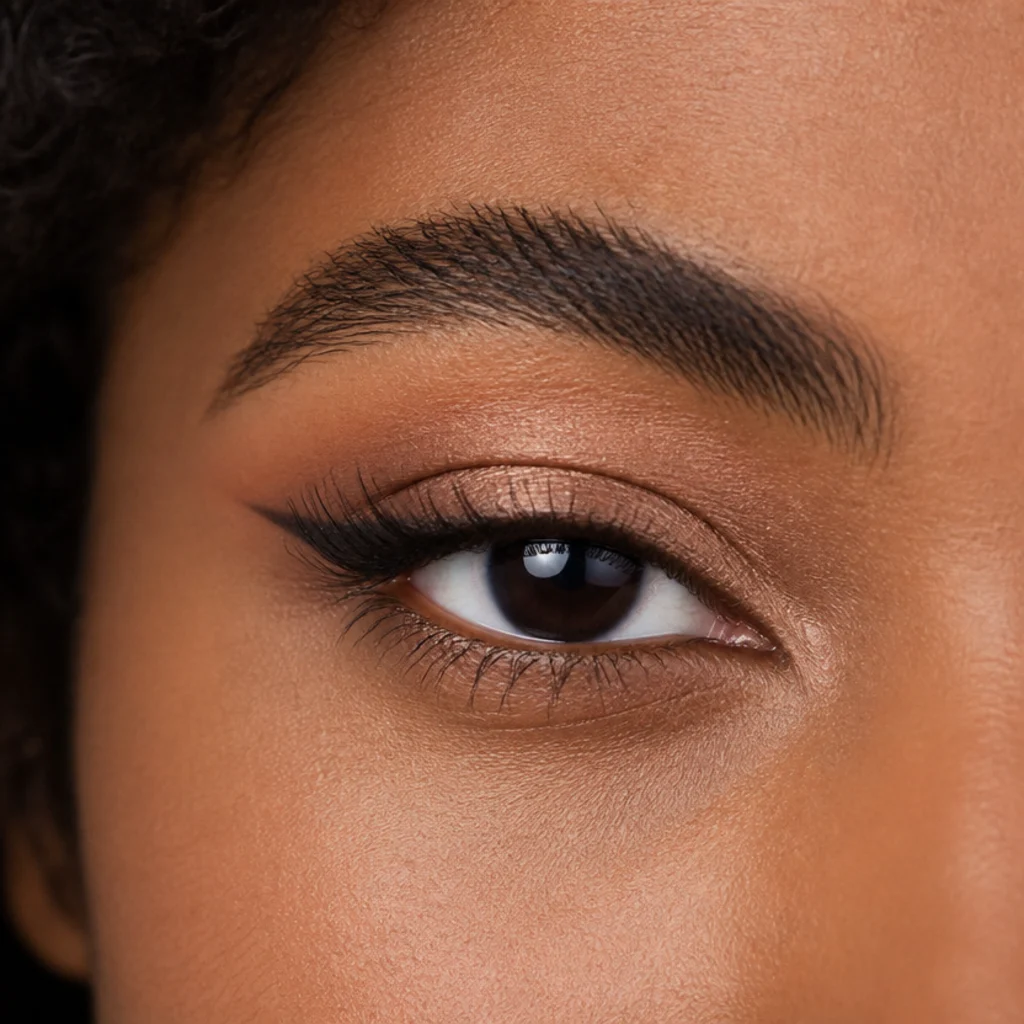
Plenty of people are a blend, and almond-hooded is one of the most common combinations of all: you have the lifted almond tilt but also a fold that covers part of the mobile lid. This is exactly why the almond vs hooded eyes debate is a bit of a false choice, because real faces mix categories freely. The move is to borrow from both playbooks at once. Follow the natural almond lift with your outer wing, but place depth and liner slightly above the hood, in the visible shelf, so it shows with the eye open. Lean on budge-proof gel and cream formulas to fight transfer from the fold, and keep the inner liner thin so it doesn't vanish. Map the whole look with your eyes forward, since combination shapes are the ones most likely to hide product in the fold. A cat lash map plays up the lift while longer outer lashes counter the heaviness of the hood. Pro tip: a thin cut crease drawn above the fold gives the almond definition you want without fighting the hood. Ask your makeup artist to "follow the almond lift but set the crease above the hood."
Save this to Pinterest so the combination-eye tips are ready next time you experiment.
16Turned-Down Outer Corner Eyes
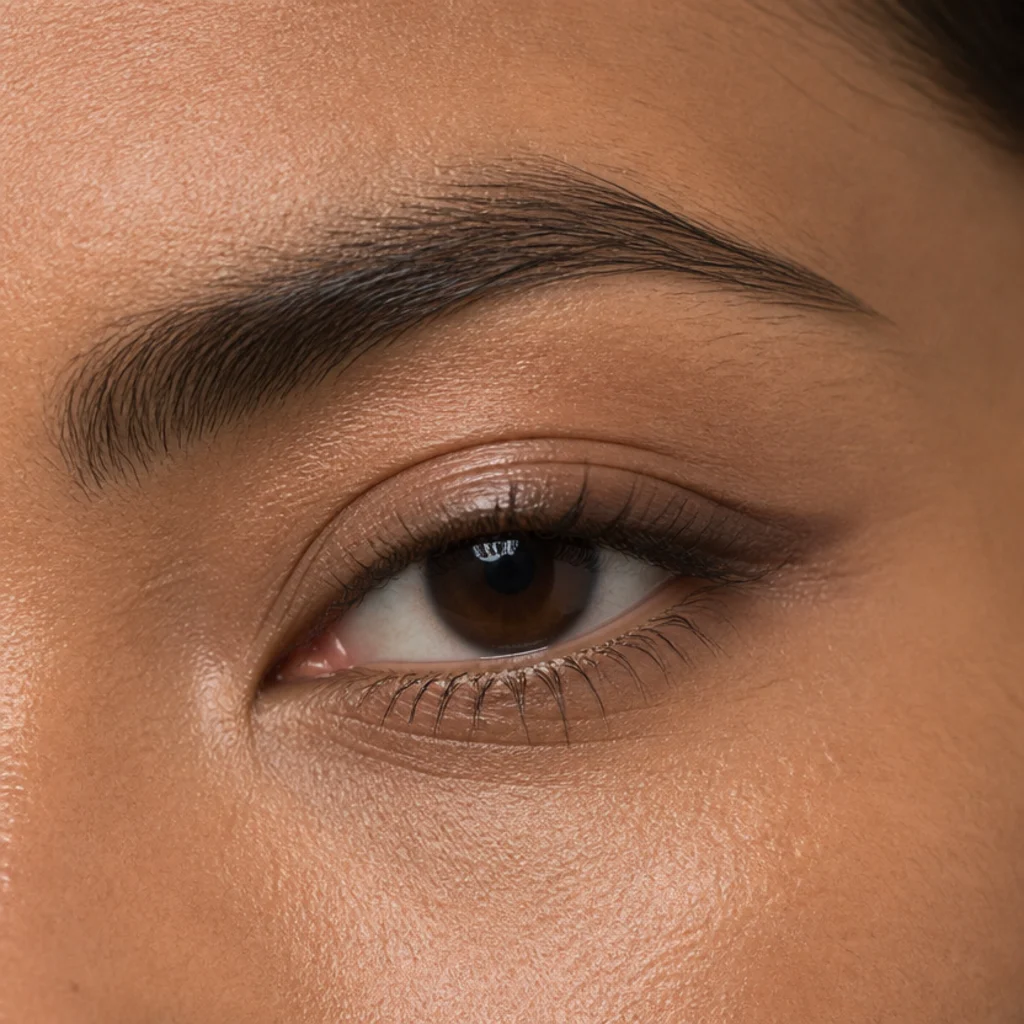
This is a subtler cousin of the fully downturned eye, where only the very outer corner dips while the rest of the eye stays fairly level. Because the drop is small, you want a gentle nudge, not a dramatic graphic wing that would over-correct a slight tilt. A short, soft upward smudge at the outer corner, blended rather than sharp, lifts the shape without looking forced or heavy. Keep the inner two-thirds of your liner close and level to the lash line, then let it rise only at the very tail toward the brow. Warm bronzes and soft browns flatter here and keep the lift looking soft rather than drawn-on. It's minimal upkeep, since a smudged tail is forgiving and doesn't demand a crisp edge. A subtle cat or open-eye map with a hint of outer length supports the lift. The light touch is the whole point, so resist over-building. Pro tip: use a small pencil, not liquid, so the tail stays soft and easy to blend upward. Ask your makeup artist for a "soft lifted smudge, nothing graphic."
17Heavy-Lidded Mature Eyes
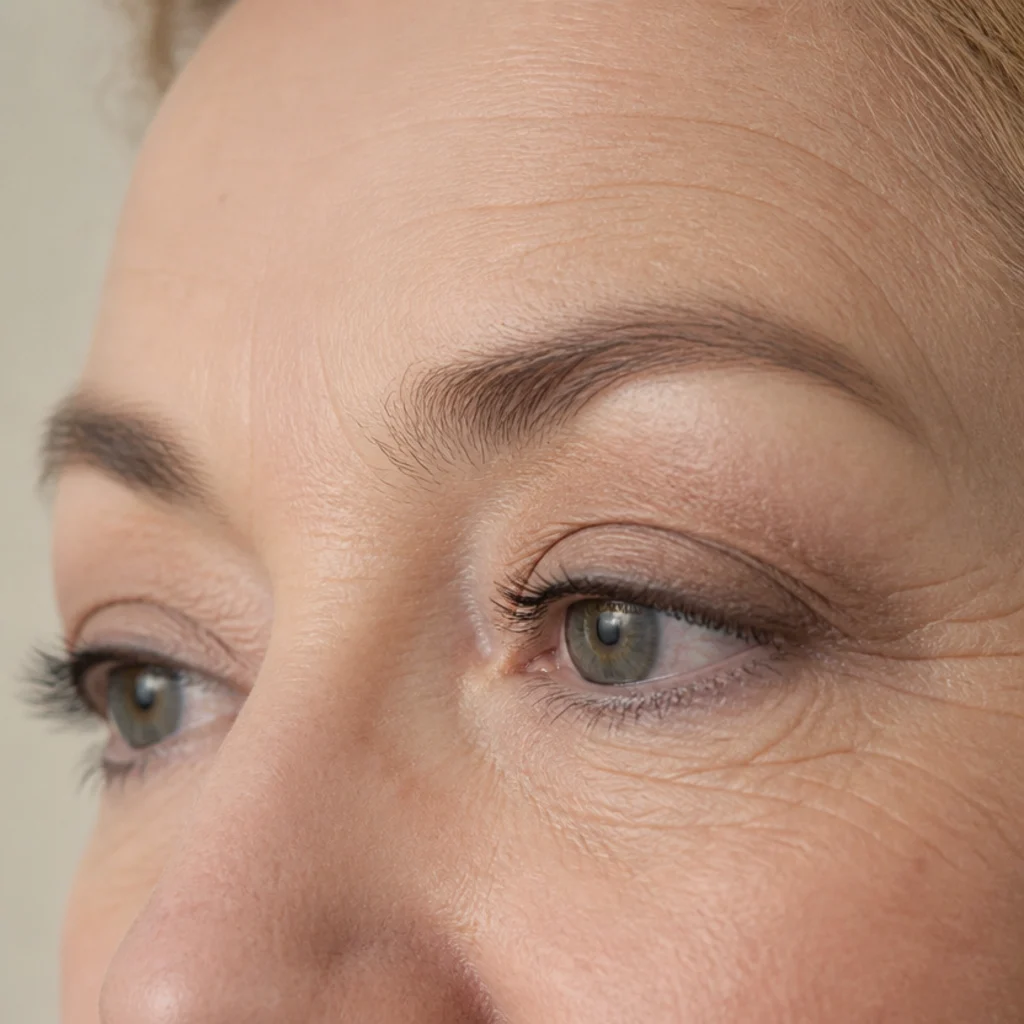
As skin naturally changes over time, lids can soften and grow a little heavier, a normal part of aging that deserves flattering, comfortable makeup rather than heavy correction. Matte and satin shadows sit far better than glitter or chunky shimmer, which settle into texture and emphasize it. Place transition color slightly above the natural crease so it shows when the eye is open, much like hooded technique, and prime the lid first so nothing migrates into fine lines. Reach for long-wear, crease-resistant cream and gel formulas, which flex with the skin rather than caking. Soft tightlining along the upper lash line defines the eyes without a heavy top line that can drag them down. Warm neutral browns and soft taupes read fresh; very dark all-over smoke can look heavy on a softer lid. Upkeep is low with a good base, higher without one. An open-eye lash map with gentle outer lift brightens and opens the shape. Pro tip: a curl and one coat of lengthening mascara lifts more than layers of volume. Ask your makeup artist for a "lightweight, crease-proof lifted look."
18Wide-Awake Doe Eyes
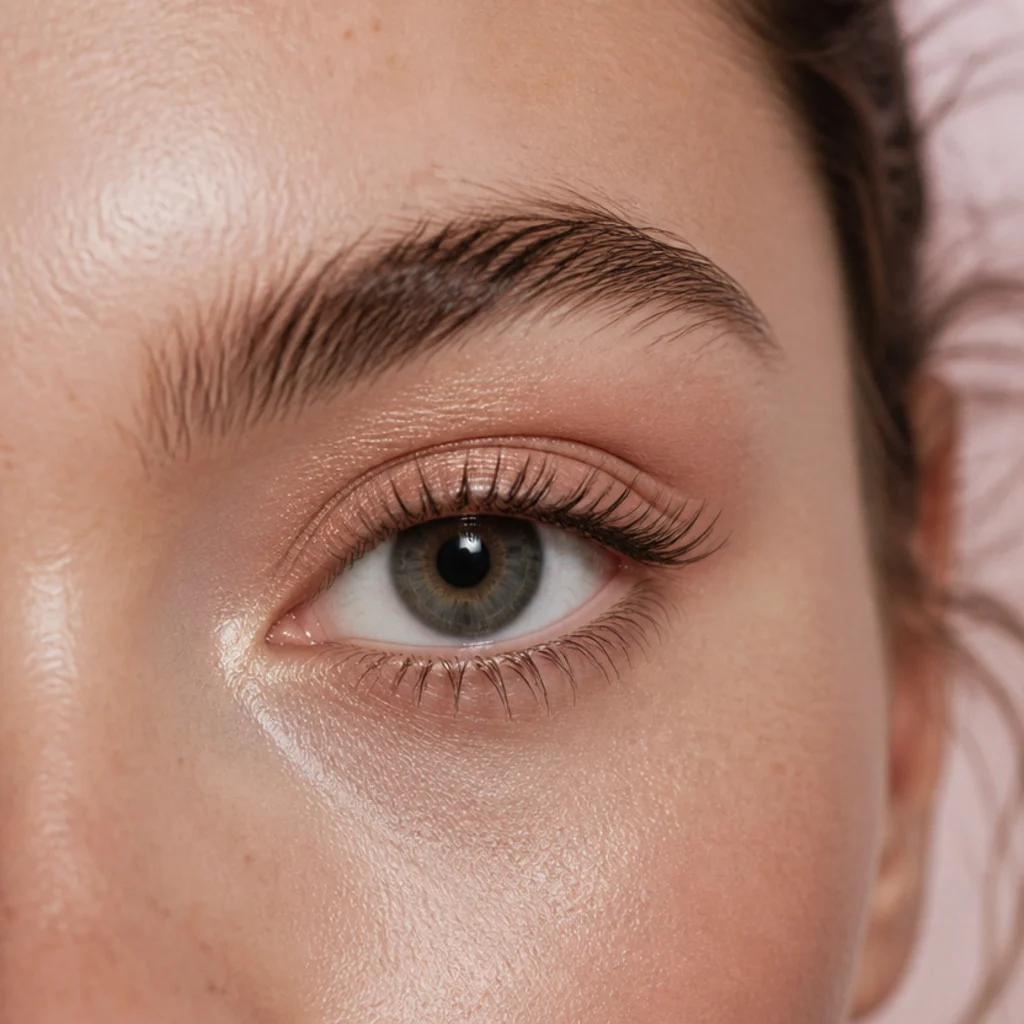
Doe eyes read large, round, and gently downturned or wide, with an open, soft expression that already looks approachable. If you want to lean into the sweetness, a rounded lash map and a soft, light lid play up the doe effect. Rosy, peachy, and soft neutral shadows lift the gentle look, and cool mauves flatter without hardening it, while a thin line of white or nude on the lower waterline widens the eyes further. Keep liner soft and slightly smudged rather than sharply graphic, since a crisp wing fights the roundness you're playing up. Upkeep is low. A doll or rounded lash map with the longest lashes through the center emphasizes the open, lifted shape. If instead you want to elongate rather than round, borrow the round-eye tips and extend everything outward toward the temple. Doe eyes are versatile that way, so decide first whether you're playing up the softness or balancing it, then place product to match that single goal. Pro tip: a soft rosy shade in the crease adds depth while keeping the eye looking gentle, not smoky. Ask your makeup artist for a "soft rounded doe look" or an "elongated version" so they know your direction.
19Narrow Cat Eyes
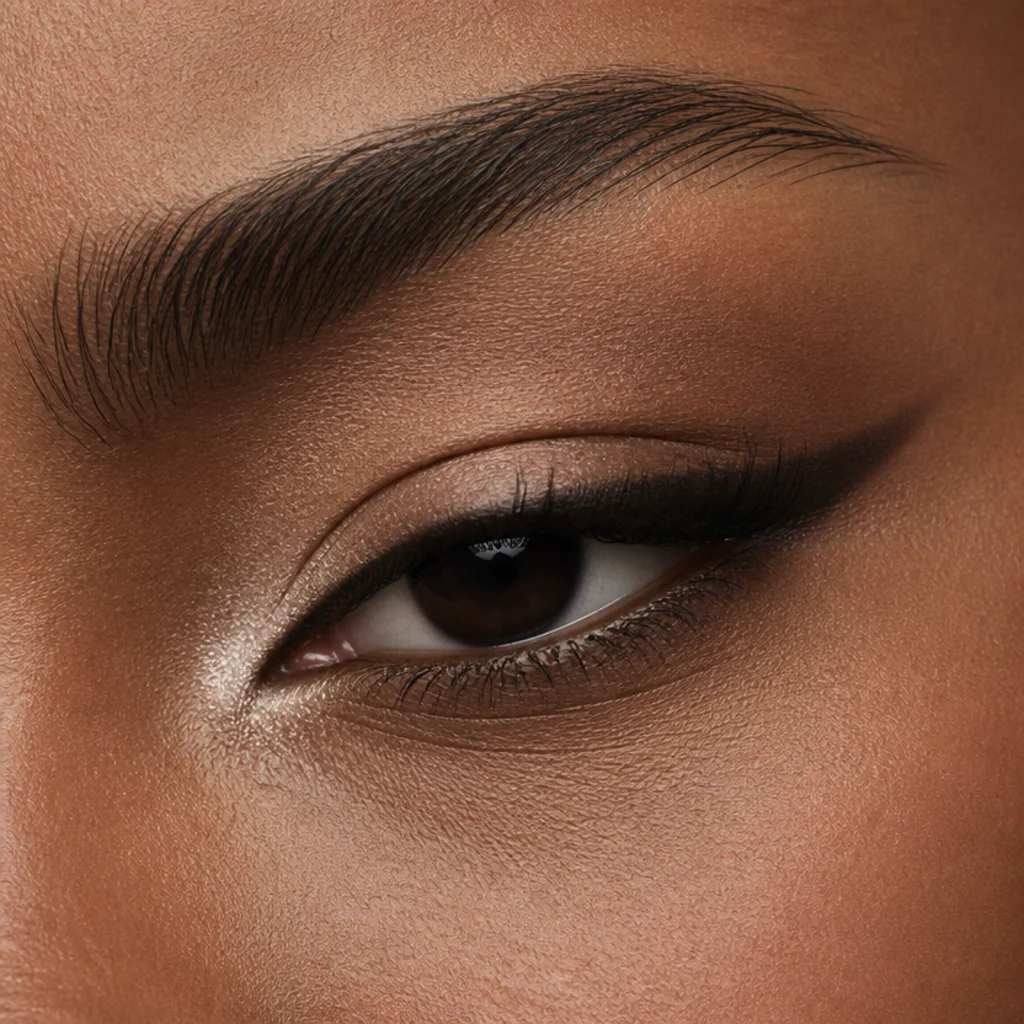
Narrow eyes are longer than they are tall, with a sleek, elongated shape that already reads a little feline, so you have two clear directions to choose from. To open them up, add a pale inner-corner highlight, keep the lid light, and use a rounded lash map with center length that adds height and a rounder feel. To play up the cat shape instead, a sleek extended wing and a smoked outer corner amplify the natural elongation into something graphic. Avoid heavy dark liner running the full length of both the upper and lower line if openness is your aim, since it can make a narrow eye look even smaller and more shut. Cool grays and taupes read sleek; warm shimmer opens. Upkeep depends on your direction, with the graphic wing wanting a steady hand and a long-wear liquid. For lash mapping, choose a rounded map to lift and open or a cat map to elongate. The nice thing about narrow eyes is that they carry a bold graphic wing with ease. Pro tip: a dot of shimmer at the center lid instantly rounds a narrow eye when you want softness. Ask your makeup artist to "open it up" or "lean into the cat shape."
20Asymmetrical Eyes
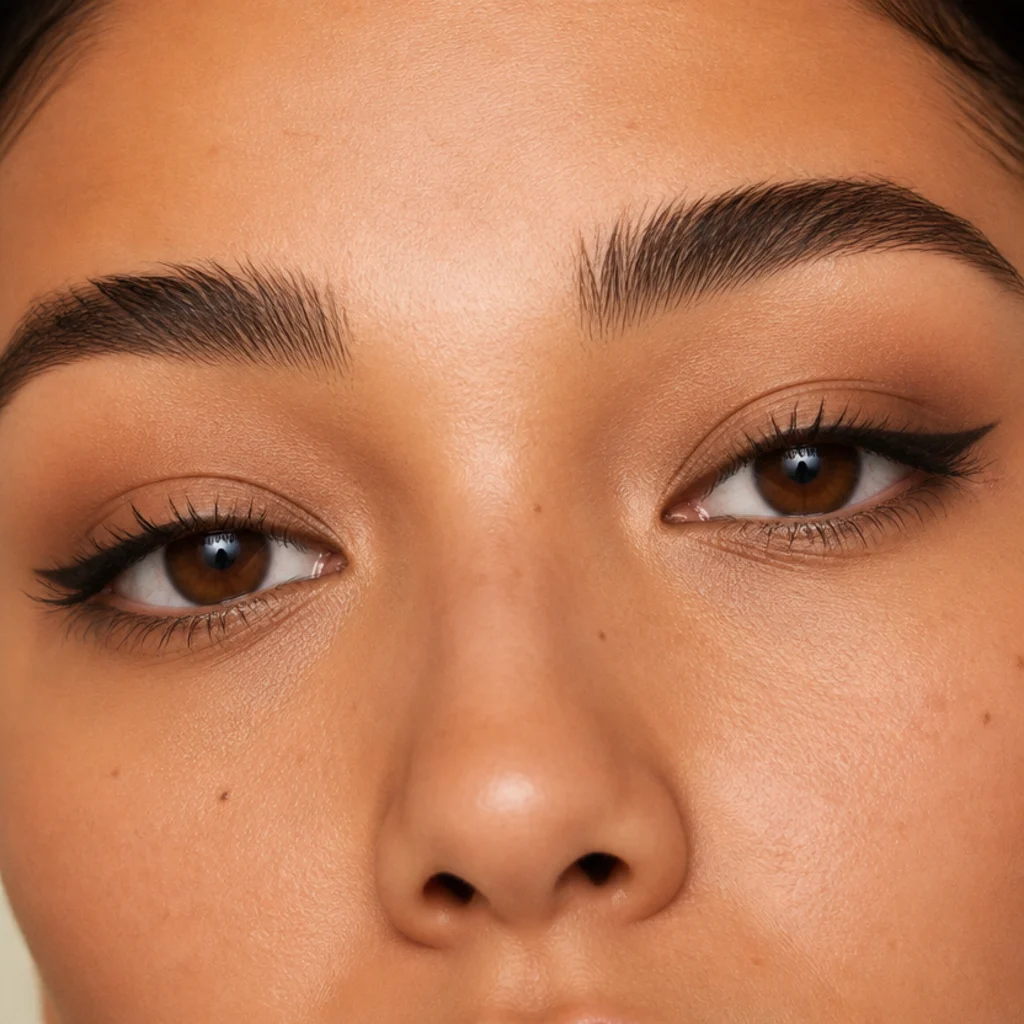
Almost everyone has some asymmetry, where one eye sits slightly higher, rounder, or more hooded than the other, and this is completely normal, not a flaw to hide. The real skill is treating each eye a little differently rather than applying identical strokes to both and hoping they match. Look straight into the mirror and adjust the wing angle, liner thickness, or crease placement on each side independently until the two eyes visually agree, even if the strokes themselves are not mirror images. A slightly thicker line or a touch more lift on the lower or more hooded eye often evens the pair out, and raising the crease placement on the droopier side helps too. Lash-wise, small per-eye tweaks, like a slightly longer outer lash on the lower eye, close the gap. Work slowly, step back from the mirror often, and judge the pair from a distance rather than up close. Pro tip: do the more challenging eye first, while your hand is steady, then match the easier eye to it. Remember that a real, gently asymmetrical face is normal and lovely; the goal is balance, not perfect symmetry. Ask your makeup artist to "balance the pair," not force them identical.
Pro Tips from the Editor
- Map with your eyes open, then set with them closed. Placement that looks perfect looking down vanishes when you face forward, especially on hooded, monolid, and partial-crease lids. Draw looking straight into the mirror; only blend and set with the eye relaxed.
- Primer is placement insurance. A thin eye primer or cream base is what separates an 8-hour look from a 3-hour one on oily, hooded, or protruding lids. It also stops shimmer from scattering into a deep-set crease.
- Light comes forward, dark recedes, matte flattens, shimmer projects. Memorize that one line and you can style any shape on this chart without a tutorial: bright the parts you want to see, shadow the parts you want to quiet.
- Tightline before you line. Filling the upper waterline with a dark pencil adds density and a fuller lash base without eating visible lid, which is exactly what small, hooded, and deep-set eyes need.
- Curl first, every time. A lash curler lifts and opens the eye more than a second coat of mascara, and it's the single highest-impact 10 seconds for hooded, mature, and small eyes.
- Choose formula by lid behavior, not by shape name. Any lid that folds, presses, or sits in shadow (hooded, monolid, protruding, mature, partial-crease) wants long-wear cream and gel over loose powder that transfers.
- Fix your inner corner last. A dot of pale satin at the inner corner opens nearly every shape and rescues a smoke that has gone too closed-in; keep it as your final adjusting step.
How to Choose / Get the Look
Start by identifying your shape in good, even light with your eyes relaxed and looking straight ahead, not tilted down toward the mirror. Ask three quick diagnostic questions in order:
- Crease: Can you see a crease, or does a fold hide it? Visible points toward almond, round, deep-set; hidden points toward hooded, monolid, partial-crease.
- Tilt: Do your outer corners lift, drop, or stay level? Up is upturned or cat; down is downturned or turned-down outer corner; level is neutral.
- Spacing: Is there more or less than one eye-width between your eyes? More is wide-set; less is close-set.
Your answers usually land you on two or three shapes at once, because overlap is the rule, not the exception, so pick the two closest and blend their tips. From there the strategy is consistent no matter the combination: use light, shimmer, and pale inner corners to open and bring forward; use matte depth, a blended crease, and liner to define and recede. Place your wing to follow a lift you love or to counter a drop you want to balance. For lash mapping eye shapes, remember center length rounds and opens while outer length elongates and lifts. Change one variable at a time, check every step with your eyes open, and adapt each tip to your coloring, your lid texture, and the mood you are after. There is no single correct answer here, only the placement that suits your eyes and the look you actually want.
| Eye shape | Primary goal | Wing direction | Best finish | Lash map |
|---|---|---|---|---|
| Almond | Flatter, flexible | Any | Any | Rounded or cat |
| Round | Elongate | Horizontal, outward | Matte outer | Cat, outer length |
| Hooded | Show the crease | Thin in, thick out, above fold | Long-wear cream | Lifted, outer length |
| Monolid | Add gradient dimension | Slightly thicker, short | Cream, long-wear | Open-eye, outer length |
| Downturned | Lift the corner | Up toward brow tail | Gel or liquid | Cat, length just inside outer |
| Deep-set | Bring lid forward | Thin, close | Light shimmer or satin | Natural, avoid extra-long |
| Close-set | Draw attention out | Outward diagonal | Bright inner, matte outer | Cat, outer length |
| Wide-set | Draw attention in | No outer wing | Inner-corner smoke | Even or inner-weighted |
Frequently Asked Questions
How do I figure out my eye shape?
Look straight into a mirror in even, natural light with your eyes relaxed. Run the three checks in order: is the crease visible or hidden by a fold, do the outer corners lift or drop, and how much space sits between your eyes. Most people match two or three categories on this eye shapes chart at once, and that overlap is completely normal. Don't tilt your head down to look, since that hides hooded and partial-crease folds and gives you a false read.
What is the difference in almond vs hooded eyes?
Almond eyes have a visible crease and an oval opening with outer corners that lift slightly toward the temple. Hooded eyes have an extra fold of skin that covers part of the mobile lid, hiding the crease when the eyes are open. The practical difference is placement: almond lets you set color in the natural crease, while hooded requires you to place depth above the fold so it stays visible with the eye open. Many people are a blend of both, which is the almond-hooded combination.
What is lash mapping for different eye shapes?
Lash mapping means varying lash length across the eye, on a strip, in clusters, or with extensions, to flatter its shape rather than adding one uniform length. The core rule is simple: center length rounds and opens the eye, while outer length elongates and lifts it. Matching the map to your shape makes a visible difference, for example a cat map with outer length for close-set or downturned eyes, and a rounded center-length map to open small or narrow eyes.
Do these makeup by eye shape rules apply to every skin tone?
Yes. The placement of light and shadow works identically across all skin tones, because it relies on where you build brightness and depth, not on the specific shade. Only the intensity shifts: choose depths dark enough and brights light enough to actually show against your skin, so a deeper complexion may reach for a richer shimmer and a deeper crease shade to read the same as a softer one on fair skin. The lifting, opening, and defining techniques themselves are universal.
Can I have more than one eye shape at once?
Absolutely, and most people do. You might be almond and downturned, or hooded with a prominent brow bone, or narrow and close-set. Eye shape categories describe separate features, the crease, the tilt, and the spacing, so they stack rather than compete. Treat this eye shapes chart as a flexible guide, pick the two or three descriptions that fit your eyes, and blend the tips that apply to each feature you have.
What eye shape is best for a winged liner?
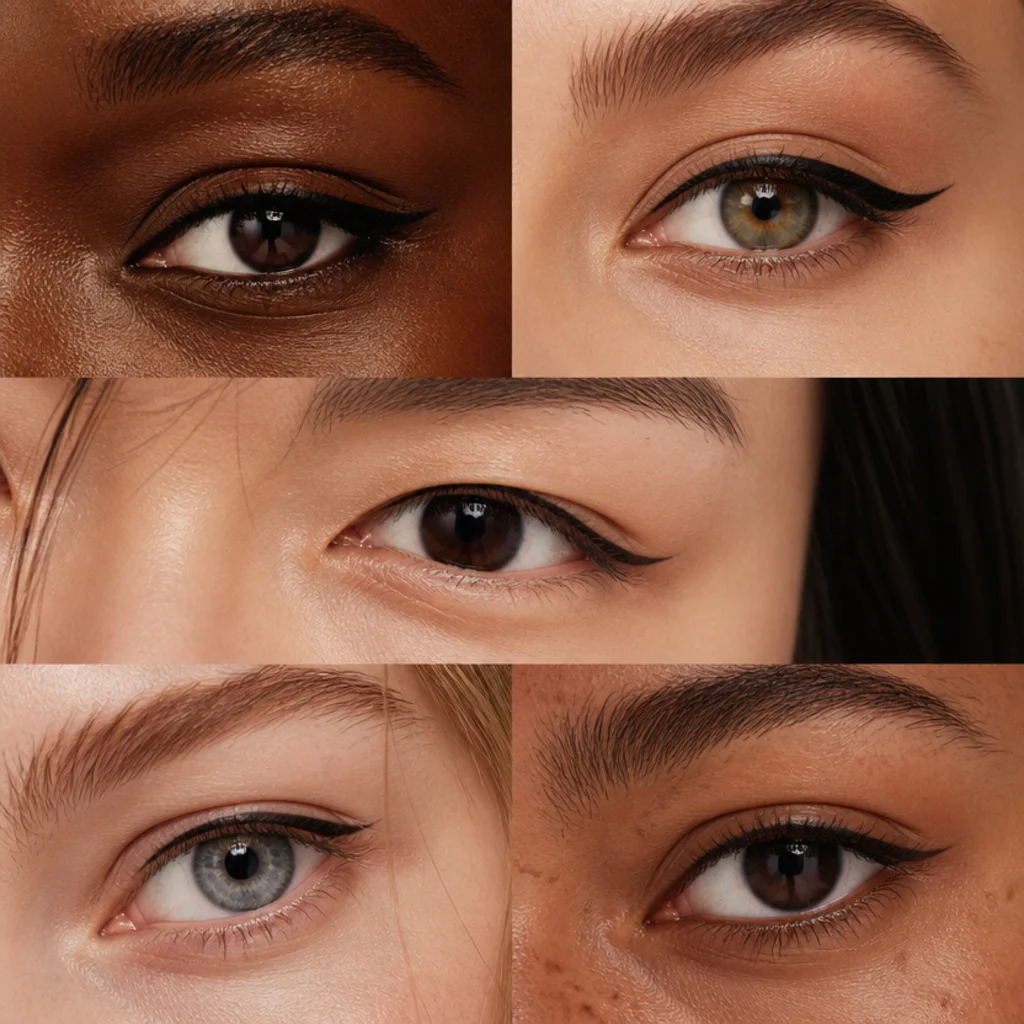
Almond, upturned, and narrow eyes carry a classic winged liner most easily, because their anatomy already lifts or runs long. That said, every shape can wear a wing with the right adjustment: hooded eyes want a thin wing set above the fold so it shows, downturned eyes want the wing angled up toward the brow tail to counter the drop, and round eyes want a more horizontal wing to elongate. The wing is not off-limits for any shape, it just changes angle and thickness.
How can I make small or hooded eyes look bigger?
Work in the same direction for both: maximize visible lid and open space. Tightline the upper waterline instead of drawing a thick top line, use a nude or pale pencil on the lower waterline, keep the center lid light and lightly shimmery, and curl the lashes before mascara. For hooded eyes specifically, set any depth above the fold so it stays visible, and reach for long-wear formulas that resist transfer. Avoid a heavy all-over dark wash, which closes both shapes down.
Which eyeshadow finish is best for my eye shape?
Match finish to how your lid behaves. Shimmer and satin bring a lid forward and open it, so they suit deep-set, small, monolid, and mature eyes where you want brightness. Matte finishes recede and flatten, so they suit protruding and large eyes where you want to calm fullness, and they work as blending and crease shades on every shape. Textured or mature lids do best with matte and satin over chunky glitter, which settles into fine lines.
Are eye shape categories strict rules?
No, and this matters. Eye shape categories are guidelines for placement, not a diagnosis, and they overlap constantly because they describe separate features that combine freely across all eye shapes and skin tones. Read your crease, tilt, and spacing, pick the closest descriptions, and adapt. Plenty of people happily ignore the "corrective" tips entirely and lean into their natural shape, which is completely valid. The point is understanding where light and shadow land, then choosing what you like.