5 Long Shag Haircut Mistakes to Avoid
The long shag is one of the most flattering cuts around, but a handful of predictable missteps can flatten its shape, thin the ends, or push it from modern to dated. Here are the five that trip people up most, plus the exact language and technique that fix each one.
 Edited by Lena Rose · Published July 11, 2026 · 16 min read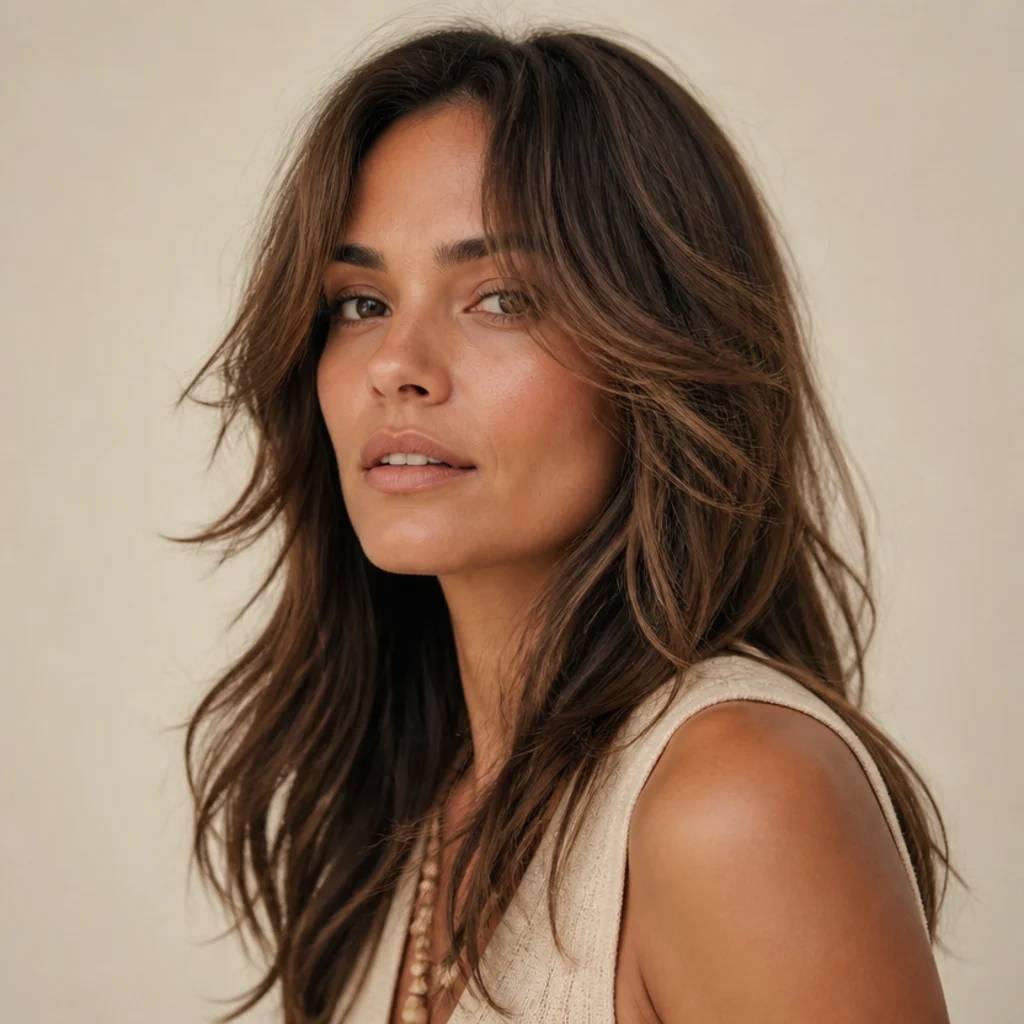
Quick Answer
- Best for: Anyone wanting collarbone-length-or-longer movement with layered shape, from fine straight hair that needs the illusion of density to type 3 curls that want room to expand.
- Who might skip it: Anyone who blow-dries pin-straight and glassy every day, or who wants a single sleek weight line; a shag reads best a little undone, so a heavy layered cut can feel like fighting your own routine.
- Maintenance: Moderate. Dust the ends and refresh face-framing every 8 to 12 weeks; curly and coily textures can often stretch to 12 to 16 weeks because the layers grow in more softly.
- Difficulty: Low to medium. The cut is a salon job, but daily styling is a five-minute scrunch-and-go once you learn where to place product.
- Cost: Typically a mid-range salon cut; expect to pay more for a specialist curl-by-curl or dry-cutting appointment, which is usually billed by time or as a premium service rather than a flat rate.
- Wear time / longevity: The shape looks intentional for roughly 6 to 10 weeks before the shortest layers start to lose their taper; face-framing softens first.
- Standout variation: Long shag choppy layers with soft curtain bangs, the most editorial, lived-in version of the shape.
- How to ask your stylist: Request "long layers that keep my length, shortest pieces no higher than the jaw, point-cut and blended, with cheekbone-length face-framing." Name your texture, density, and any cowlicks up front.
In This Guide
Intro
A soft long shag looks effortless, and that's exactly why it's easy to get wrong. The shape comes down to three variables: where the shortest interior layer sits, how the ends are finished, and how much surface texture the hair carries. Get all three right and the cut moves, breathes, and frames the face; let one drift and the whole thing reads heavy at the roots, thin at the ends, or oddly triangular through the sides. Unlike a blunt lob or a uniform long layer, the shag has no single weight line to hide behind, so every choice shows. The good news: the failure points are consistent and avoidable once you know them. Whether you're eyeing long shag choppy layers, a long curly shag haircut, or a smoother version on straight hair, knowing where the shape goes sideways lets you brief your stylist precisely, pick bangs that suit your growth pattern, and style at home without undoing the cut's built-in movement. Here are the five mistakes that trip people up most, why each happens, and the specific fix that keeps a soft long shag looking intentional from day one to the next trim.
01Cutting the Layers Too Short on Top
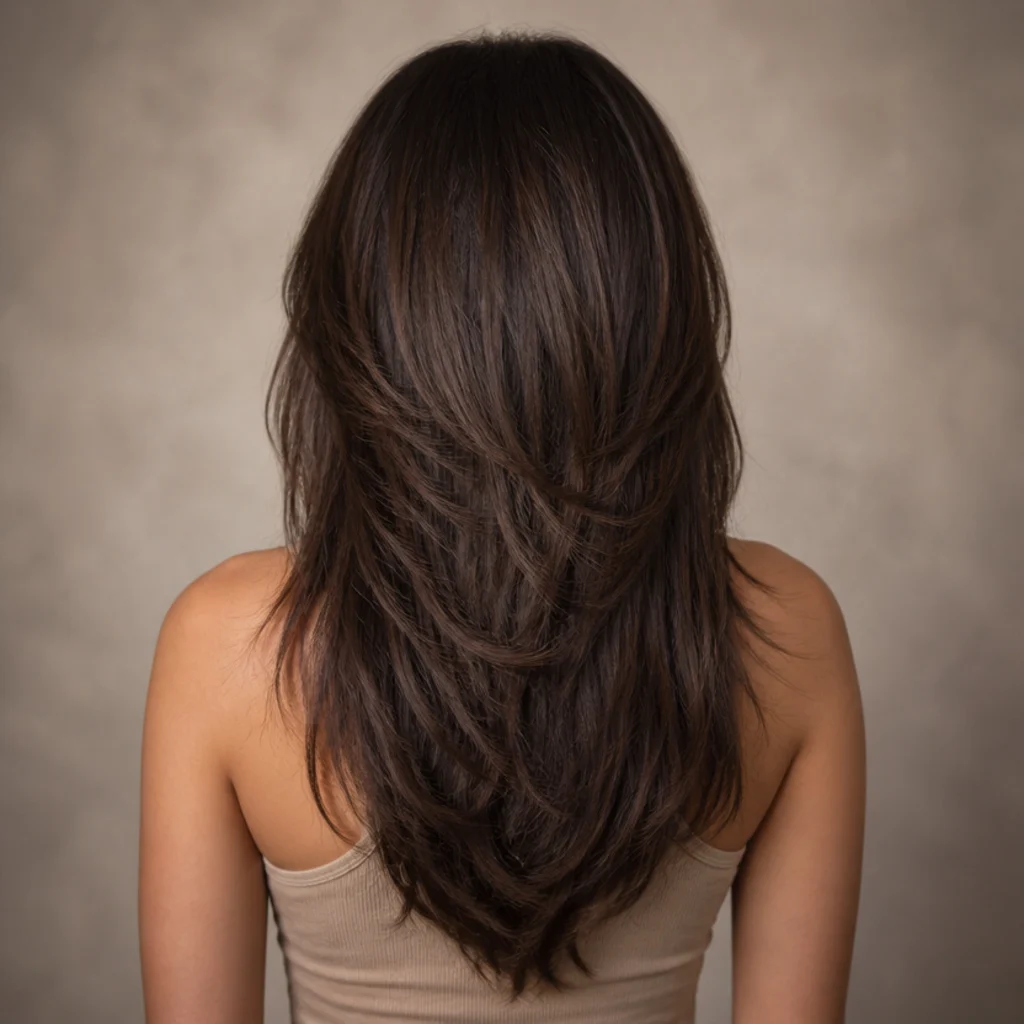
A long layered shag haircut is supposed to keep its length while the layers do the shaping, not eat into it. The most common failure is letting the crown and interior layers climb too high, which builds a triangular, mushroom silhouette that widens at the cheeks and collapses on top. It's most punishing on fine or low-density hair, where short crown pieces separate and float instead of stacking softly. Ask your stylist to keep the shortest interior layer no higher than the mid-cheek to jaw, and to point-cut or slide-cut the internal sections so they melt into the lengths instead of sitting as a visible shelf. Coarse or dense hair can take gentle internal thinning, placed an inch or two off the scalp, to shed weight without shortening the outline you actually see. If your face is round or heart-shaped, keeping the shortest pieces closer to the jaw elongates rather than widens it. Pro tip: photograph the back with your phone before you leave the chair, so a too-high layer gets corrected on the spot instead of three weeks later. Have your stylist hold the shortest interior length up against your cheekbone before the first cut, so you both agree on where it lands.
02Skipping Texture on Straight Hair
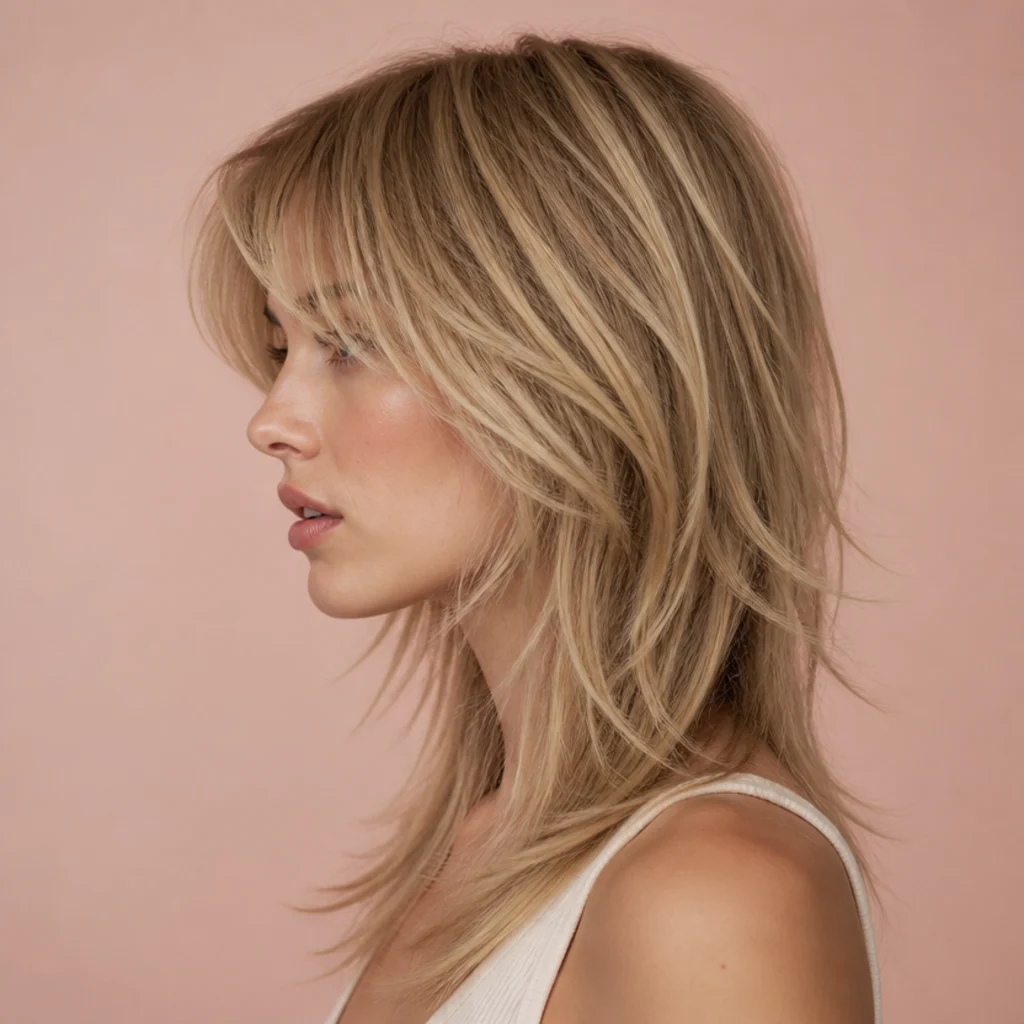
A long shag on straight hair needs deliberate texture to register as a shag at all. Without it the layers can look accidental, as if the ends were chipped away by mistake, and glossy straight strands fall back into a solid curtain within an hour. The work starts in the cut: request feathered, point-cut ends and light razor or slide-cutting through the mid-lengths to build separation and airiness. Styling has to back that up. A dry texturizing spray or a pea-size amount of soft dry paste worked from mid-shaft down gives sleek strands the piecey definition the shape depends on, while a quick bend with a flat iron or a one-inch curling wand at the ends reintroduces movement fine hair loses on its own. Reach for a matte or satin-finish product rather than a high-shine one, since heavy smoothing serums and glossing oils weigh straight hair down and glue the separation shut. If your hair is baby-fine, a light root-lift mousse before drying buys volume that keeps the layers from lying flat. Pro tip: mist texturizing spray onto the underneath sections, not just the top, so movement reads from every angle. Ask your stylist for a low-shine texture product that matches your hair's density.
03Ignoring Your Curl Pattern
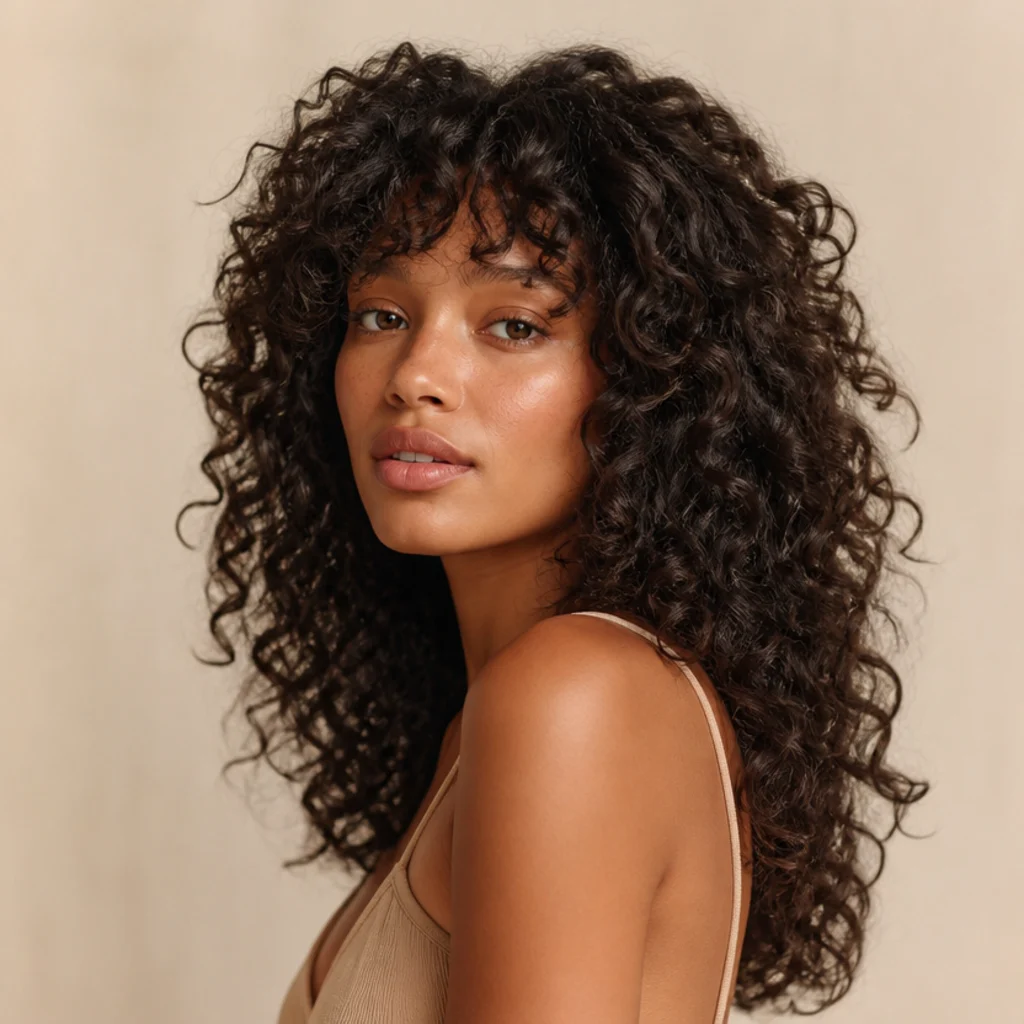
A long curly shag haircut can be spectacular, but only when the cut respects how your curls actually behave. Curls and coils contract as they dry, so a shag sectioned wet with straight-hair spacing springs up far shorter and rounder than planned, often into the very pyramid you were trying to avoid. Shrinkage varies widely by pattern, roughly 10 to 30 percent on loose type 2 waves and up to half the stretched length on tight type 4 coils, which is why one spacing rule can't serve every head. Seek a stylist who cuts curls dry or curl-by-curl and can read each spiral's natural landing point, placing layers so curls expand into space instead of piling into bulk. Tell them your curl type, your usual shrinkage, and whether you wear it defined or diffused, since a wash-and-go and a stretched blowout want different internal weight. Done well, layers give coils bounce and let the ends keep their definition; done wrong, they create heavy corners at the sides and thin, wispy ends exactly where you wanted a clean, spiral finish.
| Curl type | Typical shrinkage | Cutting approach | Layer priority |
|---|---|---|---|
| Wavy (2A-2C) | 10-20% | Dry or damp, light point-cutting | Soft face-framing, keep length |
| Curly (3A-3C) | 20-35% | Dry, curl-by-curl | Interior layers for lift, avoid triangle |
| Coily (4A-4C) | 35-50%+ | Dry, curl-by-curl, minimal tension | Rounded shape, protect ends |
Pro tip: never let a stylist comb curly hair into straight tension before cutting a shag; ask to see the layers placed on dry, natural curls.
04Getting the Bangs Wrong

Bangs make or break a soft long shag, and the wrong choice can overwhelm the whole look. Heavy, blunt, straight-across fringe fights the airy movement the shag is built on and reads as a competing weight line; against feathered layers it can look bolted on. The more harmonious option is soft curtain bangs or long, face-framing pieces that begin around the cheekbone and blend into the interior layers, opening the face and echoing the feathered ends elsewhere. Match the fringe to your face and growth pattern rather than a photo: curtain bangs flatter round and heart shapes by drawing a vertical line, while a longer, wispy bang softens a strong jaw or high forehead. A pronounced cowlick at the hairline will push short, blunt bangs in directions you didn't sign up for, so a longer parted style is far more forgiving. Curly textures should keep bangs longer still, since shrinkage lifts them an inch or more once dry. When in doubt, start long. You can always trim shorter at a follow-up, but you can't add length back once bangs are cut too high. Pro tip: ask for the fringe to be point-cut with the hair dry and in your natural part, so it sits where it'll actually live day to day.
Save this to Pinterest to compare bang options before you commit.
05Over-Styling and Losing the Softness

The whole appeal of a soft long shag is its undone, lived-in quality, so the final mistake is overworking it into submission. Excess heat, stiff hold products, and repeated brushing all erase the piecey separation the cut is designed around. The result is flat, uniform, overdone hair, the opposite of what a shag is for. Lean into the shape instead: rough-dry or diffuse on medium heat, scrunch a lightweight mousse or texture cream through damp mid-lengths, and break the pieces apart with your fingers rather than a brush once dry. A light mist of flexible-hold spray, held a foot from the head, sets movement without crunch. Product order matters as much as amount: a heat protectant and a dime of styling cream before drying, then a whisper of dry texture spray to finish, beats piling everything on wet. Long shag choppy layers in particular thrive on a touch of imperfection, so resist smoothing every strand into place. Refresh day-two hair with dry shampoo at the roots and a quick scrunch rather than a full restyle, which spares your ends and your time. Pro tip: if a section falls flat, mist it lightly, twist it around your finger, and let it air-set instead of reaching for the iron. Ask your stylist for a two-minute styling demo before you leave the chair.
Pro Tips from the Editor
- Cut dry for a final read on texture. Even on straight hair, a quick dry point-cut at the end lets the stylist see how the ends actually fall and correct any pieces that separate oddly.
- Protect the perimeter. A shag can look thin at the very ends if the outline is over-layered; ask for the longest length to stay connected so the silhouette reads full from behind.
- Undertone your product, not just your color. Matte texture pastes suit fine, straight hair; creamy definers suit curls. Using the wrong finish is why two people with the same cut get different results.
- Book maintenance around your texture, not a calendar. Straight shags soften first at the face and want a 8-to-12-week dusting; curly shags can stretch to 12 to 16 weeks because grown-out layers blend more forgivingly.
- Mind the crown cowlick. If yours sits off-center, tell your stylist before layering the top, or the shortest pieces will stick up no matter how you style them.
- Refresh, don't restyle. Day-two and day-three hair is where a shag looks best; a little dry shampoo and finger-scrunching beats re-wetting and re-drying the whole head.
- Keep a reference of your own hair. Save a photo from the day the cut looked right; it briefs your stylist far better than a stranger's texture at your next visit.
How to Choose / Get the Look
Match the shag to your texture, density, and routine rather than to a photo of someone with different hair, then run through these checks.
- Read your texture first. Straight and fine? Plan for feathered ends plus a texture product and light root lift. Wavy? Prioritize soft face-framing and keep the length. Curly or coily? A curl-literate dry cut is non-negotiable, and you will plan layers around shrinkage.
- Be honest about styling time. If you will not diffuse or scrunch, choose gentler, longer layers so the cut still reads polished air-dried; heavy choppy layers demand a little daily attention to look intentional.
- Choose bangs by face and growth pattern. Round or heart shapes usually love curtain bangs; strong jaws and high foreheads suit longer wispy framing; a stubborn cowlick means go longer and parted.
- Brief with specifics. Say you want long layers that keep the length, shortest pieces no higher than the jaw, point-cut and blended, with cheekbone-length face-framing. Name cowlicks and shrinkage up front.
- Ask how it was cut. Point-cutting, slide-cutting, and razor work create the soft finish; blunt internal lines look heavy on a shag. Request a quick styling demo before you leave so you can recreate the movement.
A trim every 8 to 12 weeks keeps the shape from growing shapeless; curlier textures can often wait a little longer.
Frequently Asked Questions
Is a long shag good for fine hair?
Yes, when the layers stay longer and are softly point-cut rather than stacked high. Very short crown pieces separate and can look sparse on fine hair, so keep the shortest interior layer around the cheek-to-jaw line and add a matte texturizing product plus a light root-lift mousse for the appearance of density.
How often should I trim a long shag?
Every 8 to 12 weeks for straight and wavy textures, since the face-framing and feathered ends soften first. Curly and coily shags can often stretch to 12 to 16 weeks because grown-out layers blend more gently. A quick dusting between full cuts keeps the ends from looking stringy.
Can I get a long shag with curly hair?
Yes. A long curly shag haircut works beautifully, but book a stylist who cuts curls dry or curl-by-curl so shrinkage is accounted for and layers land where you want them. Tell them your curl type and whether you wear it defined or diffused, since that changes how much interior weight to remove.
What bangs work best with a soft long shag?
Soft curtain bangs and long, cheekbone-length face-framing pieces suit the shape best. They open the face and blend into the layers instead of competing with the movement. Match the length to your face shape and growth pattern, and keep bangs longer on curly hair since they lift as they dry.
How do I style a long shag without heat?
Rough-dry or diffuse if you can, or scrunch a lightweight mousse or texture cream through damp mid-lengths and let it air-dry undisturbed. Break the pieces apart with your fingers once dry and finish with a flexible-hold spray. Skip the brush, which erases the piecey separation the cut depends on.
Why does my long shag look triangular or puffy at the sides?
Usually the interior layers were cut too high or the ends were over-thinned, which pushes width to the sides and thins the perimeter. Ask your stylist to lower the shortest layer toward the jaw, keep the outline connected, and remove bulk with internal thinning rather than shorter surface layers.
What is the difference between a shag and a long layered cut?
A long layered cut has soft, connected layers and often a smoother finish, while a shag carries more visible texture, choppier point-cut ends, and typically face-framing or curtain bangs. A shag is meant to look piecey and lived-in; a long layered cut can read sleek and polished.
How long should hair be for a long shag?
Generally collarbone length or longer, so there is enough length for the interior layers to add movement without shortening the overall shape. Shorter than the collarbone tends to become a mid-length or classic shag; if your hair falls between lengths, err longer so the layers keep their taper.
Will a long shag make thick, coarse hair look bigger?
It can if the layers are cut short or the hair is left untextured, but gentle internal thinning placed an inch or two off the scalp removes weight and lets the shape lie closer to the head. Keep the visible length long, texturize the ends, and use a smoothing-but-not-flattening cream to control volume.