5 Edgar Cut Mistakes to Avoid at the Barber
The edgar lives and dies by three measurements: where the fringe line lands, how high the fade climbs, and how much weight is left on top. Miss any one of them in the chair and a sharp cut turns shapeless before your next wash.
 Edited by Lena Rose · Published July 11, 2026 · 16 min read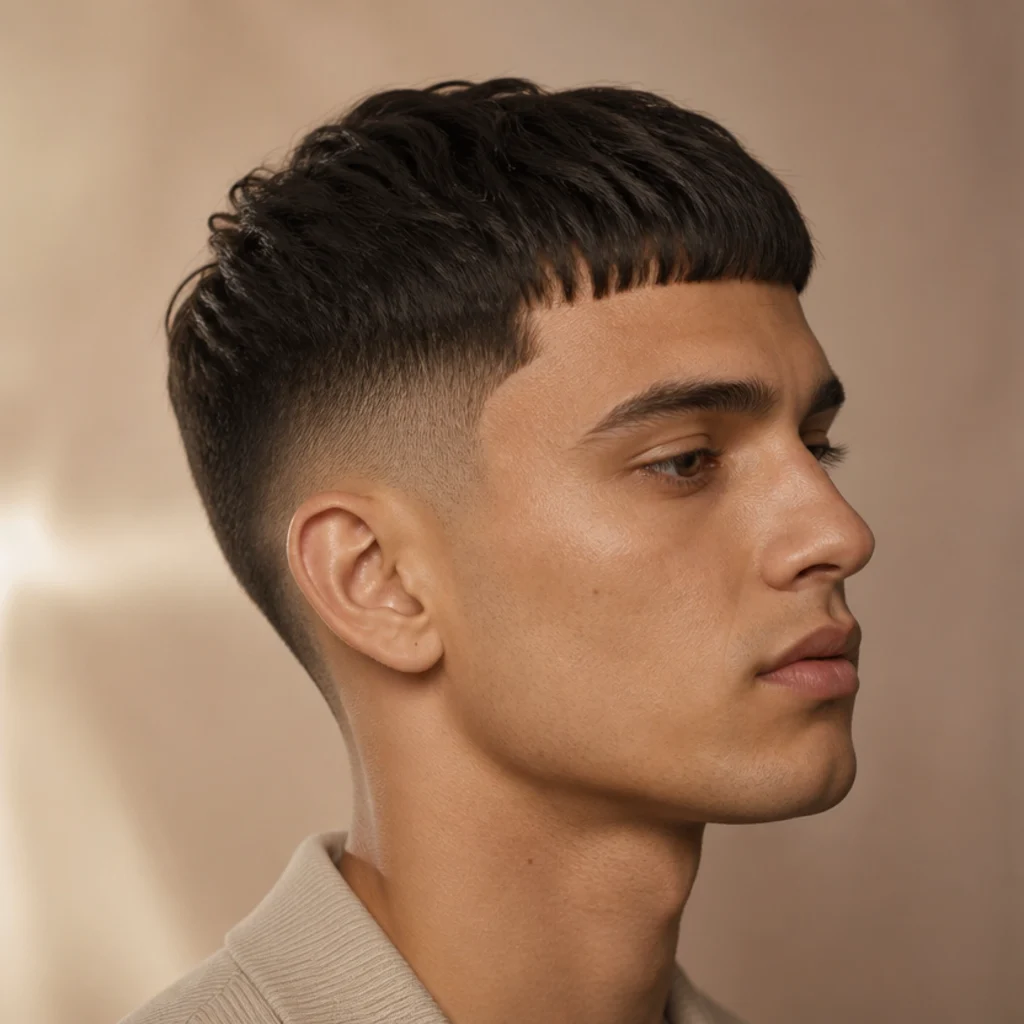
Quick Answer
- Best for: Straight to wavy hair on oval, square, or diamond faces; adaptable to coily and curly textures when the fringe is cut dry for shrinkage.
- Who might skip it: High foreheads that a blunt front line shortens too aggressively, and anyone who cannot commit to a trim every 2-3 weeks.
- Maintenance: Medium to high. The blunt fringe is the first thing to grow into your eyeline, so it drives the whole upkeep schedule.
- Difficulty: Barber-dependent, not client-dependent. The fringe line and the fade-to-fringe transition are where skill shows.
- Cost: Typically a standard men's cut price in your area, plus a shape-up (often free or a small fee) every few weeks; budget for roughly twice the visit frequency of a grown-out style.
- Wear time / longevity: Looks its crispest for 7-14 days; a taper stays presentable a few days longer than a high fade as it blurs.
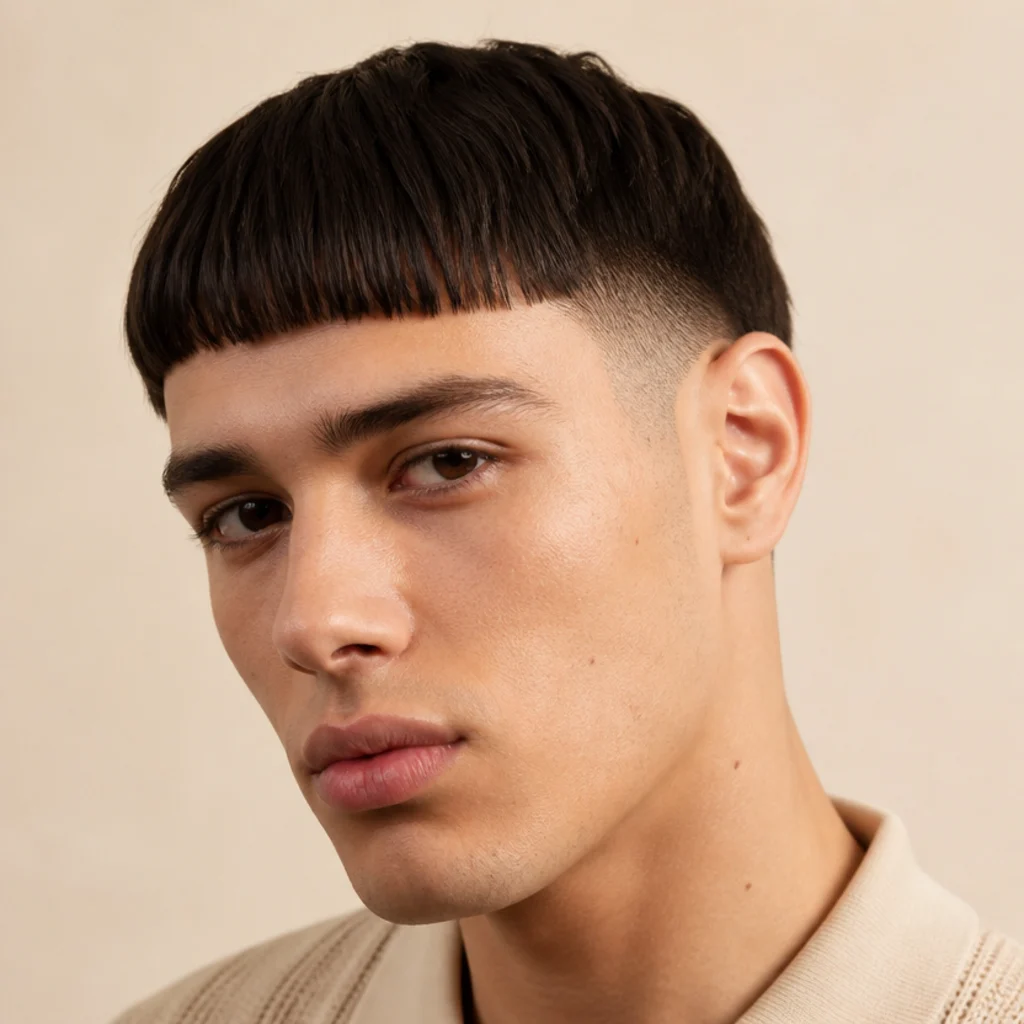
- Standout variation: The edgar cut taper fade, which keeps soft weight around the ears while the blunt front stays razor-blocked.
- How to ask your barber: "Blunt edgar fringe set just below my hairline, level and squared to my face, with a [low/mid] fade or taper, and leave the top long enough to style."
In This Guide
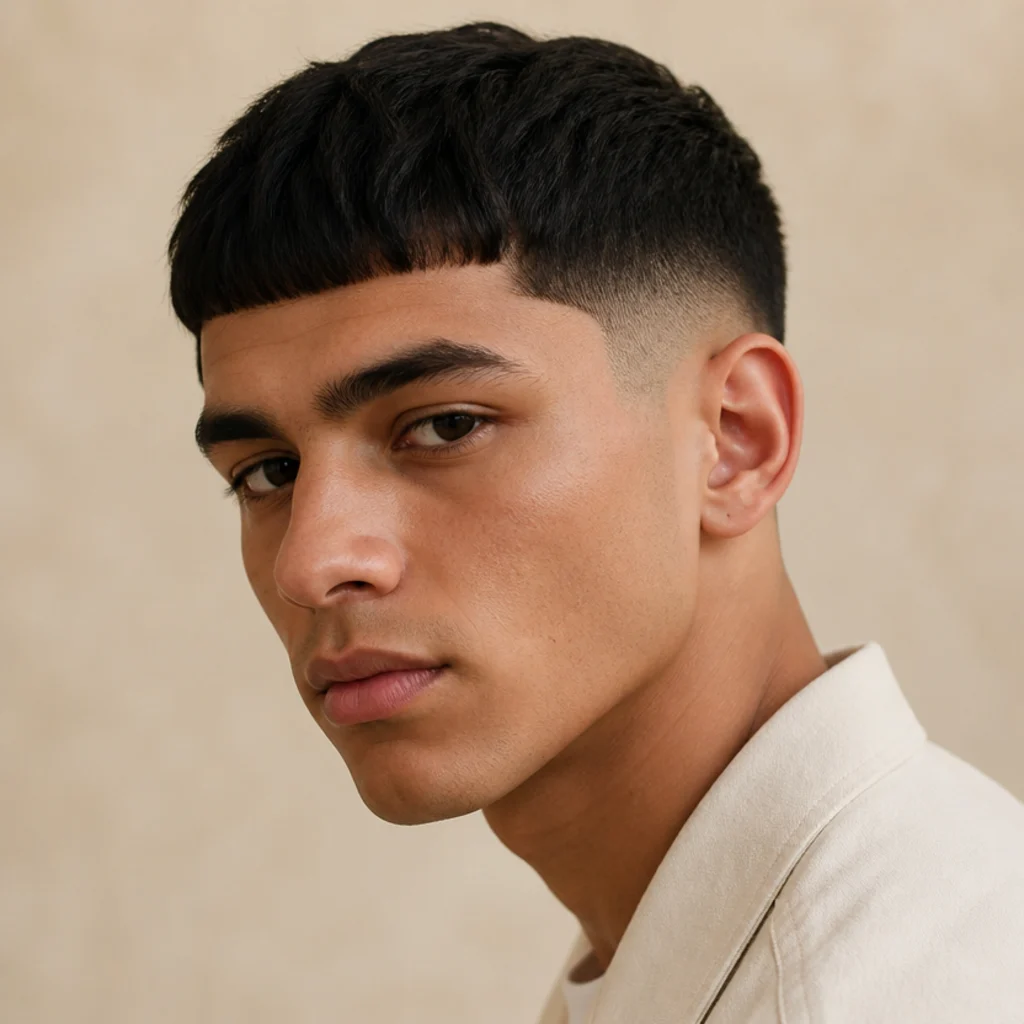
The edgar is defined by one bold move: a straight, blunt fringe cut high on the forehead, paired with faded or tapered sides. It descends from the Mexican-American "takuache" and quiff-adjacent crops, and on edgar cut straight hair that front line reads razor-clean, which is why every millimeter matters. Done right, the cut looks intentional and low-effort at once, and the hard horizontal line flatters strong jawlines and angular faces. Done wrong, the fringe fights the hairline, the fade lands in the wrong spot, or the length up top grows into a shapeless block. Almost every one of those failures traces back to a decision made in the chair, not the style itself, and that's good news: the fixes are all in your control. Clearer communication, the right reference photos, and a maintenance plan agreed on before you stand up will get you there. Below are the five most common edgar cut mistakes, why each one happens, and how to steer your barber away from it so the cut looks right on day one instead of collapsing within a week.
01Letting the Fringe Sit Too Low
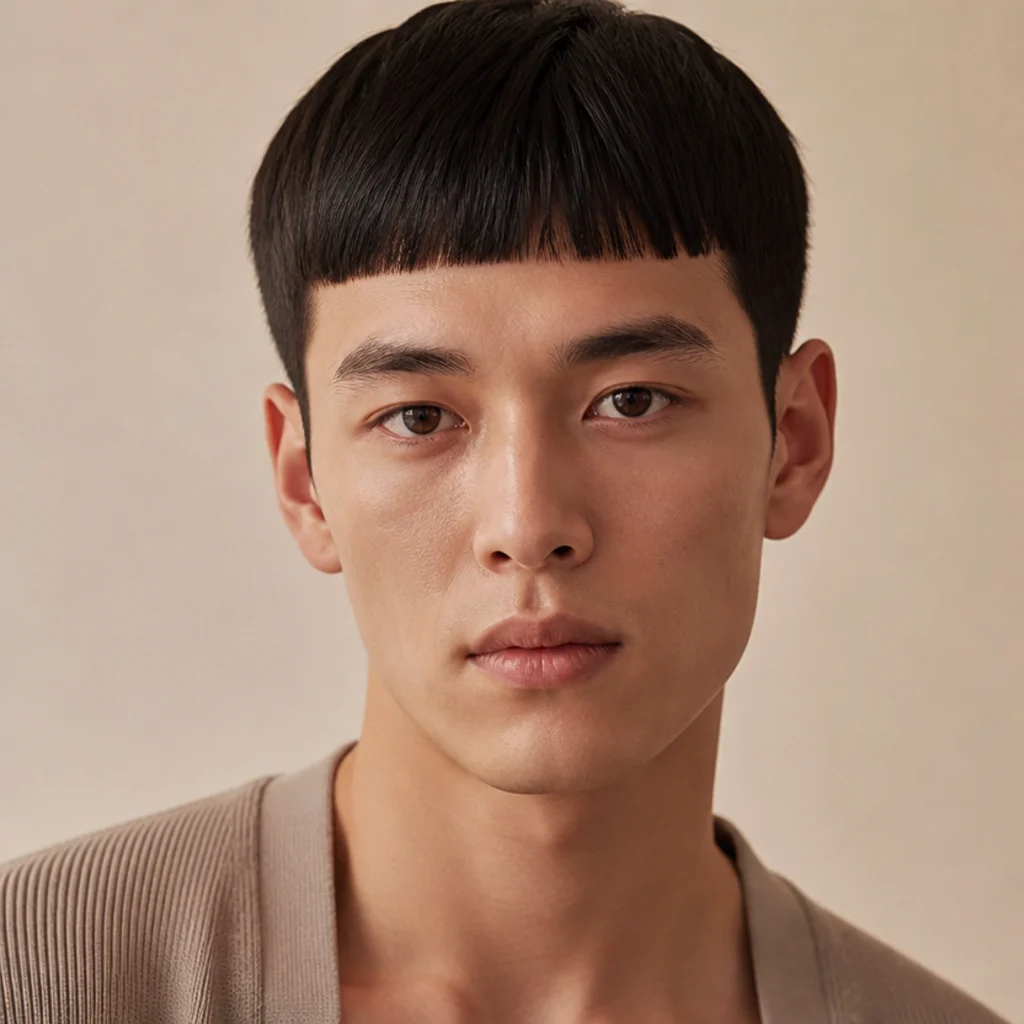
The blunt front line is the signature of the edgar, and its vertical placement decides everything. The most common mistake is letting the fringe drop too low, crowding the eyebrows and compressing the forehead so the cut reads heavy and helmet-like instead of sharp. On edgar cut straight hair the line shows with zero forgiveness, so even a few millimeters of drop flattens the whole face. Ask your barber to set the fringe just below the natural hairline, leaving a visible sliver of forehead, and to block it level and squared to your face rather than following your hairline's natural curve. This suits oval, square, and diamond shapes especially well, since the horizontal line balances a longer face and sharpens a soft one. If you have a widow's peak, an uneven hairline, or a cowlick at the front, name it before the first pass so the barber squares the line around it. Expect the fringe to feel too long within 10-14 days as it grows into your brow line. Pro tip: stand up and check the fringe with your chin level and eyes forward, not tilted down toward the mirror, because a dropped chin hides how low the line actually sits. Ask your barber to dry-check the line at your resting head position before finishing.
02Choosing the Wrong Fade Height
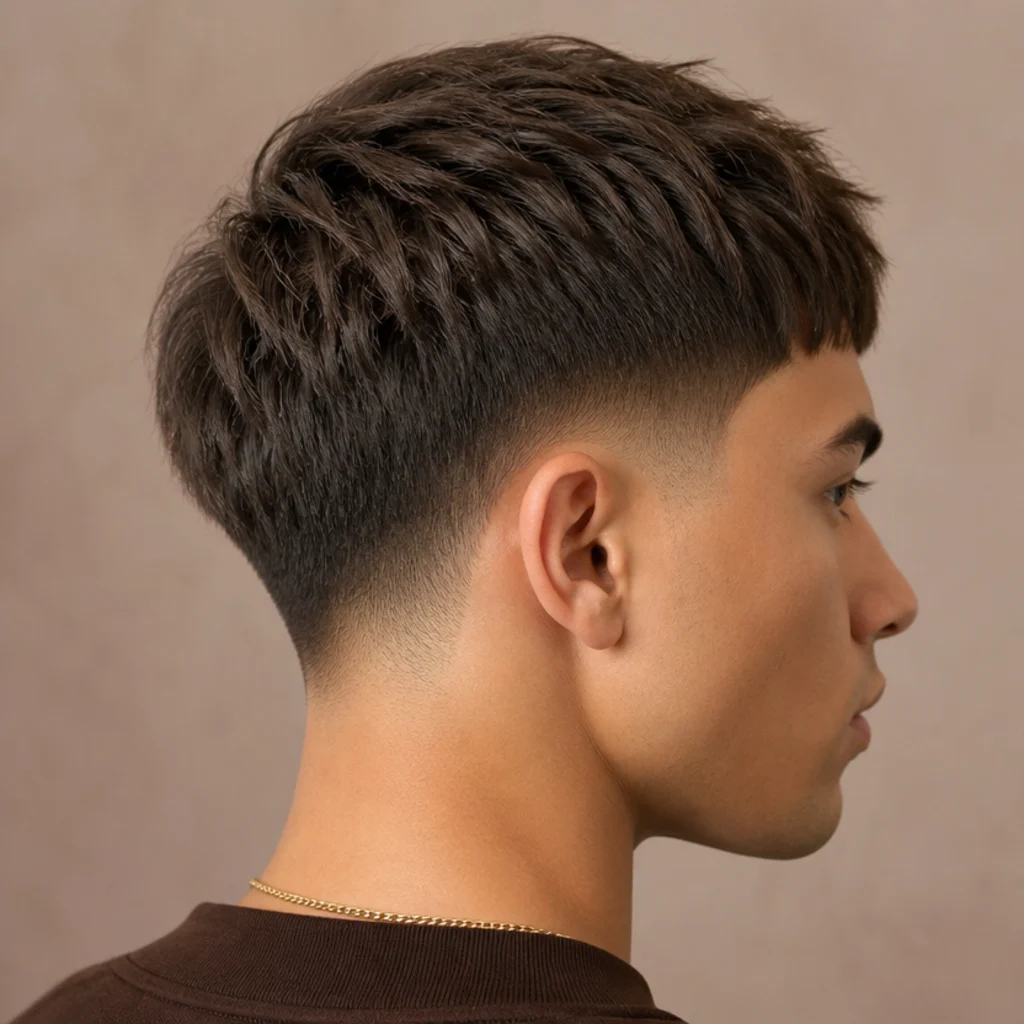
Fade height resets the whole balance of the cut, and guessing at it is the second big mistake. Taken too high toward the temple, the sides look bare and the top floats disconnected from the fringe; dropped too low, the contrast the edgar depends on goes muddy. Match the height to your face: a mid fade suits square and oval shapes and delivers bold, graphic contrast, while an edgar cut taper fade keeps weight near the ears and softens rounder or wider faces without shrinking them. A low fade is the safe middle ground for a first edgar and grows out most forgivingly. Vocabulary is your leverage here, so name the fade type out loud, low, mid, high, or taper, and point to the exact spot on a reference photo where the shortest part should land. Pro tip: ask specifically for the fade to break above the temple, never through it, so the corners of the fringe stay dense and the front never looks like it's receding. Expect the guard line to soften noticeably by week two, sooner on a high fade. Confirm with your barber where the fade "breaks" and what guard it starts on before the clippers touch your sides.
| Fade type | Best face shapes | Contrast | Grow-out grace |
|---|---|---|---|
| Low fade | Most shapes, first-timers | Moderate | Good |
| Mid fade | Square, oval | Bold | Moderate |
| High fade | Angular, defined jaw | Sharpest | Shortest |
| Taper | Round, heart, wider faces | Soft | Best |
03Ignoring Your Hair Texture
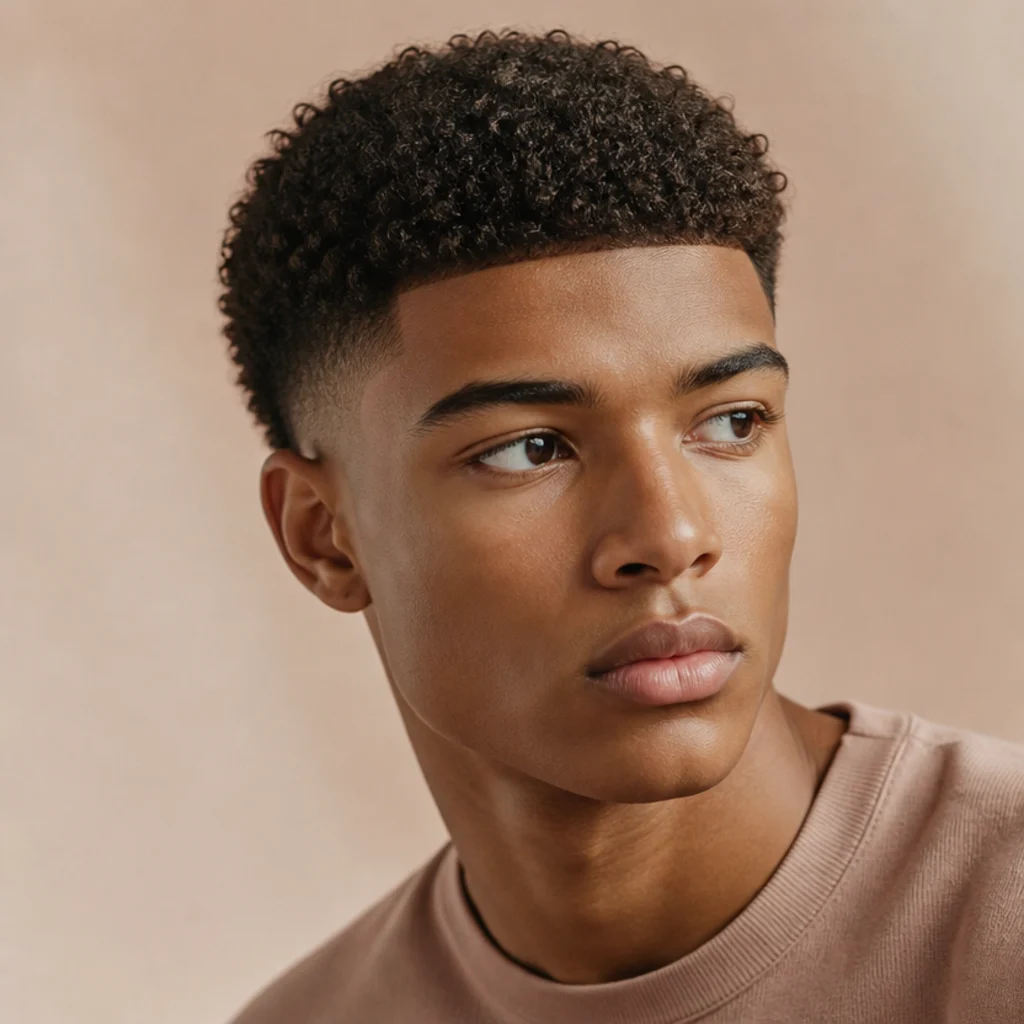
The edgar was built for straight and wavy hair, so texture is the detail people skip most, and skipping it ruins the cut fastest. A curly edgar cut has to be cut with shrinkage in mind: hair that measures perfect when wet springs up noticeably shorter once it dries, so a curly fringe should be shaped dry or cut deliberately long to compensate. Straight hair has the opposite problem: it needs a blunt, dense line or the front looks wispy and thin. If your hair is thick or coarse, ask for light internal thinning or point-cutting behind the fringe so it lies flat instead of standing up. If it's fine, resist over-thinning — it leaves the signature line looking sparse and see-through. Wavy hair usually reads best with the fringe left a touch heavier so the line holds through the day. Pro tip: describe how your hair behaves as it grows, whether it cowlicks, splits, or flips at the front, along with your texture, so the cut is planned around your head and not the reference photo. If your fringe is curly or coily, have your barber cut it dry, in its natural state, so what you see in the chair is what you get at home.
04Going Too Short on Top
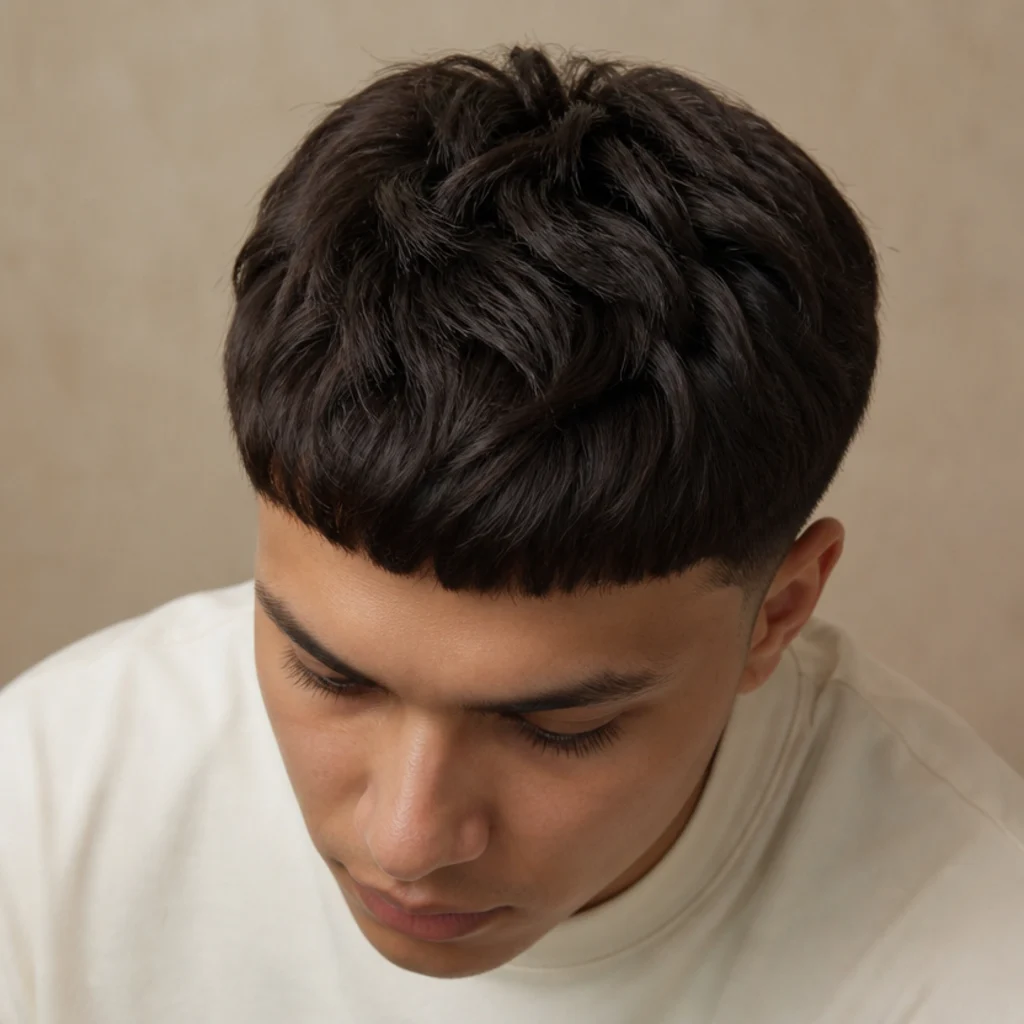
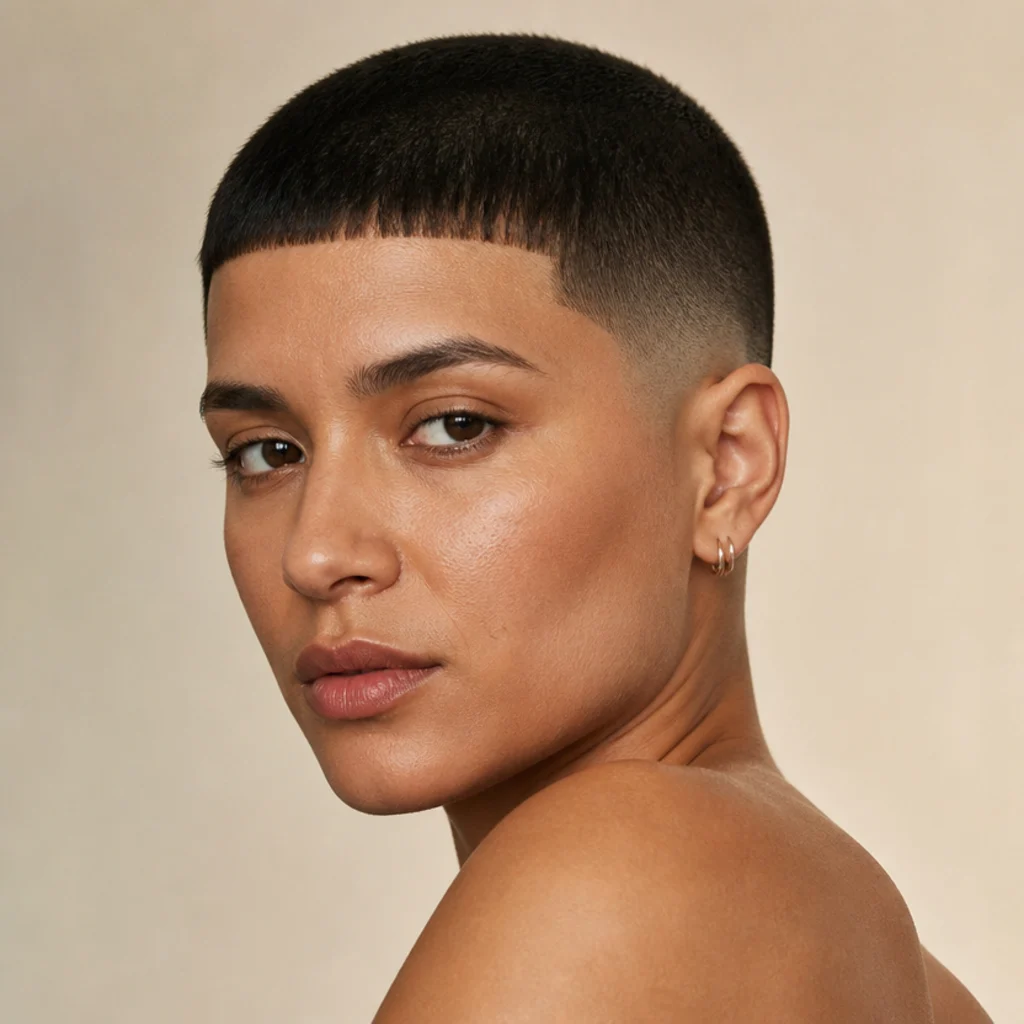
There is a real difference between an edgar with styleable length and an edgar buzz cut, and conflating them is the mistake people regret longest, because you cannot undo it until the hair grows back. Ask vaguely for "short" and some barbers take the top down so far that the fringe loses its blunt weight and the whole thing reads like a plain crop. For the classic silhouette, keep genuine length on top, usually an inch or more, so the front stays dense and the crown holds body you can push forward. An edgar buzz cut is a legitimate, low-effort choice, but it should be a deliberate decision made before the clippers move, not something you discover after the fact. Confirm the guard number or inch length on top out loud, and always err longer, since a barber can remove more in seconds but cannot add it back. Pro tip: if you're unsure, ask for the top left "scissor length, styleable" rather than a clipper guard, which keeps texture and the option to go shorter next visit. Tell your barber to leave enough weight up front that the fringe still blocks squarely once your first wash knocks the styling out.
05Skipping the Shape-Up Schedule
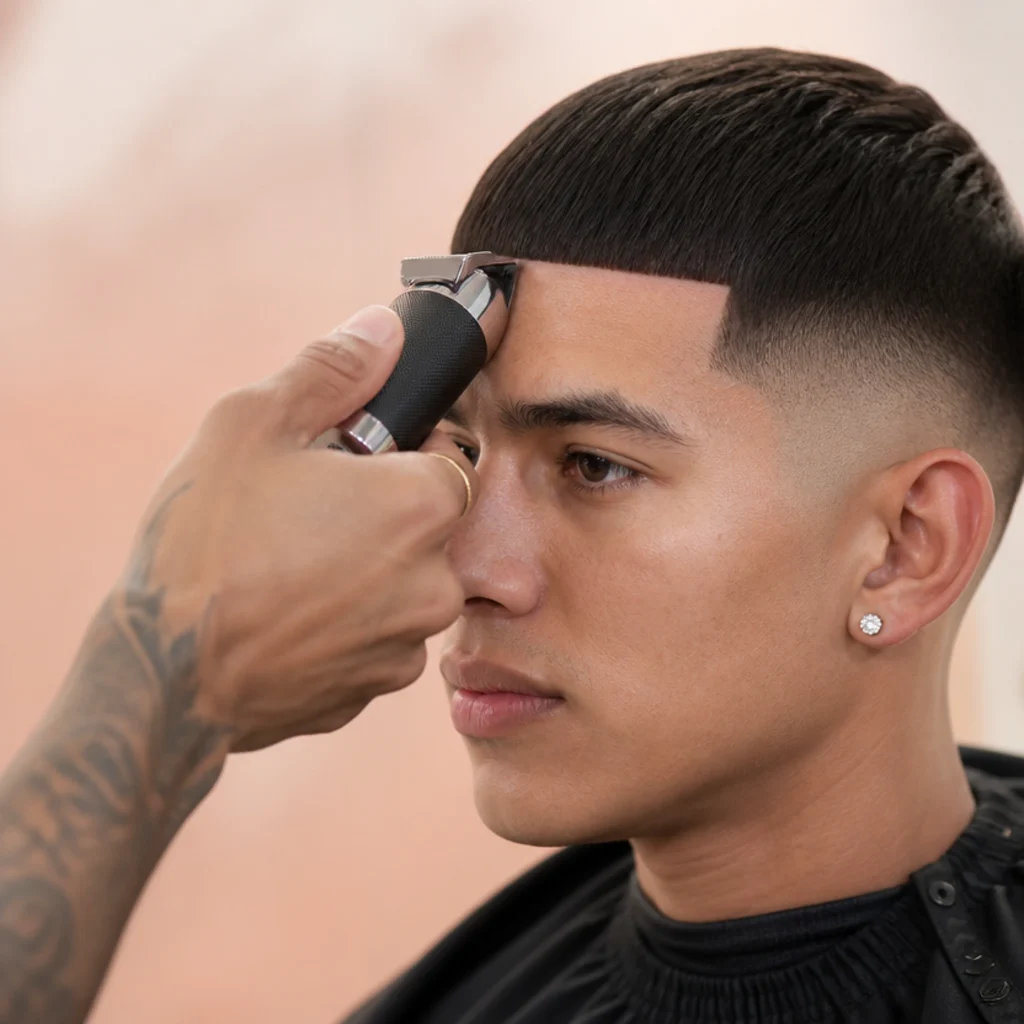
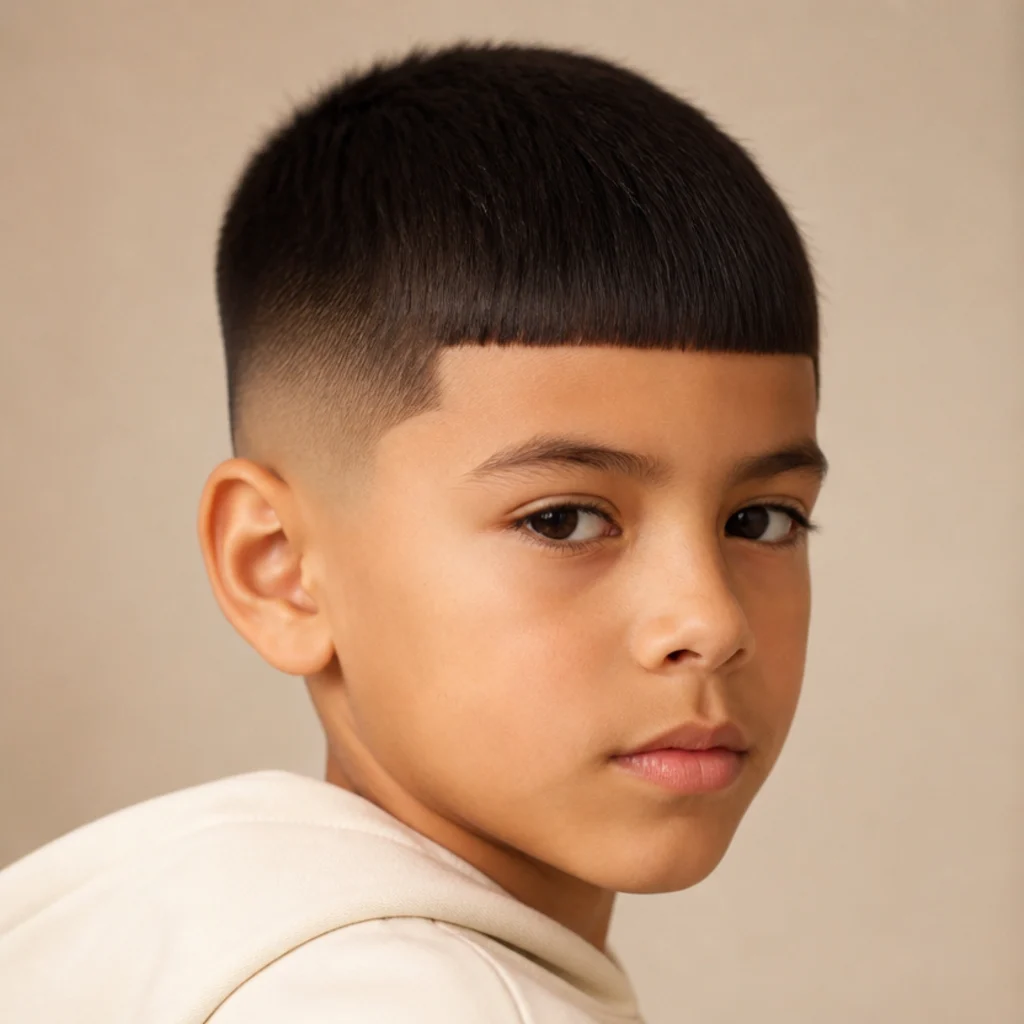
An edgar looks its best only when the lines are fresh, so treating it as a cut-and-forget style is the mistake that quietly undoes all the others. The blunt fringe grows straight into your eyeline and the fade softens within roughly two weeks, faster on fast-growing hair and on many edgar cut boys who need frequent tidying. Book a shape-up every two to three weeks to reset the front line and clean the sides without paying for or sitting through a full haircut; most barbers offer these quickly and cheaply between full services. Between visits, dry-style the fringe forward, skip heavy daily washing that flattens the shape, and use a light matte product rather than a heavy pomade that weighs the front down. Pro tip: if a rigid trim schedule isn't realistic for you, choose a taper over a high fade from the start, because a taper blurs gracefully as it grows and buys you an extra week or so of presentable wear. For edgar cut boys on a school schedule, a low taper is the most grow-out-friendly choice. Check whether your barber offers a quick fringe-and-perimeter shape-up between full cuts, and lock in that rhythm before you leave.
Save this to Pinterest to keep your shape-up schedule handy.
Pro Tips from the Editor
- Photograph the fringe from your resting head position, chin level and eyes forward, not looking down into the mirror. A tilted chin hides how low the line truly sits and is the number-one reason a fringe looks lower at home than it did in the chair.
- Bring two references, not one: a front-on shot for the fringe line and shape, and a side shot for the fade height. Barbers cut what they can see, and one photo rarely shows both clearly.
- Say the fade type by name and point to the break. "Mid fade breaking above the temple" removes more guesswork than any amount of "short on the sides."
- Have curly and coily fringes cut dry. Wet-cutting a textured fringe all but guarantees it springs up shorter than intended once it dries.
- Default to longer on top. Length is a resource, not a commitment. You can always return in a week and take more off; you can't glue it back.
- Match your product to the finish, not the trend. A light matte paste or sea-salt spray holds the blunt front without the greasy weight that a shine pomade adds.
- Pre-book the shape-up before you leave the shop. The visit you schedule is the one that actually happens, and the edgar rewards the client who keeps the lines fresh.
How to Choose / Get the Look
Work from the outside in: face shape first, then hair type, then the fine details. Oval and square faces carry the blunt fringe most easily and can handle a mid or high fade for bold contrast. Rounder and wider faces look best with a taper and a slightly higher, level fringe that adds vertical length rather than compressing it. Diamond and heart shapes suit a softer front line that isn't cut dead straight, so the look doesn't read top-heavy. On texture, straight and wavy hair delivers the crispest classic edgar, while a curly edgar cut trades the razor line for defined texture and needs a barber comfortable cutting curls dry. Decide the length up top before anything else, since that single choice separates a styleable edgar from an edgar buzz cut. Then bring your two reference photos, name the fade type, and state the top length in guard numbers or inches so nothing is left to interpretation. Flag hairline quirks, a widow's peak, a cowlick, an uneven temple, before the first pass. If you're booking for edgar cut boys, lean toward a low taper so the grow-out stays neat between school-week trims. Finally, agree on a shape-up rhythm and, ideally, book the next appointment before you stand up, so the cut stays as sharp as the day you got it.
Frequently Asked Questions
Is the edgar cut better on straight or curly hair?
Both work, but they read differently. Edgar cut straight hair produces the sharpest, most graphic blunt fringe and the cleanest line, which is the classic look most references show. A curly edgar cut trades that razor edge for defined texture and needs a barber who cuts the fringe dry to account for shrinkage, so the length you see in the chair matches what you get once it dries.
What is the difference between an edgar and an edgar buzz cut?
A classic edgar keeps styleable length on top, usually an inch or more, behind a dense blunt fringe you can push forward. An edgar buzz cut takes the top down to a short uniform guard, so the fringe loses its weight and the whole silhouette flattens. The buzz is lower maintenance and a legitimate choice, but it's a distinctly shorter, less styleable look, so decide on it deliberately.
How high should the fade be on an edgar?
It depends on your face shape and how much contrast you want. A mid fade suits square and oval faces and gives bold, graphic separation, while an edgar cut taper fade keeps weight near the ears, flatters rounder and wider faces, and grows out more gracefully. A low fade is the most forgiving starting point and the easiest to live with between shape-ups.
How often does an edgar cut need a shape-up?
Every two to three weeks keeps the fringe line and fade crisp. Fast-growing hair, including many edgar cut boys' styles, may need tidying closer to the two-week mark. A taper fade buys a little more time between visits than a high fade because it blurs more gracefully, so pick your fade partly around how often you can realistically get to the chair.
Will an edgar cut suit my face shape?
Oval and square faces wear it most easily. Rounder and wider faces benefit from a taper and a higher, level fringe that adds length, while heart and diamond shapes look best with a softer, less blunt front line. Very high foreheads are the main exception, since a hard horizontal line can shorten the face too aggressively; a slightly textured or feathered front softens that.
How do I style an edgar cut day to day?
Keep it simple. Dry the fringe pushed forward, then work a small amount of light matte product, a paste, clay, or sea-salt spray, through the front to hold the blunt shape without weight. Avoid heavy shine pomades, which drag the fringe down, and skip daily heavy washing, which flattens the crown. On straight hair the shape holds with almost no product; textured hair may want a touch more definition.
What should I tell my barber to get the edgar right the first time?
Lead with the fringe: "blunt edgar fringe set just below my hairline, level and squared to my face." Then name the fade by type and where it breaks, state the top length in a guard number or inches, and flag any hairline quirks like a widow's peak or cowlick. Bring a front reference for the fringe and a side reference for the fade, and ask for the line to be dry-checked at your resting head position before finishing.
Is the edgar cut a good choice for boys and teens?
Yes, with the low-maintenance version. A low taper and a fringe left slightly longer grows out neatly and forgives the frequent activity and fast growth typical of edgar cut boys. Avoid a high fade and an ultra-short top for younger wearers, since that combination needs the tightest trim schedule to keep looking intentional.
Can I switch from an edgar to another style easily?
An edgar grows out into a crop or textured fringe without an awkward stage, especially if you chose a taper. The blunt front softens into a natural fringe, and the tapered sides catch up quickly. A high fade takes longer to blend back in, so if you suspect you'll change your mind, start with a taper for the smoothest transition.