3 Things to Know Before Getting an Edgar Cut
The edgar cut looks deceptively simple, but that blunt fringe and razor-clean perimeter make real demands on your hair texture, your shape-up schedule, and your barber's freehand precision. Weigh these three honest factors before you book, and you'll walk in knowing exactly what to ask for.
 Edited by Lena Rose · Published July 11, 2026 · 13 min read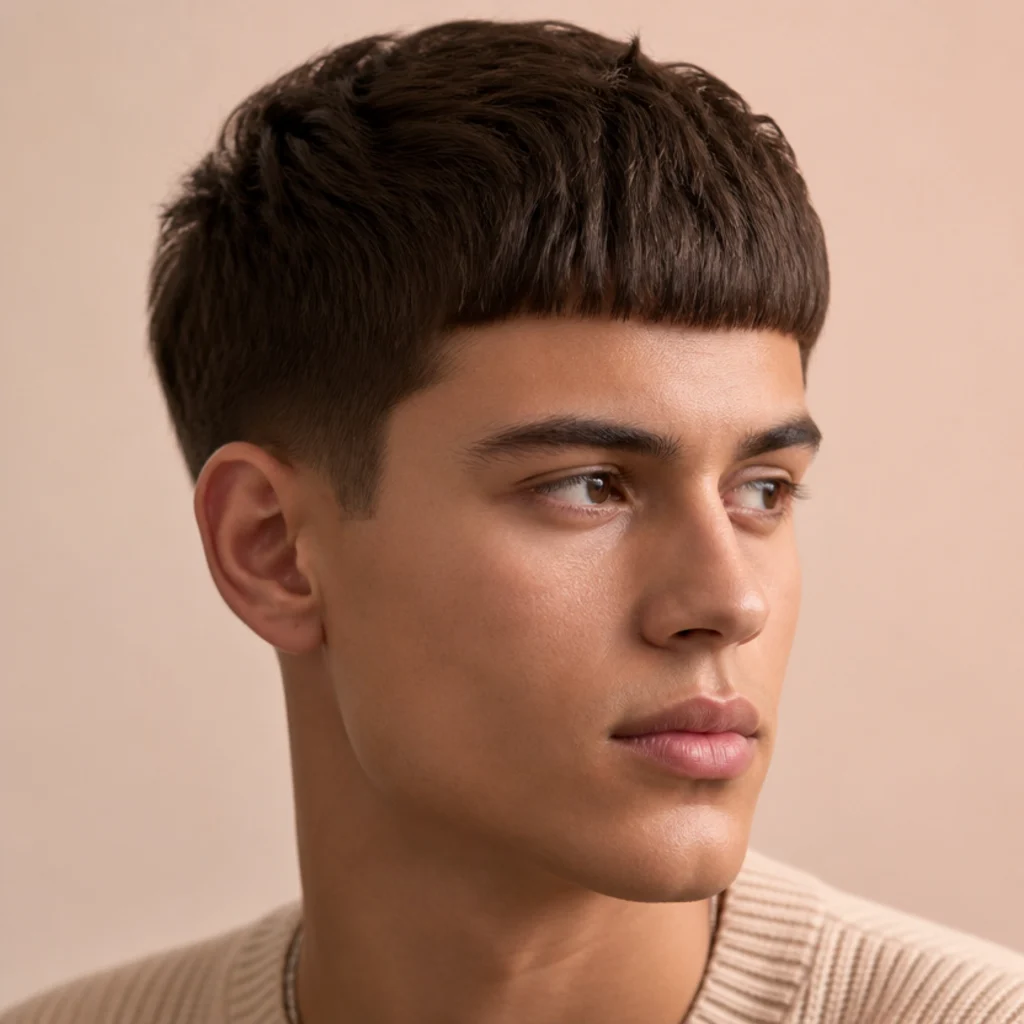
Quick Answer
- Best for: Straight to slightly wavy hair with medium-to-dense growth, and oval or oblong face shapes that can carry a strong horizontal fringe line.
- Who might skip it: Very fine or thinning hairlines (the blunt edge exposes gaps), high or uneven cowlicks at the front, and anyone who can't commit to a barber visit every couple of weeks.
- Maintenance: Moderate to high. The blunt line and faded sides soften fast and want a shape-up every 2-3 weeks.
- Difficulty: Low to style at home once cut; high in the chair, since the fringe is cut freehand and the fade has to blend cleanly.
- Cost: Variable. Expect a standard barber cut price for the first appointment, with shape-ups often billed as a lower-cost line-up or edge-up in between.
- Wear time / longevity: Looks its sharpest for roughly 10-14 days before the perimeter blurs and the fade grows fuzzy.
- Standout variation: The edgar cut taper fade, which keeps the fringe bold while blending the sides into a soft, grown-out-friendly gradient.
- How to ask your barber: Ask for "an edgar with a blunt fringe set at [brow / mid-forehead] height and a [taper / mid / skin] fade on the sides," and bring a reference photo for the fringe line.
In This Guide
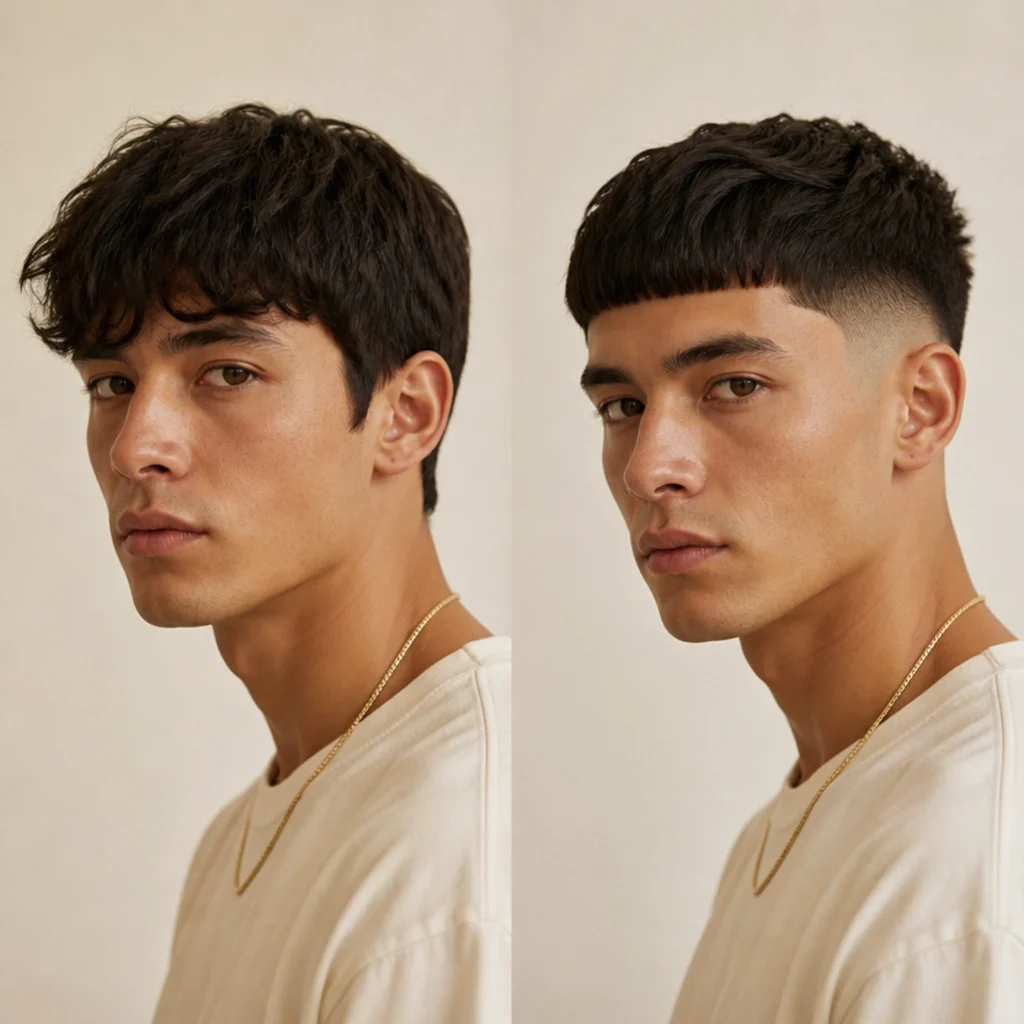
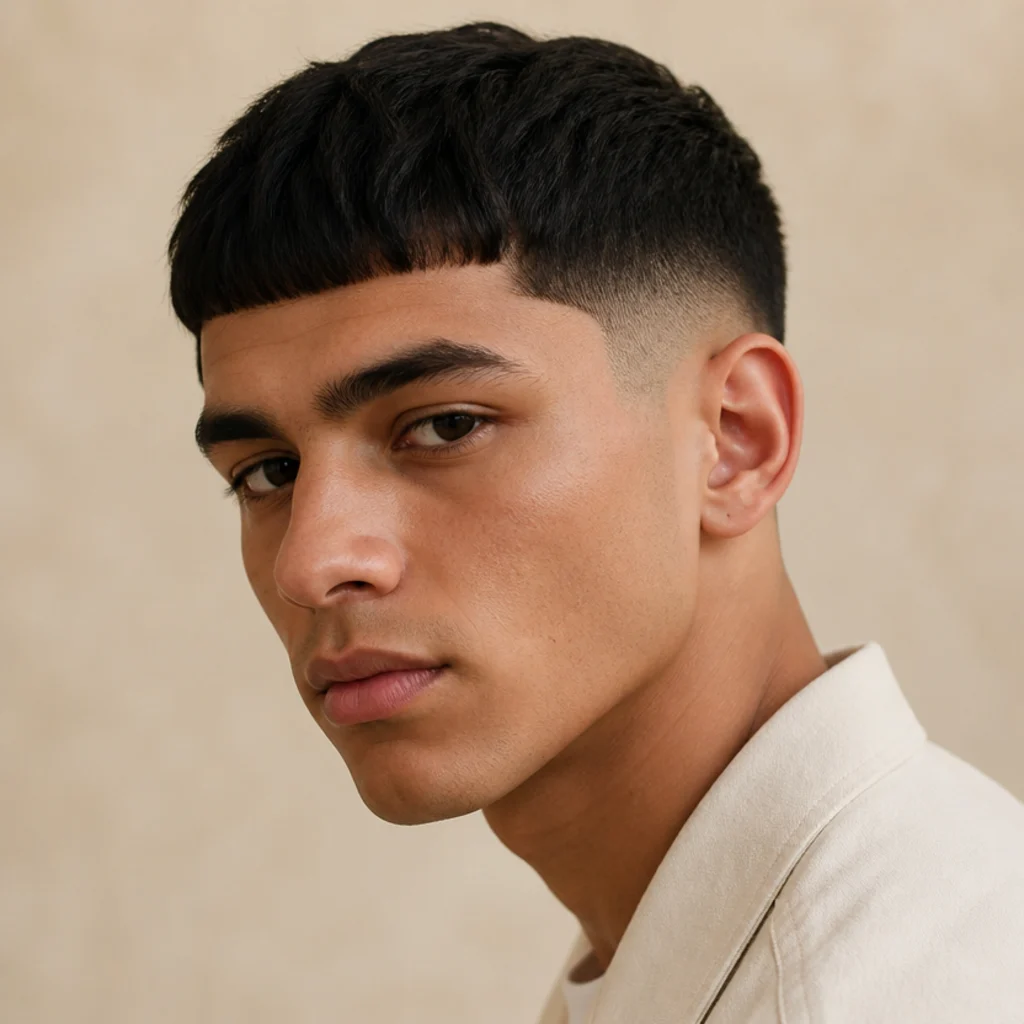
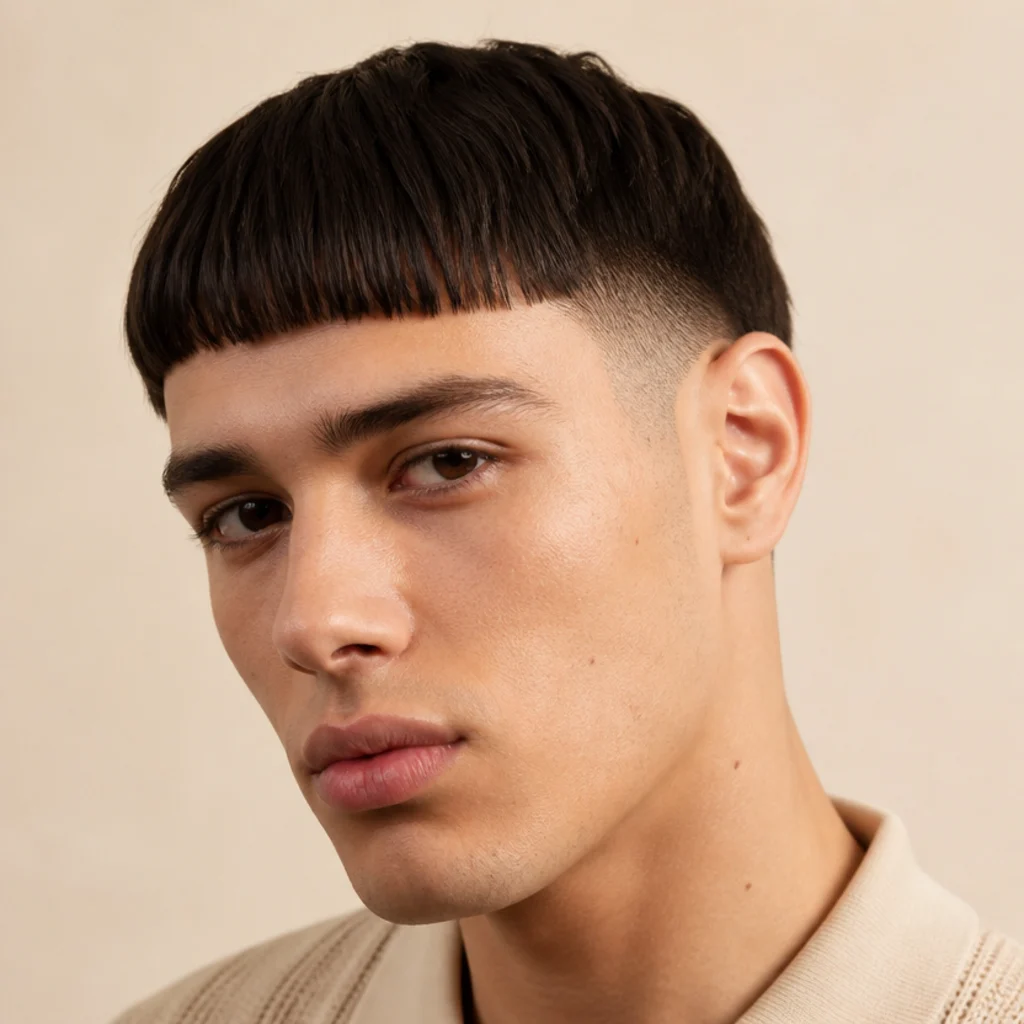
The edgar cut, sometimes called the Takuache, pairs short faded or tapered sides with a heavy, blunt fringe cut in a nearly straight line across the forehead. It reads clean, modern, and low-effort, which is why it's become a barbershop staple from school hallways to office desks. But the look is far more texture-dependent than the photos suggest: an edgar cut straight hair version behaves nothing like a curly one, and the shape that seems so effortless online is the product of frequent upkeep and fringe placement dialed in for your specific face. Get the texture and the line right and it flatters almost anyone; get them wrong and it can read boxy or unbalanced. This guide skips the hype and walks through three practical things to weigh before you commit, from how your strands hold a blunt edge to how often you'll realistically be back in the chair. By the end, you'll know whether the look suits your texture, your schedule, and your features, and you'll be able to ask for it in words a barber actually responds to.
01Your Hair Texture Decides How It Falls
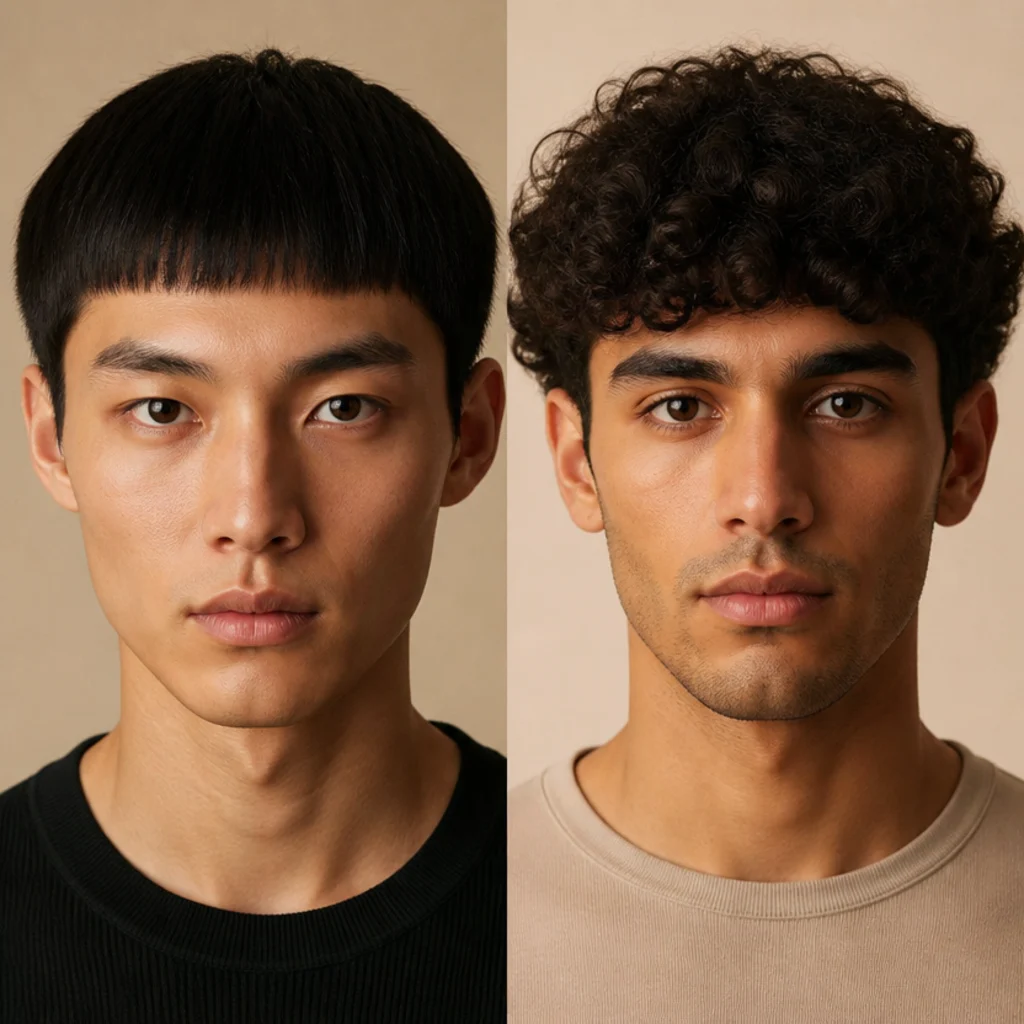
Texture is the single biggest variable, and it sets your ceiling before the clippers ever start. An edgar cut straight hair look delivers the crisp, ruler-straight fringe the style is famous for, because straight strands lie flat and hold a blunt edge cleanly. If your hair is fine or sparse at the front, ask your barber to point-cut or lightly texturize the fringe so it doesn't read heavy, helmet-like, or gappy where the scalp shows through. A curly edgar cut is doable, but the fringe becomes a soft, textured band rather than a sharp line, and because curls shrink 20 to 40 percent as they dry, the front is left noticeably longer to compensate. Wavy and coarse hair land in between and usually need a short blow-dry with a flat brush to sit down. Cowlicks at the hairline are the classic saboteur here: a strong swirl can lift one corner of the fringe no matter how it's cut. Pro tip: wash and air-dry your hair the night before, then arrive with it in its natural state so your barber can see how it actually falls. Ask your barber to cut the fringe on dry hair rather than wet — it's the only way to judge the true blunt line on your texture.
02The Upkeep Is Real: Plan for Shape-Ups
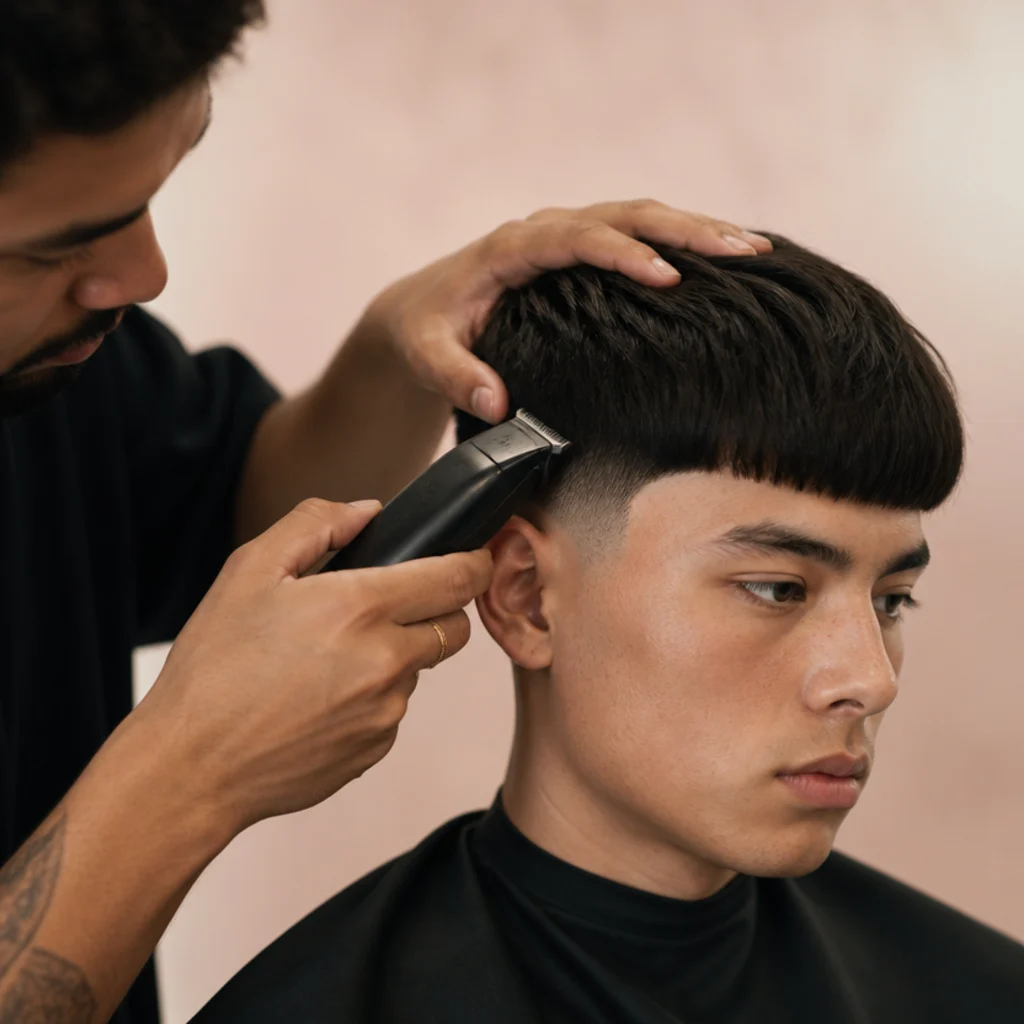
The edgar cut lives and dies by its perimeter, and that line won't hold on its own. Because the fringe is bluntly cut and the sides are faded close, even three or four days of growth softens the edge and blurs the fade guard lines. Most people need a shape-up every two to three weeks to keep the look intentional, which is meaningfully more often than a grown-out crop or a classic scissor taper. The tighter your fade, the faster it betrays growth: a skin or bald fade shows stubble within days, a mid or taper fade buys you closer to two weeks, and an edgar buzz cut on the sides is uniform enough to hide regrowth longest. Build those visits into both your calendar and your budget before you commit. Between appointments, a pea-sized amount of matte paste or a light pomade keeps the fringe sitting flat and defined, and a boar-bristle brush helps train the front to fall forward. Pro tip: book your next shape-up before you leave the chair so the perimeter never fully grows out. A quick line-up alone is often faster and cheaper than a full re-fade, so ask your barber whether it can hold you over between visits.
03Face Shape and Fringe Placement Make or Break It
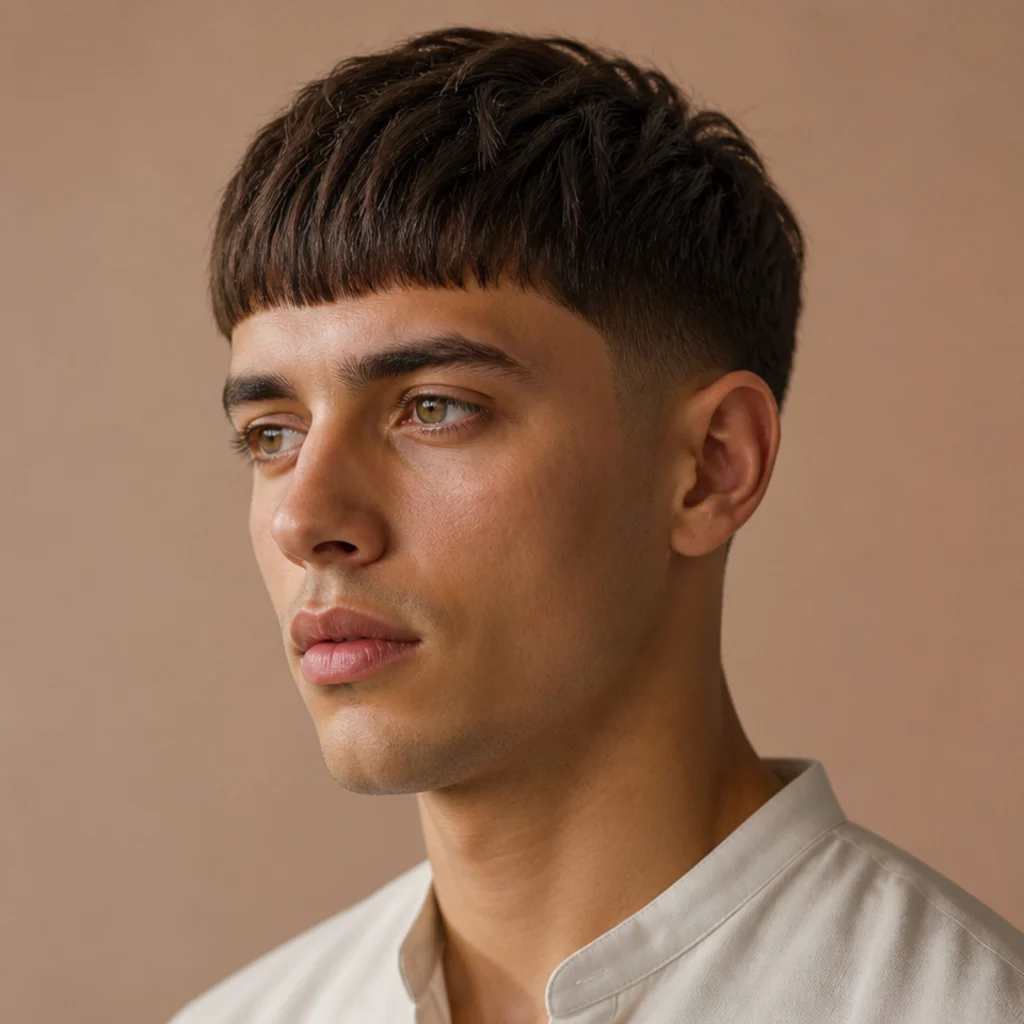
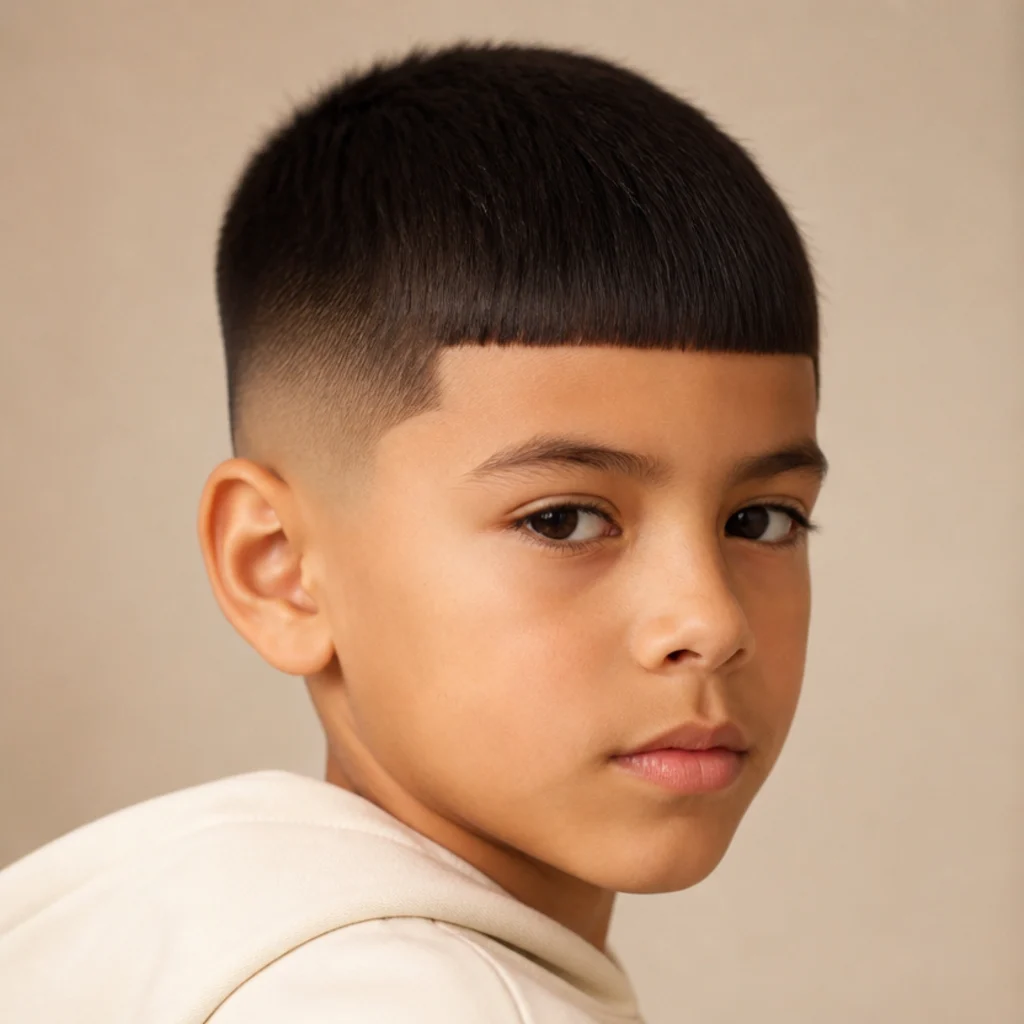
The blunt fringe draws a strong horizontal line across the forehead, so where that line lands changes the whole read of your face. Oval and oblong faces carry it most easily, because the horizontal weight visually shortens a longer face. Rounder and wider faces can wear it too, but a slightly higher line, a hint of angle at the temples, or a touch of texture through the front keeps the shape from adding width. Square jaws pair well with the graphic edge; heart shapes usually want a softer, lightly feathered fringe so the top doesn't overpower a narrower chin. The height of the line is a real styling decision: a low fringe near the brows feels bold, moody, and streetwear-leaning, while a mid-forehead placement reads softer and holds up better in professional and school settings. That higher, cleaner line is the version parents ask about most for an edgar cut boys look, since it grows out far more gracefully between trims. Pro tip: dampen your hairline and hold a comb horizontally at two or three heights in the mirror before your appointment to preview the line. It's easy to trim more off later but impossible to add it back, so ask your barber to cut the fringe conservatively high on the first visit.
Save this to Pinterest to compare fringe heights before you book.
Pro Tips from the Editor
- Match the fade to your maintenance appetite. A taper or mid fade forgives a skipped week; a skin fade demands the full two-to-three-week rhythm or it looks unkempt fast.
- Bring two reference photos, not one. Show your barber the fringe line you want and the fade height separately, since a single image rarely nails both and the two are cut by different steps.
- Skip conditioner on the fringe on styling days. Softened, slippery strands won't hold a blunt forward shape; a clarifying wash or dry, freshly-brushed hair gives the crispest line.
- Use matte, not shine. A matte paste or clay keeps the fringe looking dense and intentional, while a wet-look pomade can separate the front into thin strands that expose the scalp.
- Point out cowlicks before the cut, not after. If you have a swirl at the front hairline, flag it so your barber can leave a fraction more length there to weigh it down.
- Grow it deliberately if you are unsure. Ask for a slightly longer, softer edgar on the first visit so you can decide how bold you want the line before committing to a hard blunt edge.
- Photograph your best result. Once a shape-up looks right, snap a side and front photo so any barber can recreate the exact fringe height and fade guard next time.
Here is how the most common variations compare at a glance:
| Variation | Best texture | Shape-up cadence | Grows out | Vibe |
|---|---|---|---|---|
| Edgar cut straight hair | Straight, medium density | 2-3 weeks | Cleanly | Sharp, graphic |
| Curly edgar cut | Curly, coily | 3-4 weeks | Softly | Textured, relaxed |
| Edgar cut taper fade | Straight to wavy | 2-3 weeks | Gracefully | Versatile, polished |
| Edgar buzz cut sides | Any, denser preferred | 2-3 weeks | Uniformly | Bold, low-effort |
| Edgar cut boys | Straight to wavy | 3-4 weeks | Gracefully | Clean, wearable |
How to Choose / Get the Look
Start by naming your texture and face shape honestly — those two facts steer every other decision in this guide. Step one, set the fringe: for an edgar cut straight hair result, ask for a blunt fringe with a clean line and specify the height you want it to sit, using your brow and mid-forehead as landmarks; if your hair is fine, request light point-cutting so the front doesn't look heavy. If your hair is curly, ask for a curly edgar cut left long enough to absorb shrinkage, and have the front texturized rather than blunt-cut. Step two, choose the sides: a taper fade stays soft and versatile, a mid or skin fade goes bolder and cleaner but shows growth fastest, an edgar buzz cut trades length for low fuss, and a scissor taper grows out the most gracefully. Step three, match it to your calendar: if you can't realistically get in every two to three weeks, ask for a softer, slightly grown-in version and a more forgiving taper. Step four, confirm styling: most edgar cuts need only a pea-sized amount of matte paste and a quick comb-forward, so ask your barber to show you the exact motion before you leave. When in doubt, go conservative on the first cut and sharpen it at your next visit.
Frequently Asked Questions
Does an edgar cut work on straight hair?
Yes, and it's arguably the texture the cut was designed around. An edgar cut straight hair look gives the crispest, most defined blunt fringe, because flat strands hold a clean edge. Fine or sparse hair may need light point-cutting so the front doesn't look heavy or expose the scalp along the line.
Can you get an edgar cut with curly hair?
You can. A curly edgar cut trades the ruler-straight line for a soft, textured fringe. Because curls shrink as much as 20 to 40 percent when they dry, the front is left noticeably longer than on straight hair, and the barber texturizes rather than blunt-cuts the fringe so it springs up into a balanced shape.
How often does an edgar cut need a shape-up?
Every two to three weeks for most people. The blunt fringe and faded sides lose their crisp edges within days, so regular shape-ups are what keep the style looking intentional rather than grown-out. A skin fade needs the tighter end of that range, while a taper or an edgar buzz cut can often stretch closer to three or four weeks.
What is an edgar cut taper fade?
It pairs the signature blunt fringe on top with a gradual taper fade on the sides and back. It's the most popular middle ground, keeping the bold front while giving the sides a clean, softly blended finish that grows out more gracefully than a hard skin fade.
Is the edgar cut good for boys?
It's a common choice for an edgar cut boys look because the shape is simple to style at home with a dab of paste and a comb-forward. A slightly higher, cleaner fringe line tends to grow out more gracefully between trims, which suits families who can't get to the barber every two weeks.
What face shape suits an edgar cut best?
Oval and oblong faces carry it most easily, since the horizontal fringe line balances a longer face. Rounder or wider faces can wear it with a slightly higher or lightly angled fringe, and heart shapes usually prefer a softer, feathered front so the top does not overpower a narrower chin.
How do I style an edgar cut at home?
Work a pea-sized amount of matte paste or clay through dry hair, then comb the fringe straight forward and press it flat with your palm. Skip shiny pomades, which can separate the front into thin strands, and use a boar-bristle brush to train the fringe to fall evenly.
Will an edgar cut suit fine or thinning hair?
It can, but with adjustments. A blunt line exposes gaps, so ask your barber to point-cut the fringe for softness and consider a slightly higher placement so the hairline reads fuller. If thinning is significant at the front, a textured crop may hold up better day to day.
How is an edgar cut different from a Caesar cut?
Both feature a straight fringe, but a Caesar cut keeps a shorter, more uniform length on top with a softer front, while the edgar leans on a heavier, blunter fringe and sharper faded sides. The edgar is bolder and more graphic; the Caesar is more understated and low-maintenance.