15 Long Shag vs Wolf Cut Haircuts Compared
The long shag and the wolf cut share the same DNA: internal layers, visible texture, and a lived-in edge. But the two diverge on one detail that changes everything, where the shortest layer sits. This side-by-side guide breaks down 15 looks so you can see exactly where feathered softness ends and shag-meets-mullet grit begins, and walk into the salon knowing your own answer.
 Edited by Lena Rose · Published July 11, 2026 · 26 min read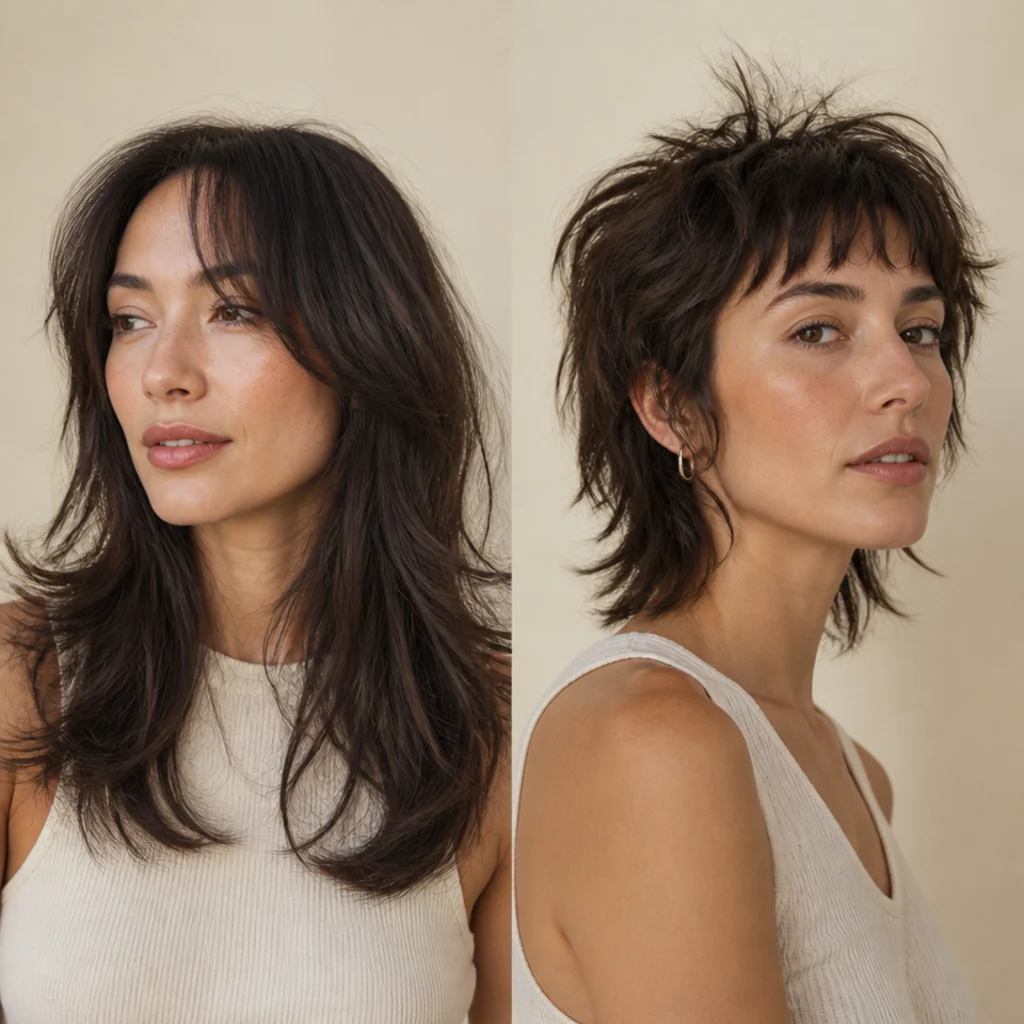
Quick Answer
- Best for: Anyone who wants layered movement but is deciding between polished, length-keeping softness (shag) and undone, crown-heavy grit (wolf cut).
- Who might skip it: Anyone who wants a sleek, one-length blunt look, or fine-haired readers unwilling to book trims often enough to keep a wolf crown crisp.
- Maintenance: Shag rides 10 to 12 weeks between shape-up trims; a wolf cut wants 6 to 8 weeks before the crown blurs.
- Difficulty: Shag is air-dry-and-go; the wolf needs a two-minute crown lift and texture ritual to read intentional.
- Cost: Both are standard layered-cut pricing at most salons, with a modest premium for dry-cutting or curl-by-curl work; treat any figure you see online as a regional estimate, not a quote.
- Wear time / longevity: A shag looks deliberate for the full trim cycle; a wolf peaks in the first 4 to 6 weeks, then softens.
- Standout variation: A soft long shag with long curtain bangs, the most universally flattering, lowest-commitment version of either cut.
- How to ask your stylist: "Keep my length, feather the layers from the cheekbone down" for a shag, versus "short textured crown, disconnected internal layers, piecey ends" for a wolf.
In This Guide
- The Core Difference: Shag vs Wolf
- Soft Long Shag: The Editorial Baseline
- The Wolf Cut: Shag Meets Mullet
- Long Shag Choppy Layers vs Wolf Choppiness
- Face-Framing: Curtain Bangs Both Ways
- Long Shag Straight Hair vs Straight Wolf
- Long Curly Shag Haircut vs Curly Wolf
- Crown Volume Face-Off
- Length Retention: Which Keeps More
- Long Layered Shag Haircut for Fine Hair vs Wolf
- Thick Hair: Which Cut Behaves
- Grow-Out Personality
- Color Pairings for Each
- Maintenance and Wash-Day Reality
- How to Ask Your Stylist for Either
People lump the soft long shag and the wolf cut together constantly, and it's easy to see why. Both sit on stacked internal layers, both get cut with texture in mind, and both photograph well with a little undone movement. But they aren't interchangeable — the difference is structural, not stylistic. A soft long shag keeps most of your length, sets its shortest layer around the jaw or collarbone, and feathers everything below into a cohesive, polished-but-relaxed shape. A wolf cut pulls the shortest layer up to the crown or ear, disconnects it hard from the longer ends, and borrows the heavy-top, wispy-bottom attitude of the mullet. That one decision, where the shortest layer lands, drives everything downstream: how much length you lose, how often you trim, how the cut grows out, and whether the silhouette reads romantic or rebellious. This comparison walks through 15 concrete points, from choppy layer intensity to curly texture to grow-out behavior, so you can match the cut to your hair type, your styling patience, and the mood you're actually after. Save the looks you like and bring them to the chair.
01The Core Difference: Shag vs Wolf {#1}
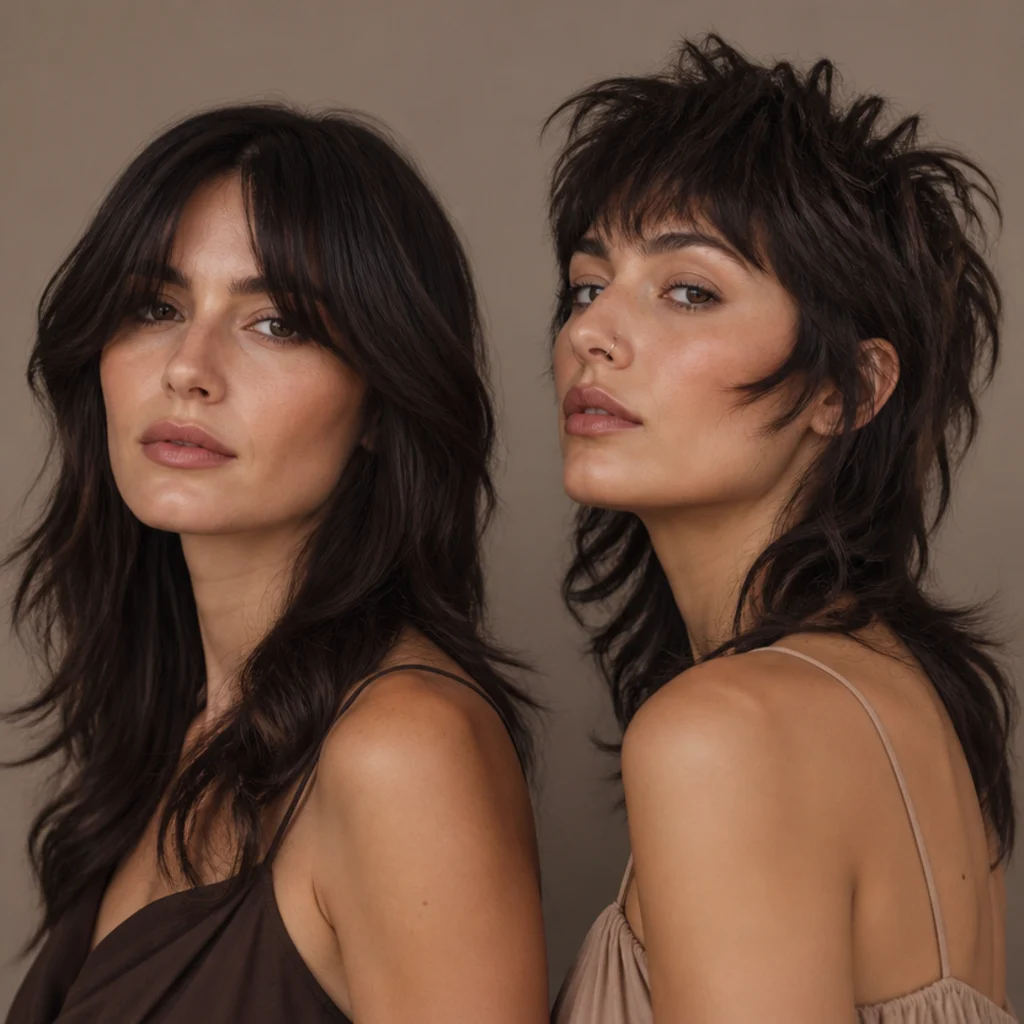
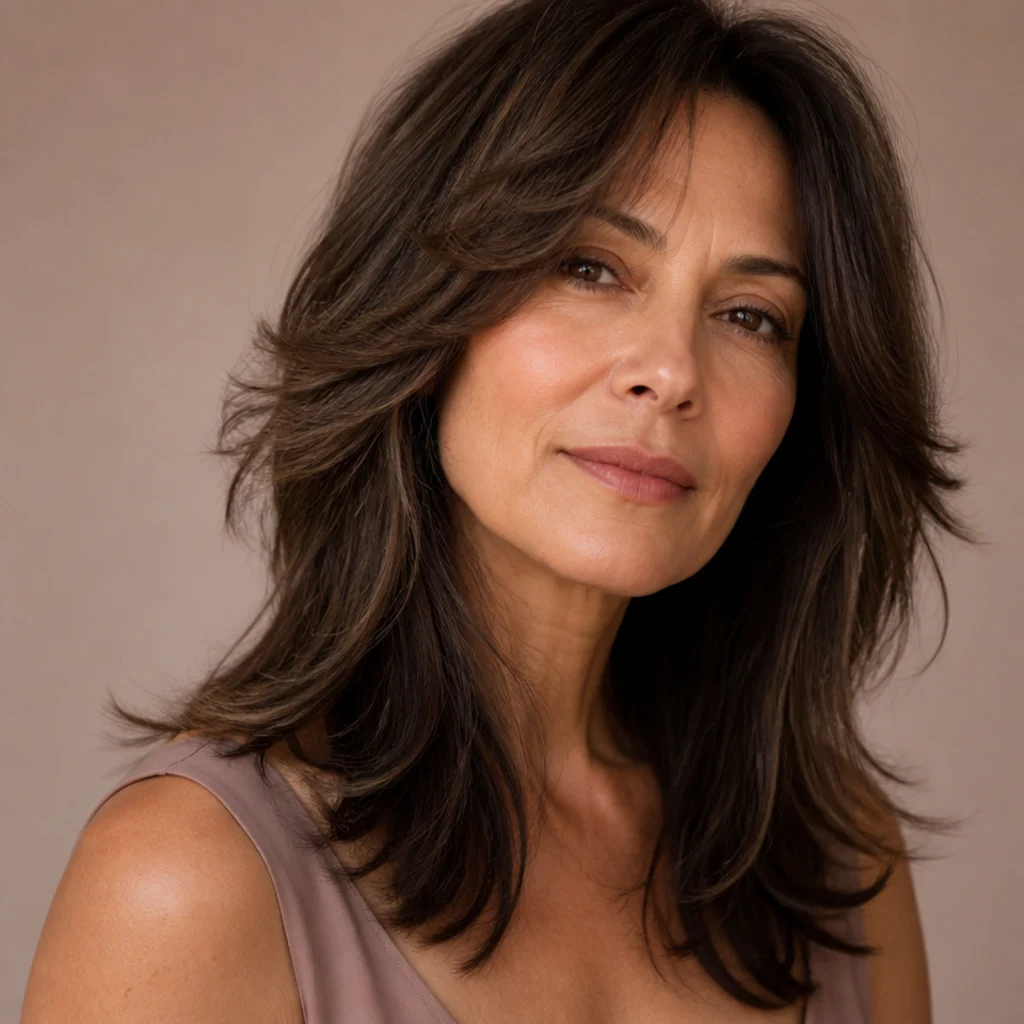
The cleanest way to tell them apart is to find the shortest layer and see where it sits. On a soft long shag, that layer starts around the cheekbone or jaw and blends downward through gradual, connected feathering, so the perimeter stays full and the transitions read smooth. On a wolf cut, the shortest layer jumps up to the crown or ear and gets deliberately disconnected, dropping to much longer, wispier ends and creating the signature heavy-top, tapered-bottom shape. Shag means cohesion; wolf means contrast. Suitability tracks boldness: the shag flatters anyone who wants movement without a dramatic silhouette shift, while the wolf rewards people chasing a statement and a taller line. It's also the more forgiving grow-out of the two, which matters if you don't book often. One tip before you sit down: photograph the back of your head, since the disconnection lives at the crown, where a mirror won't show it. Ask your stylist to map exactly where your shortest layer will fall before they make a single cut.
02Soft Long Shag: The Editorial Baseline {#2}
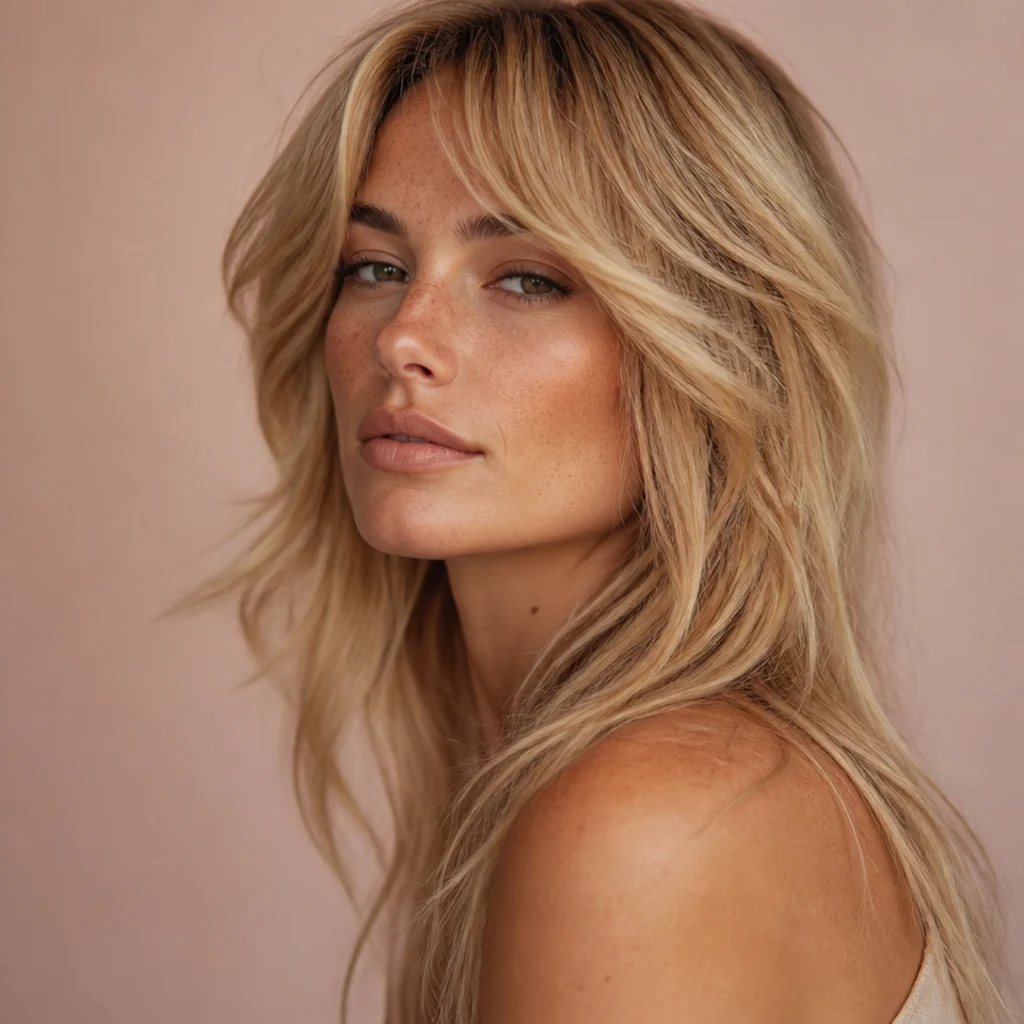
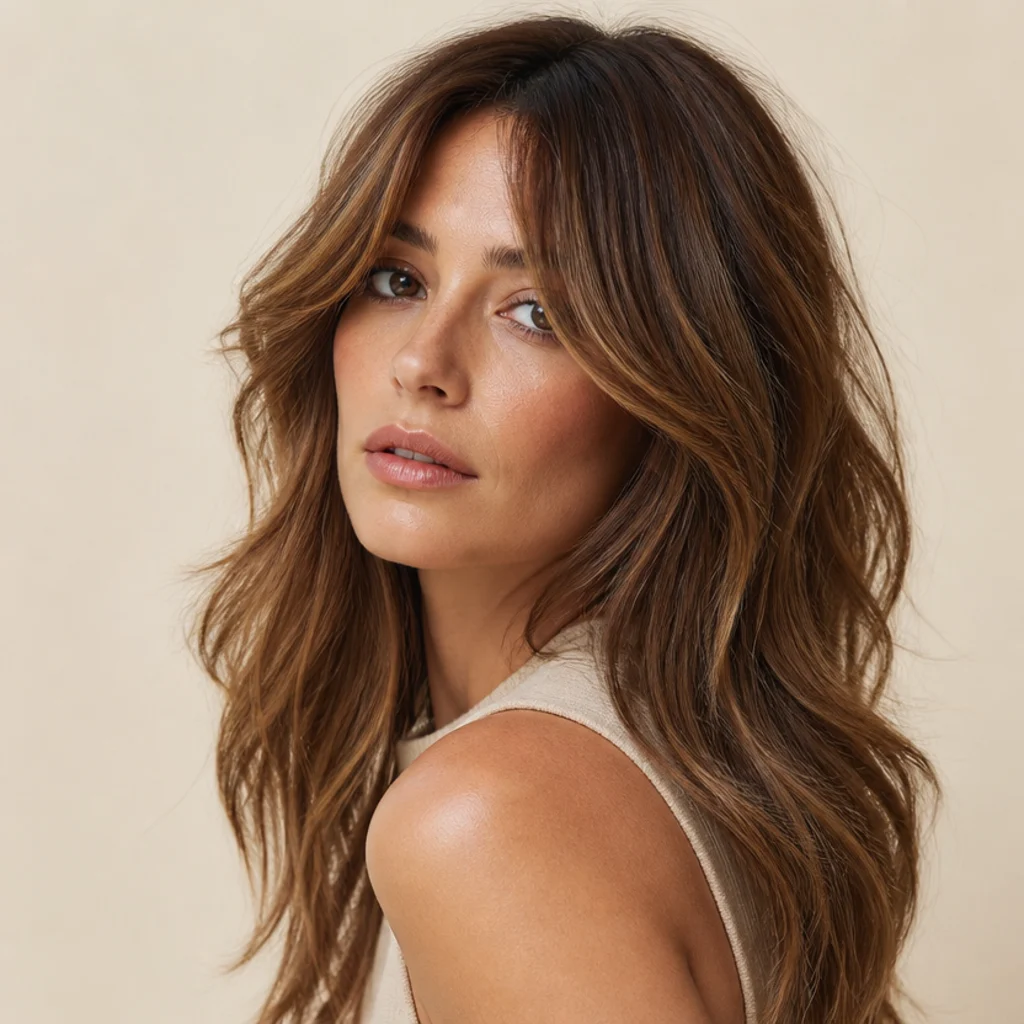
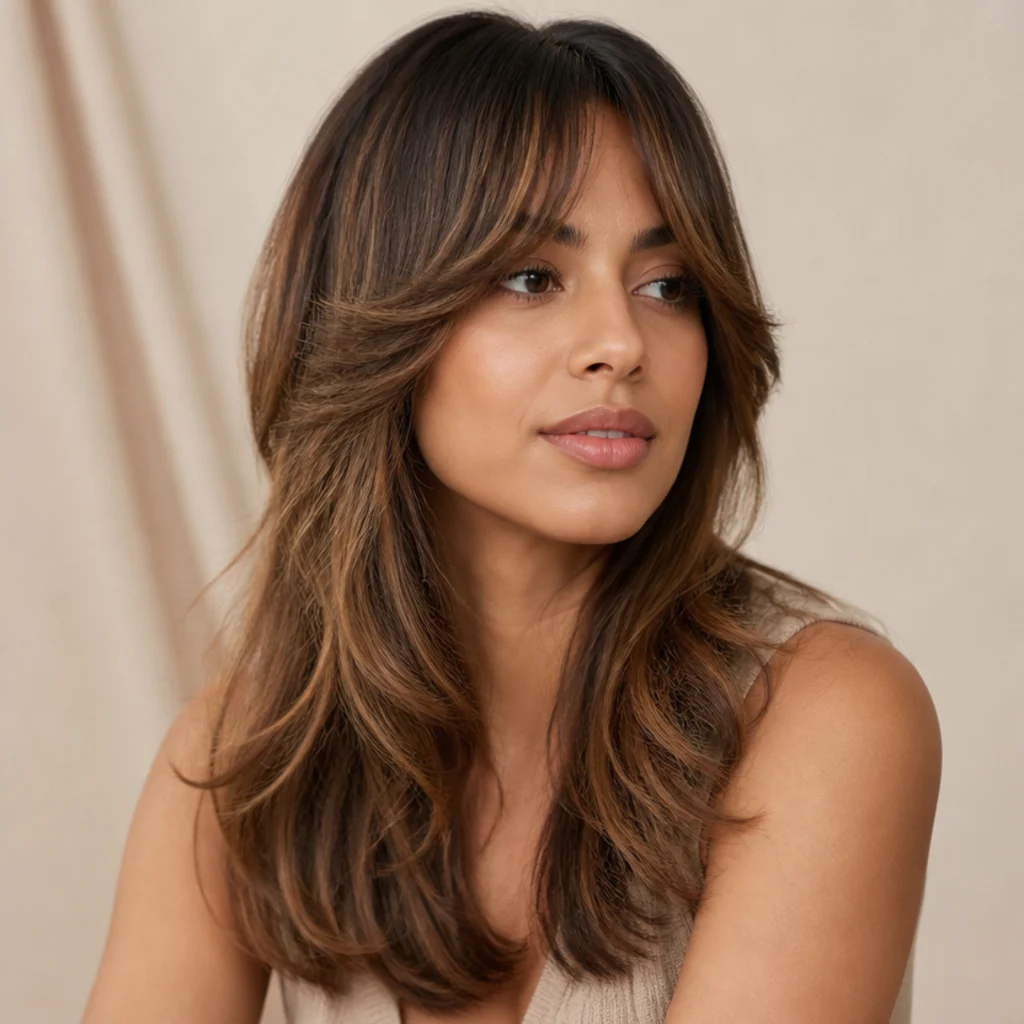
The soft long shag is the gentler benchmark here, the reference point everything else gets measured against. Layers are feathered and point-cut rather than blunt-chopped, face-framing pieces melt into the length instead of standing apart, and the result is relaxed polish that suits nearly every face shape — round, oval, heart, and square alike — because the softness around the jaw diffuses hard angles. It sits happiest on collarbone-to-mid-back lengths with at least a little natural body or a loose wave, and it's kind to air-dryers. Maintenance stays low in the real world: a dusting trim every 10 to 12 weeks holds the shape, and grow-out stays graceful since there's no hard line to blur. Pair it with soft balayage and long curtain bangs for the most editorial, low-effort version. Ask for "invisible layers" — surface point-cutting that adds movement without thinning the ends — so fine and medium hair keeps its density, and tell your stylist you want feathered, connected layers that keep your length, not a shortened, choppy crown.
03The Wolf Cut: Shag Meets Mullet {#3}
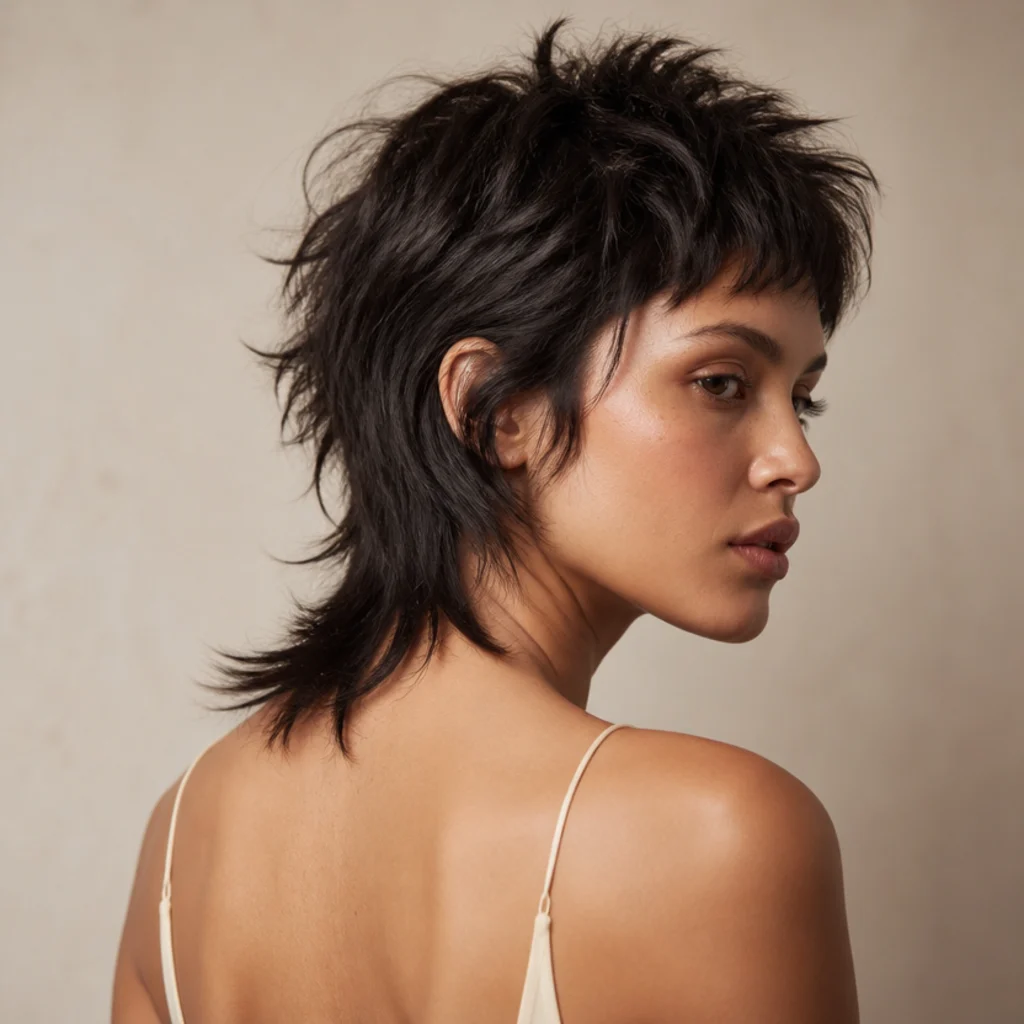
The wolf cut takes the shag foundation and injects mullet-style boldness. Expect a heavier, spikier crown, aggressive internal layering, and a disconnected shape that tapers to razored, wispy ends. It rewards confident wearers who like a defined, edgy silhouette and don't mind coaxing the crown up on wash day. Face-wise, it flatters angular, oval, and long-oval shapes especially well, and the crown height it builds can balance rounder or fuller lower faces by drawing the eye upward. It reads best on straight-to-wavy hair with medium density, where the disconnection stays visible. Upkeep runs higher than a shag, since the crisp crown loses definition as it grows, so plan touch-ups every 6 to 8 weeks to keep the shape looking intentional instead of shapeless. On your first appointment, ask your stylist to leave a little extra weight at the very ends — razoring can always come out later, but it can't go back in. Ask specifically for a short, textured, disconnected crown, and name your target height in inches.
04Long Shag Choppy Layers vs Wolf Choppiness {#4}
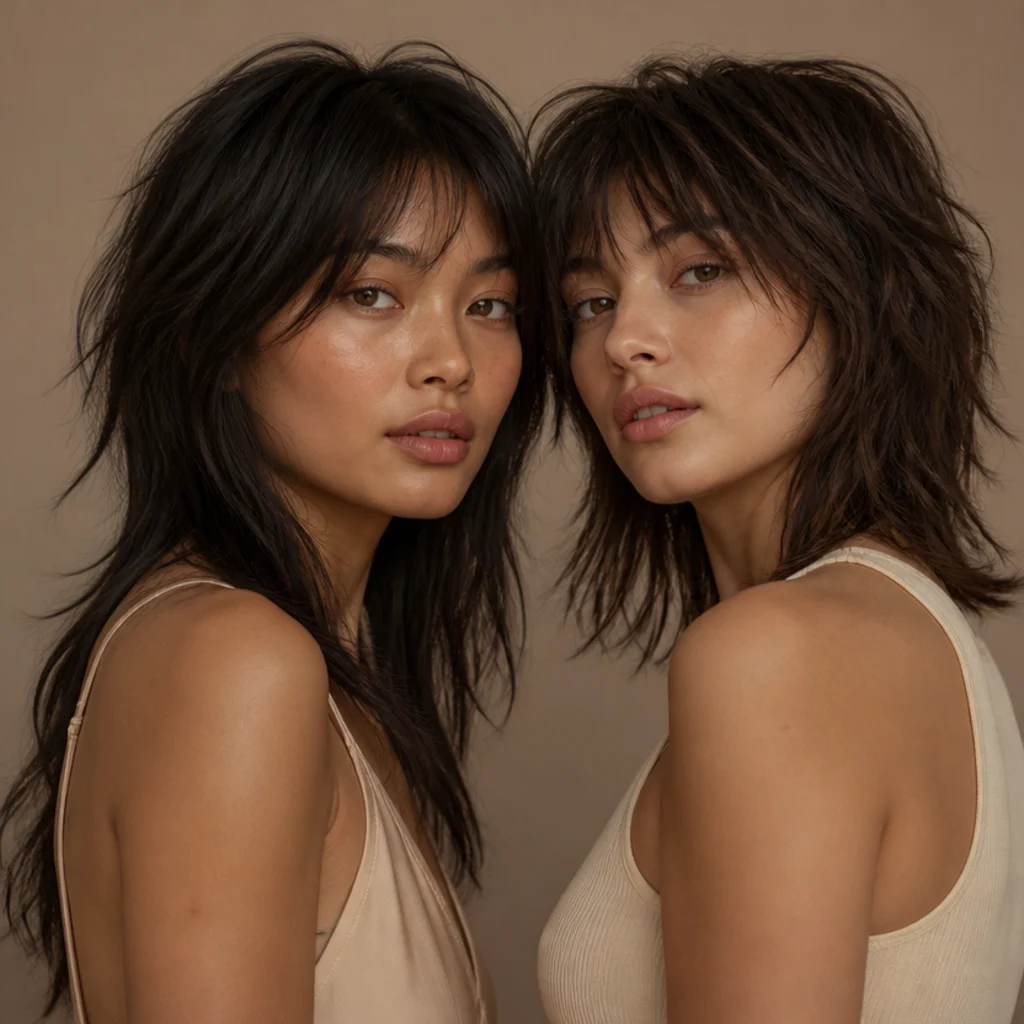
Both cuts use choppy layers, but the intensity and technique differ. Long shag choppy layers are point-cut and channel-cut for texture while density stays intact through the mid-lengths, so the movement feels breezy and controlled and the ends still read full. Wolf-cut choppiness goes further: the crown gets deliberately over-directed and thinned, and the ends are often razored or slide-cut for that piecey, separated finish. If you love visible texture but worry about looking sparse on top, the shag protects your fullness while still giving you swing. Want maximum edge and gap-toothed separation? The wolf delivers. Product choice shifts too — a shag likes a light cream or leave-in, while a wolf leans on texturizing spray or a matte paste to hold the chop. Bring a photo of the ends specifically, not just the overall shape, since "choppy" means different things to different stylists, and ask how much thinning your stylist plans at the crown before they start cutting.
Save this to Pinterest for a quick shag-vs-wolf layer cheat sheet.
05Face-Framing: Curtain Bangs Both Ways {#5}
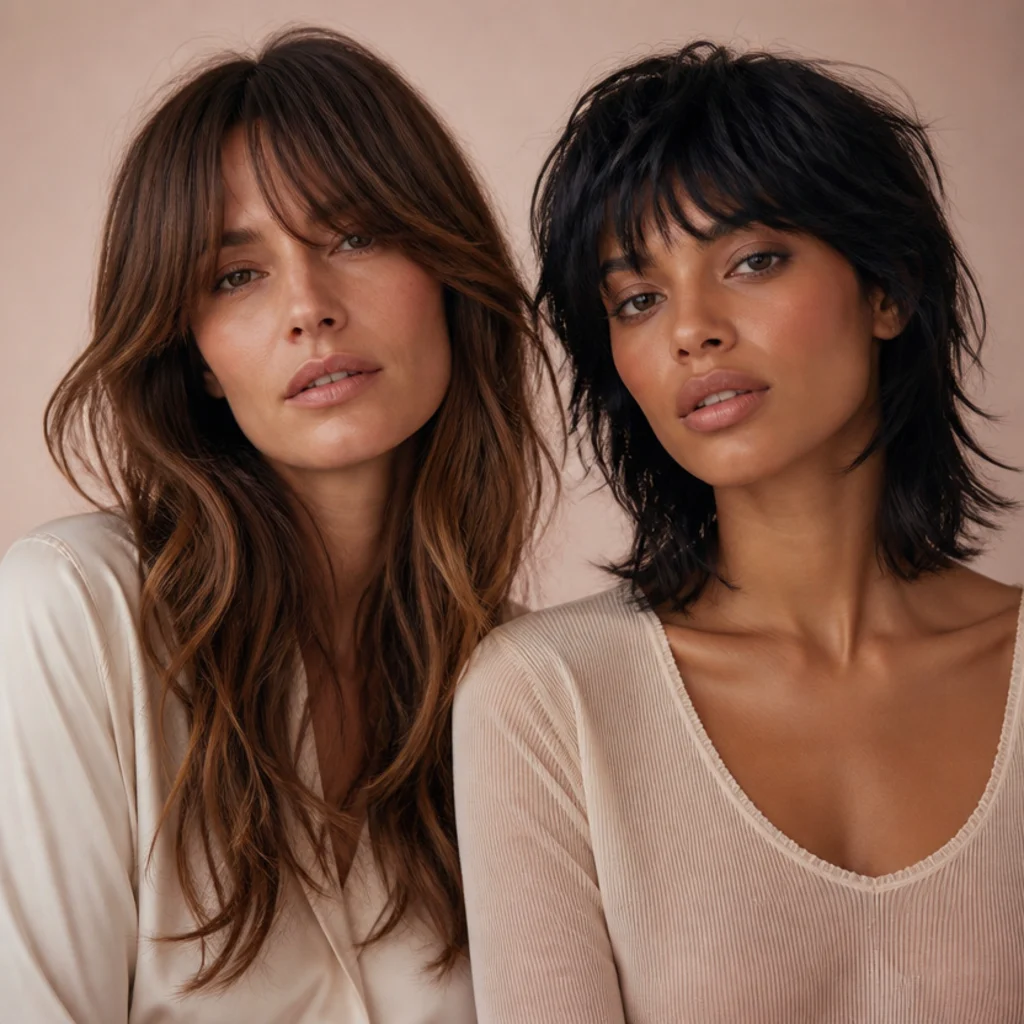
Curtain bangs work with both cuts, but they behave like different pieces. On a soft long shag, curtain bangs get cut long, splitting around the cheekbone and blending smoothly into the face-framing layers for a grown-out, romantic effect that flatters high and low foreheads alike. On a wolf cut, the fringe usually sits shorter and shaggier, often hitting the brow or nose, echoing the choppy crown and reinforcing the edgier line. If you want the most flattering, lowest-commitment option, shag-plus-long-curtain-bangs is hard to beat: it softens a strong jaw, shortens a long face, and grows straight into the layers with no awkward stage. The wolf fringe is bolder and suits people who already like a defined statement around the eyes. Have your bangs cut dry and to your natural part — curtain bangs shrink and shift once they dry and fall — and tell your stylist exactly where you want the shortest point of the fringe to land on your face.
06Long Shag Straight Hair vs Straight Wolf {#6}
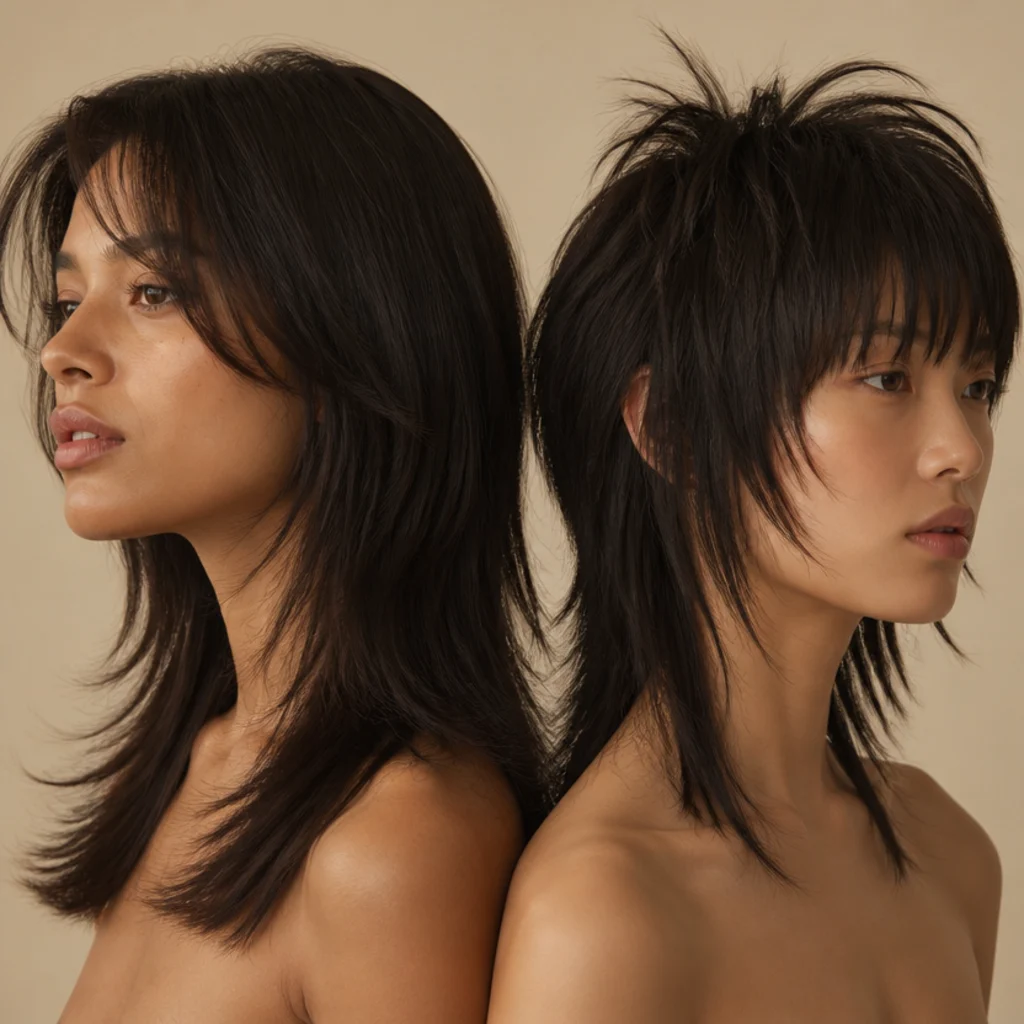
On long shag straight hair, the layers create gentle bends and airy, tapered ends without needing much heat, so the cut looks lived-in even air-dried — ideal if your hair falls flat and one-note when left alone. A straight wolf cut asks for more effort: straight strands don't naturally hold the crown lift the shape is built on, so a round brush, a rough-dry with fingers, and a texturizing spray earn their keep, and second-day hair actually cooperates better than freshly washed. If you want easy softness, lean shag. If you want sleek hair to look deliberately edgy and voluminous, consider the wolf and accept the daily styling trade-off. Both cuts break up the flat, curtain-like fall that fine straight hair drifts toward, adding shape and visible dimension. On straight hair, ask for slightly more layers than a reference photo shows, since straight strands read the layering as more subtle than textured hair does, and tell your stylist how much daily heat styling you're realistically willing to do.
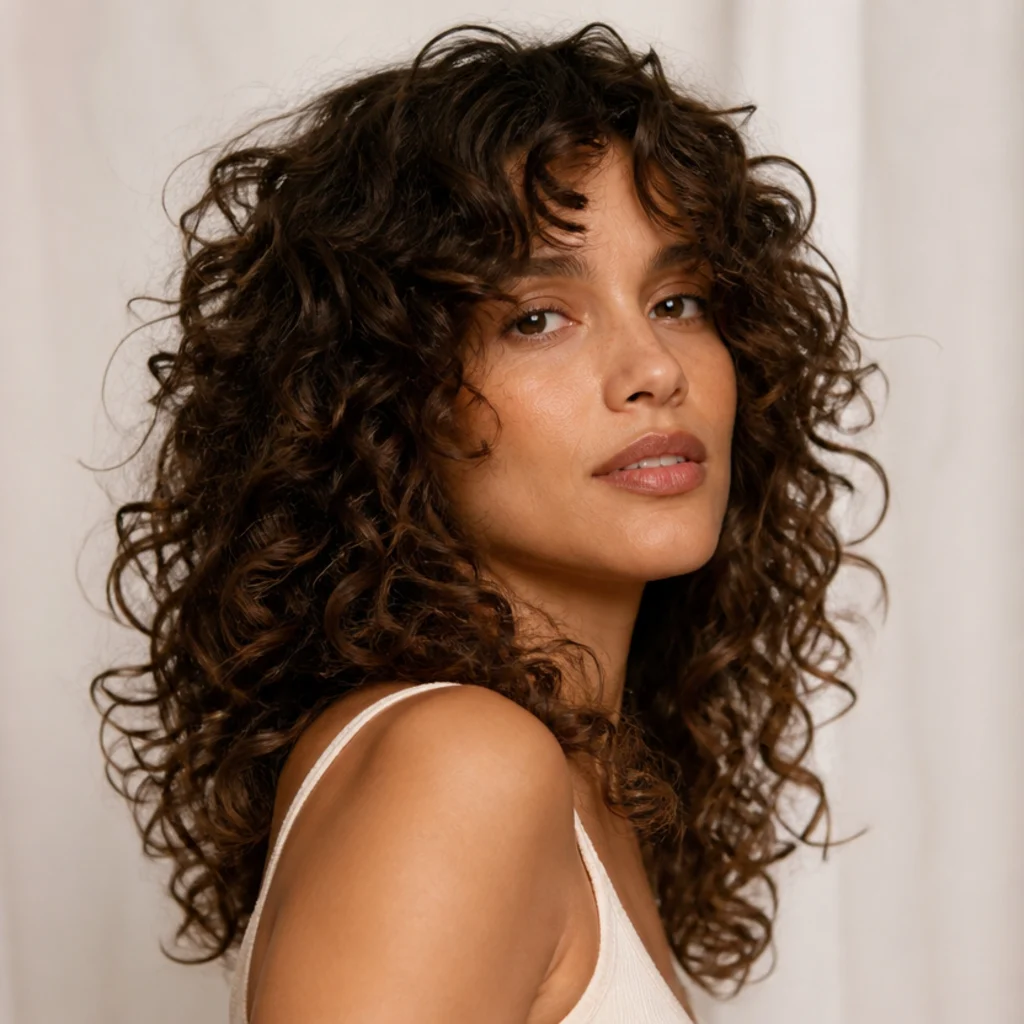
07Long Curly Shag Haircut vs Curly Wolf {#7}
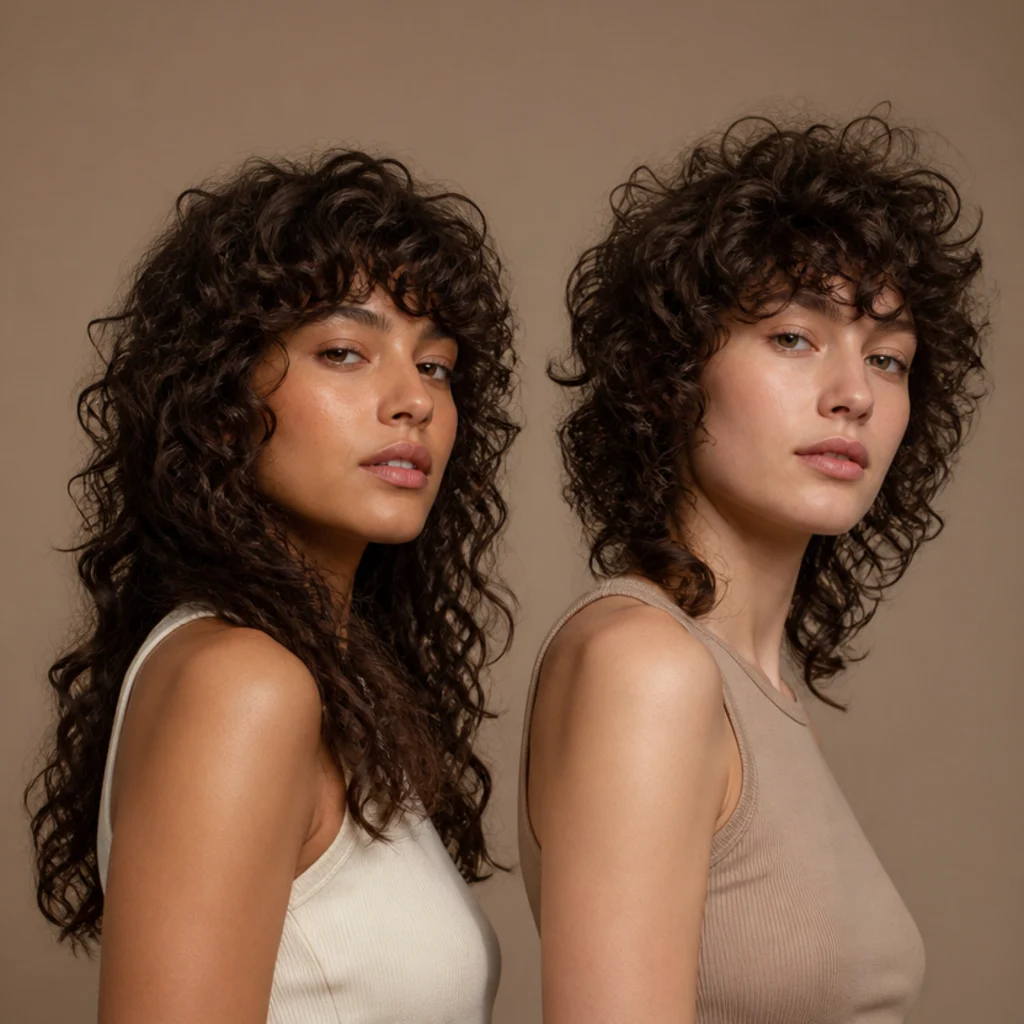
Curls seem almost made for these cuts, since layers give coils room to spring instead of piling into a triangle. A long curly shag haircut spreads soft, graduated layers through the length so curls stack and bounce without pyramiding at the sides, keeping the shape rounded and balanced — best for loose 2b waves through springy 3b curls. A curly wolf cut builds a rounder, fuller crown and more dramatic disconnection, which reads bold and architectural on tighter 3c and 4a textures with the density to support it. If you want easy, universally flattering volume, the shag is the safer pick; if you want your curls to make a height-driven statement, go with the wolf. Either should be cut dry and curl-by-curl, since curls shrink 30 percent or more and wet-cutting hides where the layers actually fall. Book a stylist who shows curly work on their own feed, not just straight-hair layering, and ask them to cut to your dry curl pattern and preserve your ends.
08Crown Volume Face-Off {#8}

If crown volume is the goal, the wolf cut wins outright, and it isn't close. Its short, over-directed crown layers are built for lift, which makes it a real fix for fine hair that collapses on top, or for anyone wanting a taller, more angular silhouette. The soft long shag adds volume too, but spreads it evenly and subtly, with no dramatic peak — better if you want movement without drawing the eye sharply upward. This is a real deciding factor, not a minor nuance: the wolf can make thin hair look noticeably fuller up top, while the shag keeps proportions calm and balanced. Think about your face length here too, since crown height elongates the face and can overwhelm an already long shape. To fake even more lift on a wolf, mist dry texture spray at the roots and diffuse or rough-dry with your head flipped forward, and ask your stylist to over-direct the crown layers upward if maximum height is your priority.
09Length Retention: Which Keeps More {#9}
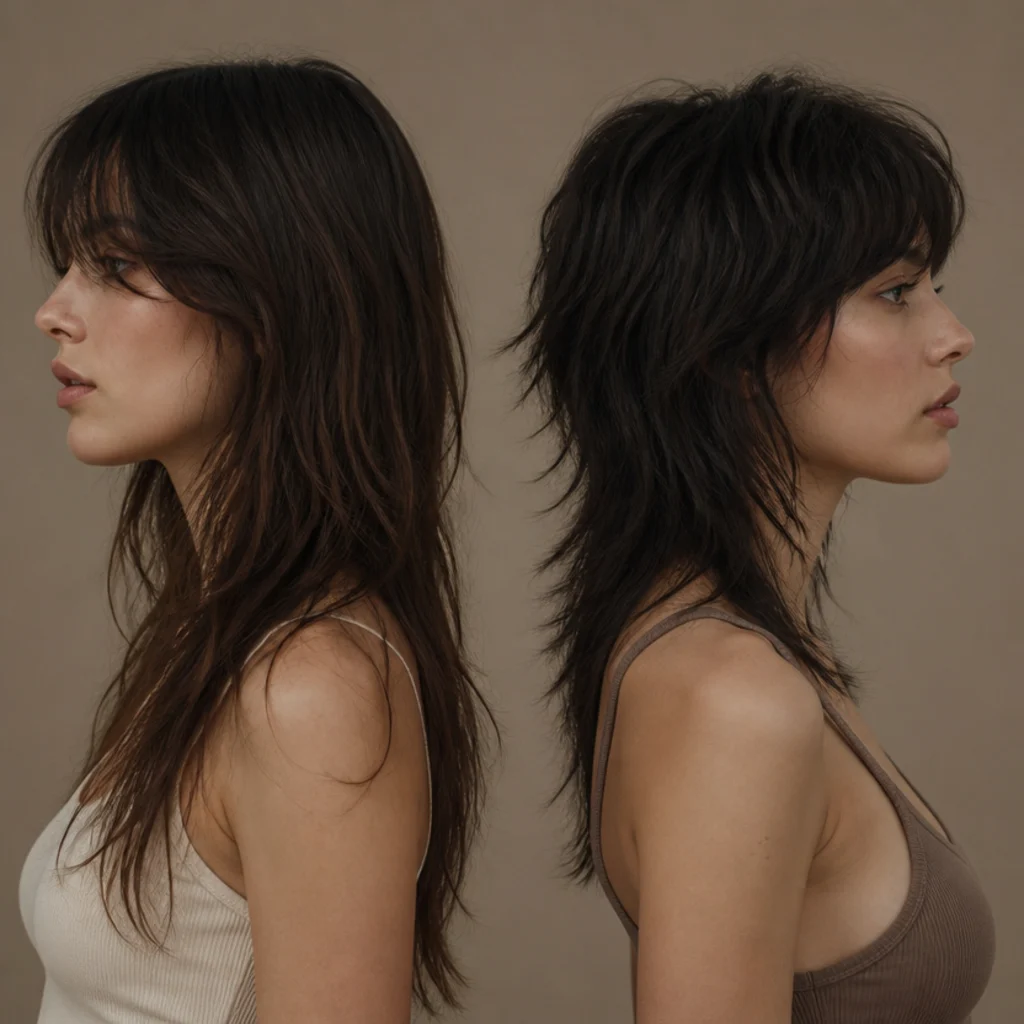
Length lovers, take note: this is where the two cuts diverge most visibly. A soft long shag is built to preserve your length. It layers mostly the surface and face-framing sections while the interior and perimeter stay long and full, so the cut reads as long hair with movement. A wolf cut sacrifices real length up top to build its spiky crown, so even a "long wolf" reads shorter, lighter, and more disconnected than a shag of the same measured length. If you've spent months or years growing your hair and don't want to lose it, the shag is the clear choice and still delivers plenty of texture. If you're ready for a bolder, shorter-feeling shape without committing to a true mullet, the wolf gives you that edge while keeping some length through the back and nape. If you're unsure, start with a shag and evolve toward a wolf at a later appointment — you can always cut shorter, but you can't un-cut. Ask your stylist to preserve your perimeter and interior length if retention matters to you.
10Long Layered Shag Haircut for Fine Hair vs Wolf {#10}

Fine hair reacts to each cut in almost opposite ways, so the choice is worth real thought. A long layered shag haircut adds gentle body and surface movement without over-thinning, so fine strands look fuller and more textured while density stays protected — the safe, forgiving route. A wolf cut can be a fine-hair secret weapon, since its stacked, over-directed crown fakes serious volume, but the razoring that builds the shape can look sparse and stringy at the ends if a stylist takes too much off. The rule for fine hair is restraint: a shag with conservative, connected layering, or a wolf cut by a stylist who knows not to thin the ends into wisps. On wash day, a volumizing mousse worked into the roots before a rough-dry lifts either cut. Avoid razor cutting on the ends and ask for point-cutting instead, which keeps a denser, healthier-looking baseline, and tell your stylist to build volume through the crown rather than by thinning the lengths.
Save this to Pinterest if you are choosing between these two for fine hair.
11Thick Hair: Which Cut Behaves {#11}
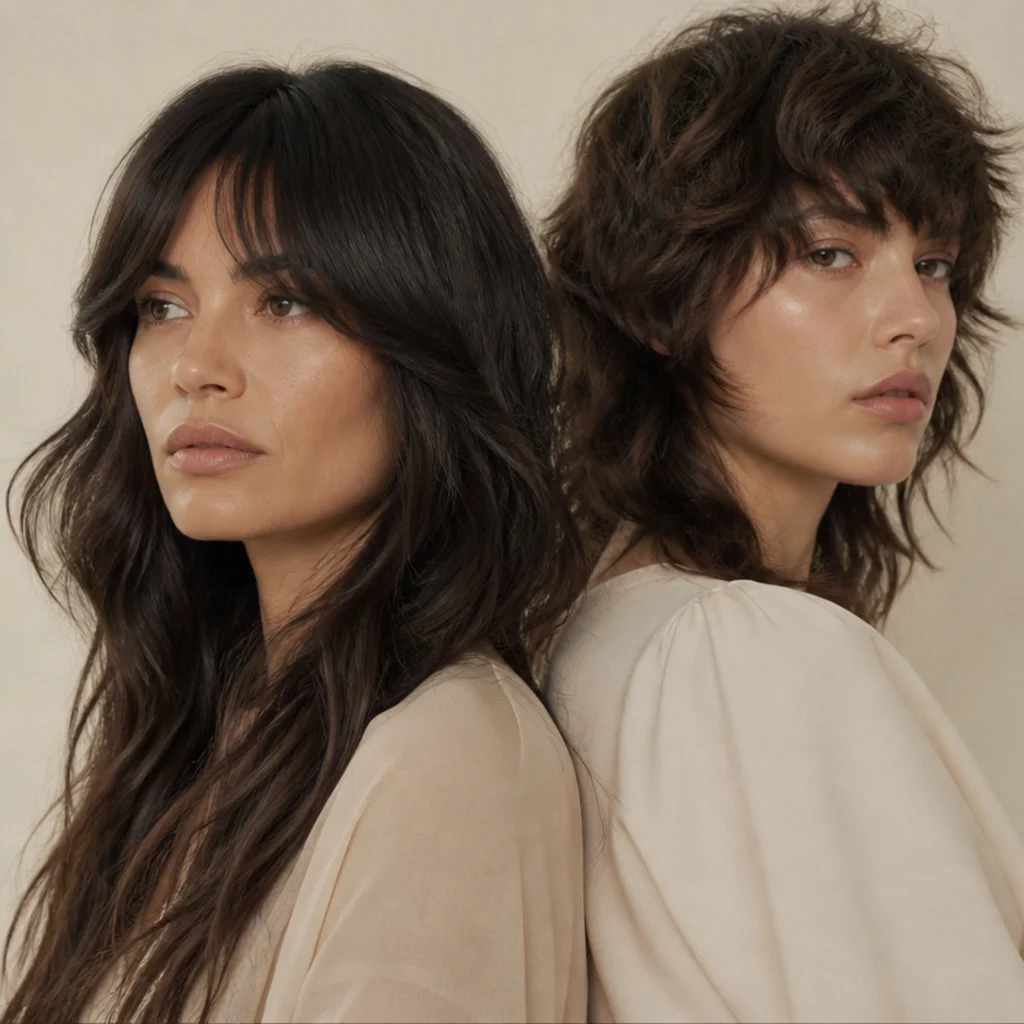
Thick hair benefits from both cuts, since layering is how you remove weight and buy movement, but the outcomes differ. A soft long shag channels and thins bulk through the lengths so thick hair swings instead of sitting heavy, and it keeps a smooth, cohesive line that behaves day to day — the more manageable option for most thick-haired readers. A wolf cut works on thick hair too, but the disconnected crown can pile up dense and pyramid-like if it isn't carefully internally texturized, and coarse thick hair especially resists the airy separation the shape depends on. If you want bold structure, go wolf, but ask specifically for plenty of internal texturizing and thinning so the shape stays light rather than helmet-like or boxy. On thick hair, ask for weight removal from the inside using thinning shears or channel-cutting, not from the surface, which can trigger frizzy, flyaway regrowth. Tell your stylist your hair grows dense and ask how they'll keep the shape from expanding.
12Grow-Out Personality {#12}

How a cut ages between appointments matters more than most people plan for, and it's often the deciding factor. A soft long shag grows out gracefully because it has no hard lines: the blended layers simply lengthen and soften, and the shape holds, even improves, for weeks, which is why it forgives a 10-to-12-week gap. A wolf cut has a shorter sweet spot, roughly the first four to six weeks, because its crisp crown and sharp disconnection are exactly the features that blur first as they grow, eventually reading shapeless or mullet-heavy instead of intentional. If you're a low-maintenance visitor who books trims every few months, the shag rewards you honestly. If you enjoy the ritual of frequent salon touch-ups and want that fresh, defined wolf shape, budget for visits every 6 to 8 weeks. Match the cut to your realistic upkeep, not your aspirational one — the most common regret is a wolf cut on a once-a-season schedule. Ask your stylist for a "grow-out plan" so mid-cycle you can nudge toward a shag instead of a full recut.
13Color Pairings for Each {#13}
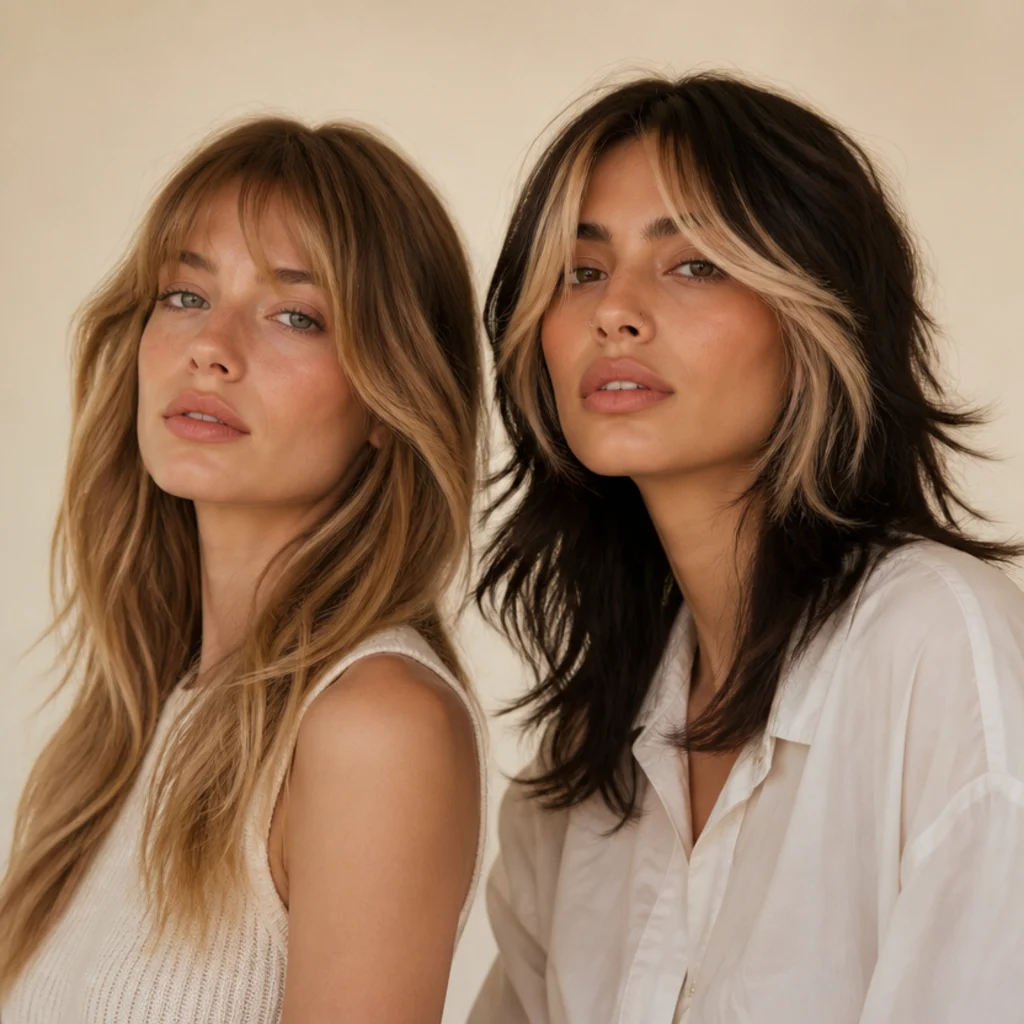
Color and cut should be planned together, since each shape catches light differently. A soft long shag pairs well with soft, blended balayage, lived-in root melts, and gentle face-framing brightness, all of which follow the feathered layers and add dimension without a harsh line. A wolf cut wants contrast instead: a bold money piece, defined ribbon highlights, or a two-tone underlayer plays directly into the disconnection and makes the crown-to-end drama read intentional. If your goal is understated, expensive-looking softness, keep color gradual and low-contrast on a shag. If you want your cut to look deliberately striking, lean into higher-contrast placement on a wolf, and consider a face-framing money piece that draws the eye to the shortest layers. Either way, color after the cut so your colorist can place tone exactly where the layers will surface. A shadow root on either cut stretches your trim-to-color timeline and hides grow-out at the part. Ask your colorist to place brightness where your layers fall, not in uniform foils.
14Maintenance and Wash-Day Reality {#14}
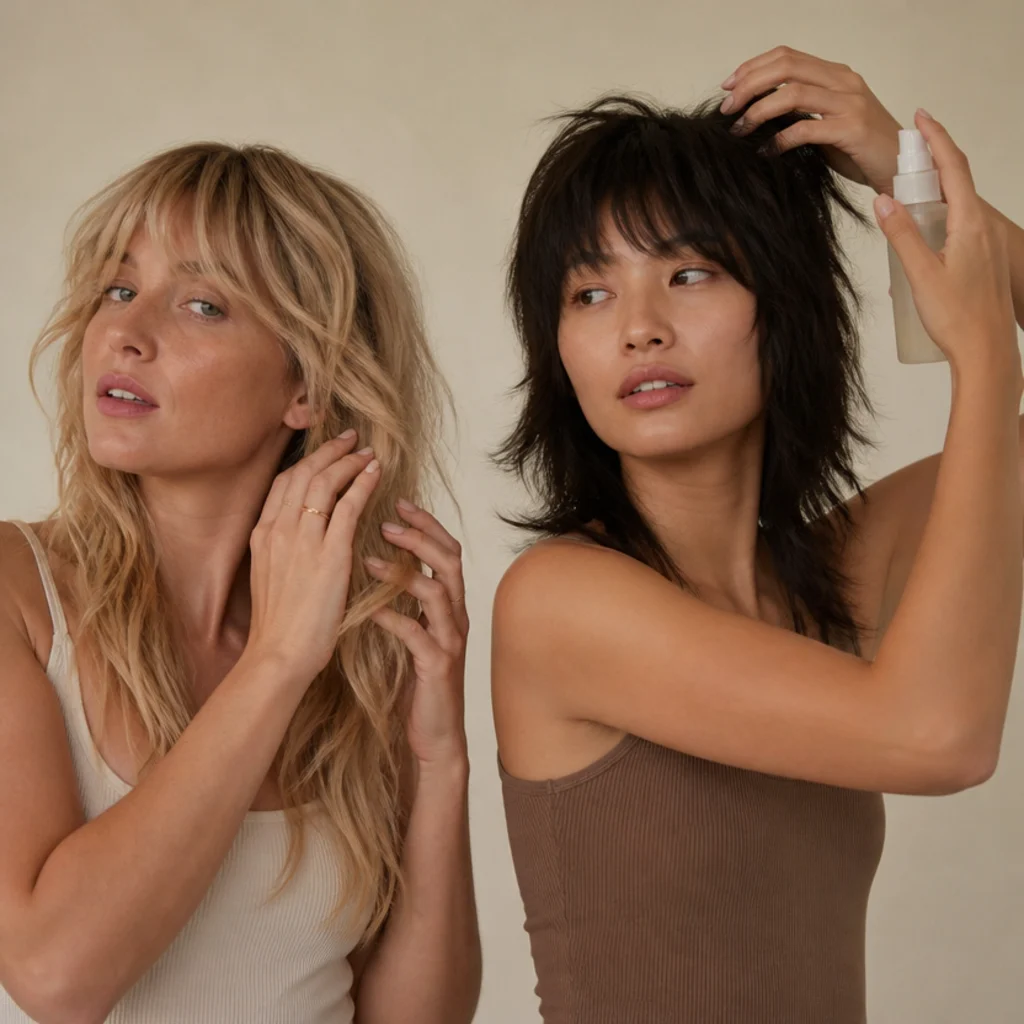
Day to day, the soft long shag is the lower-effort option by a clear margin. Scrunch in a light cream or leave-in, air-dry, and the layers do the work — no heat required. A wolf cut asks for a touch more choreography: crown lift, a texturizing or sea-salt spray, and often a quick rough-dry with fingers to build that piecey height, roughly two to five minutes most mornings. Neither cut needs daily washing, and both look better on second-day hair, since a little natural oil and grit help the texture separate. Here's the side-by-side styling reality, followed by a quick face-shape and hair-type fit guide so you can place yourself before the chair.
| Factor | Soft Long Shag | Wolf Cut |
|---|---|---|
| Styling effort | Low, air-dry friendly | Low to medium, needs crown lift |
| Best product | Light cream or leave-in | Texturizing or sea-salt spray |
| Salon trim | Every 10-12 weeks | Every 6-8 weeks |
| Silhouette | Soft, cohesive, length-keeping | Bold, disconnected, crown-heavy |
| Grow-out | Seamless, holds for weeks | Peaks early, needs reshaping |
| Heat needed | Little to none | Occasional round brush or rough-dry |
| If you have... | Lean shag | Lean wolf |
|---|---|---|
| Round or full face | Long face-framing softens it | Only with careful, not-too-tall crown |
| Long or oval face | Flattering and safe | Crown height suits you well |
| Fine hair | Conservative layers keep density | Crown fakes real volume, ends left fuller |
| Thick or coarse hair | Removes weight, easiest to live with | Only with heavy internal texturizing |
| Curly or coily | Universally flattering, keeps balance | Bold height on denser curl patterns |
Costs vary by salon and region, so treat any price you see as a rough guide rather than a quote.
15How to Ask Your Stylist for Either {#15}
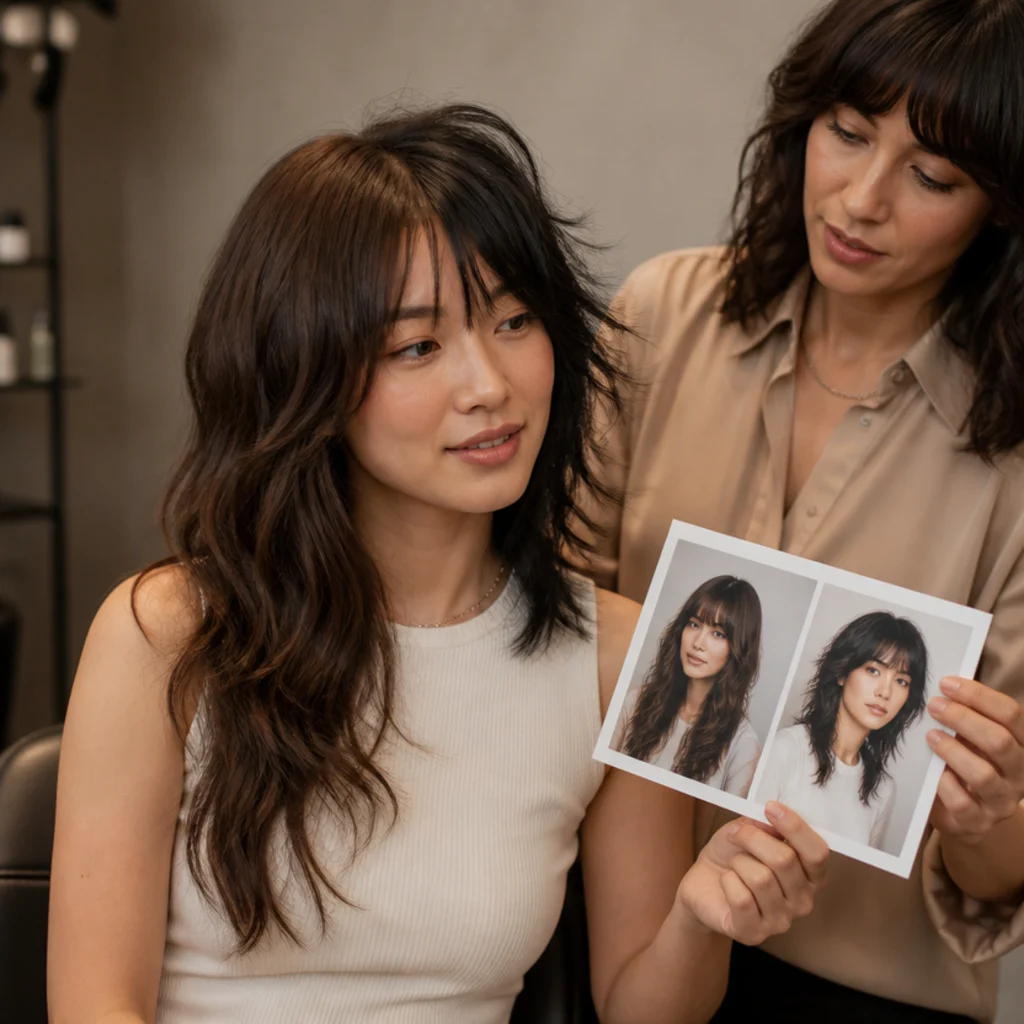
Language in the chair decides your result more than any reference photo. For a soft long shag, ask for gentle, connected, blended layers that keep your length, feathered face-framing that starts around the cheekbone, and point-cut ends for movement, and say plainly that you want a shape that grows out softly with no hard line. For a wolf cut, request a shorter, textured, disconnected crown, over-directed internal layers, and razored or piecey ends, and be specific about how much height you want — naming inches beats naming a vibe. Bring two or three saved photos for either look, including one of the back and one of the ends, and describe your wash-day patience honestly. A good pro will steer you toward the version that suits your texture, face shape, and realistic upkeep, and may blend elements of both if you land somewhere in between: a "soft wolf" or "shag with a lifted crown." Ask what the cut will look like at six and ten weeks, so the grow-out matches your booking habits, and tell your stylist how often you actually return, not how often you intend to.
Pro Tips from the Editor
- Find the shortest layer first. If it sits at the crown or ear, that's a wolf; if it starts at the cheekbone or jaw and blends down, that's a shag. That one detail predicts everything else.
- Book your calendar before your cut. Choose the wolf only if a 6-to-8-week rhythm is realistic, otherwise the shag will look better on the schedule you actually keep.
- Photograph the back and the ends, not just the front. Disconnection and razoring live where your mirror can't see, and "choppy" means different things to different stylists.
- Match crown height to face length. A tall wolf crown elongates the face, which looks great on round or oval shapes but can overwhelm an already long face, where a shag stays balanced.
- Cut curls and bangs dry. Curls shrink 30 percent or more and curtain bangs settle once they fall, so wet-cutting hides where the layers truly land.
- Protect fine ends. Ask for point-cutting over razoring and build volume from the crown instead of thinning the lengths into wisps.
- Plan color as part of the cut. Low-contrast balayage flatters a shag; a defined money piece amplifies a wolf. Color after cutting so tone lands where the layers surface.
How to Choose / Get the Look
Start with your non-negotiables, then let them rank the two cuts. First, priorities: if length retention, easy grow-out, and near-zero styling effort top your list, the soft long shag is your cut. It flatters nearly every face shape and hair type, and it forgives infrequent salon visits without looking neglected. If you want a bold silhouette and dramatic crown volume and don't mind a short daily styling ritual plus more frequent trims, the wolf cut delivers that edge. Second, texture: fine hair gains the most fake fullness from a wolf crown but needs restrained ends, thick and coarse hair moves best and behaves most in a shag, and curls thrive in either look as long as a texture-savvy stylist cuts them dry. Third, face shape: crown height elongates, so long faces should keep a wolf crown modest while round and oval faces can wear it tall, and a shag's cheekbone-level softness quietly flatters everyone. Fourth, and most honestly, maintenance: budget the calendar for a wolf's 6-to-8-week upkeep before you commit, since the most common regret is a wolf cut on a once-a-season schedule. When in doubt, a soft long shag with long curtain bangs is the most universally flattering, lowest-commitment starting point, and you can always evolve it toward a wolf later. Bring reference photos of the front, back, and ends, describe your real wash-day habits, and let a professional tailor the layering to your hairline, density, and growth pattern.
Frequently Asked Questions
Is a wolf cut just a long shag?
No. They share layered DNA, but the shortest layer sits in a different place. A soft long shag keeps more length with gentle, connected layers that start around the cheekbone, while a wolf cut pulls the shortest layer up to the crown or ear and disconnects it hard, borrowing the heavy-top shape of the mullet. The silhouettes and the grow-out read differently, too.
Which is lower maintenance, a shag or a wolf cut?
The soft long shag, clearly. It styles with a light cream, air-dries well, grows out smoothly, and holds its shape for the full 10-to-12-week trim cycle. A wolf cut peaks in its first four to six weeks and needs trims every 6 to 8 weeks to keep the crown crisp, plus a short daily texture ritual, so it costs more time and more salon visits.
Can fine hair pull off both?
Yes, with the right approach. A long layered shag adds gentle body while protecting density, and a wolf cut fakes noticeable crown volume, which can be a real advantage for fine hair. The key is restraint at the ends — ask for point-cutting rather than razoring, and have your stylist build volume through the crown instead of thinning the lengths.
Do these cuts work on curly hair?
Yes, and layers actively help curls by giving coils room to spring instead of forming a triangle. A long curly shag haircut lets loose-to-medium curls stack and bounce in balance, while a curly wolf cut builds a fuller, bolder crown that suits denser, tighter patterns. Have either cut done dry and curl-by-curl by a stylist experienced with your specific curl type.
Which cut keeps more length?
The soft long shag. It layers mainly the surface and face-framing sections while preserving the interior and perimeter, so it reads as long hair with movement. A wolf cut sacrifices real length up top to create its signature crown, so even a long wolf feels shorter and more disconnected than a shag of the same measured length.
What face shape suits a wolf cut versus a shag?
A wolf cut's crown height flatters round, oval, and long-oval faces by adding a balancing lift, though very long faces should keep the crown modest so it doesn't elongate further. A soft long shag is the more universal choice: its cheekbone-level softness and face-framing layers flatter round, square, heart, and oval shapes alike by diffusing hard angles.
How often will I need to trim each cut?
Plan on every 10 to 12 weeks for a soft long shag, since it grows out gracefully with no hard line to blur. A wolf cut wants trims every 6 to 8 weeks because the crisp crown and sharp disconnection soften first, and the shape can start reading shapeless or mullet-heavy past that window.
Can I get a look that is halfway between a shag and a wolf?
Yes, and many stylists cut exactly that. Ask for a "soft wolf" or a "shag with a lifted crown" — a shape that keeps more of your length and blends the layers like a shag, but adds a slightly shorter, more textured crown for a hint of wolf-style height. It's a smart compromise if you want edge without the full upkeep.
Which cut is better for straight hair?
Both work, but they ask for different effort. Long shag straight hair looks lived-in even air-dried, since the layers create gentle bends on their own. A straight wolf cut needs a round brush or rough-dry and texturizing spray to hold its crown lift, because straight strands resist the height the shape is built on. Choose shag for easy softness, wolf for deliberate volume you're willing to style.