15 Edgar Cut vs Taper Fade Styles Compared
The edgar and the taper fade get confused constantly, yet they answer two different questions: how bold is the front, and how soft is the edge. One is a graphic fringe with a hard line; the other is a gradient you can wear from a job interview to a Friday night. Here's exactly how they stack up across fifteen chair-ready looks.
 Edited by Lena Rose · Published July 11, 2026 · 26 min read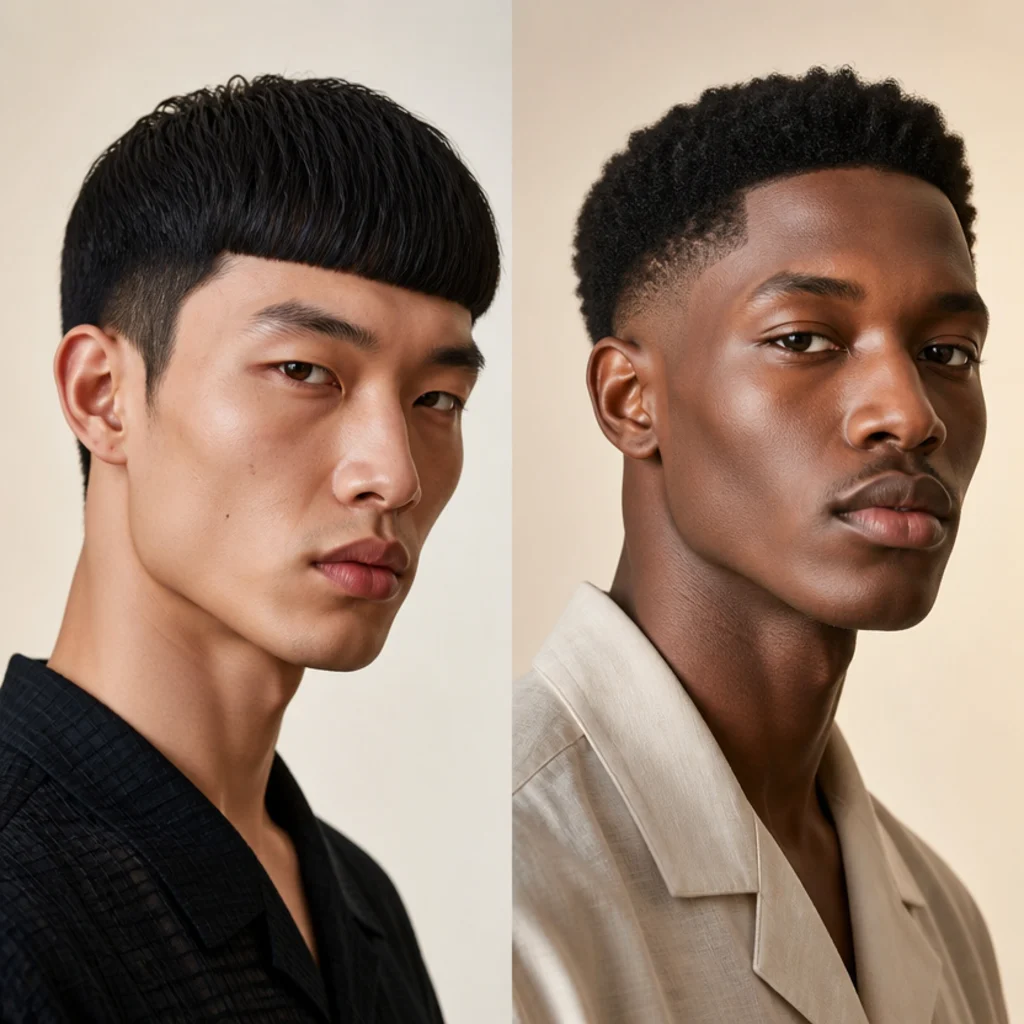
Quick Answer
- Best for: The edgar suits straight-to-wavy hair and anyone who wants a defined, geometric front; the taper fade suits every texture and a cleaner, grown-up silhouette.
- Who might skip it: Skip the blunt edgar if your hairline is uneven or receding at the temples, or your hair is very fine, since the line reads sparse; skip a high taper if you need to look conservative daily.
- Maintenance: Edgar fringe reshape roughly every 2-3 weeks; low taper holds 4-6 weeks, high taper closer to 2-3 as the contrast blurs.
- Difficulty: Edgar rides on one blunt line, so it's less forgiving; a taper is more routine for any trained barber.
- Cost: Varies widely by region and shop; a taper or edgar typically sits in the standard cut-and-fade range, with detailed line-ups or hybrids costing more. Never assume a fixed number.
- Wear time / longevity: Low taper looks intentional longest; edgar and high taper look sharpest in the first two weeks.
- Standout variation: The edgar cut taper fade, which pairs the blunt top with a soft-faded perimeter.
- How to ask your barber: Bring a photo, then say "blunt straight fringe with squared corners" for a true edgar, and name your fade height, low, mid, or high, for the sides.
In This Guide
- The Classic Edgar Cut, Defined
- The Taper Fade, Defined
- Edgar Cut on Straight Hair
- Low Taper Fade
- Curly Edgar Cut
- Mid Taper Fade
- Edgar Buzz Cut
- High Taper Fade
- Edgar Cut Taper Fade Hybrid
- Textured Taper with Fringe
- Edgar Cut for Boys
- Taper Fade with Line-Up
- Maintenance Compared
- Face Shape and Suitability
- How to Ask Your Barber
Two haircuts dominate barbershop request photos right now, and people mix them up constantly. The edgar, sometimes called the Takuache or brocolli-adjacent crop by younger clients, is that blunt, straight-across fringe with squared corners, most flattering on edgar cut straight hair where the horizontal line reads crisp. The taper fade is the gradual shortening around the ears and neckline that leaves length up top to style. They're not competitors, they're different tools: the edgar governs the front, the taper governs the perimeter, and a surprising number of modern looks use both at once. What trips people up is asking for one when they picture the other, then leaving the chair disappointed. This guide compares fifteen looks side by side, so you can see where each shines, who it flatters by face shape and texture, how much upkeep it actually asks for, and the exact vocabulary that gets you the shape in your head. You'll also learn where an edgar cut taper fade hybrid beats either style alone. Treat any pricing or timing here as varies, because both shift by region, shop, and how fast your hair grows.
01The Classic Edgar Cut, Defined {#classic-edgar}
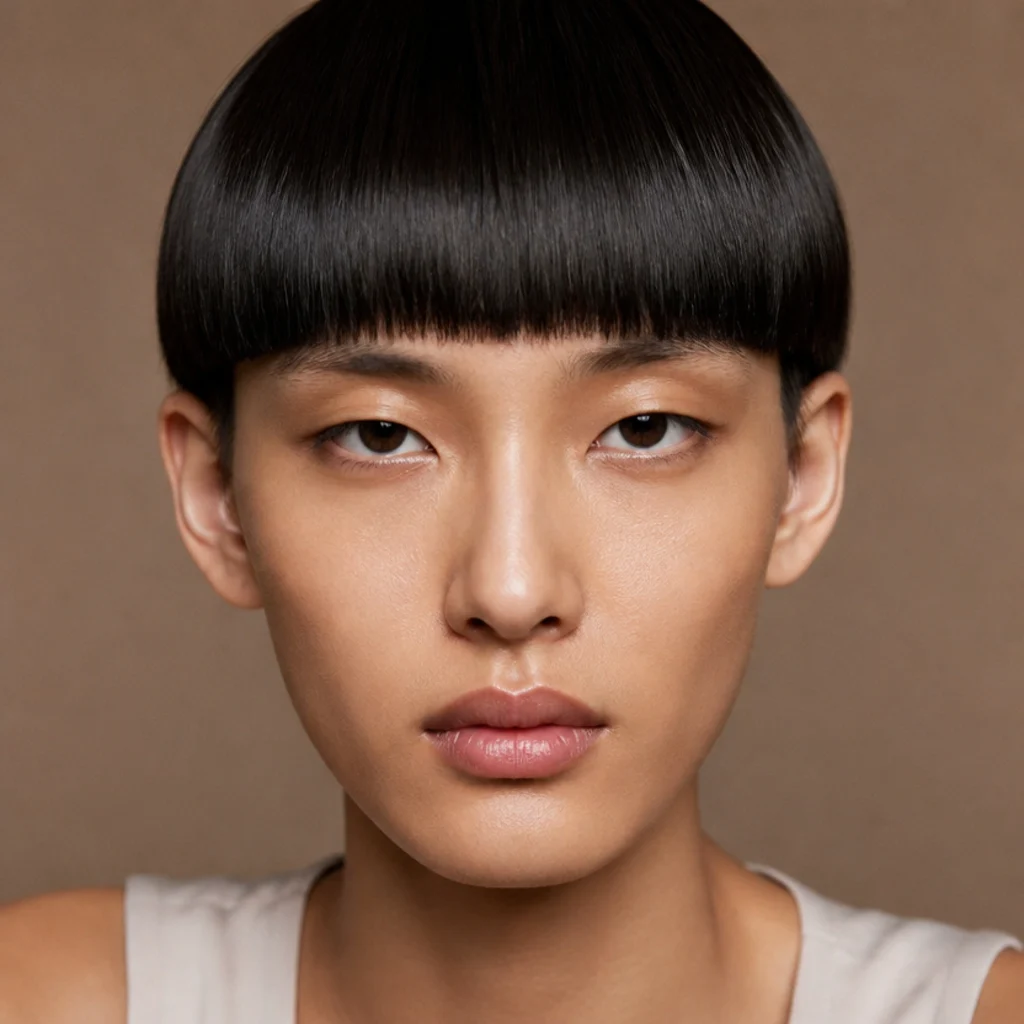
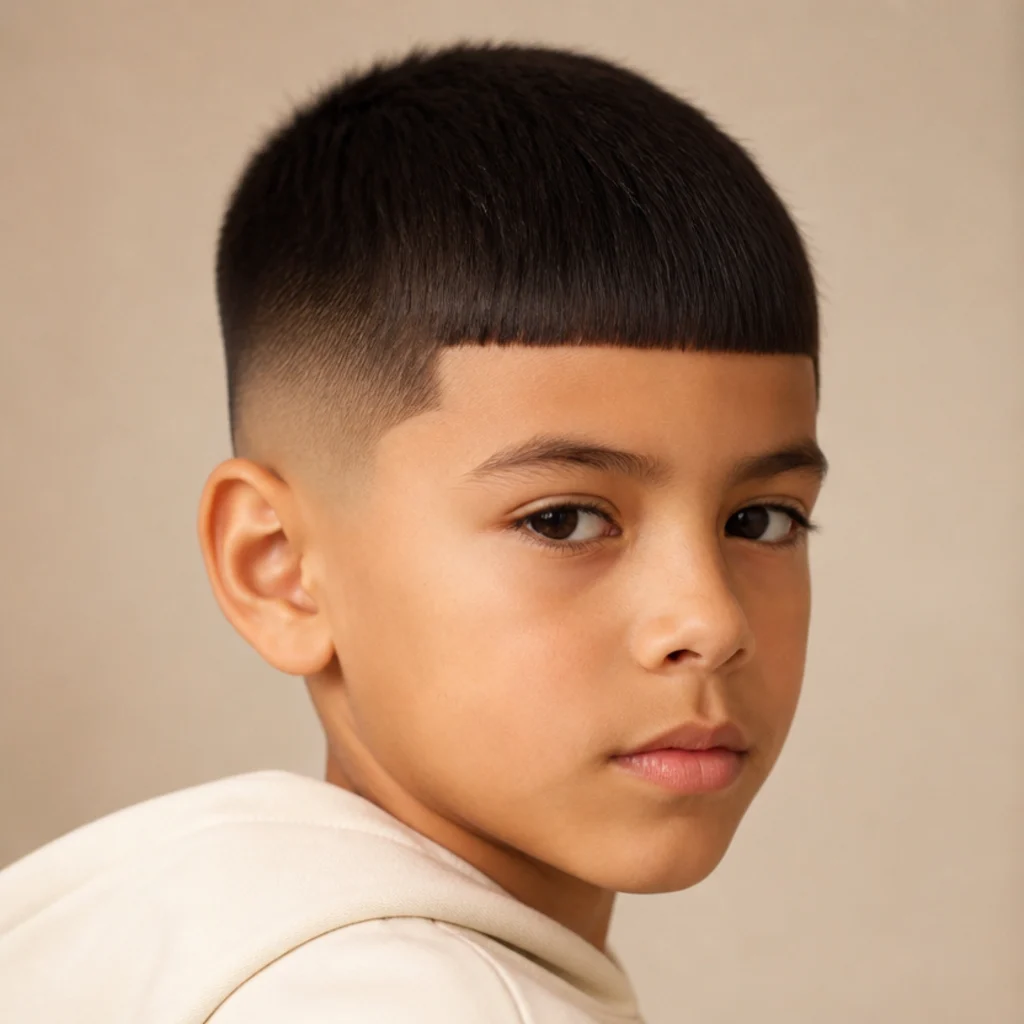
The edgar is defined entirely by its front: a blunt, near-horizontal fringe cut straight across the forehead with crisp corners squared off at the temples. The top stays dense and weighty so the line reads clean rather than wispy, and the sides are usually kept short so nothing competes with that front band. It lives or dies on precision, which is why it looks strongest on straight or lightly wavy hair where the edge holds without frizzing up. It flatters oval and longer faces that can carry a strong horizontal, and it shortens the appearance of a tall forehead. Upkeep is frequent, because the fringe drops into the eyeline within two to three weeks. Style it with a pea-sized amount of matte clay worked through dry hair, then comb the fringe forward and flat, never rounded. Pro tip: have the barber cut the corners a hair softer on visit one, since sharp squared corners age fast and can look severe on a rounder hairline. Ask your barber for a blunt straight fringe with squared corners and a heavy, un-thinned top.
02The Taper Fade, Defined {#taper-defined}
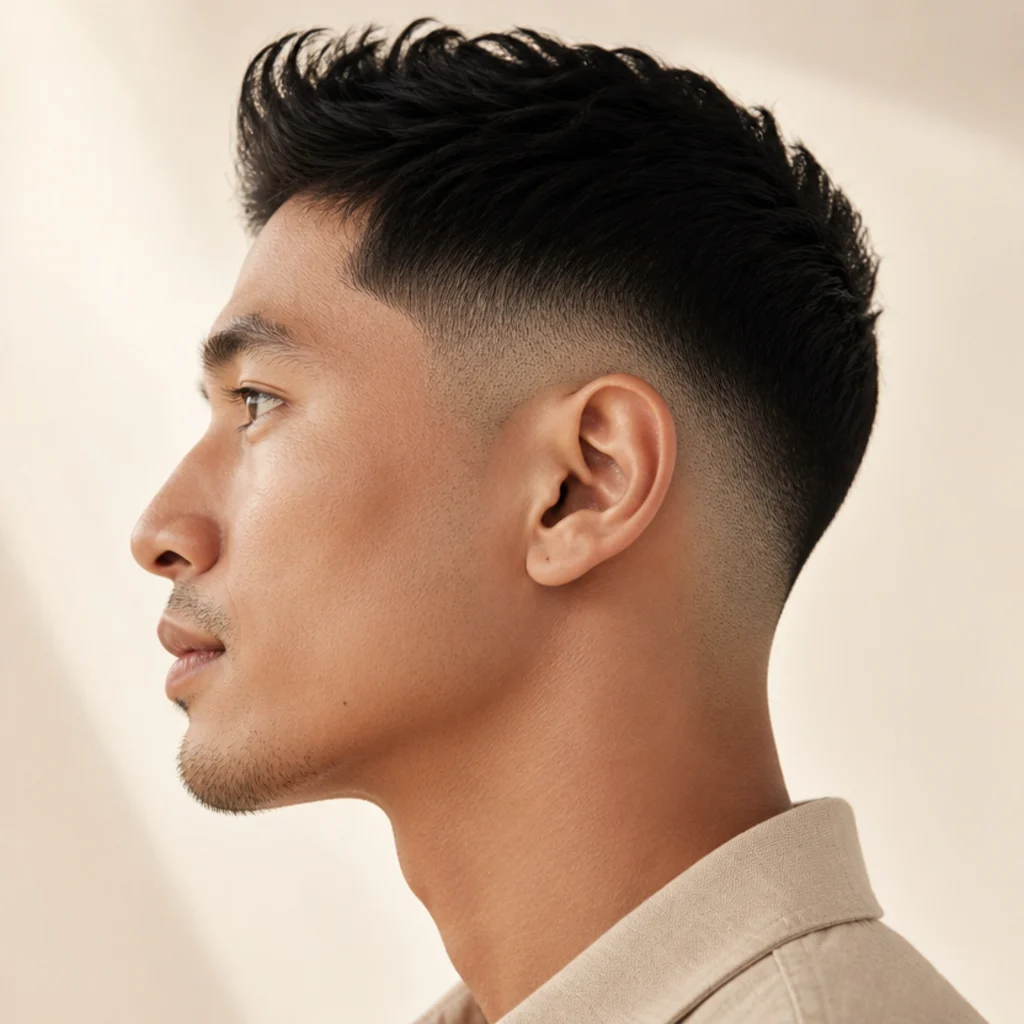
A taper fade is all about the perimeter. Hair shortens gradually from the top down toward the ears and neckline, blending into the skin without a single hard line, which is what separates a taper from a harsher "fade" or "skin fade." It keeps length and full styling options up top, so it pairs with almost any front, from a slick back to a fringe. Every texture takes it well, from tight 4c coils to poker-straight hair, and it flatters most faces because you control how high the gradient climbs. Maintenance is friendlier than the edgar's: the gradient softens as it grows instead of reading overgrown, so a low version can stretch four to six weeks. A trained barber handles this one on autopilot, though a smooth blend still takes real skill with the clipper guards. Pro tip: ask where the taper starts relative to a landmark, "begin at the top of the ear," so you and the barber share the same mental picture instead of guessing. Ask your barber for a taper fade and specify low, mid, or high.
03Edgar Cut on Straight Hair {#edgar-straight}
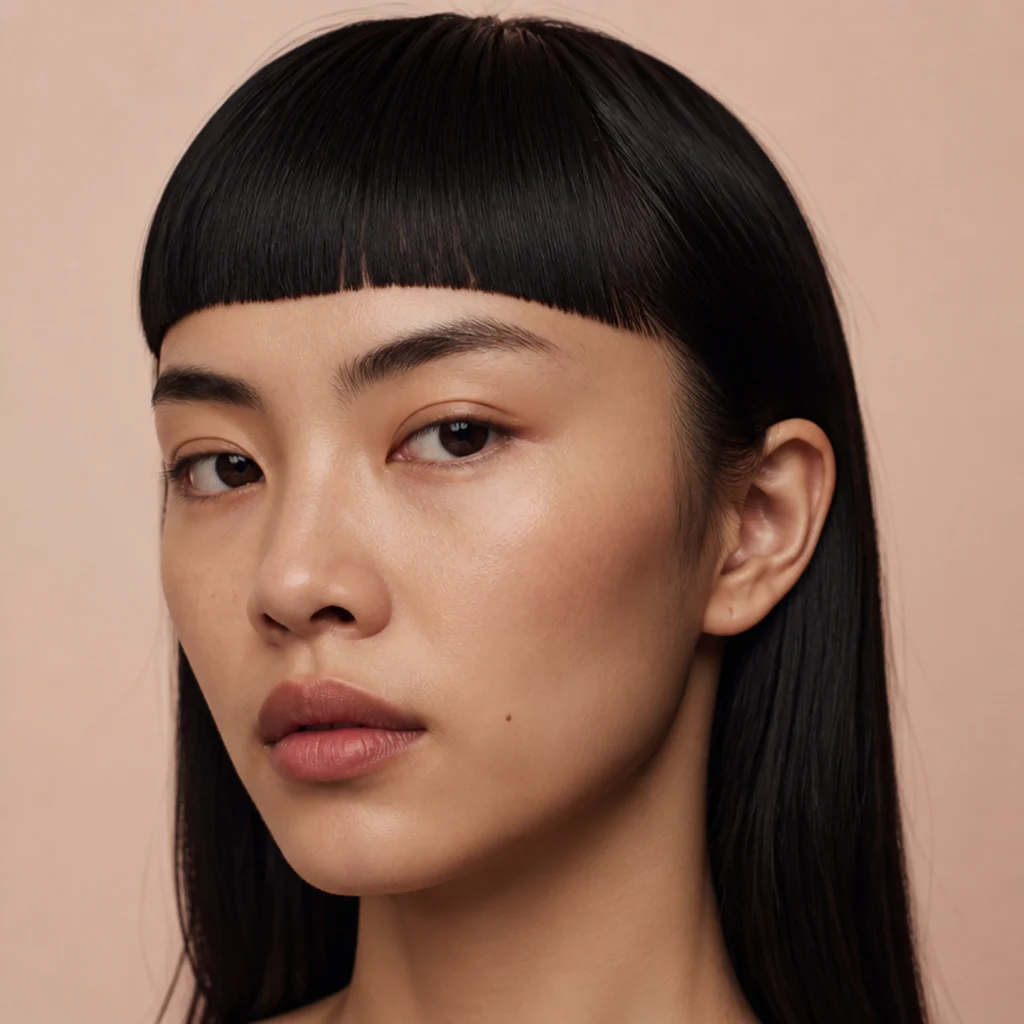
This is the edgar in its natural habitat. On edgar cut straight hair, the blunt fringe lies flat and the squared corners stay razor-defined, exactly the effect the cut was built around. Straight strands give the barber a predictable line, so the finish looks intentional rather than choppy, and cool-to-neutral dark shades make the edge read even crisper than warm, lighter hair. Medium-to-thick straight hair suits it best; very fine hair leaves the fringe looking sparse and see-through, and a cowlick at the front will fight the flat line all day. Style with a matte clay or paste worked through fully dry hair, then comb forward and press flat with the palm, avoiding shine products that expose stray hairs. Upkeep runs every two to three weeks to keep the line clear of the brows. Pro tip: blow-dry the fringe forward on cool before you comb, to train the direction and stop it splitting. Ask your barber for a blunt fringe kept heavy, not point-cut or thinned.
04Low Taper Fade {#low-taper}
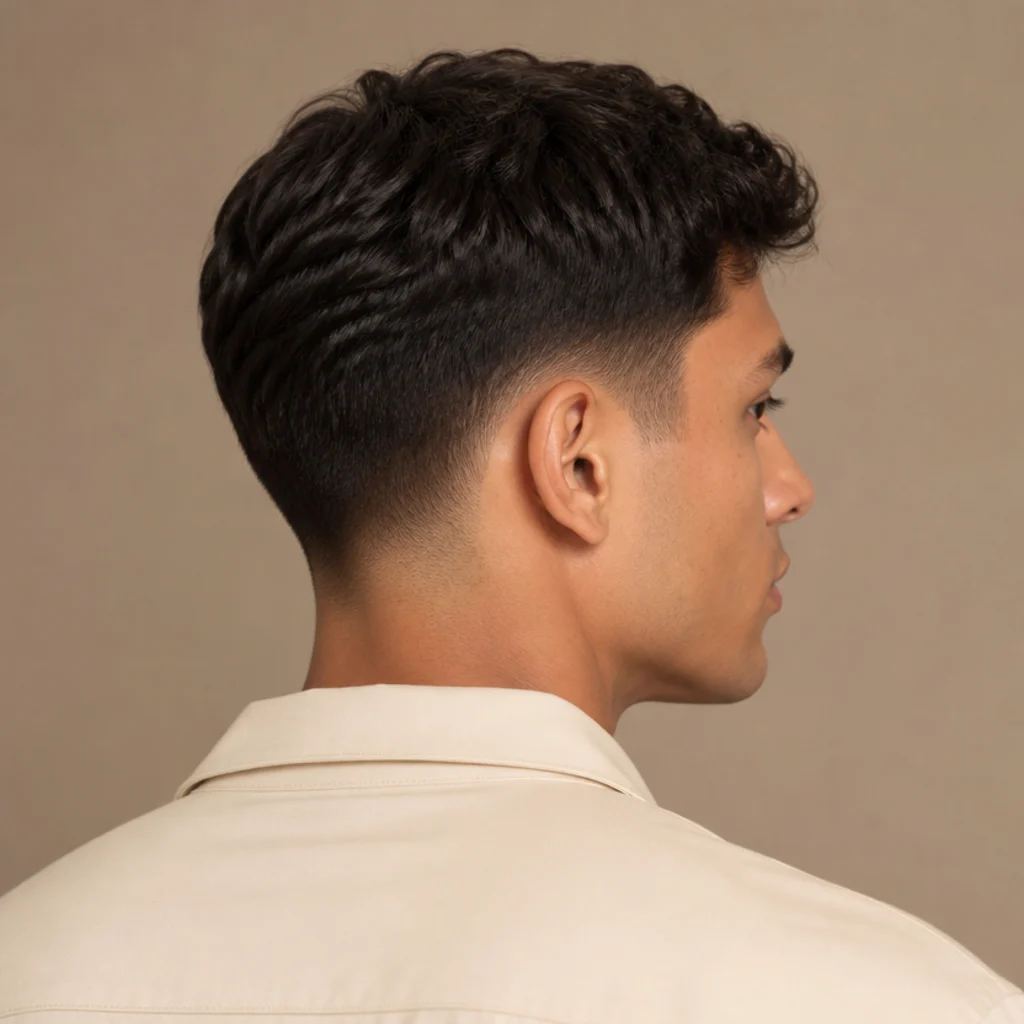
The low taper keeps the fade tight to the neckline and just around the ears, leaving most of the sides intact. It's the most conservative, office-friendly member of the fade family and the one that grows out most gracefully, the smart pick if you can't get to the chair often. Anyone who wants a tidy edge without dramatic contrast should look here, and it flatters rounder and fuller faces because it doesn't carve width into the sides. Every texture works, from coils to straight. Maintenance is relaxed: you can stretch four to six weeks and still look neat, since there's no high-contrast line to blur. It's about as safe a first fade as a barber can give you. Pro tip: pair a low taper with a longer, natural top if you want the cut to read mature and understated rather than trendy. Ask your barber for a low taper that starts just above the ear and cleans the neckline, keeping the sides mostly full.
05Curly Edgar Cut {#curly-edgar}
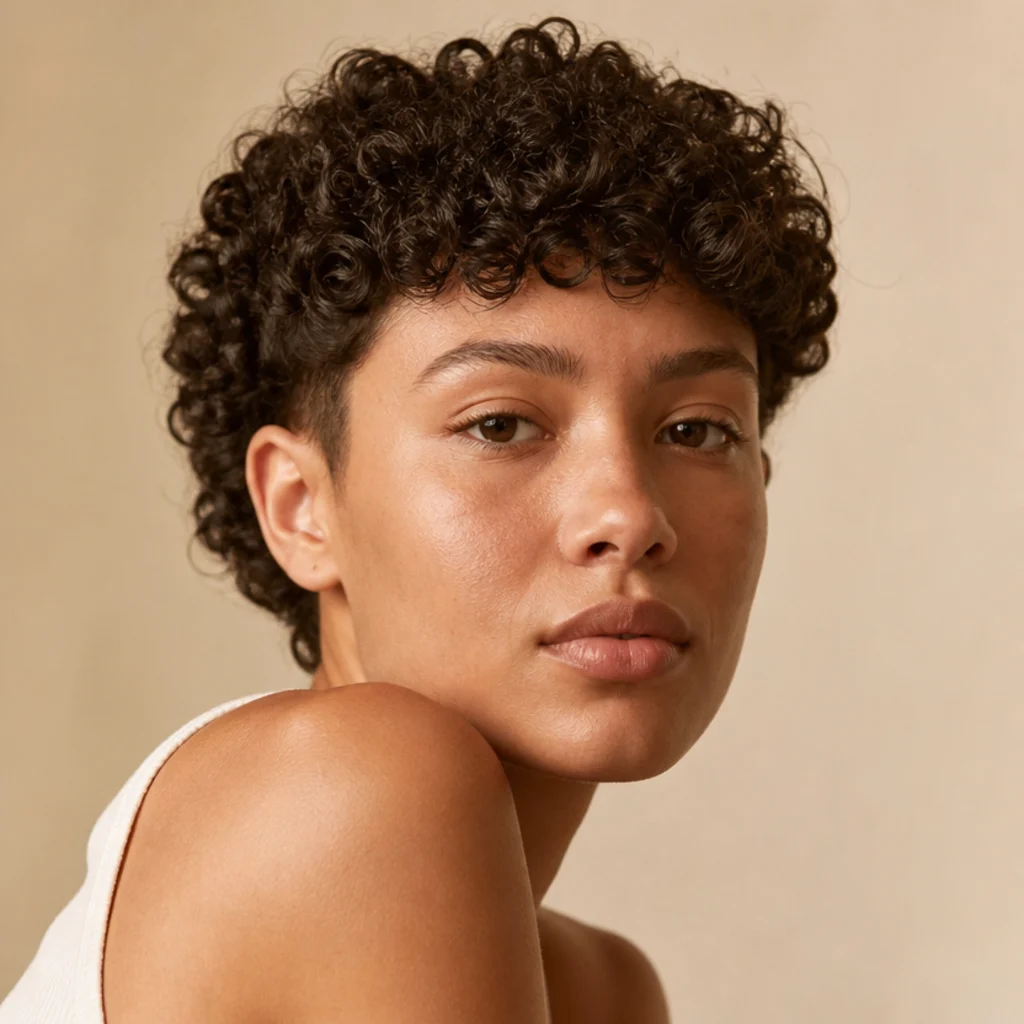
A curly edgar cut translates the blunt-front idea for wave and coil. Because curls spring and shrink as they dry, the barber cuts the fringe with the curl pattern and shrinkage in mind, so the front still reads as a defined edge once it lifts. The result is a softer, more organic line than the straight-hair version, and many people actually prefer it for exactly that reason: less severe. It works on loose 2b waves through tighter 4a coils; the denser the curl, the more the barber sculpts a shape rather than slicing a hard horizontal. Style damp with a curl cream or light gel to keep the front clumped and defined, then let it air-dry or diffuse to avoid frizz. Upkeep is regular, every three to four weeks, to keep the front shape from stretching out. Pro tip: never let a barber cut curls fully dry and stretched, or the fringe will sit shorter and blunter than you wanted once it springs back. Ask your barber for an edgar shaped to your curl, cut with shrinkage in mind, not blunted flat.
Save this to Pinterest to compare the straight and curly edgar side by side.
06Mid Taper Fade {#mid-taper}
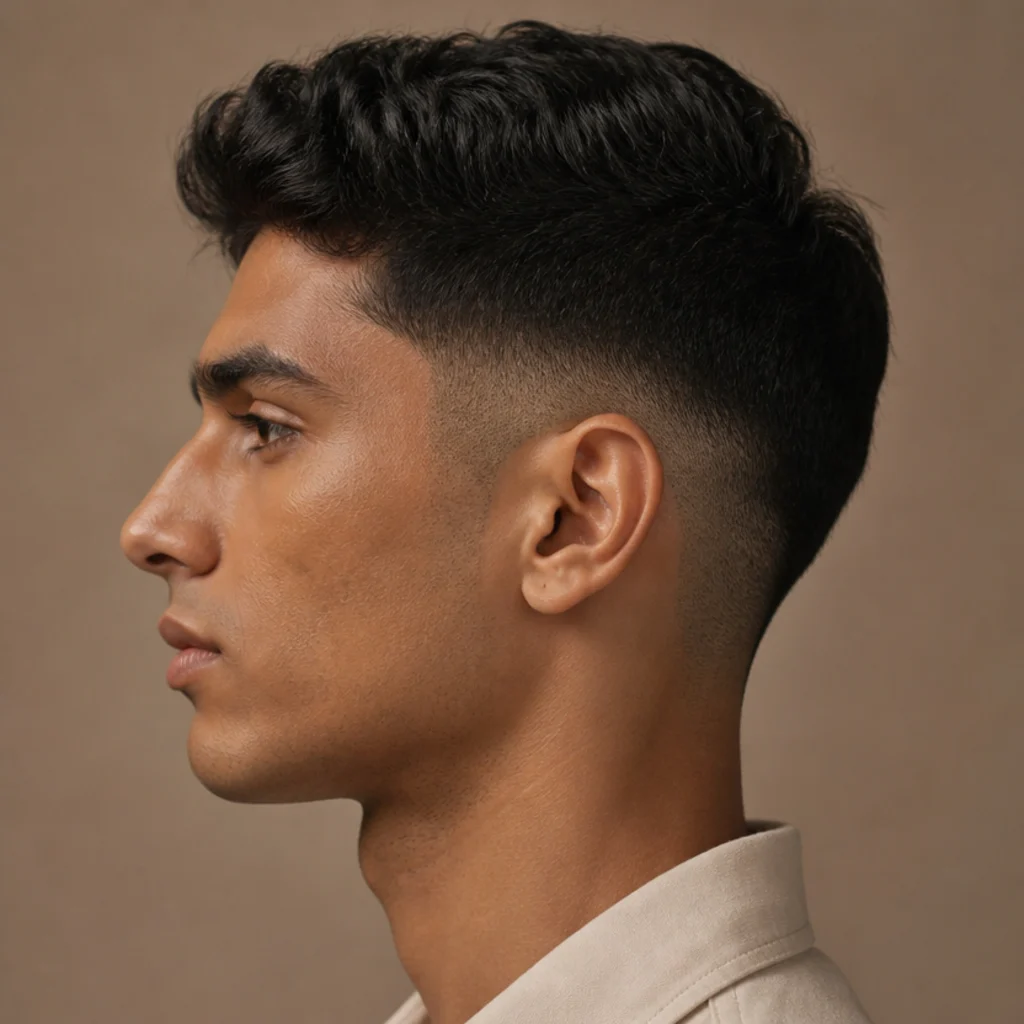
The mid taper starts its gradient around the temple and mid-ear, giving more visible contrast than the low version while staying versatile enough for most settings. It's the true middle ground: defined enough to look deliberately styled, restrained enough that most workplaces read it as sharp rather than flashy. If you want shape and structure without committing to a high, dramatic fade, this is it, and it flatters oval, square, and heart faces especially well by drawing a clean vertical edge beside the face. Every texture works, though the blend shows off best on hair with a bit of density. Maintenance is moderate: the contrast stays crisp for roughly two weeks, then eases into a softer gradient over three to four. Most barbers find it low to moderate work. Pro tip: a mid taper is the most forgiving fade to grow into a low one, so it's a low-risk first step up from the low taper. Ask your barber for a mid taper starting at the temple, blended smooth into the top length.
07Edgar Buzz Cut {#edgar-buzz}
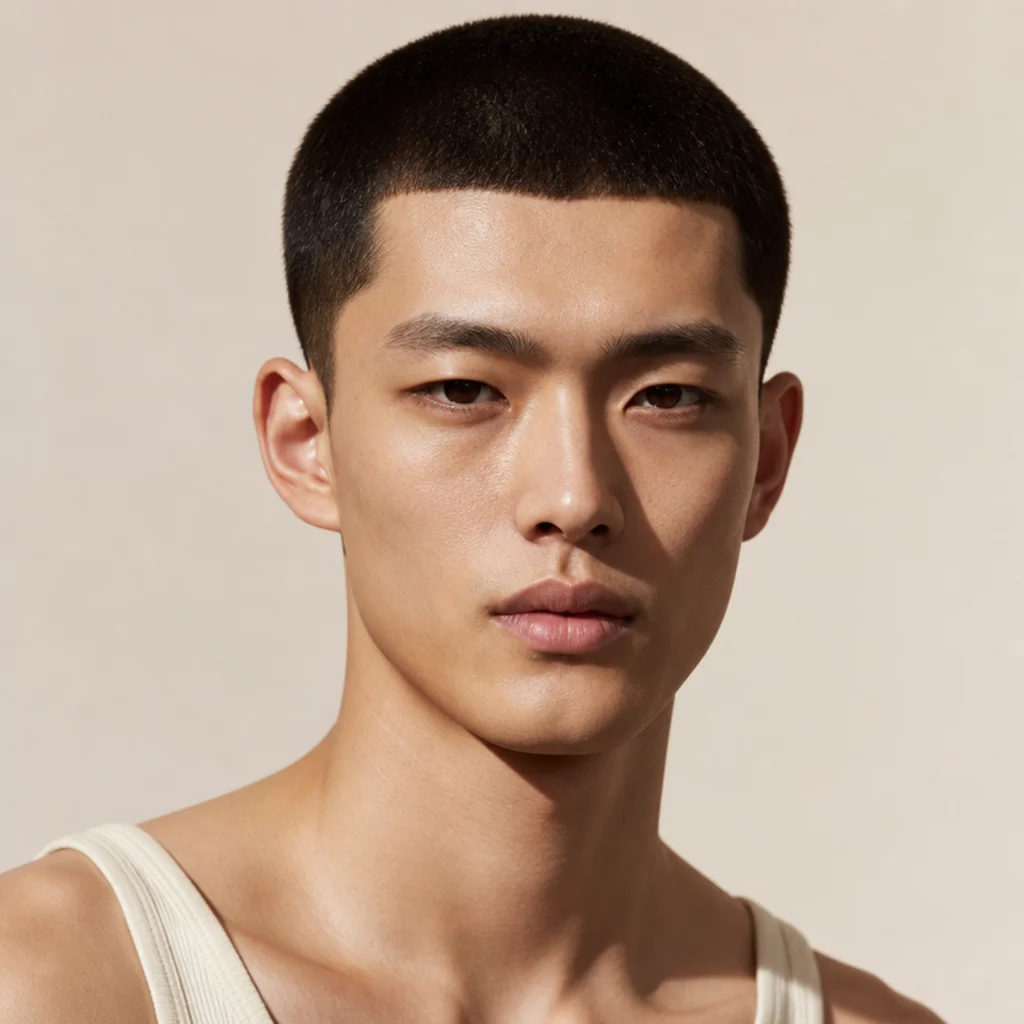
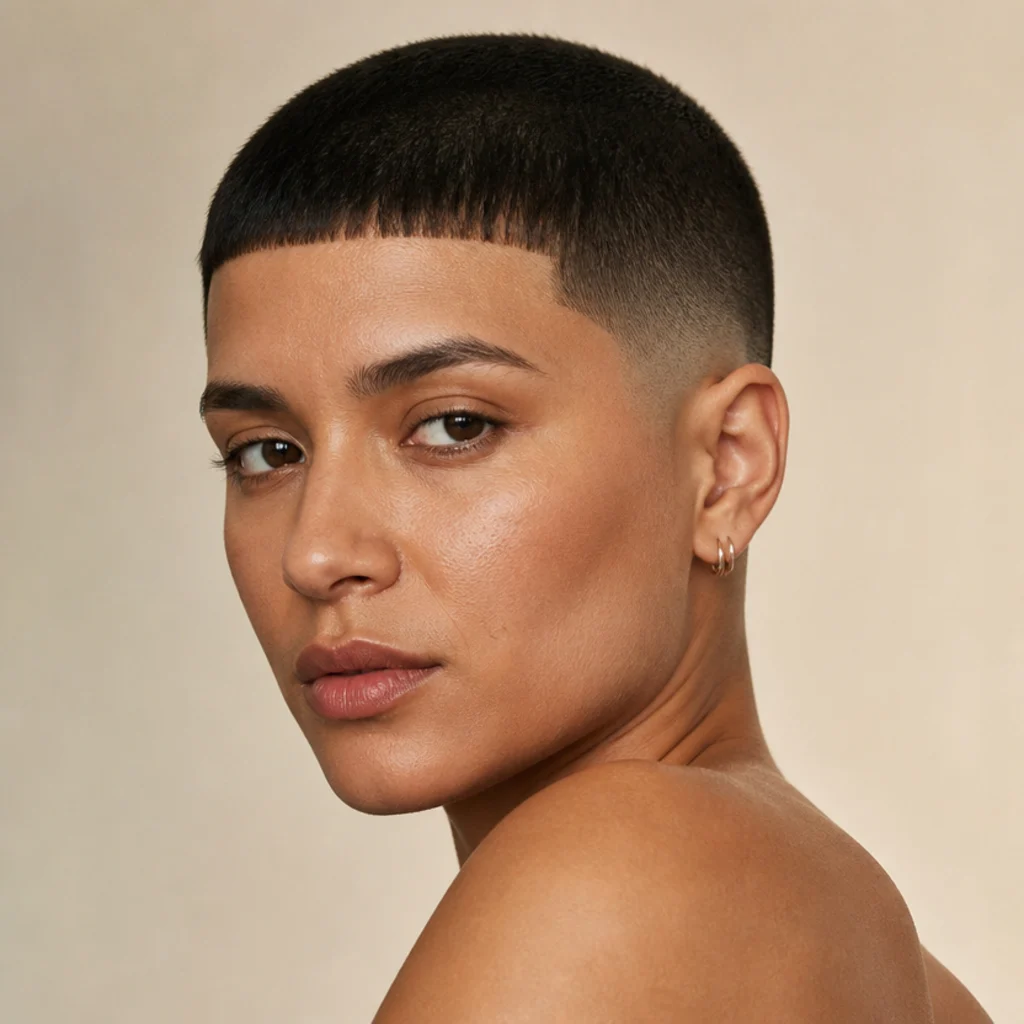
The edgar buzz cut strips the style back to essentials: the top is buzzed to a short, even guard length while the front keeps that signature blunt line. It reads as a cleaner, lower-effort take that still nods to the edgar shape, and it's a solid option for thick or coarse hair that's hard to style forward each morning. Anyone who wants the front statement without daily product should try this, and strong, angular faces whose bone structure carries a short top well look especially good in it. It works best on straight to wavy hair so the front stays crisp; on very tight coils the blunt line softens into more of a shaped front. Maintenance is about the line, not the length: a quick fringe touch-up every two to three weeks keeps it looking deliberate. Pro tip: ask the barber to leave the buzzed top a guard length longer than you think, roughly a number two or three, so the blunt front doesn't look disconnected from the sides. Ask your barber for a short buzzed top with a blunt straight edgar front left in.
08High Taper Fade {#high-taper}
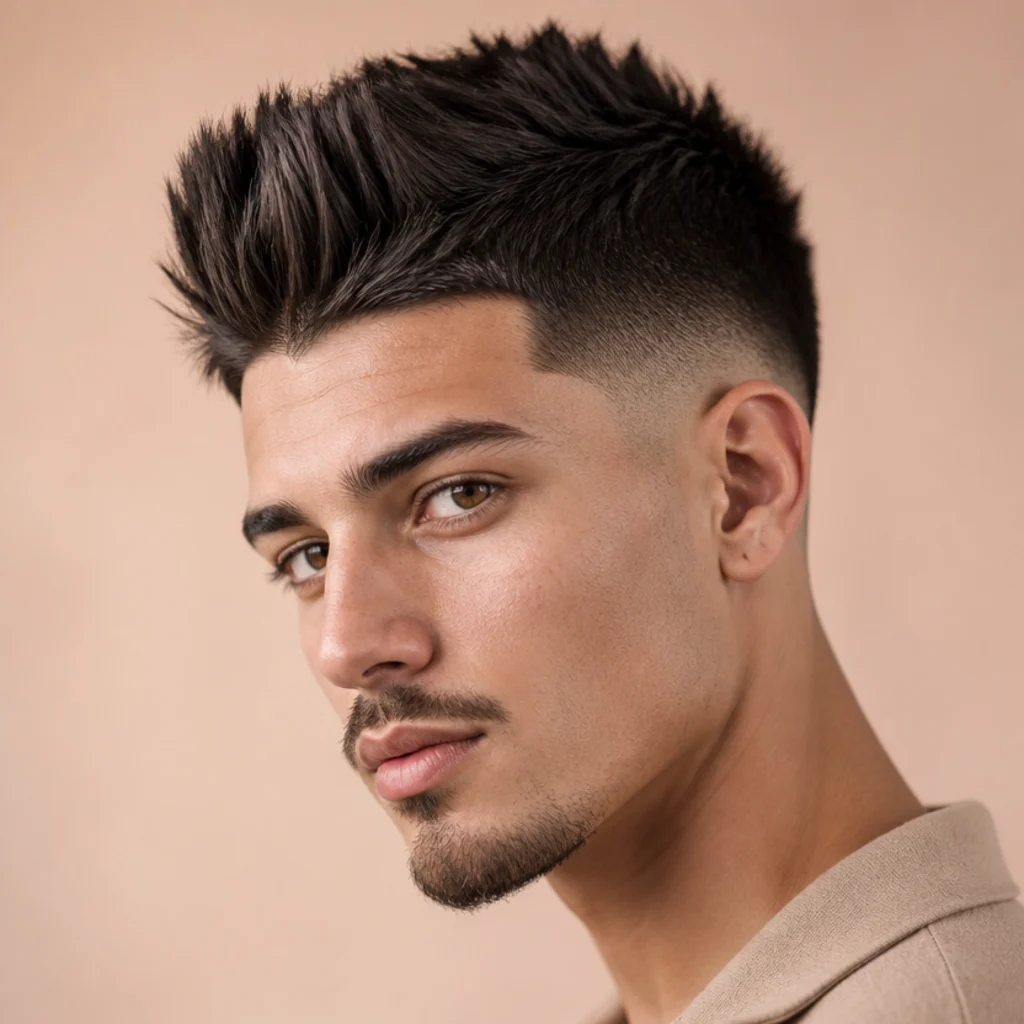
The high taper pushes the gradient up toward the crown, creating the boldest contrast in the fade lineup. It makes the top look taller and the sides look sleek, the most modern and dramatic option on this list, and it pairs beautifully with volume on top, a quiff, a pomp, or a textured crop. Go here if you want maximum definition and the confidence to carry a strong silhouette; it also visually elongates rounder and shorter faces by adding vertical lift. Every texture works, though tighter coils show the gradient especially cleanly against skin. Maintenance is the highest of the tapers, because that sharp contrast blurs fastest as hair regrows, so plan roughly every two to three weeks to keep it looking intentional. A high blend has to stay smooth over a larger area, which asks more of the barber than a low or mid version does. Pro tip: if you work somewhere formal, ask for a high taper rather than a high skin fade, so the softer top edge stays office-appropriate. Ask your barber for a high taper with tight, clean contrast near the crown.
09Edgar Cut Taper Fade Hybrid {#edgar-taper-hybrid}
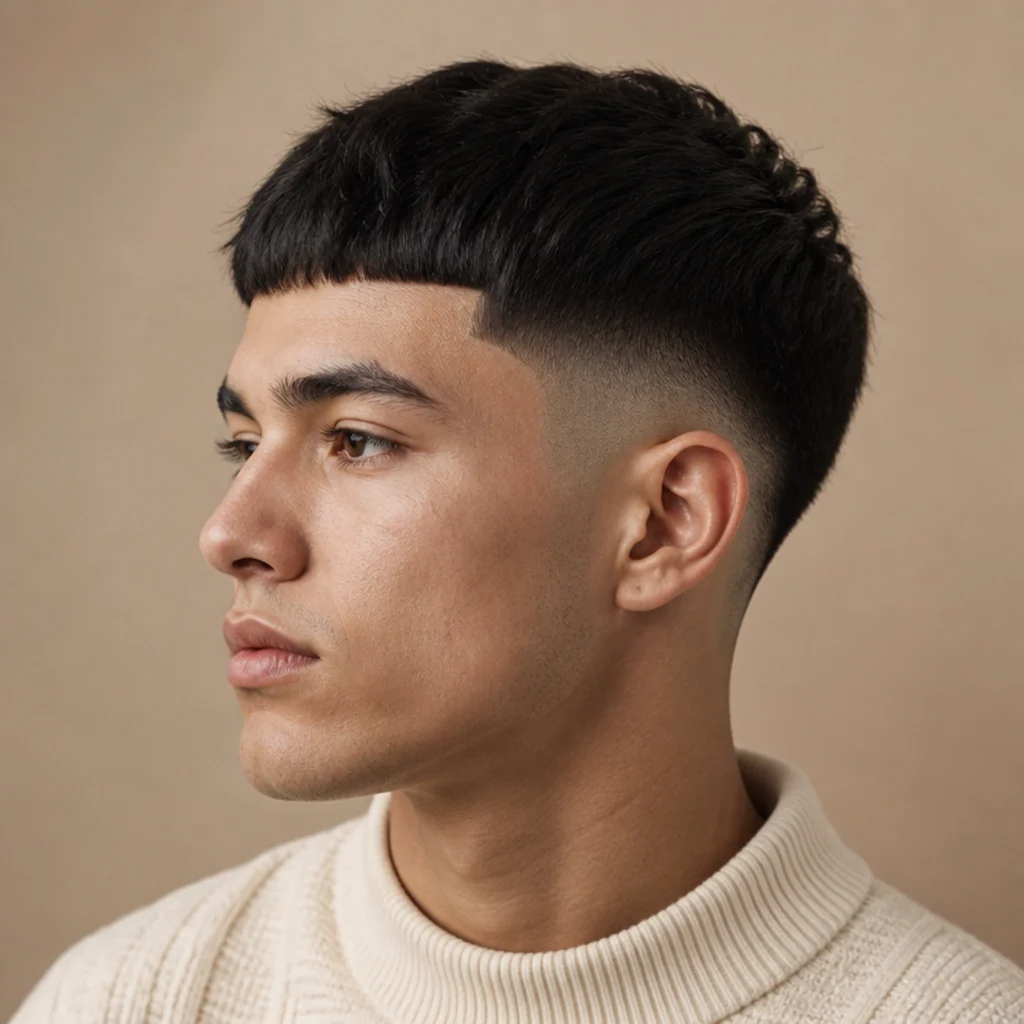
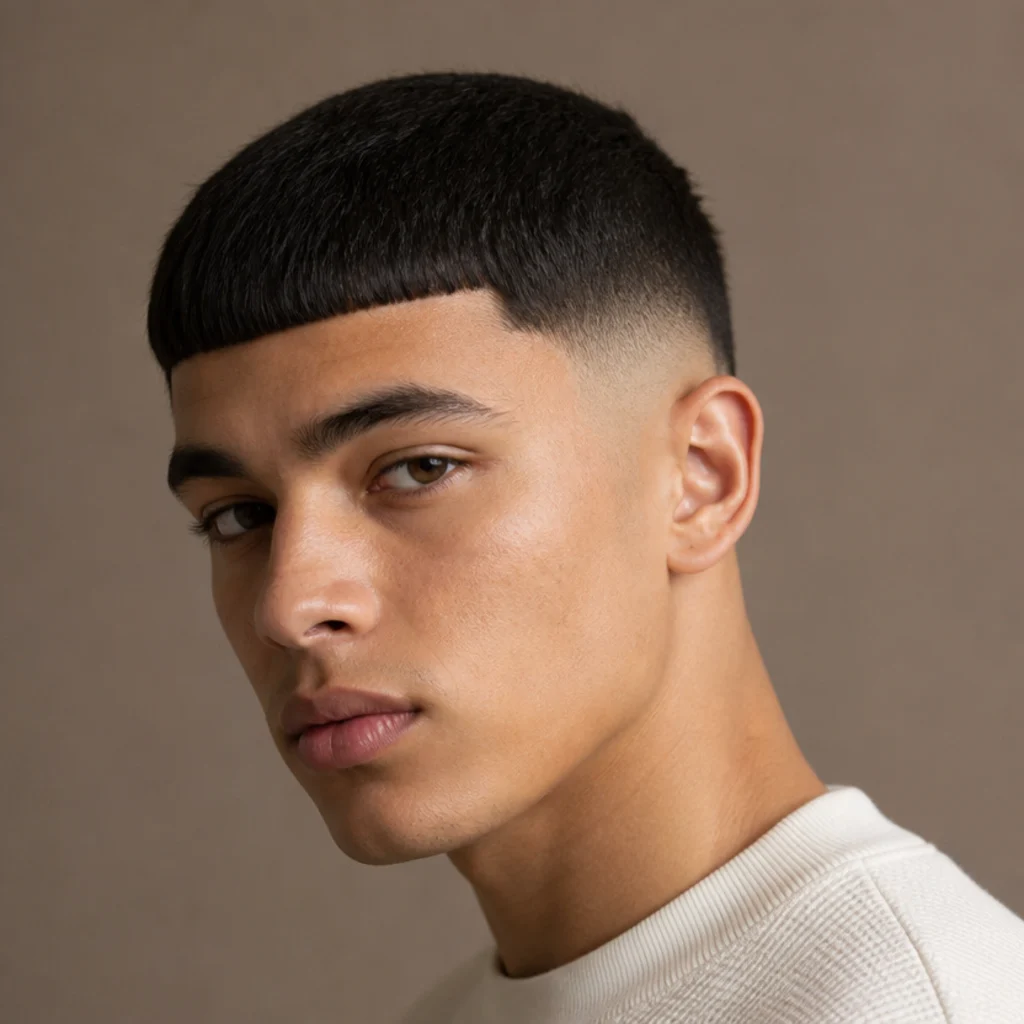
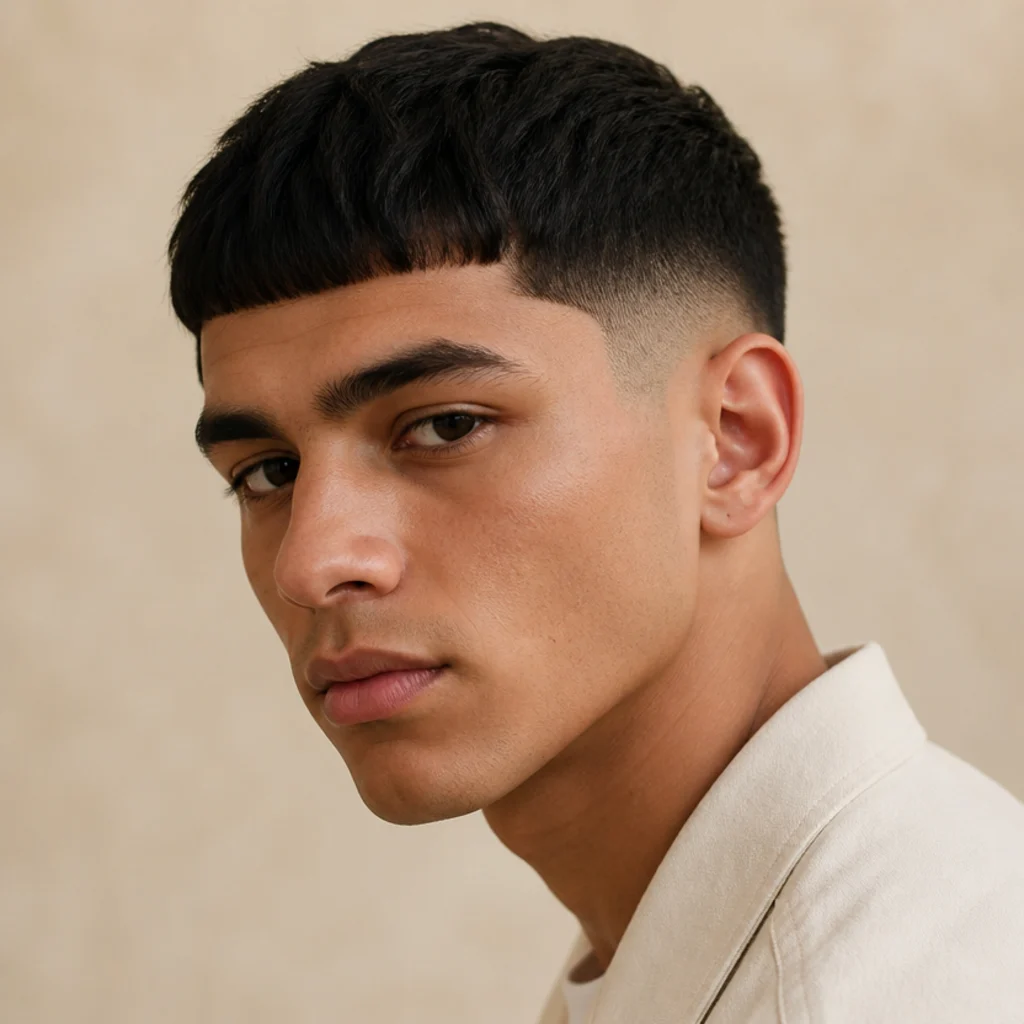
This is where the two ideas meet, and it's the standout of the entire comparison. The edgar cut taper fade keeps the blunt, straight front up top while fading the sides and back into a soft gradient, so you get the graphic statement of the edgar and the clean, grown-up edge of the taper in one cut. It suits almost anyone, because the fade height is a dial: pair the blunt front with a low taper for a restrained, workplace-friendly look, or a high taper for full drama. The front works best on straight to wavy hair, while the fade adapts to any texture on the sides. Maintenance combines both jobs, fringe touch-ups plus fade upkeep, so budget for slightly more frequent visits, around every two to three weeks. Pro tip: on the first appointment, ask the barber to keep the fade a notch lower than your reference photo, since it's far easier to take the sides higher next time than to wait out a fade that went too high. Ask your barber for an edgar front with a taper fade on the sides, and name the fade height.
10Textured Taper with Fringe {#textured-taper}
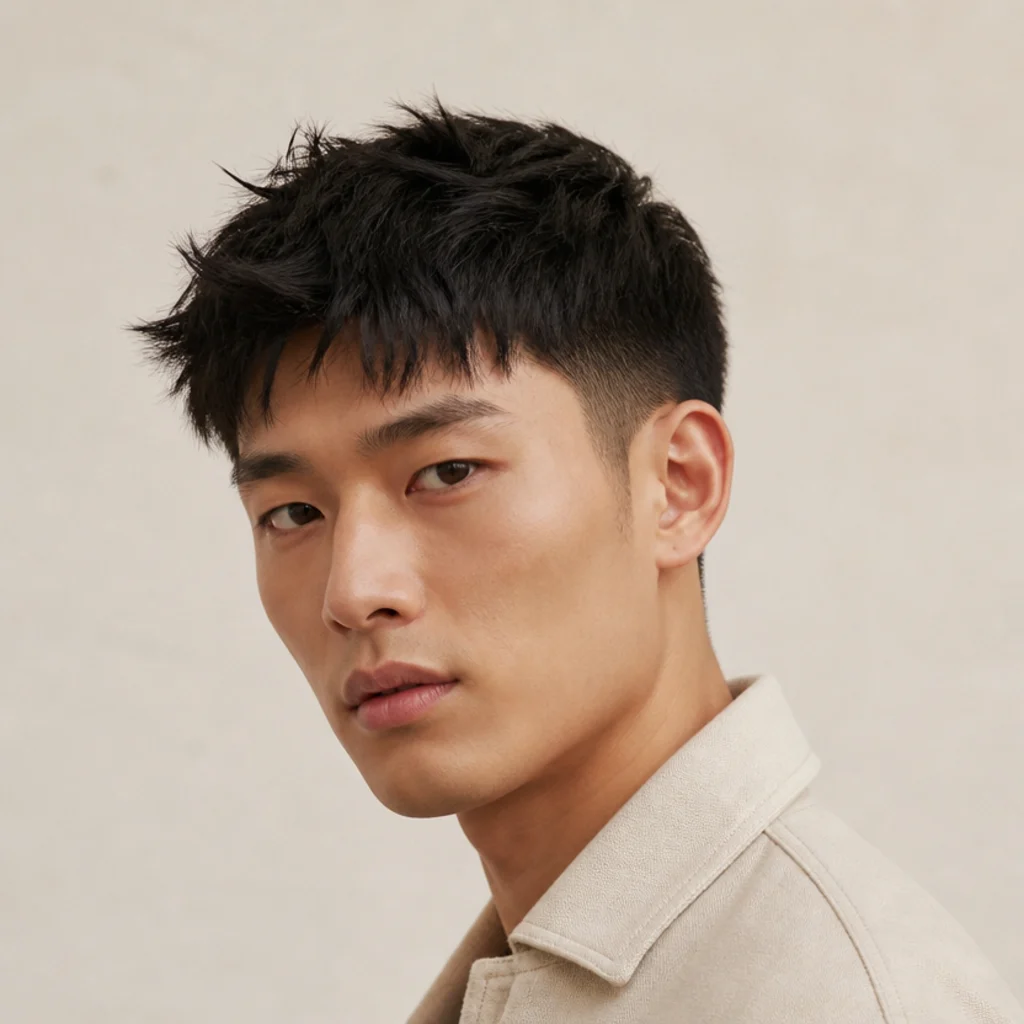
Not every fringe has to be blunt. The textured taper pairs a soft, piecey fringe with a taper fade, giving a looser, more forgiving cousin to the edgar. The front is point-cut for separation rather than sliced into a hard line, so it works well if you find the blunt edgar too severe or too trend-specific. It flatters most face shapes and quietly disguises a slightly uneven or receding hairline better than a dense blunt band, because the gaps read as intentional texture. It works best on straight and wavy hair with natural movement; add a sea-salt spray to fine hair for grip. Maintenance is forgiving, since a piecey front grows out softly instead of dropping into a heavy line, so you can stretch three to five weeks. Most barbers rate it low to moderate difficulty. Pro tip: style with a matte texture paste scrunched in with fingertips, not combed, to keep the piecey separation the whole look depends on. Ask your barber for a textured crop with a taper fade and a soft, separated, point-cut fringe.
Save this to Pinterest if the textured version feels more you than the blunt edgar.
11Edgar Cut for Boys {#edgar-boys}

The edgar cut for boys is a popular, low-fuss choice because the shape is instantly recognizable and quick to style on busy mornings. A blunt front with short, tidy sides keeps the routine simple: a dab of light, non-greasy product and a quick comb-forward is all it takes, and it survives recess and sport better than a longer style. Kids with straight to slightly wavy hair, where the front sits flat naturally, are the best candidates; very curly or cowlick-prone hair will need the barber to shape rather than blunt the front. Because children's hair grows fast, plan on a fringe trim roughly every two to three weeks to keep the line clear of the eyes and eyelashes. It's a comfortable first shaped haircut for a nervous child, since it asks little of the barber. Pro tip: ask for the corners kept a touch softer and rounder than an adult edgar, so the look stays age-appropriate and less severe. Ask your barber for a kid-friendly edgar with a blunt front and short sides, easy to maintain at home.
12Taper Fade with Line-Up {#taper-lineup}
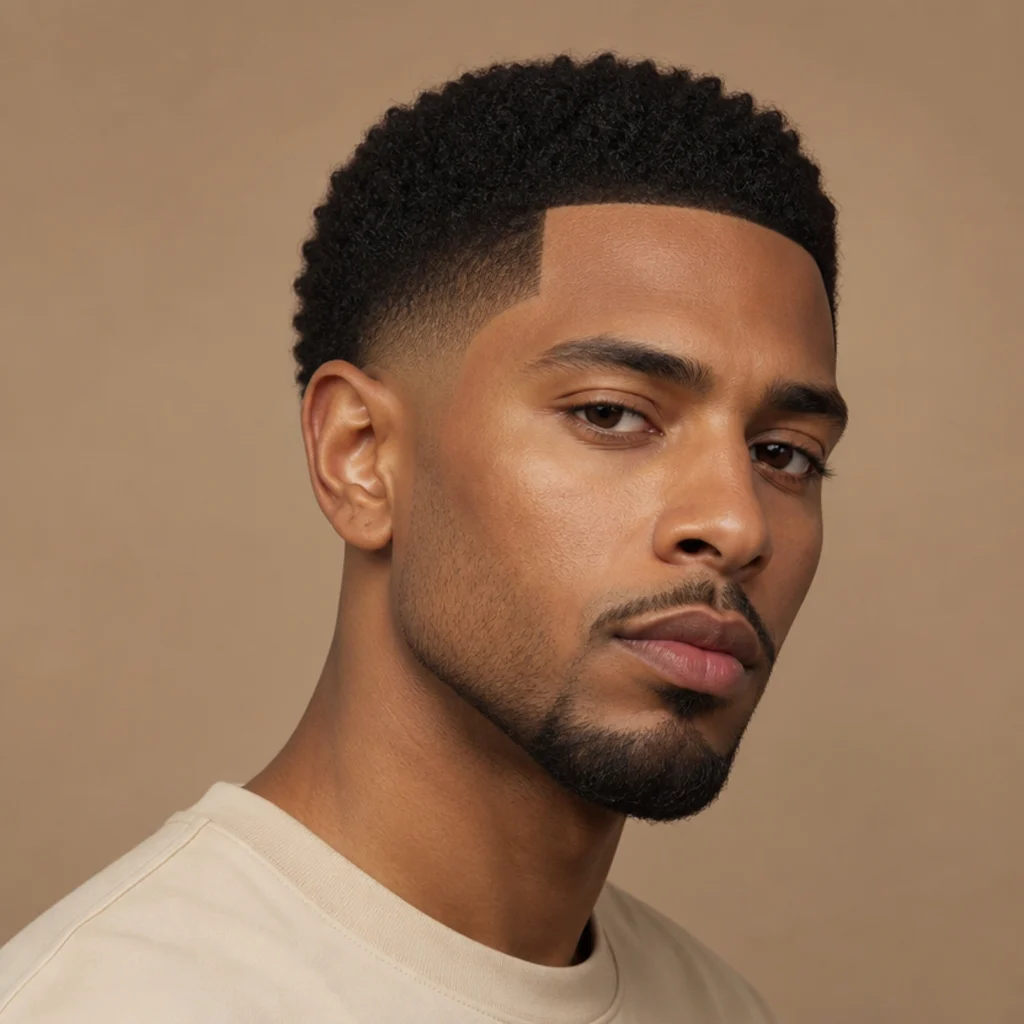
Adding a line-up, also called an edge-up, sharpens any taper fade by squaring off the hairline and temples with clean, defined edges. It's the finishing detail that makes a fresh cut look barbershop-crisp rather than merely trimmed. People who like precision and have a hairline that supports a defined edge suit it best; on a receding or uneven hairline, a barber should follow your natural line rather than force a straight one, since squaring too aggressively can push the hairline back over time. It works across textures and pairs especially well with mid and high tapers, where the crisp frame echoes the sharp gradient. Maintenance is higher, because edges soften within days as hair regrows, so it favors clients who visit frequently or touch up at home carefully. A steady hand and correct angle on the corners matter more here than raw skill level. Pro tip: ask for a "natural line-up" if you want the freshness without the stark, ruler-straight look that grows out awkwardly. Ask your barber for a taper fade with a natural or squared line-up, depending on how sharp you want the frame.
13Maintenance Compared {#maintenance}
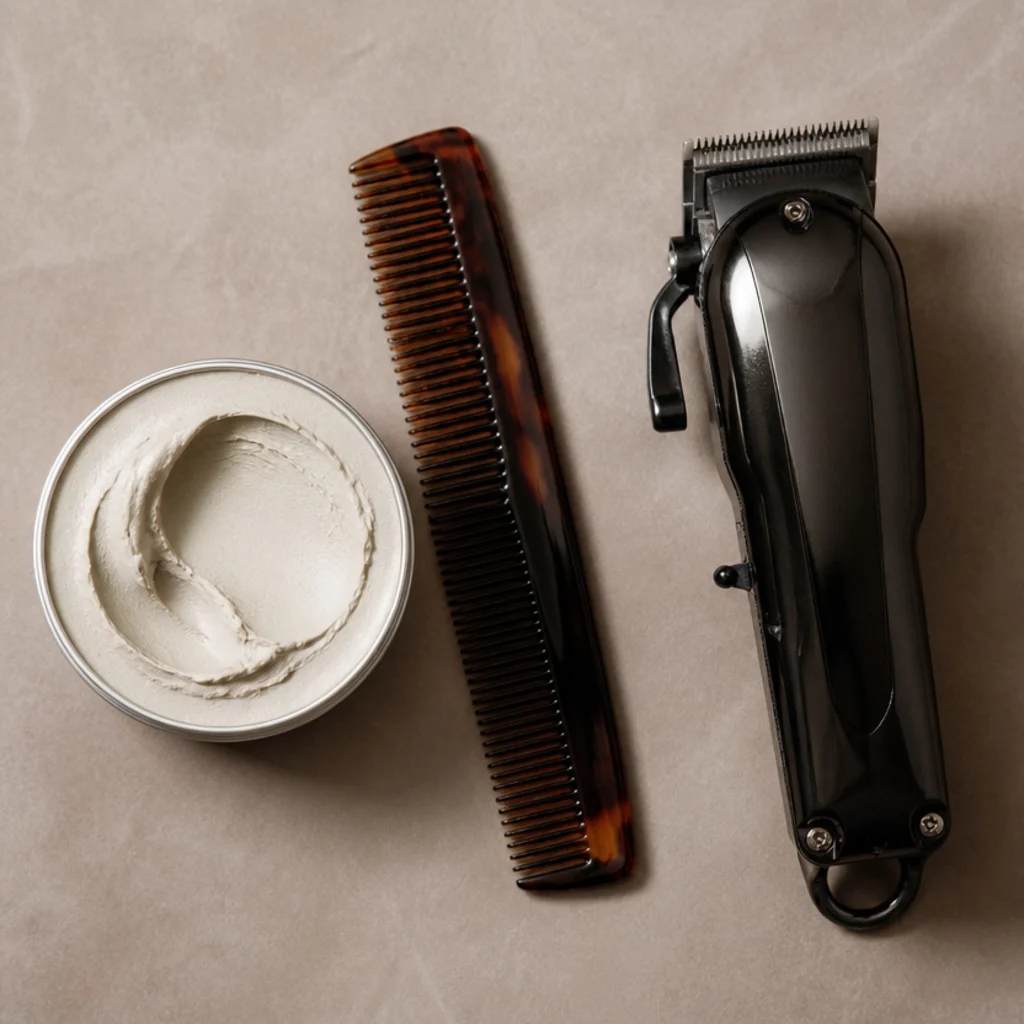
Upkeep is often the deciding factor, so here's the shape-by-shape picture. Treat any timing as varies by hair growth speed, density, and salon, and remember that faster-growing hair pulls every window shorter.
| Style | Reshape frequency | Daily styling | Forgiving as it grows |
|---|---|---|---|
| Classic edgar | High (2-3 wks) | Moderate | Low |
| Low taper fade | Low (4-6 wks) | Minimal | High |
| High taper fade | High (2-3 wks) | Minimal | Low |
| Edgar taper hybrid | High (2-3 wks) | Moderate | Medium |
The pattern is clear: the edgar asks for fringe attention, the tapers ask for perimeter attention, and the higher the fade, the faster the contrast blurs. If you want the longest honest stretch between visits with the least daily effort, a low taper wins outright. If you want the sharpest look and can accept the visit cadence, the edgar and high taper deliver. The hybrid sits in between, buying you a striking front in exchange for a two-to-three-week rhythm. Match the cut to the calendar you'll actually keep, not the one you wish you had.
14Face Shape and Suitability {#face-shape}
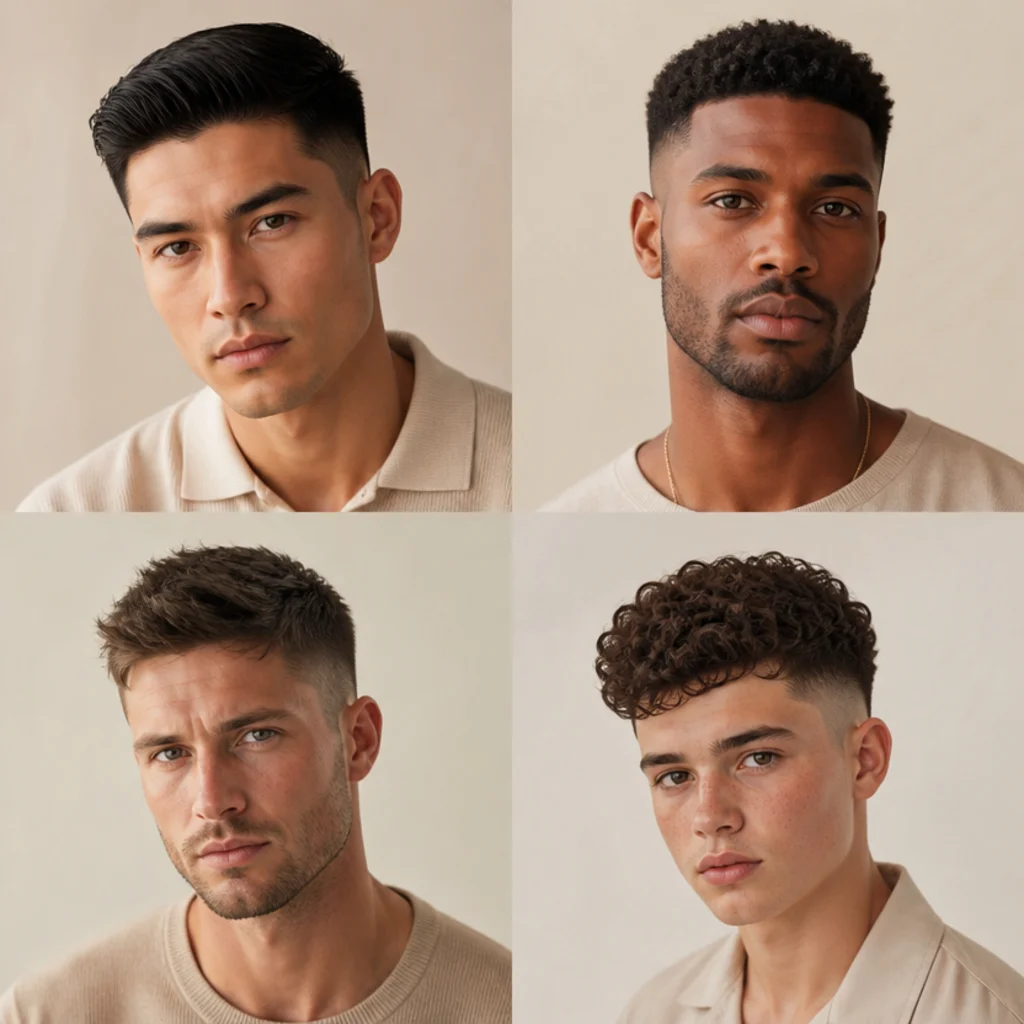
Face shape steers the choice more than trend does. Oval faces carry almost anything, including the strong horizontal of a blunt edgar, so upkeep and texture should drive the decision instead. Round and fuller faces usually look better with a higher taper that adds vertical length and keeps width off the sides, so a mid or high taper beats a heavy blunt fringe that emphasizes width. Square and angular faces suit the edgar's geometry, since the straight line and squared corners echo their bone structure rather than fight it. Heart shapes, wider at the forehead and narrower at the jaw, generally do better with a softer textured fringe than a dense blunt band, which can overload the top third of the face. Texture matters just as much as shape: straight and lightly wavy hair flatters the edgar's crisp line, while every texture flatters a taper. Forehead height counts too; a blunt fringe visually shortens a tall forehead. When two options tie, the hybrid lets you balance a flattering front against a flattering perimeter without choosing one.
15How to Ask Your Barber {#ask-barber}
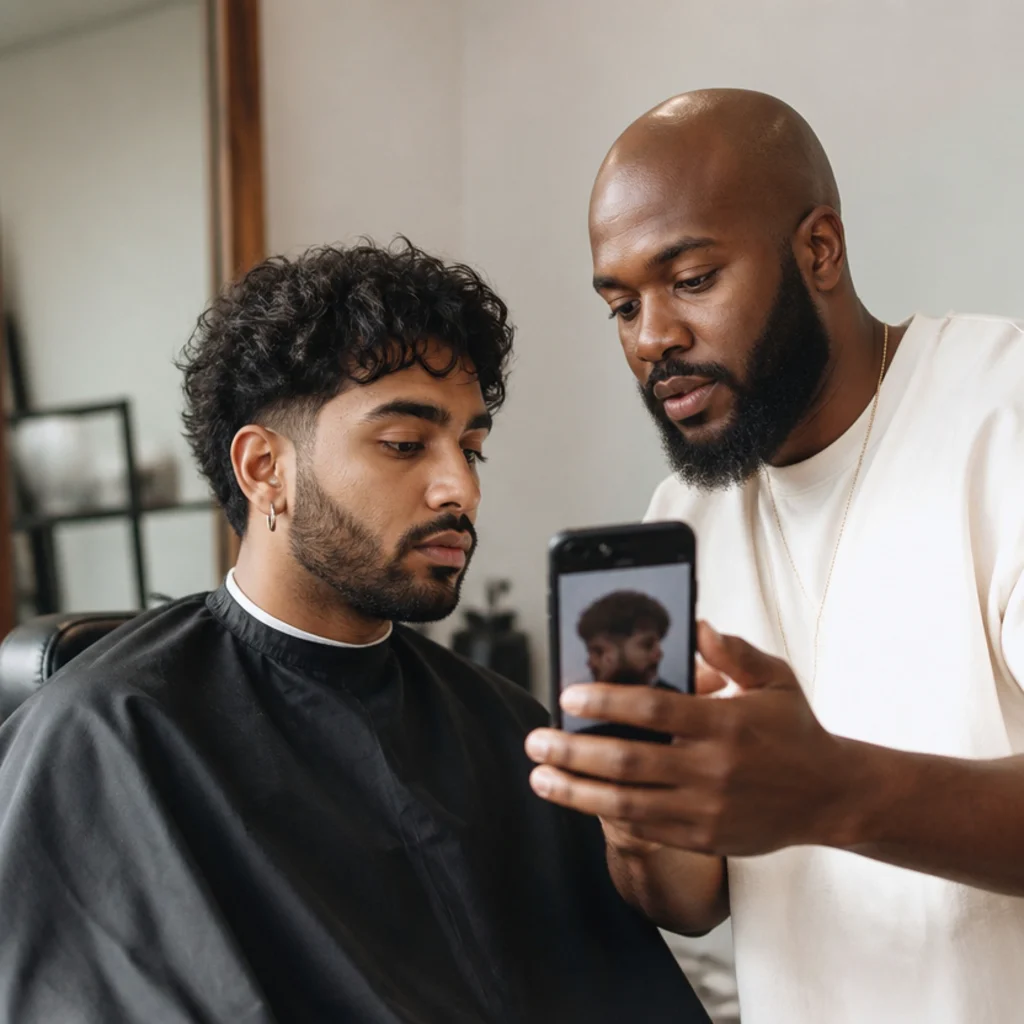
Bring a photo; it removes guesswork faster than any description, and two or three angles beat one. Then use the right vocabulary so nothing gets lost in translation. For the front, say "blunt straight fringe with squared corners" for a true edgar, or "soft, point-cut textured fringe" for the gentler version. For the sides, name the fade level explicitly, low, mid, or high taper, and anchor it to a landmark like the top of the ear or the temple. If you want the hybrid, say "edgar front with a taper fade on the sides" and give the fade height. Tell your barber how fast your hair grows and how often you can realistically return, so the length is tailored to your calendar. Pro tip: ask them to leave a touch of extra fringe and keep the fade a notch low on the first visit, because you can always go shorter or higher next time, but you can't add hair back this week. Clear words plus a reference photo, and honesty about upkeep, get you the shape you pictured.
Pro Tips from the Editor
- Cut curly and wavy fringes damp with shrinkage accounted for; cutting them dry and stretched almost always ends shorter and blunter than intended.
- Matte products only for the edgar. Shine and wet-look pomades expose every stray hair and make a blunt line look uneven.
- On visit one of any edgar, ask for slightly softer corners and extra fringe length. Severity and shortness are easy to add later and impossible to undo now.
- Anchor fade requests to landmarks (top of ear, temple, crown) instead of adjectives. "High" means different things to different barbers; a landmark doesn't.
- A line-up looks sharpest the first week, then grows awkwardly. Skip the ruler-straight edge-up if you can't return every one to two weeks; ask for a natural line-up instead.
- Match the cut to the calendar you keep, not the one you want. A low taper you maintain beats a high taper or edgar you let overgrow.
- If you're between the edgar and the taper, start with a mid taper and a textured fringe; it grows into either direction cleanly and commits you to nothing.
How to Choose / Get the Look
Start with two honest questions: how much upkeep can you actually commit to, and how bold do you want the front to read. If you want a defined statement and can visit every two to three weeks, the edgar rewards you, especially on straight or lightly wavy hair where the blunt line stays crisp. If you value versatility and longer stretches between cuts, a taper fade is the easier, safer pick, and it works on every texture, from coils to poker-straight. Layer face shape onto that: strong, angular and square faces suit the edgar's geometry, while round and fuller faces gain flattering length from a mid or high taper. Texture refines it further, coils and waves often look better with a shaped, softer front than a hard blunt line, so a curly edgar or a textured taper may beat a classic edgar for you. Forehead height and hairline honesty matter too; a receding or uneven hairline usually favors a textured fringe over a dense blunt band. Still torn? The edgar cut taper fade hybrid really is the best of both, pairing a graphic front with a clean, low-effort perimeter, and the adjustable fade height lets you tune the drama. Whichever you choose, bring a reference photo, use precise landmark-based language, and start slightly longer with a slightly lower fade so there's room to adjust. Treat any pricing or timing as varies by region and salon.
Frequently Asked Questions
What is the difference between an edgar cut and a taper fade?
The edgar is defined by a blunt, straight-across fringe with squared corners, a statement about the front. The taper fade is defined by a soft gradient around the sides and neckline, a statement about the perimeter. They solve different problems, and many modern looks combine both, which is exactly why the hybrid exists.
Does the edgar cut work on curly hair?
Yes. A curly edgar cut shapes the blunt-front idea to your curl pattern and shrinkage, giving a softer, lifted front rather than a razor-flat line. It suits loose waves through tighter coils when the barber cuts with the curl in mind, damp and un-stretched, so the shape reads correctly once it springs up.
Which is lower maintenance, an edgar or a taper fade?
A low taper fade is generally lowest maintenance, holding four to six weeks because it grows out gracefully and needs little daily styling. The edgar asks for fringe reshaping roughly every two to three weeks to keep the line off the brows, and it needs matte product and combing each morning.
Is the edgar cut a good choice for boys?
It's a popular, low-fuss option for boys with straight to wavy hair, since the blunt front and short sides style in seconds at home. Plan on a fringe trim every two to three weeks, because children's hair grows fast and the line drops into the eyes quickly. Ask for softer corners to keep it age-appropriate.
Can you combine an edgar cut and a taper fade?
Yes, and it's one of the most requested looks going. The edgar cut taper fade keeps the blunt front up top while fading the sides and back, blending a bold statement with a clean, grown-up edge. Choose a low fade for restraint or a high fade for drama; the front stays the same either way.
How often do I need to visit the barber for an edgar or taper fade?
Plan every two to three weeks for a classic edgar, high taper, or hybrid, since their sharpest features blur fastest. A low or mid taper can stretch four to six weeks and still look intentional. Faster-growing or denser hair shortens all of these windows, so judge by how the shape looks, not the calendar alone.
Is the edgar cut still in style, or is it dated?
The blunt classic edgar is strongly tied to a specific trend moment, so it reads more fashion-forward than timeless. If you want the look without the trend risk, a textured taper with a soft fringe or an edgar taper hybrid delivers a similar shape that ages more gracefully and is easier to grow out.
What products work best for styling an edgar or taper fade?
Reach for a matte clay or paste for the edgar, worked through fully dry hair and combed flat, so no shine exposes stray hairs. A textured taper likes a matte texture paste or sea-salt spray scrunched in with fingertips. Tapers with a slick top can take a light pomade, but keep any product away from a blunt fringe if you want the line to read clean.
Will a taper fade or edgar suit a receding or uneven hairline?
A soft textured fringe or an edgar taper hybrid is usually kinder to an uneven or receding hairline than a dense blunt band, because point-cut texture disguises gaps that a hard line would highlight. Ask the barber to follow your natural hairline rather than square it aggressively, since forcing a straight edge can emphasize recession over time.