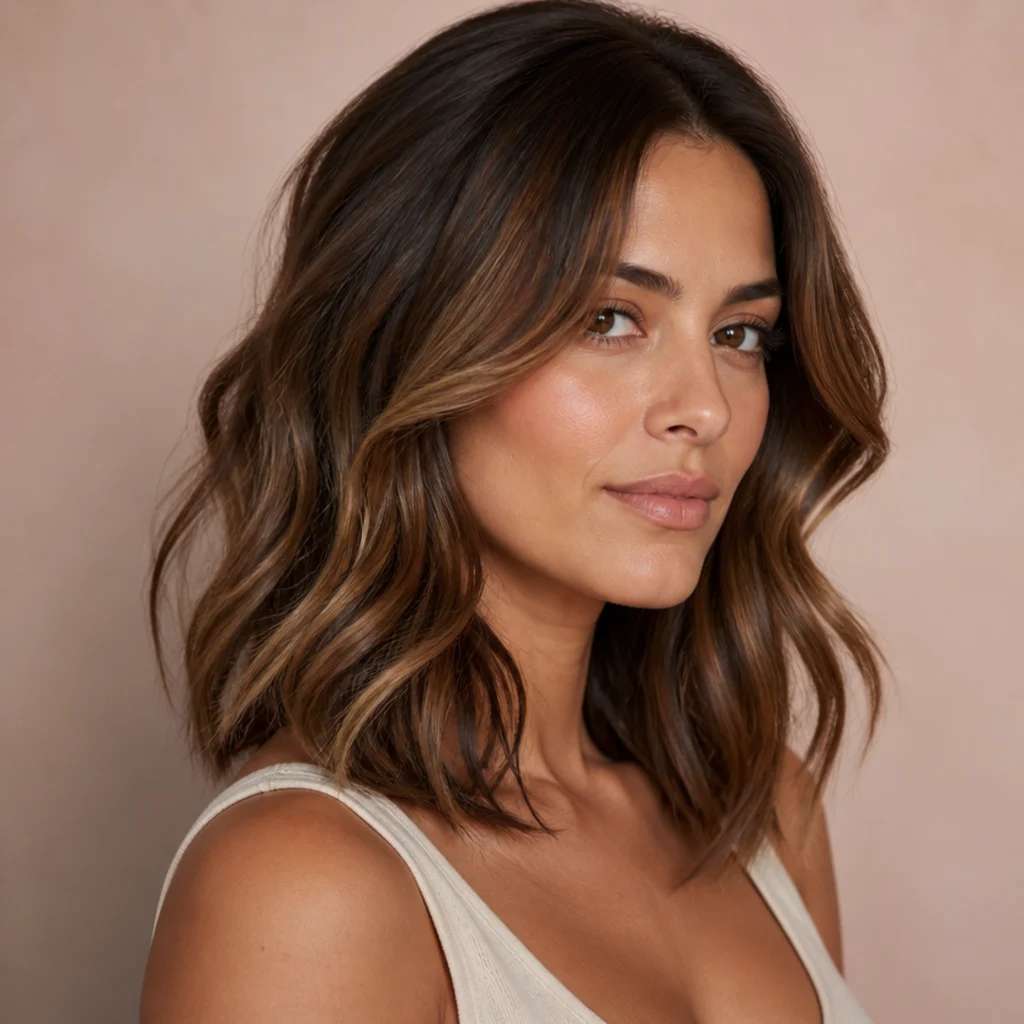
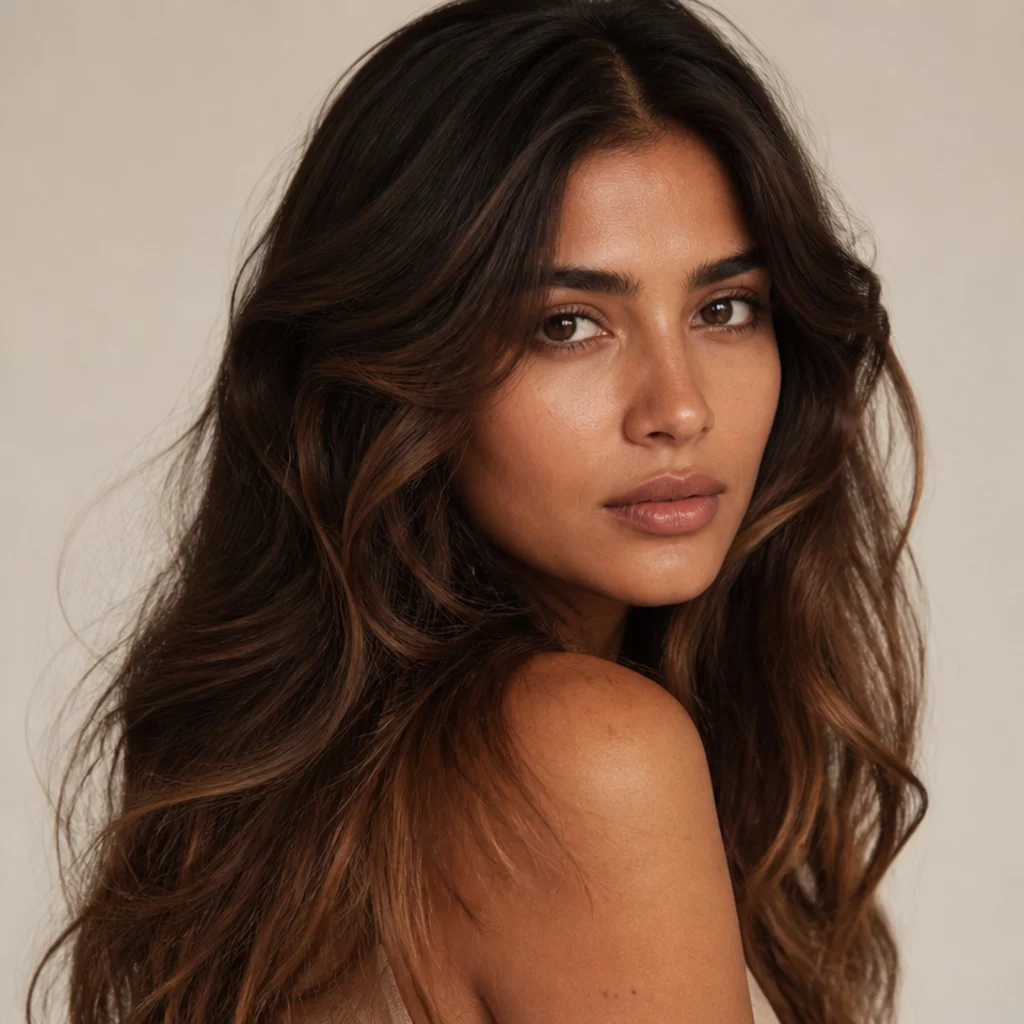
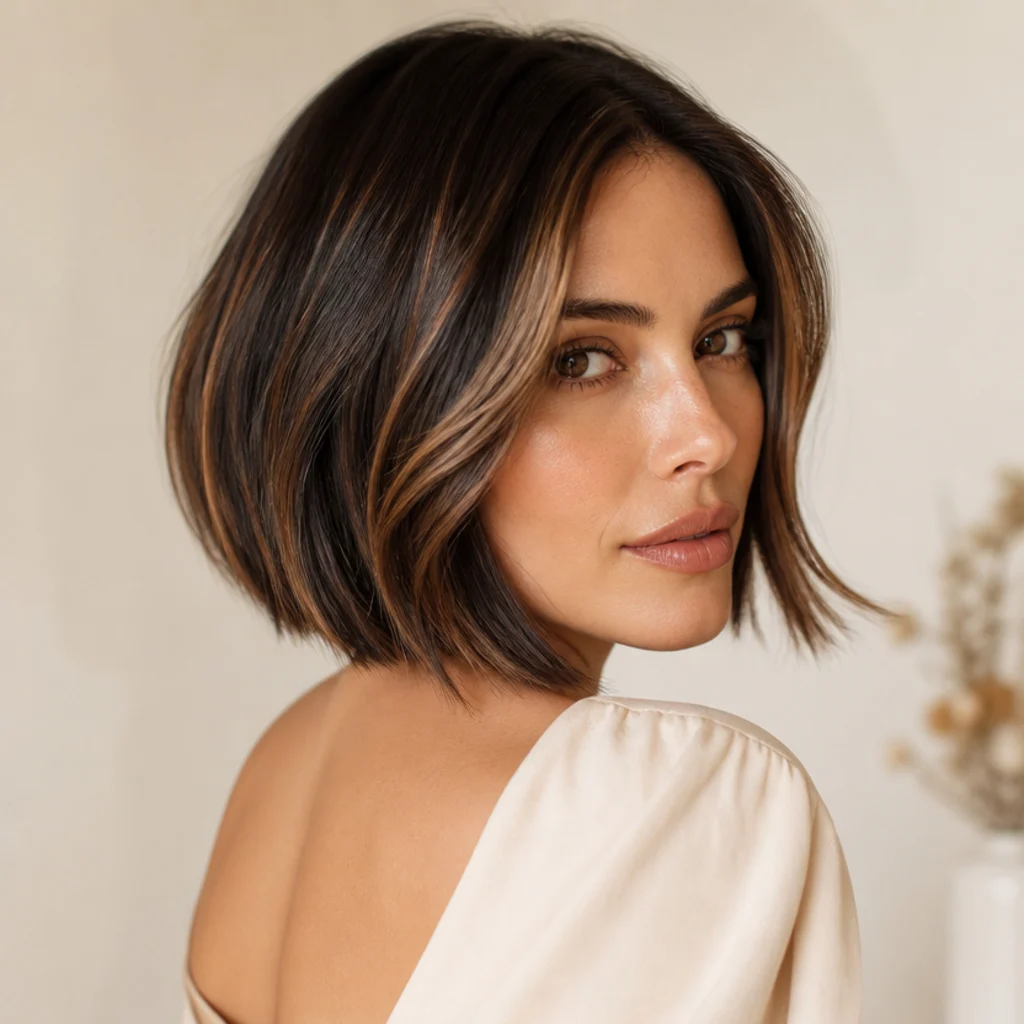
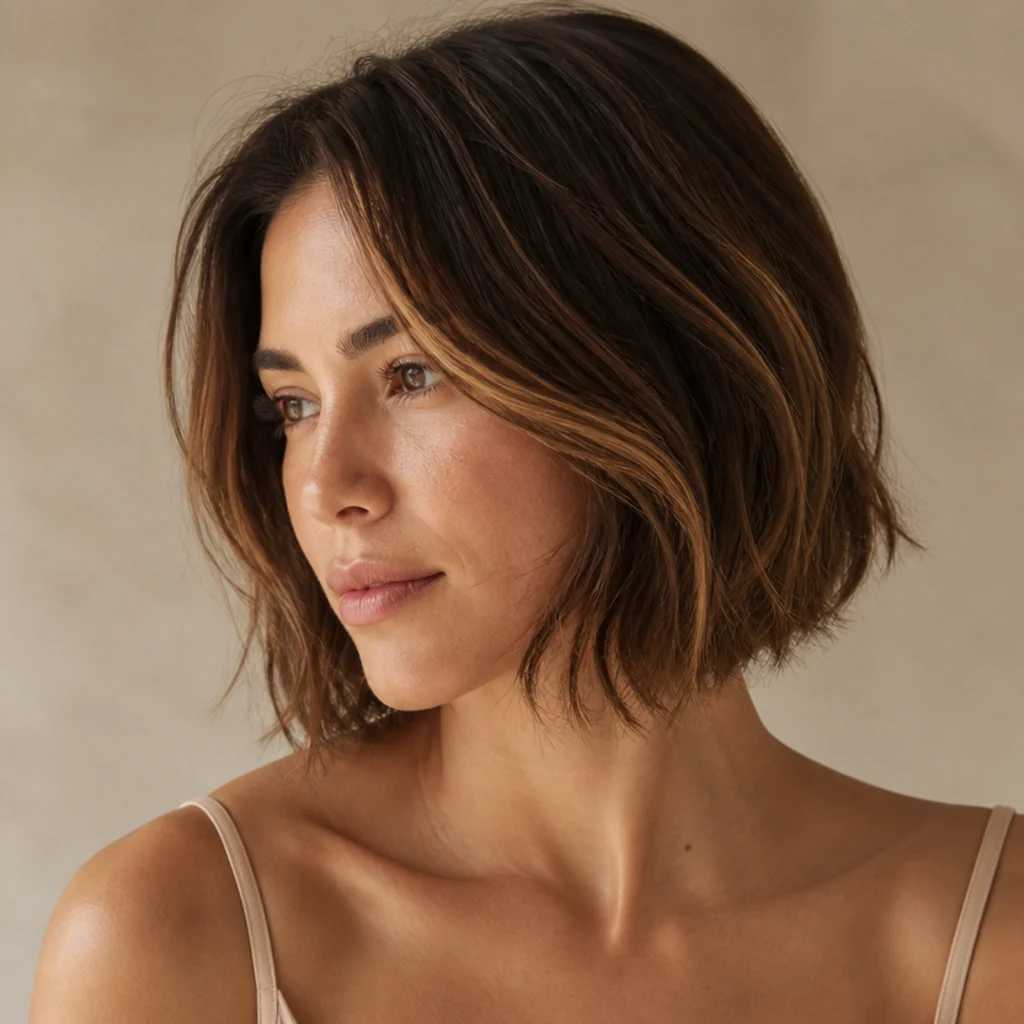
30 Dimensional Brunette Ideas for Every Skin Tone
Dimension is what turns flat brown hair into color that catches light and moves with you. These 30 ideas run from warm caramel to cool mushroom and are sorted by undertone, so you match tone to complexion instead of copying a photo that was never lit like your bathroom.
 Edited by Lena Rose · Published July 11, 2026 · 41 min read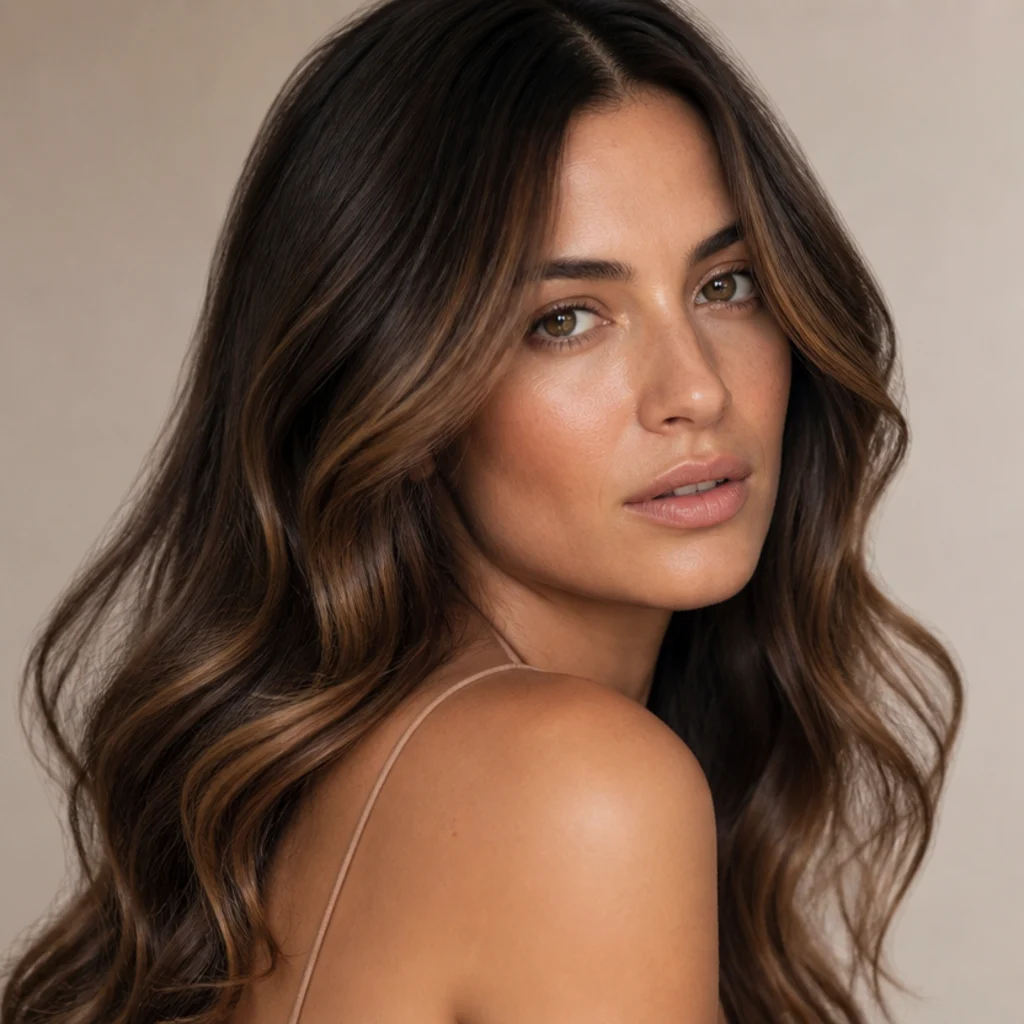
Quick Answer
- Best for: Anyone with natural or previously colored brown hair (roughly levels 3 to 7) who wants visible depth and movement tuned to their skin's undertone rather than a generic warm or cool.
- Who might skip it: Anyone wanting a true single-block "clean" brunette, extremely fine or very fragile hair that won't hold repeated lift, or anyone who can't commit to a gloss two or three times a year to keep tone honest.
- Maintenance: Low to moderate. Root shadows, balayage, and lowlights stretch 12 to 16 weeks; cool tones, face-framing money pieces, and copper or amber want refreshing every 4 to 6.
- Difficulty: Salon-recommended. Placement, base-breaking, and toner selection are hard to judge at home and easy to over-warm or muddy.
- Cost: Variable by region and technique. Expect glosses at the lower end, partial balayage or babylights mid-range, and full-head multi-tonal work at the higher end; always price a consultation first.
- Wear time / longevity: Placement lasts a full grow-out cycle; tone is the shorter clock, softening within 4 to 8 washes depending on warmth and water.
- Standout variation: Warm caramel ribbon dimension, for how it flatters the widest range of complexions with an expensive, lived-in finish.
- How to ask your colorist: Bring two or three photos, name your base level and undertone, and state your warmth goal in one sentence: "keep gold," "tone neutral," or "push cool."
In This Guide
- Warm Caramel Ribbon Dimension
- Subtle Mushroom Brown Dimension
- Mocha Melt for Fair Cool Skin
- Honey Bronde for Warm Golden Skin
- Espresso Root Shadow
- Chestnut Money Pieces
- Cool Walnut Multi Dimensional Brunette
- Toffee Face-Framing Ribbons
- Dimensional Brunette Bob in Chocolate
- Cinnamon Copper-Kissed Brunette
- Ash Bronde for Neutral Skin
- Deep Auburn Dimension for Olive Skin
- Warm Chocolate for Deep Skin Tones
- Golden Chestnut Balayage
- Subtle Dimensional Brunette Babylights
- Bronze Curly Dimension
- Pearl-Toned Cool Brunette
- Warm Hazelnut for Tan Skin
- Smoky Brunette with Warm Ends
- Dimensional Brunette Money Pieces in Gold
- Sun-Grazed Lived-In Brunette
- Cool Cocoa for Porcelain Skin
- Warm Maple Dimension
- Dimensional Brunette Bob with Curtain Money Pieces
- Spiced Chestnut for Deep Warm Skin
- Muted Bronde Lowlights
- Warm Amber Ribboned Brunette
- Multi Dimensional Brunette Shag
- Soft Teddy-Bear Brown
- Glossy Warm Espresso with Caramel Ends
Intro
A single flat brown reads heavy and one-note under most lighting, which is exactly why dimension matters so much on darker hair. A warm dimensional brunette weaves a few levels of light and dark through one base so the hair looks like it moves even when it's still, and the eye reads "expensive" before it reads "colored." The line between a beautiful result and a muddy one is almost always tone: matching warmth to your skin's undertone rather than to a photo shot in flattering studio light. Cool complexions come alive next to ashy mocha, mushroom, and pearl; warm and golden skin glows against caramel, honey, and toffee; olive skin needs a touch of red-brown to avoid looking sallow; and deep skin tones carry rich chocolate, auburn, and spiced chestnut with real luminosity. The 30 ideas below are grouped so you can find the tone, placement, and upkeep that actually fit your face shape, hair texture, and salon schedule. Each entry names who it flatters, roughly how long the color holds, one pro tip, and the exact phrasing to bring to your colorist so a subtle dimensional brunette or a bold money piece lands the way you pictured it.
01Warm Caramel Ribbon Dimension
This is probably the most universally flattering warm dimensional brunette on the list, because caramel sits only two to three levels above a level 5 base rather than jumping into blonde. Contrast stays soft, and grow-out reads as intention rather than neglect. Thin, hand-painted ribbons travel through the mid-lengths and ends while the root stays deep, which keeps the finish lived-in instead of striped. Warm, golden, and neutral undertones get the most out of it, and it needs medium to long hair so the ribbons have room to unfurl on a bend or curl. Maintenance is low — a toning gloss around week six holds the caramel back from brass, with full paint every 12 weeks. Pro tip: ask for the ribbons to be feathered, not saturated, at the top so there is no visible shelf where painted meets natural. Ask your colorist for "hand-painted caramel ribbons on a level 5 base, kept warm and lived-in, not chunky," and request a warm-neutral toner so it settles honeyed rather than orange.
02Subtle Mushroom Brown Dimension
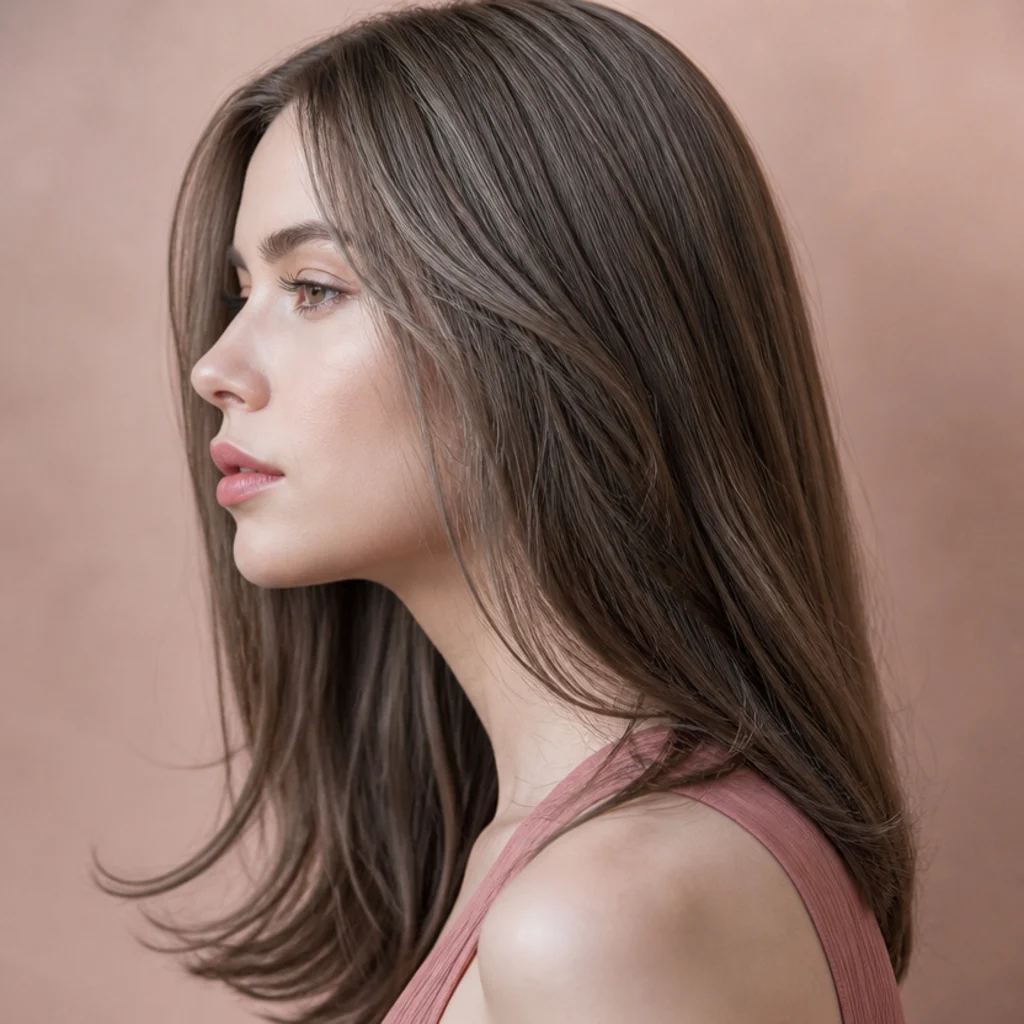
Mushroom brown is the answer for a subtle dimensional brunette with zero gold, blending soft taupe and ash pieces through a neutral base for quiet, foggy depth that reads refined rather than obvious. Cool and neutral skin — especially fair to light-medium complexions with pink or blue undertones — gets the most from it, because the ashiness echoes the skin instead of competing with it. The honest trade-off is upkeep: ash pigment is small-molecule and fades faster than warm deposit, so plan a toning gloss every four to six weeks and expect underlying warmth to want to surface between visits. It blends best on smooth, one-length, or softly layered hair where the taupe can diffuse. Pro tip: a violet-based, not blue-based, toner keeps mushroom from tipping grey on cooler bases. Ask your colorist for "a cool mushroom brown with fine ash lowlights and no warmth pulling through," and specifically request a neutral-to-cool toner rather than a golden one so it stays true.
03Mocha Melt for Fair Cool Skin
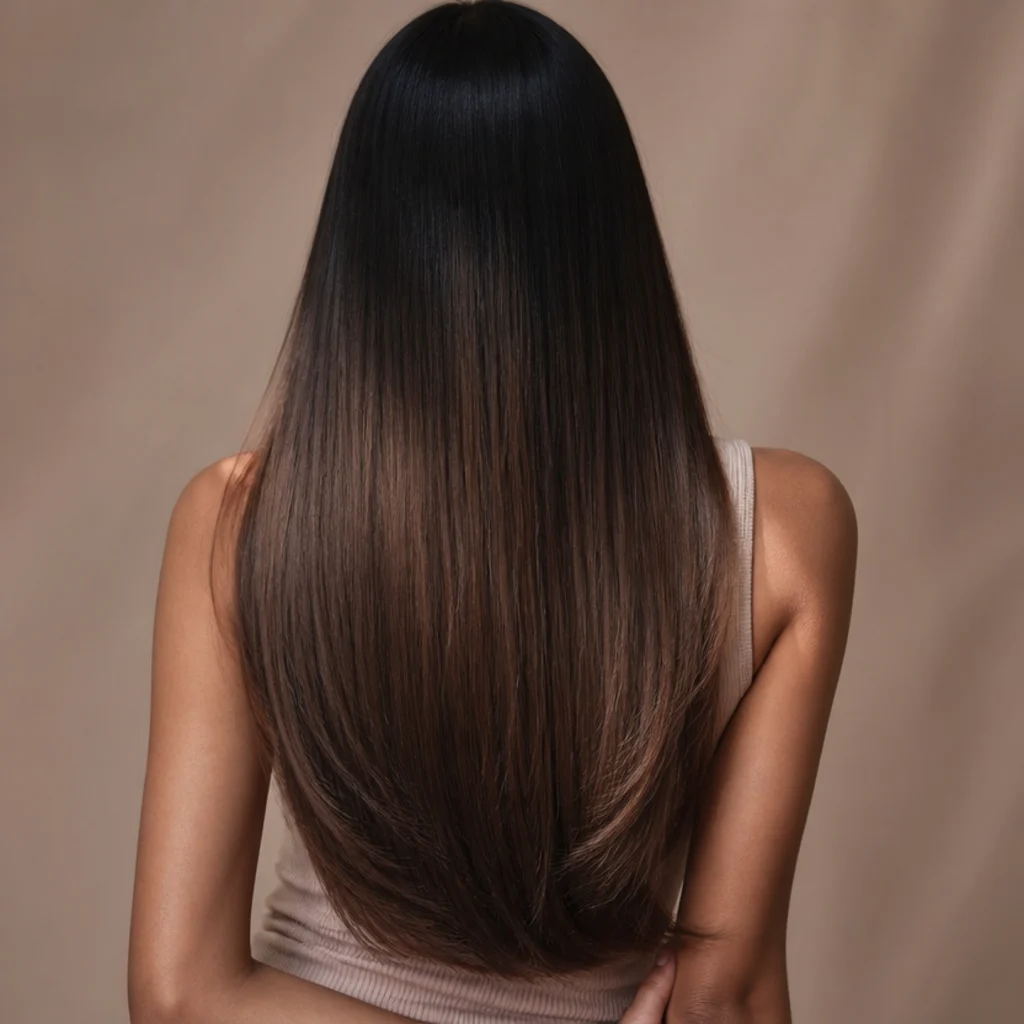
A mocha melt keeps depth at the root and drifts into a smoky, coffee-toned brown down the lengths with no hard line anywhere, so the dimension reads as a vertical gradient rather than scattered highlights. Fair, cool complexions that wash out under gold do best here, since cool coffee brightens the face without pushing warmth into the skin. It works on all lengths, but one-length or long layered hair shows the transition off best, since it has distance to unfold. The upkeep is friendly too: the dark root is designed to grow in, so many people stretch to 14 weeks with a single mid-cycle gloss. Pro tip: a root shadow that's broken — softly diffused down an inch or two — rather than blunt is what stops the melt from looking like an ombre from a decade ago. Ask your colorist for "an espresso-to-mocha root melt, kept cool and seamless," and confirm they will shadow and blur the root rather than foil it.
04Honey Bronde for Warm Golden Skin
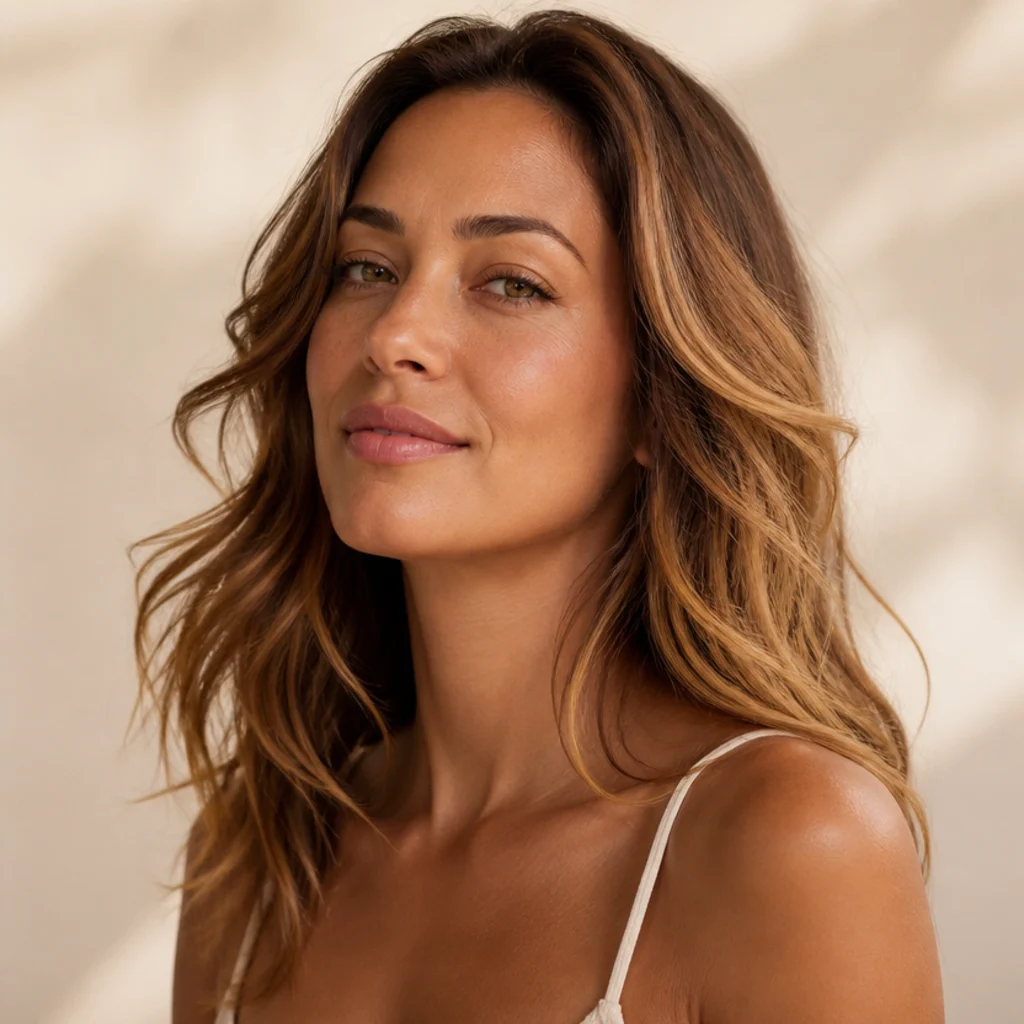
Honey bronde lives right on the border of brown and blonde, layering warm golden pieces into a light-brown base so the whole head glows in daylight. Warm and golden skin that tans easily suits it best, since the honey picks up the yellow-gold already in the complexion and reflects it back. Because it lifts a few levels, this asks for more commitment than a same-level dimension: a gloss every five weeks and lightening touch-ups every 10 to 12 to keep regrowth from stacking up. Medium to long hair with soft layers reads best, letting the honey pieces surface at the crown and face. Pro tip: concentrate the brightest pieces where the sun would naturally hit (hairline, part, ends) and leave the nape deeper so it never flips to a solid blonde. Ask your colorist for "a bronde base with golden honey balayage concentrated around the face," and be explicit that you want the warmth kept, not toned out to beige.
05Espresso Root Shadow
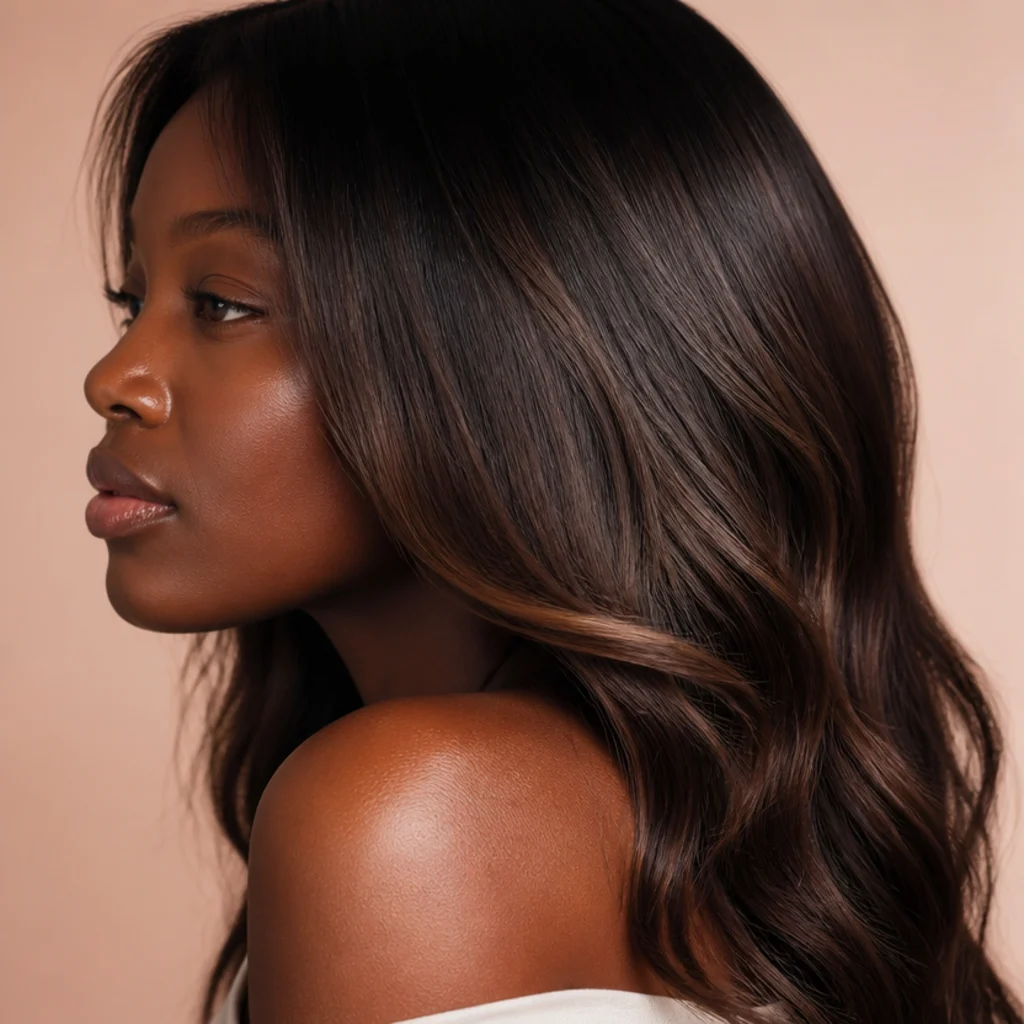
An espresso root shadow is about contrast rather than lightness: a deep, near-black root melts into a warmer brown body, so dimension comes from a top-to-bottom gradient instead of highlights. Almost everyone can wear it, though it's especially striking on medium and deep skin, and it's the lowest-upkeep look on this list because the dark root grows out invisibly. That makes it ideal if you realistically only get to the salon two or three times a year. Any length or texture works, and it layers beautifully over previously highlighted hair that's grown too uniform at the root. Pro tip: bring a photo of the exact root-to-body transition length you want, because a two-inch shadow and a six-inch shadow read as completely different looks. Ask your colorist for "an espresso root shadow melting into a warm level 5, kept glossy," skip foils entirely, and finish with a shine gloss so the only maintenance is tone.
Save this to Pinterest so you can compare tones side by side later.
06Chestnut Money Pieces
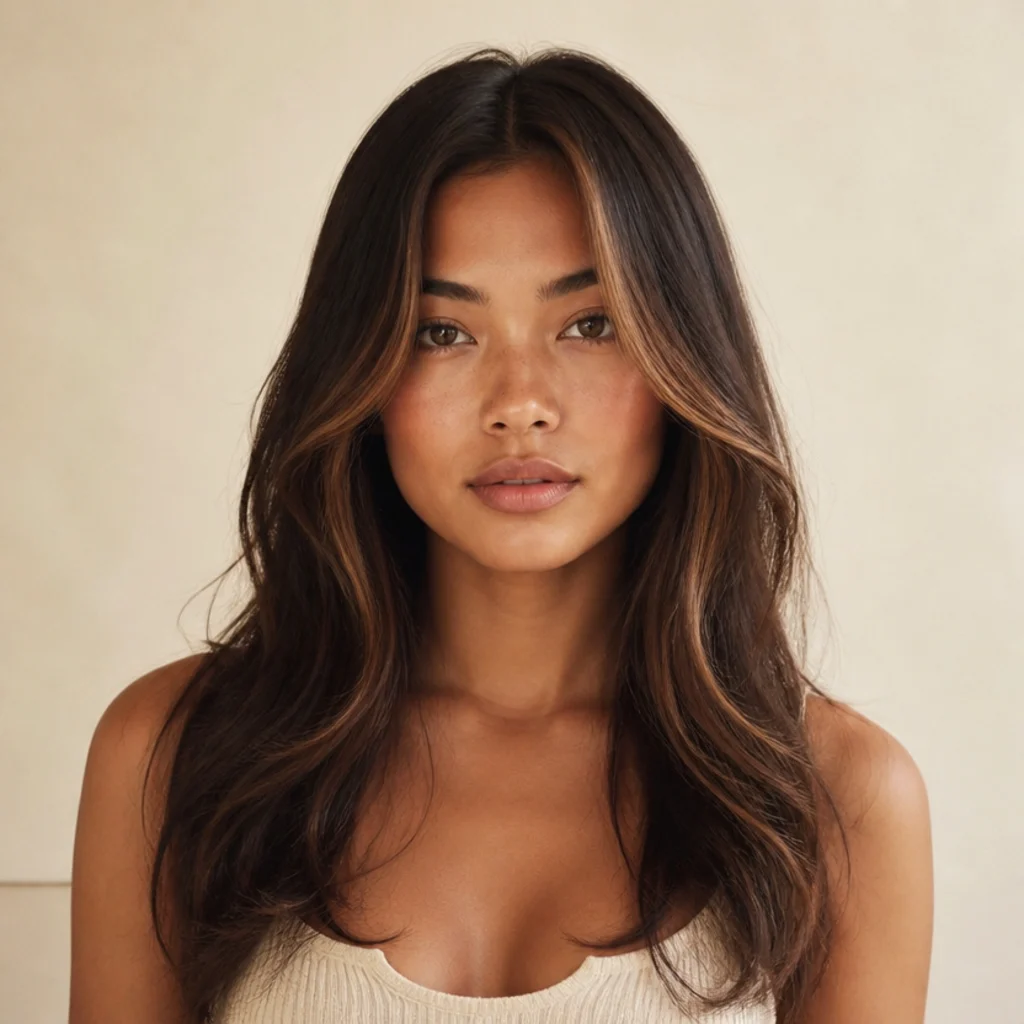
Money pieces put brightness exactly where it flatters most: right at the face. Here two warmer chestnut sections frame the cheekbones against a deeper brown base, giving instant lift with minimal foils anywhere else. These dimensional brunette money pieces suit warm and neutral undertones, and they are forgiving on grow-out because the placement is intentional rather than scattered, so a soft root reads as design. They work on every length but read boldest on a lob or long layers where the face-frame has movement. Upkeep sits low to moderate: plan a face-frame refresh every eight to 10 weeks. Pro tip: ask for the money pieces to start slightly below the part rather than right at the scalp, so regrowth softens instead of forming a hard demarcation line. Ask your colorist for "two chestnut money pieces framing the face, a couple of levels up from my base, blended soft at the top," and decide in advance whether you want them curtain-parted or tucked behind the ear.
07Cool Walnut Multi Dimensional Brunette
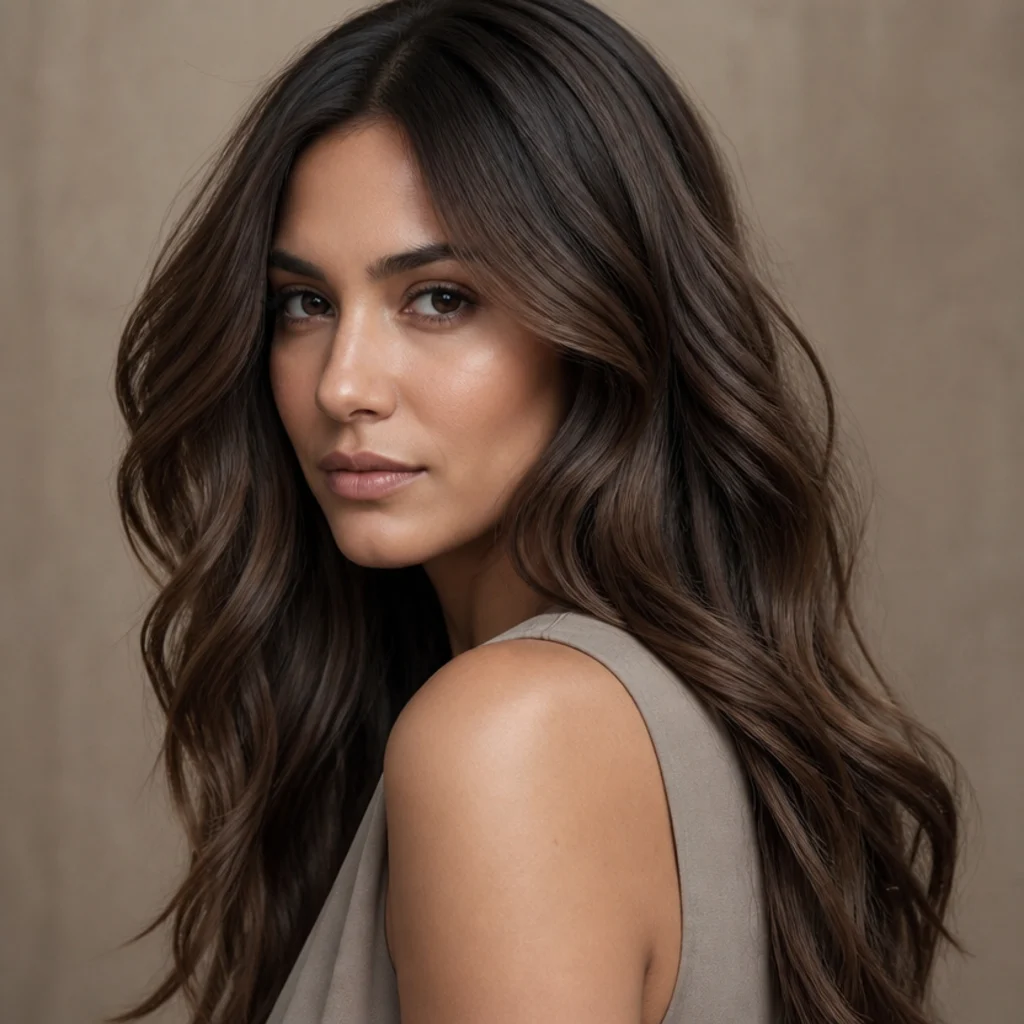
Walnut is a rich neutral-cool brown, and a multi dimensional brunette version stacks two or three close shades of it so the hair shifts as it moves rather than relying on a single highlight to grow out. Neutral and cool skin from light to deep suits it well, and it's the smart pick for anyone whose warm colors always turn brassy within a month. Because the tones sit close together, upkeep stays easy — a gloss every six to eight weeks, no obvious regrowth line to chase. Pro tip: true walnut depth comes from adding lowlights as well as lifting, so the range between the darkest and lightest pieces is what sells the dimension, not the lightness itself. Ask your colorist for "a multi-tonal cool walnut, three shades blended, kept neutral with no gold," and specifically ask them to weave in lowlights, not just lighten, so the color has real bottom-end depth.
08Toffee Face-Framing Ribbons
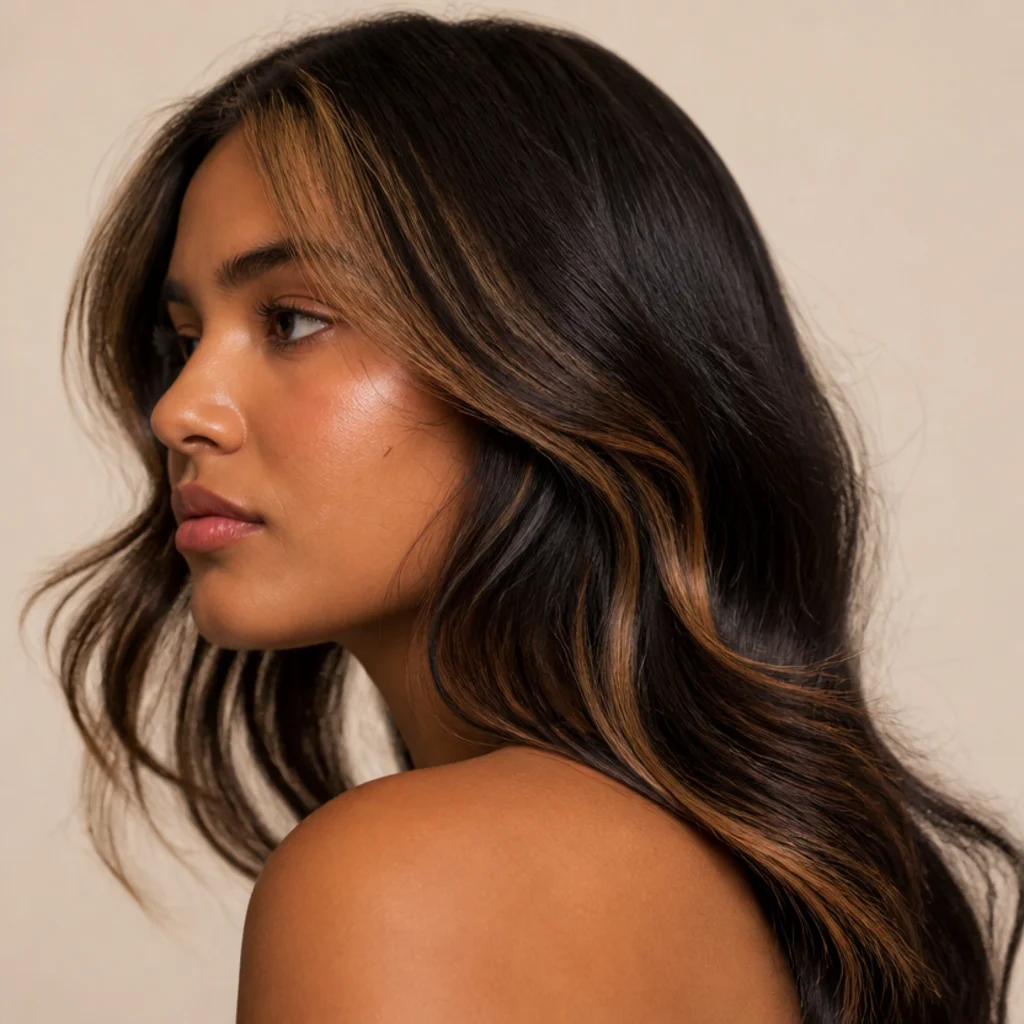
Toffee sits between caramel and light brown, a soft warm tone that flatters without shouting. Painted as face-framing ribbons, it brightens the front pieces while the back stays deeper, so you get impact exactly where you see yourself in the mirror. Warm, golden, and tan skin wears it well, and the concentrated placement keeps it low-maintenance, since regrowth reads as a natural root rather than a grown-out foil. All lengths work, especially wavy hair where the ribbons catch every bend. Plan a gloss every six weeks to keep toffee from sliding orange. Pro tip: warm toffee looks richest when the ribbons vary in width — a mix of fine and slightly thicker painted pieces mimics how natural lightness falls and avoids the "two stripes" effect. Ask your colorist for "warm toffee ribbons concentrated around the face, blended into a deeper back," and request a warm-neutral toner so it settles soft rather than brassy in indoor light.
09Dimensional Brunette Bob in Chocolate
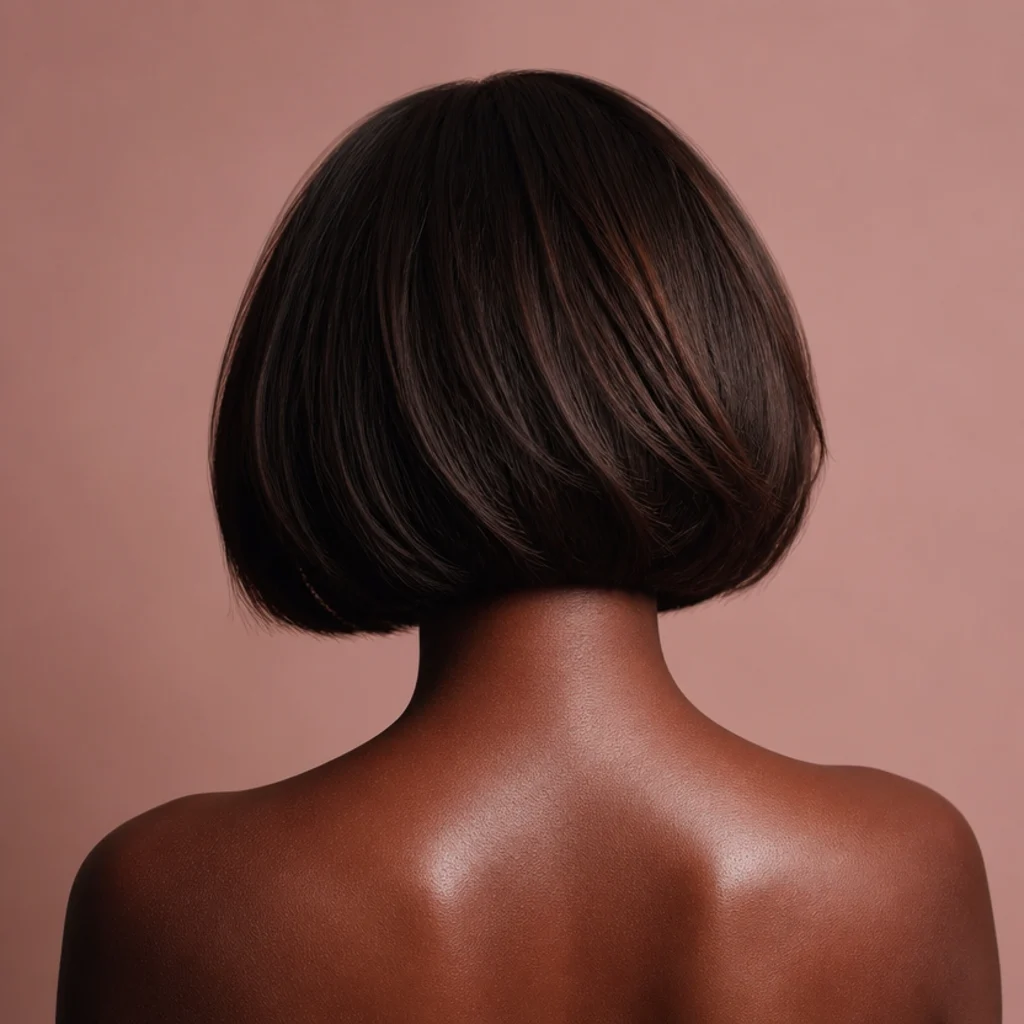
A dimensional brunette bob leans on placement far more than a long style does, since there's less length for color to travel and blend. Fine chocolate-toned highlights woven to follow the internal layers keep a blunt or textured bob from looking like a solid helmet and add movement to the cut itself. Chocolate is a true neutral-warm, so it suits every skin tone, and it's especially flattering on medium to deep complexions. Upkeep runs moderate — shorter hair shows regrowth sooner, so plan color every eight to 10 weeks. Pro tip: on a bob, ask for the brightest pieces to be placed underneath and through the mid-section rather than at the crown, so the dimension peeks out as the hair moves instead of sitting flat on top. Ask your colorist for "fine chocolate-brown dimension through my bob, placed to follow the layers," and tell them whether your bob is blunt, graduated, or A-line so placement suits the shape.
10Cinnamon Copper-Kissed Brunette
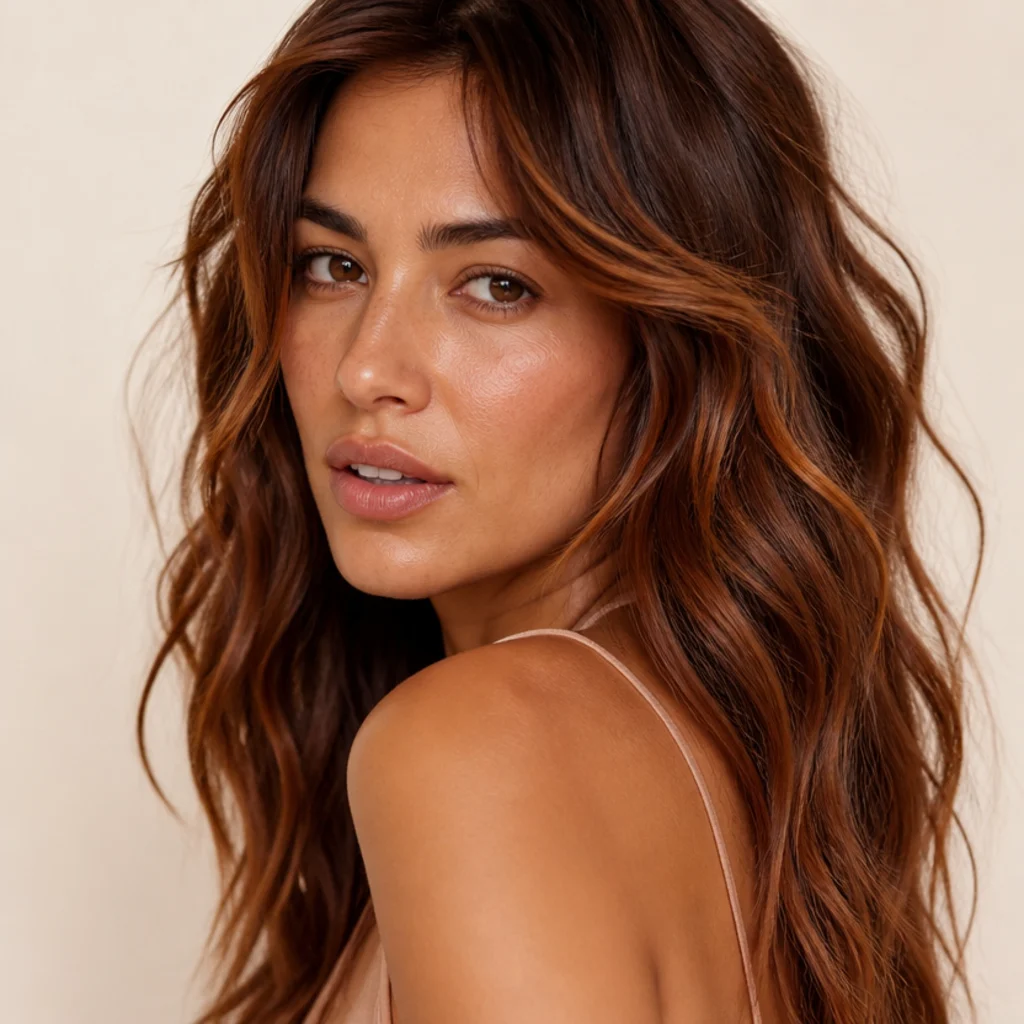
For anyone who wants warmth turned up a notch, a cinnamon copper-kissed brunette threads soft red-gold pieces through a warm brown base. It isn't full copper — the base stays firmly brown, so the effect is a glow rather than a redhead moment. Warm, golden, olive, and deep skin all wear it well, where the red tones read intentional and rich against the complexion. The trade-off is fade speed: copper and red pigments have the largest molecules and rinse out fastest of any tone here, so upkeep runs higher, with a color-depositing gloss every four to five weeks. It looks richest on medium to long hair. Pro tip: switch to a color-depositing conditioner in a warm-copper shade for one wash a week to top up pigment between salon visits. Ask your colorist for "cinnamon and soft copper pieces melted into a warm brown base, kept dimensional, not solid," and pair it with a sulfate-free, red-safe routine to slow the inevitable fade.
Save this to Pinterest and note which tones lean warm versus cool for your appointment.
11Ash Bronde for Neutral Skin
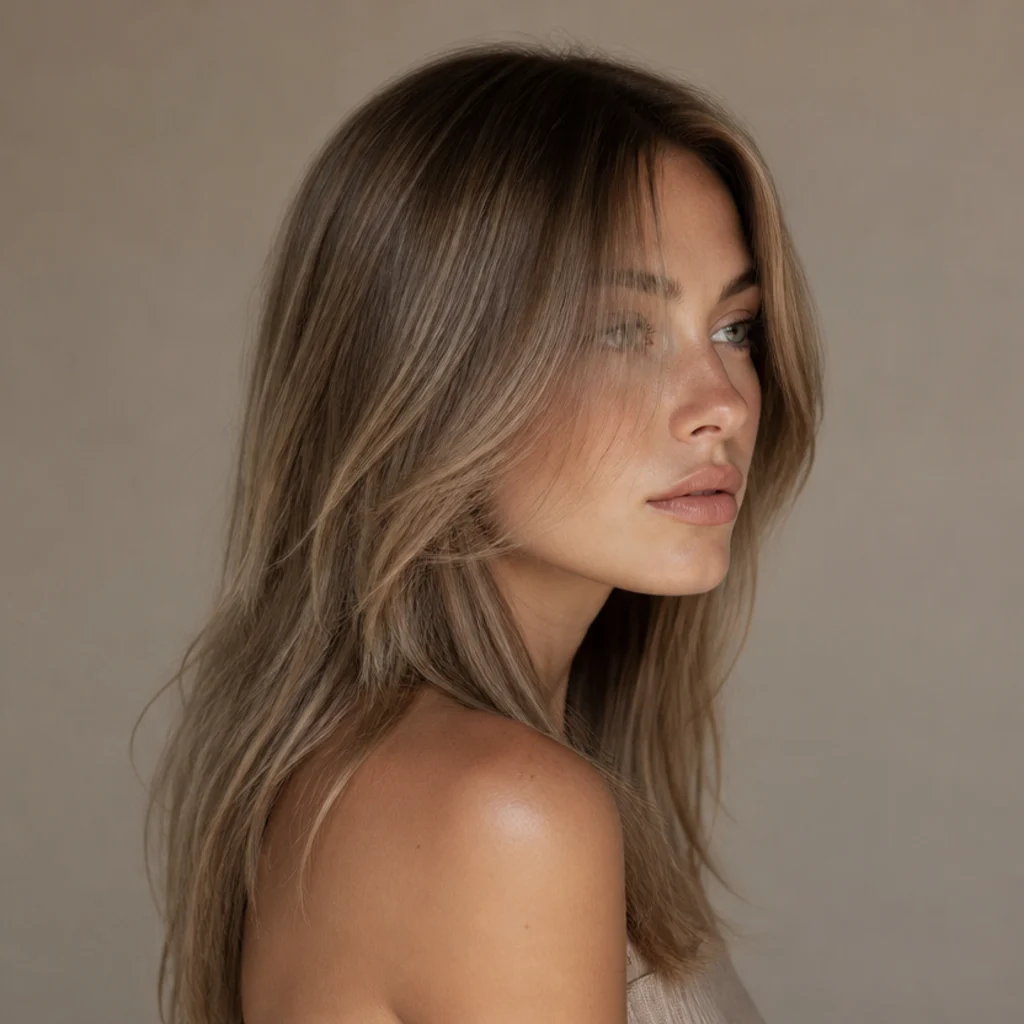
Ash bronde brightens toward blonde while staying cool and sandy, sidestepping any golden pull. It's a natural fit for neutral and cool skin that finds full brunette too heavy but gold too brassy — lightness without warmth. Because it lifts the base, regrowth shows, so plan a root and toner refresh every eight to 10 weeks, plus a purple or blue gloss to keep the sand from creeping warm as it fades. Medium to long hair with layers works best, letting the cool pieces surface. Pro tip: neutral skin can tip either way, so ask your colorist to leave a faint warm underlayer at the nape. It stops ash bronde from going flat or grey and keeps the finish dimensional rather than uniform. Ask your colorist for "an ash bronde base with cool sandy dimension, toned to kill warmth," and confirm they plan regular cool-toner glosses, because this is one of the higher-maintenance tones on the list.
12Deep Auburn Dimension for Olive Skin
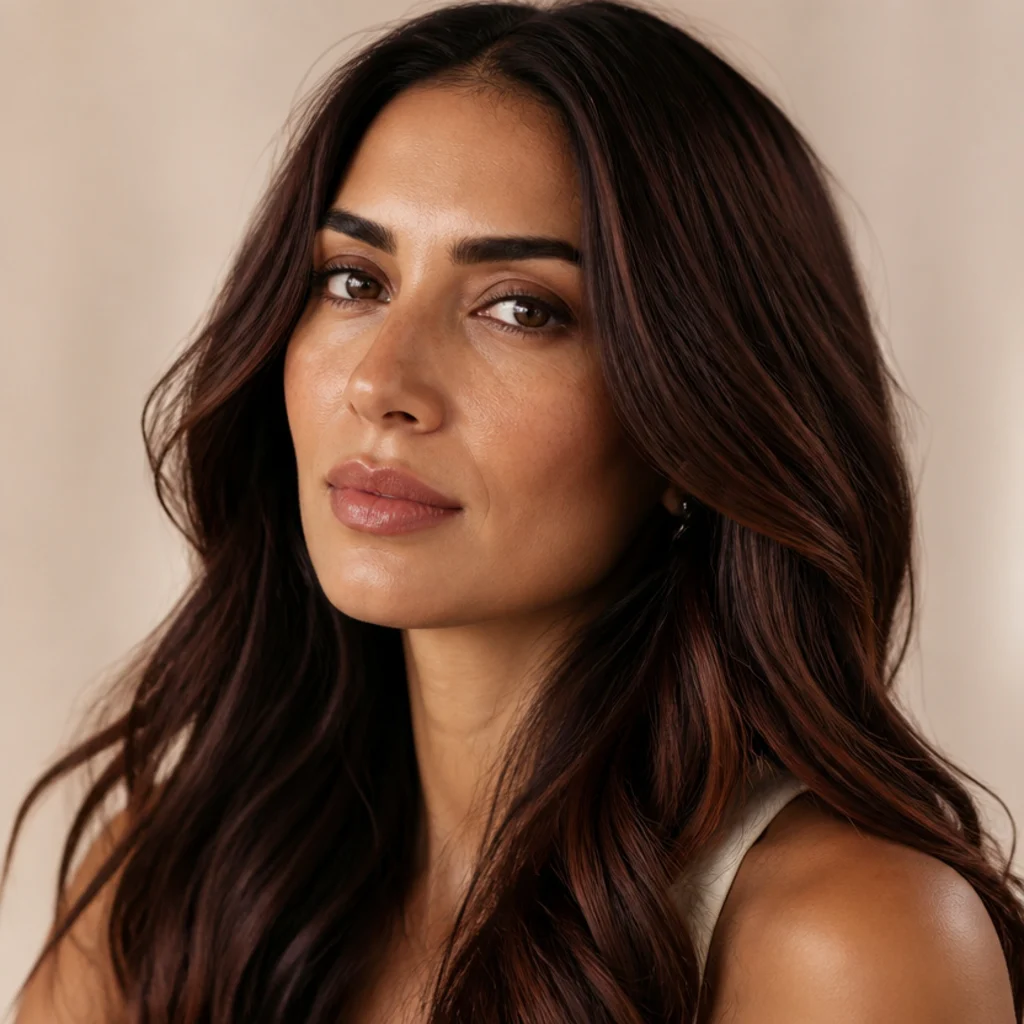
Olive skin carries a green-gold undertone that many browns leave looking sallow, but deep auburn dimension corrects it by adding red-brown warmth that balances the complexion instead of draining it. Fine auburn pieces run through a dark brown base for depth that glows rather than glares. Olive, tan, and deep skin get the most from this, and it's one of the few red-family looks that reads sophisticated rather than costume. Auburn holds better than bright copper but still fades, so plan a color-refresh gloss every five to six weeks. It works on all lengths and looks rich on curly and coily textures where the red catches across each curl. Pro tip: keep the auburn a shade or two darker than you think you want, because red oxidizes and brightens over the first two weeks. Ask your colorist for "deep auburn dimension through a dark brown base, kept red-brown, not orange," and request a warm depositing gloss rather than a lightener-heavy approach.
13Warm Chocolate for Deep Skin Tones
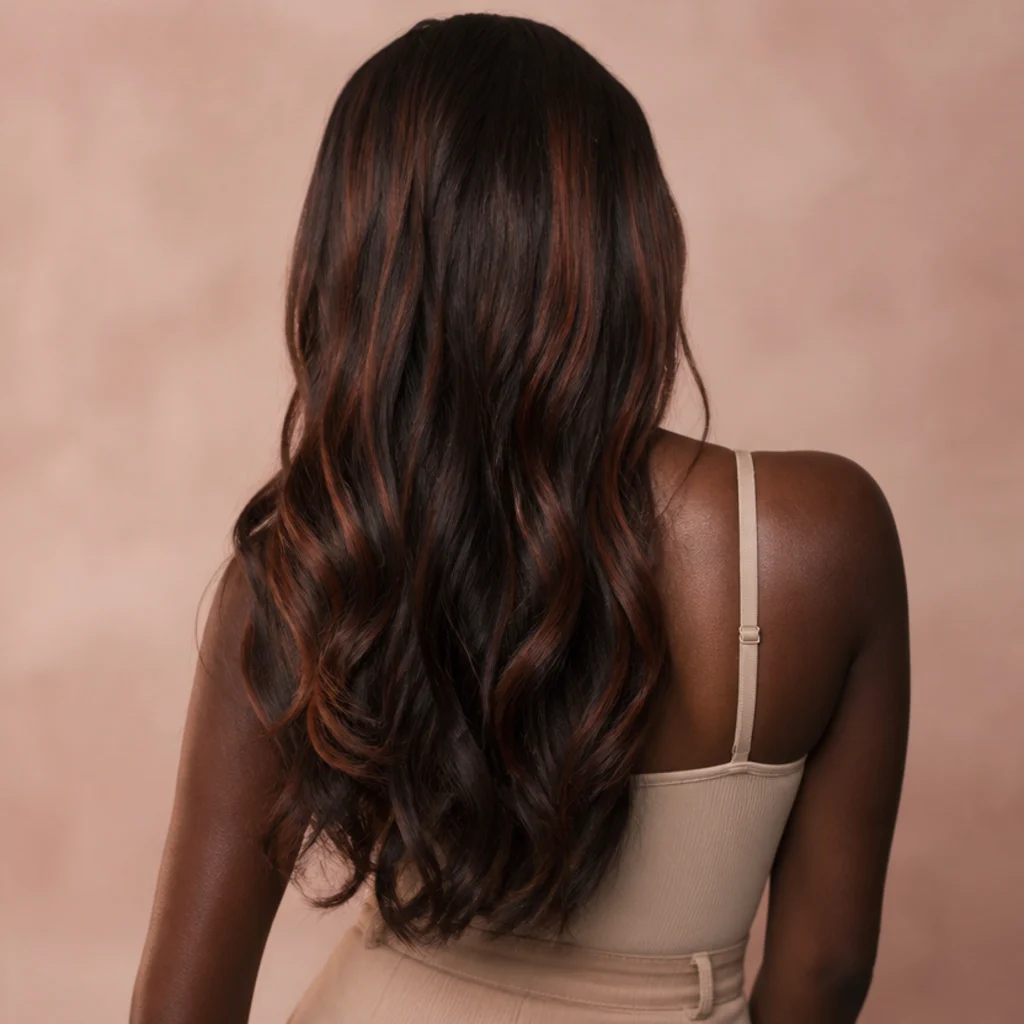
Deep skin tones look luminous in a rich warm chocolate with quiet mahogany depth woven through, which avoids the washed-out, chalky effect that anything too light can create against depth. The dimension here is deliberately subtle: a few shades of warm brown and soft red-brown layered so the hair reads glossy and multi-tonal in the light without needing lift. Deep and rich complexions with warm or neutral undertones suit it best. Upkeep stays low, since the tones sit close and dark — a shine gloss every six to eight weeks does most of the work. It flatters every length and shines on coily and locked textures where the mahogany catches on the surface. Pro tip: because there's no lightening involved, put the budget toward a high-shine acidic gloss instead of foils. The glassiness is what makes this look expensive. Ask your colorist for "a warm chocolate base with fine mahogany dimension, glossy and rich, no lift needed," and ask them to keep the depth true so it never fades ashy.
14Golden Chestnut Balayage
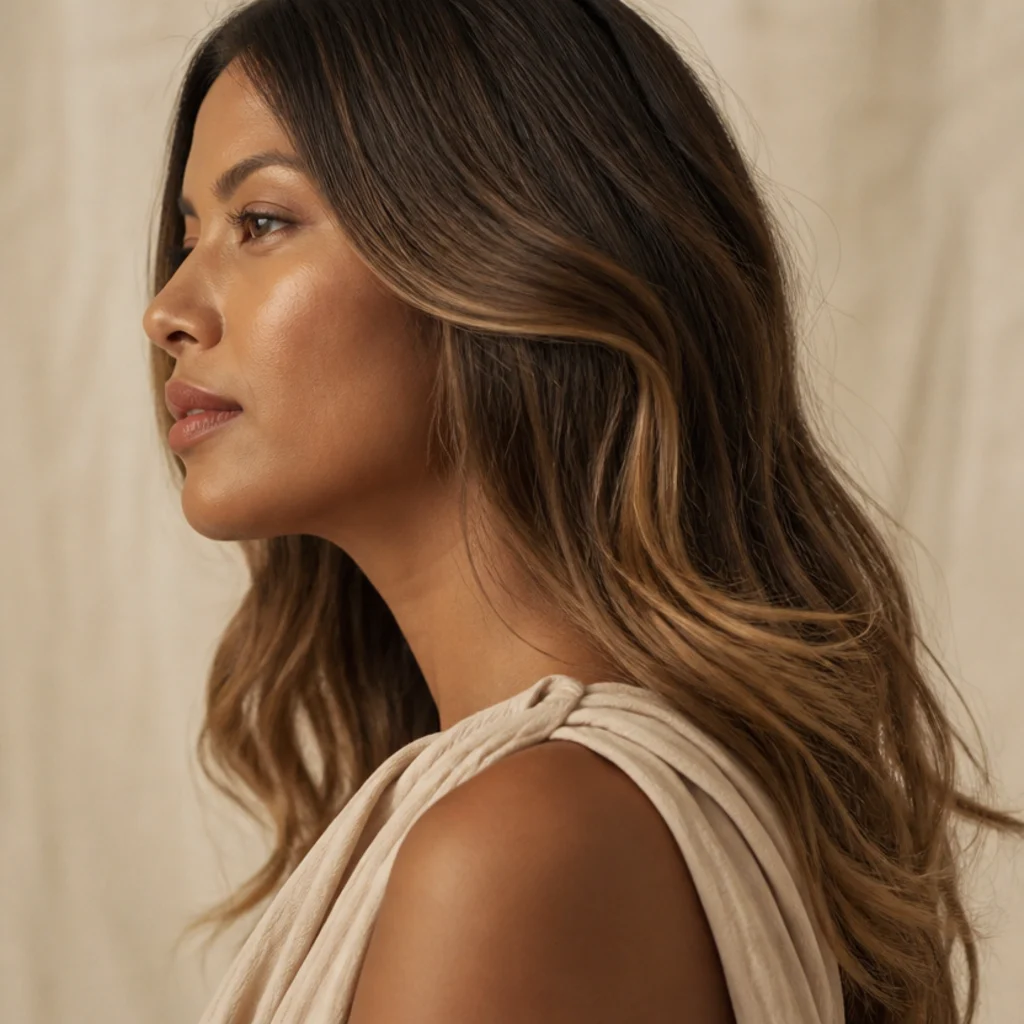
Golden chestnut balayage hand-paints warm gold through a chestnut base, concentrating brightness on the mid-lengths and ends for a sun-warmed, softly graduated finish. Warm, golden, and tan skin get the most out of it, where the gold echoes the complexion's own warmth. Because balayage grows out with no hard line, upkeep stays low: a gloss every six weeks, full paint every 12 to 14. Medium to long hair with layers or waves reads best, showing off the diagonal sweep. Pro tip: the sweep should start lower at the back and higher at the face, following the natural fall of the hair, so the brightness frames the face rather than banding across the head. Ask your colorist for "a chestnut base with golden balayage painted through the ends, kept warm and lived-in," and bring a photo showing exactly how bright you do or don't want the very ends, since that single detail is where balayage results diverge most.
15Subtle Dimensional Brunette Babylights
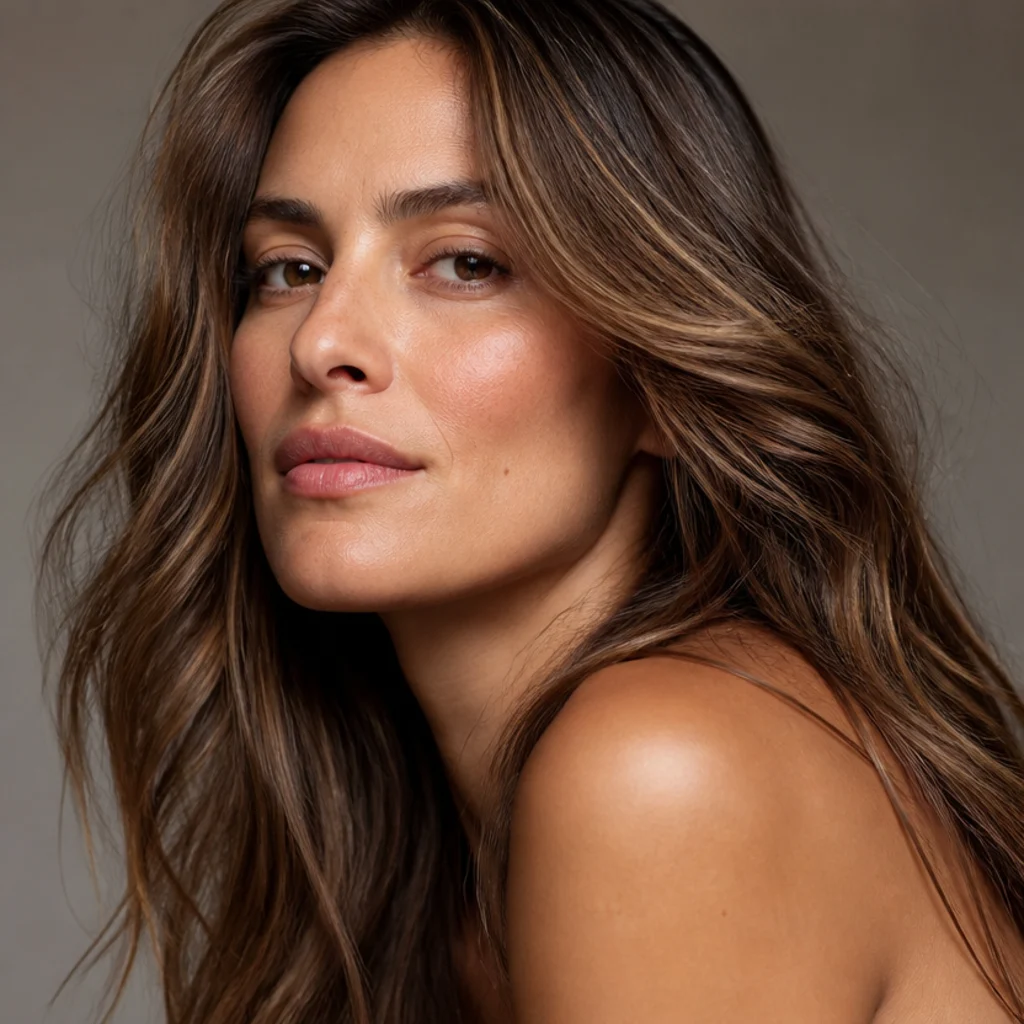
Babylights are the finest highlights possible, mimicking the delicate lightness hair naturally holds in childhood. Woven densely but ultra-thin, they create a subtle dimensional brunette that looks like your own hair caught the sun, with no visible streaks even up close. Every skin tone can wear this, since the babylights can be toned warm or cool to match your undertone exactly. Upkeep runs moderate: the fineness means regrowth stays soft, but babylights are labor-intensive to redo, so budget for a longer appointment every 10 to 12 weeks. All lengths and textures take to it. Pro tip: babylights are the ideal choice for fine or thinning hair, because the dense, delicate weave creates the optical illusion of more strands and depth. Ask your colorist for "fine babylights woven through for subtle dimension, toned to suit my skin," and specify warm or cool up front so the finish matches your complexion rather than defaulting to a neutral beige.
Save this to Pinterest so your stylist can see the fineness you have in mind.
16Bronze Curly Dimension
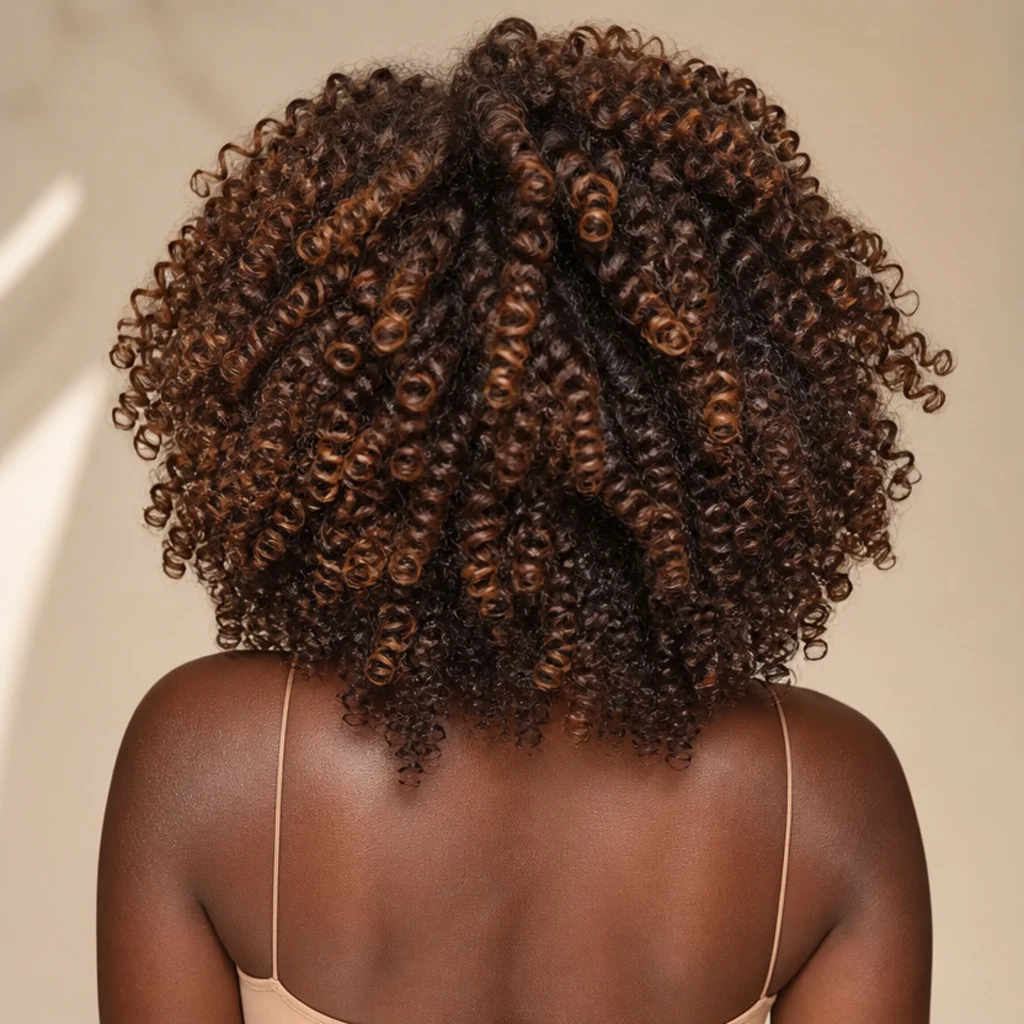
Curly and coily hair shows dimension differently, because color reads across the surface of each coil rather than in long vertical ribbons. Bronze dimension — a warm brown lifted with soft amber pieces — catches light beautifully on curls and gives the illusion of extra volume and separation. Warm, olive, and deep skin suit it well. Placement matters more here than on straight hair: the colorist should paint on dry, curl by curl, so brightness lands on the outer bend of each coil where the eye actually sees it. Upkeep sits low to moderate — a gloss every six to eight weeks, plus rich, curl-safe hydration to keep color from going dull. Pro tip: curly hair is more porous and grabs warmth fast, so ask for the bronze to be applied a touch cooler than the target, knowing it'll warm as it settles. Ask your colorist for "bronze dimension painted on my dry curls so the brightness follows the coil pattern," and confirm they pattern-paint rather than foil.
17Pearl-Toned Cool Brunette
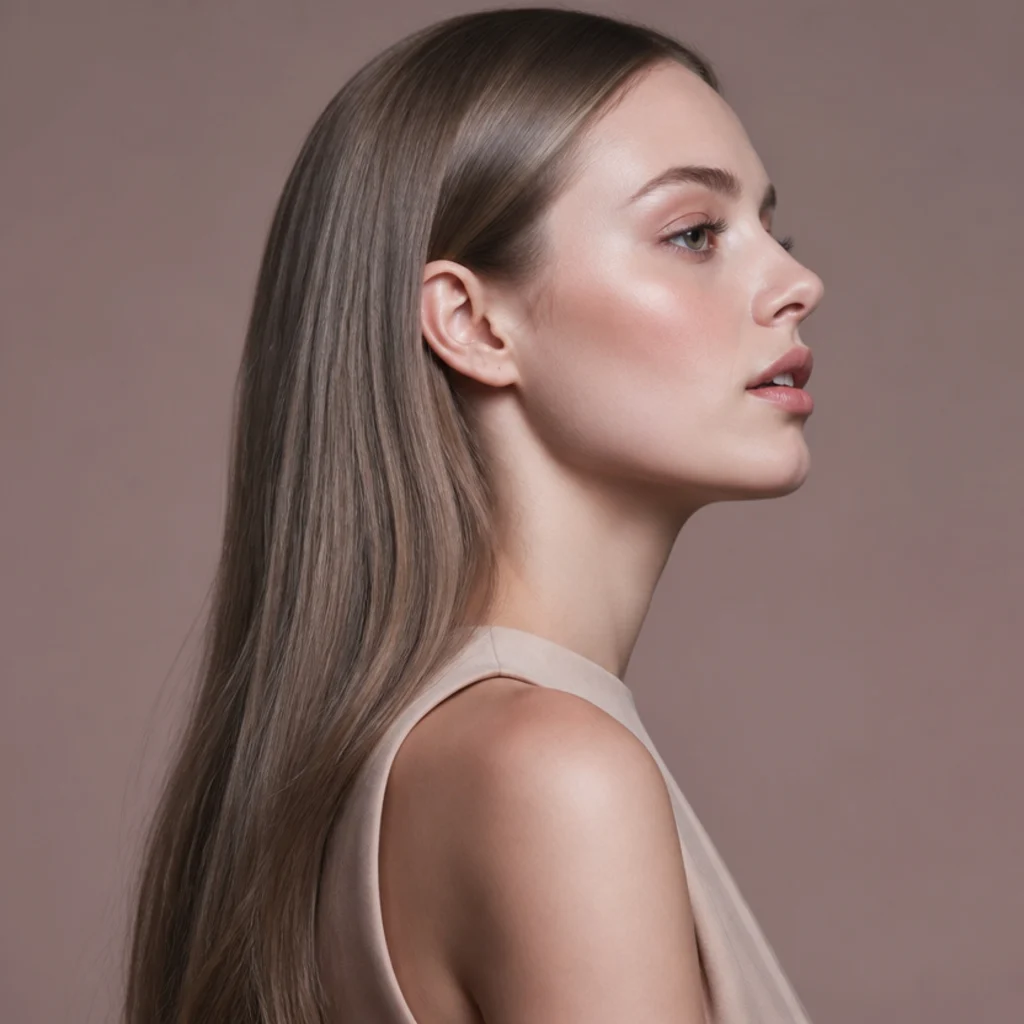
Pearl-toned brunette pushes cool to its most refined, layering soft ashy, almost silvery pieces into a neutral base for a glassy, expensive finish. Cool and neutral skin with pink undertones suits it, and it's the choice for anyone who wants dimension with zero warmth. Because pearl relies on precise toning over a clean, well-lifted underlayer, upkeep ranks among the highest here — a cool gloss every four to five weeks to keep any yellow from surfacing. It looks most striking on smooth, medium to long hair where the glassy finish can show. Pro tip: pearl only works if the underlying pigment is lifted far enough to accept a cool toner, so this isn't a look to attempt over stubborn warm bases in one session. Ask about a lightening plan first. Ask your colorist for "a cool neutral base with pearly ash dimension, toned to stay silvery, not golden," and commit honestly to the regular cool-toner refreshes it demands.
18Warm Hazelnut for Tan Skin
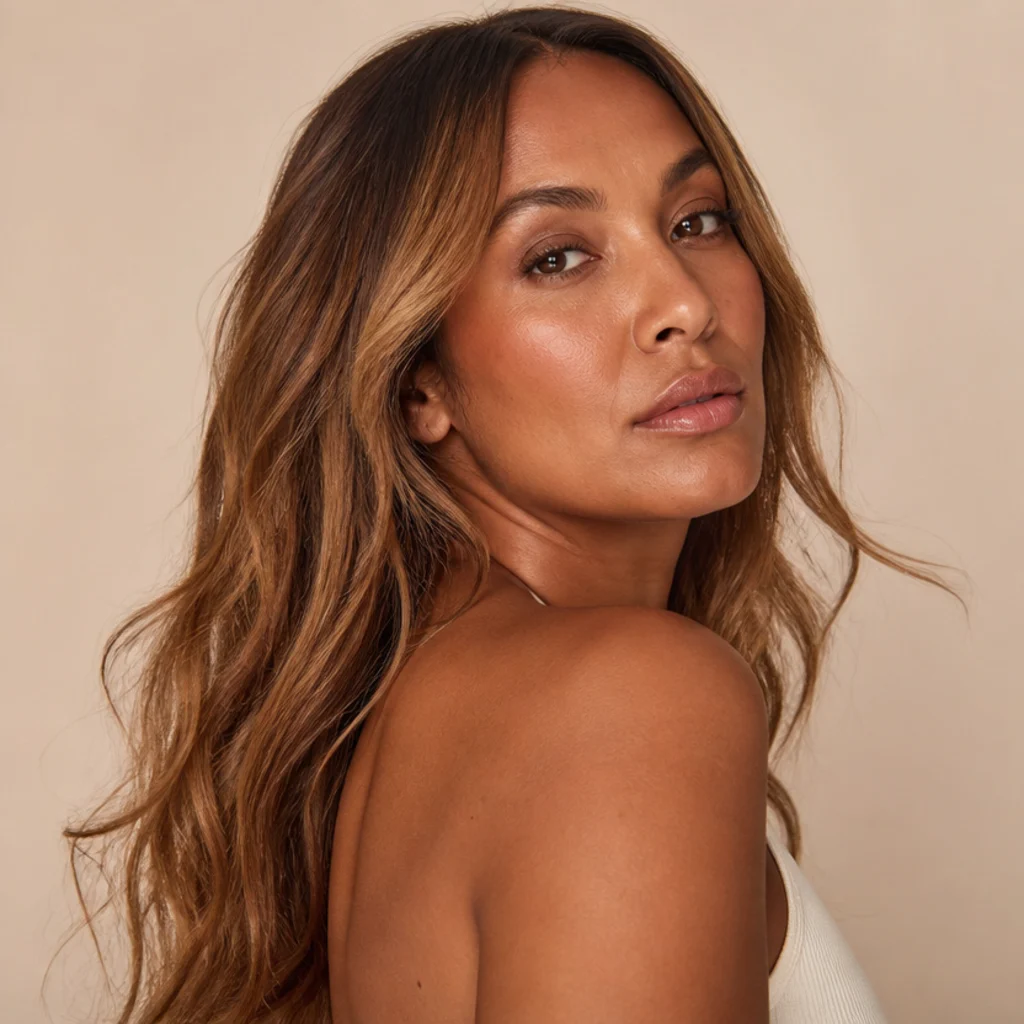
Hazelnut is a warm golden-brown that flatters tan and bronzed skin the way a well-matched foundation does, sitting at the same depth as the complexion so nothing looks washed out. Soft dimension a shade or two lighter runs through the base for a natural, glowing finish. Warm, tan, and olive skin get the most from it especially, and it reads richest on medium to long hair. Upkeep stays low, since the tones sit close together — a warm gloss every six to eight weeks. Pro tip: hazelnut is a "grow-out insurance" color, since the light and base levels sit so close that regrowth is nearly invisible. Stretch your appointments and rely on gloss to keep it fresh. Ask your colorist for "a warm hazelnut base with soft golden-brown dimension, kept close to my level," and request a warm-neutral toner so it doesn't slip too gold or orange under strong sunlight.
19Smoky Brunette with Warm Ends
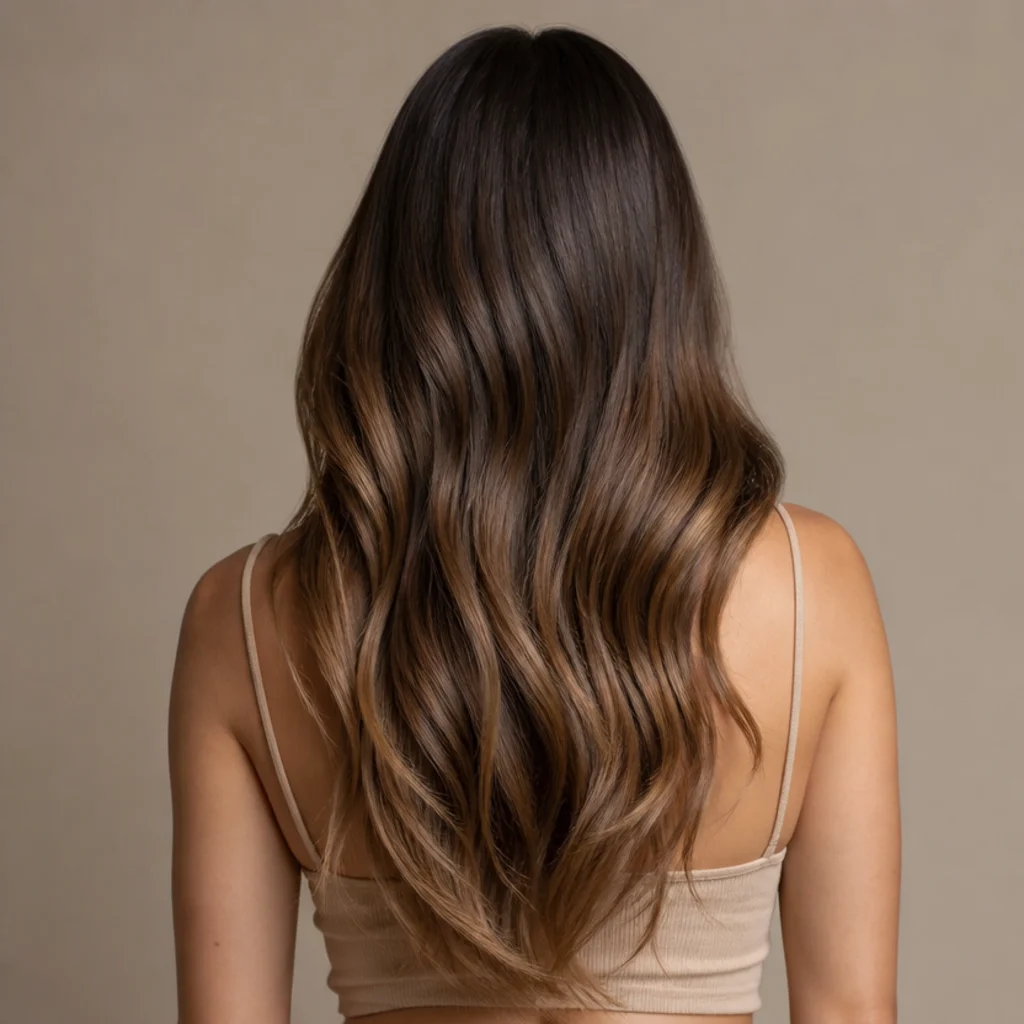
This look plays two temperatures against each other: a smoky, cool brown up top melting into warmer caramel ends. The contrast creates depth without heavy highlighting, and the cool root keeps the overall effect modern rather than sun-in. Neutral skin that can comfortably carry both temperatures suits it, and medium to long hair flatters it best, where the transition has room to unfold. Upkeep stays low, because the cool root grows in softly — a gloss every seven weeks keeps both zones true. Pro tip: this is a true two-toner look. If your colorist tries to do it with a single toner, it'll muddy where cool meets warm, so confirm they'll apply the zones separately. Ask your colorist for "a smoky cool root melting into warm caramel ends, blended seamlessly," and ask them to use two toners so the smoke stays smoke and the caramel stays caramel through the blend line.
20Dimensional Brunette Money Pieces in Gold
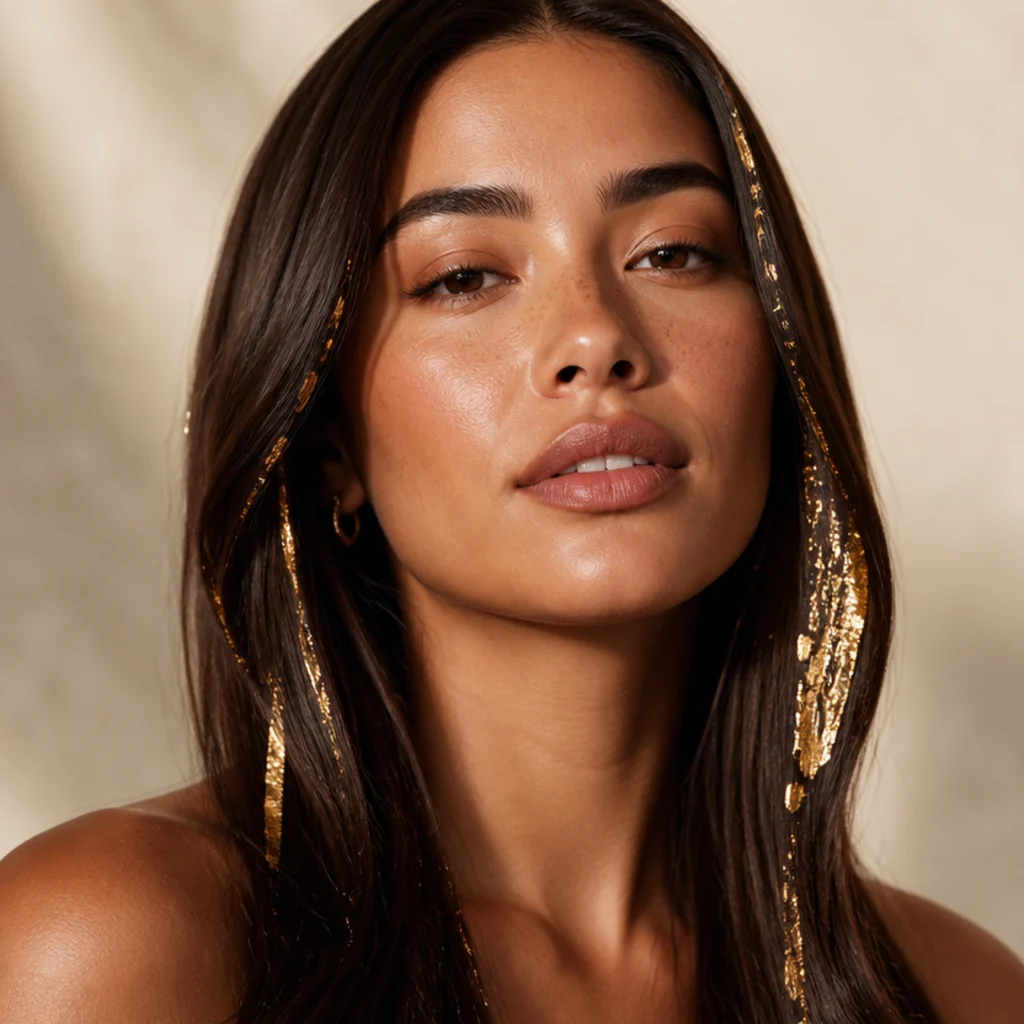
A bolder take on the money piece swaps soft chestnut for bright gold, creating strong contrast against a deep brown base. These dimensional brunette money pieces make a statement while keeping the rest of the color low-maintenance, since only the face-frame is lifted and toned. They suit warm and golden skin, where gold flatters most, and they read boldest on straight or sleek styles that show off the crisp contrast. Because the gold pieces sit right at the face and require real lift, upkeep runs moderate, with a face-frame refresh every eight weeks. Pro tip: high-contrast gold on a dark base needs the cleanest possible lift, so ask for the pieces to be lightened and toned in the same visit rather than layered gradually, or they'll read yellow instead of gold. Ask your colorist for "bright golden money pieces framing the face against a dark brown base, kept high-contrast," and maintain them with a gold-safe, tone-holding gloss between visits.
Save this to Pinterest and mark whether you want soft or high-contrast money pieces.
21Sun-Grazed Lived-In Brunette
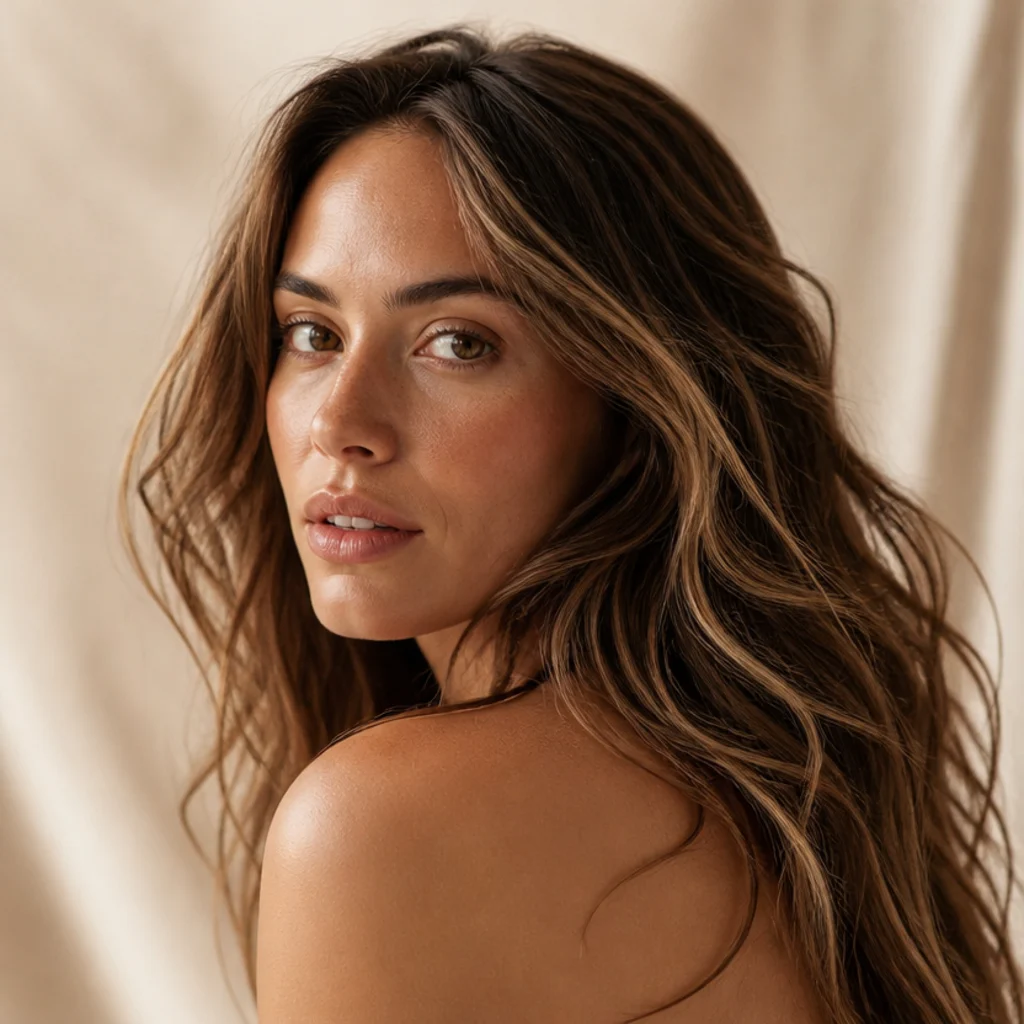
Sun-grazed brunette recreates the way hair naturally lightens over a summer, with soft, irregular lighter pieces scattered exactly where the sun would land: the crown, the face, the very ends. Nothing is uniform, which is exactly why it looks so lived-in and grows out with zero fuss. Warm and neutral skin suits it, and it reads best on wavy or tousled hair that mimics the undone effect. This is the lowest-upkeep of any lifted look here — a gloss every eight weeks, full paint just twice a year. Pro tip: bring a photo of your own hair after a real summer if you have one. "Natural" is the hardest brief to interpret, and a personal reference stops the colorist from over-brightening into an obvious balayage. Ask your colorist for "a lived-in, sun-grazed brunette with soft irregular brightness at the crown and ends, nothing uniform," and stress that you want randomness, not evenly spaced pieces.
22Cool Cocoa for Porcelain Skin
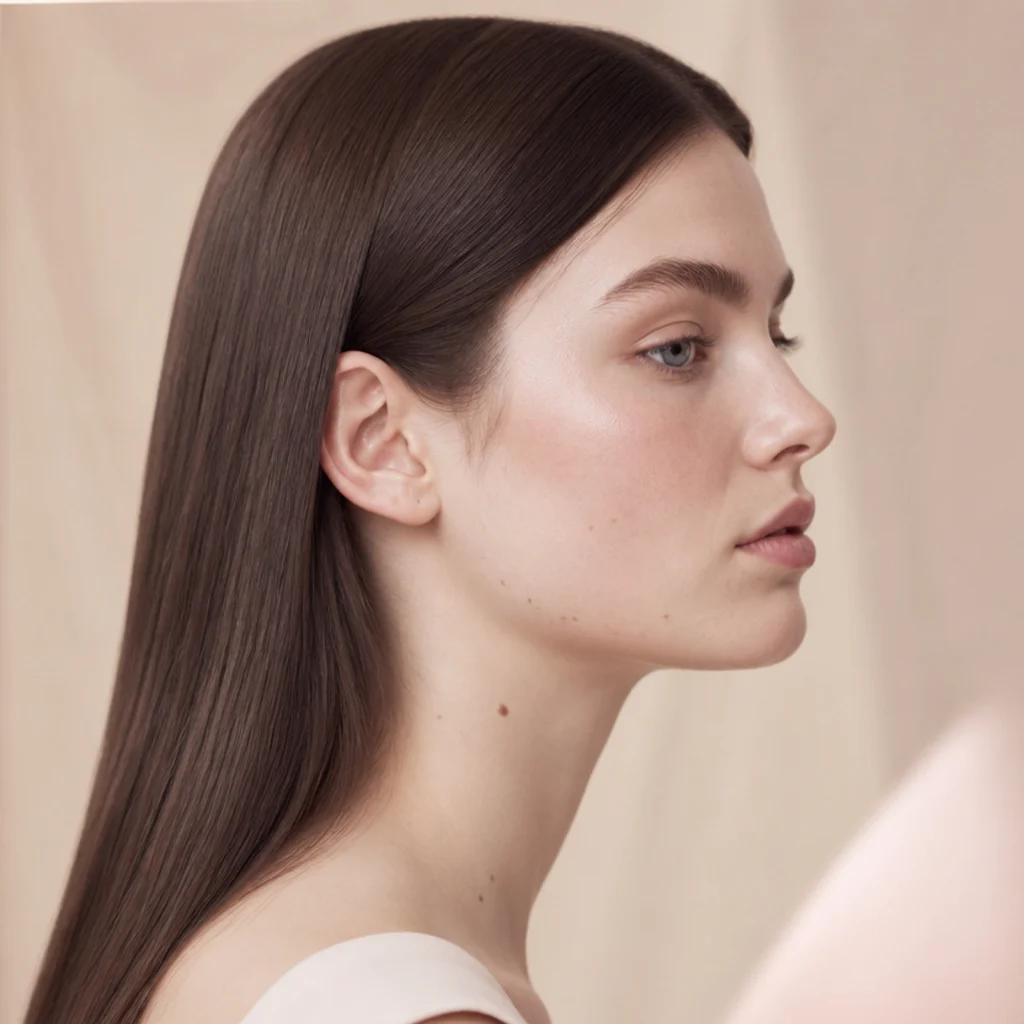
Porcelain and very fair cool skin looks striking in a rich cool cocoa, a deep neutral-cool brown with soft ashy dimension that frames the face without overwhelming it. The whole job here is keeping the brown from tipping red, which would clash with pink undertones and pull the skin ruddy. Fair, cool, and neutral complexions suit it best. Upkeep runs moderate, because cool deposit fades toward warmth over time, so plan a cool gloss every five to six weeks. It flatters all lengths and looks especially crisp on a blunt cut where the glossy depth shows. Pro tip: fair skin needs a deep color to have enough dimension not to read as a flat block, so ask for the ashy pieces to be at least two levels apart from the base. Ask your colorist for "a cool cocoa brown with soft ashy dimension, kept neutral-cool with no red," and request a blue-based gloss to hold the coolness and neutralize any warmth that tries to surface.
23Warm Maple Dimension
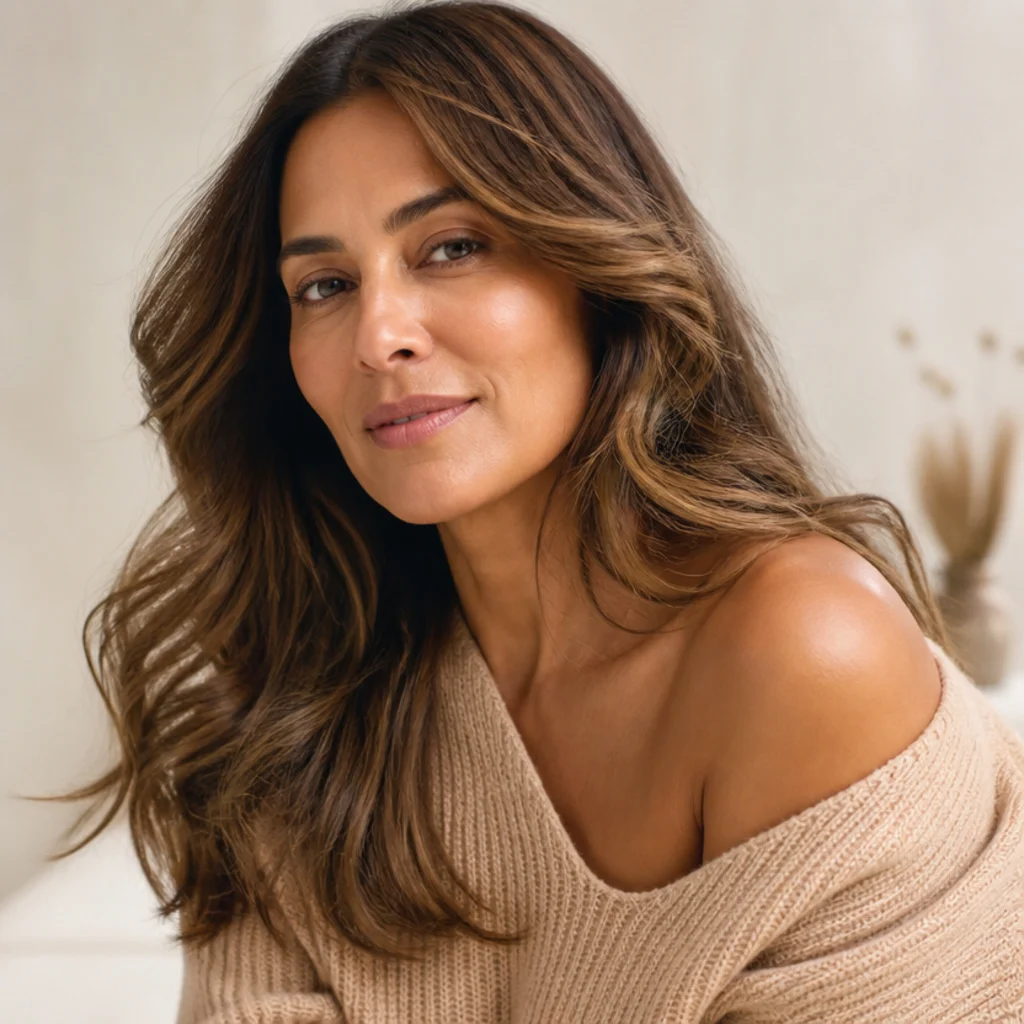
Maple is a warm mid-brown with a touch of amber, richer than caramel but softer than copper, and it gives cozy, autumnal warmth to a medium base. Layered as dimension rather than an all-over, it keeps the movement that a solid warm brown loses. Warm, golden, and olive skin flatters most. Because the tones stay close to the base level, upkeep stays low — a warm gloss every six to eight weeks keeps the amber from dulling to flat brown. It reads richest on medium to long hair with layers or waves. Pro tip: maple works well as a transitional color for easing out of a bright balayage without a hard grow-out — the amber depth fills the mid-lengths and blends old highlights back in. Ask your colorist for "warm maple and amber dimension through a medium-brown base, kept cozy and blended, not chunky," and say clearly that you want the warmth maintained over time rather than gradually toned down at each visit.
24Dimensional Brunette Bob with Curtain Money Pieces
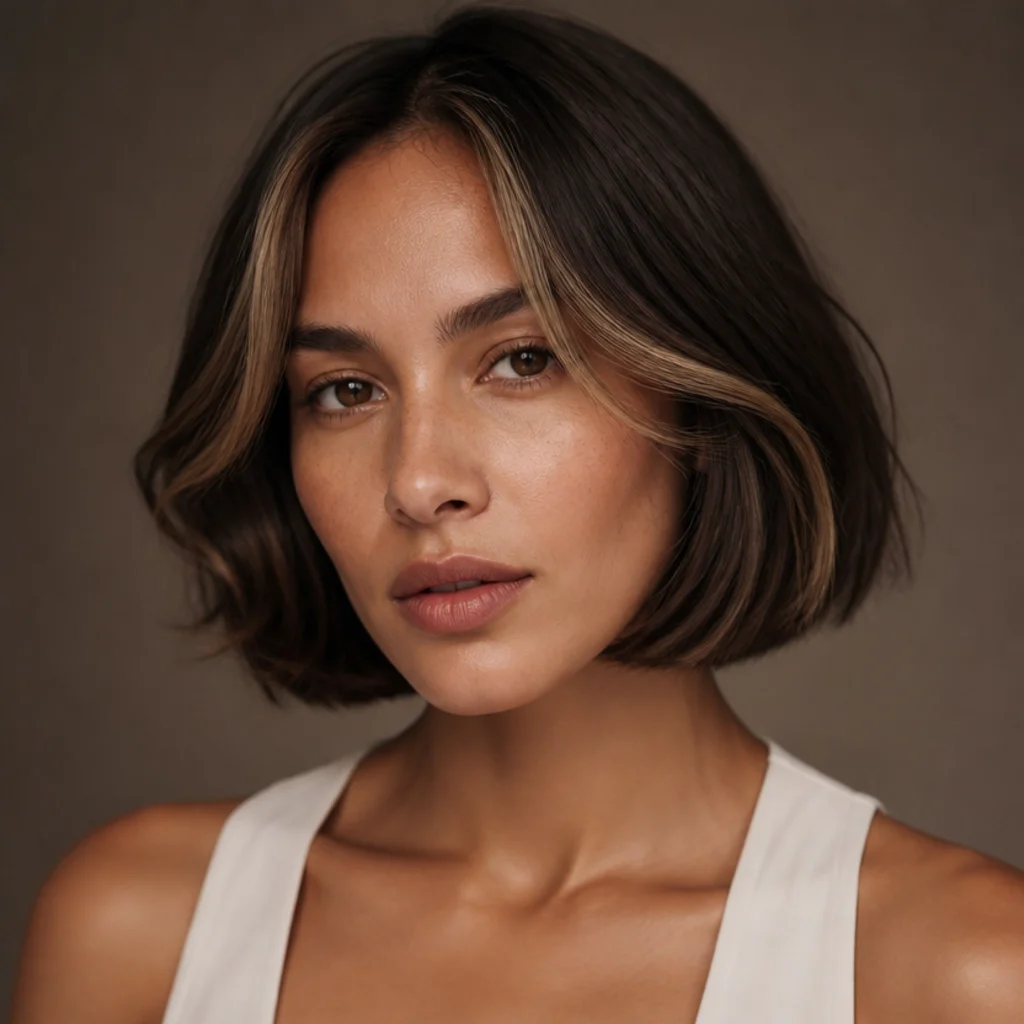
Pairing a dimensional brunette bob with curtain-style money pieces gives the cut instant structure and a built-in point of focus. The face-framing pieces split like curtain bangs, brighter at the front and blending back into the deeper bob, which draws the eye up to the cheekbones. Every skin tone can wear it, since the money pieces can be toned warm or cool, and it flatters most face shapes since the curtain effect softens a strong jaw. Upkeep runs moderate given the short length — a face-frame touch-up every eight weeks. Pro tip: this look lives or dies on where the pieces break, so pin your hair into your usual part before the color starts and have the colorist place the brightness to sit exactly where your curtain falls. Ask your colorist for "a dimensional bob with soft curtain money pieces framing the face, blended back into the length," and specify your toner temperature so the frame reads warm or cool on purpose.
25Spiced Chestnut for Deep Warm Skin
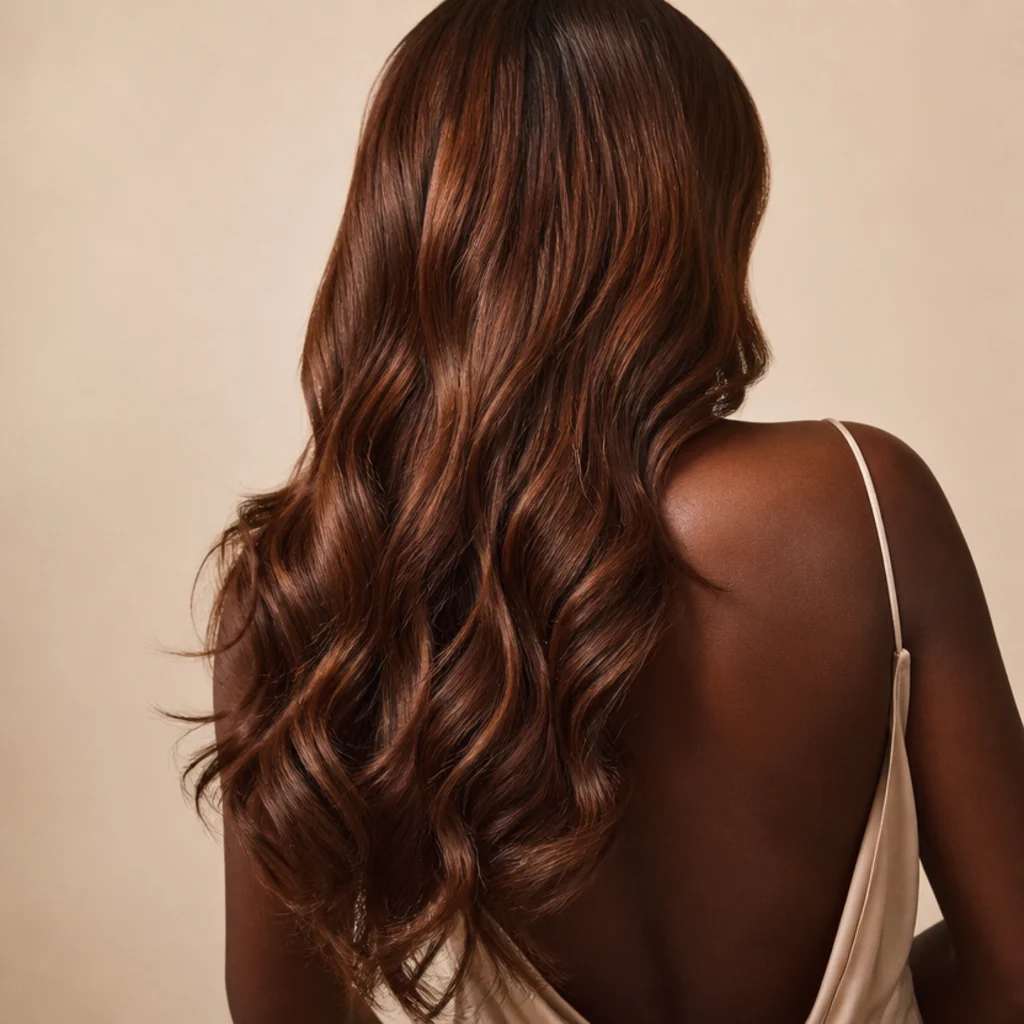
Deep warm skin glows next to spiced chestnut, a rich red-brown with warm cinnamon dimension layered through for depth without much lift. It's deeper and spicier than plain chestnut, reading luminous rather than flat against richer complexions. Deep, rich, and warm-olive undertones suit it especially well. Because the tones are dark and warm, upkeep stays low, though the red notes reward a color-depositing gloss every five to six weeks to stay vibrant instead of fading to a dull brown. It flatters every length and looks especially luminous on curly and coily textures where the cinnamon catches on each coil. Pro tip: red-brown families cling to the cuticle, so extend the color between visits with a warm-toned depositing mask once a week rather than relying on the salon alone. Ask your colorist for "a spiced chestnut base with warm cinnamon dimension, kept rich and red-brown," and pair it with a gentle, sulfate-free cleansing routine to protect the warmth.
Save this to Pinterest so your warm and deep-skin options are easy to find.
26Muted Bronde Lowlights
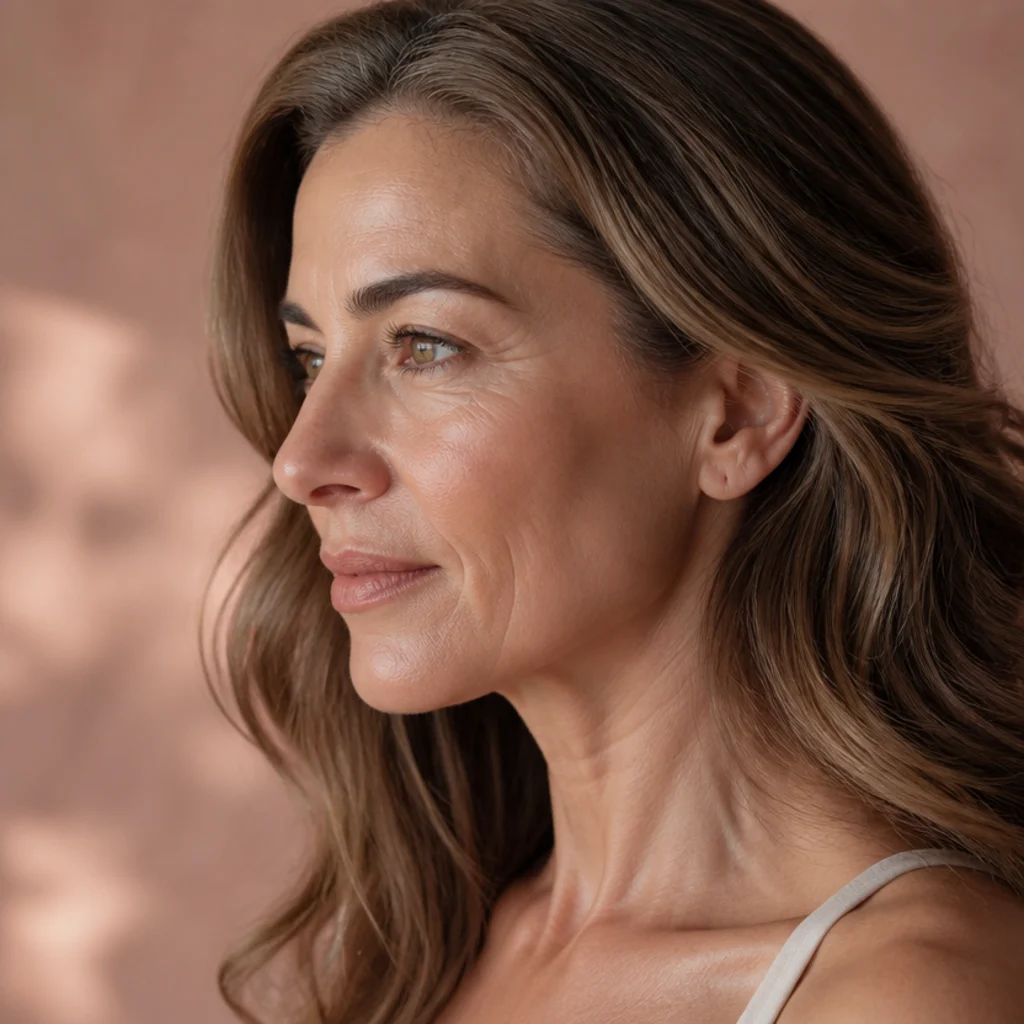
Not all dimension comes from going lighter. Muted bronde lowlights add depth by weaving slightly deeper, cool-neutral pieces into a light-brown base, which makes the whole color read richer and more expensive without touching a lightener. This is the go-to correction for anyone whose highlights have grown too uniform, too pale, or too warm. Neutral and cool skin suits it, and it works on all lengths. Upkeep stays low, since lowlights grow out invisibly — there's no lightened root to chase — with a gloss every seven to eight weeks. Pro tip: lowlights are the fastest, least damaging way to add depth back into over-highlighted hair, so if your color feels "washed out," this is almost always the fix rather than more highlights. Ask your colorist for "muted bronde lowlights woven through to add depth, kept cool-neutral," and tell them if you're correcting over-lightened hair so they target the flattest, palest areas with the deeper weave.
27Warm Amber Ribboned Brunette
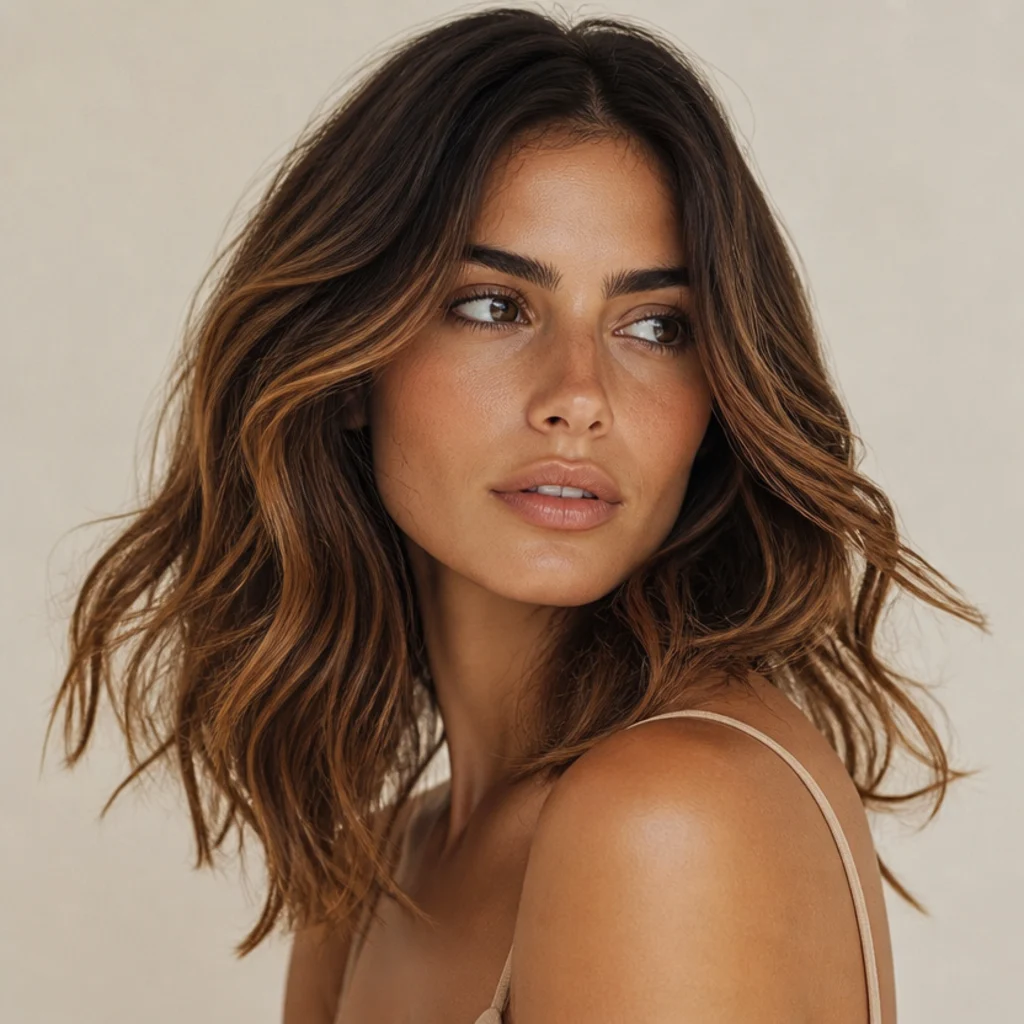
Amber ribbons bring a glowing, honeyed-orange warmth threaded through a medium-brown base, warmer than caramel and softer than copper. The ribbon placement is what keeps it dimensional rather than solid, so the amber lights up in sun and settles back into the base in shade. Warm, golden, olive, and deep skin all suit it. Amber carries some red, so plan a color-safe gloss every five to six weeks to keep it from dulling. It looks richest on medium to long hair with movement. Pro tip: amber is a natural fit for olive and deep skin who find caramel too pale and copper too loud. It hits the middle warmth that flatters those undertones without going ginger. Ask your colorist for "warm amber ribbons through a medium-brown base, kept glowing and dimensional," and request a warm depositing gloss rather than an all-over lift so the base keeps its depth and the ribbons keep their glow.
28Multi Dimensional Brunette Shag
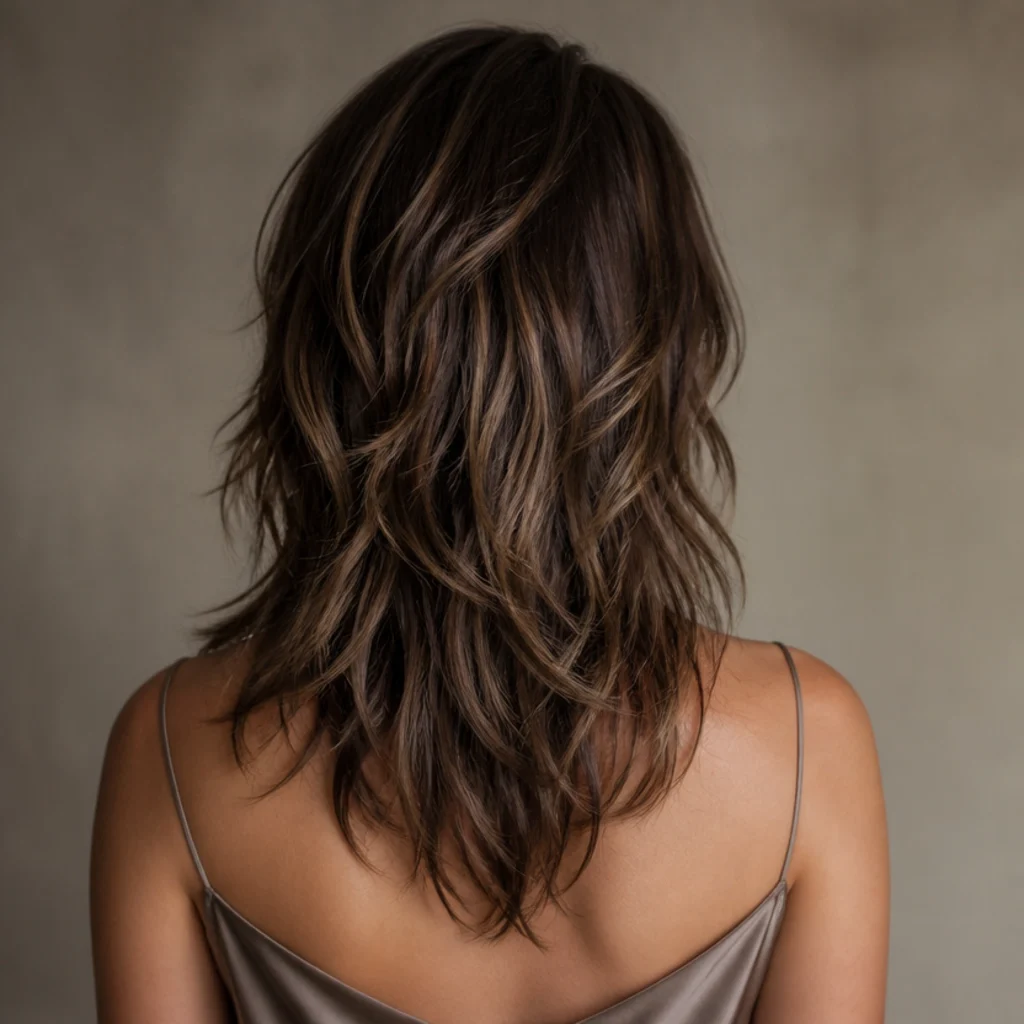
A shag is built on visible, choppy layers, and a multi dimensional brunette color is what makes those layers actually pop instead of blur together. Several close shades of brown, some warmer, some cooler, get placed to follow the cut so the movement reads even more. Neutral skin suits it best, since it blends both temperatures, and it flatters wavy and curly textures where the shag comes alive. Upkeep stays low, because the multi-tonal blend hides regrowth so well — a gloss every seven to eight weeks. Pro tip: the color has to be mapped to the specific cut, so book your color and cut close together (or with the same person), and always bring a photo of your actual shag. Placement that flatters a wolf cut won't suit a soft modern shag. Ask your colorist for "multi-tonal brunette dimension placed to follow my shag layers, mixing warm and cool," and confirm the darkest and lightest pieces are far enough apart to show through the movement.
29Soft Teddy-Bear Brown
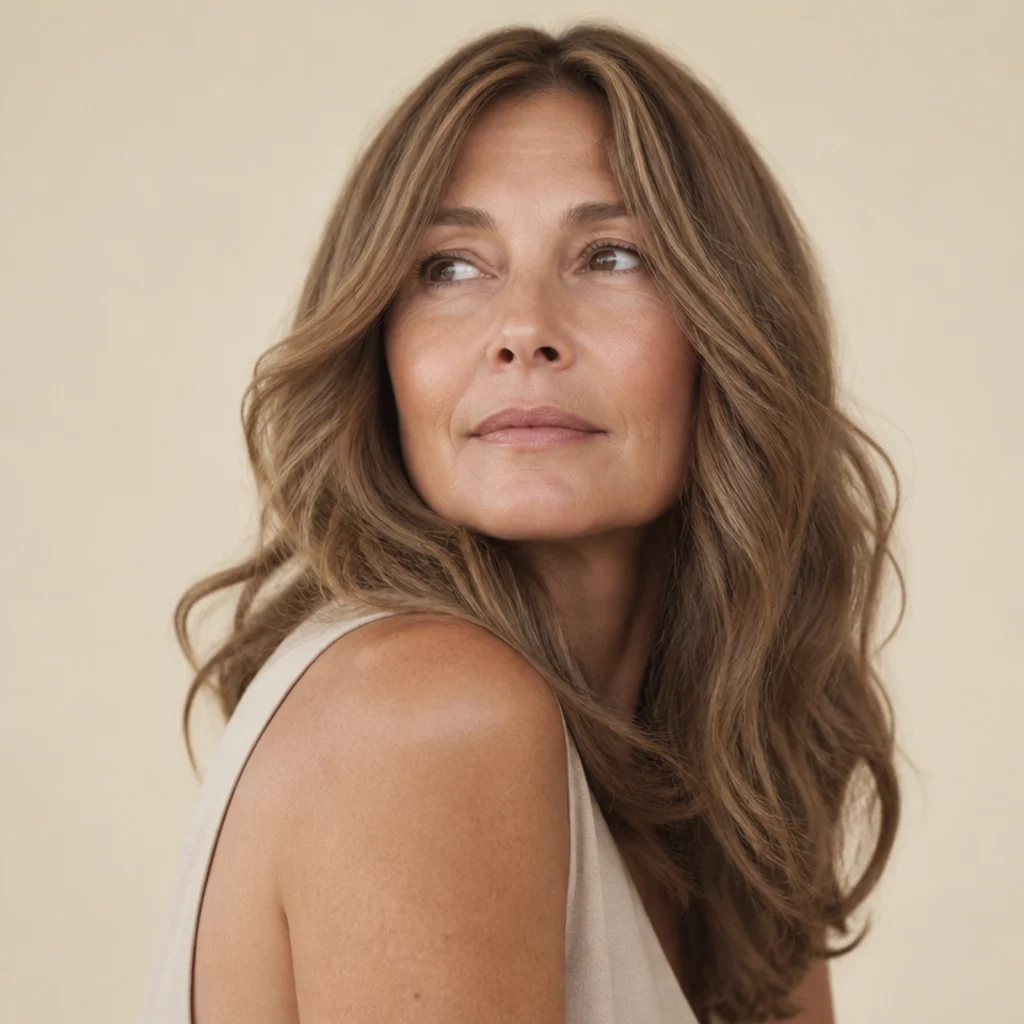
Teddy-bear brown is a soft, warm-neutral brown with gentle dimension that reads cozy and touchable rather than sharp or high-contrast. The lighter pieces sit barely a shade or two up, giving softness instead of stripe, which is why it flatters almost every skin tone and looks especially sweet on medium and warm complexions. This ranks among the lowest-upkeep looks here, because there's so little lift to grow out — a gloss every eight weeks does it. All lengths suit it, and it looks fluffy and dimensional on layered or wavy hair. Pro tip: teddy-bear brown makes a good first step for anyone nervous about color, since the low contrast means there's almost no bad grow-out and the commitment stays minimal. It's easy to go warmer or brighter from here later. Ask your colorist for "a soft teddy-bear brown with gentle warm-neutral dimension, kept low-contrast and touchable," and request a warm-neutral toner so it stays soft rather than flattening to a single block.
30Glossy Warm Espresso with Caramel Ends
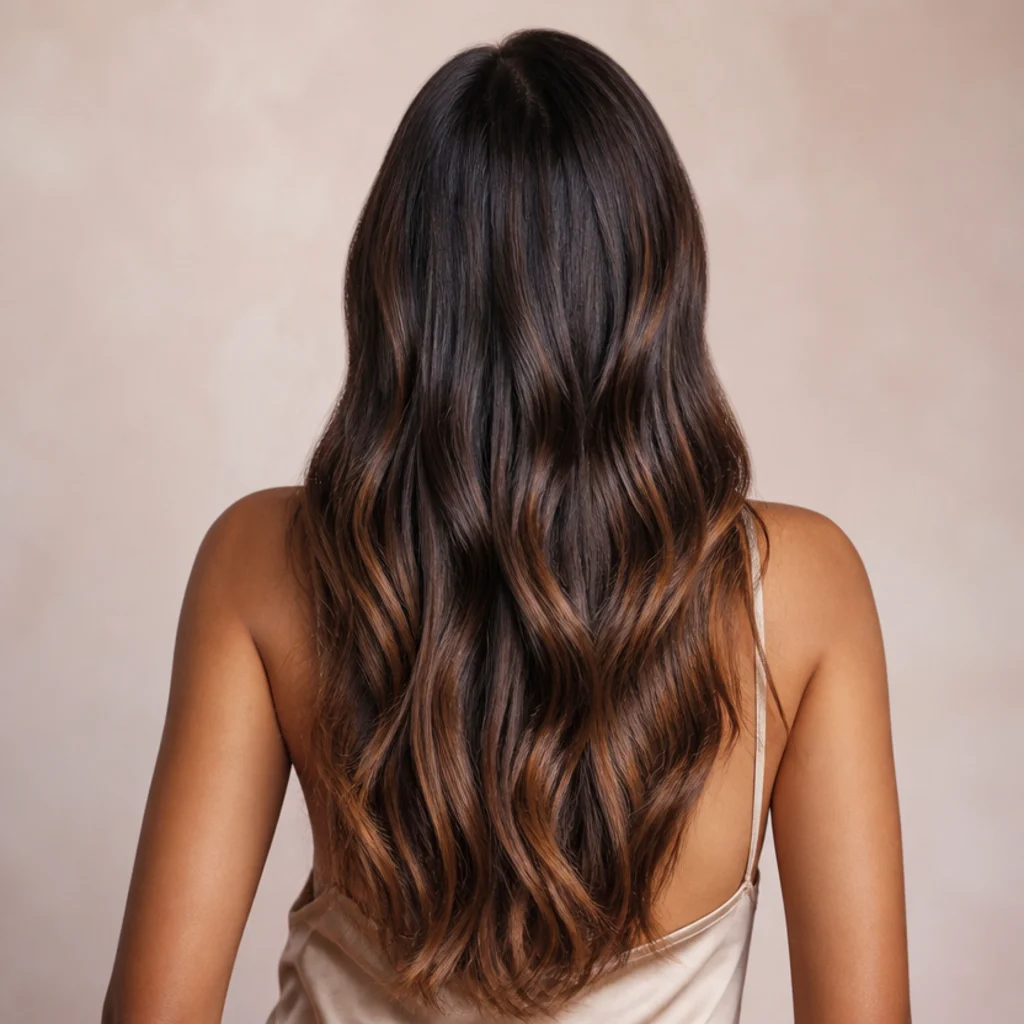
This closing look pairs the depth of espresso with a warm caramel payoff at the ends, a high-shine melt that keeps the root rich and lets brightness build gradually down the length. The gradient does the dimensional work, so there's little foiling and easy grow-out. Warm, neutral, and deep skin all suit it, and the glossy finish flatters every length, though it looks most dramatic on long hair where the melt has real distance to travel. Upkeep stays low — a shine gloss every six to seven weeks. Pro tip: because the caramel lives on the oldest, most fragile hair, prioritize a bond-building treatment at every gloss and a weekly protein-moisture balance at home, or the ends will fade and fray faster than the color does. Ask your colorist for "a glossy espresso root melting into warm caramel ends, high-shine and seamless," and ask them to keep the caramel weighted toward the last few inches so the melt stays soft rather than becoming a hard ombre line.
Pro Tips from the Editor
- Judge tone by your veins and jewelry, not the mirror alone. Blue-green veins and a preference for silver point cool (mushroom, mocha, pearl, cool cocoa); greenish veins and gold-flattering skin point warm (caramel, honey, hazelnut, amber). Olive skin almost always needs a whisper of red-brown to avoid looking sallow.
- Placement outlasts tone, so spend your budget accordingly. The lightening or lowlighting is the expensive, long-lasting part; tone is a fast-fading top layer. If money is tight, invest in a great placement and maintain it with cheaper glosses rather than redoing foils every visit.
- Warm fades warm, cool fades warm. Every color drifts toward brass as it oxidizes, so cool tones need more frequent glossing to hold and warm tones only need a nudge to stay put. Build your maintenance calendar around your tone, not a generic six-week rule.
- Ask for a "root break," not a blunt root. A softly diffused root shadow reads modern and grows out invisibly; a hard line of dark at the scalp reads dated within weeks. This one phrase upgrades almost any grow-out.
- Curly and coily hair should be painted dry. Color mapped to the coil pattern on dry hair lands where the eye actually sees brightness; wet-painted curls stretch out and the dimension disappears once they spring back.
- Bring a "no" photo as well as a "yes" photo. Showing your colorist a result you dislike (too warm, too chunky, too ashy) prevents more disappointment than any inspiration photo, because it defines the guardrails.
- Book the gloss you will actually keep. The most flattering dimensional brunette is the one whose upkeep matches your life; a low-effort caramel you maintain beats a pearl you abandon at week three.
How to Choose / Get the Look
Start with your undertone, not a photo. If silver jewelry and cool clothing suit you, lean toward mushroom, mocha, ash bronde, pearl, and cool cocoa. If gold jewelry and warm shades flatter you, caramel, honey, toffee, hazelnut, maple, and amber will glow. Olive undertones want a red-brown correction (auburn, spiced chestnut, cinnamon) to avoid sallowness, while neutral undertones can wear either, which is where multi-tonal walnut and shag placements shine. Next, weigh upkeep honestly: root shadows, balayage, lowlights, and same-level dimensions grow out softly and suit two or three salon visits a year, while money pieces, babylights, pearl, ash, and any copper or amber tone want glossing every four to six weeks. Then factor length and texture, since curls and short bobs show color across the surface and need dry, curl-by-curl or layer-following placement rather than long ribbons. Use the quick reference below to narrow the field, then bring two or three photos to your consultation, name your base level if you know it, and state your warmth goal in one sentence. That single detail prevents most disappointing results.
| Tone family | Best undertone | Upkeep | Grow-out | Signature look |
|---|---|---|---|---|
| Caramel / toffee / maple | Warm, golden, neutral | Low | Soft | Warm Caramel Ribbon Dimension |
| Honey / golden chestnut | Warm, golden, tan | Moderate | Visible | Honey Bronde |
| Mushroom / mocha / pearl | Cool, fair, pink | Moderate–high | Soft | Subtle Mushroom Brown |
| Walnut / ash bronde | Neutral, cool | Low–moderate | Very soft | Cool Walnut Multi-Tonal |
| Auburn / cinnamon / amber | Olive, deep, warm | Moderate–high | Soft | Deep Auburn Dimension |
| Chocolate / espresso / spiced chestnut | Deep, rich, warm-neutral | Low | Invisible | Warm Chocolate for Deep Skin |
Frequently Asked Questions
What is the difference between dimensional and solid brunette?
Solid brunette is a single flat shade applied all over. Dimensional brunette layers two or more shades of light and dark through the same base, so the hair catches light and looks like it moves. Dimension also grows out far more softly, because there's no single hard demarcation line, and it tends to read more expensive because real hair is never one uniform color.
How do I keep a warm dimensional brunette from turning brassy?
Use a color-safe, sulfate-free routine, rinse with cooler water, limit heat and sun exposure, and book a gloss every five to eight weeks to refresh tone. Warm tones are meant to stay warm, but a neutral-warm toner keeps them from tipping orange. Hard water is a common hidden culprit, so a chelating or clarifying wash once a month can stop mineral buildup from dulling and warming the color.
Is dimensional brunette hard to maintain?
It depends entirely on the tone and placement. Root shadows, balayage, lowlights, and same-level dimensions are low-maintenance and can stretch three to four months. Cool tones, money pieces near the face, and copper or amber fade faster and need glossing every four to six weeks. Choose the tone that matches your realistic salon schedule rather than the one that photographs best, because an abandoned color looks worse than a simpler one kept fresh.
Which dimensional brunette suits deep skin tones best?
Warm chocolate, spiced chestnut, deep auburn, and glossy espresso with caramel ends all flatter deep complexions, because they add richness and shine without washing out the skin. Keep the dimension subtle and warm rather than lifting several levels lighter, which can read ashy or chalky against deep skin. A high-shine acidic gloss usually does more for depth here than heavy foiling.
Can I get dimensional brunette on short hair or a bob?
Yes, and it can look brilliant. A dimensional brunette bob relies on placement, with fine highlights or lowlights following the internal layers of the cut, plus optional money or curtain pieces at the face. Because short hair shows regrowth sooner, plan color every eight to 10 weeks and always tell your stylist your exact cut shape (blunt, graduated, A-line) so the dimension is mapped to how the hair falls.
How much does a dimensional brunette cost?
It varies widely by region, salon level, and technique, so treat any figure as a rough guide rather than a quote. A tone-refreshing gloss sits at the lower end, partial balayage or babylights land mid-range, and full-head multi-tonal work with lowlights costs the most and takes the longest. Always book a paid or free consultation first, where the colorist can assess your base and give a real price before you commit.
How do I ask my colorist for dimensional brunette without sounding vague?
Bring two or three photos, name your base level if you know it, and say your warmth goal in one clear sentence: "keep the gold," "tone it neutral," or "push it cool." Add your upkeep limit ("I can come in every three months") and one guardrail ("nothing chunky" or "no red"). Colorists work best with constraints, and those four details prevent almost every miscommunication.
Will dimensional color damage my hair?
Adding depth with lowlights or a root shadow is barely more taxing than a gloss, because little or no lightener is involved. Techniques that lift several levels (honey bronde, gold money pieces, pearl) do stress the hair more, so ask for a bond-building additive in the lightener and keep a weekly protein-moisture balance at home. Choosing a same-level or subtle dimension is the gentlest way to get the effect.
How often should I get a gloss between full color appointments?
As a rule of thumb, warm and same-level tones want a gloss every six to eight weeks, while cool, pearl, ash, copper, and amber tones want one every four to six. A gloss is the cheapest, healthiest way to keep a dimensional brunette looking fresh, since it refreshes tone and adds shine without lifting; many people alternate a full appointment with a gloss-only visit to stretch their color budget.