3 Things to Know Before Going Dimensional Brunette
Dimensional brunette looks effortless, but that depth is engineered. Before you book, understand how the tones are stacked, what the upkeep actually costs in time and money, and which placement flatters your face and undertone. Get these three right and you'll skip the most common regrets in the chair.
 Edited by Lena Rose · Published July 11, 2026 · 11 min read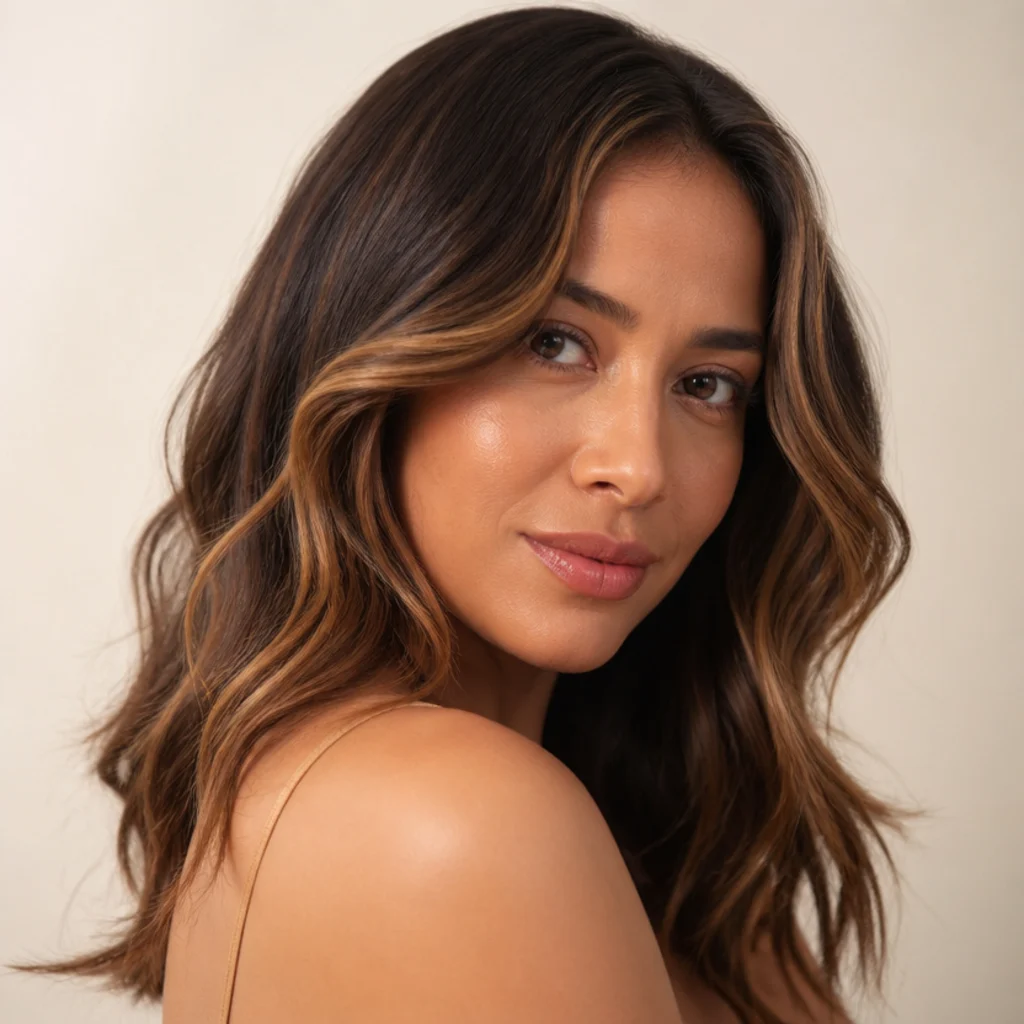
Quick Answer
- Best for: Brunettes who want visible movement and light-catching contrast instead of one flat block, and anyone growing out old highlights who wants a lower-commitment reset.
- Who might skip it: Cool, ashy purists who dislike any warmth, and those unwilling to book a gloss every couple of months, level-1 flat black lovers, and hair that is heavily box-dyed with old dark buildup that resists even lift.
- Maintenance: Moderate. Gloss or toner refresh every 6-8 weeks; fresh foils or balayage every 3-4 months; a bond or protein treatment monthly.
- Difficulty: Salon-level. This is a placement and toning job that rewards a skilled colorist, not a box-dye look.
- Cost: Variable. Expect a mid-to-high dimensional color service, with glosses running lower than full highlight sessions; regional pricing and hair length swing the range widely.
- Wear time / longevity: The base holds for months; the bright ribbons stay true roughly 6-8 weeks before warmth needs correcting.
- Standout variation: Warm caramel money pieces framing the face for instant brightness without a full lightening commitment.
- How to ask your colorist: Request a "lived-in warm dimensional brunette with soft face-framing money pieces," and bring photos that show tone and placement.
In This Guide
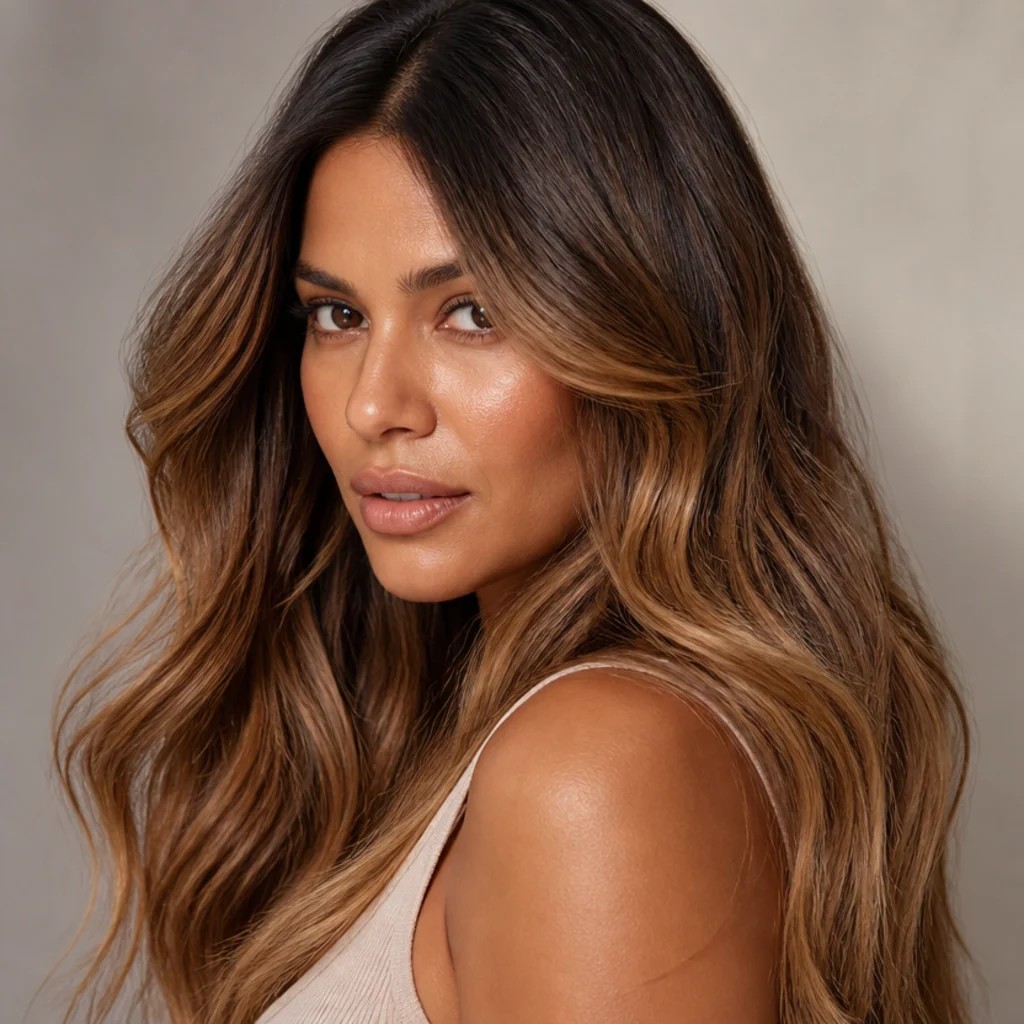
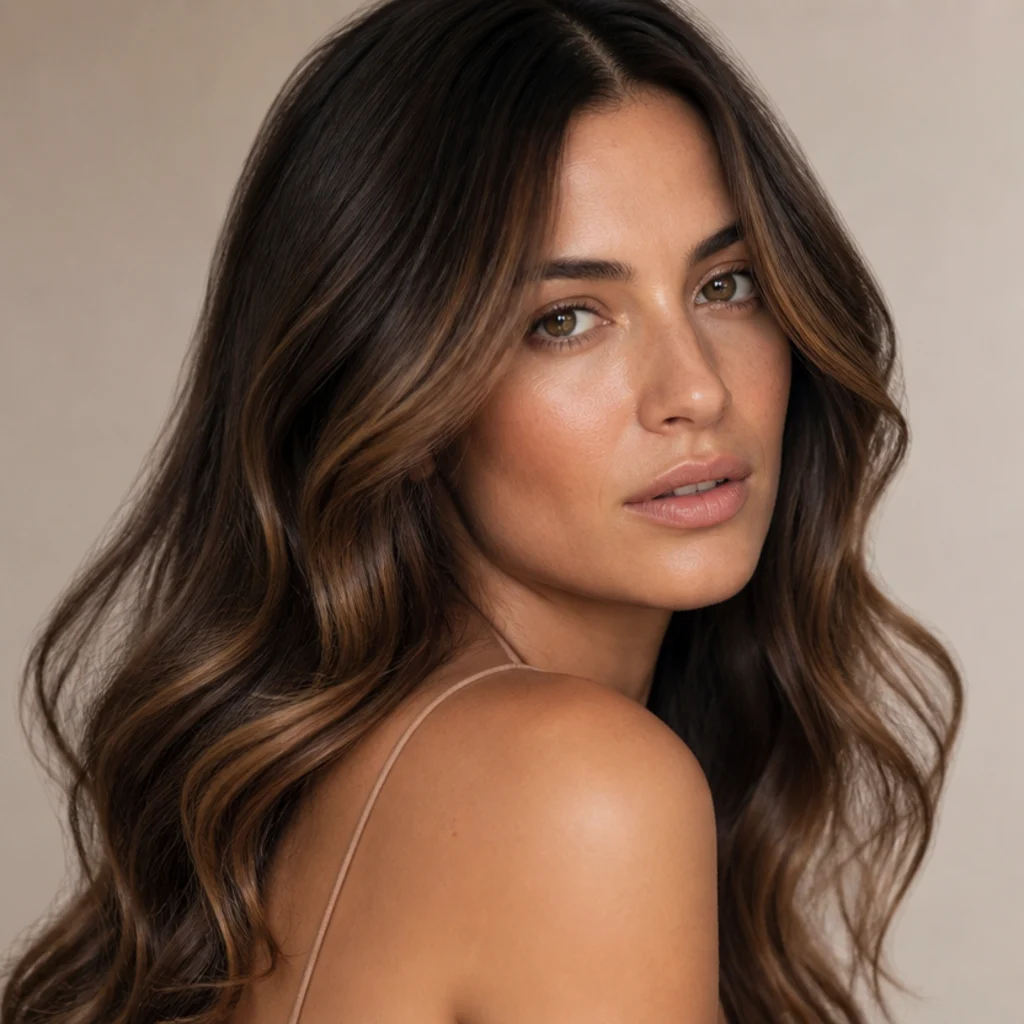
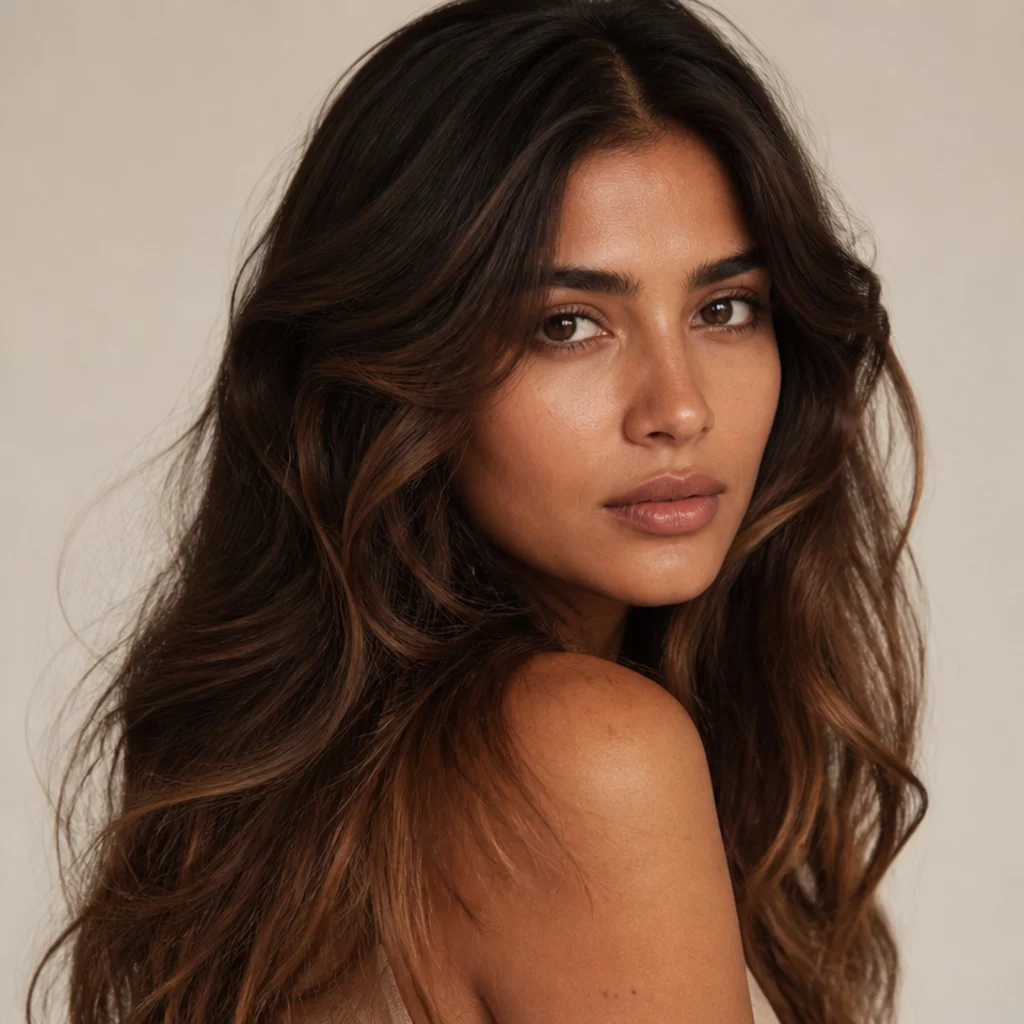
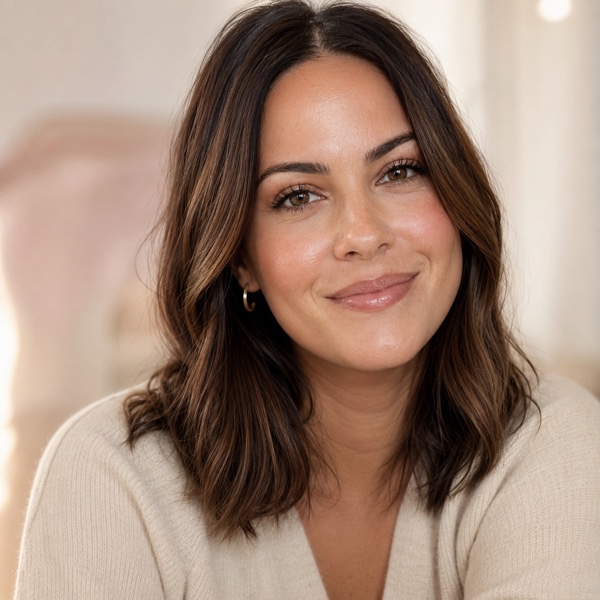
A warm dimensional brunette is never a single color. It's a deliberate stack: a rich brunette base, lighter ribbons hand-painted or foiled a few levels up, and a warm gloss that ties it all together in caramel, honey, or chestnut. The depth comes from contrast, and from where that contrast sits — which is why the same three shades can read as a whisper-soft subtle dimensional brunette on one person and a high-impact multi dimensional brunette on another. Your colorist decides those outcomes in consultation, before any product gets mixed, based on your base level, hair density, and how you actually part and wear your hair day to day. That's also why the look photographs well and grows out gracefully compared with all-over blonde. The three things below are the details clients most often overlook, the ones that separate a color you top up happily for a year from one you resent by week six. Read them before you book, so you walk in already fluent in the trade-offs instead of hoping for the best.
01How the Dimension Is Actually Built
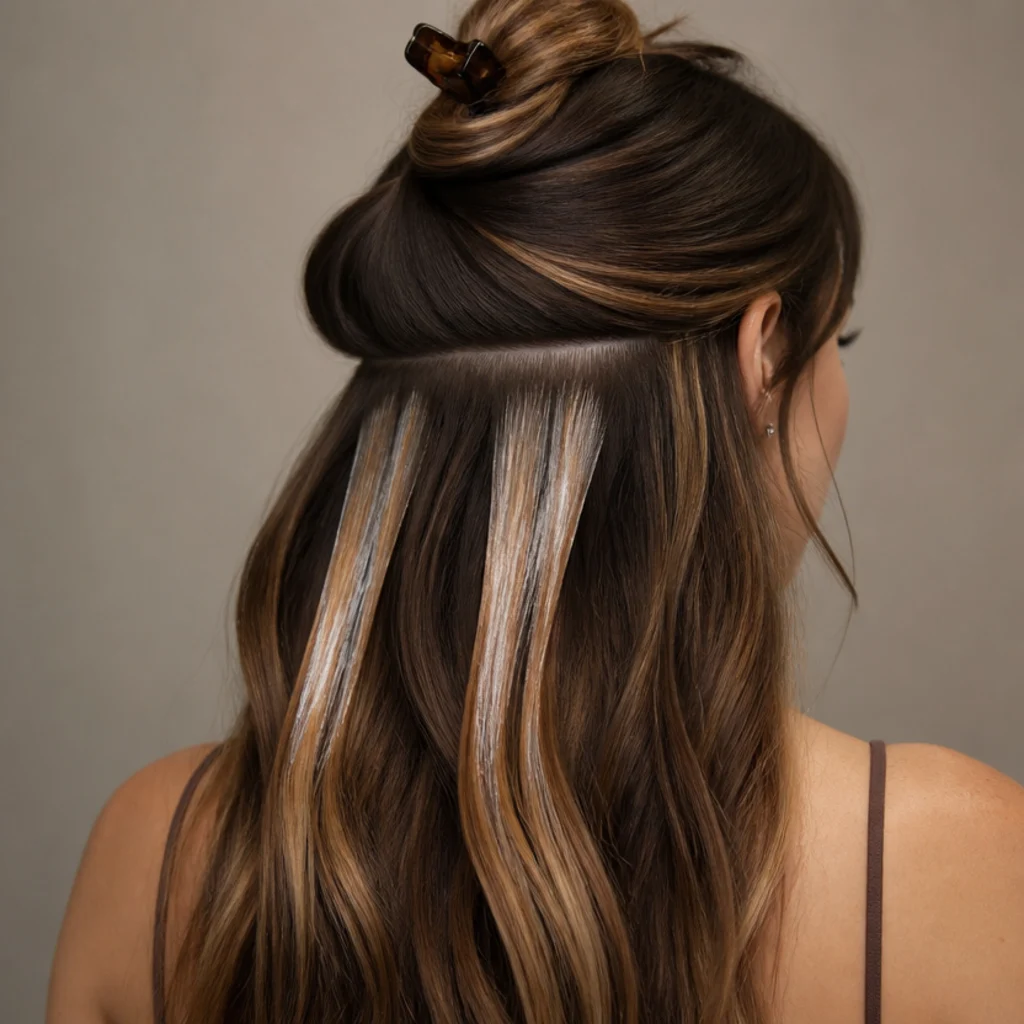
Dimension gets built in layers, not poured from one bottle. Your colorist first establishes a base, usually a level 3 to 5 brunette in a neutral or warm-neutral tone, then adds movement with foils, balayage, or fine babylights lifted two to four levels higher. Warmth comes in last, through a demi-permanent gloss or toner in caramel, honey, or chestnut, and that step controls exactly how golden or how muted the result reads. A subtle dimensional brunette keeps base and ribbons within about two levels for a soft, lived-in glow; a multi dimensional brunette spaces them three-plus levels apart for stronger, more graphic contrast. Placement technique matters as much as level — babylights blend soft and smooth, classic foils read brighter and more defined. If your natural color is very dark or previously box-dyed, expect a slower, gentler lift across possibly two sessions, since rushing it pulls orange fast. Ask your colorist to swatch the exact base beside the target ribbon level so you agree on contrast before mixing, and plan to refresh the surface ribbons every 3-4 months as roots grow. Pro tip: request that highlights sit slightly off-scalp with a soft root shadow, so regrowth blurs instead of striping.
02The Real Maintenance Commitment
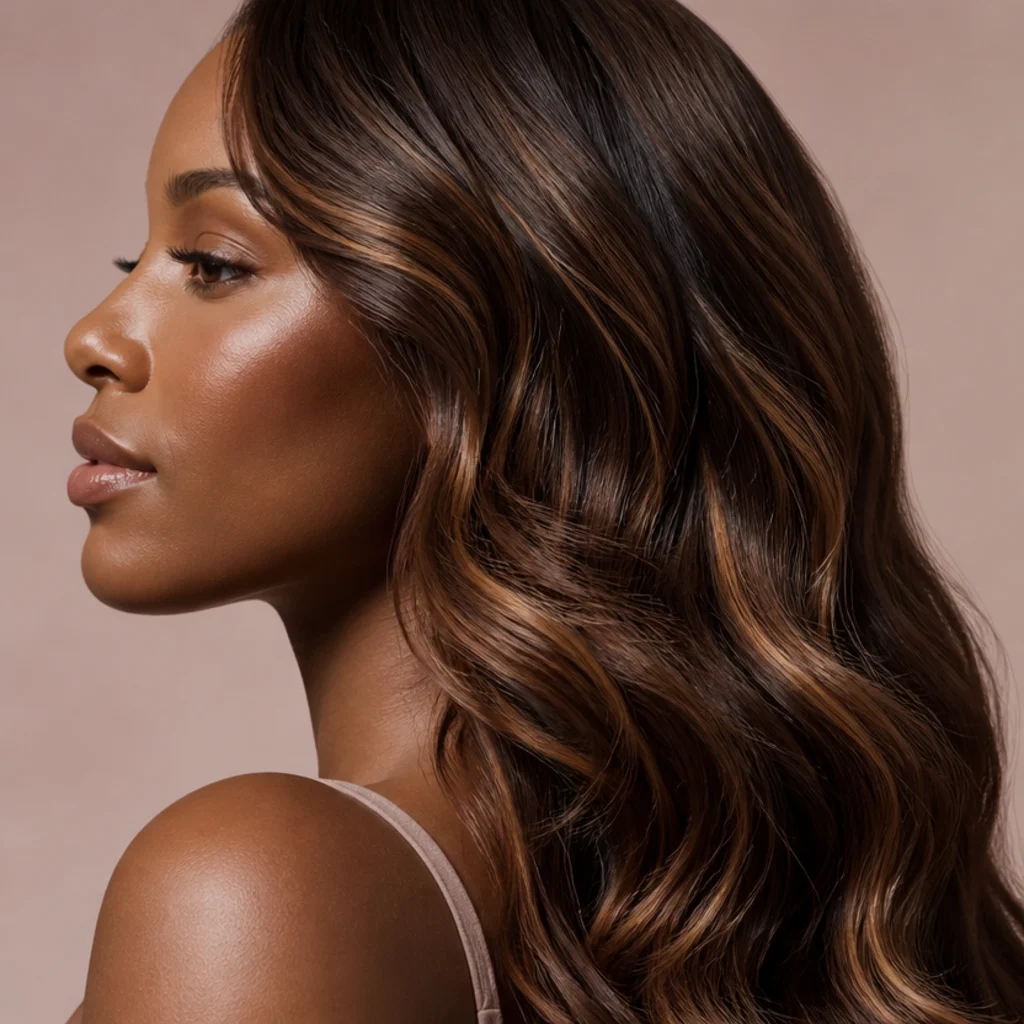
Upkeep is gentler than all-over blonde, but it's far from zero, and warmth is the part that shifts first. Lightened ribbons are porous, so caramel and honey tones oxidize and pull brassy under sun, chlorine, hard-water minerals, and daily hot tools. Plan on a gloss or toner refresh every 6-8 weeks to keep the warm notes true, fresh foils or balayage every 3-4 months as regrowth appears, and a monthly bond-building or protein treatment to hold integrity in the lightened pieces. Most brunette bases sit close to natural, though, so root growth stays forgiving — that's why the look is so livable between full appointments. At home, wash with a sulfate-free, color-protecting shampoo, drop the water temperature at the rinse, and add a chelating treatment every few weeks if you have hard water. Use blue-based toning products, not purple, to counter orange in warm brunettes, since purple mainly targets yellow. Cap heat styling around 350°F and always use a heat protectant. Pro tip: ask your colorist to record your exact toner formula, developer, and processing time in your file, so any stylist can match it later.
03Placement, Face Shape, and Money Pieces
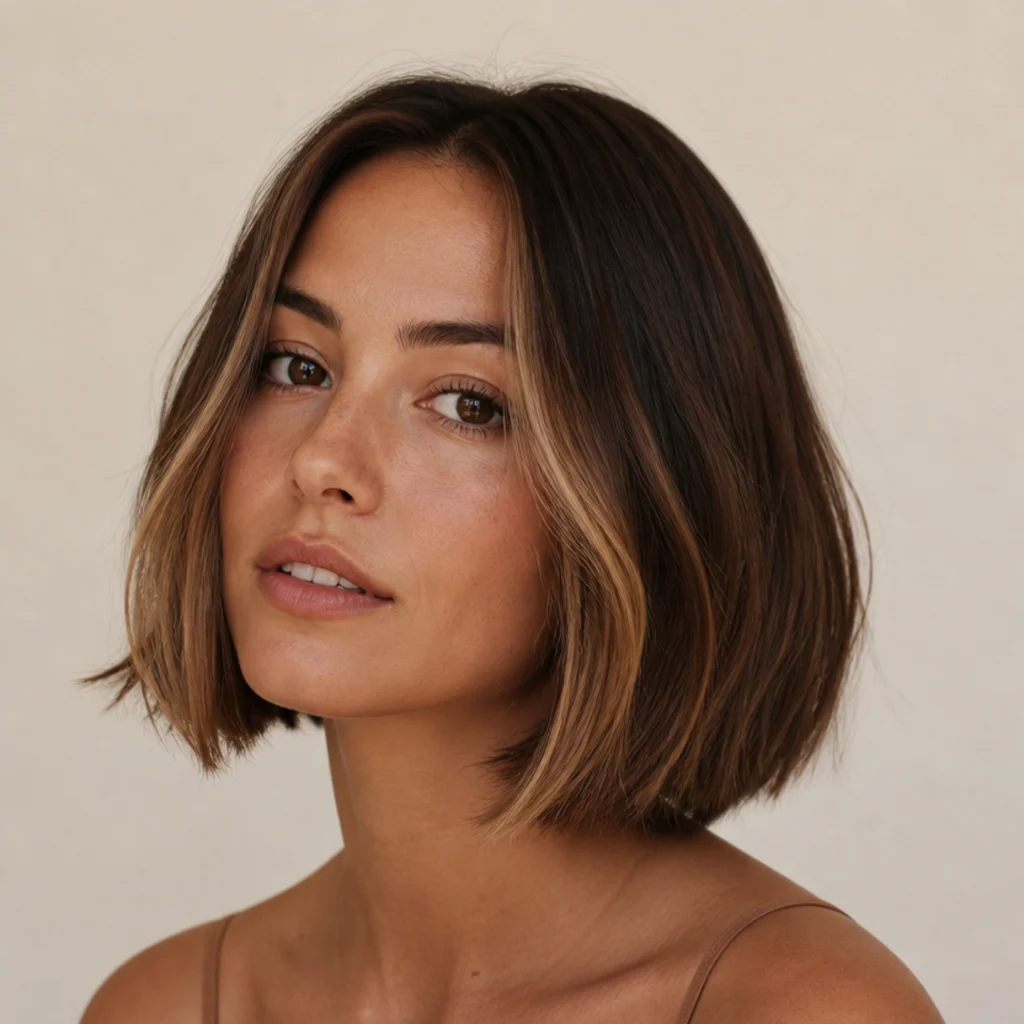
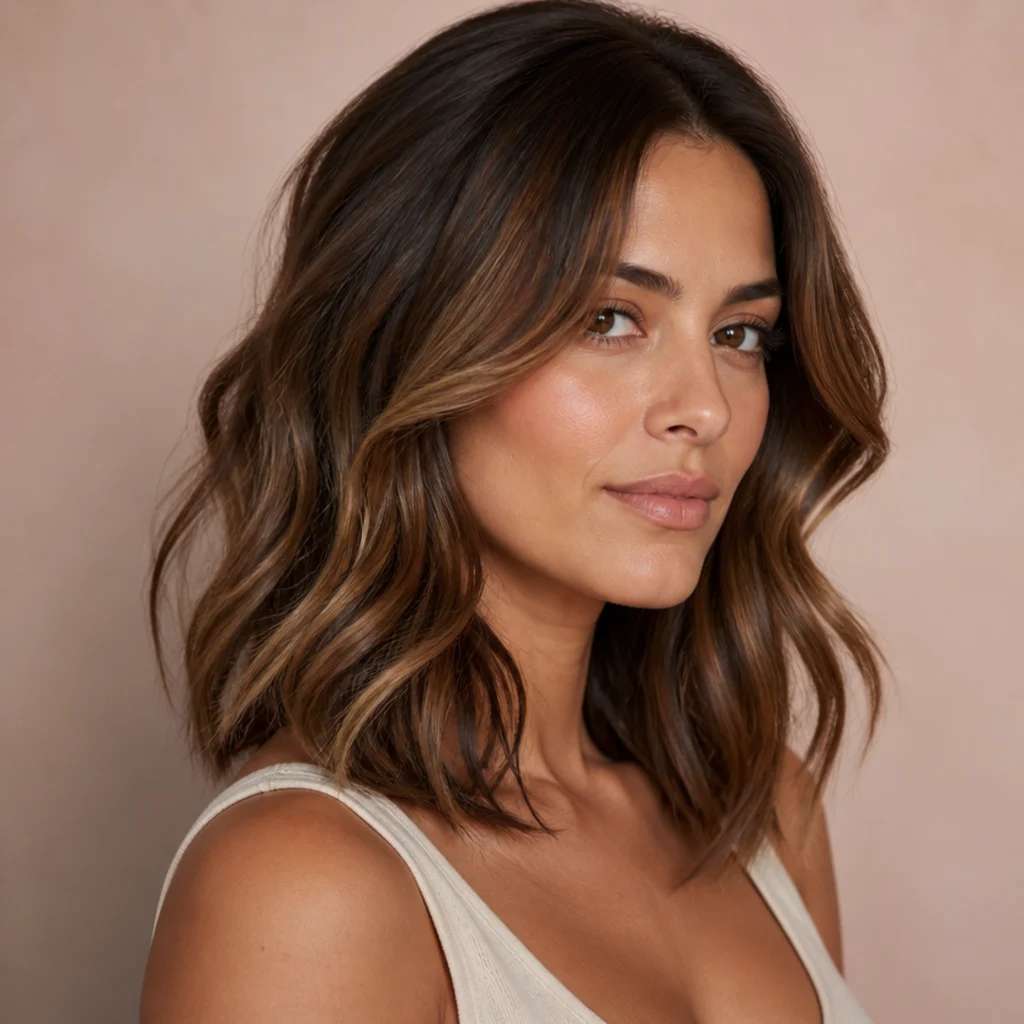
Where the light lands shapes your face as much as the tone does. Brightness concentrated at the front lifts and warms the complexion, which is why dimensional brunette money pieces, those brighter ribbons framing the hairline, flatter nearly everyone and are the easiest detail to name in a consultation. On a round or full face, keep the brightest pieces starting below the cheekbone to elongate; on a long or narrow face, add width with dimension through the mid-lengths instead of a single vertical stripe. A dimensional brunette bob looks best with contrast pooled through the mid-lengths and ends, so the shape stays full and avoids a heavy horizontal line. Match warmth to undertone: cool or olive skin reads cleanest with muted, low-volume warmth, while golden and deep undertones glow against richer caramel and honey. Bring photos that show placement as well as color, and tell your colorist your natural part and how you actually wear your hair, so the bright pieces land where they'll show. Pro tip: ask for a face-framing "flash" a half-level brighter than the rest, so it catches light in photos without looking striped.
Pro Tips from the Editor
- Book a consultation first, and ask your colorist to map placement against your part and profile instead of just matching a photo's overall color.
- Warm brunettes go orange, not yellow, so reach for a blue-toning conditioner; save purple shampoo for results that are actually cool or ashy.
- If you have hard water, a monthly chelating or clarifying treatment does more to stop brassiness than any at-home gloss.
- Ask for a soft root shadow or root melt so your 3-4 month grow-out reads intentional instead of striped.
- Request your full toner formula and developer in writing; it protects your color if you ever switch stylists or salons.
- Start one level softer than your inspiration photo. Adding contrast next visit is easy; lifting brightness back out is slow and costly.
- Schedule a bond or protein treatment monthly to keep lightened ribbons elastic, especially if you heat-style most days.
Dimensional Brunette at a Glance
| Factor | Subtle Dimensional Brunette | Multi Dimensional Brunette |
|---|---|---|
| Contrast between base and ribbons | ~1-2 levels | 3+ levels |
| Best technique | Fine babylights, soft balayage | Classic foils, teasylights |
| Grow-out visibility | Very forgiving | More visible; root shadow helps |
| Gloss refresh cadence | 6-8 weeks | 6-8 weeks |
| Foils/balayage cadence | Every 4 months | Every 3 months |
| Reads best on | Cool to neutral undertones | Golden and deep undertones |
How to Choose / Get the Look
Start with a consultation, not a booking. Bring three or four references that show both the tone and where the brightness sits, because a colorist reads placement from images far more accurately than from adjectives. Then work through four decisions in order. First, your base: confirm the exact level and whether you want it neutral or warm-neutral. Second, your contrast: decide subtle (ribbons within two levels) or multi-dimensional (three-plus levels), knowing subtle grows out softer and multi photographs bolder. Third, your undertone: cool and olive skin stay cleanest with muted warmth, while golden and deep skin can carry richer caramel and honey. Fourth, your placement: money pieces for face-framing lift, mid-length and end focus for a fuller bob. Be honest about your routine, because if you rarely style, ask for dimension built into the cut and ends so it shows without effort. Confirm the maintenance calendar and at-home products before you leave, and get your toner formula in writing. If you're nervous, start subtle and build. A good colorist will also tell you plainly whether your goal is realistic in one session or needs two, especially over dark or previously box-dyed hair.
Frequently Asked Questions
Is dimensional brunette high maintenance?
It's moderate. The base is often close to your natural shade, so regrowth is forgiving, but the warm ribbons need a gloss or toner refresh every 6-8 weeks and fresh highlights every 3-4 months to stay bright, plus a monthly bond or protein treatment to protect the lightened pieces.
What is the difference between subtle and multi dimensional brunette?
A subtle dimensional brunette keeps base and ribbons within about two levels for a soft, lived-in effect that grows out almost invisibly. A multi dimensional brunette spaces the shades three or more levels apart for bolder contrast, sharper movement, and a look that photographs more dramatically.
Will warm tones turn brassy, and how do I fix it?
They can, especially with sun, chlorine, hard water, and heat styling, because lightened ribbons are porous. Use a blue-based toning conditioner rather than purple, since warm brunettes shift orange rather than yellow, and add a chelating treatment if your water is hard. A salon gloss every 6-8 weeks resets the warmth cleanly.
Does dimensional brunette work on a bob?
Yes. A dimensional brunette bob looks best with brightness concentrated through the mid-lengths and ends, which keeps the shape full and avoids a flat horizontal line. Add money pieces at the front for lift, and ask for a soft root shadow so the short grow-out stays smooth.
What are money pieces, and who do they flatter?
Money pieces are brighter face-framing sections placed at the hairline. They add instant lift and warmth around the face and suit nearly everyone; on rounder faces, start them below the cheekbone to elongate, and on longer faces, keep them softer and wider to avoid a single vertical stripe.
How long does a dimensional brunette appointment take?
A first session typically runs several hours because it combines lightening, placement, and toning. Very dark or previously box-dyed hair may need two visits spaced a few weeks apart to lift safely without pulling brassy or compromising condition.
Can I go dimensional brunette from box-dyed dark hair?
Often yes, but expect a slower, gentler process. Old box dye and permanent buildup lift unevenly, so your colorist may recommend a gentle clarifying or removal step and a staged plan across two sessions to protect your hair while reaching an even, workable base.
What should I use at home to protect the color?
Wash with a sulfate-free, color-protecting shampoo, rinse in cooler water, and use a blue-toning conditioner when warmth turns orange. Add a bond or protein treatment monthly, a chelating treatment for hard water, and always apply a heat protectant, keeping tools around 350°F.
How often will I realistically be in the salon?
Budget a gloss or toner refresh every 6-8 weeks and a full foil or balayage service every 3-4 months. The forgiving base is what lets you stretch between full appointments, so much of your upkeep is the shorter, lower-cost toning visits.