5 Butterfly Locs Mistakes to Avoid and How to Fix Them
Butterfly locs look easy to wear, but a handful of avoidable missteps can leave them tight at the root, frizzy in the wrong places, or matted before their time. Here are the five mistakes we see most, plus the stylist-backed fixes that keep this looped, water-wave texture soft, balanced, and protective from install to takedown.
 Edited by Lena Rose · Published July 11, 2026 · 14 min read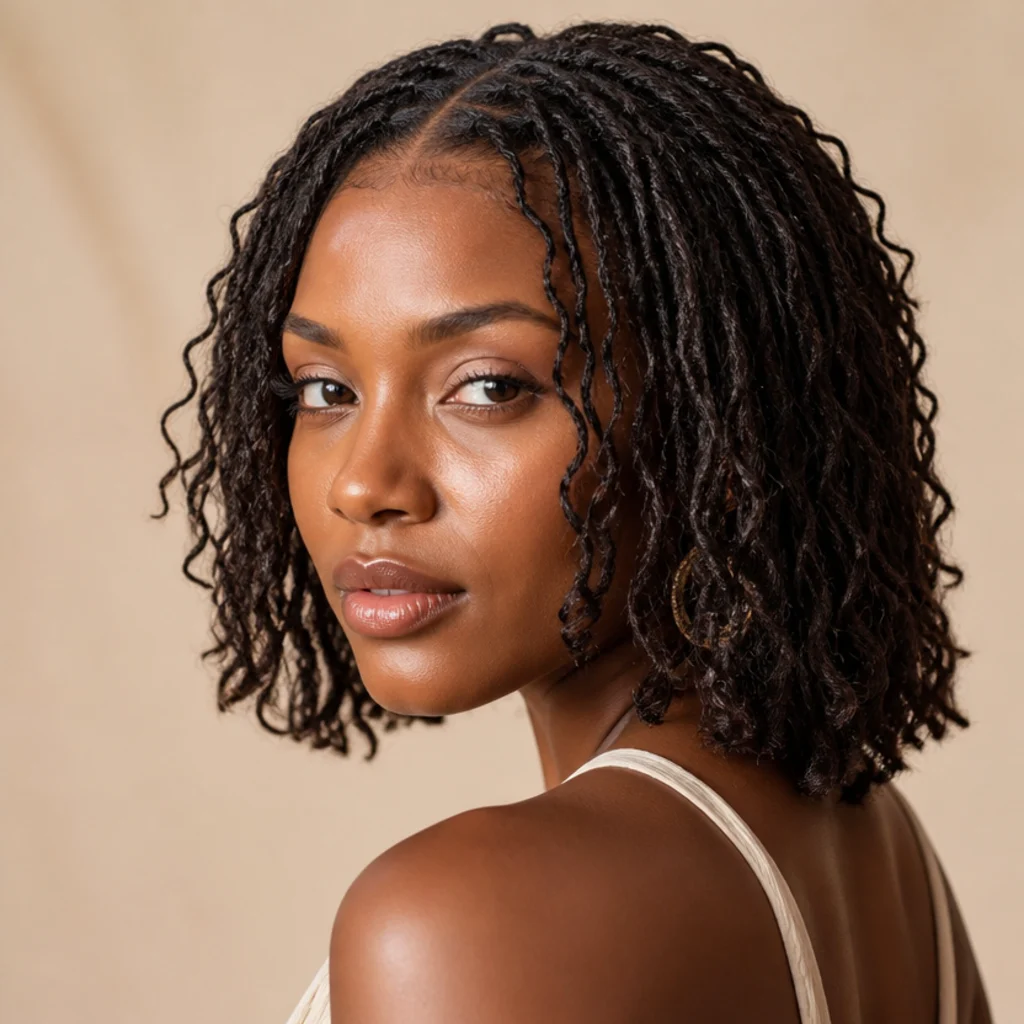
Quick Answer
- Best for: Anyone wanting a lightweight, airy protective style with visible looped texture, especially first-timers testing short butterfly locs before committing to length.
- Who might skip it: Anyone prone to tension headaches who wants floor-length drama, or those needing a wash-and-go they can shampoo freely; classic faux locs or goddess braids may suit better.
- Maintenance: Low to moderate. Nightly satin wrapping, weekly-to-biweekly scalp cleansing, and light oiling keep a set fresh for 4-8 weeks.
- Difficulty: Intermediate to install yourself (the wrap-and-loop motion takes practice); beginner-friendly to wear.
- Cost: Variable. DIY runs the price of hair alone (roughly 5-8 packs of water-wave); salon installs typically land in the low-to-mid three figures depending on length, density, and region.
- Wear time / longevity: 4-8 weeks; shorter sets often hold tidy toward the upper end because there is less length to frizz.
- Standout variation: Butterfly locs with color, from a honey money-piece frame to a full red butterfly locs set.
- How to ask your stylist: Bring 2-3 references and specify length in inches, loc thickness, distressed vs. smoother wrapping, parting size, and any color placement.
In This Guide
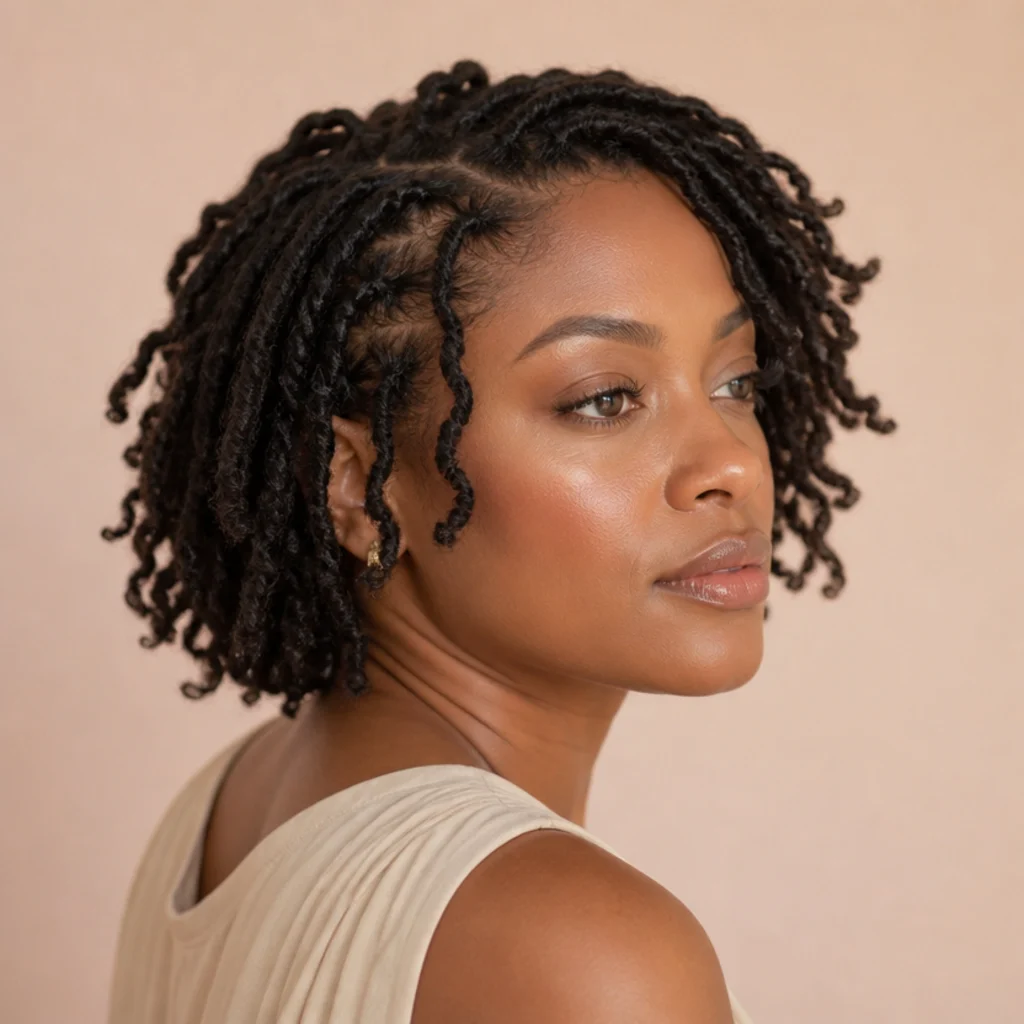
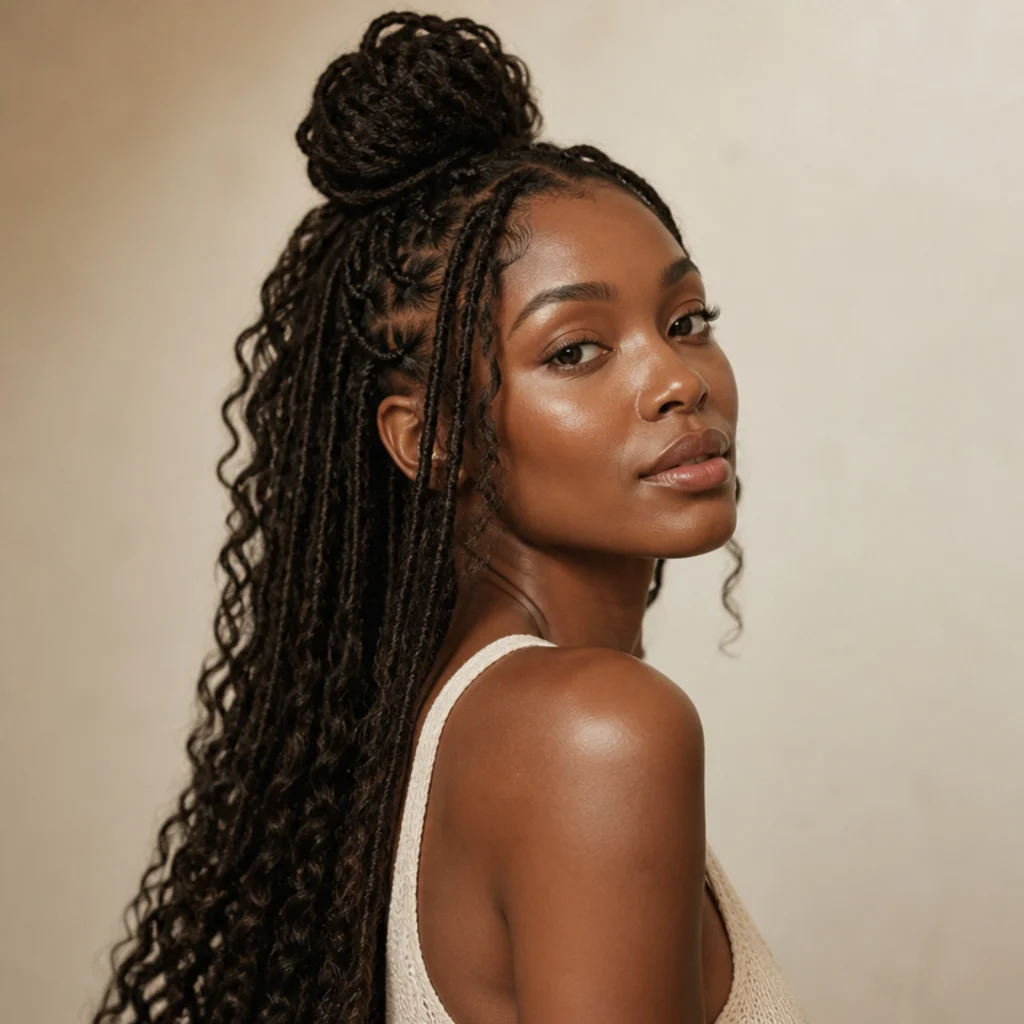
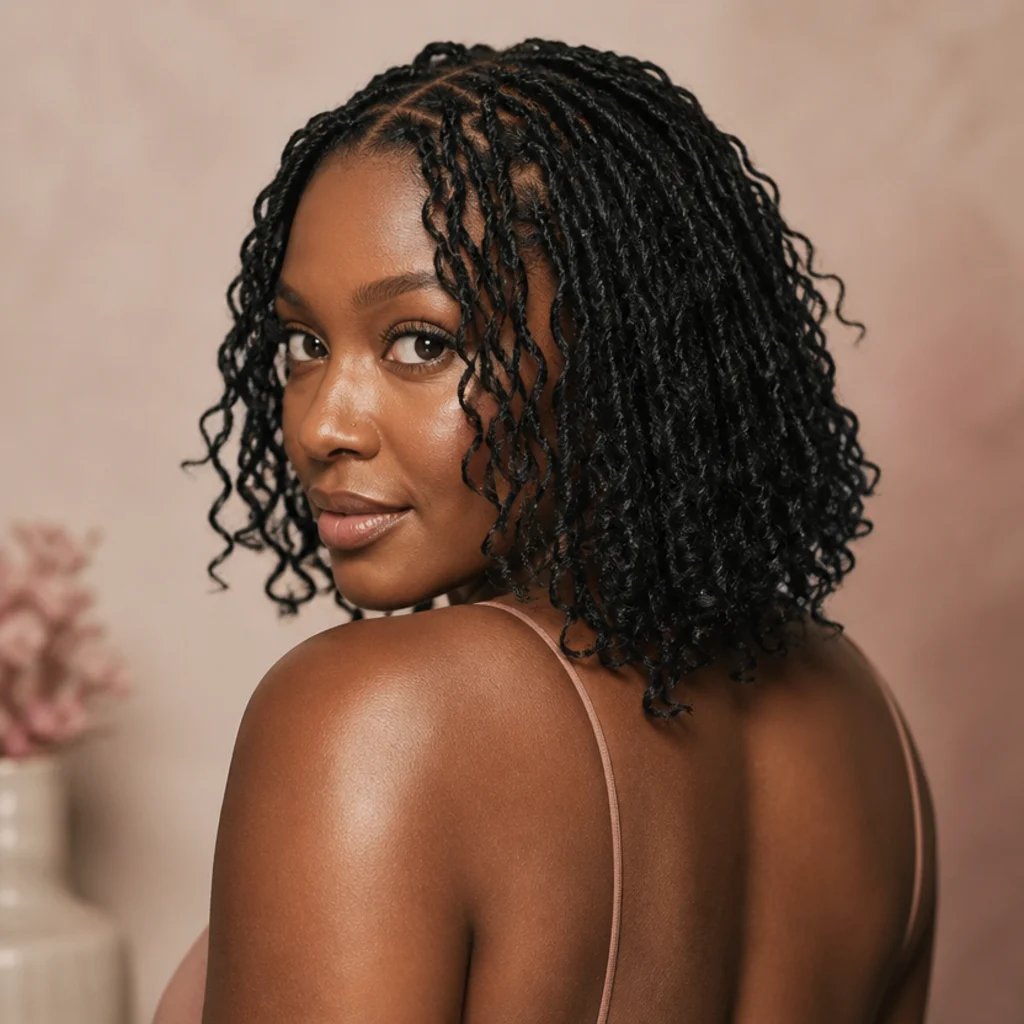
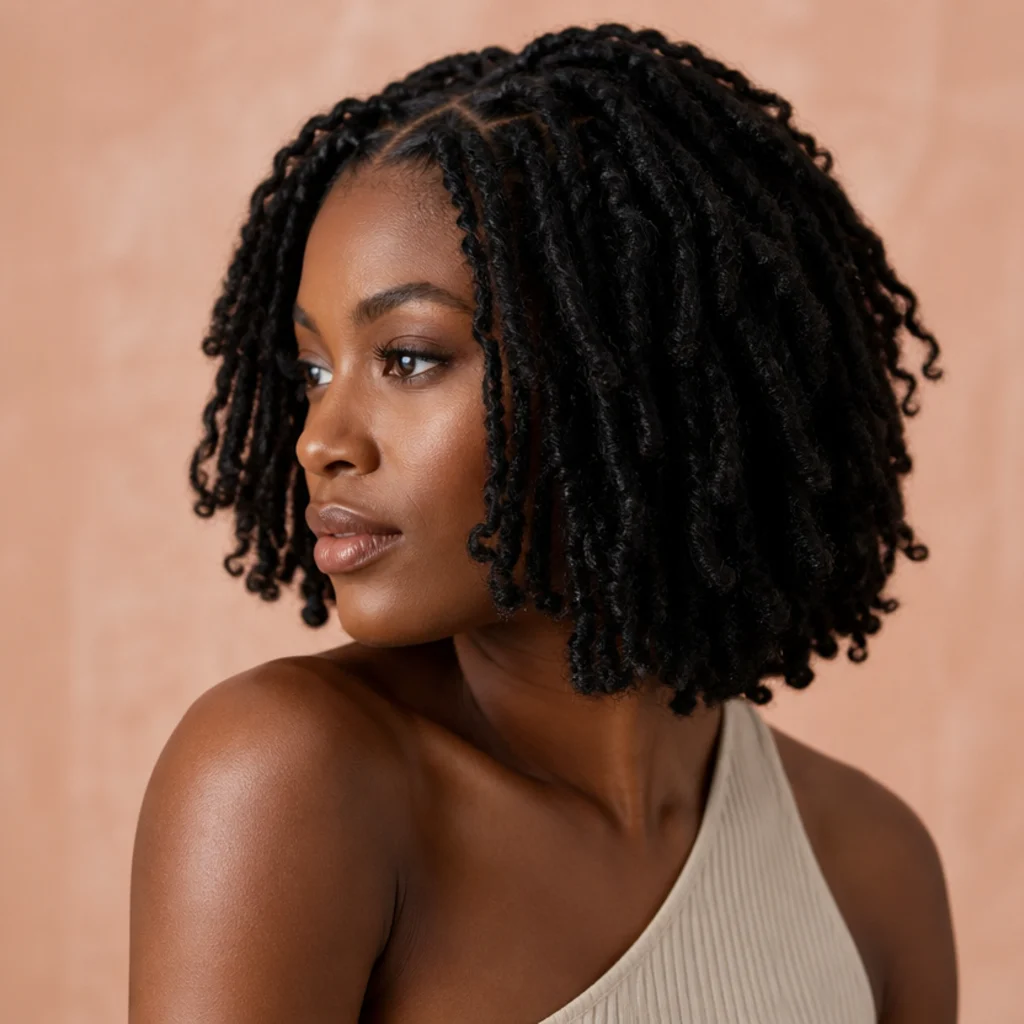
Butterfly locs are a distressed, wrapped faux loc built on cornrowed or braided sections and finished with water-wave hair, which creates the signature airy, looped "butterfly" pattern along each loc. They photograph beautifully and wear lighter than most braided styles, which is why short butterfly locs have become such a popular entry point into protective styling. But the technique rewards planning more than it rewards speed. Roots set too tight, uneven wrapping, a set worn past its prime — these are the problems people run into most, and every one of them is preventable once you know the warning signs. Length choice affects comfort and dry time. Root tension decides whether your edges survive. Wrap consistency decides whether the texture reads intentional or stringy. Here are the five mistakes stylists and wearers hit again and again, with a concrete fix for each one. Whether you're booking a pro or installing your own butterfly faux locs at home, these adjustments protect your natural hair, keep the loops soft, and help the style age gracefully instead of frizzing out by week two.
01Choosing Length Before You Test the Fit {#mistake-1}
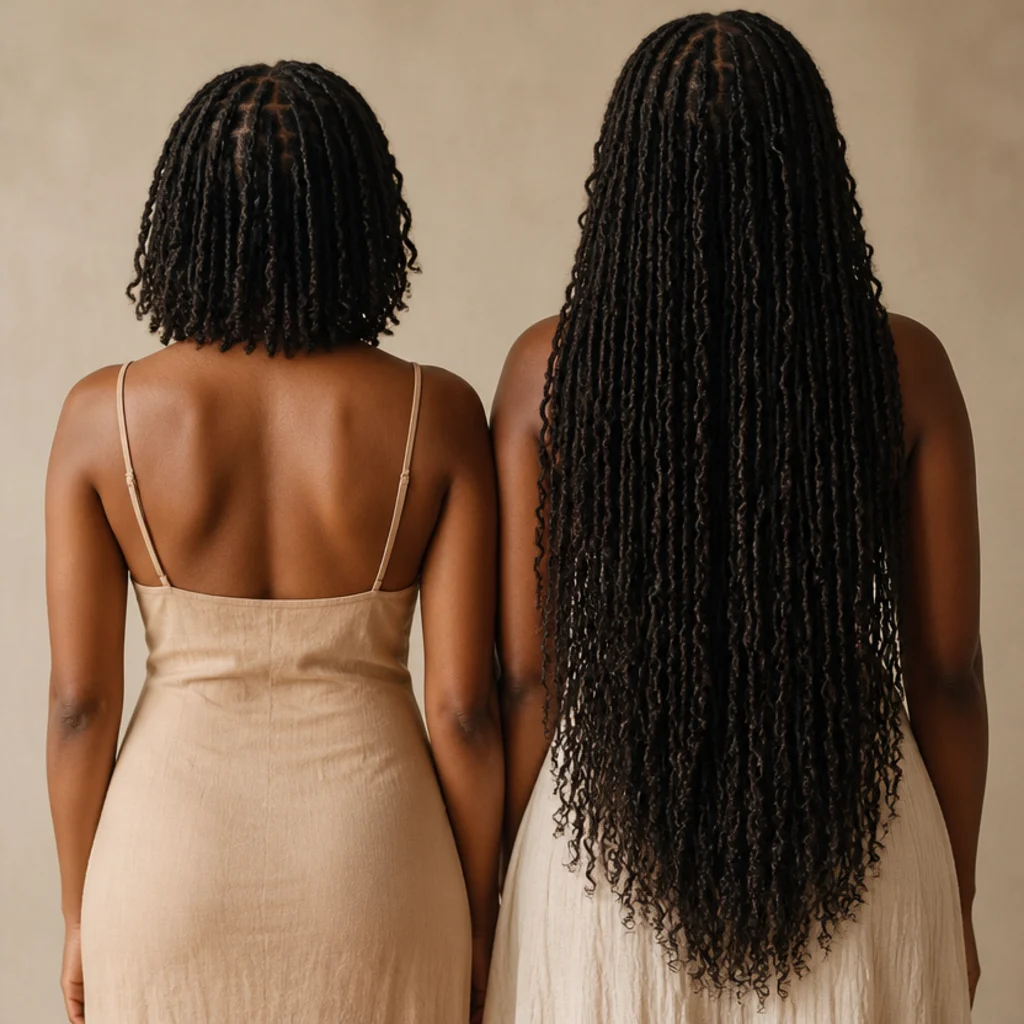
Committing to long butterfly locs before you've felt the weight is the most common regret we hear. A waist-length set can carry noticeably more hair than a chin-length one, and that extra mass pulls on the root, lengthens dry time to several hours, and can trigger tension headaches by the second day. Short butterfly locs sit lighter, dry faster, and play nicely with glasses, workouts, and humid climates. Match length to your daily life before you match it to a Pinterest board. If the style is new to you, start chin- to shoulder-length so you learn how the looped texture moves before a longer install. Face shape matters too: cropped, jaw-grazing lengths soften round and heart shapes, while collarbone-and-below lengths visually elongate and balance a wider jaw. Maintenance-wise, expect to refresh loops and edges every two to three weeks regardless of length. Pro tip: ask your stylist to lay a single finished test loc against your jaw and collarbone so you can judge the proportions in a mirror before the whole head is committed.
02Tension That's Too Tight at the Root {#mistake-2}
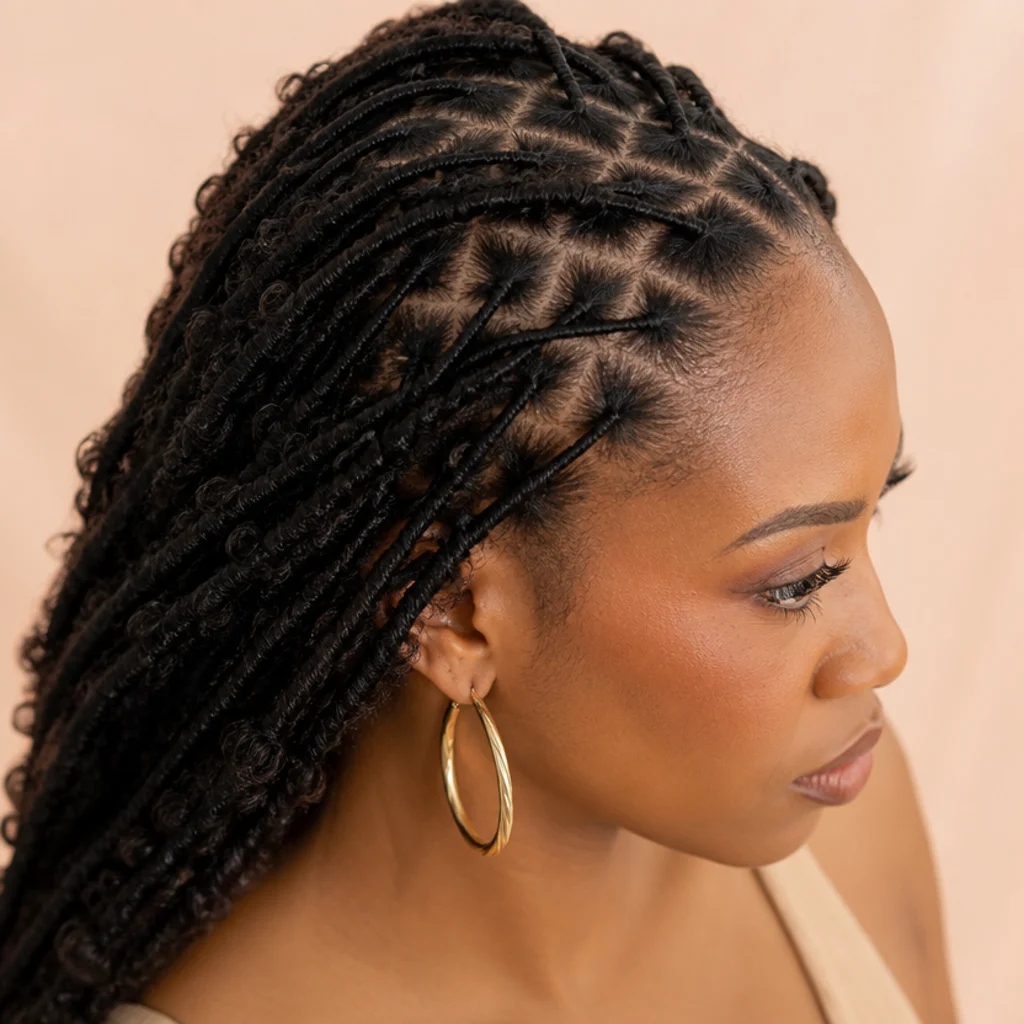
Butterfly faux locs should feel secure, never painful, and that distinction protects your hairline for weeks. Roots wrapped or braided too tightly cause soreness, the telltale white tension bumps at the base, and stress on the fine hairs around your temples and nape, none of which buys you a neater install. The signal is immediate: if your scalp throbs, stings, or you can't sleep the first night, the tension is too high, and it rarely "settles" on its own. Speak up in the chair rather than tolerating it; a skilled stylist can loosen the base loc or redo a single section without touching the rest of your head. Anyone with fine edges, a history of traction thinning, or a tender scalp is most at risk. At home, resist gripping the root hard as you anchor each wrap. A comfortable install lets you raise your eyebrows freely and lie back without pulling. Pro tip: a light misting of leave-in on the roots before wrapping adds slip so the base holds without cinching. Ask your stylist for a "no-tension hairline" and a looser perimeter row.
03Skimping on Hair or Wrapping Unevenly {#mistake-3}
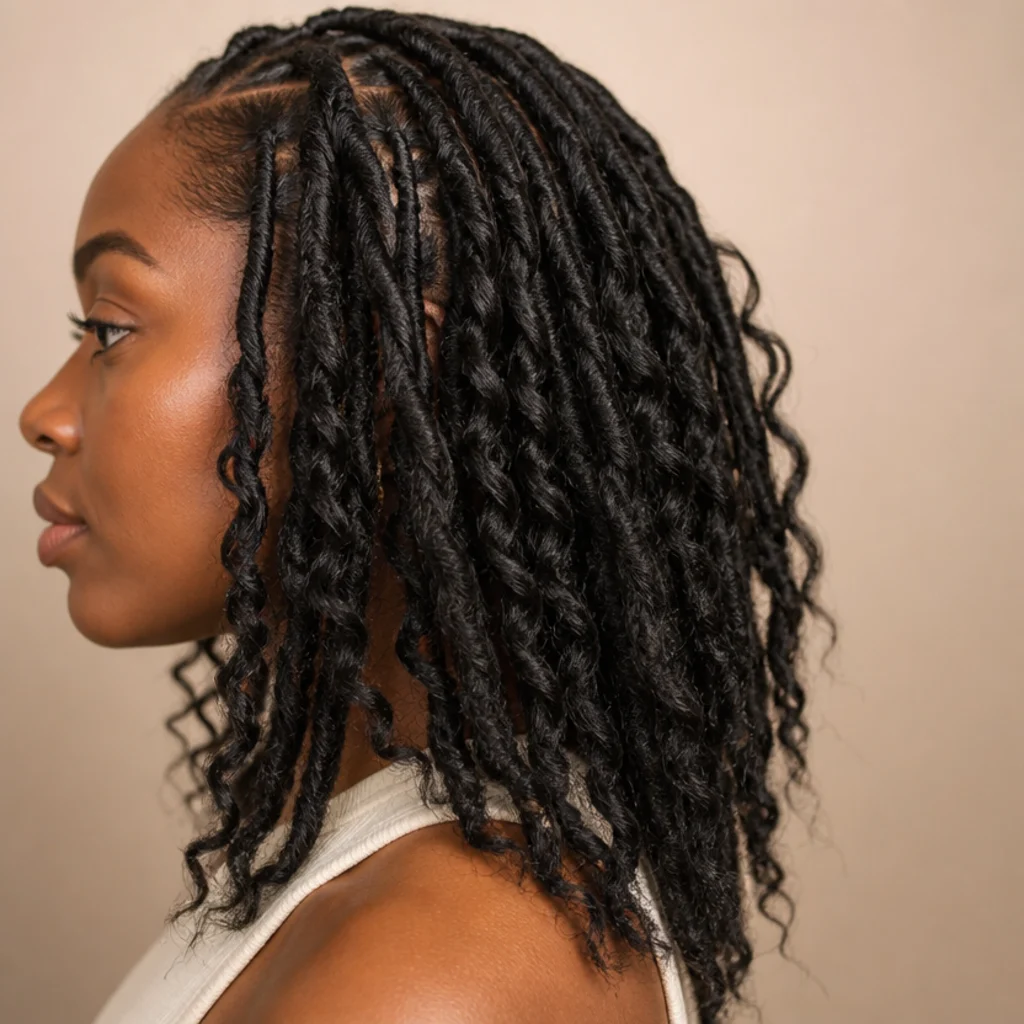
The signature butterfly effect comes from wrapping water-wave hair loosely and teasing out small, deliberate loops along the shaft. Use too little hair and the locs read thin, stringy, and scalpy; wrap with inconsistent tension and you get lumpy locs that swing wildly in width from root to tip. Decide two things up front and hold them steady across the whole head: loc thickness and parting size. Smaller partings yield a fuller, denser set; larger partings give an airier, more bohemian result. Whichever you choose, keep it uniform, and distribute loops evenly along each loc rather than bunching them toward the ends, which is what makes a set look bottom-heavy. Density guidance: most full sets run 5-8 packs of water-wave, with longer or thicker locs needing more. If you're adding butterfly locs with color, thread the colored hair through the wrap gradually so caramel, honey, or a red butterfly locs tone melts along the length instead of landing in solid blocks. Pro tip: work in a mirror that shows both sides and compare a finished loc against its neighbor every few sections. Ask your stylist how many packs they plan to use before they start.
04Ignoring Scalp and Edge Care {#mistake-4}
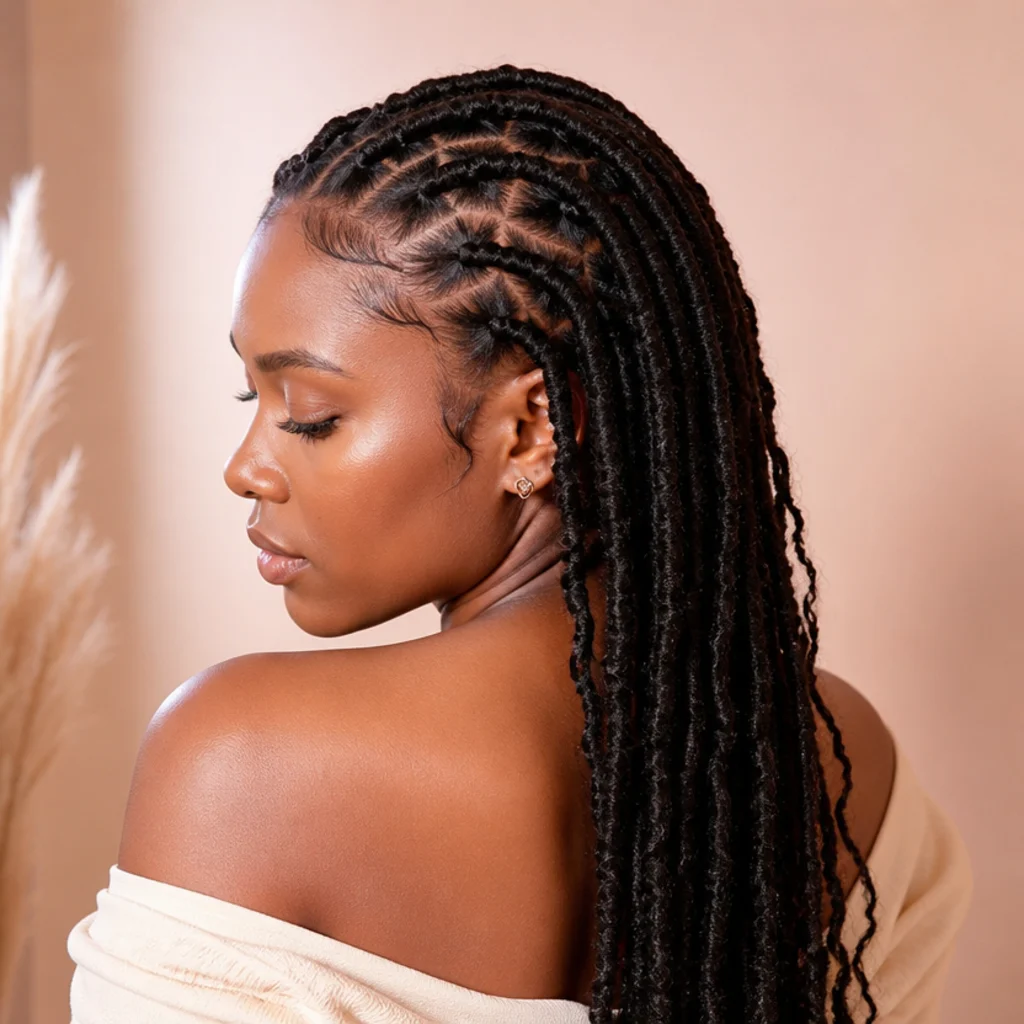
A protective style still needs upkeep at the foundation, and skipping it is what turns a healthy install into buildup, flaking, and thinning edges. A light, consistent routine fixes it — not an intensive one. Cleanse the scalp every one to two weeks with a diluted clarifying wash or an applicator-bottle rinse aimed at the parts, not the length, then follow with a few drops of a lightweight oil, jojoba or grapeseed, on the scalp only so you don't weigh down the loops. Keep edges laid with a soft leave-in or a flake-free edge control rather than heavy, alcohol-based gel that dries and crusts. At night, wrap loosely in satin or slip on a satin bonnet to cut friction and next-day frizz; cotton pillowcases wick moisture and rough up the texture. Just as important, retire the constant high, tight ponytail, which stacks fresh tension onto the exact hairline your install already leans on. Pro tip: keep a small applicator bottle of diluted leave-in for quick mid-week root refreshes. Ask your stylist which cleansing cadence suits your scalp type and how to reach the parts without soaking every loc.
Save this to Pinterest and refer back when it's time for a mid-style refresh.
05Keeping Them In Too Long {#mistake-5}
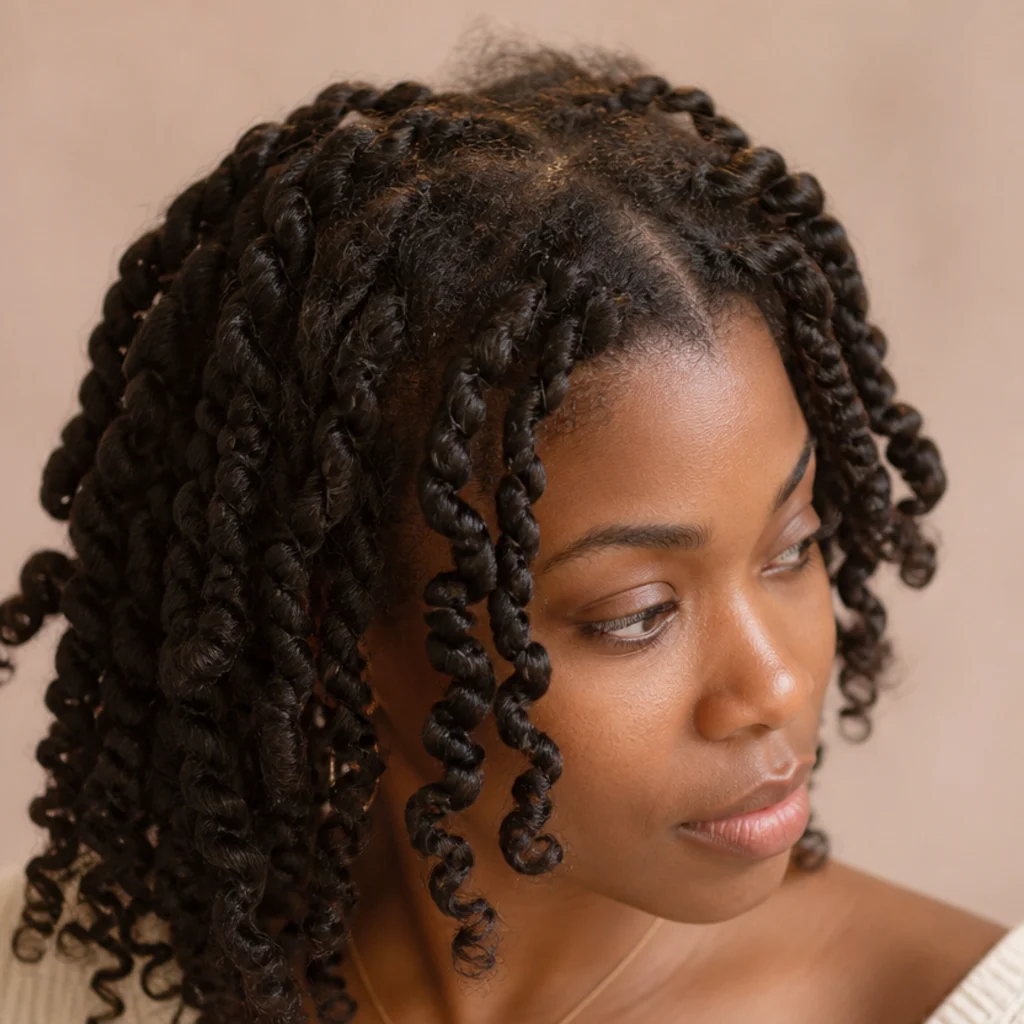
Butterfly locs look and perform their best for roughly four to eight weeks. Push past that window and new growth begins matting into the wrap at the root, which knots your natural hair against the added hair, makes takedown slow and stressful, and can cost you strands you never needed to lose. Set a removal date the day you install, and honor it. Watch for the signals that you're near the line: heavy root frizz, locs that feel loose or noticeably weightier, and tangling at the base you can no longer smooth by hand. When it's time, work patiently: unpick and unravel each loc rather than yanking, then detangle in small sections from ends to roots before anything else. Follow with a clarifying cleanse to lift weeks of product, a deep-conditioning or protein-moisture treatment to rebuild the strand, and at least a few days of rest before the next install so your scalp recovers. Pro tip: dampen each loc with a water-and-conditioner mix before unraveling to loosen the wrap and reduce shed. Ask your stylist to book your takedown slot at the same time you book the install.
Pro Tips from the Editor
- Do a "sleep test" the first night: if root soreness keeps you up, call the salon the next morning; comfortable tension in week one is the single best predictor of intact edges in week six.
- Buy one extra pack of water-wave beyond your estimate, matched to the same brand and color lot, so mid-style repairs and loop touch-ups blend invisibly.
- Refresh loops, not roots: pull out flattened loops on the length to revive texture between weeks two and four instead of retwisting the base, which reintroduces tension.
- For butterfly locs with color, choose pre-colored water-wave hair rather than dyeing your own strands; a money-piece frame around the face reads bolder than an all-over tone for less commitment.
- Keep a rat-tail comb and a mister on your vanity; clean parts and light moisture are what separate a two-week refresh from a full reinstall.
- Avoid dry manipulation at takedown: a conditioner-slicked loc unravels; a bone-dry one shreds.
- Schedule installs when you have a low-sweat week ahead; heavy workouts in the first days can loosen fresh wraps before they settle.
How to Choose / Get the Look
Start with the story you want the style to tell, then reverse-engineer the specs. Use this quick decision framework:
| If you want... | Choose | Watch for |
|---|---|---|
| Low-fuss, everyday wear | Short butterfly locs, natural dark brown, medium partings | Fastest dry time, most forgiving |
| Drama and movement | Long butterfly locs, collarbone-plus length | Extra weight; confirm comfortable root tension |
| Personality without a silhouette change | Butterfly locs with color: caramel money-piece or red butterfly locs | Blend color gradually; buy pre-colored hair |
| Airy, bohemian texture | Larger partings, looser loops | Slightly less coverage at the scalp |
| Full, dense coverage | Smaller partings, more packs | Longer install time; higher cost |
From there, match parting size to the fullness you want and length to your face shape and lifestyle. When booking a pro, bring two or three reference photos and be specific: name the length in inches, the loc thickness, distressed versus smoother wrapping, and exact color placement. Ask how many packs they'll use and roughly how long the install runs so there are no surprises in the chair or at checkout. If you're installing butterfly faux locs yourself, do a small test section first to dial in your loop technique and root tension before committing to a full head. A little planning up front prevents nearly every mistake on this list.
Frequently Asked Questions
How long do short butterfly locs last?
Most butterfly locs hold up well for four to eight weeks. Short butterfly locs often stay tidy toward the upper end of that range because there's less length to frizz and tangle, but plan your takedown within the window regardless — matting at the root is driven by new growth, not by length.
Are butterfly locs heavy on the scalp?
Butterfly faux locs are lighter than most braided styles because the water-wave hair is airy and the wrap is loose. That said, long butterfly locs carry more mass than short ones, so if you're prone to tension headaches or have fine edges, choose a shorter length and ask for a looser perimeter row.
Can I do butterfly locs with color at home?
Yes. Buy pre-colored water-wave hair rather than dyeing your own strands, which protects your natural hair from chemical stress. For red butterfly locs or a money-piece frame, thread the colored hair gradually through each wrap so tones transition along the length instead of appearing in solid blocks.
Do butterfly locs damage natural hair?
Worn correctly, they're protective. Damage almost always traces back to three things: tension that's too tight, skipped scalp and edge care, or leaving the set in past eight weeks. Comfortable installation, a light cleansing routine, and timely takedown keep your hair healthy underneath.
How much hair do I need for a full set?
Most full installs use around five to eight packs of water-wave hair, with longer or thicker locs needing more. Buy one extra pack in the same color lot for repairs, and ask your stylist for their estimate before the appointment so you're not short mid-install.
How do I stop my butterfly locs from frizzing so fast?
Friction and moisture loss are the culprits. Wrap loosely in satin or wear a satin bonnet nightly, skip cotton pillowcases, and refresh flattened loops on the length rather than manipulating the roots. A light leave-in mist mid-week revives texture without weighing the loops down.
Can I wash butterfly locs, and how often?
Yes, focus on the scalp rather than saturating every loc. Cleanse the parts every one to two weeks with a diluted clarifying wash or an applicator bottle, then dry thoroughly to avoid mildew smell. Over-washing loosens the wraps, so keep length-cleansing gentle and infrequent.
What is the difference between butterfly locs and regular faux locs?
Regular faux locs are typically smoother and sleeker, while butterfly locs are intentionally distressed with looped, pulled-out sections of water-wave hair that create the airy "butterfly" texture. Butterfly locs read softer and more bohemian; classic faux locs read more polished.
Can I refresh my roots instead of taking the whole set down?
For minor frizz, yes, you can re-wrap individual base locs or smooth flyaways with a little leave-in around weeks three to four. But if new growth has begun matting into the wrap or the roots feel loose across the head, it's safer to take the set down than to keep piling wraps over tangled growth.