15 Dyson Airwrap vs Curling Iron Results Compared
Two tools, two very different textures. This side-by-side walks through 15 curl and wave results, matched to hair type, hold, and heat, so you can predict how each finish will actually read on your hair before you commit a single section.
 Edited by Lena Rose · Published July 11, 2026 · 26 min read
Quick Answer
- Best for: Anyone choosing between soft, airy, rounded movement (airflow styling) and firm, sculpted, long-holding curls (a barrel iron).
- Who might skip it: Wash-and-go curly and coily naturals who prefer diffusing, and anyone who wants exactly one texture, one tool, one price point.
- Maintenance: Airflow waves fall softer and usually want a next-morning refresh; heated curls hold longer but demand disciplined heat protection and periodic trims.
- Difficulty: Both reward practice. Wrap-style airflow tools reward patient sectioning and correct wrap direction; a barrel iron rewards wrist tension and timing.
- Cost: Curling irons span a wide range from budget drugstore wands to premium ceramic-tourmaline barrels; multi-styler airflow systems sit at the premium end, often several times the price of a single iron.
- Wear time / longevity: Airflow curls typically soften within hours to a day; iron curls commonly hold into a second day, longest on thick or coarse hair.
- Standout variation: The loose "cool-girl" bend airflow styling delivers with almost no effort, plus genuine root lift a fixed-barrel iron cannot reach.
- How to ask your stylist: Describe the mood in plain words, "soft-and-undone" or "polished-and-defined," and name your density and how fast your hair drops.
Illustrative styling inspiration only. This is not a hands-on tested review. "Dyson Airwrap" is spelled accurately here for reference; Blushlora is not affiliated with, endorsed by, or sponsored by Dyson, and no product testing, ranking, or endorsement is implied.
In This Guide
- Loose Beach Waves
- Tight Defined Ringlets
- Soft Bouncy Blowout Curls
- Hollywood Old-Glam Waves
- Everyday Casual Bends
- Volume at the Roots
- Curls on Fine, Flat Hair
- Curls on Thick, Coarse Hair
- Face-Framing Front Pieces
- Short Bob and Lob Curls
- How Long the Hold Lasts
- Heat Exposure and Hair Feel
- Learning Curve and Speed
- Storage and Countertop Footprint
- The Overall Aesthetic Vibe
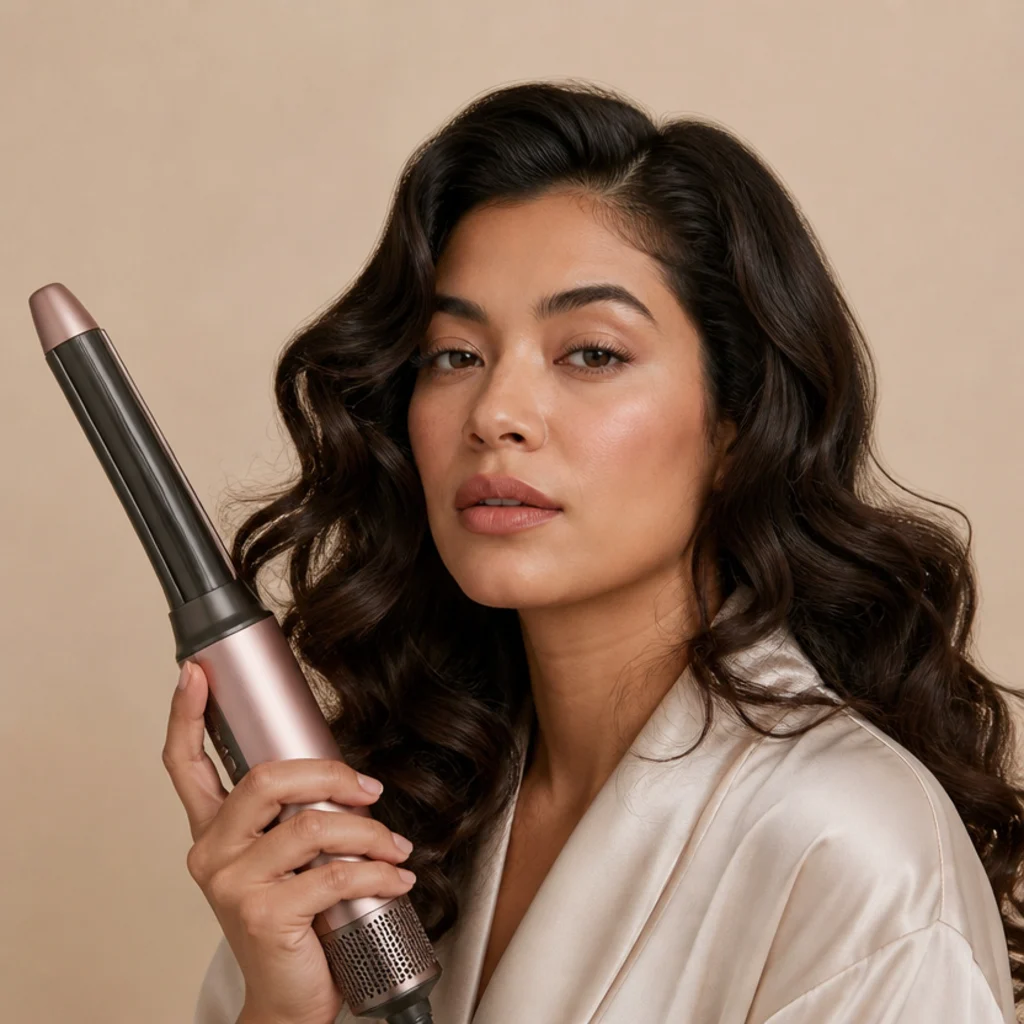
Choosing between dyson airwrap curls and a classic barrel iron comes down to two different physics, not two brands. Airflow styling uses the Coandă effect, drawing damp-to-dry hair around a barrel with directed air so strands set as they dry; the result reads soft, rounded, and full of built-in movement. A curling iron applies concentrated conductive heat, typically 250 to 450°F on already-dry hair, so it sets a firmer, more sculpted spiral that photographs with crisp definition and survives longer. Neither wins across the board, and the answer usually depends on three things: your hair texture and density, how many hours the shape needs to survive, and how much thermal stress you're willing to trade for hold. Fine hair that drops by lunch behaves nothing like coarse hair that holds a set for days, and an event updo asks for different structure than a Tuesday school run. Below, 15 specific results compared side by side, from loose weekend bends to structured event ringlets, so the differences stop being abstract. For each look you'll find who it suits, the upkeep it asks for, the realistic difficulty, and exactly how to ask a stylist to recreate it.
Airwrap or curling iron — which suits you?
Answer three quick questions for a recommendation based on your hair and the result you want. It runs entirely in your browser — nothing is sent anywhere.
01Loose Beach Waves
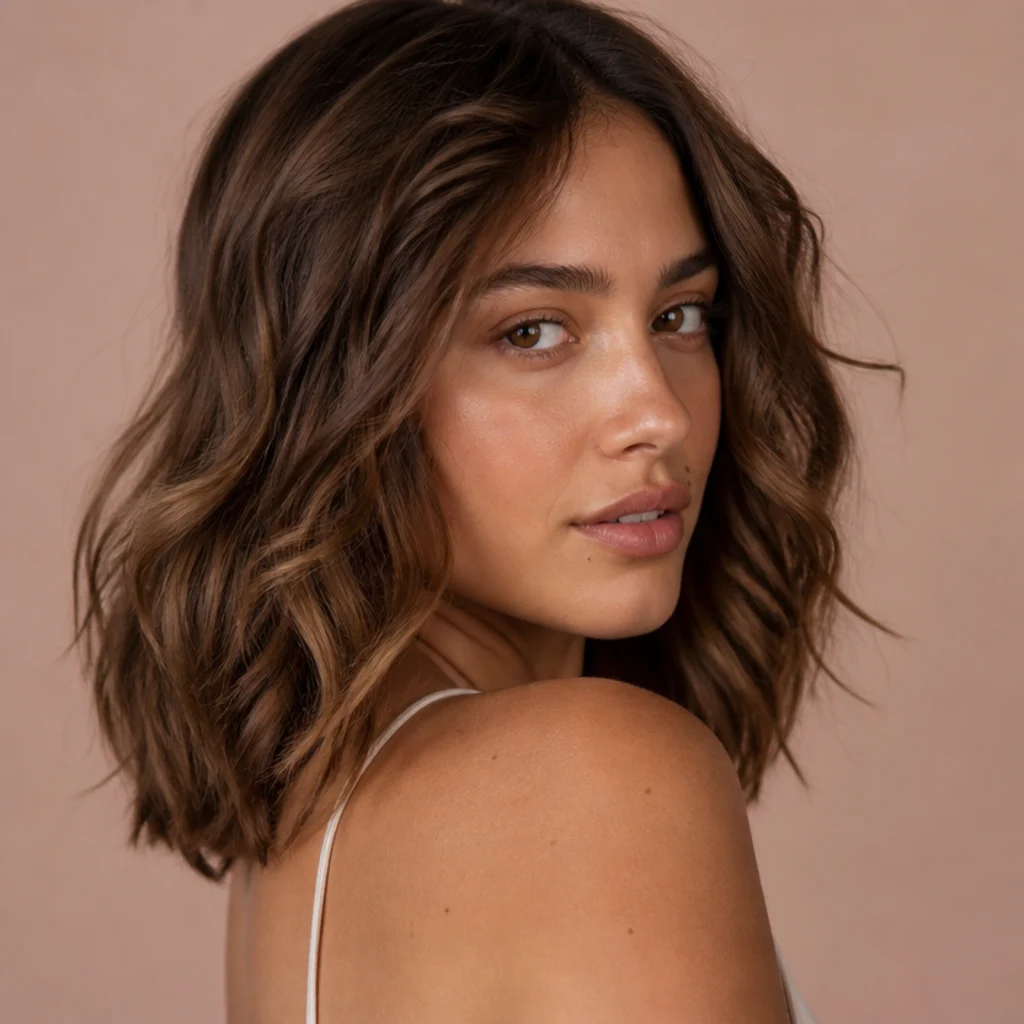
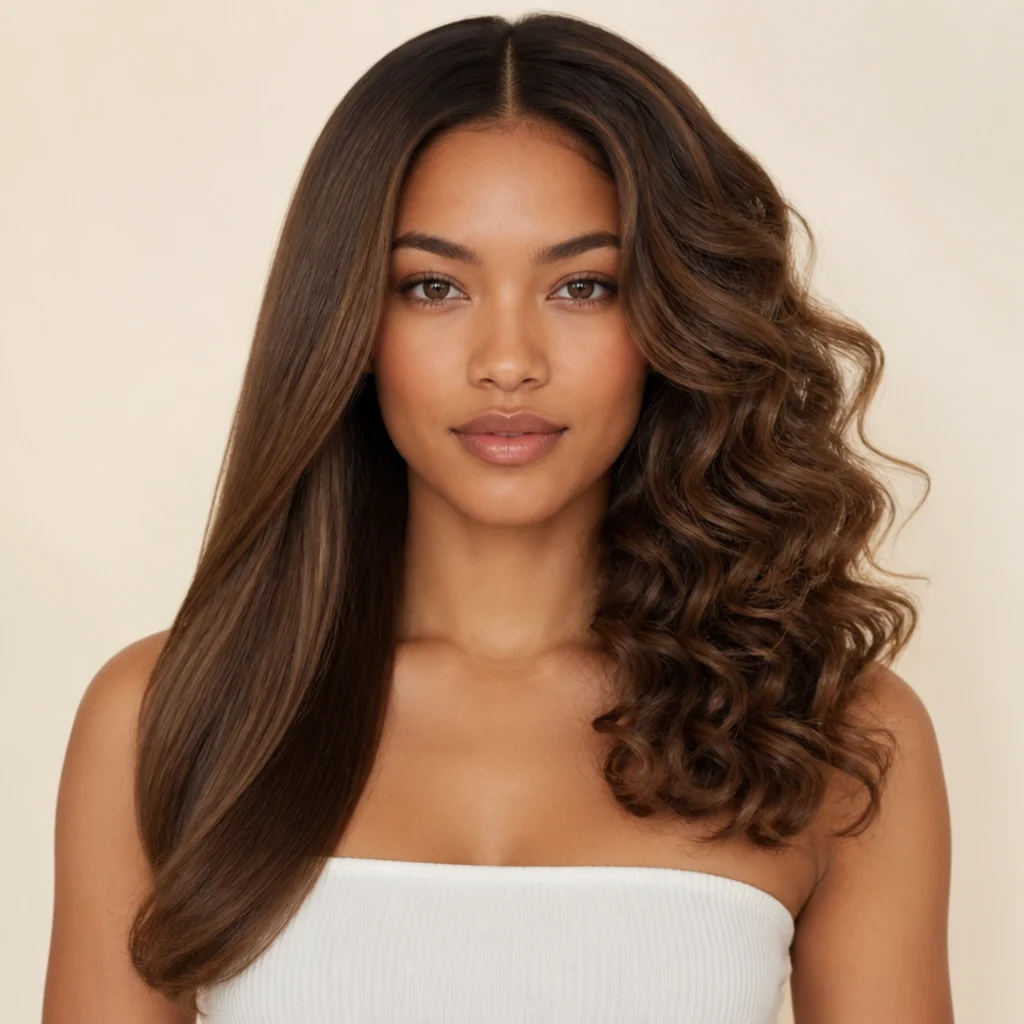
This is the finish airflow styling was practically built for. Wrap hair at about 80 percent dry around a smooth barrel and let warm air set it, and you get a soft, matte-edged S-bend that never reads stiff, because there's no hard curl memory to break down. A curling iron reaches the same place by a longer route: curl in alternating directions with a larger barrel, let each section cool, then rake it apart with your fingers. Beach waves flatter most lengths from a collarbone lob down and look most natural on medium-density, slightly layered hair; ultra-fine hair may need a texture spray for grip. It's an easy set that doesn't last, so plan on softening by evening rather than a hard drop, and difficulty runs low to medium. Pro tip: alternate your wrap direction section to section, so no two waves stack into a uniform ripple. Ask your stylist for "undone S-waves, not ringlets," and say you want movement over a set curl.
02Tight Defined Ringlets
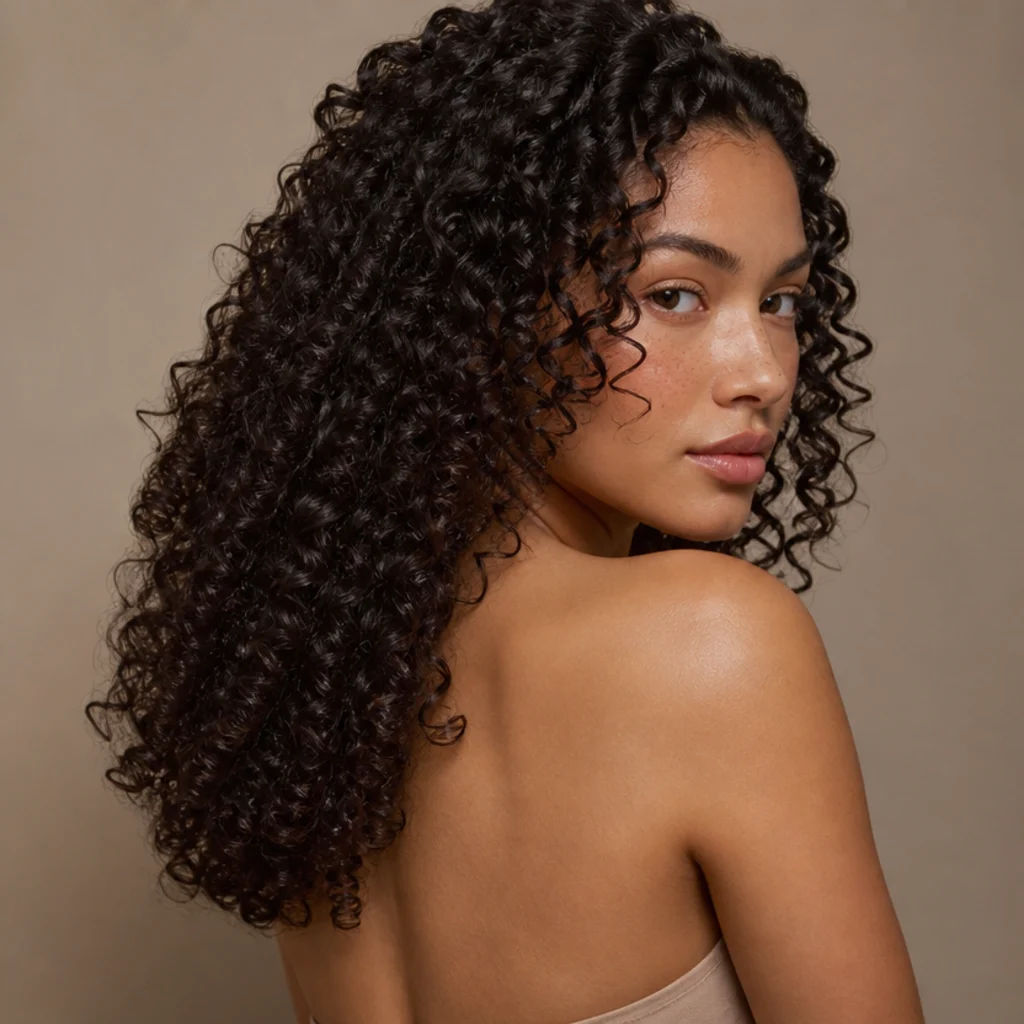
For firm corkscrew ringlets with real spring, a curling iron pulls clearly ahead. A slim barrel, roughly three-quarters of an inch or smaller, wrapped with steady tension on dry hair, sets a coil that keeps its bounce all day. Airflow styling can create curls, but the directed-air mechanism naturally produces a rounder, softer bend, so true spiral definition is hard to lock in. Ringlets suit anyone who wants drama and read best on longer lengths, where the spiral has vertical room to fall without collapsing under its own weight. Denser hair holds them longest; fine hair may need a firmer hold spray. Upkeep sits at moderate, and counterintuitively the tighter the coil, the longer it survives before relaxing into a looser wave. Difficulty is medium, since even sectioning and consistent barrel size decide whether the set looks intentional or accidental. Pro tip: clip each fresh coil to the scalp to cool before releasing, so it locks. Ask for "small-barrel defined curls, brushed out only at the roots."
03Soft Bouncy Blowout Curls
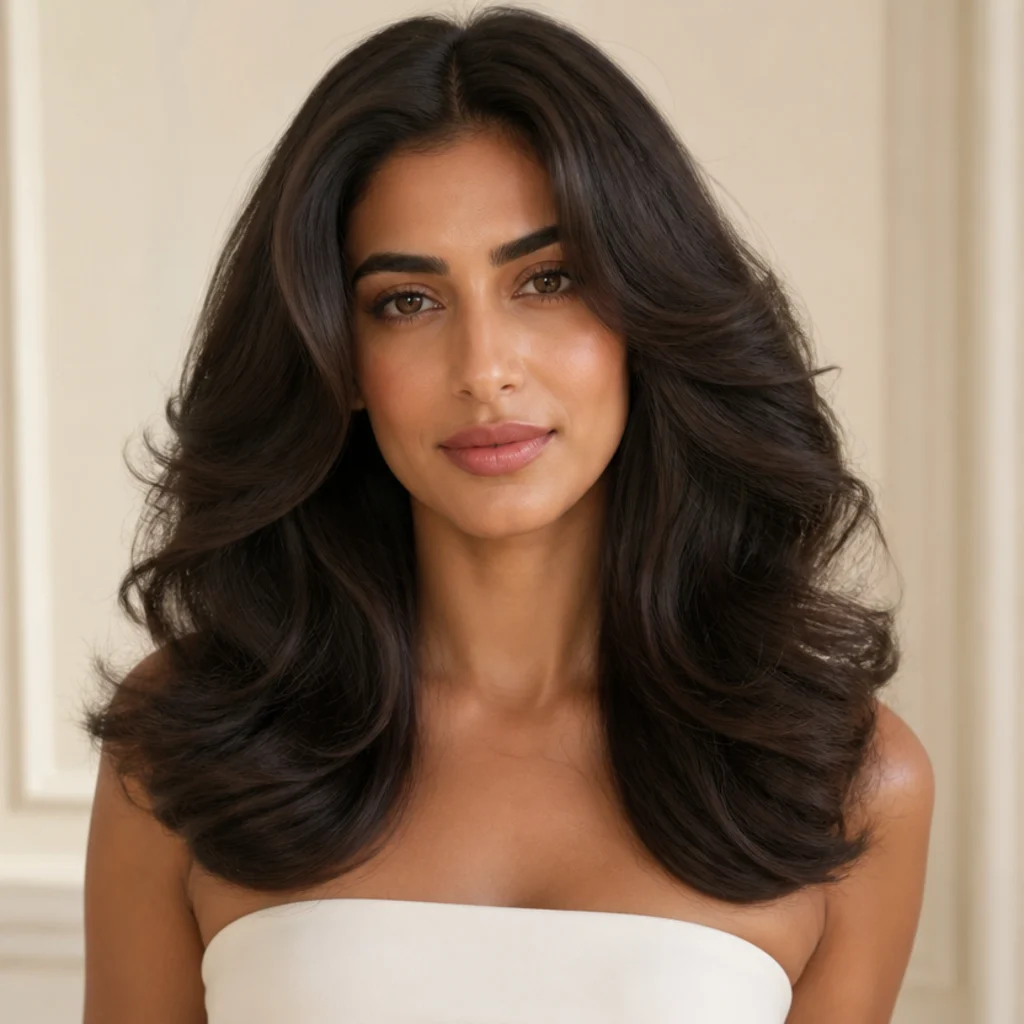
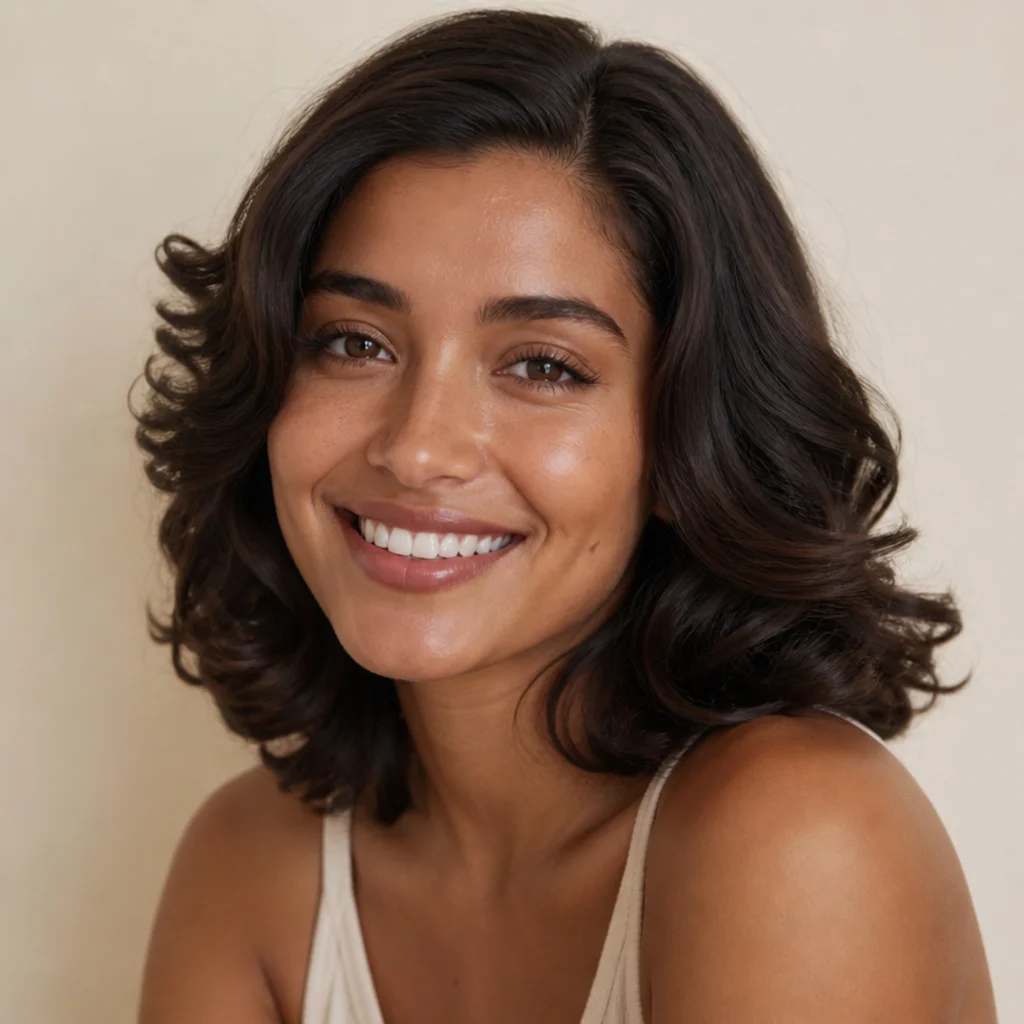
The rounded salon-blowout curl, the one that looks like it just left the chair, leans toward airflow styling. Hair dries around the barrel with body built in, so you get bouncy, brushed volume without a separate round-brush pass, and the curl reads as movement rather than a defined ringlet. A curling iron gets there too, but you have to set a tighter curl on dry hair and then soften it with a paddle or bristle brush. Blowout curls suit anyone who wants polished, camera-ready body and flatter round and heart face shapes, where fullness through the mid-lengths balances the jaw. Medium to thick hair holds the shape best, and both difficulty and upkeep land in the middle; a pea of dry shampoo at the roots revives the bounce on day two. Pro tip: finish each section with a two-second cool shot to set the round shape before you move on. Tell your stylist you want "a bouncy blowout curl, rounded not ringlet."
04Hollywood Old-Glam Waves
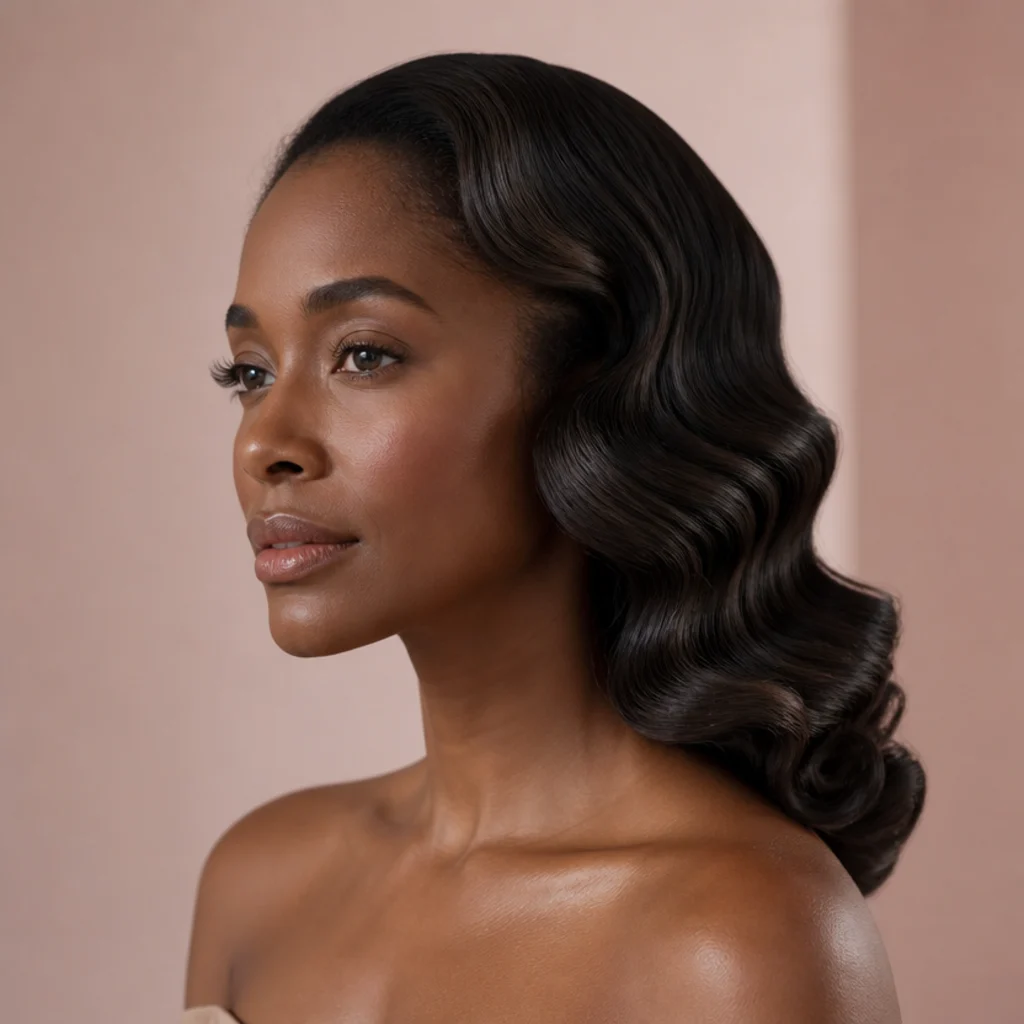
Structured, glassy old-Hollywood waves want a curling iron, full stop. The look depends on a uniform curl set entirely in one direction, then combed out and pinned into a flat, sculpted, ribbon-like S. That regularity comes from consistent conductive heat and a single barrel size; airflow styling can't deliver the crisp, repeatable curl this set requires. Old-glam waves suit weddings, galas, and photo-forward events, and read best on one-length or lightly layered hair with enough length to carry two or three full wave crests. Once it's pinned and sprayed, upkeep is low, but the set itself is fussy and unforgiving of uneven curls, and difficulty runs high because the brush-out is where most people lose the shape. Pro tip: curl every section the same direction, then use a boar-bristle brush and wave clips to carve the S while the curl is still warm. Ask a stylist for a "finger-waved Hollywood set," a phrase pros recognize instantly, and bring a reference photo.
Save this to Pinterest to compare finishes side by side later.
05Everyday Casual Bends
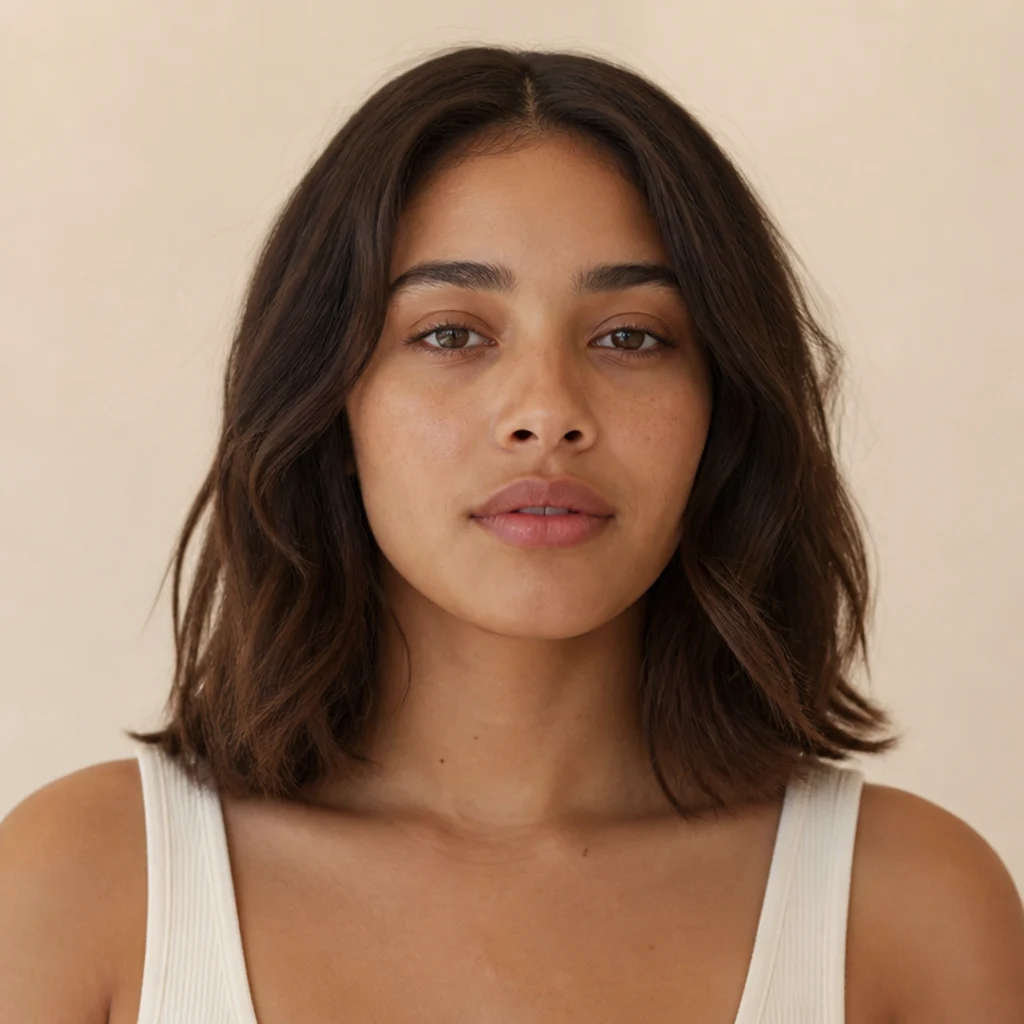
If you only want a gentle bend so hair doesn't fall flat, airflow styling makes this easy, and it doubles as your dry-and-style step in one pass. A few loose wraps at the mid-lengths add shape with no commitment and no hard curl to soften later. A curling iron works, but firing up 400°F for such a subtle result is thermal overkill you don't need. Casual bends suit busy mornings and every length, from a pixie's front pieces to waist-length hair. Upkeep is minimal by design, since the goal is texture you'd swear is natural, and difficulty stays low, which makes this the friendliest entry point for beginners still learning either tool. Pro tip: wrap only from the ears down and leave the roots untouched, so the bend looks lived-in rather than styled. To recreate at a salon, ask for "a soft bend, nothing set," and say you want it to look like your hair on a good day, not done.
06Volume at the Roots
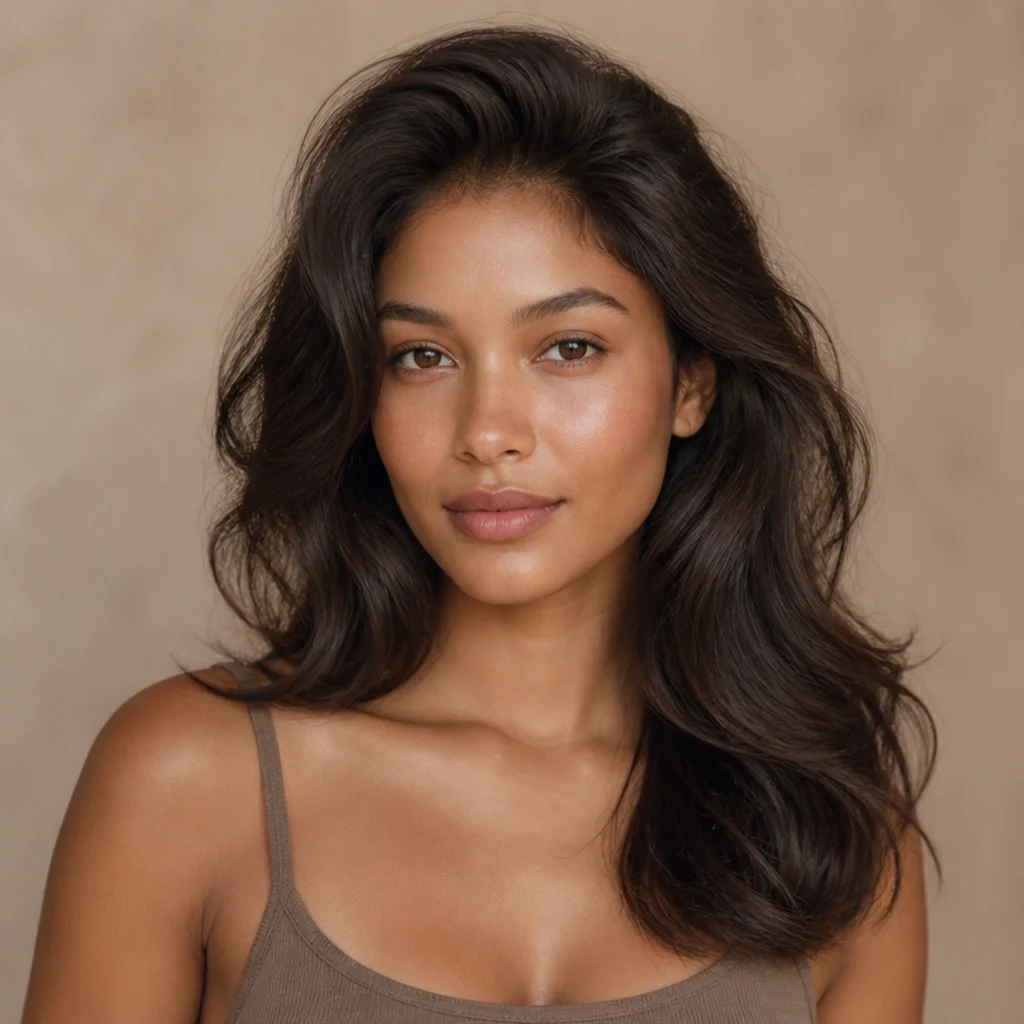
Root lift is where airflow styling holds a decisive edge. Directing air at the base while the section sets builds volume from the scalp outward, something a fixed-barrel curling iron structurally can't do, since it only engages the mid-lengths and ends. For flat, fine, or product-weighed hair that falls limp by midday, that difference is real and hard to fake with a wand. Root volume suits anyone chasing fullness and flatters finer densities most, though thick hair enjoys the extra body too. Roots deflate first, so upkeep runs medium and a 20-second re-lift at the crown refreshes the whole style; difficulty is low to medium. Pro tip: lift each root section against its natural fall, hold for a beat, then hit it with the cool setting so the lift sets before gravity wins. Ask a stylist for "lift at the root and soft curl through the ends," and say you want body more than curl.
07Curls on Fine, Flat Hair
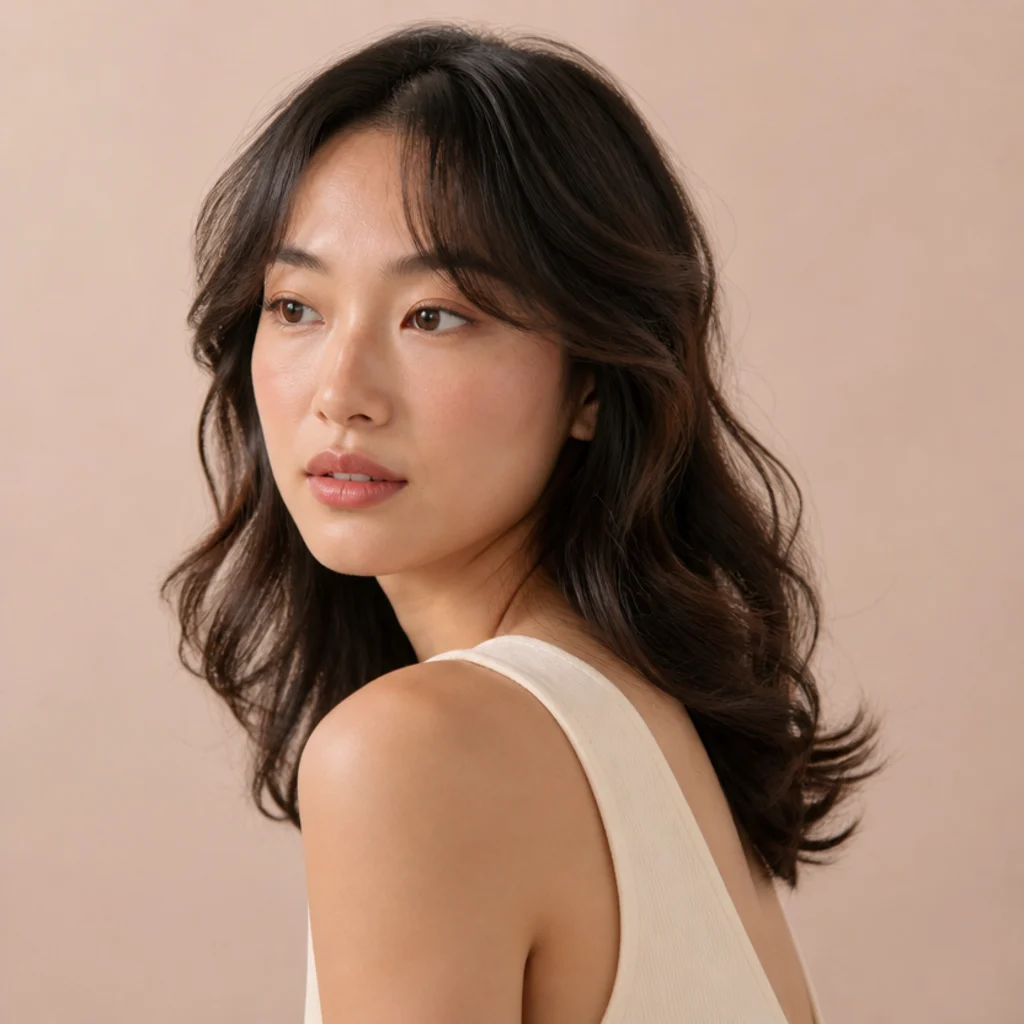
Fine hair responds differently to each tool, and the trade-off is real. Airflow styling is gentler and stacks in welcome body, but on slippery, low-density strands those soft curls can drop within an hour or two. A curling iron sets a firmer curl that clings longer to fine hair, though excess heat or too-thin sections can leave it looking wispy or stressed. It's a choice between hold and softness. Fine, flat hair works with either tool depending on what you prioritize, but prep isn't optional: a light mousse or a curl-specific spray at the roots and mid-lengths gives fine strands something to grip. Upkeep runs high overall, since fine hair loses shape faster than any other texture, and difficulty is medium. Pro tip: keep the iron at the lower end of its range and take smaller sections; heat is not what sets a fine-hair curl, cooling is. Ask your stylist to "curl for hold but keep it soft," and flag that your hair drops fast.
08Curls on Thick, Coarse Hair
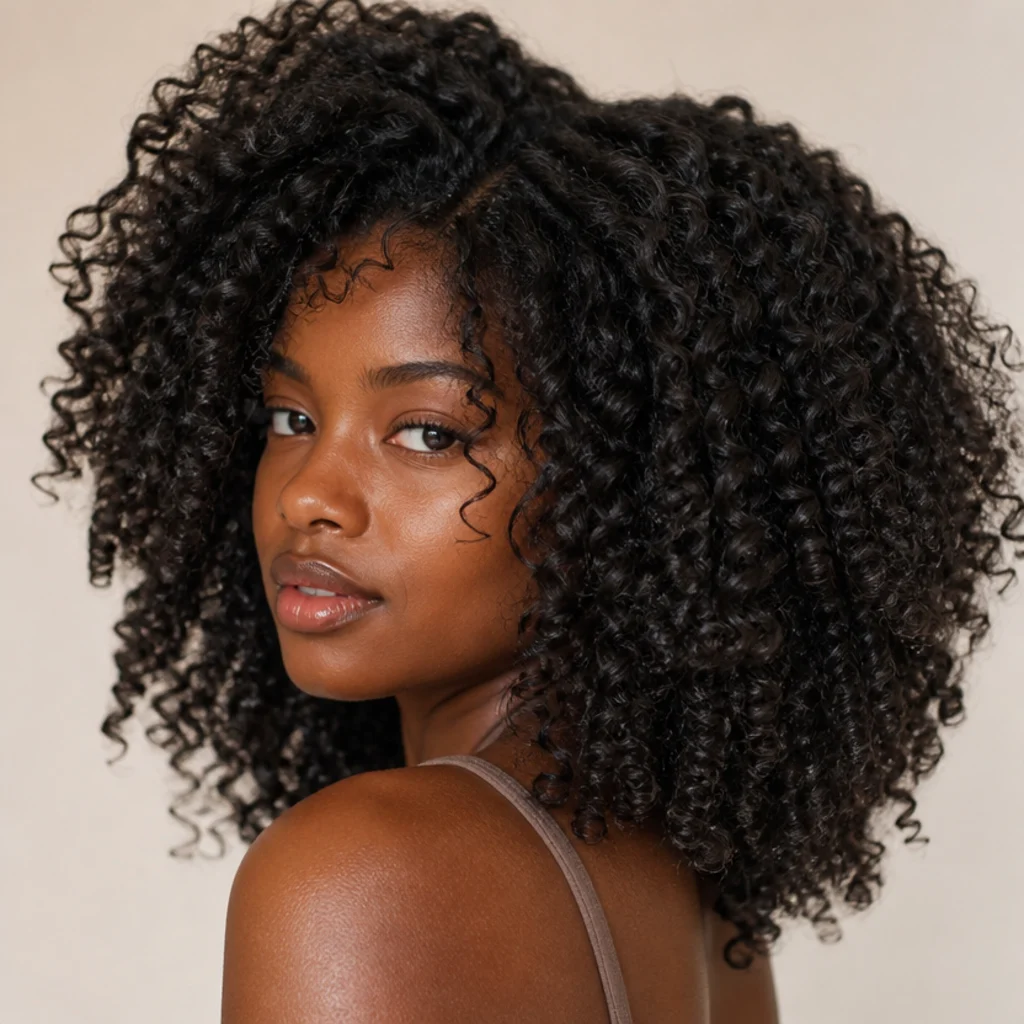
Thick, coarse, or high-density hair flips the story entirely. A curling iron powers through with steady conductive heat, setting curls that dense hair grips and holds for days, and it rarely struggles to shape a stubborn section. Airflow styling can fight very dense hair, since directed air may not fully dry deep sections, so you'll need smaller sub-sections, a thorough rough-dry first, and more patience. Thick hair suits the iron for sheer reliability, though airflow works well with disciplined sectioning and a hotter setting. Coarse hair is the most curl-retentive texture there is, so upkeep is low once set; difficulty runs medium to high, driven by the sheer volume of hair to work through rather than the technique itself. Pro tip: clip the top two-thirds away and build from the nape up in half-inch sections, so nothing hides undried underneath. Ask a stylist to "section small and set firmly," and say your hair is dense so they budget the time.
09Face-Framing Front Pieces
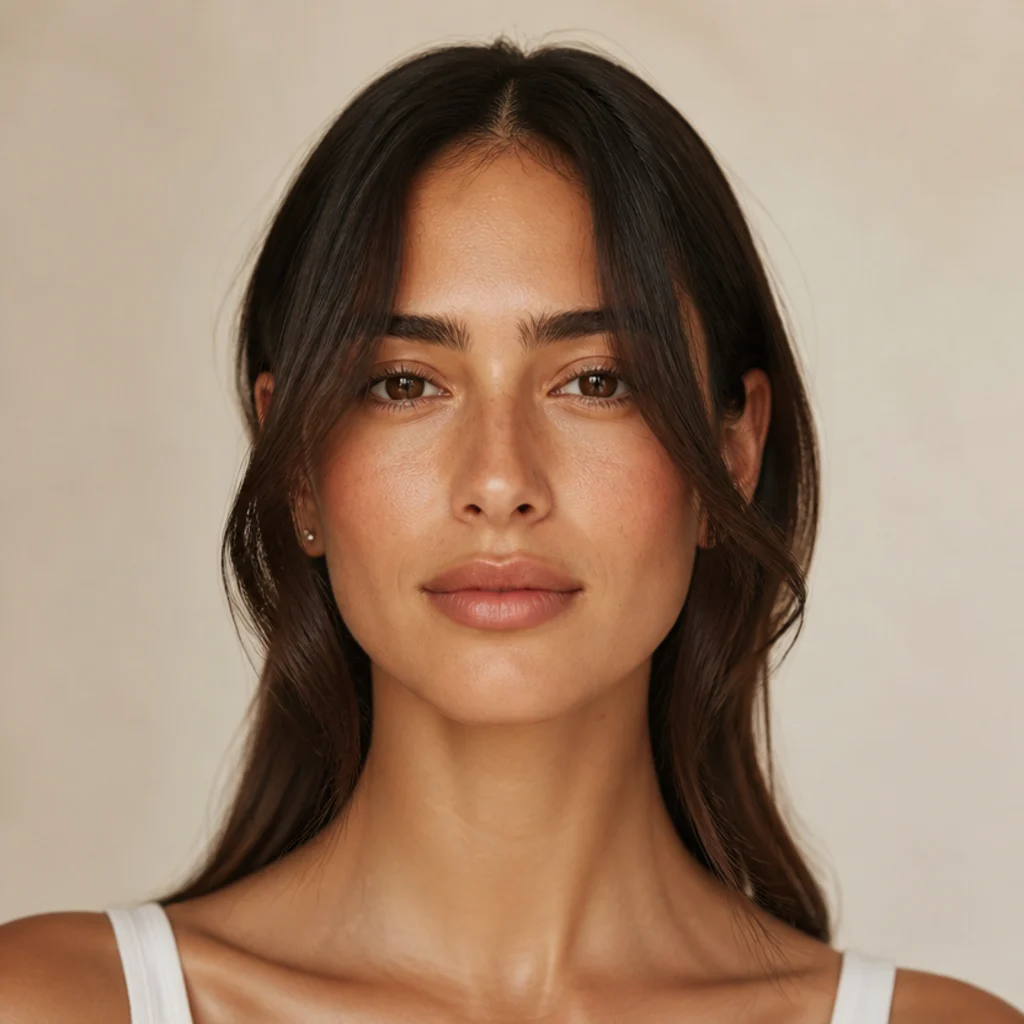
The soft front pieces that sweep away from your face can go either way, but the technique and the finish differ. Airflow styling bends them outward with a gentle wrap for a curtain-bang effect that blends into a blowout. A curling iron gives a crisper, flicked flip that some prefer for a sharper, more defined frame. Face-framing flatters every face shape and is one of the highest-impact small moves in styling, since it sits directly around the eyes and cheekbones where the eye lands first. It's only two sections to revive between washes, so upkeep is easy and difficulty is low, which makes this the ideal spot to trial both tools on a small, forgiving area before you commit to a full head. Pro tip: curl these pieces away from the face and stop at the cheekbone, so the bend opens up the face rather than closing it in. Ask a stylist for "face-framing pieces bent away from the cheekbone," and specify soft or sharp.
10Short Bob and Lob Curls
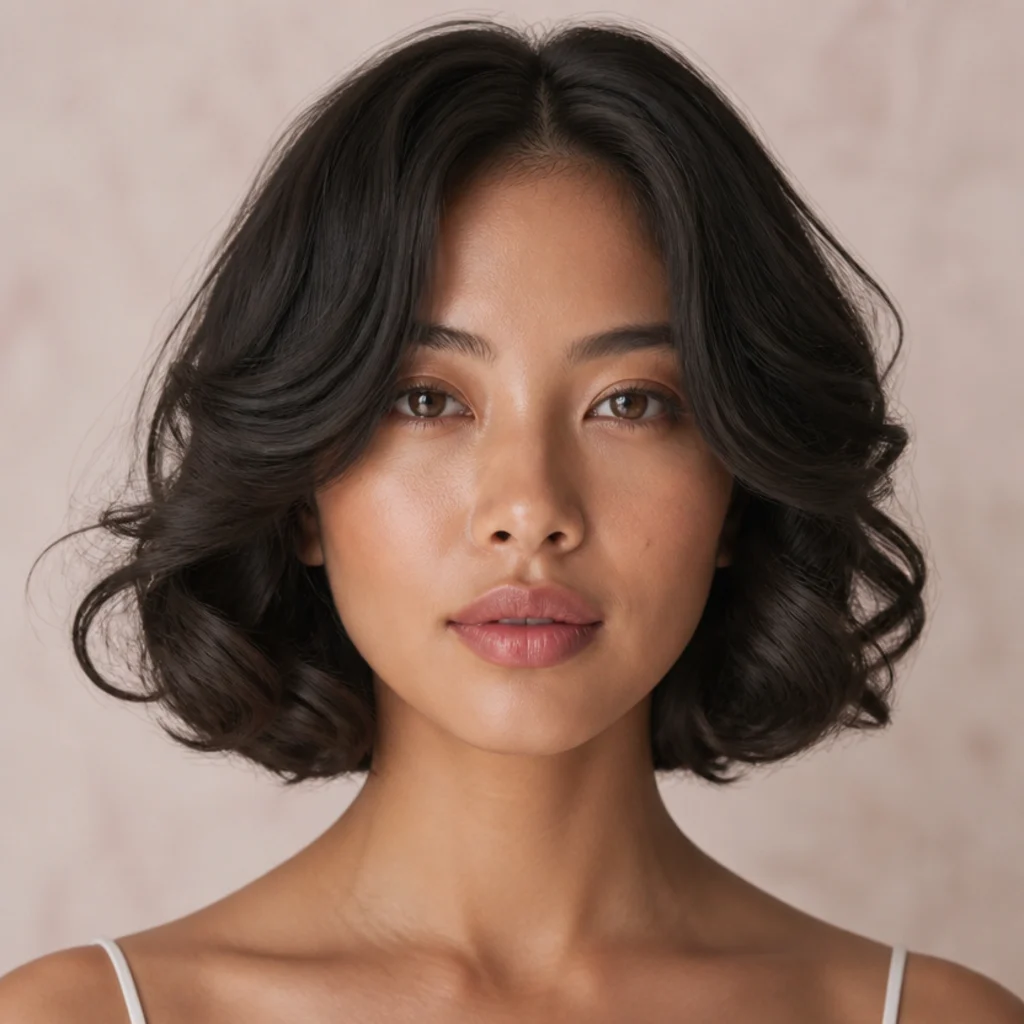
On shorter cuts, barrel size matters more than which tool you hold. A curling iron with a smaller barrel, around one inch or under, gives the crisp, controlled bend a precise bob wants, and it's easy to keep the curl tucked under for a clean line. Airflow styling adds rounded volume that keeps a lob looking full rather than flat, though very short lengths can be awkward to wrap and may slip off the barrel. Short-hair curls suit anyone who wants polish and shape without adding length. Shorter hair shows a dropped curl faster than long hair, where the extra weight disguises it, so upkeep sits at medium and difficulty is medium on both, since short sections leave little room for error. Pro tip: on a bob, curl everything under and keep the ends slightly open, so the shape reads modern rather than doll-like. Ask your stylist for "soft rounded curls that keep the bob's shape," and say you do not want tight ringlets on a short cut.
11How Long the Hold Lasts
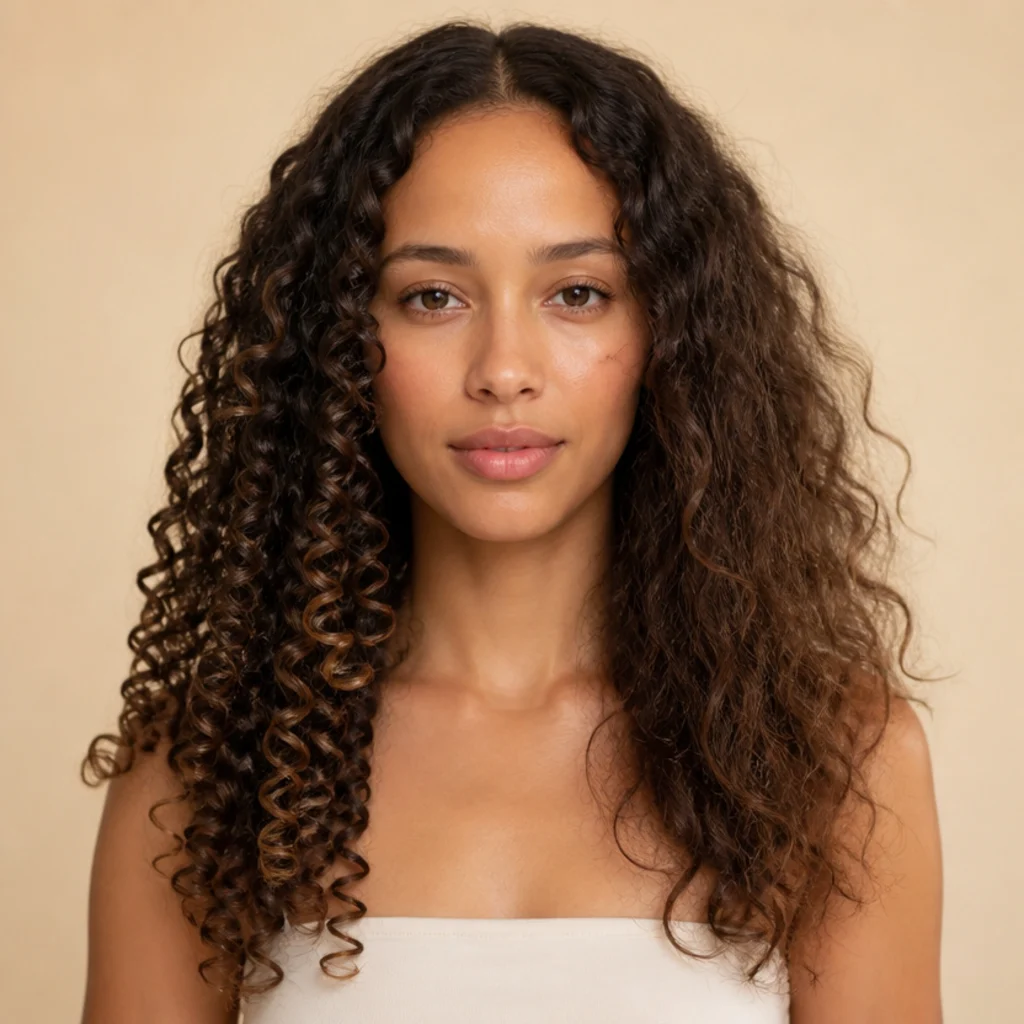
Hold is the single biggest practical divide between these tools. Curling-iron curls, set with direct heat on dry hair and locked by cooling, generally survive into a second day, longest on thick or coarse hair that resists relaxing. Airflow-styled dyson airwrap curls read softer from the very first hour and often ease into a loose wave by evening, which some people love for the natural fade and others find frustrating when they need structure to last. Let the occasion decide: for a full-day wedding or a shoot, lean iron; for a soft look that mellows into your day, lean airflow. Upkeep scales with your texture, since fine hair drops fastest no matter which tool set it. Pro tip: whichever you use, finish every section with a cool blast and let curls cool fully pinned before you touch them, then mist a flexible-hold spray, not a stiff one, so the shape survives movement. Ask a stylist how to set your specific texture for maximum longevity.
12Heat Exposure and Hair Feel
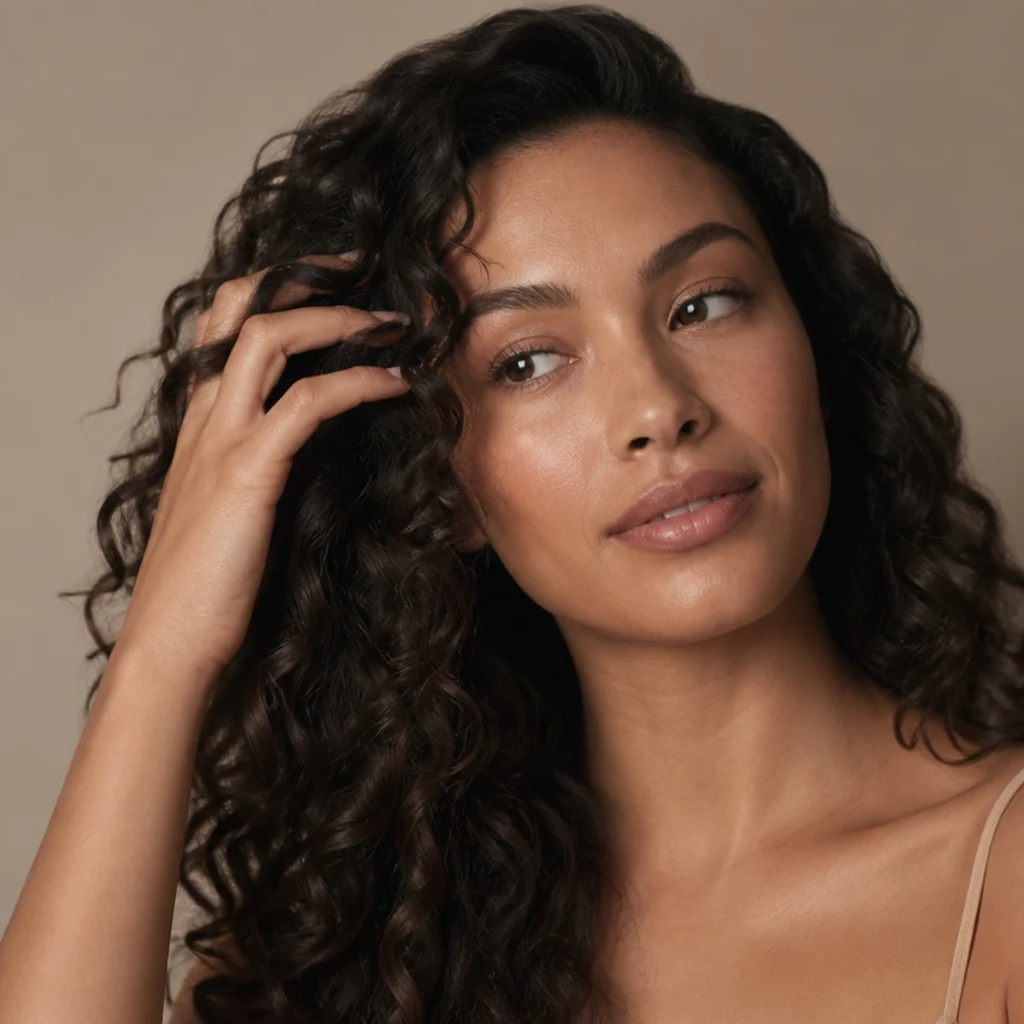
A curling iron applies concentrated conductive heat, so repeated high-temperature sessions can leave hair feeling drier over time if you skip a protectant or run the barrel hotter than your texture needs. Airflow styling generally works with lower, directed heat, so the finish often feels softer and less stressed, especially on already-dry, bleached, or color-treated hair that shows thermal wear quickly. This is a comfort-and-finish observation, not a repair or health claim, and no tool undoes damage. Anyone prioritizing a gentler daily routine may prefer airflow for that reason alone, while a curling iron used mindfully at a moderate temperature stays a reasonable choice. Upkeep for both improves with a quality heat protectant and regular dusting trims that clear split ends before they travel; difficulty doesn't change based on which heat you pick. Pro tip: match your temperature to your hair, lower for fine or lightened hair, higher only for coarse, and never re-pass the same section repeatedly. If you color your hair, ask your colorist which temperature range suits your shade and condition.
13Learning Curve and Speed
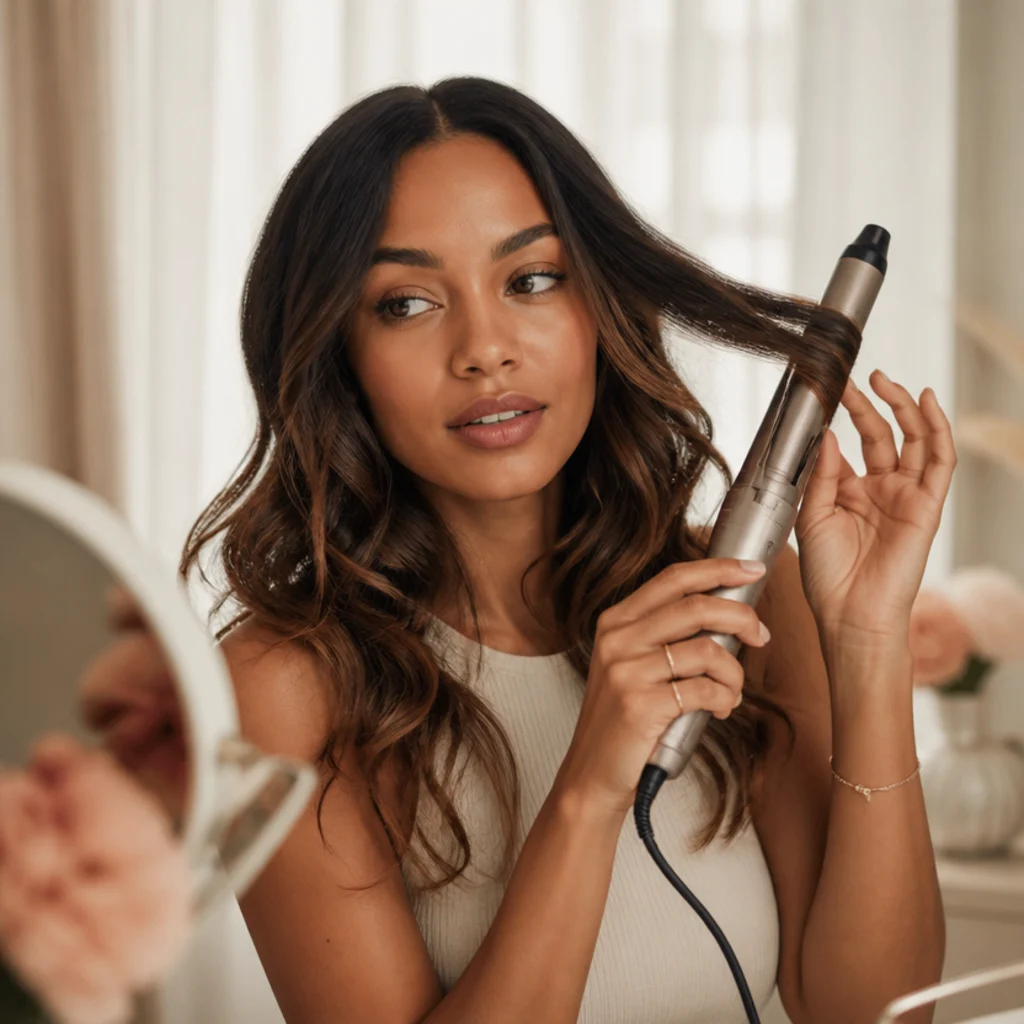
Speed depends entirely on what you count. Airflow styling merges drying and shaping into one pass, so starting from towel-dried hair it can actually save a step and real time. A curling iron demands fully dry hair first, adding a blow-dry, but the curling itself moves fast once your wrist knows the motion and your timing is dialed in. The learning curves diverge, too: airflow rewards patient sectioning and correct wrap direction, while the iron rewards consistent tension, clamp timing, and release angle. Beginners usually score their first easy win with casual airflow bends, then graduate to structured iron curls as confidence grows. Upkeep has nothing to do with how fast you style, and difficulty on both eases with practice, typically within a few weeks of regular use. Pro tip: film yourself once from the side; most beginners wrap or clamp at an angle they cannot feel but the camera reveals instantly. If you are learning, ask a stylist to demo the wrap or wrap-and-release motion slowly so you can mirror it at home.
14Storage and Countertop Footprint
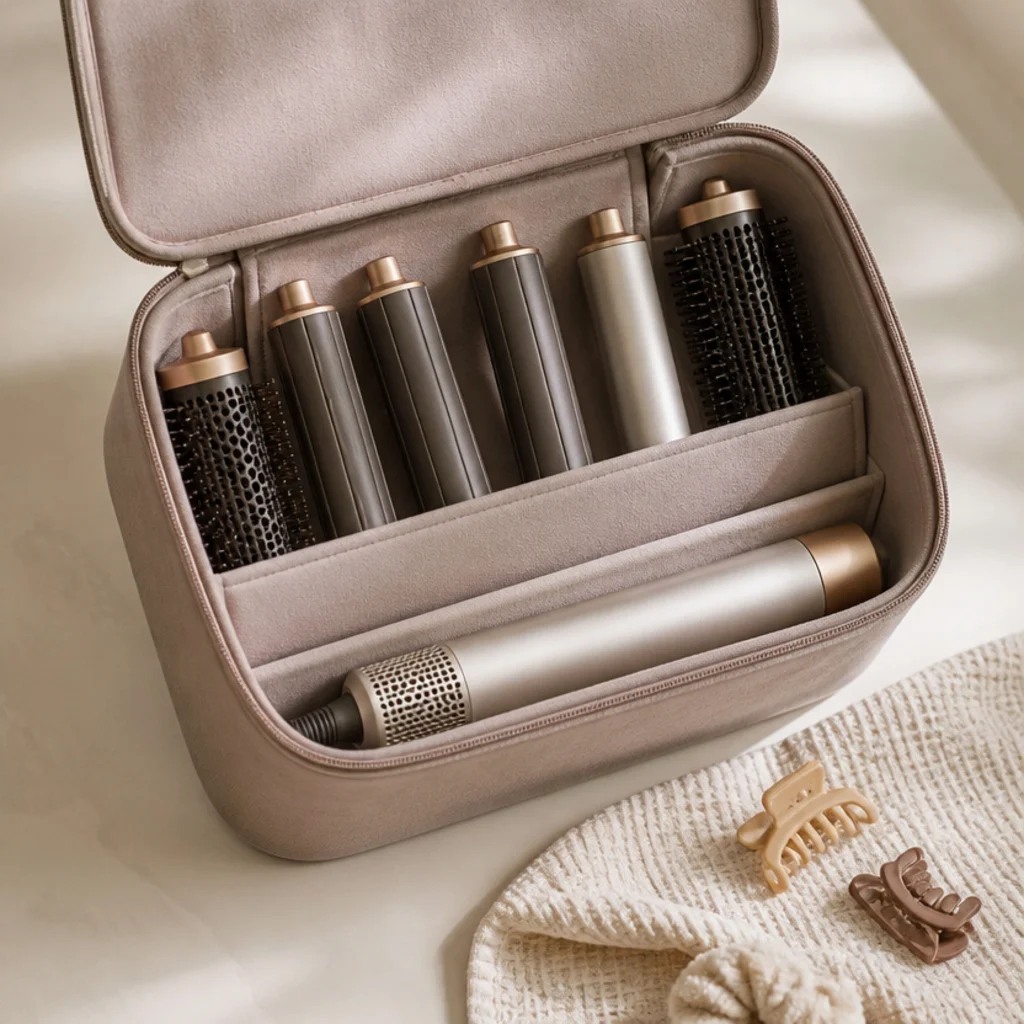
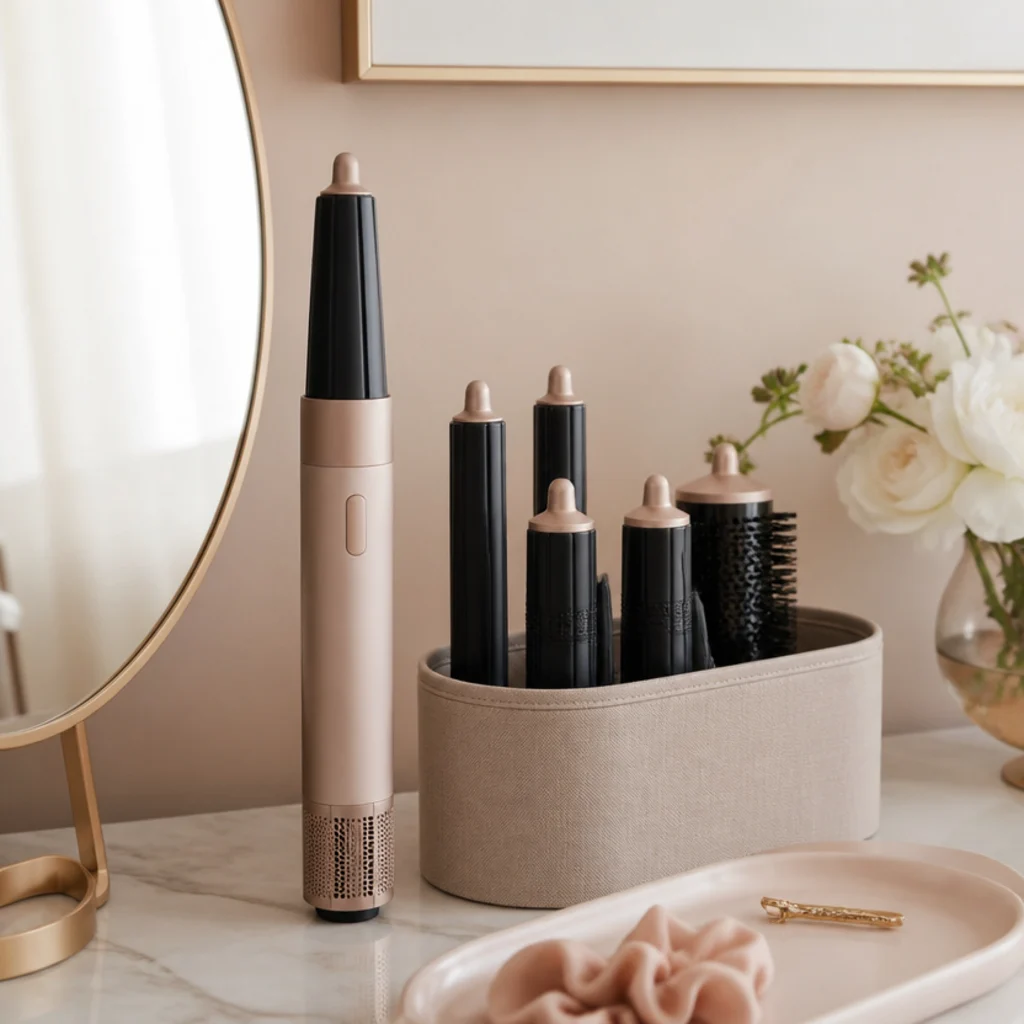
Practical life matters more than most buying guides admit. A curling iron is a single wand that slides into a drawer or a heat-safe pouch and disappears. Airflow multi-stylers arrive with several attachments, so dyson airwrap storage becomes a real planning question; barrels, brushes, and a pre-styling dryer nozzle all need a home, or they scatter. A fitted case, a deep drawer organizer, an acrylic caddy, or a wall-mounted holder keeps attachments upright and visible. If counter space is scarce, the compact single iron is easier to live with, while the multi-styler trades that ease for versatility. Neither is hard to store once you've got a plan in place, and upkeep here is about tidiness and cord management, not hair health. Pro tip: store attachments upright in a divided bin rather than stacked flat, so you can grab the right barrel without unpacking the whole set. Look for holders sized to your specific attachment lineup.
15The Overall Aesthetic Vibe
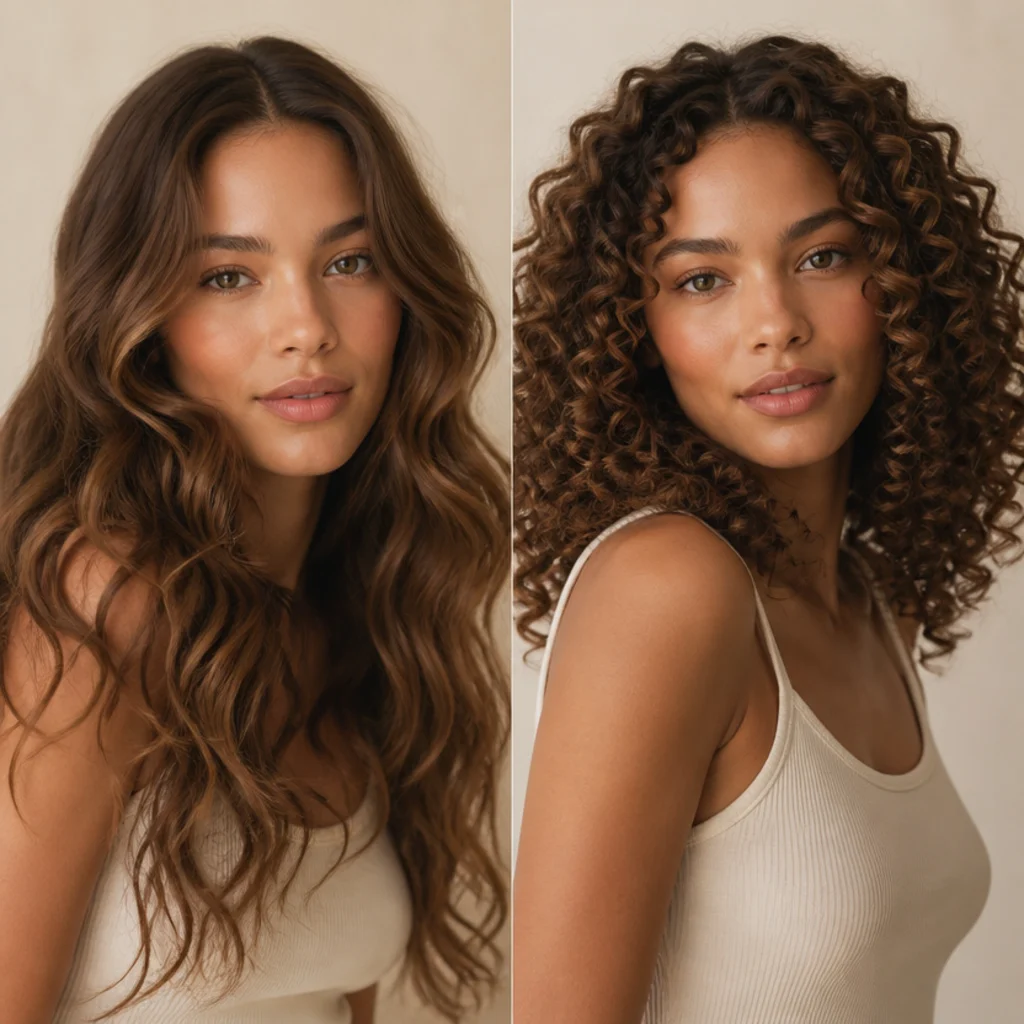
Beyond mechanics, each tool carries a signature aesthetic worth naming out loud. The dyson airwrap aesthetic reads soft, airy, and full, the kind of movement that looks like good genes and a good night's sleep rather than 40 minutes at a mirror. The curling-iron aesthetic reads more polished and deliberate, with curls that hold a sculpted line and photograph with crisp separation. Neither wins out; they're just different moods, and the smartest choice starts from the mood, not the machine. Picture the version of yourself you want to see most mornings, then match the tool to that vibe instead of forcing your hair toward a finish it resists. Get that one decision right and upkeep and difficulty tend to follow. Pro tip: save three reference photos you keep coming back to and look for the pattern; if they are all soft and undone, airflow is your daily driver, and if they are defined and glossy, the iron is. When booking, describe the mood in plain words so your stylist picks the technique that gets you there.
Pro Tips from the Editor
- Cooling sets the curl, not heat. With either tool, let every section cool completely, ideally pinned to the scalp, before you touch it; a curl released warm relaxes within minutes no matter how hot you styled it.
- Match temperature to texture, not to impatience. Keep fine or color-treated hair at the lower end of the range and reserve higher heat for coarse, dense hair; re-passing the same section is what actually causes damage.
- Prep decides the drop. A light mousse or texture spray gives fine, slippery hair something to grip; skipping prep is the number-one reason airflow curls fall by lunch.
- Alternate your wrap direction for lived-in waves and keep it uniform for structured sets; the difference between "beachy" and "done" is often just direction consistency.
- Rough-dry to 80 percent before airflow styling on dense hair, or the barrel won't fully dry deep sections and the curl will never form cleanly.
- Finish with flexible hold, not stiff hold. A light, brushable spray survives movement and re-touching; a crunchy spray locks a shape you can't revive on day two.
- Keep the iron off your ends when you can. Wrap from the mid-shaft and leave the last inch softer, so ends stay healthy and the curl looks modern rather than uniform.
How to Choose / Get the Look
Start with three honest questions: What texture do you actually want, how many hours does it need to last, and how much heat are you willing to put on your hair? If the answer is soft, rounded, voluminous movement with a gentler routine, airflow styling fits, and it earns its keep on fine or flat hair that needs body and root lift a fixed barrel can't provide. If you want firm, defined, long-holding curls for events, or you have thick hair that eats through soft sets by mid-morning, a curling iron delivers structure and staying power. Plenty of people keep both and reach for each depending on the day and the dress code.
Use this quick decision table to narrow it fast:
| If your priority is... | Lean toward | Because |
|---|---|---|
| Soft, undone daily movement | Airflow styling | Rounded set, no hard curl to break down |
| All-day or second-day hold | Curling iron | Conductive heat sets a firmer, longer-lasting coil |
| Root volume and body | Airflow styling | Directed air lifts from the scalp, an iron cannot |
| Defined ringlets or old-glam sets | Curling iron | Uniform, repeatable curls with crisp definition |
| Fine hair that drops fast | Curling iron (cool-set) | Firmer set clings longer on slippery strands |
| Thick, dense hair | Curling iron | Powers through without undried sections |
| One-pass drying and styling | Airflow styling | Combines dry and shape to save a step |
| Minimal storage footprint | Curling iron | Single wand versus multiple attachments |
Whichever you choose, prep and finishing matter more than the tool itself. Use a heat protectant, work in even sections sized to your density, and lock the shape with a cool blast and a flexible-hold spray. For airflow styling, master wrap direction and rough-dry first; for the iron, practice consistent tension, timing, and a clean release. If you're recreating a saved photo at a salon, describe the finish in plain language, soft waves versus defined ringlets, and volunteer your hair's density and how fast it drops. That one detail tells a stylist which barrel size and technique will actually work on you.
Frequently Asked Questions
Do Dyson Airwrap curls last as long as curling iron curls?
Generally, no. Airflow-styled curls set as the hair dries, so they read softer from the start and tend to relax within hours to a day. Curling-iron curls set with direct conductive heat and lock as they cool, so they usually hold longer, especially on thick or coarse hair. Your texture, prep, and finishing spray influence both more than you'd think.
Which is better for fine or flat hair?
It depends on your goal. Airflow styling adds body and genuine root lift that fine hair often lacks, but the curl can drop quickly on slippery strands. A curling iron sets a firmer, longer-holding curl if you keep the temperature moderate and let each section cool fully before touching it. Prep with a light mousse or texture spray either way, since fine hair needs something to grip.
Is one tool gentler on hair?
Airflow styling typically uses lower, directed heat, so the finish often feels softer, particularly on dry, bleached, or color-treated hair. A curling iron applies concentrated heat that can feel drying over time if you skip a protectant or run it too hot. This is a comfort-and-finish observation, not a repair or health claim, and no tool reverses damage. Always use a heat protectant with either.
Can I get beach waves with a curling iron?
Yes. Curl in alternating directions with a larger barrel, let each section cool, then rake the shape apart with your fingers to loosen it into waves. Airflow styling reaches that undone bend more directly because it sets softer to begin with, but both tools land a similar beachy finish with the right technique.
How should I store an airflow multi-styler and its attachments?
Plan storage before you buy, since these systems ship with several barrels and brushes. A fitted zip case, a divided drawer organizer, an acrylic caddy, or a wall-mounted holder keeps everything upright and together. Storing attachments upright rather than stacked flat lets you grab the right barrel without unpacking the whole set, and it keeps your counter clear.
What temperature should I use on colored or bleached hair?
Stay at the lower end of your tool's range and never re-pass the same section repeatedly, since lightened hair shows thermal wear fastest. Airflow styling's lower, directed heat is often the more comfortable choice for color-treated hair. For a personalized range, ask your colorist what suits your specific shade and condition, and always pair heat with a protectant.
Is the Dyson Airwrap worth it over a cheaper curling iron?
That comes down to what you value. A multi-styler costs several times more than a single iron but combines drying, shaping, and root lift with lower heat and less hands-on curl memory. A quality curling iron is far cheaper, stores easily, and still wins on defined, long-lasting curls. If you crave soft daily volume and a gentler routine, the airflow system earns its price; if you want structured curls that last, a good iron is the smarter spend.
Which tool is faster for a full head of curls?
Airflow styling can be faster overall when you start from towel-dried hair, because it merges drying and shaping into one pass. A curling iron requires fully dry hair first, so you add a blow-dry, but the curling itself is quick once your wrist knows the motion. On very dense hair, both slow down and reward smaller sections and patience.
Which is better for short hair or a bob?
On short cuts, barrel size matters more than tool type. A curling iron with a one-inch or smaller barrel gives the controlled, tucked-under bend a bob wants. Airflow styling adds rounded fullness that keeps a lob from looking flat, though very short lengths can be tricky to wrap and may slip off the barrel. For a precise bob, the iron usually offers more control.