5 70s Makeup Mistakes to Avoid When Trying the Trend
Seventies glam lives on warmth, glow, and color that melts at every edge — but five small missteps tip it from disco-era cool into costume-shop kitsch. Here's exactly where the look goes sideways, and the precise fix for each.
 Edited by Lena Rose · Published July 11, 2026 · 15 min read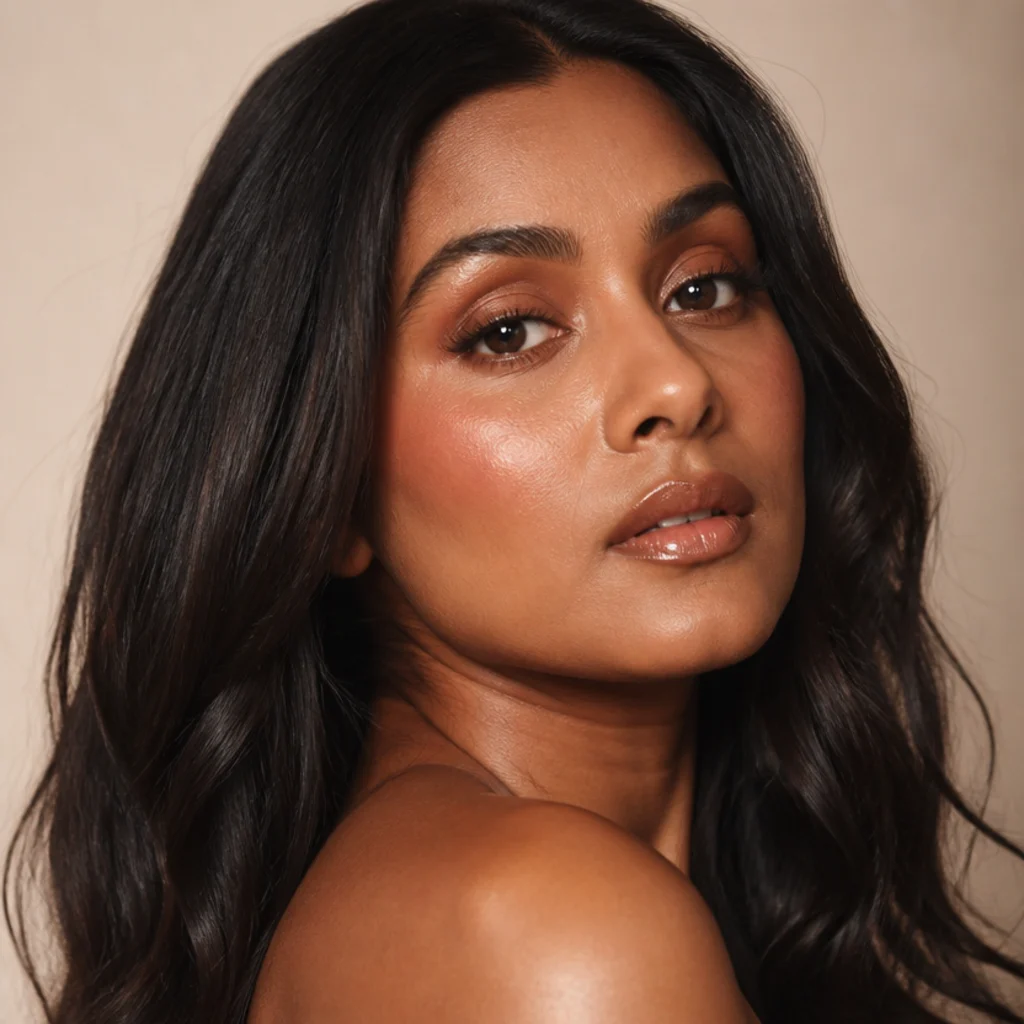
Quick Answer
- Best for: Anyone drawn to warm, glowy, diffused seventies color — flatters every skin tone and most eye shapes
- Who might skip it: If you love a crisp graphic liner, a cool-mauve smoke, or a fully matte modern base, this era will fight your instincts
- Maintenance: Low to medium — cream shadow, bronzer, and gloss want a mid-day blot-and-refresh, especially on oily or combination skin
- Difficulty: Beginner to intermediate; soft blending is the only real skill, and cream formulas do most of the work
- Cost: Fully achievable from a warm neutral palette you likely own; a dedicated terracotta-copper quad and a tinted gloss run roughly drugstore-to-mid-range
- Wear time / longevity: Cream-and-gloss looks hold about 5–7 hours before the lid needs a touch-up; a lightly powder-set version stretches longer
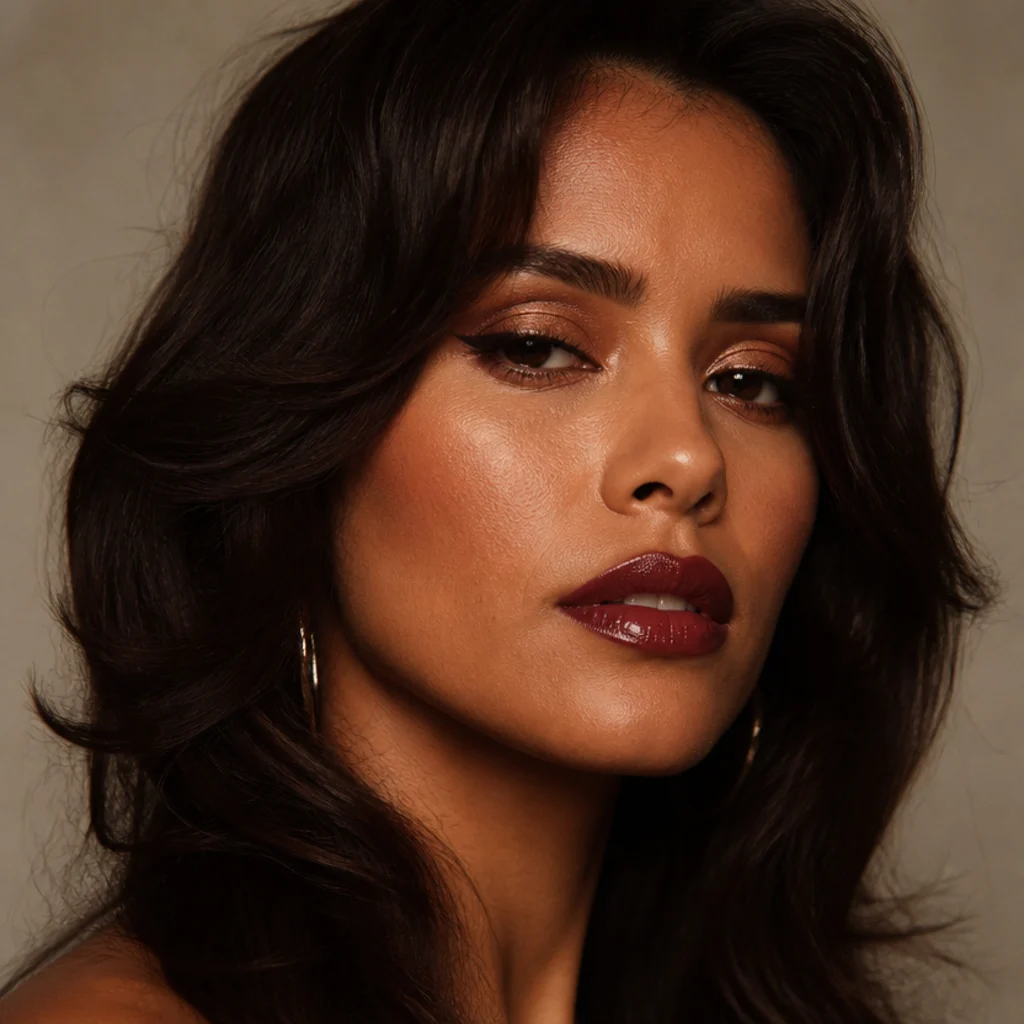
- Standout variation: The Cher-style sculpted eye — a deep bronze socket wash blended sky-high, feathered lower lashes, and a quiet glossy nude lip
- How to ask your makeup artist: Ask for a "warm, diffused seventies eye — bronze halo, no hard crease line, brushed-up brows, luminous skin, glossy warm-nude lip," and show a reference photo
In This Guide
The pull of 70s glam makeup isn't hard to understand: it flatters almost everyone, leans on warm earth tones most of us already own, and photographs beautifully in the soft, low-contrast light that reads instantly retro. But the aesthetic is unusually specific. Where sixties makeup was graphic and eighties makeup was bright and blocky, the seventies traded in diffusion — bronze lids that fade to nothing, sun-flushed cheeks, brows brushed up rather than drawn on, and skin that looks lit from the inside. That softness is exactly why small choices carry so much weight. A single cool-toned shadow, a too-crisp liner, or a flat powder finish can quietly drag the whole face into the wrong decade, and the effect reads as "costume" before you can name why. This guide covers the five mistakes that most often derail people trying 70s inspired makeup for the first time — color temperature, crease technique, brow shape, finish, and lip. None of them require new products or advanced skill. Each fix is a small adjustment in tone or technique that keeps your look modern and unmistakably seventies — Studio 54, not stage paint.
01Reaching for cool tones instead of warm ones
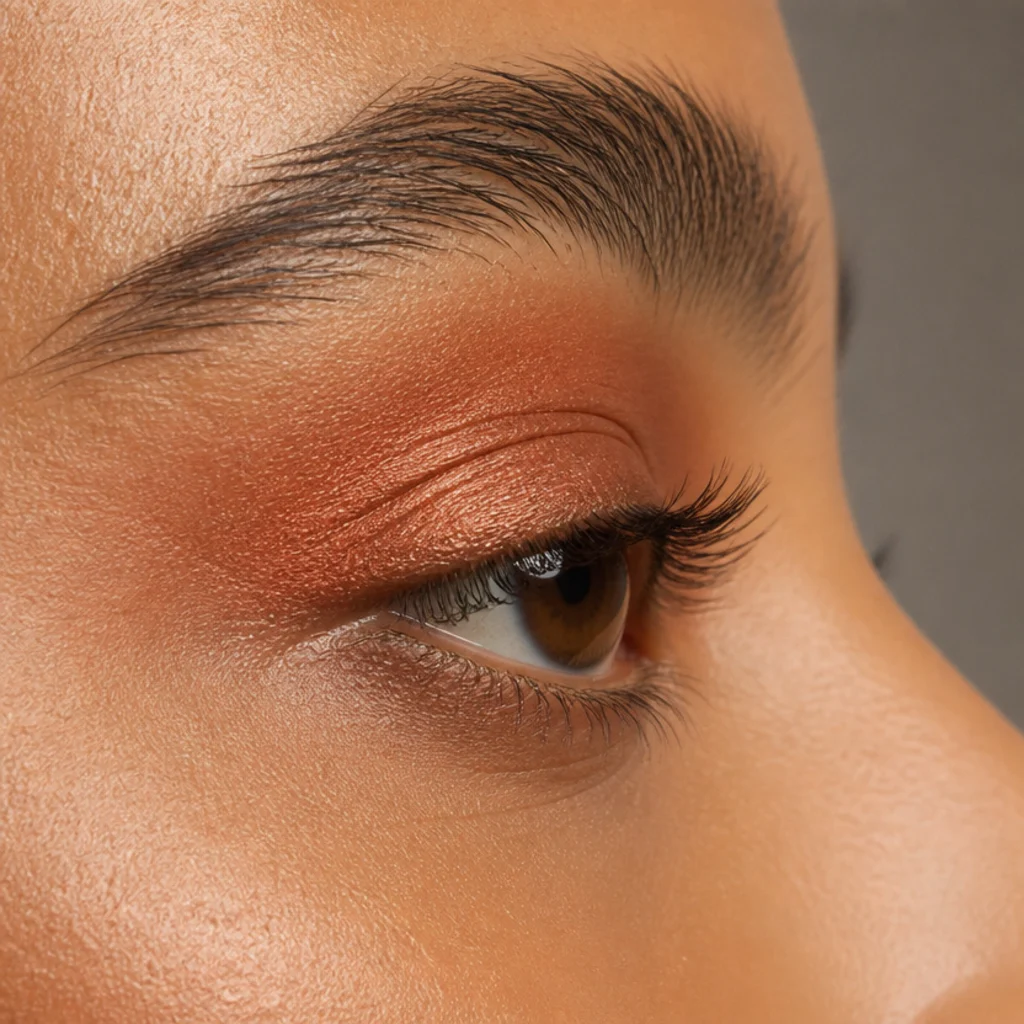
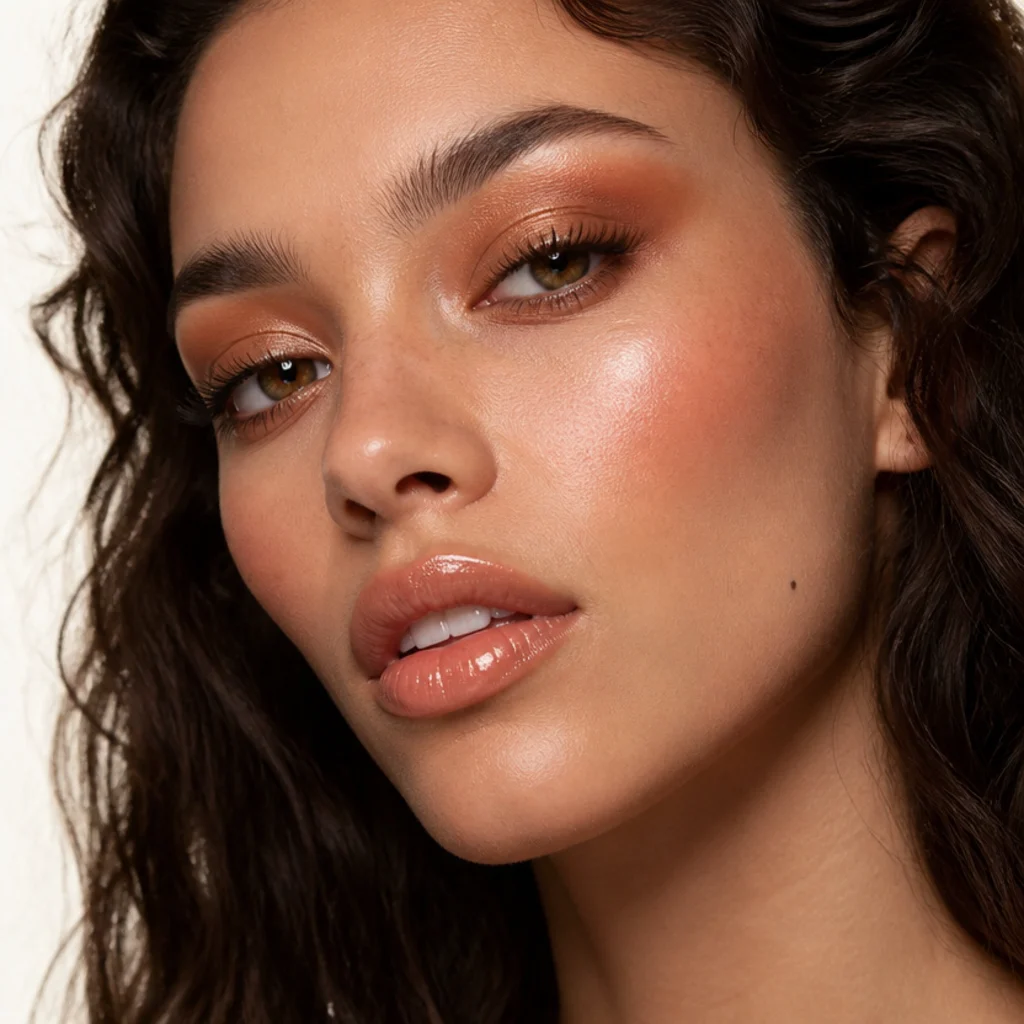
The single most common misstep is grabbing cool grays, silvers, or ashy taupes — the shades that dominate a modern smoky eye but read wintry and wrong here. The seventies palette runs decisively warm: terracotta, rust, copper, golden brown, olive, oxblood, and burnt sienna, the colors of autumn light and analog film. Build the eye from a warm mid-brown transition shade, then layer copper or brick through the center of the lid where it catches light. Undertone is your compass. Deep skin glows in rich bronzes, warm plums, and antique gold; medium and olive skin loves brick, russet, and moss; fair skin stays luminous in soft apricot, peach, and tawny brown before it tips muddy. Hazel and green eyes light up against rust and copper, while brown eyes can carry the deepest oxblood. Maintenance is minimal — a warm cream base under powder holds the tone all evening. Pro tip: hold the pan next to a gold ring; if it harmonizes rather than clashes, it belongs in a 70s look. Ask your makeup artist for a "warm bronze-to-brick gradient, nothing ashy."
02Skipping the blend on your crease
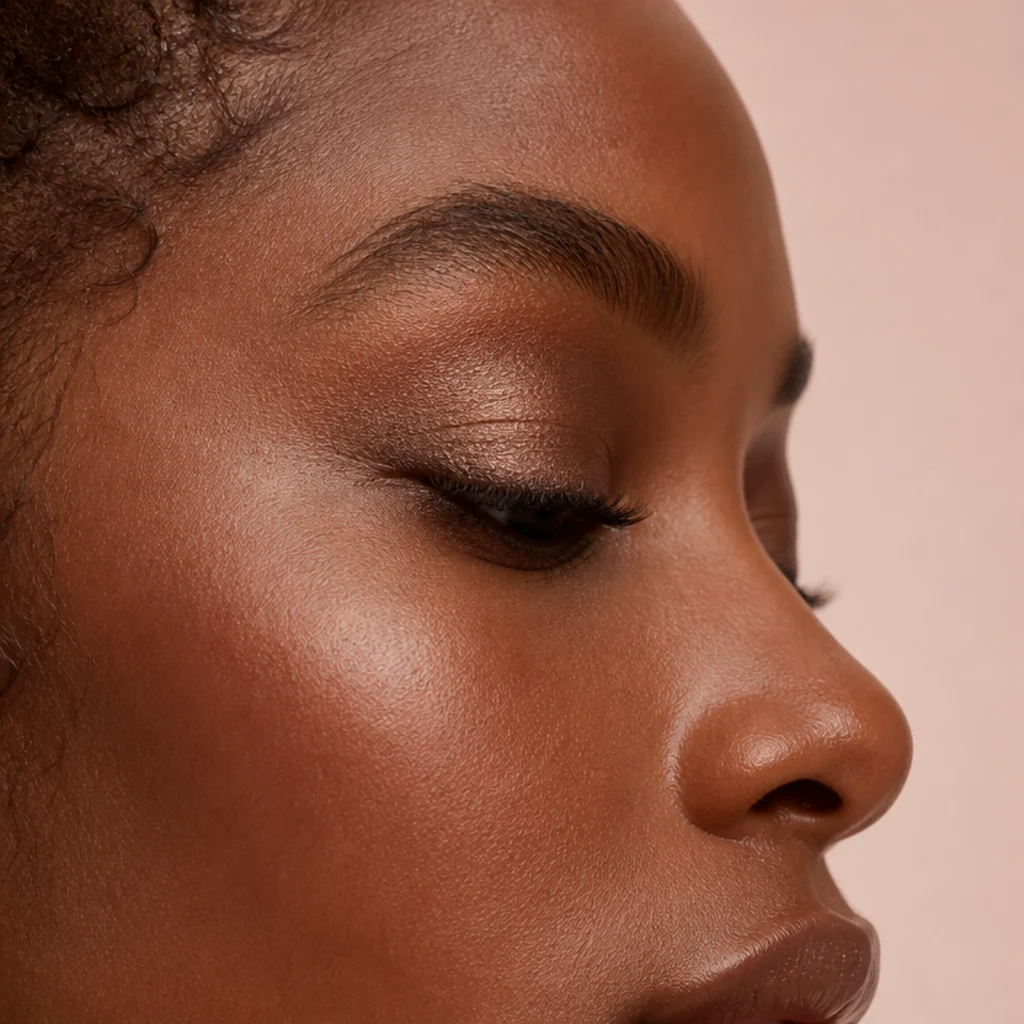
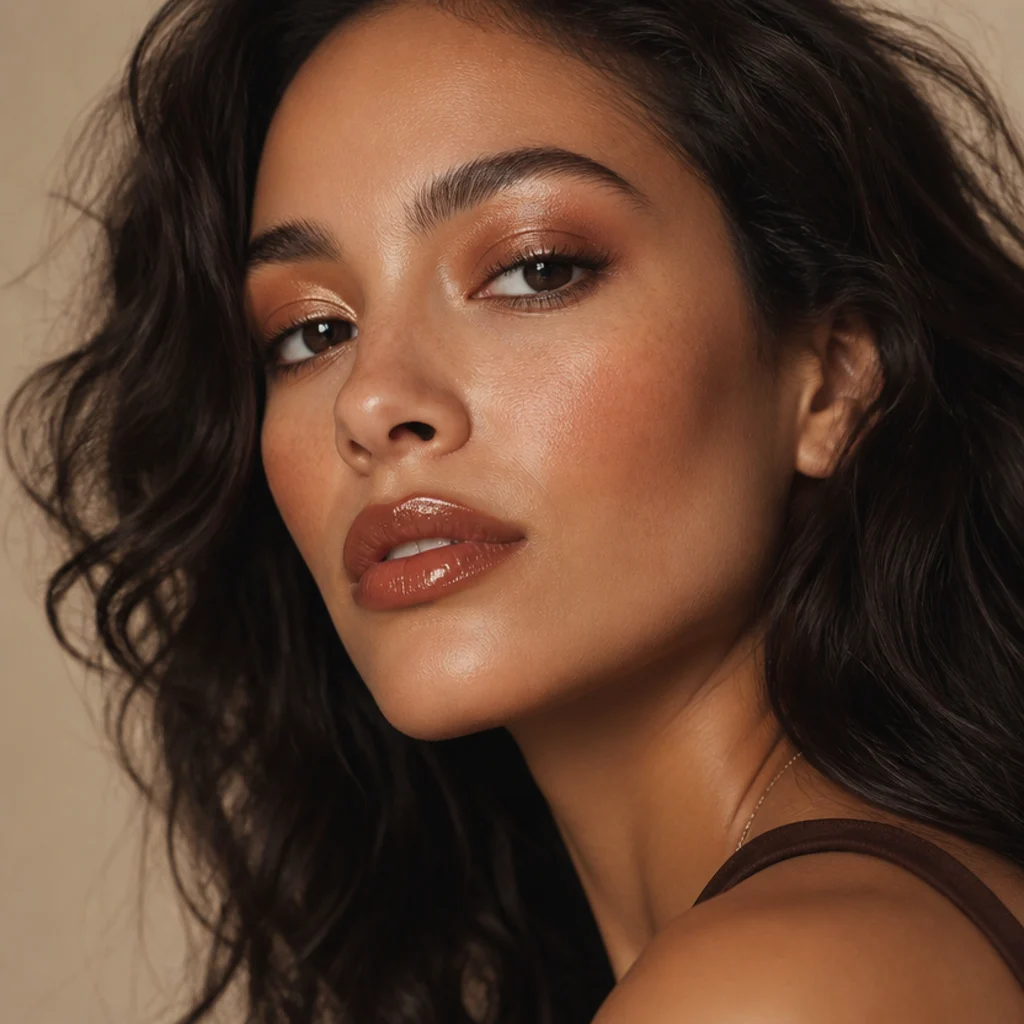
Seventies eyes are defined by diffusion, not precision, so a hard, unblended stripe of shadow sitting in the crease is the fastest tell that a look has gone costumey. The era favored a soft halo of color that fades outward and upward until there's no discernible edge — closer to a bruise of light than a drawn line. Work in thin, buildable layers with a fluffy tapered blending brush, using small windshield-wiper motions just above the crease and letting each pass melt the color further into bare skin. Cream shadows move more forgivingly than powders; press them on with a finger, then diffuse the border with a clean brush and set only the very center with a matching powder. Eye shape changes the placement: on hooded or monolid eyes, float the color noticeably higher than your natural crease so it reads with the eyes open; on round eyes, drag the halo slightly outward to lengthen. The target is a lit-from-within wash, not a graphic cut crease. Pro tip: keep one clean fluffy brush reserved solely for blending — color on the bristles reintroduces the hard edge you just erased. Ask your makeup artist to "keep the crease soft and edgeless, blended up."
03Over-drawing brows into hard shapes
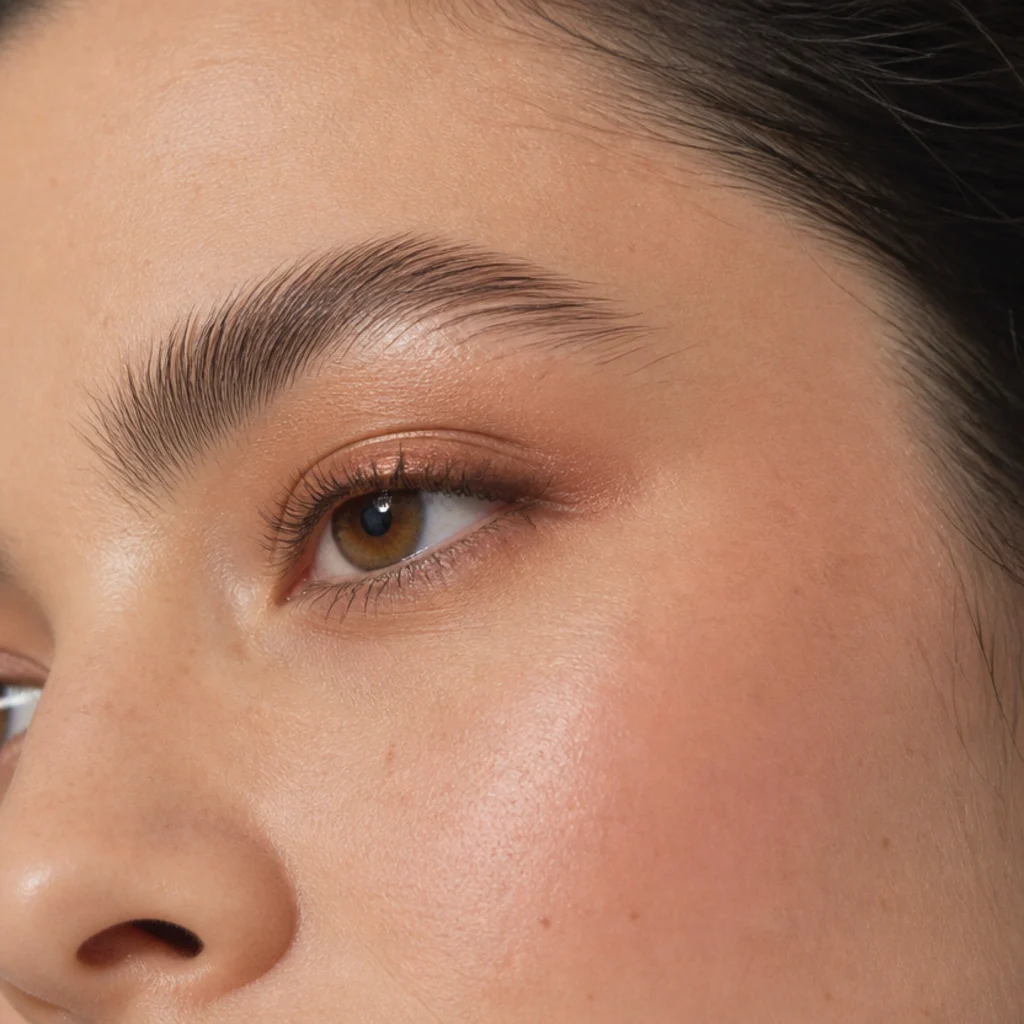
Modern brow habits — carved concealer edges, a sharp squared front, heavy pigmented pomade — collide with the decade and instantly date the look wrong. Seventies brows were softer, fuller through the body, and gently arched rather than boxed or laminated to a mirror shine. Over-drawing them into a dark, geometric shape fights the diffused eye beneath and pulls focus to a stencil instead of your color. Brush the hairs up and outward first with a spoolie to see your natural shape, then fill only the sparse spots with light, hair-like flicks from a fine-tipped pencil chosen a shade lighter than you think you need — warm taupe for most, soft brown for deeper tones. Skip the concealer carving underneath entirely; a clean but undefined lower edge is the point. A brushed-up, slightly undone brow supports the era's easy warmth, and a whisper of clear or tinted gel holds the shape without the glassy laminated finish. Pro tip: if your brows are naturally full, a clear gel and nothing else is often the most authentic seventies choice. Ask your brow artist for a "soft, full, brushed-up brow — no sharp front, no carving."
04Forgetting the glow and going matte everywhere
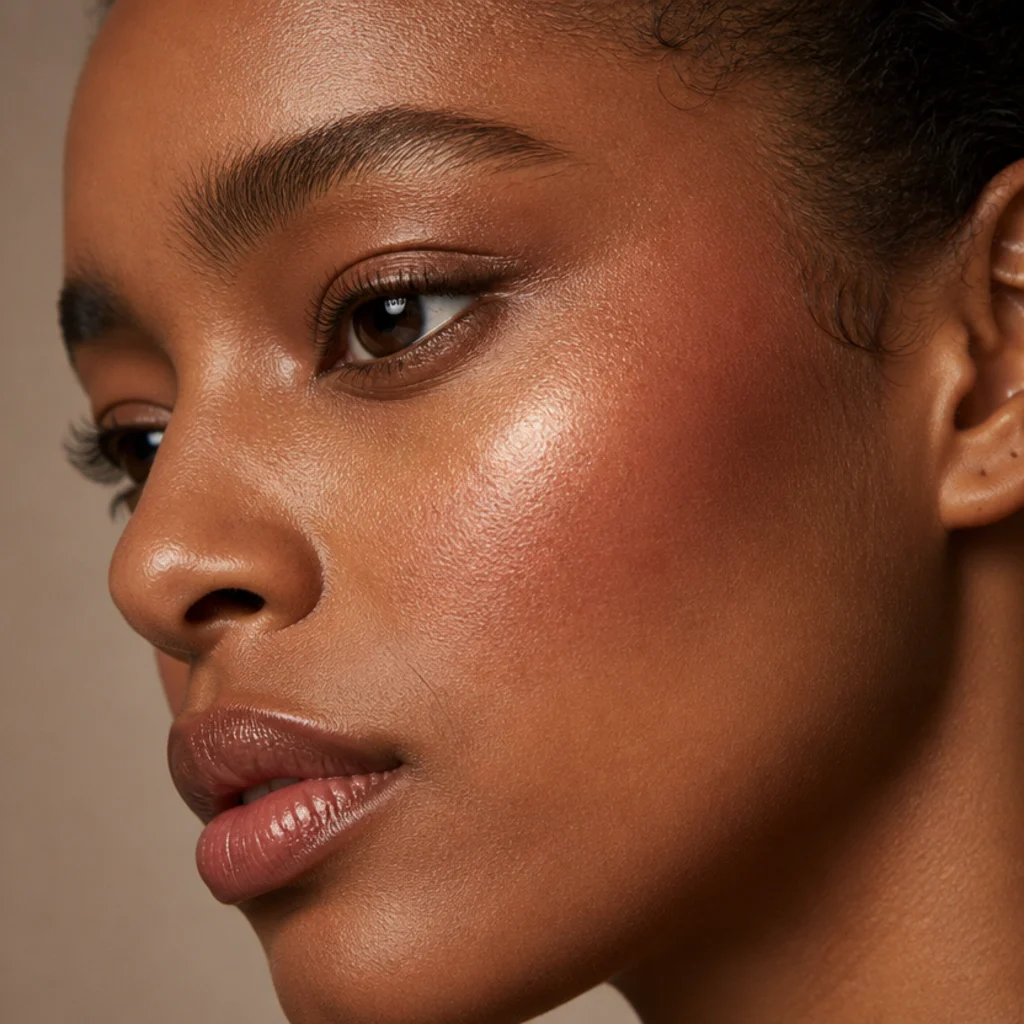
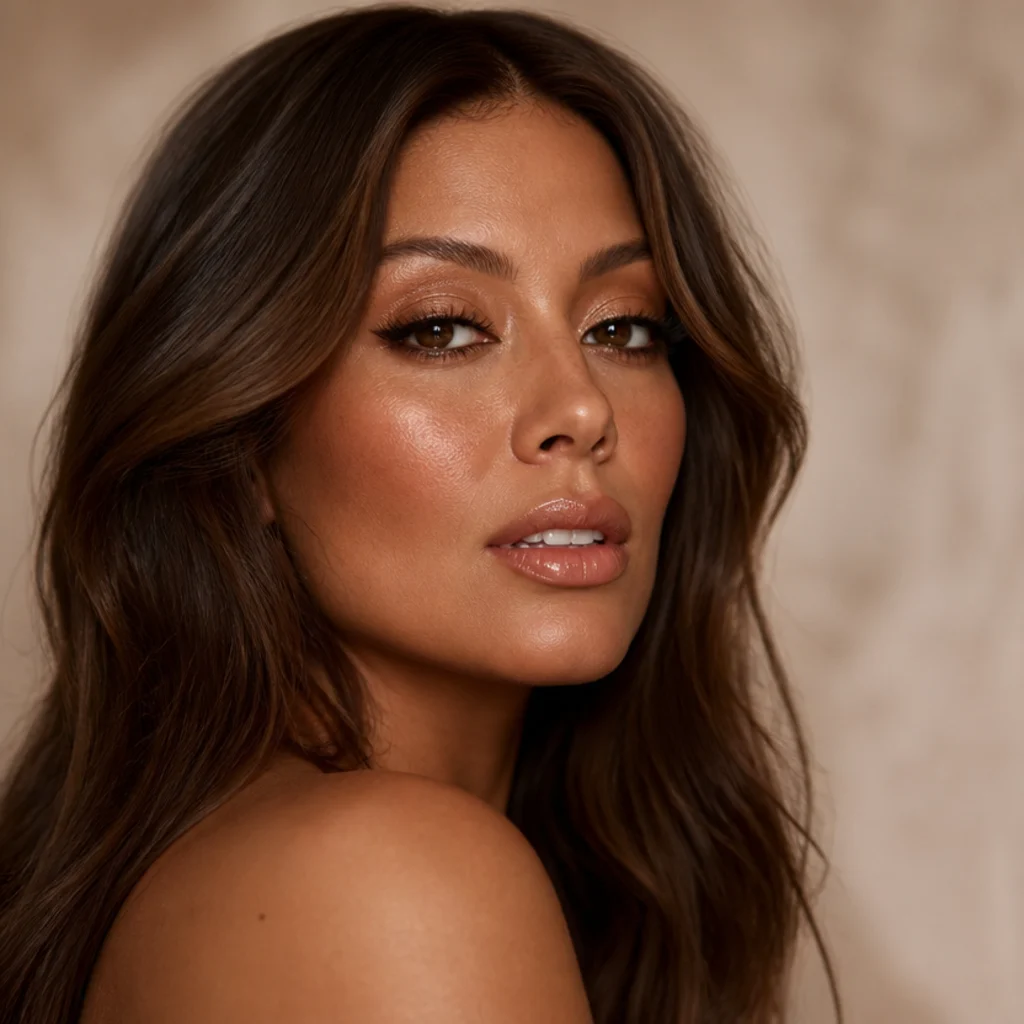
A fully matte face misses the entire point of 70s glam makeup, which lives on luminosity — disco-era skin looked lit, dewy, and warm, never powdered flat. Blanketing everything in mattifying powder collapses the dimension the look depends on. Rebuild the glow in layers: sweep a cream bronzer where the sun would naturally hit (forehead, cheekbones, bridge of the nose), press a warm terracotta or peach blush high on the cheek and blend it up toward the temple, and tap a gold or champagne highlight onto the cheekbone and brow bone. Swapping a matte lid for a satin or glossy one echoes the same wet-light finish. Skin type dictates strategy: oily and combination skin should set only the T-zone and chin with a sheer powder while leaving the tops of the cheeks bare so light still catches; dry skin can skip powder almost entirely and lean on cream-on-cream layering. Choose a subtle champagne highlight over a sharp white one — the seventies glow was soft and golden, not laser-cut. Pro tip: apply cream products before any powder and blend with warm fingertips; body heat melts them into the skin for that lit-from-within finish. Ask your makeup artist to "keep the skin luminous, matte only where it's oily."
Save this to Pinterest so your glow-map is one tap away.
05Mismatching the lip to the whole era
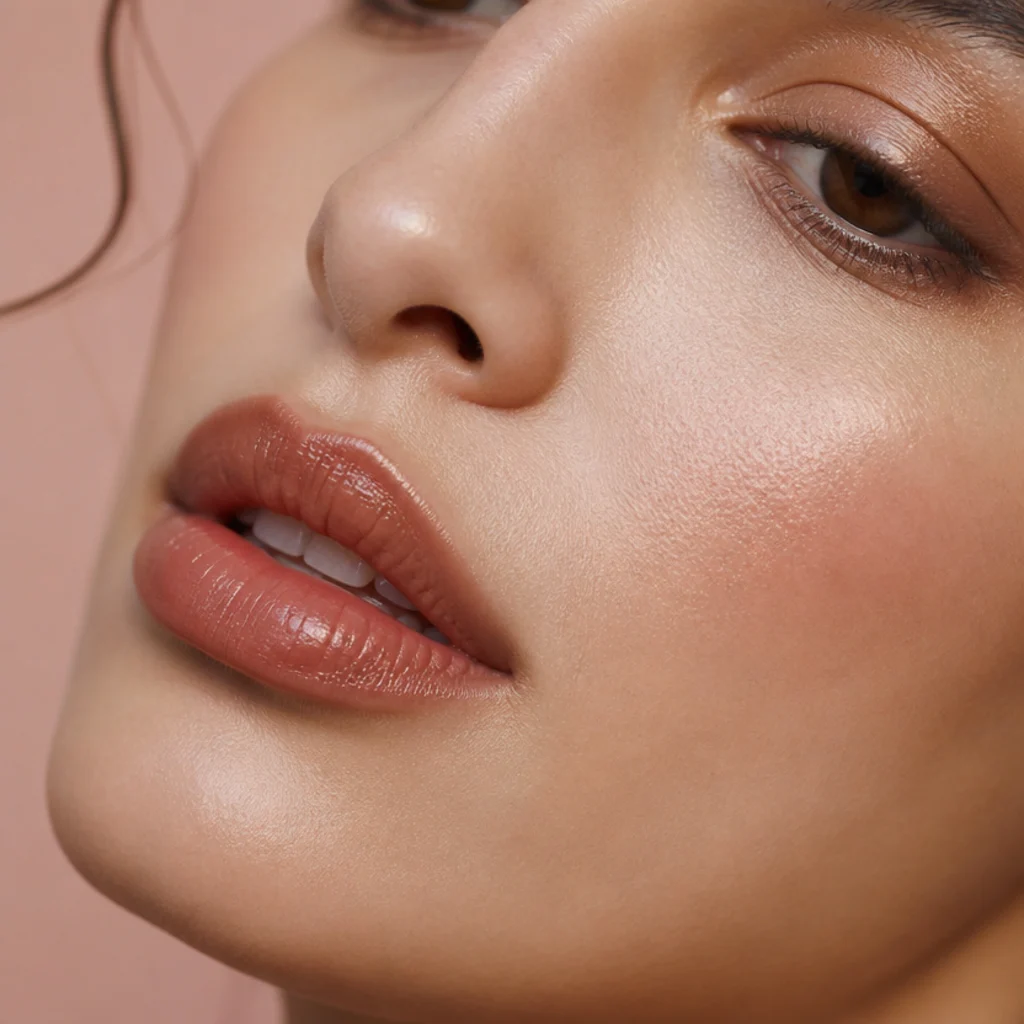
A bright cool fuchsia, a stark modern liner, or a flat opaque bullet can undo an otherwise flawless seventies face in one swipe. The era's lips leaned warm and glossy: honey and caramel nudes, terracotta, brick, rosy brown, oxblood, and soft muted berry, almost always finished with shine rather than a full matte. The mistake is treating the lip as an afterthought and reaching for whatever bold color happens to be within arm's reach. Instead, let the lip echo the warmth already on the eye. A glossy tawny nude keeps the focus up top for a Cher makeup 70s sculpted eye; a warm brick or terracotta gloss balances a softer, simpler lid and can lead the whole look if you keep the eye quiet. Build color the seventies way — blot a first layer into the lip for a stained base, then add gloss on top for a lived-in finish rather than a heavy opaque coat. Line lightly with a pencil within a shade of your natural lip tone, feathering it inward so nothing looks drawn on. Pro tip: press a warm brown or brick pencil into the center of the lip and blend outward under the gloss for subtle, era-appropriate dimension. Ask your makeup artist for a "warm glossy lip that matches the eye — nothing cool or hard-lined."
Pro Tips from the Editor
- Warm every layer. Base, bronzer, blush, shadow, and lip should all read on the warm side of neutral; a single cool product anywhere in the chain is what most often breaks the era.
- Blend past the point you think you're done. Give the crease and blush edges an extra 20–30 seconds with a clean brush — undiffused edges are the number-one giveaway on camera and in daylight.
- Reach for cream first, powder last. Cream bronzer, blush, and shadow melt into skin for the lit finish; use powder only to set, and only where you need it.
- Feather the lower lash line. A few individual lashes or short pencil flicks under the eye do more for a Cher-style look than a heavy top liner ever will.
- Test tones in daylight, not bathroom light. Warm bulbs flatter almost any shade; natural light reveals whether a "bronze" is actually leaning ashy or gray.
- Keep the skin breathing. Leave the high points of the cheeks free of powder so light catches there — that reflective sheen is the difference between "seventies glow" and "matte modern."
- Match hair to the mood. A center part, soft waves, or a loose shag reinforce the era; slicked-back or sharp modern styling can quietly fight the softness of the makeup.
70s vs. Modern Glam: What Actually Changes
| Element | Seventies approach | Common modern habit to skip |
|---|---|---|
| Color temperature | Warm: terracotta, copper, rust, gold | Cool grays, silvers, ashy mauve |
| Crease | Soft diffused halo, no edge | Sharp cut crease, hard line |
| Brows | Full, brushed up, gently arched | Carved, squared, heavily laminated |
| Skin finish | Luminous, dewy, cream-based | Fully matte, powder-set all over |
| Highlight | Soft champagne or gold | Bright white, laser-sharp |
| Lip | Warm nude, brick, glossy | Cool fuchsia, flat opaque matte |
| Liner | Feathered, smudged, optional | Crisp graphic wing |
How to Choose / Get the Look
Start by deciding where you want the drama to sit, because a seventies face leads with one feature, not three. If you want to lead with the eye, commit to a Cher makeup 70s vibe: a sculpted bronze wash blended high through the socket, feathered lower lashes, and a glossy nude lip that stays deliberately quiet. If you'd rather lead with the lip, keep the eye to a simple one-shade copper wash and let a terracotta or brick gloss carry the look. Then match warmth to your undertone: golden, peachy, and bronze shades flatter warm undertones; brick, russet, and rosy brown suit cool undertones without turning ashy; olive skin has the widest range and can push into moss and oxblood. Choose your formula by skin type: creams give the easiest glowy blend and suit dry-to-normal skin, while a thin powder layer on top keeps oily skin from sliding by mid-day. Factor in eye shape: hooded and monolid eyes want the color floated higher so it reads open; round eyes benefit from a slightly outward-dragged halo. Finally, style the frame — for 70s makeup and hair that agree, a center part, soft waves, or a loose shag all echo the decade. Above all, keep every edge soft. Diffusion is the through-line that ties the whole era together: build in thin layers, blend more than feels necessary, and stop before it looks heavy.
Frequently Asked Questions
What colors define 70s makeup?
Warm earth tones drive the whole palette: terracotta, copper, rust, golden brown, olive, oxblood, and burnt sienna on the eyes, with honey, brick, and rosy-brown lips. Warmth and glow are the signatures — if a shade reminds you of autumn light or analog film, it belongs; if it reads cool, gray, or icy, it fights the era.
Is 70s makeup hard for beginners?
No. The one real skill is soft blending rather than precision, which makes it more forgiving than a graphic liner look. If you can diffuse a crease and layer a gloss, you can wear it, and cream products make it easier still because they move under your fingers and forgive uneven edges.
How do I get a Cher-style 70s eye?
Build a sculpted bronze or oxblood wash through the socket, blend it high and edgeless so it reads with the eyes open, add feathered individual lower lashes or short pencil flicks, and keep the lip a quiet glossy nude so the eye leads. Straight center-parted hair completes the reference.
Does 70s glam makeup work on all skin tones?
Yes. Deep skin glows in rich bronzes, antique gold, and warm plums; medium and olive skin suits brick, russet, and moss; fair skin stays luminous in apricot, peach, and tawny brown. The trick is choosing the depth of warm shade that flatters your undertone rather than defaulting to one universal "bronze."
Should 70s makeup be matte or glowy?
Glowy. The era relied on luminous, dewy skin, satin or glossy lids, and warm cream blush. Set only oily areas with a sheer powder and leave the high points of the cheeks bare so light still catches — a fully matte face is one of the quickest ways to lose the seventies feeling.
What's the best lip for a 70s look?
A warm glossy lip: honey or caramel nude, terracotta, brick, rosy brown, or muted berry, finished with shine. Blot a first layer for a stained base, add gloss on top, and line lightly within a shade of your natural lip color. Skip cool fuchsias and stark modern liner.
How do I keep 70s makeup from looking like a costume?
Diffuse every edge, keep all your tones warm, brush brows up instead of carving them, and leave the skin luminous rather than flat. Costume energy comes from hard lines and cool colors; wearable seventies energy comes from softness and warmth in equal measure.
What hair goes with 70s makeup?
A center part is the fastest era signal, paired with soft bouncy waves, a feathered blowout, or a loose shag with curtain fringe. For 70s makeup and hair that read as one look, keep the styling soft and slightly undone so it matches the diffused makeup rather than a sharp modern finish.
How long does a 70s makeup look last?
A cream-and-gloss version holds roughly 5–7 hours before the lid and lip want a refresh, especially on oily skin. Setting the T-zone with a sheer powder, using a cream shadow base under powder, and blotting-and-relayering the lip all extend wear without sacrificing the glow.