15 Easy Dyson Airwrap Styles for Short Hair
Short hair and an air-styler are an efficient match: less length to wrangle means faster sets, more root lift, and bounce that actually lasts past lunch. These 15 easy Dyson Airwrap styles for short hair map bobs, lobs, pixies, and grown-out crops to the exact barrel diameter, section size, undertone, and upkeep window each finish needs — so you pick a look that fits your cut, your texture, and your real mornings, not a salon's.
 Edited by Lena Rose · Published July 11, 2026 · 33 min read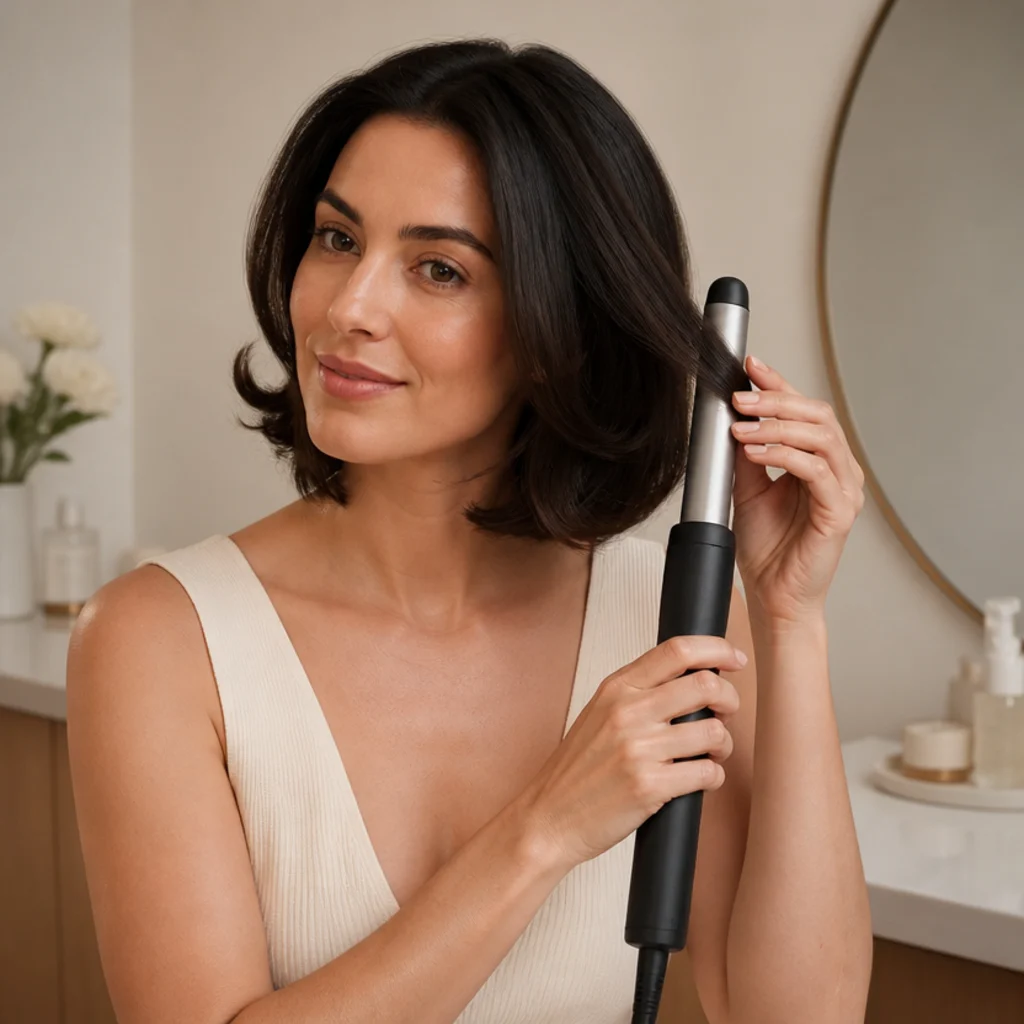
Quick Answer
- Best for: Chin- to shoulder-length cuts — blunt bobs, layered lobs, French bobs, Italian bobs, and grown-out pixies that want volume, movement, and a shape that reads intentional rather than accidental.
- Who might skip it: Very tight coils or fragile, over-processed, or chemically straightened hair (the tension and airflow can fight the pattern or stress weak bonds), and buzzed or ultra-cropped cuts with under an inch to wrap onto the barrel.
- Maintenance: Low to medium. Most looks refresh in 5–10 minutes on day two; a cool-shot set plus a silk pillowcase stretches a blowout to day three.
- Difficulty: Beginner to intermediate. Shorter sections are more forgiving on heat but slip off the barrel faster, so precision and section size matter more than they do on long hair.
- Cost: The styler is a premium one-time buy (typically several hundred dollars, region- and bundle-dependent); ongoing spend is just heat protectant, a light serum or gloss oil, and the occasional clay or texture cream — call it a modest monthly outlay.
- Wear time / longevity: A cool-set blowout or under-curl holds roughly a full day and often overnight, because short lengths carry less weight to drag the shape out; spirals and slick-backs can push into a second day with a scarf or extra product.
- Standout variation: The Flippy '70s Bob (No. 6) delivers the most payoff for the least effort and reads current on nearly every collarbone length.
- How to ask your stylist: Bring two saved photos and describe the finish and weight line, not just the length — specify whether you want blunt density for sleek looks or disconnected interior layers for waves and flips, and name the exact shape (blunt, graduated, French, textured lob).
In This Guide
Why Short Hair Loves an Air-Styler
Short hair rewards speed, and an air-styler is engineered to work with damp, roughly 80-percent-dry hair rather than searing it bone-dry the way a hot barrel does. That Coandă-airflow approach — high-velocity air bent around the barrel to draw hair to the surface — means lower cumulative heat stress and quicker mornings, which is exactly why an easy Dyson Airwrap routine suits bobs and pixies so well. With less length to move, the airflow grabs and shapes each section in seconds, so a full head takes a fraction of the time a dyson airwrap long hair routine demands.
The trade-off is precision. Short sections slip off the barrel more easily and can over-wrap at the ends into a tight ringlet, so a smaller-diameter attachment, thinner sub-sections, and clipped-away layers make the single biggest difference to your result. Texture matters just as much: fine hair leans on root-lift and volumizing brushes, medium hair takes the widest range of finishes, and coarse or wavy hair grips curl beautifully but wants a lighter finishing hand and lower airflow to stay frizz-free. Undertone plays in too — cool ash and espresso shades read glassier under a smooth finish, while warm honey, copper, and caramel catch the light best in movement-based waves and flips.
Throughout this guide you'll find looks that lean into those strengths: bouncy dyson airwrap blowout shapes, curled-under bobs, piecey pixie volume, and soft dyson airwrap curls for lobs. Each idea notes who it flatters by face and hair type, the realistic upkeep window, one concrete pro tip, and how to describe it to your stylist so your cut actually supports the finish.
Match the attachment to the length and finish before you touch a single section:
| Attachment | Best on | Delivers | Watch-out |
|---|---|---|---|
| Small barrel (smaller diameter) | Pixie–chin bobs | Tight-to-medium curls, spirals | Over-wraps ends fast; keep sections thin |
| Large barrel (wider diameter) | Lobs, longer bobs | Loose waves, soft bends | Can slip on very short lengths |
| Firm smoothing brush | Medium–thick bobs | Glass-straight, slick-back | Too much tension flattens fine roots |
| Round volumizing brush | Fine, flat, or cropped hair | Root lift, bouncy blowout | Aim heat at the root, not mid-shaft |
01Soft Bouncy Blowout
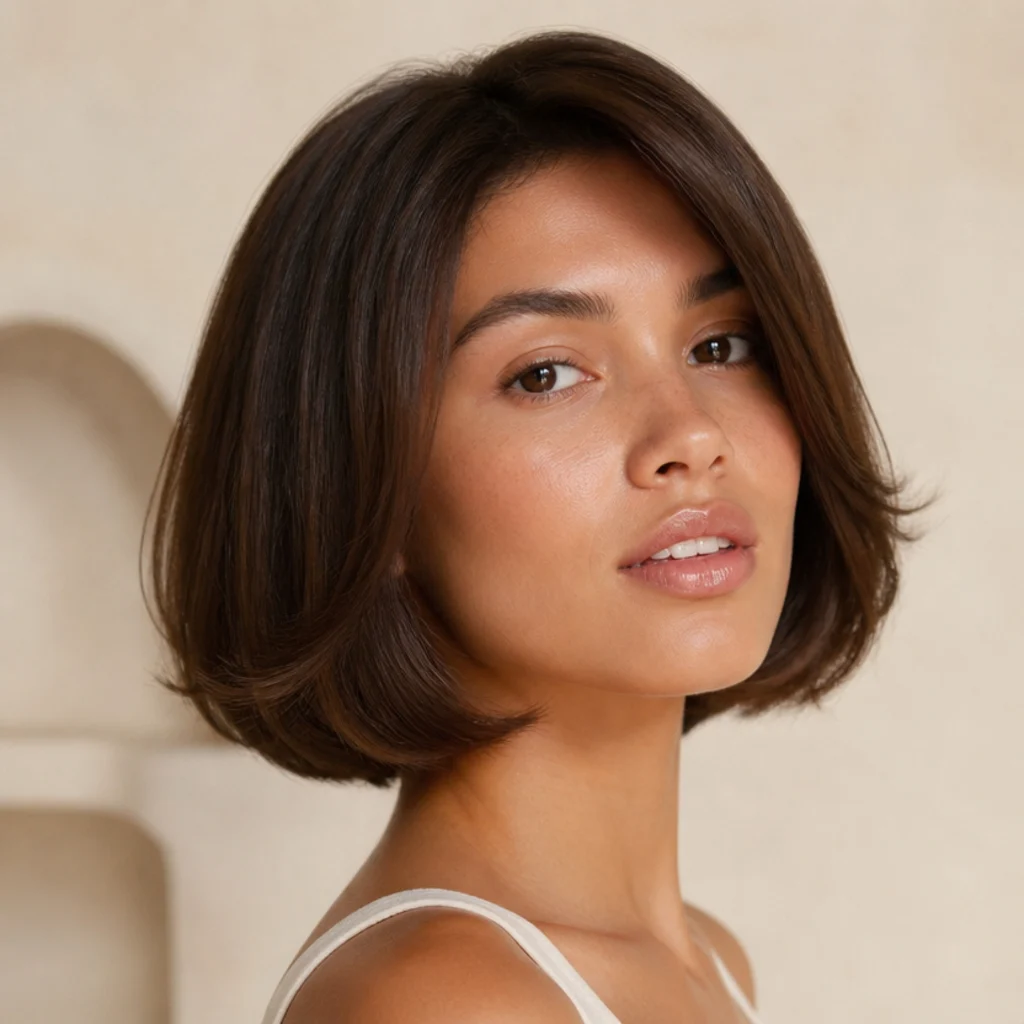
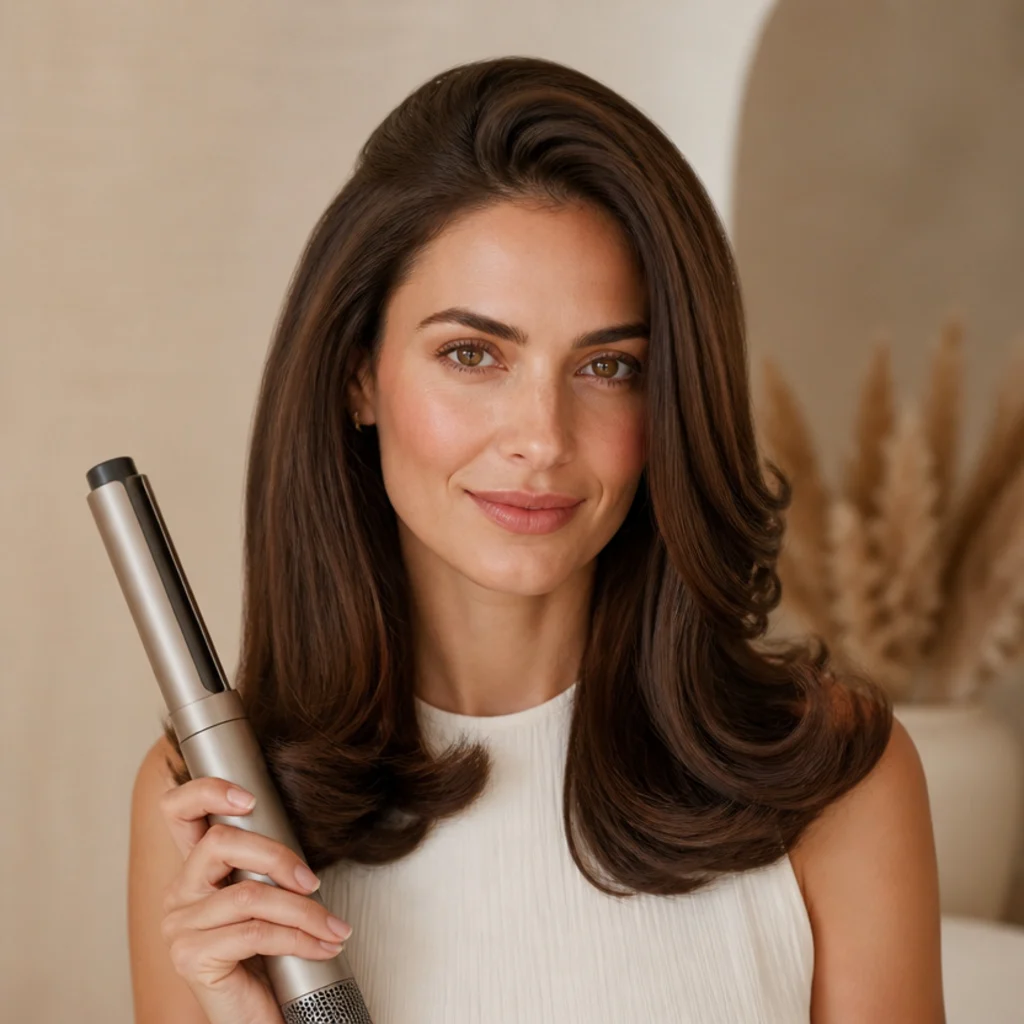
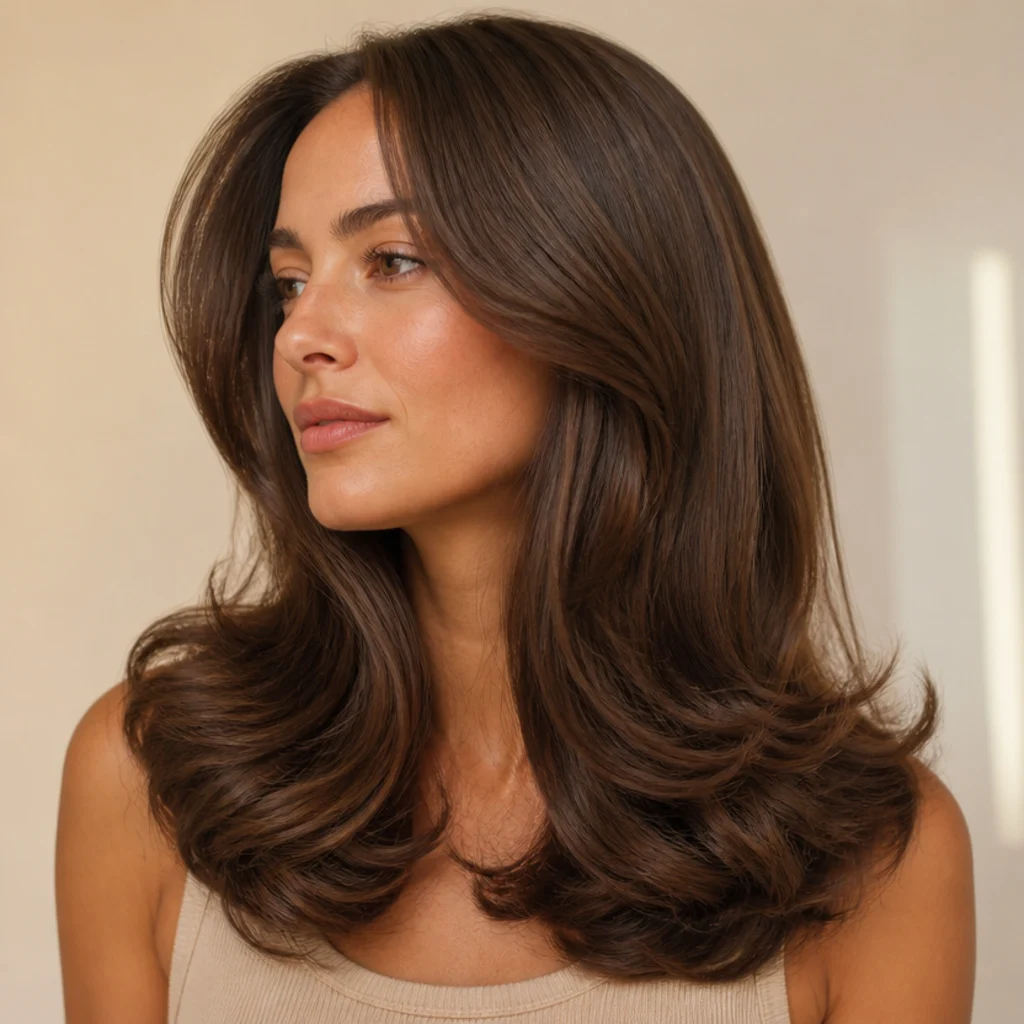
The classic dyson airwrap blowout is the short-hair gateway look: rounded volume through the crown with ends that curve gently under, reading soft and expensive without a single tight curl. It flatters nearly every face shape and is the great equalizer for fine-to-medium hair that falls flat by midday. Work in clean horizontal sections from the nape upward — no wider than the barrel is long — drawing each down the barrel with light, even tension and letting the airflow roll the ends under. The technique detail that separates a real blowout from a limp one is the finish: hold a two-second cool shot on each rolled end to lock the bend, then release without tugging. On the crown, over-direct sections slightly forward of their natural fall so the lift sits ahead of gravity and doesn't collapse by noon. Upkeep is low — a 60-second root re-lift on day two revives the whole shape, and a boar-bristle brush redistributes oils instead of flattening. It shines in warm mid-brown and caramel tones that show off the curve. Pair it with soft, natural makeup so the hair stays the statement. Ask your stylist for a blunt or lightly graduated bob with subtle internal layering so the shape has body to bend and hold.
02Sleek Straight Bob
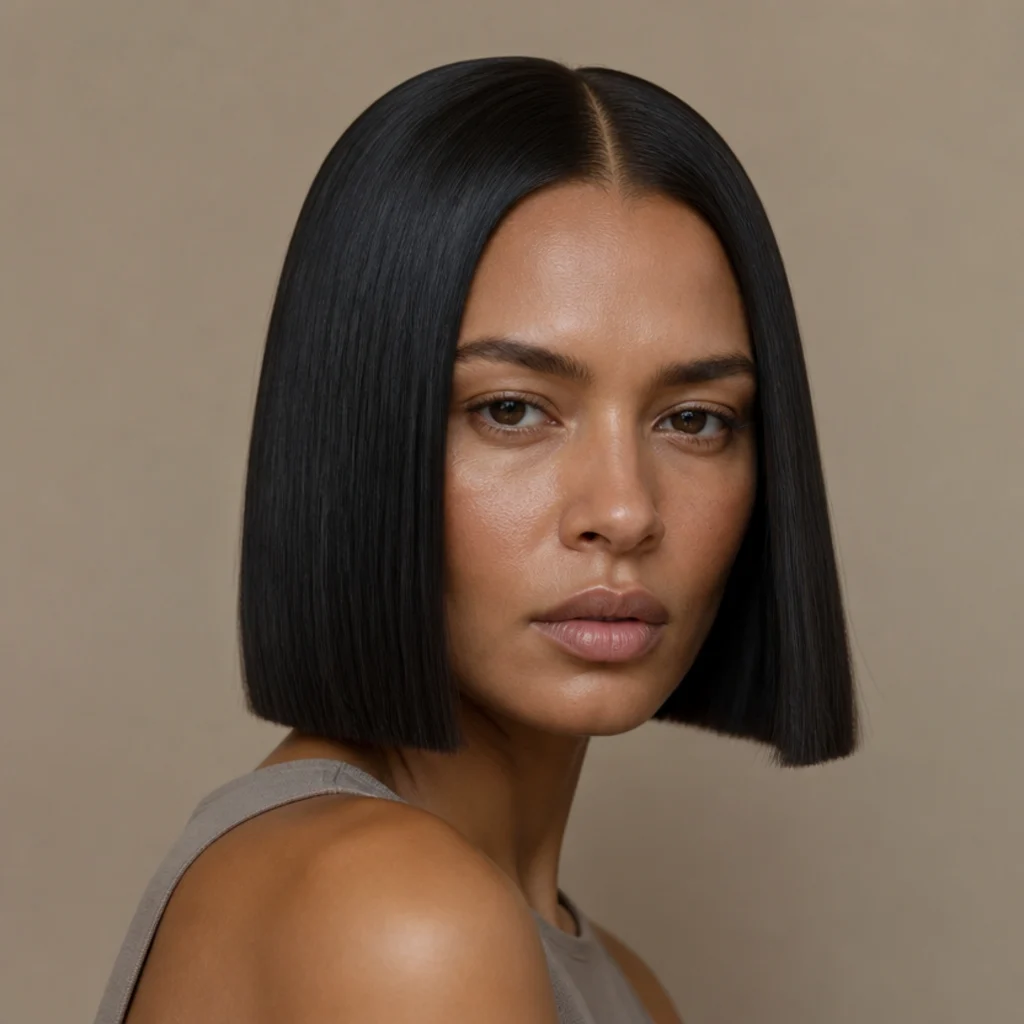
Not every short style needs curl, and a poker-straight bob is one of the more modern looks on this list. Using the firm smoothing brush, pull a blunt bob glass-straight with a clean, architectural finish that flatters strong jawlines, angular features, and anyone drawn to minimalist styling. Straighten in small sections with steady, slow passes, keeping continuous tension from root to tip — rushing leaves a bent, half-set kink at the mid-shaft that no serum hides. A single drop of lightweight silicone serum on the mid-lengths and ends controls flyaways without greasing the roots. This is best on medium-to-thick hair with the density to lie flat; very fine hair benefits from a quick round-brush root lift first so the flat finish doesn't read limp against the scalp. Cool, ash-toned and espresso shades look especially expensive here because a smooth cuticle throws light cleanly, with no warm brassiness to break it up. Maintenance is low but humidity-sensitive, so a smoothing cream is your insurance in damp weather. Pro tip: finish with a cool pass down each section — cool air closes the cuticle and is what actually delivers the mirror-flat shine, not more heat. Request a precise blunt bob with clean perimeter lines to show off the edge, and ask your stylist to point-check the corners so they stay sharp.
03Tousled Beach Waves
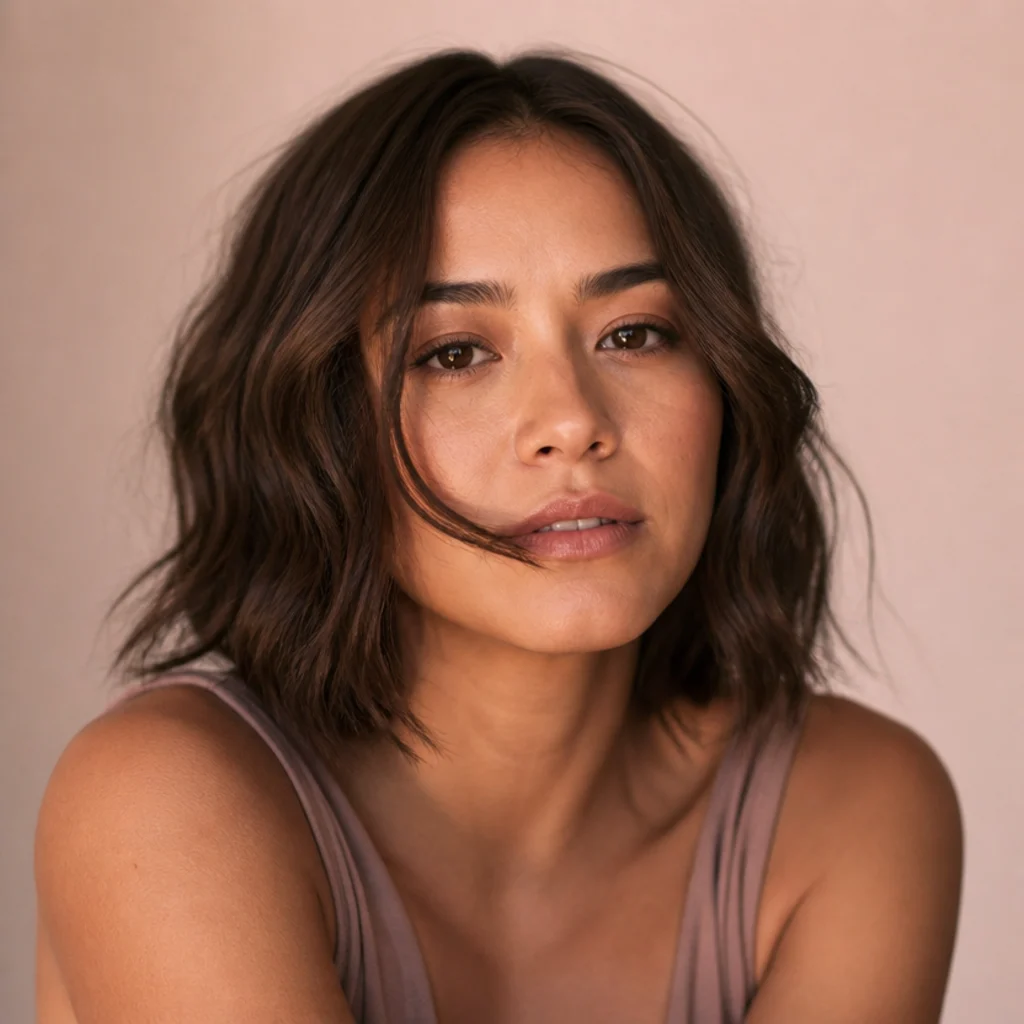
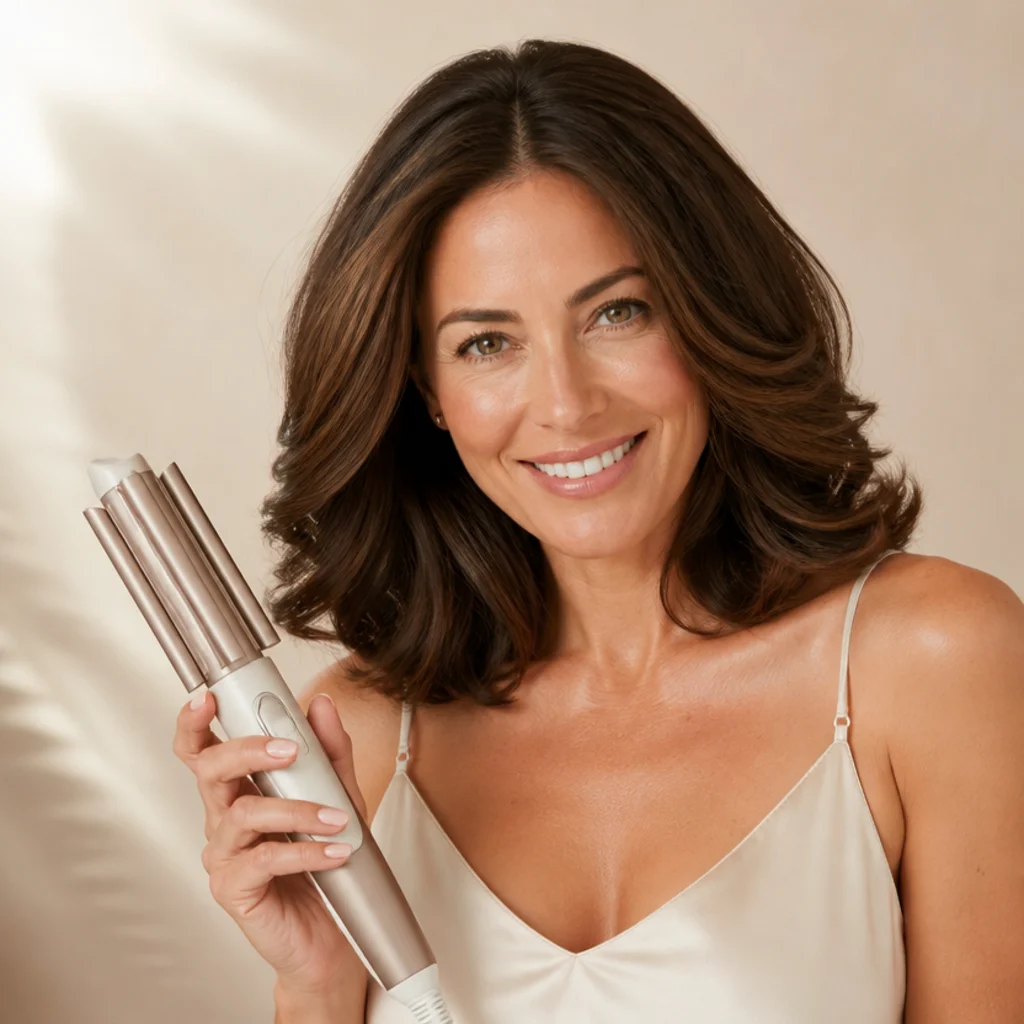
For an off-duty finish, alternate curl directions down each side of the head to build undone, lived-in dyson airwrap curls that never look "set." Wrapping some sections toward the face and the next away is the whole trick — mirrored curls read as a uniform blow-dry, while alternating ones read as effortless waves. This works best on lobs and longer bobs with a little length to swing, and it flatters relaxed, casual styling on straight-to-wavy hair. Leave the last inch of the ends out of the barrel for that modern, undone tip rather than a rolled ringlet, and keep the barrel on a medium-heat, medium-airflow setting so the bend stays soft. Once every section has fully cooled — waves set as they drop from warm to room temperature, so patience here is non-negotiable — rake fingers through and scrunch a pea of texture cream or a spritz of salt-free sea mist through the mid-lengths to loosen and separate. Warm honey and dimensional caramel read most sun-kissed in this movement. Upkeep is refreshingly forgiving; second-day bedhead actually improves the shape, and a bit of dry texture spray revives it in seconds. Naturally curly textures can borrow the look with a lighter, quicker pass to avoid frizzing their own pattern. Ask your stylist for a lob with soft, disconnected interior layers so the waves have room to move.
04Volumized Pixie Lift
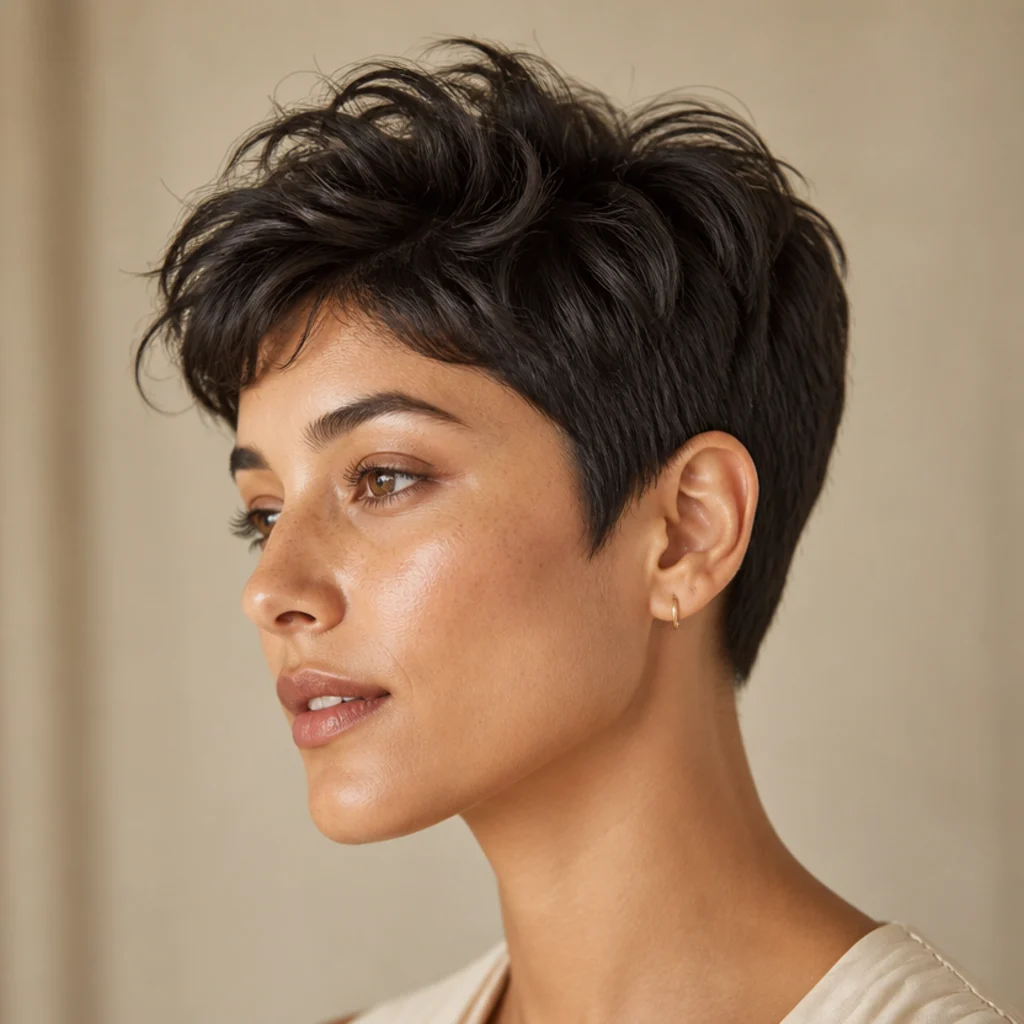
Yes, a pixie can use an air-styler — you're building height and separation, not curl. With the small round volumizing brush, lift each top section straight up at the root, direct airflow into the base, and let the crown build airy dimension while the sides stay smooth and close to the head. This suits pixies and short crops that need lift on top, and it flatters delicate features, shorter necks, and rounder faces by drawing the eye upward and elongating the silhouette. The move that makes it look editorial rather than fluffy is finishing the ends piecey: work a whisper of matte paste or clay through cooled tips with fingertips, never a comb, to define separation without flattening the lift. Keep heat low and passes brief — short crops scorch faster because the hair sits closer to the scalp, and there's no length to absorb excess heat. Warm copper and soft strawberry tones make the piecey texture pop; cool platinum reads sharper and more graphic. Maintenance is minimal but daily; a pixie resets to flat overnight, so budget a two-minute morning lift. Pro tip: mist a trace of volume powder at the roots before styling so the height has grip to hold all day. Ask your stylist for a pixie with graduated, textured top layers so there's something to lift.
05Curled-Under Bob
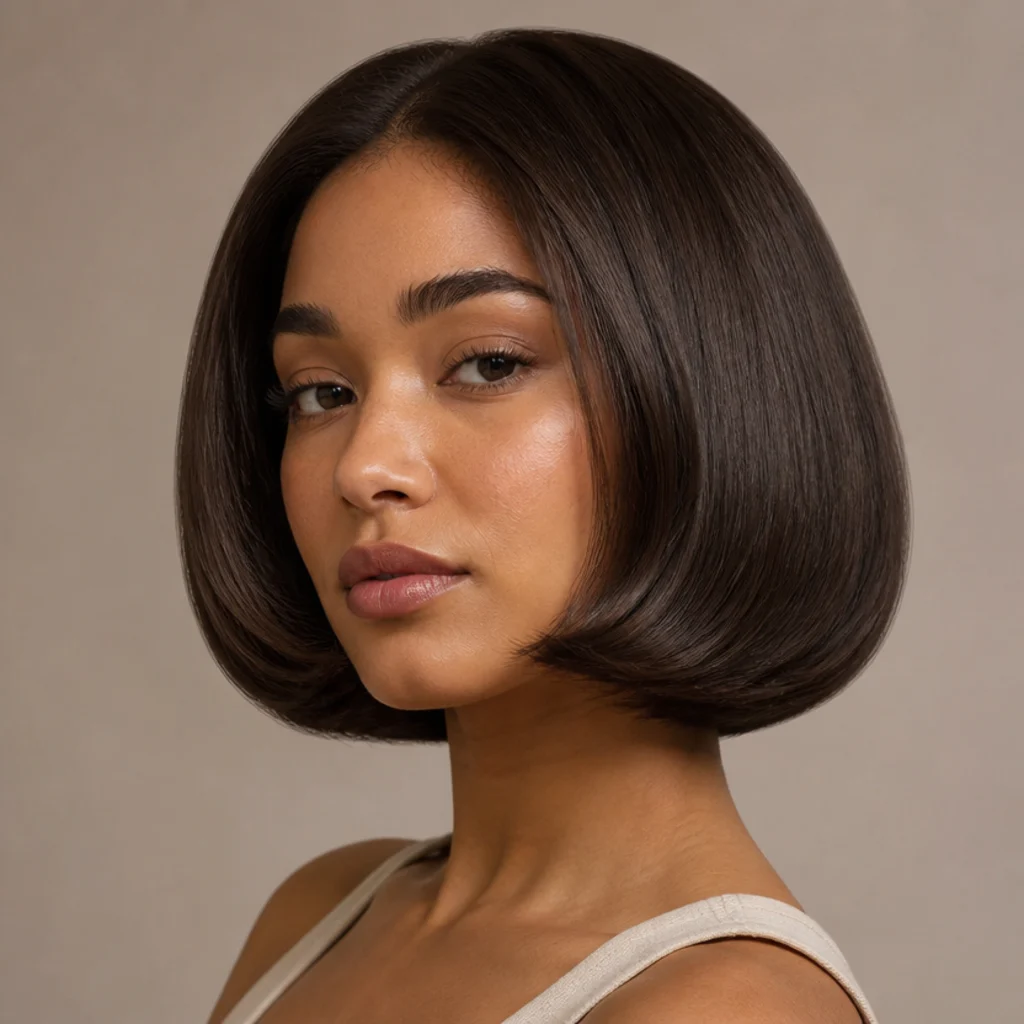
A uniform under-curl gives a bob that retro, doll-like roundness that feels both polished and a little playful — think 1960s flip in reverse. Wrap every section in the same direction, curving the ends toward the neck, and hold each on the barrel a beat longer before a firm cool shot to lock the curve. Consistency is everything here: one section rolled the wrong way breaks the smooth dome, so keep your wrist angle identical all the way around and work methodically from nape to crown. This look loves a blunt, one-length bob and flatters round and heart-shaped faces by softly framing and closing off the jaw. It's best on medium hair with enough weight to hold the shape; very fine hair may need a light setting spray misted on before you wrap. Rich chestnut and glossy espresso suit the polished, rounded surface — the deeper the tone, the more the shine reads. A shine mist applied from above seals the smooth top surface without weighing the curl. Pro tip: curl the front two sections last and slightly tighter, so the face-framing pieces stay crisp after the back has relaxed a little. Ask your stylist for a solid, blunt cut with minimal layering so the under-bend stays clean rather than wispy.
Save this to Pinterest to build your short-hair styling mood board.
06Flippy '70s Bob
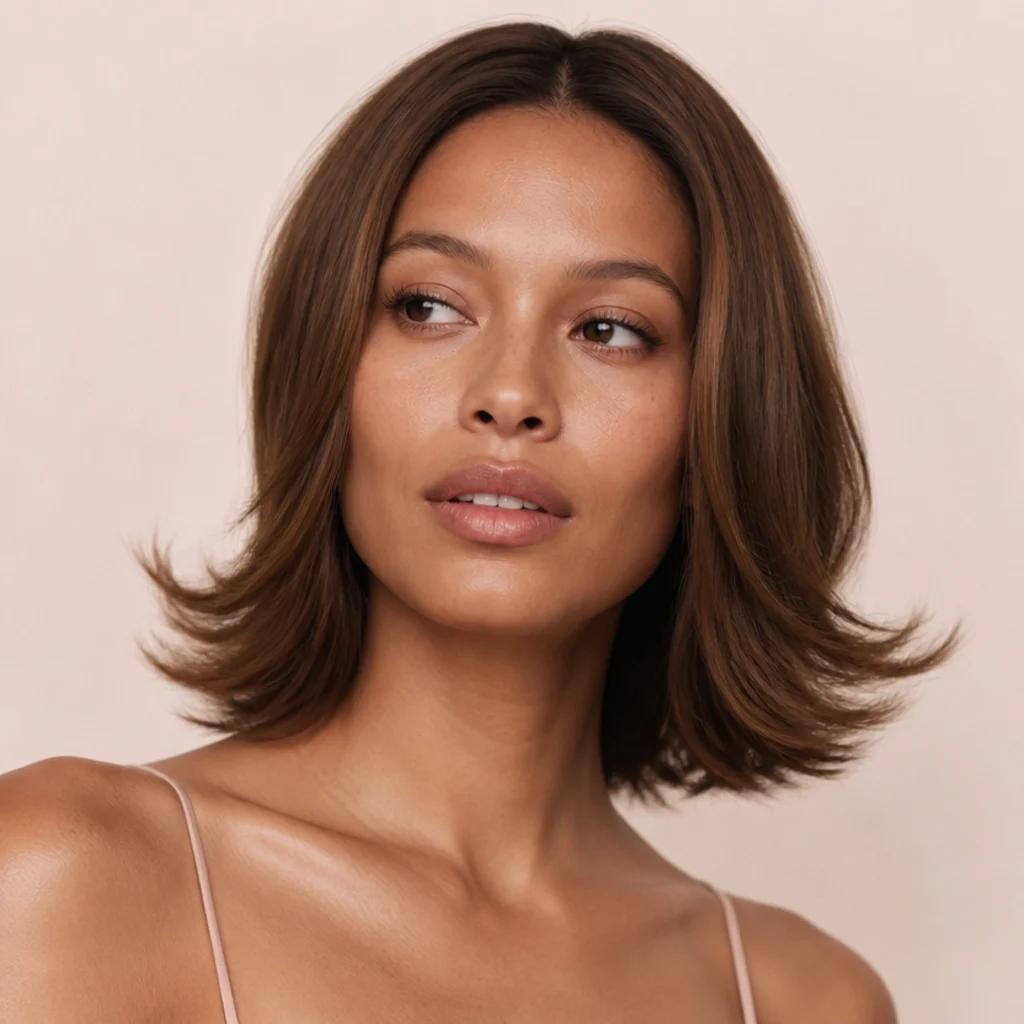
The flippy bob turns the ends outward instead of under for a breezy, retro-modern feel, and it's the biggest reward for the least effort on this list. Wrap the lower sections away from the face so the very tips kick out, then add a soft, open bend through the lengths above so the flip looks connected rather than tacked on at the ends. It suits collarbone bobs and flatters long, oval, and narrow faces by adding width and movement right at jaw-to-shoulder level — the flick counterbalances a longer face and creates a horizontal line where you want fullness. Fine-to-medium hair holds the flip best; coarse hair can flip too but wants a lighter finishing product so the ends stay mobile rather than stiff. Soft honey highlights and warm bronde emphasize the swing by catching light on the outward curve. A flexible-hold hairspray misted from a distance keeps the movement without the crunch. Pro tip: after wrapping, give the flipped ends a two-second cool shot while gently pushing them outward with your free hand — you're training the direction, and it holds far longer than heat alone. This is a fast day-two look too; just re-flick the ends and refresh. Ask your stylist for a bob that hits at or just below the collarbone with softly texturized, slightly disconnected ends so they flick easily.
07Side-Swept Deep Part
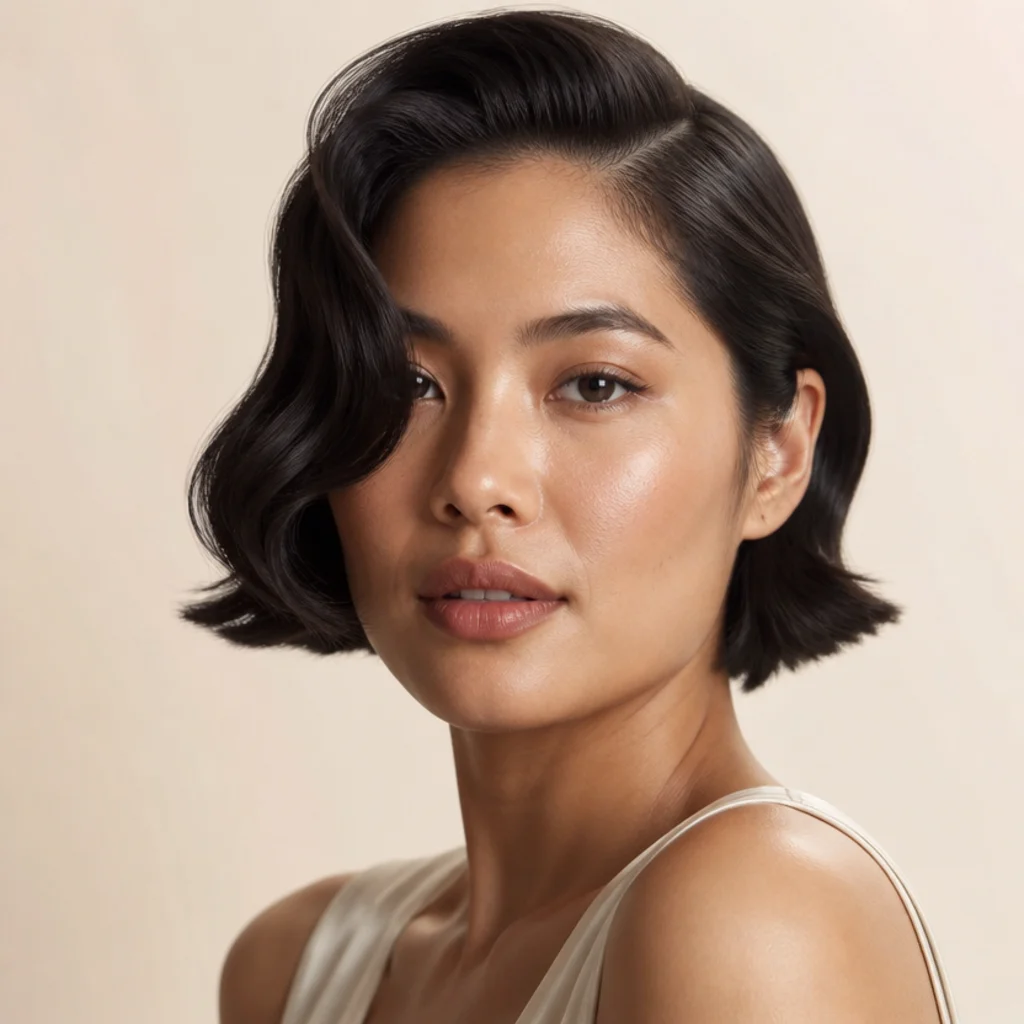
Switching from your habitual part to a deep side part instantly adds drama, asymmetry, and old-Hollywood attitude to a familiar short cut — no new haircut required. Set the part further over than feels natural (line it up roughly above the arch of one brow), style the heavier side with a soft wave that sweeps across the forehead, and let the lighter side tuck cleanly behind the ear. This flatters square and round faces by breaking up symmetry, and it adds the illusion of length to a shorter face. Direct volume up and over from the part with a round brush so the swoop has lift at its origin, then curve the front piece toward the cheekbone and cool-set it flat against the head. It works on bobs and lobs across textures, and reads especially sleek in cool brunette and deep chocolate tones. The upkeep secret is retraining a stubborn cowlick: clip the wet part in its new position and let it dry-set before you style, or it will migrate back by afternoon. Pro tip: pin the swept section flat against the head while it fully cools — the dramatic line holds all day once the bend is fully set, not just warm. Ask your stylist to point-cut a little length at the front so the sweeping piece has soft, feathered movement.
08Curtain Bangs Blowout
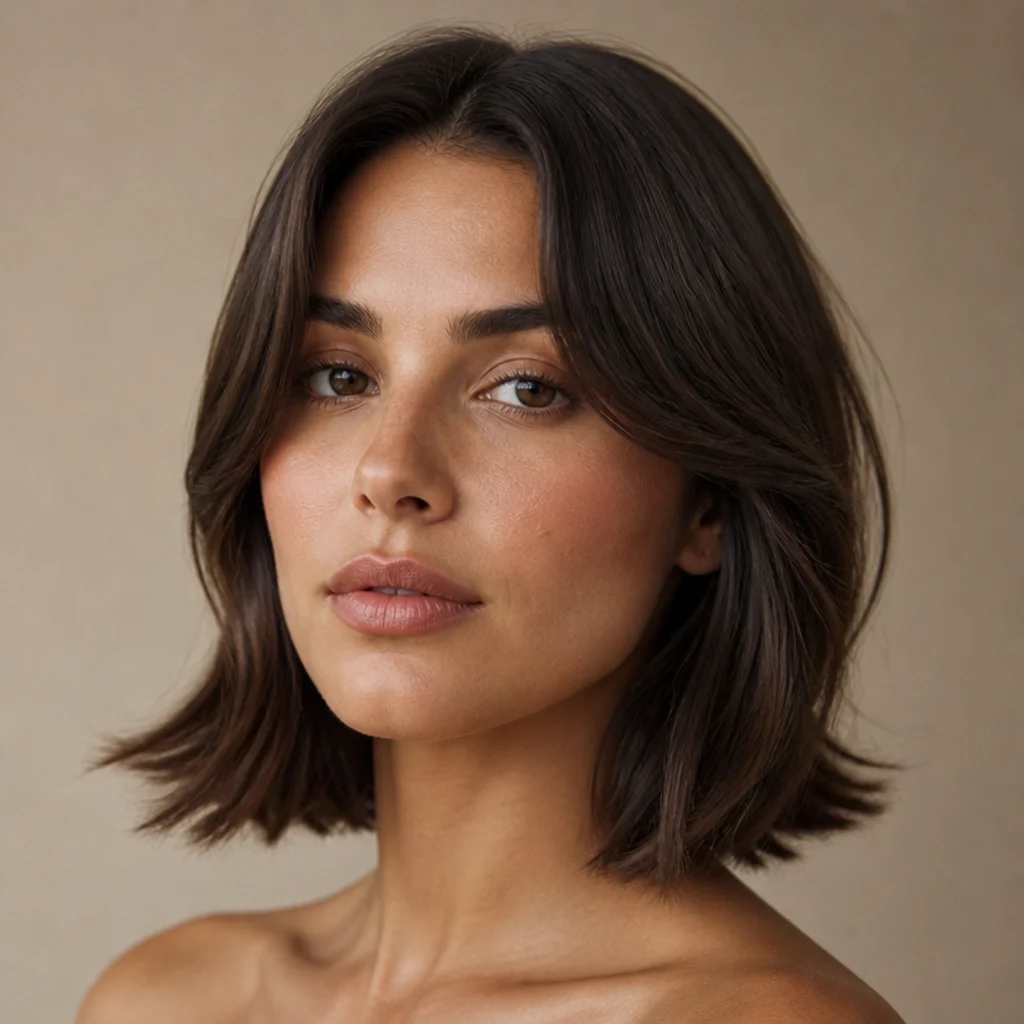
Curtain bangs are the short-hair MVP: they reframe your whole face and style in under a minute. Split the fringe down the center, and curl each side away from the face with the small round brush so the pieces open and frame the cheekbones rather than closing in on them. Pair the fringe with soft body through the lengths so the front doesn't float disconnected from the rest of the shape. This suits nearly everyone and is especially flattering on round and heart shapes, because the parted, outward sweep visually elongates the face and softens a wide or high forehead. Warm, dimensional color through the fringe adds a lit-from-within frame around the face. The honest catch is upkeep: bangs need a daily 60-second style and a shape-up trim every three to five weeks to stay in their sweet spot, or they drift long and lose the frame. Pro tip: style the bangs first, while the rest of the hair is still damp — dry, set bangs are far easier to blend into the finished look than to wrestle back into place at the end. A dry shampoo at the fringe roots keeps oil from collapsing them by afternoon. Ask your stylist for face-framing curtain bangs blended into your layers so they grow out gracefully instead of in a hard, blunt line.
09Voluminous Root Boost
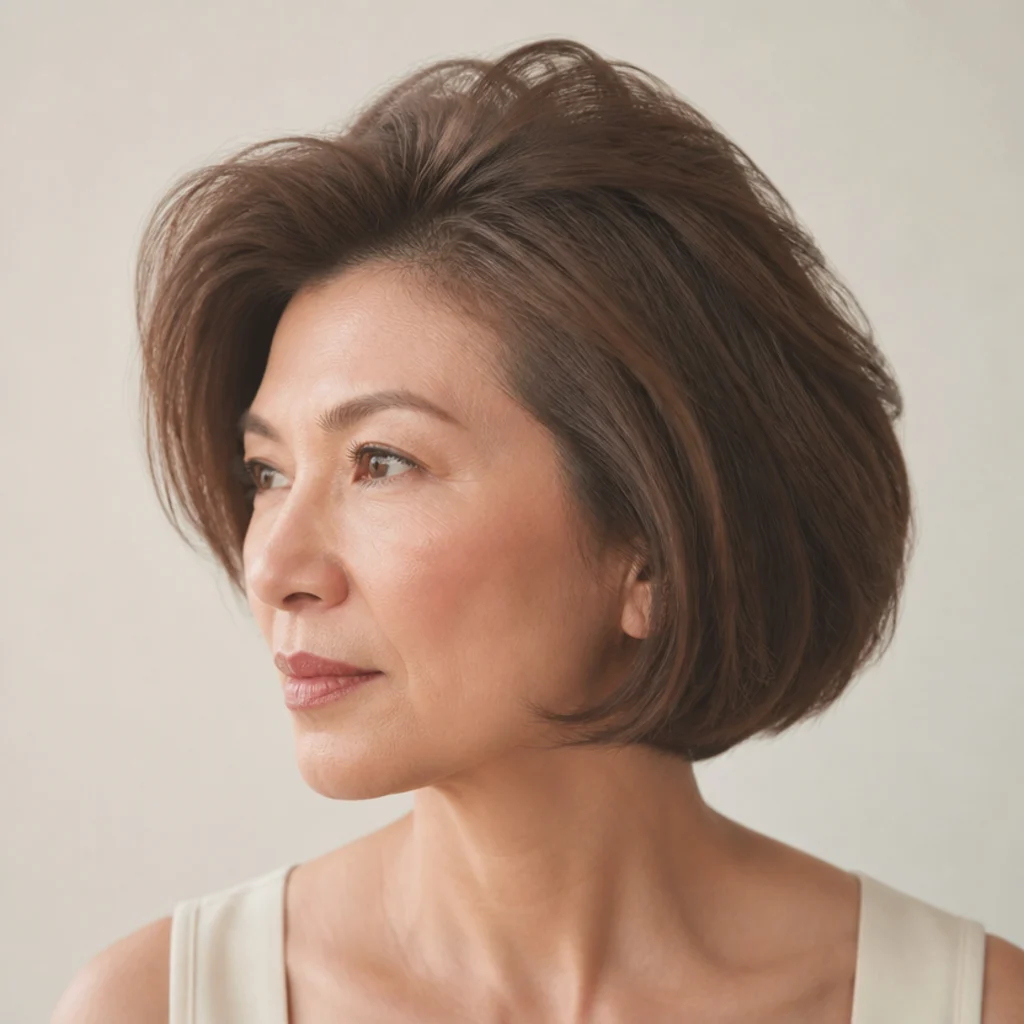
If flat, sunken roots are your daily struggle, this is the foundational fix that powers half the other looks here without getting any credit. Flip your head fully upside down and direct airflow at the roots with the round brush, lifting each section against its natural fall and cool-shotting it at the base before you release. The payoff is genuine density — hair that looks thicker and more present the moment you flip back up. This is a lifesaver for fine, limp, and thinning-feeling hair, and it flatters anyone who wants more height and structure up top. The technique detail most people miss: aim heat at the root, not the mid-shaft, and hold the lifted section perfectly still for the cool shot, because volume is set at the base or not at all. A light dusting of volume or texture powder at the roots before styling extends the lift dramatically by adding grip between strands. Maintenance is daily but quick, roughly two minutes. Treat this as a base step under the blowout, curtain bangs, or half-up rather than a standalone finish. Ask your colorist about a subtly dimensional root shadow or soft ash-blonde melt — tonal contrast at the root reads as extra fullness even before you style.
10Wavy Lob Movement
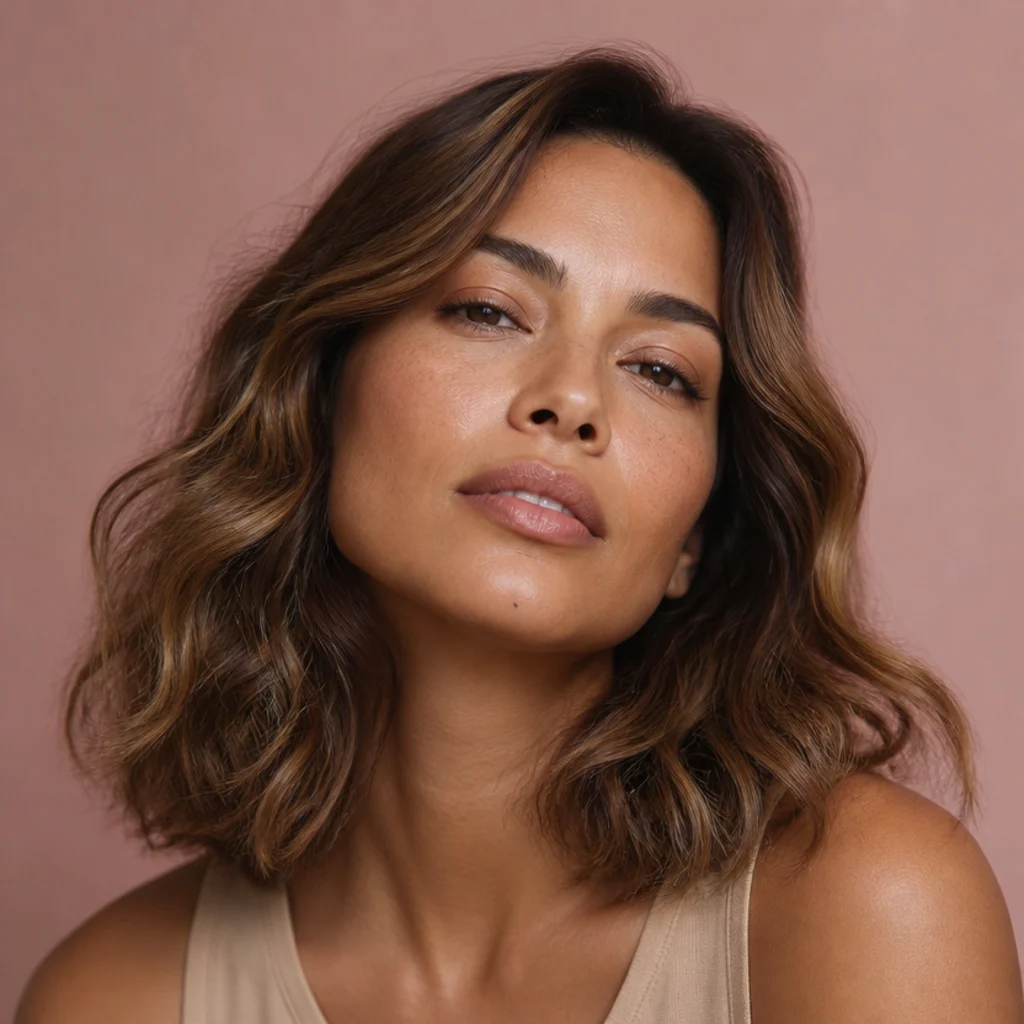
A lob, or long bob, is the sweet spot between short and long, and it carries soft, flowing S-waves better than almost any length. Curl in alternating directions but keep the bends deliberately loose and open rather than tight, then brush through gently with a wide paddle or your fingers for that undone-but-intentional swing. Leaving the ends out of the barrel keeps the wave modern instead of ringlet-y. This flatters most face shapes and reads polished yet relaxed, which makes it the ideal everyday look and an easy bridge style if you're growing a bob out toward a dyson airwrap long hair routine later. It's best on straight-to-wavy hair with a little length past the shoulder; a flexible spray keeps the waves mobile without freezing them into a helmet. Glossy caramel and bronde dimension make the S-bends look expensive, since the highlights and lowlights trace the wave. Pro tip: alternate curl direction and barrel side — feed the hair onto the left side of the barrel for one section, the right for the next — and the waves interlock into a smooth S instead of stacking into stripes. Ask your stylist for a shoulder-grazing lob with subtle long layers so the waves have somewhere to travel and don't sit as one solid block.
11Slicked-Back Wet Look
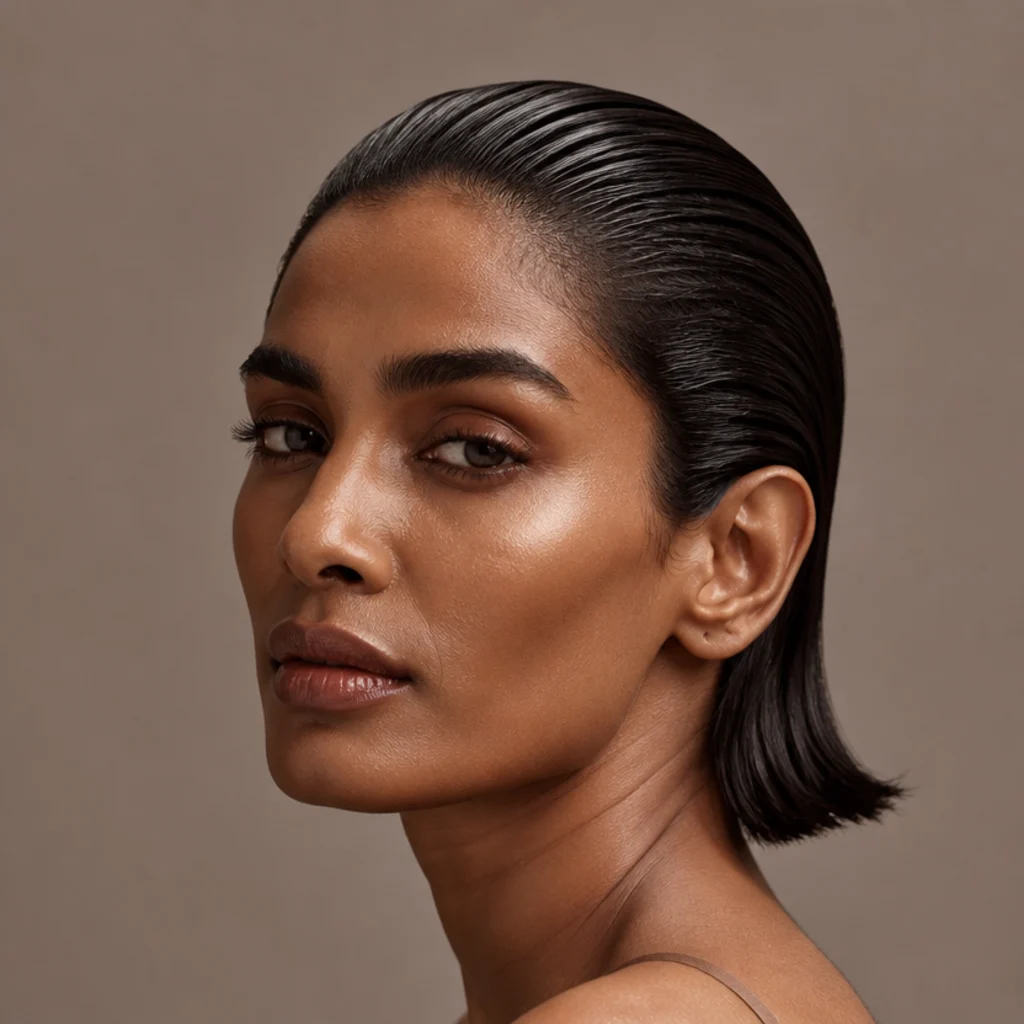
For a bold, editorial finish, the slicked-back wet look is fashion-forward and, usefully, one of the most practical looks here on a busy or greasy day. Work a strong gel, wet-look pomade, or styling cream through damp hair from root to tip, then use the smoothing brush to blow it straight back under firm tension for a glossy, sculpted surface. This flatters strong bone structure (sharp cheekbones, a defined jaw) because it removes every distraction and lets the face carry the look; it suits evening, statement, and minimalist-chic occasions. It's a genuine second-day rescue, since a little natural scalp oil only deepens the wet sheen instead of ruining it. It's best on medium-to-thick hair that holds product without separating into gappy pieces; very fine hair can look sparse and scalpy slicked flat. Deep, cool tones read most polished; the wet finish naturally darkens hair a shade, so factor that in. Upkeep is low for the day but not restyle-friendly once the product sets hard. Pro tip: keep a fine-tooth comb handy and redefine the sweep-back lines before the gel fully dries — comb tracks locked in while damp read as intentional; dragged through dry product they just crack and flake. Ask your stylist to keep the perimeter clean so the slicked shape stays sharp at the nape and behind the ears.
12Tight Spiral Curls
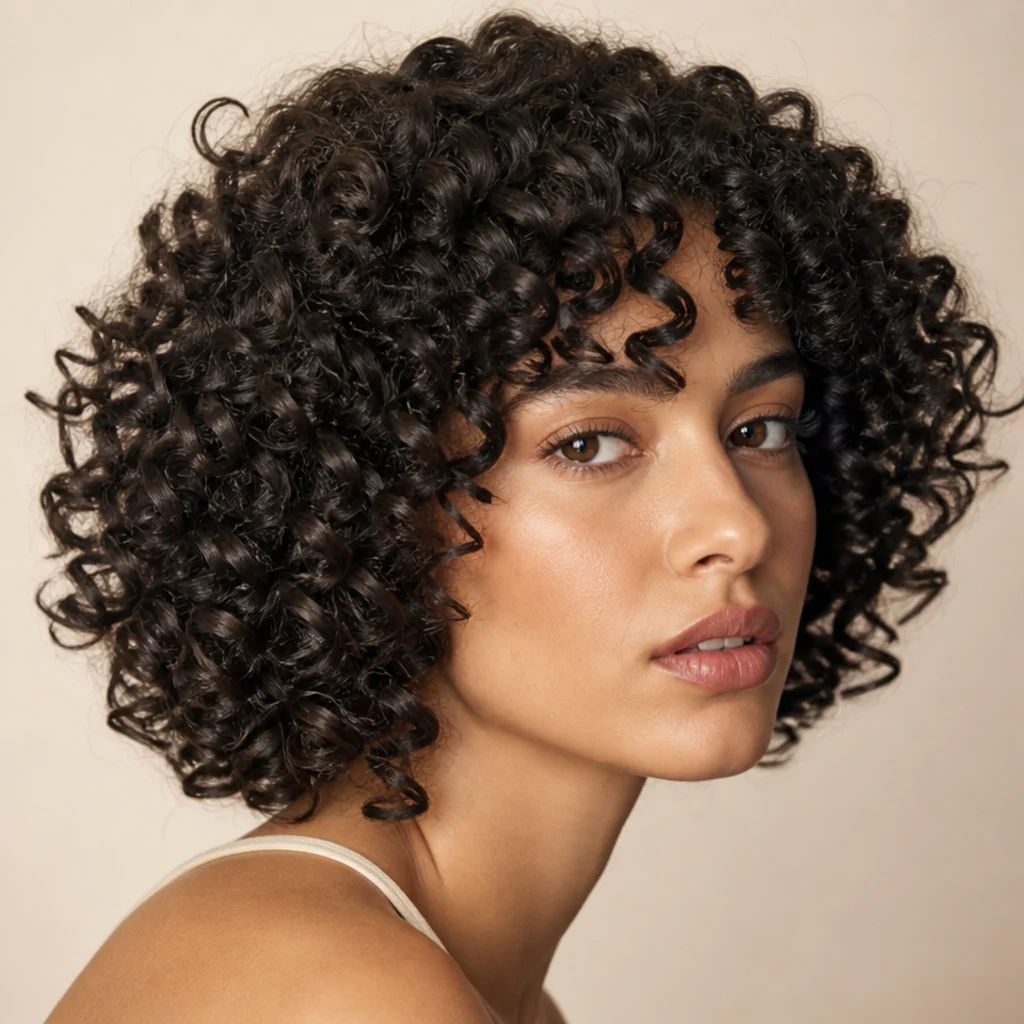
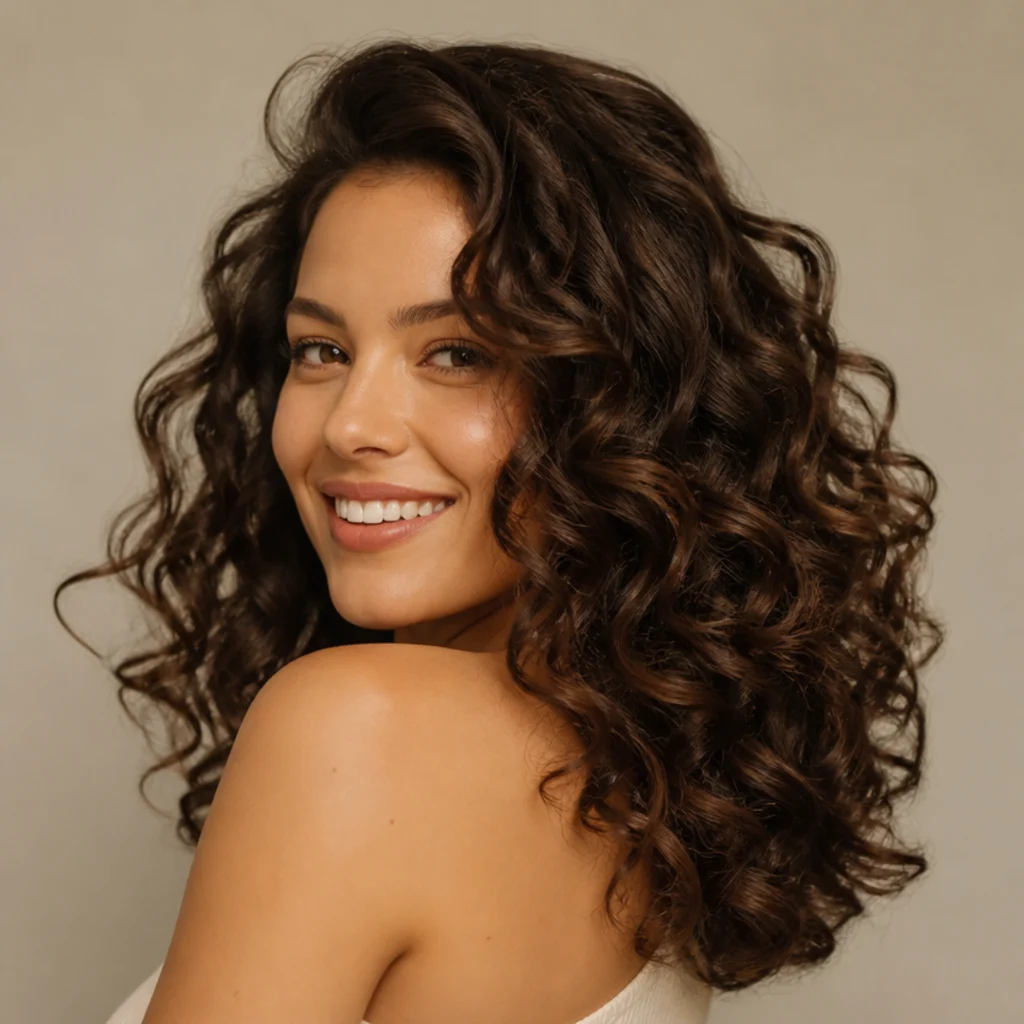
For maximum texture and drama, small-barrel sections turn a flat bob into defined, springy spirals that add serious volume and life. Wrap thin sections tightly onto the smallest barrel and hold a beat longer than usual before the cool shot to set a firmer, more resilient curl. This flatters anyone chasing fullness and works especially well on medium-to-coarse hair that naturally grips and keeps a curl; very fine hair can take the spiral but drops it faster, so a light setting mist before wrapping helps. Once every curl has fully cooled — non-negotiable for spring, because a warm curl brushed too soon collapses — separate gently with fingertips and a few drops of lightweight oil to fight frizz, and resist a brush, which shakes the coils loose into fluff. Rich espresso and deep auburn give the spirals dimension and depth, so the curls read defined rather than flat. Upkeep is medium: a silk scarf, bonnet, or loose pineapple at night preserves the spring into day two, and a quick re-curl of just the face-framing pieces revives the front. Pro tip: mist a flexible-hold spray onto each section before wrapping, not after — heat-setting the product into the curl roughly doubles its staying power. This is a spirited contrast if your everyday look is sleek and flat.
13Half-Up Volume Crown
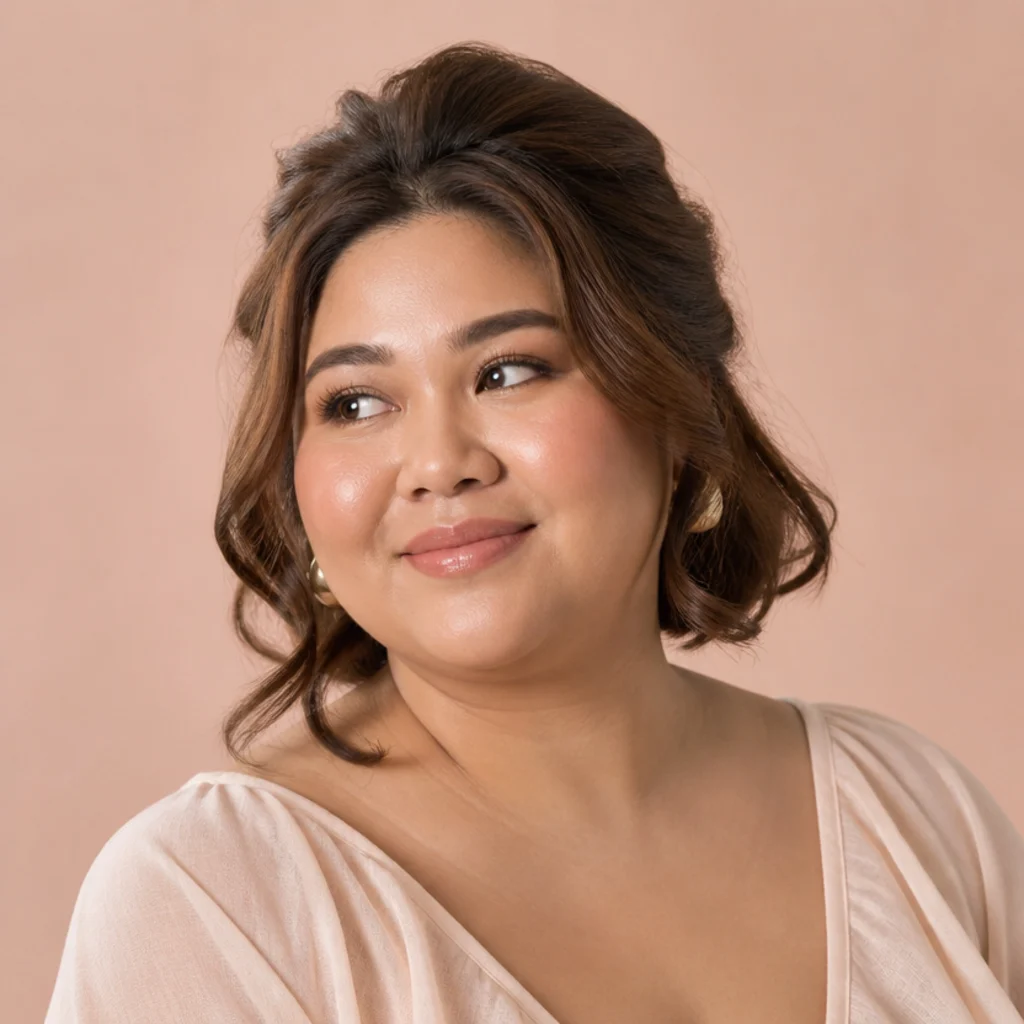
Short hair can wear a half-up just fine, and building real volume at the crown is what makes it read deliberate rather than like leftover pieces pinned back. Start with root lift through the top (borrow No. 9), gather the crown section back, and pin it into a soft bump with the ends tucked and hidden, then curl the loose sides away from the face to frame it. This flatters round and square faces by adding vertical height and lengthening the silhouette, and it's the practical hero look for warm days when you want hair off your neck without committing to a full updo. It suits chin-length and longer bobs; very short crops usually can't spare enough length to gather cleanly without pieces sliding out. A teasing comb at the crown base before you pin boosts and stabilizes the bump so it holds through the day. Any tone works, but soft dimensional color reads prettiest where the crown catches light. Pro tip: pin underneath the bump with the pins crisscrossed and angled downward into the lifted hair — hidden anchoring holds the height far better than a single clip resting on top. Finish with a light spray over the smoothed crown. It's quick to build and easy to refresh at midday if the bump softens. Ask your stylist for a bob long enough at the crown to gather without short pieces escaping.
14Textured Undercut Style
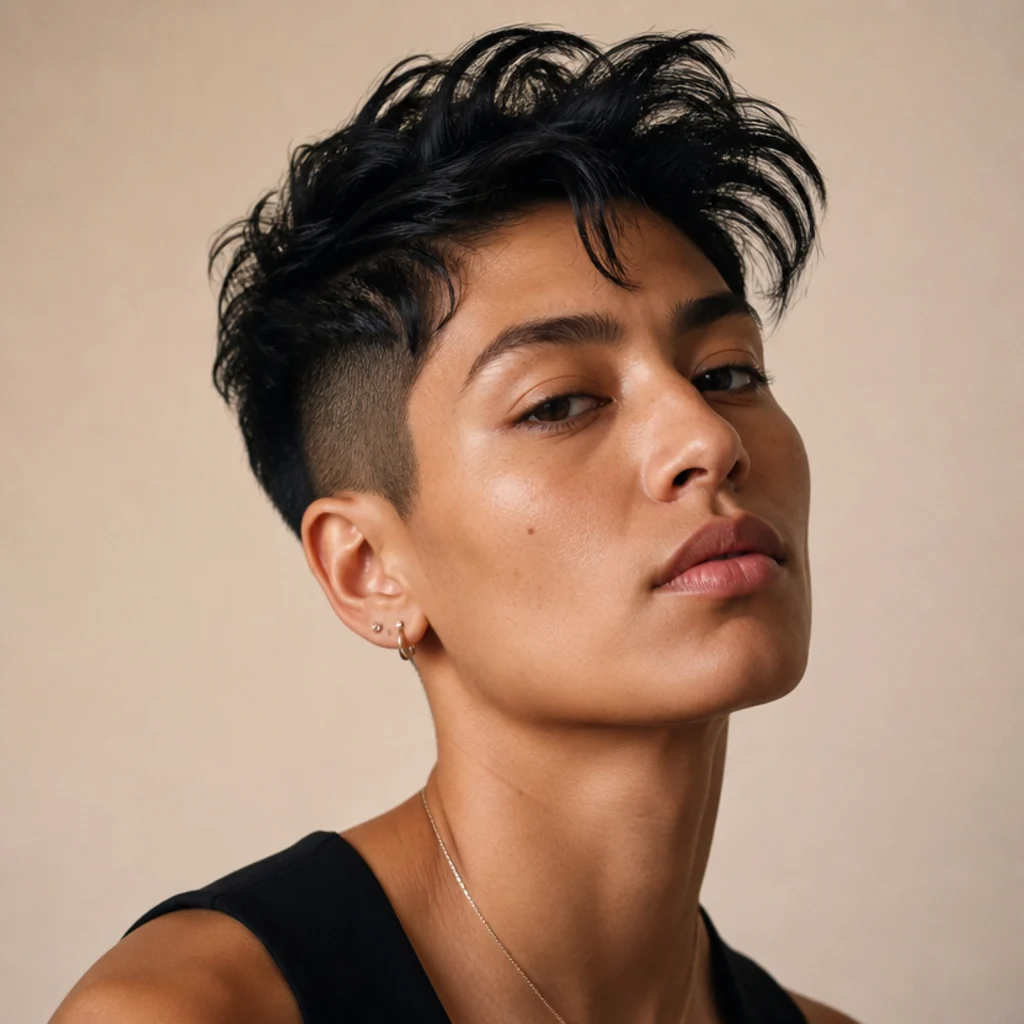
For edgier, more architectural cuts, an undercut or shaved-side style is all about movement and lift on a longer top section while the sides stay tight and clean. Use the small brush to lift and texturize the top, directing airflow for height and deliberate separation, and over-direct it toward whichever side carries the visual weight of the cut. This flatters bold, modern, and androgynous styling and works across most face shapes, because the vertical contrast pulls focus up and off the jaw. It's best on medium-density hair, which holds piecey definition without going stringy; ultra-fine tops can look sparse against a stark shave. Cool, graphic tones — steel, platinum, or deep matte black — sharpen the contrast between top and sides. Matte clay or fiber paste emulsified between the palms and raked through fully cooled hair holds the texture with a dry, undone finish — gloss products kill the edge here. The styling itself is quick, but the look lives or dies on the shave: the sides need a clipper touch-up every two to three weeks to stay sharp against the grown-out top. Pro tip: style the top while the sides are still damp and combed flat, so nothing on the sides puffs up to compete with your texture. Ask your barber to disconnect the top cleanly from the sides for the crispest, most intentional contrast.
15Glossy Mirror Finish
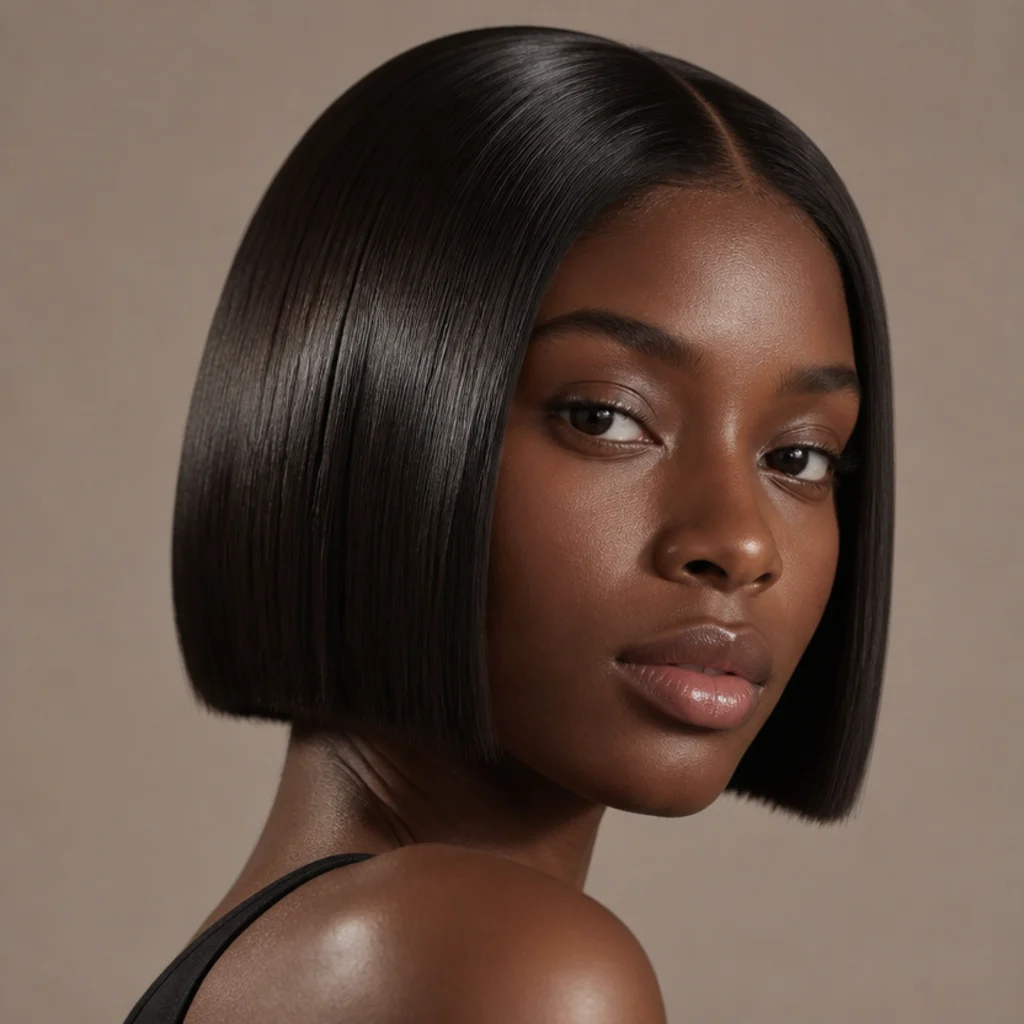
The glass-hair finish is the most polished way to wear a short bob: reflective, ultra-smooth, and low-key luxurious. Smooth every section dead-straight and flat with slow, high-tension passes of the smoothing brush, working root to tip so the cuticle lies in one unbroken direction, then seal with a fine shine spray or a single drop of gloss oil warmed between the fingertips. This finish flatters clean, minimalist styling and reads refined and expensive for events; it suits medium-to-thick hair that lies flat without frizzing. Deep, saturated single-tone color (jet, espresso, a cool dark chocolate) reads glassiest, because a flat cuticle reflecting one uniform shade is what creates the mirror effect. The honest caveat: glass hair is merciless. It shows every split end and mid-shaft break, so it rewards healthy, blunt condition and punishes damage. The main daily upkeep is humidity control: a smoothing serum or anti-humidity mist is essential in damp weather, where one wrong day frizzes the whole illusion. Pro tip: the mirror shine comes from the cool pass, not the heat — finish each section with cool air to slam the cuticle shut and reflect light, and skip any powdery or matte product entirely. Ask your stylist for a precise, one-length bob with regularly dusted, blunt ends so the surface stays flawless and reflective.
Save this to Pinterest to remember the glass-hair finishing trick.
Pro Tips from the Editor
- Set volume and curl with cool, not heat. Airflow shapes the hair; the two-to-three-second cool shot is what actually locks it, because hair holds whatever shape it's in as it cools from warm to room temperature. Skipping the cool phase is the number-one reason short-hair styles drop by lunch.
- Downsize your sections before you downsize your barrel. Short hair slips because sections are too thick, not because the attachment is wrong. Thinner sub-sections grip the barrel, set faster, and look smoother — aim for sections no wider than the barrel is long.
- Style from 80-percent-dry, never soaking or bone-dry. Too wet and the airflow can't set a shape or gets a weak, dropping curl; fully dry and you lose the wrap-and-form magic and add needless heat for no payoff. Rough-dry to just-damp first.
- Clip away what you're not working on. Even on a bob, sectioning with clips keeps stray pieces out of the barrel and gives every section clean, even tension — this single habit upgrades results more than any product.
- Match product to finish, not habit. Matte clay for pixies and undercuts, lightweight serum or gloss oil for sleek and glass looks, flexible spray for flips and waves, volume powder for fine roots. A shine product on a piecey style kills the texture; a matte one on glass hair kills the shine.
- Protect the ends, because short hair shows damage first. A light heat protectant on damp hair is cheap insurance, and glossy and glass finishes in particular broadcast every split end — book a dusting trim before you commit to those looks.
- Train stubborn parts and cowlicks while wet. Clip the part or fringe into its new position and let it dry-set before styling — you'll fight it far less at the barrel and it'll stay put through the day.
- Feed the barrel from the right side for the shape you want. Wrapping toward the face closes and frames; wrapping away opens and lifts. Deciding direction before each section, not mid-wrap, is what keeps waves and flips looking intentional.
How to Choose / Get the Look
Start with your cut and texture, not the trend photo. A quick decision framework:
| If your priority is… | Start with | Best cut & texture | Upkeep |
|---|---|---|---|
| Everyday polish | Soft Bouncy Blowout (No. 1) | Blunt/graduated bob, fine–medium | Low; 1-min day-two re-lift |
| Sleek & modern | Sleek Bob (2) or Glass Finish (15) | Blunt one-length, medium–thick | Low, humidity-sensitive |
| Effortless movement | Beach Waves (3) or Wavy Lob (10) | Layered lob, straight–wavy | Very low; improves day two |
| Maximum volume | Root Boost (9) + Pixie Lift (4) | Fine or short/cropped | Daily but quick |
| Retro character | Curled-Under (5) or Flippy '70s (6) | Blunt/collarbone bob, fine–medium | Low–medium |
| Statement/editorial | Slicked-Back (11) or Undercut (14) | Strong bone structure/edgy cut | Cut upkeep every 2–3 wks |
Work the framework in three passes. First, sort by face shape and feature line: round and heart faces gain from vertical lift and outward-framing pieces (Root Boost, Curtain Bangs, Flippy '70s, Half-Up Crown), while long, oval, and narrow faces balance out with width and movement at jaw level (Beach Waves, Curled-Under, Side-Swept). Strong, angular bone structure carries the sleekest, most stripped-back finishes best (Glass, Slick-Back). Second, sort by texture and density: fine hair should treat the Root Boost as a base under almost any finish and lean on volumizing attachments; medium hair has the widest menu; coarse and thick hair holds spirals and slick-backs with the least effort but wants a lighter finishing hand on flips and waves. Third, sort by the upkeep you'll realistically keep: blowouts, curled-under bobs, and waves refresh in a minute and forgive a lazy day, while curtain bangs (trim every 3–5 weeks) and undercuts (clipper touch-up every 2–3 weeks) demand a strict schedule to hold their shape at all.
On technique, the rules stay consistent across every look: style from roughly 80-percent-dry hair, work in small sections because short hair slips off the barrel, prep with a heat protectant even on lower-heat air styling, and end each section with a cool shot to set the shape. When you book your cut, bring two saved photos and describe the finish you want — the layers, bluntness, or weight line — not just the length, so your stylist builds the structure your chosen look actually needs.
A quick note: these are illustrative styling ideas for visual inspiration, not a hands-on tested review. Nothing here reflects product testing of the Dyson Airwrap, and no sponsorship, affiliation, endorsement, or affiliate relationship is implied.
Frequently Asked Questions
Does an air-styler work on really short hair like a pixie?
Yes, though the goal shifts from curl to lift. On a pixie, use the smallest round brush to raise roots and build piecey texture and height rather than length (see No. 4). Keep heat low and passes brief, since short crops sit close to the scalp and set fast. Finish with a whisper of matte clay on cooled tips for separation. The result you're after is airy volume and definition, not a curl — anything under about an inch won't wrap onto a barrel, so lift is the whole game.
How do I keep short sections from slipping off the barrel?
Take thinner sub-sections, use a smaller-diameter attachment, and clip away every layer you're not actively working. Sections that are too thick — not the wrong barrel — are the usual culprit. Starting from slightly less-dry hair also helps the ends grip, and keeping light, steady tension as you feed the section on prevents it from sliding free. Once you downsize your sections, short hair is more forgiving than long, because there's less weight trying to pull it off the barrel.
Will air styling hold as long on short hair?
Usually longer, because there's less weight dragging the shape out. The non-negotiable is finishing each section with a two-to-three-second cool shot to set it before you move on, since hair locks whatever shape it holds as it cools. Most short looks here hold overnight, and a 60-second refresh — a re-lift at the roots or a re-flick of the ends — restores them the next morning. A silk or satin pillowcase overnight is what stretches a blowout into day three.
What's the difference between styling short versus long hair?
Short hair styles faster and relies on smaller sections and attachments, so it rewards speed but demands precision so pieces don't slip. A dyson airwrap long hair routine needs more time, more product, and larger barrels to move real length, but tolerates thicker sections and looser tension. Short hair also holds volume better since less weight pulls the shape down, while long hair holds curl shape longer through the lengths. If you're growing a bob out, the wavy lob (No. 10) is the natural bridge between the two routines.
Do I need heat protectant with an air-styler?
Yes. Even lower-temperature air styling applies real heat, so a light heat protectant on damp hair is smart insurance for keeping short ends healthy and shiny — especially for glossy and glass finishes, which spotlight any damage. Choose a lightweight spray or lotion so fine short hair doesn't go flat under it, and apply it to towel-dried, not soaking, hair so it distributes evenly. Reapplying a mist to the mid-lengths and ends, not the roots, keeps protection where the heat actually lands.
Can I use an air-styler on curly or textured hair?
Yes, with adjustments. Tighter textures can achieve smooth blowouts and defined shapes, but work in smaller sections with lower heat and a light hand to protect the natural pattern and avoid stress on fragile ends. Very tight coils may find the tension and airflow fight the curl, so patch-test a section first and prioritize a bond-building or moisturizing prep. A curl cream or leave-in on damp hair before styling gives coarse and wavy textures grip and cuts frizz; skip the smoothing brush at high tension on chemically straightened or over-processed hair.
How often should I trim short hair to keep these styles looking sharp?
It depends on the look. Blunt bobs and glass finishes want a dusting every six to eight weeks so ends stay crisp and reflective. Curtain bangs need a shape-up every three to five weeks, and undercuts or shaved sides need a clipper touch-up every two to three weeks to hold their contrast. Movement-based waves and lobs are the most forgiving and stretch longest between cuts, because soft, disconnected layers disguise a little grow-out where blunt perimeters advertise it.
What products should I have on hand for short-hair air styling?
A short list covers everything: a lightweight heat protectant, a smoothing serum or gloss oil for sleek and glass looks, a matte clay or paste for pixies and undercuts, a flexible-hold spray for flips and waves, and an optional volume powder for fine roots. Match the product's finish to the style — matte for texture, glossy for smooth — and use everything sparingly, since short hair reveals product buildup and greasiness far faster than long. A boar-bristle brush and sectioning clips round out the kit.
How do I make a short blowout last into day two or three?
Set it properly the first time with cool shots, then protect it overnight on a silk or satin pillowcase to reduce friction and frizz. On day two, re-lift the roots for 60 seconds and refresh oil-prone areas at the crown and hairline with a little dry shampoo; on day three, a light re-curl of just the face-framing pieces revives the shape without a full restyle. Loosely pinning the shape up before bed, rather than sleeping on it flat, also preserves the crown volume.
Which Dyson Airwrap style is easiest for a beginner?
Start with the Soft Bouncy Blowout (No. 1) or the Flippy '70s Bob (No. 6). Both use forgiving technique — light tension, one clear direction, and a cool shot to finish — and both look intentional even if a section or two isn't perfect. Avoid tight spirals and glass finishes at first, since spirals demand patience through the cool-down and glass hair punishes any missed kink. Master sectioning and the cool shot on an easy look, and the harder finishes get much simpler.